On This Page
Description
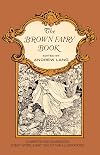
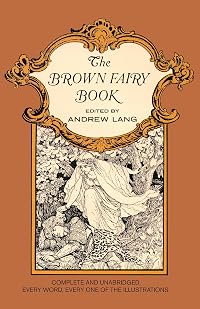
The Fairy Books, or "Coloured" Fairy Books is a collection of fairy tales divided into twelve books, each associated with a different colour. Collected together by Andrew Land they are sourced from a number of different countries and were translated by Lang's wife and other translators who also retold many of the tales. The collection has been incalculably important and, although he did not source the stories himself direct from the oral tradition he can make claim to the first English show more translation of many.First published in 1904, The Brown Fairy Bookis the 9th volume in this series.
. show less
Tags
Recommendations






















Member Reviews
A collection of fairy stories and folktales from all over the world.
As far as diversity goes, this is a good collection. Lang has compiled a wonderful assortment of stories from absolutely everywhere. The stories are nicely told, with good pacing and some lovely illustrations that really help capture that late 19th/early 20th century conception of the fairy tale.
However, these retellings are so colonial that I often had trouble even telling where each story was set until I reached the notations at the end. These may be world stories, but they're filtered through a decidedly British worldview. There's little to no local colour or regional feel. The translations all use the same basic voice. I found it frustrating after a while. I think show more my personal low came when a traditional Native American story contained a description of something that was "as fat as a Christmas turkey." It really made me wonder what else had been changed to conform to the period's conception of non-European cultures.
So this is a decent collection if you're just looking for a bit of fun, and it's a nice piece of nostalgia if you used to read the coloured Fairy Books when you were small. I wouldn't recommend approaching it as a serious cultural study, though, unless you're looking at how cultural biases affect storytelling. show less
As far as diversity goes, this is a good collection. Lang has compiled a wonderful assortment of stories from absolutely everywhere. The stories are nicely told, with good pacing and some lovely illustrations that really help capture that late 19th/early 20th century conception of the fairy tale.
However, these retellings are so colonial that I often had trouble even telling where each story was set until I reached the notations at the end. These may be world stories, but they're filtered through a decidedly British worldview. There's little to no local colour or regional feel. The translations all use the same basic voice. I found it frustrating after a while. I think show more my personal low came when a traditional Native American story contained a description of something that was "as fat as a Christmas turkey." It really made me wonder what else had been changed to conform to the period's conception of non-European cultures.
So this is a decent collection if you're just looking for a bit of fun, and it's a nice piece of nostalgia if you used to read the coloured Fairy Books when you were small. I wouldn't recommend approaching it as a serious cultural study, though, unless you're looking at how cultural biases affect storytelling. show less
Ball-Carrier and the Bad One *** The Bad One is defeated by a clever young lad.
How Ball-Carrier finished his Task **** Sequel to the first Ball-carrier story. This story also explains why gold is scattered around the world and deep in the earth.
Father Grumbler ***** It's hard to not feel sorry for Father Grumbler at first, but by the end you're just tired of how fucking stupid he is, at least he learned his lesson.
The Turtle and his Bride *** It's not said specficially if the bride is a turtle or human (I'm leaning toward the latter, especially as the illustration here shows the bride to be human) The turtle's kind of a dick, he pesters the poor woman until she agrees to marry him (only to make him stop nagging her) In the end, the show more turtle is cooked and eaten which... well, considering his attitude, serves him right.
How Geirald the Coward was Punished **** This is one of these stories where honesty is rewarded. The title says it all, pretty much.
The Sacred Milk of Koumongoe *** Koane (the brother) is a really bratty piece of shit, and his sister is made to suffer consequences for it. The dad is a real piece of shit too, fortunately others see that as well and sympathize with the poor girl. Happily, things work out for the girl in the end, though her brother seems to not have suffered any consequences for being such a shit-heel.
The Husband of the Rat's Daughter ***** A quite clever Japanese story about a rat mother who wants a fine son in law because she thinks her rat daughter is beautiful and skilled and is worthy of someone much higher. So the mom goes to the sun, the cloud, and the wind, this is reminiscient of the story of the dude who kept wishing to be something stronger but ends up being his old self again. The rat's daughter ends up marrying another rat.
The Elf Maiden *** Pretty bland tale of a young man who gains a mystical bride.
How Some Wild Animals became Tame Ones ***** Quite a clever tale that explains why some animals are wild (bear, wof, fox) while others are tame (cow, horse, sheep, goat, reindeer) Humans really are the assholes here.
Fortune and the Wood-Cutter ***** Not a very good moral... but at the same time, the frustration at haviing grinded so long is very real for countless people so i don't blame the wood-cutter for saying 'fuck it all' but damn he really got lucky... most people NEVER will be that lucky!
The Sister of the Sun *** Her embarks on an adventure, ends up with a beautiful maiden. Pretty cookie-cutter with supernatural friends that help along the way and the hero getting distracted by something during an important task.
The Fox and the Lapp *** Mmm yeah that fox is a real dick. I mean sure, some of the things he does are clever, but others are just really douchey and it's hard to sympathize with him by the time the story ends.
The Lion and the Cat ** Wasn't very fond of this one, I was rooting for the cat to get his ball but then it turned out the ball was an enchanted prince. What a let-down.
Which was the Foolishest? **** omg this shit is hilarious. Two women argue which of their husbands is more stupid, and it culiminates in plenty of entertainment and laughter.
Asmund and Signy ** Milquetoast story about a royal brother and sister who end up marrying another royal brother/sister pair after defeating an evil ogre/witch.
Rübezahl *** I do kinda feel bad for the gnome though, he was lonely. Not that this excuses kidnapping, though.
Story of the King who would be Stronger than Fate *** Just what you'd expect the hero wins in the end and has his bride.
Tale of a Tortoise and of a Mischievous Monkey **** This is two stories - one for the tortoise, one for the monkey - and they're both such clever animals!
_____
"What the Rose did to the Cypress"
"Ball-Carrier and the Bad One"
"How Ball-Carrier finished his Task"
"The Bunyip"
"Father Grumbler"
"The Story of the Yara"
"The Cunning Hare"
"The Turtle and his Bride"
"How Geirald the Coward was Punished"
"Habogi"
"How the Little Brother set Free his Big Brothers"
"The Sacred Milk of Koumongoe"
"The Wicked Wolverine"
"The Husband of the Rat's Daughter"
"The Mermaid and the Boy"
"Pivi and Kabo"
"The Elf Maiden"
"How Some Wild Animals became Tame Ones"
"Fortune and the Wood-Cutter"
"The Enchanted Head"
"The Sister of the Sun"
"The Prince and the Three Fates"
"The Fox and the Lapp"
"Kisa the Cat"
"The Lion and the Cat"
"Which was the Foolishest?"
"Asmund and Signy"
"Rübezahl"
"Story of the King who would be Stronger than Fate"
"Story of Wali Dad the Simple-hearted"
"Tale of a Tortoise and of a Mischievous Monkey"
"The Knights of the Fish" show less
How Ball-Carrier finished his Task **** Sequel to the first Ball-carrier story. This story also explains why gold is scattered around the world and deep in the earth.
Father Grumbler ***** It's hard to not feel sorry for Father Grumbler at first, but by the end you're just tired of how fucking stupid he is, at least he learned his lesson.
The Turtle and his Bride *** It's not said specficially if the bride is a turtle or human (I'm leaning toward the latter, especially as the illustration here shows the bride to be human) The turtle's kind of a dick, he pesters the poor woman until she agrees to marry him (only to make him stop nagging her) In the end, the show more turtle is cooked and eaten which... well, considering his attitude, serves him right.
How Geirald the Coward was Punished **** This is one of these stories where honesty is rewarded. The title says it all, pretty much.
The Sacred Milk of Koumongoe *** Koane (the brother) is a really bratty piece of shit, and his sister is made to suffer consequences for it. The dad is a real piece of shit too, fortunately others see that as well and sympathize with the poor girl. Happily, things work out for the girl in the end, though her brother seems to not have suffered any consequences for being such a shit-heel.
The Husband of the Rat's Daughter ***** A quite clever Japanese story about a rat mother who wants a fine son in law because she thinks her rat daughter is beautiful and skilled and is worthy of someone much higher. So the mom goes to the sun, the cloud, and the wind, this is reminiscient of the story of the dude who kept wishing to be something stronger but ends up being his old self again. The rat's daughter ends up marrying another rat.
The Elf Maiden *** Pretty bland tale of a young man who gains a mystical bride.
How Some Wild Animals became Tame Ones ***** Quite a clever tale that explains why some animals are wild (bear, wof, fox) while others are tame (cow, horse, sheep, goat, reindeer) Humans really are the assholes here.
Fortune and the Wood-Cutter ***** Not a very good moral... but at the same time, the frustration at haviing grinded so long is very real for countless people so i don't blame the wood-cutter for saying 'fuck it all' but damn he really got lucky... most people NEVER will be that lucky!
The Sister of the Sun *** Her embarks on an adventure, ends up with a beautiful maiden. Pretty cookie-cutter with supernatural friends that help along the way and the hero getting distracted by something during an important task.
The Fox and the Lapp *** Mmm yeah that fox is a real dick. I mean sure, some of the things he does are clever, but others are just really douchey and it's hard to sympathize with him by the time the story ends.
The Lion and the Cat ** Wasn't very fond of this one, I was rooting for the cat to get his ball but then it turned out the ball was an enchanted prince. What a let-down.
Which was the Foolishest? **** omg this shit is hilarious. Two women argue which of their husbands is more stupid, and it culiminates in plenty of entertainment and laughter.
Asmund and Signy ** Milquetoast story about a royal brother and sister who end up marrying another royal brother/sister pair after defeating an evil ogre/witch.
Rübezahl *** I do kinda feel bad for the gnome though, he was lonely. Not that this excuses kidnapping, though.
Story of the King who would be Stronger than Fate *** Just what you'd expect the hero wins in the end and has his bride.
Tale of a Tortoise and of a Mischievous Monkey **** This is two stories - one for the tortoise, one for the monkey - and they're both such clever animals!
_____
"What the Rose did to the Cypress"
"Ball-Carrier and the Bad One"
"How Ball-Carrier finished his Task"
"The Bunyip"
"Father Grumbler"
"The Story of the Yara"
"The Cunning Hare"
"The Turtle and his Bride"
"How Geirald the Coward was Punished"
"Habogi"
"How the Little Brother set Free his Big Brothers"
"The Sacred Milk of Koumongoe"
"The Wicked Wolverine"
"The Husband of the Rat's Daughter"
"The Mermaid and the Boy"
"Pivi and Kabo"
"The Elf Maiden"
"How Some Wild Animals became Tame Ones"
"Fortune and the Wood-Cutter"
"The Enchanted Head"
"The Sister of the Sun"
"The Prince and the Three Fates"
"The Fox and the Lapp"
"Kisa the Cat"
"The Lion and the Cat"
"Which was the Foolishest?"
"Asmund and Signy"
"Rübezahl"
"Story of the King who would be Stronger than Fate"
"Story of Wali Dad the Simple-hearted"
"Tale of a Tortoise and of a Mischievous Monkey"
"The Knights of the Fish" show less
To avoid overabundance of information re persons responsible for translations and/or adaptation, please refer to Lang's Preface. Original color plates now appear in black & white half tones. Unabridged Replication of Longman & Green's 1904 edition.
Contents: "What the Rose did to the Cypress", "Ball-Carrier and the Bad One", "How Ball-Carrier finished his Task", "The Bunyip", "Father Grumbler", "The Story of the Yara",
"The Cunning Hare", "The Turtle and his Bride", "How Geirald the Coward was Punished",
"Habogi", "How the Little Brother set Free his Big Brothers", "The Sacred Milk of Koumongoe",
"The Wicked Wolverine", "The Husband of the Rat's Daughter", "The Mermaid and the Boy",
"Pivi and Kabo", "The Elf Maiden", "How Some Wild Animals show more became Tame Ones", "Fortune and the Wood-Cutter", "The Enchanted Head", "The Sister of the Sun", "The Prince and the Three Fates", "The Fox and the Lapp", "Kisa the Cat", "The Lion and the Cat", "Which was the Foolishest?", "Asmund and Signy", "Rübezahl", "Story of the King who would be Stronger than Fate", "Story of Wali Dad the Simple-hearted", "Tale of a Tortoise and of a Mischievous Monkey", "The Knights of the Fish" show less
Contents: "What the Rose did to the Cypress", "Ball-Carrier and the Bad One", "How Ball-Carrier finished his Task", "The Bunyip", "Father Grumbler", "The Story of the Yara",
"The Cunning Hare", "The Turtle and his Bride", "How Geirald the Coward was Punished",
"Habogi", "How the Little Brother set Free his Big Brothers", "The Sacred Milk of Koumongoe",
"The Wicked Wolverine", "The Husband of the Rat's Daughter", "The Mermaid and the Boy",
"Pivi and Kabo", "The Elf Maiden", "How Some Wild Animals show more became Tame Ones", "Fortune and the Wood-Cutter", "The Enchanted Head", "The Sister of the Sun", "The Prince and the Three Fates", "The Fox and the Lapp", "Kisa the Cat", "The Lion and the Cat", "Which was the Foolishest?", "Asmund and Signy", "Rübezahl", "Story of the King who would be Stronger than Fate", "Story of Wali Dad the Simple-hearted", "Tale of a Tortoise and of a Mischievous Monkey", "The Knights of the Fish" show less
This is Book 9 in the Andrew Lang Color Fairy Tale Series
Ratings
Members
- Recently Added By
Lists

Folio Society
831 works; 50 members

Children's Literature 1900 - 1950 in order
413 works; 8 members
Author Information

392+ Works 24,465 Members
Andrew Lang was born at Selkirk in Scotland on March 31, 1844. He was a historian, poet, novelist, journalist, translator, and anthropologist, in connection with his work on literary texts. He was educated at Edinburgh Academy, St. Andrews University, and Balliol College, Oxford University, becoming a fellow at Merton College. His poetry includes show more Ballads and Lyrics of Old France (1872), Ballades in Blue China (1880--81), and Grass of Parnassus (1888--92). His anthropology and his defense of the value of folklore as the basis of religion is expressed in his works Custom and Myth (1884), Myth, Ritual and Religion (1887), and The Making of Religion (1898). He also translated Homer and critiqued James G. Frazer's views of mythology as expressed in The Golden Bough. He was considered a good historian, with a readable narrative style and knowledge of the original sources including his works A History of Scotland (1900-7), James VI and the Gowrie Mystery (1902), and Sir George Mackenzie (1909). He was one of the most important collectors of folk and fairy tales. His collections of Fairy books, including The Blue Fairy Book, preserved and handed down many of the better-known folk tales from the time. He died of angina pectoris on July 20, 1912. (Bowker Author Biography) show less
Some Editions
Series

Belongs to Publisher Series
Work Relationships
Is contained in
Contains
Common Knowledge
- Original publication date
- 1904
- First words
- Once upon a time a great king of the East, named Saman-lalposh, had three brave and clever sons---Tahmasp, Qamas, and Almas-ruh-baksh.
- Last words
- (Click to show. Warning: May contain spoilers.)As to the old witch, in the end she died of rage at seeing her prey escape her; and at the moment she drew her last breath the castle of Albatroz fell into ruins with a great noise.
Classifications
- Genres
- Fiction and Literature, Children's Books
- DDC/MDS
- 398.21 — Society, government, & culture Customs, etiquette & folklore Folklore & Folktales Folk literature Fairy Tales
- LCC
- PZ8 .L15 .B — Language and Literature Fiction and juvenile belles lettres Fiction and juvenile belles lettres Juvenile belles lettres
- BISAC
Statistics
- Members
- 921
- Popularity
- 29,183
- Reviews
- 5
- Rating
- (4.01)
- Languages
- English
- Media
- Paper, Audiobook, Ebook
- ISBNs
- 66
- UPCs
- 1
- ASINs
- 23