On This Page
Description
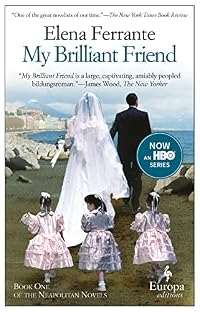
Now an HBO series: the first volume in the New York Times bestselling "enduring masterpiece" (The Atlantic) about a lifelong friendship between two women from Naples.Beginning in the 1950s in a poor but vibrant neighborhood on the outskirts of Naples, Elena Ferrante's four-volume story spans almost sixty years, as its main characters, the fiery and unforgettable Lila and the bookish narrator, Elena, become women, wives, mothers, and leaders, all the while maintaining a complex and at times show more conflicted friendship.
This first novel in the series follows Lila and Elena from their fateful meeting as ten-year-olds through their school years and adolescence. Through the lives of these two women, Ferrante tells the story of a neighborhood, a city, and a country as it is transformed in ways that, in turn, also transform the relationship between two women.
. show less
Tags
Recommendations






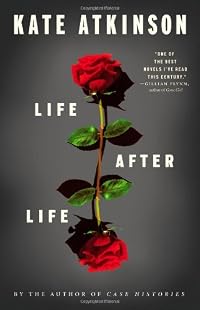
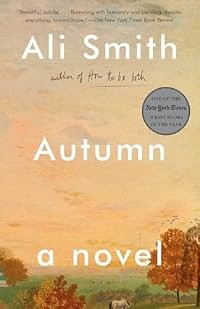
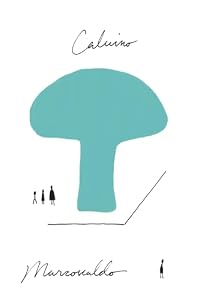
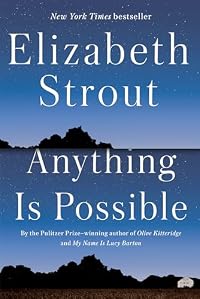

Member Recommendations

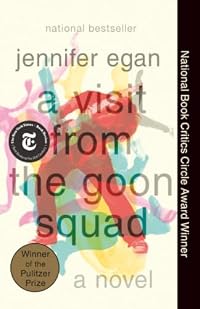
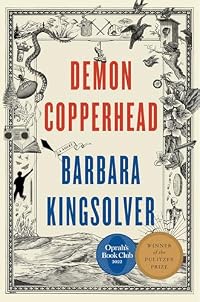
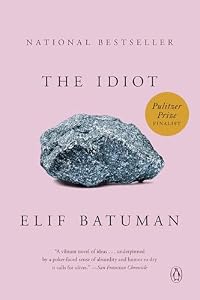
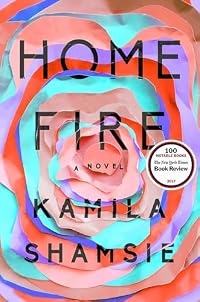
susanbooks Both are gorgeous novels about young girls' friendships and how they're complicated by class, family, desire.
20
aileverte Carol Shields and Elena Ferrante have similar sensibilities, write about the lives of slightly less than average women, offer insights into the writer's craft.
RidgewayGirl Both novels center around a girl living in a poor Italian community. Both share the same translator.
Widsith Two books about growing up in Naples in the 1950s, with illuminating differences – Ferrante writing the start of an epic series following girls from the housing estates, De Luca a short, concise look at a boy in the historical centre… both fascinating in divergent ways.

by Romerillo
Member Reviews
Born into a poor and violent neighbourhood, plagued by death, most people accept their fate, some dream, and a few make plans. For Elena, the narrator, studying hard becomes the likely route out. Lila, the shoe-mender’s daughter, hopes her fantastical shoe designs will one day bring wealth. Footwear is a transformative element in so many myths and fairytales, it seems apt: Hermes/Mercury, Cinderella, The Elves and the Shoemaker, Puss in Boots, The Wizard of Oz, and The Red Shoes.
Image: Mythical winged sandals (Source)
This charts the early years of Elena and Lila’s lives, as friends and rivals, bonded forever, whatever the future may hold.
Location: time and place
“We lived in a world in which children and adults were often wounded, show more blood flowed from the wounds, they festered, and sometimes people died.”
The setting is utterly alien: 1950s (mostly) in an impoverished, closely interconnected neighbourhood of Naples, where people speak a slum dialect rather than “school Italian”, and the Neapolitan equivalent of the mafia, the Camorra, hold sway.
“There were no written rules, everyone knew that’s how it was.”
But it’s so vividly portrayed, filled with universal experiences (childhood friendships and fears, mythologising, dares, competitiveness, battles with parents, shame, showing off, puberty, sexual stirrings, fashion, slut and fag-shaming, manipulative and difficult relationships), that there’s familiarity too - despite the normalised violence and abuse.
Roots and routes
School gives Elena the possibility of a different life, but it increasingly distances her from those she is growing up with.
“I had grown up with these boys, I considered their behaviour normal, their violent language was mine. But for six years now I had also been following daily a path that they were completely ignorant of… With them… I had to suppress myself.”
When Don Sarratore publishes a book of poems and moves to a better area, she begins to believe it is possible to escape one’s roots - for people like her to succeed, even by writing (she doesn’t seem to consider it might be easier for a man).
“Was it possible that only our neighborhood was filled with conflicts and violence, while the rest of the city was radiant and benevolent?”
Nevertheless, Elena’s childhood means that long after she’s moved away, violence, death, and poverty are among “the many fears that accompanied me all my life”.
Yin and yang
“A continuous game of exchanges and reversals.”
Again and again, Lila’s and Elena’s experiences switch: when one is happy or pretty or popular, the other is not - until it flips.
Yet despite that, broad differences persist. Lila is wild and angry, brilliant and, eventually, beautiful. By age six, she’s taught herself to read, despite living in a barely literate household. Elena is scared and in awe of her, but decides to accept Lila’s superiority, while being determined to keep up with her:
“That was my way of reacting to envy, and hatred, and of suffocating them.”
Even in the context of school work, the vocabulary is violent.
“My life was splendid but uneventful… while hers was dark but full.”
It seems that Lila is the brilliant one, going to waste, while Elena succeeds through hard graft and being allowed to continue in school. But it’s Lila who tells Elena, “You’re my brilliant friend”.
Dissolving margins
In childhood, the girls are constrained within their tiny neighbourhood, but as teens they occasionally venture to more affluent areas.
“It was like crossing a border. I remember a dense crowd and a sort of humiliating difference… The women: they were absolutely different from us. They seemed to have breathed another air… They didn’t see any of the five of us.
This is a grimly and sublimely realistic novel, with an intriguing exception: Lila’s occasional experience of “dissolving margins”. It could be a type of migraine or a touch of magical-realism. Either way, it’s also a metaphor for the boundaries and breaches that run through the book.
Image: Children playing in the street in Naples, c1950 (Source)
Scale
When I opened this medium-length novel, I was startled by the dauntingly long cast list. When I finished, I was startled that it just stopped, in the middle of a big celebration, with trouble brewing. That’s because this is actually an epic novel published in 4 volumes, following Elena and Lila, born in Naples c1944, from childhood to old age. This one has a short present-day prologue, 60 pages about their childhood, and 240 of their adolescence. I will get the other three volumes.
Quotes
• “Trained by our school books to speak with great skill about what we had never seen we were excited by the invisible.”
• “She took the facts and in a natural way charged them with tension; she intensified reality as she reduced it to words.”
• “The sea. But what a sea. It was very rough, and loud; the wind took your breath away, pasted your clothes to your body and blew the hair off your forehead… The waves rolled in like blue metal tubes carrying an egg white of foam on their peaks, then broke in a thousand glittering splinters and came up the street.”
• “I lay in the sun reading, dissolving into the pages like a jellyfish.”
• “I was terrified… by the horror it created, but the pleasure that I nevertheless felt.” [a brave, but plausible description of a teen being gently (only in a physical sense) sexually assaulted]
• “She gave off a glow that seemed a violent slap in the face of the poverty of the neighborhood.”
• “The embarrassment of gazing with pleasure at her body… I was washing her… just so that [person] could sully her.”
• “To listen to him lighted up my mind almost the way Lila once had.”
The Neapolitan quartet
1. My Brilliant Friend, read November ‘22, 4* (this review).
2. The Story of a New Name, read April ‘23, 4*, review HERE.
3. Those Who Leave and Those Who Stay, tbr.
4. The Story of the Lost Child, tbr.
Who's the “brilliant” one?
In book 1, Lila calls Elena her brilliant friend.
In book 2, their old teacher says that Lila was the best student she ever taught. show less
Image: Mythical winged sandals (Source)
This charts the early years of Elena and Lila’s lives, as friends and rivals, bonded forever, whatever the future may hold.
Location: time and place
“We lived in a world in which children and adults were often wounded, show more blood flowed from the wounds, they festered, and sometimes people died.”
The setting is utterly alien: 1950s (mostly) in an impoverished, closely interconnected neighbourhood of Naples, where people speak a slum dialect rather than “school Italian”, and the Neapolitan equivalent of the mafia, the Camorra, hold sway.
“There were no written rules, everyone knew that’s how it was.”
But it’s so vividly portrayed, filled with universal experiences (childhood friendships and fears, mythologising, dares, competitiveness, battles with parents, shame, showing off, puberty, sexual stirrings, fashion, slut and fag-shaming, manipulative and difficult relationships), that there’s familiarity too - despite the normalised violence and abuse.
Roots and routes
School gives Elena the possibility of a different life, but it increasingly distances her from those she is growing up with.
“I had grown up with these boys, I considered their behaviour normal, their violent language was mine. But for six years now I had also been following daily a path that they were completely ignorant of… With them… I had to suppress myself.”
When Don Sarratore publishes a book of poems and moves to a better area, she begins to believe it is possible to escape one’s roots - for people like her to succeed, even by writing (she doesn’t seem to consider it might be easier for a man).
“Was it possible that only our neighborhood was filled with conflicts and violence, while the rest of the city was radiant and benevolent?”
Nevertheless, Elena’s childhood means that long after she’s moved away, violence, death, and poverty are among “the many fears that accompanied me all my life”.
Yin and yang
“A continuous game of exchanges and reversals.”
Again and again, Lila’s and Elena’s experiences switch: when one is happy or pretty or popular, the other is not - until it flips.
Yet despite that, broad differences persist. Lila is wild and angry, brilliant and, eventually, beautiful. By age six, she’s taught herself to read, despite living in a barely literate household. Elena is scared and in awe of her, but decides to accept Lila’s superiority, while being determined to keep up with her:
“That was my way of reacting to envy, and hatred, and of suffocating them.”
Even in the context of school work, the vocabulary is violent.
“My life was splendid but uneventful… while hers was dark but full.”
It seems that Lila is the brilliant one, going to waste, while Elena succeeds through hard graft and being allowed to continue in school. But it’s Lila who tells Elena, “You’re my brilliant friend”.
Dissolving margins
In childhood, the girls are constrained within their tiny neighbourhood, but as teens they occasionally venture to more affluent areas.
“It was like crossing a border. I remember a dense crowd and a sort of humiliating difference… The women: they were absolutely different from us. They seemed to have breathed another air… They didn’t see any of the five of us.
This is a grimly and sublimely realistic novel, with an intriguing exception: Lila’s occasional experience of “dissolving margins”. It could be a type of migraine or a touch of magical-realism. Either way, it’s also a metaphor for the boundaries and breaches that run through the book.
Image: Children playing in the street in Naples, c1950 (Source)
Scale
When I opened this medium-length novel, I was startled by the dauntingly long cast list. When I finished, I was startled that it just stopped, in the middle of a big celebration, with trouble brewing. That’s because this is actually an epic novel published in 4 volumes, following Elena and Lila, born in Naples c1944, from childhood to old age. This one has a short present-day prologue, 60 pages about their childhood, and 240 of their adolescence. I will get the other three volumes.
Quotes
• “Trained by our school books to speak with great skill about what we had never seen we were excited by the invisible.”
• “She took the facts and in a natural way charged them with tension; she intensified reality as she reduced it to words.”
• “The sea. But what a sea. It was very rough, and loud; the wind took your breath away, pasted your clothes to your body and blew the hair off your forehead… The waves rolled in like blue metal tubes carrying an egg white of foam on their peaks, then broke in a thousand glittering splinters and came up the street.”
• “I lay in the sun reading, dissolving into the pages like a jellyfish.”
• “I was terrified… by the horror it created, but the pleasure that I nevertheless felt.” [a brave, but plausible description of a teen being gently (only in a physical sense) sexually assaulted]
• “She gave off a glow that seemed a violent slap in the face of the poverty of the neighborhood.”
• “The embarrassment of gazing with pleasure at her body… I was washing her… just so that [person] could sully her.”
• “To listen to him lighted up my mind almost the way Lila once had.”
The Neapolitan quartet
1. My Brilliant Friend, read November ‘22, 4* (this review).
2. The Story of a New Name, read April ‘23, 4*, review HERE.
3. Those Who Leave and Those Who Stay, tbr.
4. The Story of the Lost Child, tbr.
Who's the “brilliant” one?
In book 1, Lila calls Elena her brilliant friend.
In book 2, their old teacher says that Lila was the best student she ever taught. show less
I do love novels about female friendships, and this one has a very satisfying focus on lifelong friends Elena and Lila. Here, their intense and complex relationship is chronicled by Elena from pre-school age to sixteen - making it imperative that I get hold of the next volume. The two of them grow up together in a poor part of Naples, supporting each other and competing, surviving and trying to transcend their origins. The narrative makes it plain how difficult it is to be a girl growing up in poverty in the 1950s, as violence and sexual harassment are constantly present. The struggle of intelligent young women in a situation that dismisses, devalues, and endangers them is vividly portrayed. Although the novel proceeds as a series of show more miniatures, little anecdotes that display particularly significant aspects of early life, it feels grand and sweeping somehow. Elena and Lila are vitally important to one another and this bond comes through powerfully. The writing is beautiful and has great emotional weight. The denouement at the wedding is incredibly powerful as the reader knows all of the past rancour and significance behind what is ostensibly a small incident at the very end. Ferrante conveys subtle points about gender, poverty, and politics so well, whilst illuminating the transformative power of friendship. It’s now clearly to me why I was 93rd in the queue when I reserved ‘My Brilliant Friend’ at the library. show less
OK, OK... I concede - you were all right! This was a brilliant book which was right up my street - intertwining family sagas, brilliant character development, an interesting setting away from the norm in the backstreets of mid 20th century Naples.
I'm so glad I DID pick this up on the back of all your glowing recommendations, otherwise I might not have made it through the first 40 or 50 pages which didn't grab me to begin with.
I have two slight negatives, which I'm reluctant to mention but I'm a grouch so I will anyway. Number 1, which we've done to death - the cover. I felt like reading it on the bus concealed behind another book such was my shame that people would think I was reading the type of little old lady romance books that my show more library is full of. Even my husband, who is a literary neanderthal, commented "That's not the normal kind of book you go for". Enough said.
Secondly, although I did hugely enjoy it, I felt like it was a very good book, not some new genre-redefining masterpiece worthy of the pedestal it has been put up on. So for that twisted reason alone I am deducting half a star, but I do have books 2 and 3 on order already so clearly I am as hooked as the rest of you were.
4.5 stars - My brilliant read. Took me right out of a brief reading slump. show less
I'm so glad I DID pick this up on the back of all your glowing recommendations, otherwise I might not have made it through the first 40 or 50 pages which didn't grab me to begin with.
I have two slight negatives, which I'm reluctant to mention but I'm a grouch so I will anyway. Number 1, which we've done to death - the cover. I felt like reading it on the bus concealed behind another book such was my shame that people would think I was reading the type of little old lady romance books that my show more library is full of. Even my husband, who is a literary neanderthal, commented "That's not the normal kind of book you go for". Enough said.
Secondly, although I did hugely enjoy it, I felt like it was a very good book, not some new genre-redefining masterpiece worthy of the pedestal it has been put up on. So for that twisted reason alone I am deducting half a star, but I do have books 2 and 3 on order already so clearly I am as hooked as the rest of you were.
4.5 stars - My brilliant read. Took me right out of a brief reading slump. show less
This novel is not what it's been portrayed to be -- at least, not as in book reviews, bookshop promotions, or social media content I've come across. It is the better for it.
These portrayals: it's not they completely mistake the novel. Reading My Brilliant Friend as Bildungsroman; as story of a friendship; as soap opera set in a working class Neapolitan neighbourhood -- these are not wrong, but they seem to me incidental. Reflecting on these interpretations as I read through the novel, I recognised what was being picked out, latched onto. But none get to the heart of the book. They seem tropes, ways of telling the story, but not the story.
Though myriad gestures at genre type are freely recognisable throughout the text, the various show more portrayals and reviews somehow each plunk for just one over many on offer, and just as interestingly, seemingly find it unnecessary to even acknowledge there are others. Then, too, the selection seems constrained: few if any mention the distinct irruptions of Weird, the various bits of metafiction dispersed into the narrative.
My reading left the impression that the two protagonists, Elena and Lila, were in fact the same person -- or, not quite the same thing: were one person considered from different vantage points and placed in one story as separate, interacting characters. Lila seems to depict the experience of someone trying to reach potential within their given context (often literally finding unexpected roles within her given social milieux). Elena, the same struggle but looking outside their given context (often through reading novels, or higher education, and new milieux made available by these). The various genre tropes are Ferrante's efforts at describing the person in differing ways, suggesting ultimately that the center of that person's experience is an uneasiness, an inability to fit comfortably or wholly within a single accepted social role. I came to think of My Brilliant Friend as a biography in which the author opted to represent their subject not as one personality, but as two.
If I continue with the remaining novels of the Neapolitan Quartet, I suspect a prevailing motivation will be my curiosity as to whether this reading holds or perhaps expands. show less
These portrayals: it's not they completely mistake the novel. Reading My Brilliant Friend as Bildungsroman; as story of a friendship; as soap opera set in a working class Neapolitan neighbourhood -- these are not wrong, but they seem to me incidental. Reflecting on these interpretations as I read through the novel, I recognised what was being picked out, latched onto. But none get to the heart of the book. They seem tropes, ways of telling the story, but not the story.
Though myriad gestures at genre type are freely recognisable throughout the text, the various show more portrayals and reviews somehow each plunk for just one over many on offer, and just as interestingly, seemingly find it unnecessary to even acknowledge there are others. Then, too, the selection seems constrained: few if any mention the distinct irruptions of Weird, the various bits of metafiction dispersed into the narrative.
My reading left the impression that the two protagonists, Elena and Lila, were in fact the same person -- or, not quite the same thing: were one person considered from different vantage points and placed in one story as separate, interacting characters. Lila seems to depict the experience of someone trying to reach potential within their given context (often literally finding unexpected roles within her given social milieux). Elena, the same struggle but looking outside their given context (often through reading novels, or higher education, and new milieux made available by these). The various genre tropes are Ferrante's efforts at describing the person in differing ways, suggesting ultimately that the center of that person's experience is an uneasiness, an inability to fit comfortably or wholly within a single accepted social role. I came to think of My Brilliant Friend as a biography in which the author opted to represent their subject not as one personality, but as two.
If I continue with the remaining novels of the Neapolitan Quartet, I suspect a prevailing motivation will be my curiosity as to whether this reading holds or perhaps expands. show less
It's slightly mysterious to me why I found this book so compelling. It is a nearly excruciatingly detailed recounting of the decidedly odd narrator's obsessive childhood friendship, and, in some ways, not all that much happens. The key, I think, is the context, given in the prologue, which I felt compelled to re-read two or three times while devouring the book. The narrator, Elena, offers the entire story as a kind of revenge on her now 66-year-old friend Lila for purposely disappearing without a trace, as she had told Elena she someday would. Elena is, of course, also the author's first name, but, as has been widely reported, Elena Ferrante is a pseudonym, and no one really knows who the author is. A publicity stunt, perhaps, but the show more combined effect is chilling and beguiling all the same.
Naples itself is an intriguing character in this story, too. Elena and Lila grow up in a poor and violent Naples neighborhood just after WWII, and Elena ruminates quite a bit on what that means, on how the time and place shape their lives and those of their contemporaries.
My Brilliant Friend is only the first of the four-volume Neapolitan Novels series. When I checked my library holds list this morning and saw that there were still 23 people ahead of me for the second book, I went right out and bought it within an hour of finishing this one. We'll see if Ferrante can maintain the kind of tension that she did in My Brilliant Friend, but based on the reputation these books have, I'm guessing she will. I'm looking forward to going along for the ride. show less
Naples itself is an intriguing character in this story, too. Elena and Lila grow up in a poor and violent Naples neighborhood just after WWII, and Elena ruminates quite a bit on what that means, on how the time and place shape their lives and those of their contemporaries.
My Brilliant Friend is only the first of the four-volume Neapolitan Novels series. When I checked my library holds list this morning and saw that there were still 23 people ahead of me for the second book, I went right out and bought it within an hour of finishing this one. We'll see if Ferrante can maintain the kind of tension that she did in My Brilliant Friend, but based on the reputation these books have, I'm guessing she will. I'm looking forward to going along for the ride. show less
Elena Ferrante’s four-volume series Neapolitan Novels (of which this is the first) has been touted pretty much everywhere and lauded by pretty much everyone – both by professional critics and (rather more importantly) by trusted fellow-readers: everyone on my Goodreads friends list who has read My Brilliant Friend has given it at least four stars, and (almost) everyone else has it on their to-read list.
In spite of those overwhelming recommendations, I was very hesitant to pick it up myself, precisely because of the reasons it was universally lauded for, namely the realism of its depiction of life in postwar Naples and the authenticity of the narrative voice. Both of those concepts I consider highly problematical (which won’t come show more as a surprise for any regular reader of this blog): modernism has taught us that simple representational realism simply does not work how it is supposed to (cf. Brecht’s saying that “less than ever does the mere reflection of reality reveal anything about reality. A photo of the Krupp factory or the AEG tells us almost nothing about these institutions.”) and one of the things to take away from postmodernism is the lesson that authenticity is a literary effect, achieved by literary means like any other, and thus always and inevitably deeply inauthentic.
As in previous cases, it was Leander reading it and posting about it on her blog which got me to change my mind, or at least weakened my resistance sufficiently to give My Brilliant Friend a try.As it turned out, the book was nowhere near the kind of naive confessional writing I was afraid it might be, and instead does not pretend to any immediacy, but, while not exactly pushing the borders of the novel form, is well aware of being literature and constantly reflects on its status a work of language and as fiction. This is established right from the beginning: My Brilliant Friend starts with a frame narrative which does several things: it sets a very concrete situation in which the following novel (and, indeed, novels – we will catch up with this initial narrative only in the fourth volume of the series) is being written, thus making the writing itself a subject and reminding readers that the events described are seen from a certain perspective, the perspective of someone who may not always be reliable and who as her own motives of writing what she does in the way she does.
The frame narrative also introduces what will gradually reveal itself as one of the central themes of the Neapolitan Novels: the conflicting desires of Elena / Lena and Raffaela / Lila – the former tries to conserve herself and the world around her, fix them, define them, while the latter attempts to erase both herself and the order of things, make things fluid, indeterminate, ever-changing. It will be no surprise then that it is Lena who narrates the story, and that the goal of her narration is to catch in writing what constitutes the essence of the enigmatic Lila – something which – as really becomes clear quite early on – she can in the end only fail to do, despite all her efforts at describing, defining her, Lila continues to elude Lena’s authorial grasp.
The novel proper then starts out with describing the childhood of the narrator and her friend in Naples during the fifties.This is the period where the two are closest, and while they both come from lower-class families and there is a thin but quite visible thread of poverty and violence running along in the background, overall it seems a time of happiness for both of them. But even that happiness is not quite unadulterated, as becomes most clear in an almost emblematic scene where the two girls try to leave the quarter of the city they live in, resulting in a very intense passage where they wander through a street tunnel and then re-emerge in the light of unfamiliar, frightening surroundings: their bliss, this seems to say, is owed mostly to ignorance of the wider world outside the charmed and familiar circle of their childhood.
That ignorance starts to fade in the novel’s second part, concerning itself with the girls’ adolescence – the world surrounding the girls takes on more distinct features, and more often than not they are threatening. Also, they begin to grow apart, Lila becoming the “brilliant friend” of the title, with Lena never quite able to catch up with her, no matter how much effort she puts into it. As the reader already knows from the framing narrative, this marks the essential trait of Lila and Lena’s friendship and will not really change even when they have both grown old – it is, in fact, the driving force behind Lena’s narrative which forms this novel.
This second part also brings into sharp focus what will be the central theme for the whole series of novels (and of which I’ll write some more a propos the second novel), namely what it means to be a woman in Italy during the second half of the twentieth century. In retrospect, after having read all four novels, I have to say that My Brilliant Friend really offers only a glimpse of what the series is about, and definitely should not be considered stand-alone but as the first part of a longer work whose promise it foreshadows but does not quite fulfill yet. show less
In spite of those overwhelming recommendations, I was very hesitant to pick it up myself, precisely because of the reasons it was universally lauded for, namely the realism of its depiction of life in postwar Naples and the authenticity of the narrative voice. Both of those concepts I consider highly problematical (which won’t come show more as a surprise for any regular reader of this blog): modernism has taught us that simple representational realism simply does not work how it is supposed to (cf. Brecht’s saying that “less than ever does the mere reflection of reality reveal anything about reality. A photo of the Krupp factory or the AEG tells us almost nothing about these institutions.”) and one of the things to take away from postmodernism is the lesson that authenticity is a literary effect, achieved by literary means like any other, and thus always and inevitably deeply inauthentic.
As in previous cases, it was Leander reading it and posting about it on her blog which got me to change my mind, or at least weakened my resistance sufficiently to give My Brilliant Friend a try.As it turned out, the book was nowhere near the kind of naive confessional writing I was afraid it might be, and instead does not pretend to any immediacy, but, while not exactly pushing the borders of the novel form, is well aware of being literature and constantly reflects on its status a work of language and as fiction. This is established right from the beginning: My Brilliant Friend starts with a frame narrative which does several things: it sets a very concrete situation in which the following novel (and, indeed, novels – we will catch up with this initial narrative only in the fourth volume of the series) is being written, thus making the writing itself a subject and reminding readers that the events described are seen from a certain perspective, the perspective of someone who may not always be reliable and who as her own motives of writing what she does in the way she does.
The frame narrative also introduces what will gradually reveal itself as one of the central themes of the Neapolitan Novels: the conflicting desires of Elena / Lena and Raffaela / Lila – the former tries to conserve herself and the world around her, fix them, define them, while the latter attempts to erase both herself and the order of things, make things fluid, indeterminate, ever-changing. It will be no surprise then that it is Lena who narrates the story, and that the goal of her narration is to catch in writing what constitutes the essence of the enigmatic Lila – something which – as really becomes clear quite early on – she can in the end only fail to do, despite all her efforts at describing, defining her, Lila continues to elude Lena’s authorial grasp.
The novel proper then starts out with describing the childhood of the narrator and her friend in Naples during the fifties.This is the period where the two are closest, and while they both come from lower-class families and there is a thin but quite visible thread of poverty and violence running along in the background, overall it seems a time of happiness for both of them. But even that happiness is not quite unadulterated, as becomes most clear in an almost emblematic scene where the two girls try to leave the quarter of the city they live in, resulting in a very intense passage where they wander through a street tunnel and then re-emerge in the light of unfamiliar, frightening surroundings: their bliss, this seems to say, is owed mostly to ignorance of the wider world outside the charmed and familiar circle of their childhood.
That ignorance starts to fade in the novel’s second part, concerning itself with the girls’ adolescence – the world surrounding the girls takes on more distinct features, and more often than not they are threatening. Also, they begin to grow apart, Lila becoming the “brilliant friend” of the title, with Lena never quite able to catch up with her, no matter how much effort she puts into it. As the reader already knows from the framing narrative, this marks the essential trait of Lila and Lena’s friendship and will not really change even when they have both grown old – it is, in fact, the driving force behind Lena’s narrative which forms this novel.
This second part also brings into sharp focus what will be the central theme for the whole series of novels (and of which I’ll write some more a propos the second novel), namely what it means to be a woman in Italy during the second half of the twentieth century. In retrospect, after having read all four novels, I have to say that My Brilliant Friend really offers only a glimpse of what the series is about, and definitely should not be considered stand-alone but as the first part of a longer work whose promise it foreshadows but does not quite fulfill yet. show less
Elena, Mitte 60, erhält einen überraschenden Anruf vom Sohn ihrer besten Freundin Lila: Diese ist verschwunden. Und mit ihr alles, was in irgendeiner Form ein Beweis für ihre Existenz sein könnte. Elena ist davon weit weniger überrascht als Lilas Sohn und nimmt dieses Ereignis zum Anlass, die Geschichte ihrer Freundschaft schriftlich festzuhalten.
Sie beginnt Mitte der 50er Jahre im Rione, einem armen Viertel von Neapel. Vermögend ist dort niemand (und wenn, dann bestimmt nicht auf legalem Weg), Gewalt bestimmt den Alltag. Man verdient nicht viel, trinkt dafür umso mehr und Streitigkeiten werden mit den Fäusten ausgetragen und vererben sich von den Eltern auf die Kinder. Hier begegnen sich die freche Lila und die schüchterne show more Elena und sind bald unzertrennlich. Sie wetteifern darum, wer die Beste in der Schule ist, was Lila überaus leicht fällt. Doch während Elenas fleißiges Lernen mit dem Besuch einer weiterführenden Schule belohnt wird, muss Lila in der Schusterei ihres Vaters mithelfen.
Es ist eine grausame und archaische Zeit, in der die beiden Mädchen aufwachsen. Doch Lila verfügt über eine derart große Intelligenz, Wissbegier und ein immenses Selbstbewusstsein, dass sich selbst die Jungen vor ihr fürchten und manche Erwachsene eingeschüchtert sind. Elena, ebenfalls intelligent, findet in Lila ein Vorbild, dass ihr die Kraft gibt, sich anzustrengen um in der Schule voranzukommen - ein Weg, der Lila verwehrt bleibt. Während Elena eine Klasse nach der anderen besucht und sogar auf das Gymnasium kommt, wird es für Lila immer schwieriger je älter sie wird, ihre Unabhängigkeit zu bewahren.
Das Buch ist weit mehr als 'nur' die Geschichte einer Kinder- und Jugendfreundschaft. Die unter einem Pseudonym schreibende Autorin lässt ein Neapel auferstehen, das ich beim Lesen stets deutlich vor Augen hatte: die Armut, den Dreck, die heruntergekommenen Häuser und mittendrin die Menschen, die sich so gut wie möglich durchschlagen. Es ist ein Sittengemälde des Neapels der Fünfziger Jahre, das so eindrucksvoll und überzeugend geschrieben ist, dass ich mit an Sicherheit grenzender Wahrscheinlichkeit auch die folgenden Bände lesen werde, die in Italien bereits vor mehreren Jahren erschienen sind. Vielleicht ist es nicht ganz einfach zu lesen (jede Menge 'Personal' mit italienischen Namen - aber es gibt ein Personenverzeichnis) und nicht immer eine chronologische Erzählweise, aber die Mühe lohnt sich. Mir sind alle Figuren sehr ans Herz gewachsen und ich freue mich schon auf den Folgeband! show less
Sie beginnt Mitte der 50er Jahre im Rione, einem armen Viertel von Neapel. Vermögend ist dort niemand (und wenn, dann bestimmt nicht auf legalem Weg), Gewalt bestimmt den Alltag. Man verdient nicht viel, trinkt dafür umso mehr und Streitigkeiten werden mit den Fäusten ausgetragen und vererben sich von den Eltern auf die Kinder. Hier begegnen sich die freche Lila und die schüchterne show more Elena und sind bald unzertrennlich. Sie wetteifern darum, wer die Beste in der Schule ist, was Lila überaus leicht fällt. Doch während Elenas fleißiges Lernen mit dem Besuch einer weiterführenden Schule belohnt wird, muss Lila in der Schusterei ihres Vaters mithelfen.
Es ist eine grausame und archaische Zeit, in der die beiden Mädchen aufwachsen. Doch Lila verfügt über eine derart große Intelligenz, Wissbegier und ein immenses Selbstbewusstsein, dass sich selbst die Jungen vor ihr fürchten und manche Erwachsene eingeschüchtert sind. Elena, ebenfalls intelligent, findet in Lila ein Vorbild, dass ihr die Kraft gibt, sich anzustrengen um in der Schule voranzukommen - ein Weg, der Lila verwehrt bleibt. Während Elena eine Klasse nach der anderen besucht und sogar auf das Gymnasium kommt, wird es für Lila immer schwieriger je älter sie wird, ihre Unabhängigkeit zu bewahren.
Das Buch ist weit mehr als 'nur' die Geschichte einer Kinder- und Jugendfreundschaft. Die unter einem Pseudonym schreibende Autorin lässt ein Neapel auferstehen, das ich beim Lesen stets deutlich vor Augen hatte: die Armut, den Dreck, die heruntergekommenen Häuser und mittendrin die Menschen, die sich so gut wie möglich durchschlagen. Es ist ein Sittengemälde des Neapels der Fünfziger Jahre, das so eindrucksvoll und überzeugend geschrieben ist, dass ich mit an Sicherheit grenzender Wahrscheinlichkeit auch die folgenden Bände lesen werde, die in Italien bereits vor mehreren Jahren erschienen sind. Vielleicht ist es nicht ganz einfach zu lesen (jede Menge 'Personal' mit italienischen Namen - aber es gibt ein Personenverzeichnis) und nicht immer eine chronologische Erzählweise, aber die Mühe lohnt sich. Mir sind alle Figuren sehr ans Herz gewachsen und ich freue mich schon auf den Folgeband! show less
Members
- Recently Added By
Lists

Recommend the 20 best books you've read in the last five years
2,168 works; 606 members

Favourite Books
1,817 works; 316 members

Best 21st Century Books (So Far)
670 works; 86 members

Top Five Books of 2013
1,562 works; 721 members

Italian Literature
556 works; 41 members

Books Set in Italy
167 works; 19 members

Female Author
1,235 works; 67 members

Best Feminist Literature
188 works; 26 members

Top Five Books of 2015
811 works; 241 members

The Guardian's 100 best books of the 21st century
100 works; 21 members

Top Five Books of 2017
757 works; 230 members

Best Friendship Stories
205 works; 16 members
Top Five Books of 2018
802 works; 265 members
EU Fiction: 1950-2022
223 works; 70 members

Top Five Books of 2014
1,064 works; 398 members

Vulture's 100 Best Books of the 21st Century (So Far)
98 works; 9 members

50 Books by Women Authors
50 works; 10 members

Books Read in 2017
4,249 works; 129 members

Books Read in 2016
4,666 works; 199 members

Five star books
1,755 works; 108 members

One Book, Many Authors
441 works; 40 members

Fiction about the Working Class
74 works; 10 members

Finished in 2020
12 works; 1 member

A's favorite novels
100 works; 3 members

Books on my Kindle
162 works; 3 members
Books Read in 2015
3,298 works; 129 members

2016 UpROOTed
11 works; 1 member

Books Read in 2020
4,379 works; 124 members

NYT Readers best of 21st C
100 works; 8 members

Favorite Books in Translation
320 works; 133 members

Books Read in 2024
4,623 works; 126 members

Retrospective of 20th- and 21st-century literature
154 works; 1 member

el
1,139 works; 1 member

Coming of Age
33 works; 1 member

.
184 works; 1 member

Class mobility in fiction
18 works; 1 member

1001 Books You Must Read Before You Die
1,448 works; 1,131 members
NYT 100 best books of 21st C
100 works; 31 members
IMPAC Dublin Literary Award 2014 longlist
150 works; 3 members

Top Five Books of 2023
767 works; 317 members

Queen Camilla's Reading Room
65 works; 6 members

Mustich's 1000 Books to Read Before You Die: A Life Changing List
1,001 works; 18 members

books featured on the book struggles twt
97 works; 2 members

Books Read in 2019
4,052 works; 108 members
Overdue Podcast
803 works; 9 members

2021
26 works; 1 member
Ten Novels About Disappearing
10 works; 1 member

KayStJ's to-read list
1,616 works; 11 members

Anti-heroines in fiction
59 works; 9 members
Book Recommendations Masterlist
28 works; 1 member
Author Information
43+ Works 27,973 Members
Elena Ferrante was born in Naples, Italy. Her work includes Those Who Leave and Those Who Stay, The Story of the Lost Child, The Story of a New Name, The Lost Daughter, Fragments, and My Brilliant Friend. She is the author of My Brilliant Friend which made The New York Times Bestsellers List and The New Zealand Best Seller List 2015. She was show more included on Time magazine's annual list of the 100 most influential people in the world. (Bowker Author Biography) show less
Some Editions
Awards and Honors
Awards
Distinctions
Notable Lists
Series

Belongs to Publisher Series
Work Relationships
Is contained in
Has the adaptation
Has as a reference guide/companion
Common Knowledge
- Canonical title
- My Brilliant Friend
- Original title
- L'amica geniale
- Alternate titles*
- L'amie prodigieuse. Tome 1 : L'amie prodigieuse, enfance, adolescence
- Original publication date
- 2011 (1e édition originale italienne) (1e édition originale italienne); 2014-10-01 (1e traduction et édition française, Du monde entier, Gallimard) (1e traduction et édition française, Du monde entier, Gallimard); 2016-01-01 (Réédition française, Folio, Gallimard) (Réédition française, Folio, Gallimard)
- People/Characters
- Raffaella "Lila" Cerullo; Elena Greco (Lenuccia); Nino Sarratore; Rino Cerullo; Stefano Carracci; Pasquale Peluso (show all 12); Carmela Peluso; Ada Cappuccio; Antonio Cappuccio; Enzo Scanno; Marcello Solara; Michele Solara
- Important places
- Naples, Campania, Italy; Italy; Ischia, Campania, Italy
- Related movies
- My Brilliant Friend (2018 | IMDb)
- Epigraph
- THE LORD: Therein thou’rt free, according to thy merits;
The like of thee have never moved My hate.
Of all the bold, denying Spirits,
The waggish knave least trouble doth create.
Man’s active n... (show all)ature, flagging, seeks too soon the level;
Unqualified repose he learns to crave;
Whence, willingly, the comrade him I gave,
Who works, excites, and must create, as Devil.--J.W. GOETHE, Faust, translation by Baynard Taylor - Dedication*
- /
- First words
- This morning Rino telephoned.
- Last words
- (Click to show. Warning: May contain spoilers.)Era il paio che lei aveva realizzato insieme a Rino facendo e disfacendo per mesi, rovinandosi le mani.
(Click to show. Warning: May contain spoilers.)It was the pair she had made with Rino, making and unmaking them for months, ruining her hands. - Blurbers
- Wise, Louis; Gilmore, Jennifer; Lahiri, Jhumpa; Proctor, Minna; Gould, Emily; Sebold, Alice (show all 7); Wood, James
- Original language
- Italian
- Canonical DDC/MDS
- 853.92; 853.914
- Canonical LCC
- PQ4866.E6345
*Some information comes from Common Knowledge in other languages. Click "Edit" for more information.
Classifications
- Genres
- General Fiction, Fiction and Literature, Historical Fiction
- DDC/MDS
- 853.92 — Literature & rhetoric Italian, Romanian & related literatures Italian fiction 1900- 21st Century
- LCC
- PQ4866 .E6345 — Language and Literature French, Italian, Spanish and Portuguese literatures Italian literature Individual authors, 1961-2000
- BISAC
Statistics
- Members
- 9,441
- Popularity
- 1,096
- Reviews
- 387
- Rating
- (3.89)
- Languages
- 26 — Arabic, Bosnian, Catalan, Chinese, Czech, Danish, Dutch, English, Estonian, Finnish, French, German, Greek, Hungarian, Icelandic, Italian, Norwegian (Nynorsk), Norwegian, Polish, Portuguese, Romanian, Russian, Croatian, Spanish, Swedish, Turkish
- Media
- Paper, Audiobook, Ebook
- ISBNs
- 134
- UPCs
- 1
- ASINs
- 31
