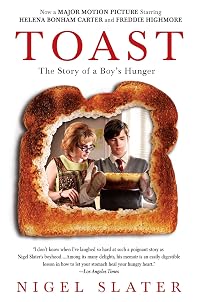
Toast
by Nigel Slater
On This Page
Description
Toast is Nigel Slater's truly extraordinary story of a childhood remembered through food. In each chapter, as he takes readers on a tour of the contents of his family's pantry--rice pudding, tinned ham, cream soda, mince pies, lemon drops, bourbon biscuits--we are transported.... His mother was a chops-and-peas sort of cook, exasperated by the highs and lows of a temperamental stove, a finicky little son, and the asthma that was to prove fatal. His father was a honey-and-crumpets man with an show more unpredictable temper. When Nigel's widowed father takes on a housekeeper with social aspirations and a talent in the kitchen, the following years become a heartbreaking cooking contest for his father's affections. But as he slowly loses the battle, Nigel finds a new outlet for his culinary talents, and we witness the birth of what was to become a lifelong passion for food. Nigel's likes and dislikes, aversions and sweet-toothed weaknesses, form a fascinating backdrop to this exceptionally moving memoir of childhood, adolescence, and sexual awakening. A bestseller (more than 300,000 copies sold) and award-winner in the UK, Toast is sure to delight both foodies and memoir readers on this side of the pond--especially those who made such enormous successes of Ruth Reichl's Tender at the Bone and Anthony Bourdain's Kitchen Confidential. show lessTags
Recommendations







Member Recommendations
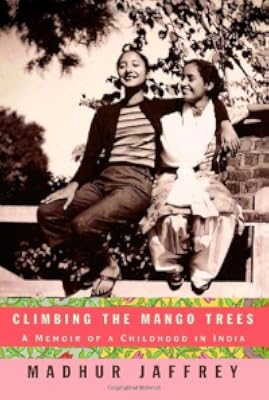
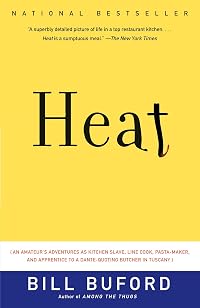
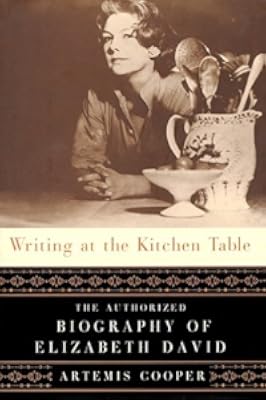
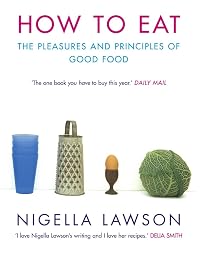
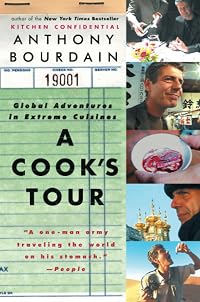
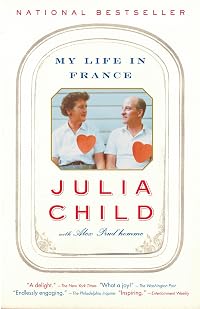
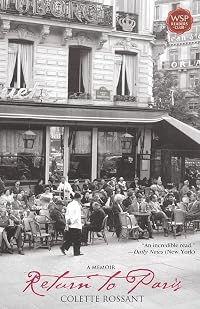
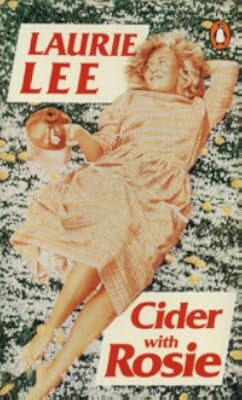
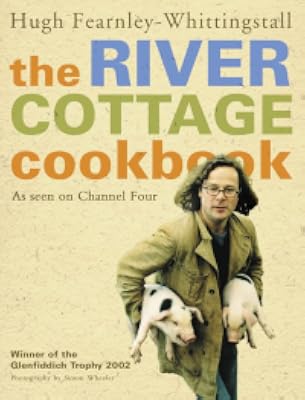
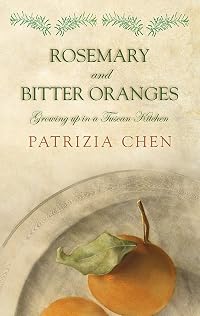
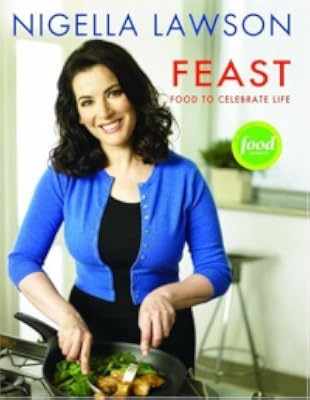
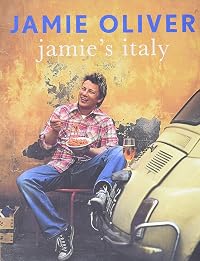
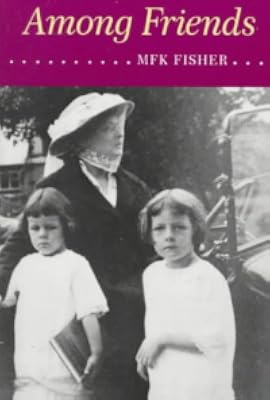
nessreader both use obsolescent brand names to evoke the past, describe a circumscribed and very english childhood, and make comedy out of pain.

nessreader Memoirs of British childhoods with a food theme, evoking the processed foods of their period. Part funny part bittersweet
Member Reviews
Subtitled "The story of a boy's hunger," this is the story of a young boy whose mother was (to put it gently) not the greatest cook in the world. As he describes the horrors of the food she made, he manages to highlight the relationship of food to love in our lives.
While he has always been interested in food and cooking, his father did not allow him in the kitchen, so when his mother dies and father must take over the provision of meals, life becomes even more dire. After dad hires (and later marries) a cook/housekeeper, the food gets better, but life somehow does not. In fact, the family is uprooted and moved halfway across England to establish a more uppity lifestyle to please the 'new mum.'
Later when he gets old enough to get a job show more at a pub, and then a posh hotel, he realizes his calling in food prep. His father's death brings everything to a boil, severs the link with bridezilla, and provides Nigel with the impetus to go to cooking school and take up his true vocation.
I 'read' this one as an audio while preparing our Thanksgiving meal. I loved hearing the British terms for foods --had to go look up a few--and laughed so hard I had tears in my eyes in a few places. It really brings out the role food (and in Britain the role of TOAST) in our lives, and how our relationships with food providers are formed so early in life. An enjoyable read--it's as much a coming of age bio as a food event-- even if you're not a foodie. show less
While he has always been interested in food and cooking, his father did not allow him in the kitchen, so when his mother dies and father must take over the provision of meals, life becomes even more dire. After dad hires (and later marries) a cook/housekeeper, the food gets better, but life somehow does not. In fact, the family is uprooted and moved halfway across England to establish a more uppity lifestyle to please the 'new mum.'
Later when he gets old enough to get a job show more at a pub, and then a posh hotel, he realizes his calling in food prep. His father's death brings everything to a boil, severs the link with bridezilla, and provides Nigel with the impetus to go to cooking school and take up his true vocation.
I 'read' this one as an audio while preparing our Thanksgiving meal. I loved hearing the British terms for foods --had to go look up a few--and laughed so hard I had tears in my eyes in a few places. It really brings out the role food (and in Britain the role of TOAST) in our lives, and how our relationships with food providers are formed so early in life. An enjoyable read--it's as much a coming of age bio as a food event-- even if you're not a foodie. show less
This is another 3.5 star rating, but lacking the ability to "split hairs" on goodreads, I take it to the next level.
What is painfully apparent from the first chapter of this book is that Nigel Slater lacked nourishment from the day he was born -- and remained that way until he reached adulthood and found his own reason for being. He seems to have been born into a family which had refined the art of witholding what a growing boy needs -- proper nourishment in body or soul.
From the first, we are inundated with images of food -- and there are lots of "empty calories" here: Rollos and sherry trifles; Cadbury's Mini Rolls and jam tarts; mashed potatoes and rice puddings; lemon curd and treacle tarts; crumpets and fruit cocktails swimming in show more syrup. The list is an endless parade of boiled down dinners and Cap'n Crunch breakfasts.
Admittedly, many of the British/American/Canadian post-war children were raised on this fare, given the new availability of treats groaning on the supermarket shelves; however, this emptiness was exacerbated in the Slater household by a twittery-headed mother who couldn't boil water and a self-centered Dad whose greatest comforts were found in endless jars of pickled walnuts, and inside his greenhouse, coddling pink begonias.
By the time I reached the chapter on Crumpets, I was starving, despite the groaning board presented before me. I felt I had gained 10 lbs in emptiness. I could only marvel that the little boy in this household survived to tell the tale. Not only did he survive, but he became one of the best, most-acclaimed chefs and food writers in the UK.
The story is told strictly from his point of view: a starving, angry, misunderstood little chap, who is quite clever, very funny at times, and desperate to get out of his prison. It is told from the self-centeredness of a child, with no room (or not much) for compassion and little insight into the world of adults. One feels somehow shrunken to the height of a ten-year old boy, feeling, seeing, tasting everything through his eyes, through his emotions. You feel -- absolutely -- what it is to be a child again and to have no filter on one's emotions, and no control over one's life.
I read it in one sitting -- a fascinating, thought-inducing way to spend a winter afternoon. show less
What is painfully apparent from the first chapter of this book is that Nigel Slater lacked nourishment from the day he was born -- and remained that way until he reached adulthood and found his own reason for being. He seems to have been born into a family which had refined the art of witholding what a growing boy needs -- proper nourishment in body or soul.
From the first, we are inundated with images of food -- and there are lots of "empty calories" here: Rollos and sherry trifles; Cadbury's Mini Rolls and jam tarts; mashed potatoes and rice puddings; lemon curd and treacle tarts; crumpets and fruit cocktails swimming in show more syrup. The list is an endless parade of boiled down dinners and Cap'n Crunch breakfasts.
Admittedly, many of the British/American/Canadian post-war children were raised on this fare, given the new availability of treats groaning on the supermarket shelves; however, this emptiness was exacerbated in the Slater household by a twittery-headed mother who couldn't boil water and a self-centered Dad whose greatest comforts were found in endless jars of pickled walnuts, and inside his greenhouse, coddling pink begonias.
By the time I reached the chapter on Crumpets, I was starving, despite the groaning board presented before me. I felt I had gained 10 lbs in emptiness. I could only marvel that the little boy in this household survived to tell the tale. Not only did he survive, but he became one of the best, most-acclaimed chefs and food writers in the UK.
The story is told strictly from his point of view: a starving, angry, misunderstood little chap, who is quite clever, very funny at times, and desperate to get out of his prison. It is told from the self-centeredness of a child, with no room (or not much) for compassion and little insight into the world of adults. One feels somehow shrunken to the height of a ten-year old boy, feeling, seeing, tasting everything through his eyes, through his emotions. You feel -- absolutely -- what it is to be a child again and to have no filter on one's emotions, and no control over one's life.
I read it in one sitting -- a fascinating, thought-inducing way to spend a winter afternoon. show less
I've seen a couple of Slater's programmes. He's really creepy and disturbing. There's a scene in the book where his father watches him eat ham before losing his temper and throwing Slater's plate across the garden. I know exactly how he feels. I remember watching him spread jam onto a pudding and I just wanted to grab the knife and punch him repeatedly in the head with the handle shouting "Handle your food properly or this is what you get!" And I really am not a violent man at all.
However, this is a very charming book, funny and at times shocking. He has a way of reversing things or jumping from one subject to another that I admire a lot. Peanuts to penises in a single sentence. I read the Radishes section to the guy who sits next to me show more at work and he was so disturbed he had to go away for quite a while.
A fascinating picture of that rather disturbing time in British cooking (which luckily I'm too young to remember) between Rationing and Curry. The spaghetti and parmesan scene is gold dust. But more than that you get a picture of wider British culture with his nouveaux riche parents struggling to look middle class and the generational split in the 60s... and all told through the medium of food. show less
However, this is a very charming book, funny and at times shocking. He has a way of reversing things or jumping from one subject to another that I admire a lot. Peanuts to penises in a single sentence. I read the Radishes section to the guy who sits next to me show more at work and he was so disturbed he had to go away for quite a while.
A fascinating picture of that rather disturbing time in British cooking (which luckily I'm too young to remember) between Rationing and Curry. The spaghetti and parmesan scene is gold dust. But more than that you get a picture of wider British culture with his nouveaux riche parents struggling to look middle class and the generational split in the 60s... and all told through the medium of food. show less
A lovely memoir of growing-up and becoming sexually aware in the 1960s, told in bite-sized chunks of food memories.
I grew up at the same time as Nigel and I knew some of his loneliness and isolation, so I was rooting for him all the way. I cried when his beloved mother died when he was so young. I felt for him as his stiff and emotionless father showed his disappointment in the unsporty young Nigel. I winced with him at his overbearing and manipulative stepmother.
All the time, I could taste the lumpy Bisto gravy and the tinned peaches of a 60s childhood, alternately salivating and retching. Fascinating and evocative.
I grew up at the same time as Nigel and I knew some of his loneliness and isolation, so I was rooting for him all the way. I cried when his beloved mother died when he was so young. I felt for him as his stiff and emotionless father showed his disappointment in the unsporty young Nigel. I winced with him at his overbearing and manipulative stepmother.
All the time, I could taste the lumpy Bisto gravy and the tinned peaches of a 60s childhood, alternately salivating and retching. Fascinating and evocative.
A lovely memoir of growing-up and becoming sexually aware in the 1960s, told in bite-sized chunks of food memories.
I grew up at the same time as Nigel and I knew some of his loneliness and isolation, so I was rooting for him all the way. I cried when his beloved mother died when he was so young. I felt for him as his stiff and emotionless father showed his disappointment in the unsporty young Nigel. I winced with him at his overbearing and manipulative stepmother.
All the time, I could taste the lumpy Bisto gravy and the tinned peaches of a 60s childhood, alternately salivating and retching. Fascinating and evocative.
I grew up at the same time as Nigel and I knew some of his loneliness and isolation, so I was rooting for him all the way. I cried when his beloved mother died when he was so young. I felt for him as his stiff and emotionless father showed his disappointment in the unsporty young Nigel. I winced with him at his overbearing and manipulative stepmother.
All the time, I could taste the lumpy Bisto gravy and the tinned peaches of a 60s childhood, alternately salivating and retching. Fascinating and evocative.
This memoir is both an amusing and sad commentary on Nigel Slater’s childhood. He weaves food into all parts of the book. Each chapter begins with a food item such as toast, Spaghetti Bolognese, Sherry Trifle, Radishes, Fried Eggs…….you get the idea.
In the beginning, Nigel’s very first reference to toast (ought I to have capitalized that?) is also in the first sentence of the book.
“My mother is scraping a piece of burned toast out of the kitchen window, a crease of annoyance across her forehead…”
It’s very clear how much he loved his mother. She couldn’t cook very well and regarded it as more of an obligation instead of a labor of love. Recently I watched the movie Toast and that’s what inspired me to read the book. show more Books are always more detailed and well…better than the movies which are derived from them. What is true in both movie and book is his dislike of his step mother. In the movie she is played as a schemer who tolerated Nigel because she had to. If she wanted to marry Nigel’s father, Joan had best treat Nigel well.
It seemed an antagonistic relationship but let’s remember, this was written by a man who culled childhood memories which may be distorted. Perception is reality though and it seems his reality was a sad coasting along through childhood, feeling as if he were in the way, missing his mother who was a great buffer for his father’s coldness.
After his mother’s death so many of the short chapters start with comparisons of life before and after his mother died.
“I am not sure the cooking is any worse since Mum died. But it isn’t any better either.”
The chapter titled Cheese-and-Onion Crisps he writes, “On Saturdays Dad used to buy a crab and we would spend much of the afternoon taking it to pieces…..After Mum died we never had crab again, nor any of Dad’s favorite things like tripe and onions and liver…”
“For the first six months after Mum died I lived on cheese-and-onion crisps and chocolate marshmallow teacakes…”
Then Mrs. Potter appeared in their lives to clean house. Nigel writes about coming home and finding her wearing his mother’s apron. Obviously that didn’t sit well. She eventually becomes a fixture in the Slater’s lives; his father buys a home in the country and ultimately marries her.
In very few instances, he is surprisingly kinder in his portrayal of his step mother. Her character (in this memoir) helped him to stay out of trouble with his father in several instances. One short chapter even stated he realized she was just as lonely as he was living on a country property, away from everyone and town.
My overall take on this memoir is it was certainly honest and explored Nigel’s hunger for acceptance, love, sex and food. The book explains other family relationships (left out in the movie) such as having a brother 15 years his senior and an older adoptive brother as well. Mrs. Potter, the infamous stepmother, had three daughters which are hardly noted in the movie. Her abandoning them to live with Nigel’s father caused a rift (as may be imagined) and only one daughter evidently stayed in touch with her.
Quotes I liked:
“Cake holds a family together. I really believed it did. My father was a different man when there was cake in the house….if he had a plate of cake in his hand I knew that I could climb up onto his lap.”
“You can’t smell a hug. You can’t hear a cuddle. But if you could, I reckon it would smell and sound of warm bread-and-butter pudding.”
One food scene that stood out for me was young Nigel cooking a haddock dinner for his father. His father was always home by 6:30 but for whatever reason, he was late. The fish burned as Nigel was trying to keep it warm. When his father arrived home Nigel was in tears over the dinner but his father, uncharacteristically kind, sat down and ate it, pronounced it “fine, very good…just the way I like it.”
It was a warm moment between a 9 year old trying very hard to please a father who was uncomfortable with his young son.
So, here is my inspired dish – Grilled fish with a smear of butter.
And of course – toast…from homemade English Muffin toasting bread.
Movie review and recipes may be found at Squirrel Head Manor. show less
In the beginning, Nigel’s very first reference to toast (ought I to have capitalized that?) is also in the first sentence of the book.
“My mother is scraping a piece of burned toast out of the kitchen window, a crease of annoyance across her forehead…”
It’s very clear how much he loved his mother. She couldn’t cook very well and regarded it as more of an obligation instead of a labor of love. Recently I watched the movie Toast and that’s what inspired me to read the book. show more Books are always more detailed and well…better than the movies which are derived from them. What is true in both movie and book is his dislike of his step mother. In the movie she is played as a schemer who tolerated Nigel because she had to. If she wanted to marry Nigel’s father, Joan had best treat Nigel well.
It seemed an antagonistic relationship but let’s remember, this was written by a man who culled childhood memories which may be distorted. Perception is reality though and it seems his reality was a sad coasting along through childhood, feeling as if he were in the way, missing his mother who was a great buffer for his father’s coldness.
After his mother’s death so many of the short chapters start with comparisons of life before and after his mother died.
“I am not sure the cooking is any worse since Mum died. But it isn’t any better either.”
The chapter titled Cheese-and-Onion Crisps he writes, “On Saturdays Dad used to buy a crab and we would spend much of the afternoon taking it to pieces…..After Mum died we never had crab again, nor any of Dad’s favorite things like tripe and onions and liver…”
“For the first six months after Mum died I lived on cheese-and-onion crisps and chocolate marshmallow teacakes…”
Then Mrs. Potter appeared in their lives to clean house. Nigel writes about coming home and finding her wearing his mother’s apron. Obviously that didn’t sit well. She eventually becomes a fixture in the Slater’s lives; his father buys a home in the country and ultimately marries her.
In very few instances, he is surprisingly kinder in his portrayal of his step mother. Her character (in this memoir) helped him to stay out of trouble with his father in several instances. One short chapter even stated he realized she was just as lonely as he was living on a country property, away from everyone and town.
My overall take on this memoir is it was certainly honest and explored Nigel’s hunger for acceptance, love, sex and food. The book explains other family relationships (left out in the movie) such as having a brother 15 years his senior and an older adoptive brother as well. Mrs. Potter, the infamous stepmother, had three daughters which are hardly noted in the movie. Her abandoning them to live with Nigel’s father caused a rift (as may be imagined) and only one daughter evidently stayed in touch with her.
Quotes I liked:
“Cake holds a family together. I really believed it did. My father was a different man when there was cake in the house….if he had a plate of cake in his hand I knew that I could climb up onto his lap.”
“You can’t smell a hug. You can’t hear a cuddle. But if you could, I reckon it would smell and sound of warm bread-and-butter pudding.”
One food scene that stood out for me was young Nigel cooking a haddock dinner for his father. His father was always home by 6:30 but for whatever reason, he was late. The fish burned as Nigel was trying to keep it warm. When his father arrived home Nigel was in tears over the dinner but his father, uncharacteristically kind, sat down and ate it, pronounced it “fine, very good…just the way I like it.”
It was a warm moment between a 9 year old trying very hard to please a father who was uncomfortable with his young son.
So, here is my inspired dish – Grilled fish with a smear of butter.
And of course – toast…from homemade English Muffin toasting bread.
Movie review and recipes may be found at Squirrel Head Manor. show less
Slater's Toast awoke in me so many past food feelings from my own childhood not just from his sumptuous descriptions of his own past life but because of the proximity our lives shared in the fact that we were raised in towns barely eight miles apart and are within two years of being the same age. The descriptions of past memories of sweets reminded me so much of my childhood, and I think would resonant more with a British audience than American.
My mother, as his, did not enjoy the preparation of food, and while for Slater that led to a life of exploration in food, for me not so much. This is why I enjoyed this book. Not only is it a tell-all tale of a youth hungering for the love of a father that was only occasionally available but one show more of a life of exuberance, a life that becomes filled with the joy of finding your niche in life and wallowing in it wholeheartedly. If only we all could find that space in our life.
Slater normally writes books on cooking, with recipes, so this was a brave soul-searching stab at a new venture that lets us in on why he is so good at what he does. show less
My mother, as his, did not enjoy the preparation of food, and while for Slater that led to a life of exploration in food, for me not so much. This is why I enjoyed this book. Not only is it a tell-all tale of a youth hungering for the love of a father that was only occasionally available but one show more of a life of exuberance, a life that becomes filled with the joy of finding your niche in life and wallowing in it wholeheartedly. If only we all could find that space in our life.
Slater normally writes books on cooking, with recipes, so this was a brave soul-searching stab at a new venture that lets us in on why he is so good at what he does. show less
Members
- Recently Added By
Lists

made me cackle as I read (non fiction)
14 works; 3 members

Food Memoirs
97 works; 9 members

8x8 Challenge 2015
64 works; 1 member

Books Read in 2023
5,547 works; 145 members
Author Information

Awards and Honors
Awards
Distinctions
Notable Lists
Series
Belongs to Publisher Series
Work Relationships
Has the adaptation
Common Knowledge
- Original publication date
- 2003
- People/Characters
- Nigel Slater
- Important places
- Wolverhampton, West Midlands, England, UK
- Dedication
- For Digger, Magrath and Poppy
with love
In memory of Elvie 1902-2002 - First words
- My mother is scraping a piece of burned toast out of the kitchen window, a crease of annoyance across her forehead.
- Last words
- (Click to show. Warning: May contain spoilers.)"Yes, son," he smiled. "You'll be fine, you'll be just fine."
- Original language
- English
Classifications
Statistics
- Members
- 1,445
- Popularity
- 16,228
- Reviews
- 64
- Rating
- (3.62)
- Languages
- English, German
- Media
- Paper, Audiobook, Ebook
- ISBNs
- 31
- UPCs
- 1
- ASINs
- 15