
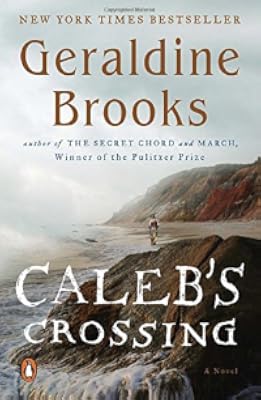
Caleb's Crossing
by Geraldine Brooks
On This Page
Description
Once again, the author takes a remarkable shard of history and brings it to vivid life. In 1665, a young man from Martha's Vineyard became the first Native American to graduate from Harvard College. Upon this slender factual scaffold, she has created a luminous tale of love and faith, magic and adventure. The narrator of the story is Bethia Mayfield, growing up in the tiny settlement of Great Harbor amid a small band of pioneers and Puritans. Restless and curious, she yearns after an show more education that is closed to her by her sex. As often as she can, she slips away to explore the island's glistening beaches and observe its native Wampanoag inhabitants. At twelve, she encounters Caleb, the young son of a chieftain, and the two forge a tentative secret friendship that draws each into the alien world of the other. Bethia's minister father tries to convert the Wampanoag, awakening the wrath of the tribe's shaman, against whose magic he must test his own beliefs. One of his projects becomes the education of Caleb, and a year later, Caleb is in Cambridge, studying Latin and Greek among the colonial elite. There, Bethia finds herself reluctantly indentured as a housekeeper and can closely observe Caleb's crossing of cultures. Like the author's beloved narrator Anna, in Year of Wonders, Bethia proves an emotionally irresistible guide to the wilds of Martha's Vineyard and the intimate spaces of the human heart. show lessTags
Recommendations


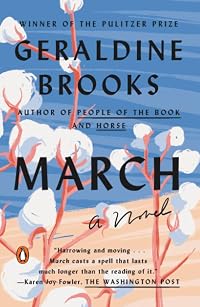
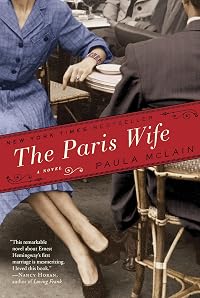
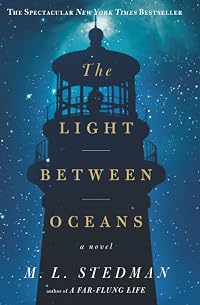
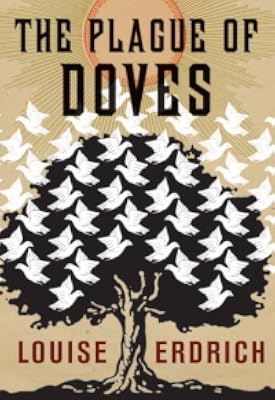


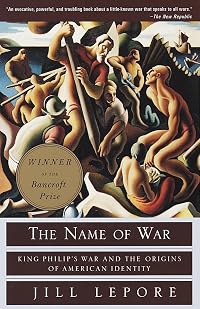
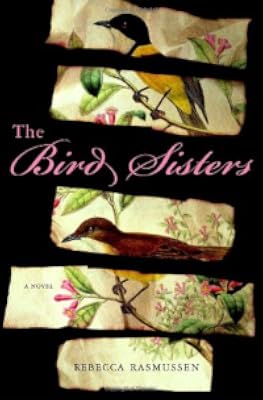
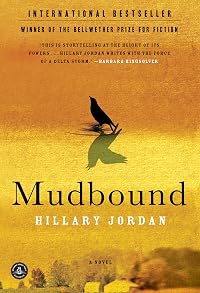
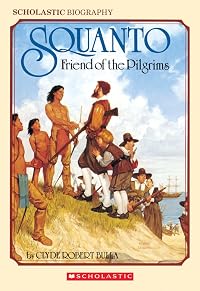

Member Recommendations
by Othemts
by Othemts

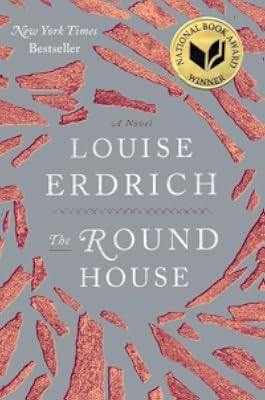
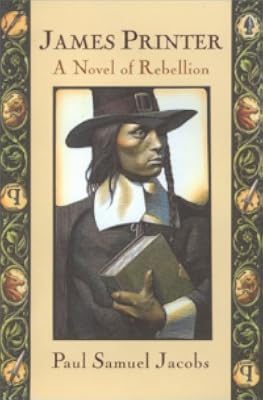
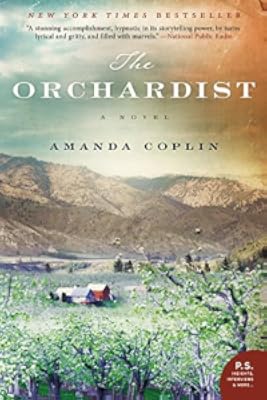
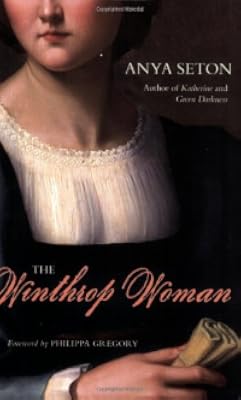
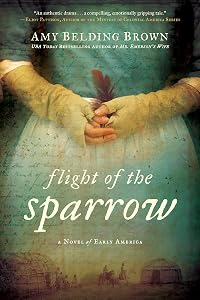
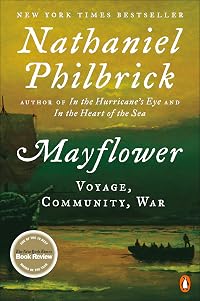
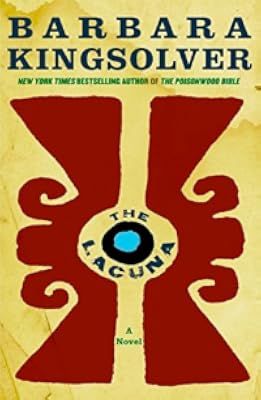
BookshelfMonstrosity Like Caleb's Crossing, The Widow's War is set in a beautifully described seaside village in colonial Massachusetts. With crisp language with a light archaic feel, both novels evoke the plight of a woman struggling to achieve more than society grants her.
Member Reviews
"Does any woman ever count the grains of her harvest and say: Good enough? Or does one always think of waht more one might have laid in, had the labor been harder, the ambition more vast, the choices more sage?"
If you're looking for a captivating blend of history and women's fiction, Caleb's Crossing is a must-read. Set in the U.S. colonies in the early to mid-1600s, the story follows Bethia, a young Protestant woman living on Martha's Vineyard, and Caleb, the first Native American to graduate from Harvard. Despite its title, the narrative primarily revolves around Bethia's struggles and experiences.
I absolutely loved this book! Not surprising since it weaves a woman-centered tale that delves into the complexities of identity, culture, show more and religion in the U.S. of the 1600's. While Caleb's journey to Harvard serves as a backdrop, it's Bethia's story of resilience and self-discovery that truly shines.
As I mentioned, the title totally threw me. I was expecting Caleb to be the main character, so I was quite surprised to find out it was actually Bethia. It was all good though as her compelling story had the added benefit of shedding light on the plight of women AND Native Americans in colonial America.
Despite its slow pace and the seriously depressing exposé of the negative impact of Christianity on women and Native Americans, the story held my attention to the end because of Brooks' meticulous research and masterful storytelling. show less
If you're looking for a captivating blend of history and women's fiction, Caleb's Crossing is a must-read. Set in the U.S. colonies in the early to mid-1600s, the story follows Bethia, a young Protestant woman living on Martha's Vineyard, and Caleb, the first Native American to graduate from Harvard. Despite its title, the narrative primarily revolves around Bethia's struggles and experiences.
I absolutely loved this book! Not surprising since it weaves a woman-centered tale that delves into the complexities of identity, culture, show more and religion in the U.S. of the 1600's. While Caleb's journey to Harvard serves as a backdrop, it's Bethia's story of resilience and self-discovery that truly shines.
As I mentioned, the title totally threw me. I was expecting Caleb to be the main character, so I was quite surprised to find out it was actually Bethia. It was all good though as her compelling story had the added benefit of shedding light on the plight of women AND Native Americans in colonial America.
Despite its slow pace and the seriously depressing exposé of the negative impact of Christianity on women and Native Americans, the story held my attention to the end because of Brooks' meticulous research and masterful storytelling. show less
Geraldine Brooks' style in this book really amazed me. Being a book about Puritans and Native Americans in the 1600's, and not being an elementary school Thanksgiving play, this is not a happy story. There's extreme misogyny, racism, avarice and religious oppression, which Brooks handles in a very strange way. The first 2/3 of the book is one incident of personal oppression after another, enough that I repeatedly considered not finishing. Almost immediately after big infuriating scenes everything would calm down and I could see some of the joy and beauty available in a life of learning or living on a beautiful island - only to be followed by more oppression. In the last 1/3 of the book Brooks shows the ways her characters have overcome show more personal oppression but concentrates on oppression of whole societies, and somehow, for me, my emotional reaction was not as strong. Isn't it strange that I got such a strong emotional reaction to the personal cruelty, but for the societal persecution I felt more of an intellectual reaction? I wonder if that's because I'm white. I thought this was a very interesting way to handle the story, and I bet I'll be thinking about the effects it had on me for a long time. show less
Bethia Mayfield is the daughter of the preacher on Martha's Vineyard, a man who sees it as his life's work to preach the gospel to the Indians. On one of Bethia's rambles in the wilderness of this land, she encounters a young Wampanoag, whom she renames Caleb, a young man whose friendship she treasures, but would never be sanctioned in the 1660s.
I have read other novels by Geraldine Brooks, but never have I been so enthralled with them as I was with Caleb's Crossing. Bethia, our narrator, is a young woman with a keen mind and thirst for knowledge but also devout and not unbelievably modern in her thinking. Caleb was based on a real person, one of the first Wampanoag men to matriculate at Harvard. As in the best historical fiction, time show more and place - in both Martha's Vineyard and Cambridge - are evocative and realistic with historical details naturally adding to the narrative, showing Brooks' research with a light touch. I now want to follow up with some of the sources mentioned in the afterword to learn more about the time period. In addition to this, Brooks delicately touches on the themes of religion and prejudice without sounding preachy or anachronistic. Truly superb historical fiction. show less
I have read other novels by Geraldine Brooks, but never have I been so enthralled with them as I was with Caleb's Crossing. Bethia, our narrator, is a young woman with a keen mind and thirst for knowledge but also devout and not unbelievably modern in her thinking. Caleb was based on a real person, one of the first Wampanoag men to matriculate at Harvard. As in the best historical fiction, time show more and place - in both Martha's Vineyard and Cambridge - are evocative and realistic with historical details naturally adding to the narrative, showing Brooks' research with a light touch. I now want to follow up with some of the sources mentioned in the afterword to learn more about the time period. In addition to this, Brooks delicately touches on the themes of religion and prejudice without sounding preachy or anachronistic. Truly superb historical fiction. show less
I listened to this in audiobook format.
This novel is about the early inhabitants of Martha's Vineyard (both English and Indian) and centers around the historical figure, Caleb Cheeshahteaumauk, the first Indian to graduate from Harvard University in the 17th century. The narrator is a minister's daughter and her life as a woman who yearns for education is also central to the novel. The entire first person narration is done in Puritan dialect which is fascinating and surprisingly easy to follow. The story was lovely, full of losses and love, history and beauty, racism, sexism, but also empathy and humanity. Highly recommended.
This novel is about the early inhabitants of Martha's Vineyard (both English and Indian) and centers around the historical figure, Caleb Cheeshahteaumauk, the first Indian to graduate from Harvard University in the 17th century. The narrator is a minister's daughter and her life as a woman who yearns for education is also central to the novel. The entire first person narration is done in Puritan dialect which is fascinating and surprisingly easy to follow. The story was lovely, full of losses and love, history and beauty, racism, sexism, but also empathy and humanity. Highly recommended.
True to form, Caleb’s Crossing by Geraldine Brooks is a well-written glimpse into the hardships of the past. Moreover, it involves a story that does not get much exposure but one that reflects today’s culture even as it picks apart the past.
Ms. Brooks has an excellent eye for historical detail. Just as in her previous novels, in Caleb’s Crossing she brings the early colonial period back to life with her attention to the minutest aspect of life in the colonies. Readers get a clear understanding of the Puritan mindset, wherein one’s sin and the question of salvation are uppermost in the mind, as well as the harsh life they live. Ms. Brooks makes sure all readers understand that Bethia’s life is not an easy one and that those show more moments she steals to ramble across the island are as rare as they are precious.
Of particular interest is the portrayal of the relationship between Native Americans and English colonizers. She presents the relationships with insight, recognizing the racism inherent in their interactions. However, she also tries to show how hidden the racism was; not everyone thought the Native Americans were inferior simply because of the color of their skin. At times informative and other times infuriating, Caleb’s Crossing recognizes the tragedy that became colonial and Native American interactions even as they started with (racist but) good intentions.
Having never heard of Caleb Cheeshahteaumauk, Ms. Brooks quickly drew me into his story with her attention to detail and skill of writing. I not only wanted to learn more about Bethia’s fight for some semblance of education and happiness but also to follow Caleb’s path to Harvard College and beyond. The tragic ending is not necessarily surprising given the time period but it still manages to pack a punch. It has been a long time since I read any historical fiction that took place outside of the Victorian era through World War II, and Ms. Brooks always impresses with not just her writing but her choice of subject as well. Her ability to weave fact within fiction always brings the past to life. show less
Ms. Brooks has an excellent eye for historical detail. Just as in her previous novels, in Caleb’s Crossing she brings the early colonial period back to life with her attention to the minutest aspect of life in the colonies. Readers get a clear understanding of the Puritan mindset, wherein one’s sin and the question of salvation are uppermost in the mind, as well as the harsh life they live. Ms. Brooks makes sure all readers understand that Bethia’s life is not an easy one and that those show more moments she steals to ramble across the island are as rare as they are precious.
Of particular interest is the portrayal of the relationship between Native Americans and English colonizers. She presents the relationships with insight, recognizing the racism inherent in their interactions. However, she also tries to show how hidden the racism was; not everyone thought the Native Americans were inferior simply because of the color of their skin. At times informative and other times infuriating, Caleb’s Crossing recognizes the tragedy that became colonial and Native American interactions even as they started with (racist but) good intentions.
Having never heard of Caleb Cheeshahteaumauk, Ms. Brooks quickly drew me into his story with her attention to detail and skill of writing. I not only wanted to learn more about Bethia’s fight for some semblance of education and happiness but also to follow Caleb’s path to Harvard College and beyond. The tragic ending is not necessarily surprising given the time period but it still manages to pack a punch. It has been a long time since I read any historical fiction that took place outside of the Victorian era through World War II, and Ms. Brooks always impresses with not just her writing but her choice of subject as well. Her ability to weave fact within fiction always brings the past to life. show less
This incredible story, so enhanced by narrator Jennifer Ehle (Elizabeth Bennett in Pride and Prejudice), is set in Martha's Vineyard in the 1660s amid the conflicts between colonial settlers and the native tribespeople. Bethia Mayfield, the teenage daughter of a charismatic religious leader, meets Caleb, a Wampanoag of her age, and she shares her devotion to Christ with him, and he, the natural wonders of the island, with her. As Caleb breaks their friendship to embark on his vision quest, Bethia continues yearning to be acknowledged as a scholar by her family and her community, an impossibility due to biblical law and to the narrow, confined nature of the lives of women in this new (old) world. Tragedies befall the Mayfield family, and show more both Caleb and Bethia find themselves in Cambridge, at Harvard College, where she is a scullery maid who eavesdrops on the teachings of the Harvard president, and he is one of two native students, the first to attend. Their life stories, narrated by Bethia, are remarkable, and the resolutions are both heartbreaking and life-affirming. This novel is a special pleasure for Massachusetts readers and for those with a passion for early American and native histories. show less
Fans of historical fiction will enjoy Caleb’s Crossing, centered around the life of Caleb Cheeshahteaumauk, the first Native American to graduate from Harvard. The narrator is Bethia Mayfield, the daughter of a Calvinist preacher who brought his family from England to Martha’s Vineyard to “bring Christ to the Indians”. In 1660, the family takes in the Wampanoag Indian Caleb after his family dies from small pox. Bethia and Caleb secretly become friends. Although women are discouraged from getting an education, Bethia eavesdrops on Caleb’s lessons and absorbs the information. When Caleb is sent to Harvard, Bethia goes to Cambridge too, first as an indentured servant and later as a wife. As Bethia tells her story, we are given a show more glimpse at Indian Wars, smallpox epidemics, and the tensions between whites and natives. Brooks lyrically reconstructs moments from history from thorough research and creates characters the reader deeply cherishes. Discussion points include the treatment of women by the male-dominated Puritan culture, the treatment of the Wampanoag by the English, the different views of family and children, and how society’s expectations impose limits. show less
Members
- Recently Added By
Published Reviews
ThingScore 88
...This is a book for grown-ups written by Geraldine Brooks, who not only respects history, she loves it. So while she sets up a story that's easy to fall into, she doesn't shy away from the realities of those times. And Bethia and Caleb's lives take some unexpected turns. The result is a satisfying but sobering look at the early days of this country. This is a great pick for lovers of show more historical fiction... show less
added by Jcambridge
“Caleb’s Crossing” could not be more enlightening and involving. Beautifully written from beginning to end, it reconfirms Geraldine Brooks’s reputation as one of our most supple and insightful novelists.
added by GCPLreader
While no masterpiece, this work nevertheless contributes in good measure to the current and very welcome revitalization of the historical novel.
added by Shortride
Lists

Best Historical Fiction
620 works; 261 members

Top Five Books of 2013
1,562 works; 715 members

Historical Fiction
889 works; 91 members

Recommend the 20 best books you've read in the last five years
2,168 works; 606 members

Top Five Books of 2020
982 works; 348 members

Native American / Indigenous Literature
172 works; 100 members

Academia in Fiction
158 works; 22 members

Set in the 1600s
15 works; 5 members

Fiction with Men's Given Names in the Title
302 works; 11 members

Names in Titles
4 works; 3 members

Fiction With Familiar Settings
280 works; 93 members
Author Information

15+ Works 39,625 Members
Geraldine Brooks is the author of two acclaimed works of nonfiction, "Nine Parts of Desire" and "Foreign Correspondence." A former war correspondent, her writing has appeared in The Wall Street Journal, The New York Times, and The Washington Post. (Publisher Provided) Geraldine Brooks was born in Sydney, Australia on September 14, 1955. She show more attended Bethlehem College Ashfield and the University of Sydney. She worked as a feature writer with a special interest in environmental issues for The Sydney Morning Herald for three years. In 1982, she won the Greg Shackleton Australian News Correspondents scholarship to the journalism master's program at Columbia University in New York City. She later worked for The Wall Street Journal, where she covered the Middle East, Africa, and the Balkans. She has written both fiction and non-fiction books including Year of Wonders, Nine Parts of Desire, and The Secret Chord. She has won several awards including the Nita Kibble Literary Award for Foreign Correspondence, the Pulitzer Prize in fiction in 2006 for March, the New England Book Award for Fiction and the Christianity Today Book Award for Caleb's Crossing, and the Australian Book of the Year Award and the Australian Literary Fiction Award in 2008 for People of the Book. (Bowker Author Biography) show less
Some Editions
Awards and Honors
Awards
Series
Belongs to Publisher Series
Work Relationships
Has as a student's study guide
Common Knowledge
- Canonical title
- Caleb's Crossing
- Original title
- Caleb's Crossing
- Original publication date
- 2011-05-03
- People/Characters
- Caleb; Bethia
- Important places
- Martha's Vineyard, Massachusetts, USA; Harvard University, Cambridge, Massachusetts, USA
- Dedication
- For Bizuayehu, who also made a crossing
- First words
- He is coming on the Lord's Day.
- Quotations
- So it is, out here on this island, where we dwell with our faces to the sea and our backs to the wilderness. Like Adam's family after the fall, we have all things to do. We must be fettler, baker, apothecary, grave digger. Wh... (show all)atever the task, we must do it, or else do without.
On a day so Godsent, your mind is untroubled, the entire world seems well. You gird for tragedy on a different sort of day—a day of bleak gray sky, blowing mists and bitter, howling winds. You pray to avert ill fate on su... (show all)ch a day. This I know. - Last words
- (Click to show. Warning: May contain spoilers.)So, let these last pages be my death song—even if at the end it is no paean, but as it must be: a dissonant and tragical lament.
- Blurbers
- Smiley, Jane; Reynolds, Susan Salter; Gilbert, Matthew
- Original language
- English
- Canonical DDC/MDS
- 823.914
- Canonical LCC
- PR9619.3.B7153
Classifications
Statistics
- Members
- 3,704
- Popularity
- 4,337
- Reviews
- 197
- Rating
- (3.83)
- Languages
- 6 — English, French, German, Italian, Portuguese, Spanish
- Media
- Paper, Audiobook, Ebook
- ISBNs
- 48
- ASINs
- 19