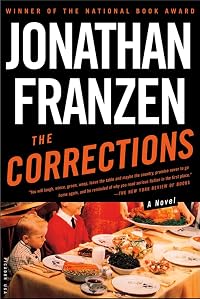
The Corrections
by Jonathan Franzen
On This Page
Description
The Corrections is a grandly entertaining novel for the new century -- a comic, tragic masterpiece about a family breaking down in an age of easy fixes. After almost fifty years as a wife and mother, Enid Lambert is ready to have some fun. Unfortunately, her husband, Alfred, is losing his sanity to Parkinson's disease, and their children have long since flown the family nest to the catastrophes of their own lives. The oldest, Gary, a once-stable portfolio manager and family man, is trying to show more convince his wife and himself, despite clear signs to the contrary, that he is not clinically depressed. The middle child, Chip, has lost his seemingly secure academic job and is failing spectacularly at his new line of work. And Denise, the youngest, has escaped a disastrous marriage only to pour her youth and beauty down the drain on an affair with a married man -- or so her mother fears. Desperate for some pleasure to look forward to, Enid has set her heart on an elusive goal: bringing her family together for one last Christmas at home. Stretching from the Midwest at midcentury to the Wall Street and Eastern Europe of today, The Corrections brings an old-fashioned world of civic virtue and sexual inhibitions into violent collision with the era of home surveillance, hands-off parenting, do-it-yourself mental health care, and globalized greed. Richly realistic, darkly hilarious, deeply humane, it confirms Jonathan Franzen as one of our most brilliant interpreters of American society and the American soul. show lessTags
Recommendations

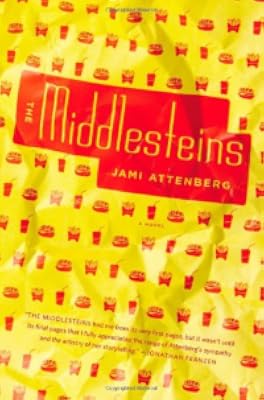
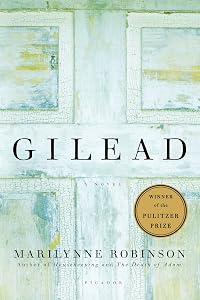
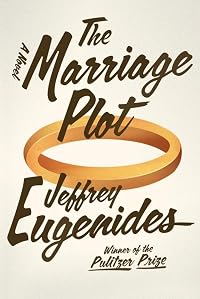
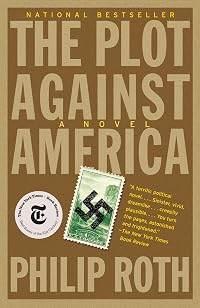
Member Recommendations


charlie68 Touches on a lot of the same themes just in a different era.
20
F by Daniel Kehlmann
bluepiano Three other troubled adult siblings. Less conventional narration, more enjoyable book.
by anonymous user

bluepiano A similar cast of characters--rigid paterfamilias, compliant wife, and troubled adult children who are loth to return to the family home. And an interesting contrast, because Navarre's tone, approach, and attitude are altogether unlike Franzen's.
11
by zhejw

Member Reviews
"La Gran Novela Americana Contrmporánea". Eso resume lo que pienso de Las correcciones y debería bastar como reseña. Pero me voy a externder justificando esta apreciación. No sé si Franzen se lo propuso al escribirla, pero estoy seguro de que lo consiguió. Sí, David Foster Wallace y su Broma infinita me gustan mucho más y no voy a discutir su complejidad superior (y muchas otras características que la hacen única y merecedora de todos los elogios) pero, a pesar de tratarse de autores contemporáneos y hasta amigos entre sí, no considero que sean novelas comparables. Estoy hablando de una novela que refleje las características de los Estados Unidos en este momento, en este siglo, en este zeitgeist, y Las correcciones lo show more consigue magistralmente al traducir la realidad completa y actual de todo un país a través de las vicisitudes de una familia: los Lambert. Eso es para mí "la Gran Novela Americana Contemporánea" (título horriblemente pomposo, pero nunca mejor merecido).
Todos los elementos están presentes:
*El patriarca, Alfred, que forjó los cimientos de la familia, típico macho norteamericano, corpulento, listo (es interesante descubrir que leía a Schopenhauer en su juventud), machista, terco. Somos testigos de su auge y de su humillante pero inevitable caída. A su alrededor crece y florece el resto de la familia, gracias a él, directa o indirectamente, todos son lo que son, estén o no dispuestos a admitirlo.
*Luego está Enid, la madre, la esposa, la histeria en vida. Enid es todo emoción, la contraparte del intelectual y serio Alfred. Pasa su vida permitiendo que este la corrija, aceptando sumisamente la culpa de todo lo que ha ido mal pero sabiendo que es su esposo quien debería hacer las cosas de otra manera. Deposita todas sus esperanzas (engendradas en la frustración desu propia vida) en sus tres hijos.
*Gary, el mayor, es el más existoso desde los parámetros norteamericanos y sin embargo el menos satisfecho. Aun cuando sus padres deberían estar orgullosos de él por haber alcanzado todo lo que se esperaba y más, vive en constante conflicto con estos pues ellos son los que, mientras envejecen, no se ajustan a los estándares materialistas de este hijo.Gary lucha contra el diagnóstico de depresión clínica, dado por Caroline, su esposa, y se empeña en demostrar que todo en él está bien, con resultados casi catastróficos.
*Le sigue Chip, una amalgama entre intelectual-artista-profesor. Un cliché. Es el fracasado de la familia (según la opinión de sus hermanos, porque sus padres le tienen en alta estima). Después de casi tocar fondo, huye hacia Lituania a la primera oportunidady se embarca en un trabajo para el que no tiene ninguna experiencia y que sin embargo le permite vivir mucho mejor de lo que jamás pudo en Estados Unidos. Pero tarde o temprando tendrá que volver y enfrentarse a la realidad. Quizás el único hijo al que no le importan en lo más mínimo las expectativas desus padres; vive hedonistamente, para sí.
*Finalmente está Denise, la última hermana. Denise, la insegura, la que no sabe lo que quiere, la que hace todo lo que hace por satisfacer asus padres, buscando un equilibrio con lo que ella desearía para sí misma. Se debate entre el éxito profesional y su dubitatiba orientación sexual. Adora a sus padres y reprende a sus hermanos cuando estos los desvaloran. Denise parece la más sana y estable, pero debajo de su cara bonita hay mucha oscuridad.
Por separado, todos estos personajes son magníficamente construidos; su psicología es de las cosas mejor elaboradas que he visto en ficción. Me he tomado la molestia (que en realidad fue un placer) de retratarlos brevemente porque están muy frescos en mi mente y siento que los conozco muy bien. Muchas de las reseñas negativas sobre la novela hacen referencia a lo insoportables que pueden llegar a ser los personajes. Estoy de acuerdo con esa opinión, pero es necesaria una acotación: son insoportables porque se parecen mucho a nosotros, a esa parte de la que no nos gusta presumir, porque muesran la realidad dura y pura de un ser humano habitante del siglo XXI. ¿Y cuál es el trabajo de la buena ficción? Ese, precisamente. Así que si los personajes son incómodos, es porque la realidad, desprovista de todo maquillaje, es terriblemente incómoda.
He dicho todo esto en relación a los personajes por separado, analizándolos uno por uno, lo cual, de entrada, es un error. Desde el principio está claro que todos ellos, como familia, se definen mutuamente. La dinámica familiar retratada por Franzen es hermosa en su complejidad. Cualquiera que tenga familia (lo que equivale a decir "cualquiera que tenga sangre") se sentirá reflejado en al menos una de las escenas que muestran las relaciones entre los miembros de esta "adorable" familia. De hecho toda la trama (no lineal) va poco a poco convergiendo en el capítulo final: la reunión para la última cena de Navidad, que como clímax no decepciona.
¿Hablo sobre el título? De acuerdo. Es evidente, a medida que vas conociendo a los personajes, que todos están buscando cambiar algo en ellos mismos o en los otros (o hacer lo uno a través de lo otro, que es más común). Mejorar, arreglar, corregir. Sucede a lo largo de toda la novela, con referencias directas o veladas. Mi favorita, por ser una especie de broma (y eso siempre me recuerda a David Foster Wallace) es la del procedimiento neuroquímico que se supone que curará el Parkinson de Alfred y con ello mejorará la vida de todos: su nombre es "Corecktall" (pronúnciece correct all). Lo último que quiero es buscarle moraleja a la historia, pero aquí va una idea final: reconocer que hacer correcciones es algo inherente a nuestra naturaleza es reconocer que somos imperfectos y que sin importar lo bien o mal que nos vaya en la vida, nunca nos cansamos de corregir, nunca estamos conformes.
La Gran Novela Americana, al menos de la primera década de este siglo, se llama Las correcciones. Esto puede gustar a unos y fastidiar a otros, pero es un hecho. Opinen lo que quieran. show less
Todos los elementos están presentes:
*El patriarca, Alfred, que forjó los cimientos de la familia, típico macho norteamericano, corpulento, listo (es interesante descubrir que leía a Schopenhauer en su juventud), machista, terco. Somos testigos de su auge y de su humillante pero inevitable caída. A su alrededor crece y florece el resto de la familia, gracias a él, directa o indirectamente, todos son lo que son, estén o no dispuestos a admitirlo.
*Luego está Enid, la madre, la esposa, la histeria en vida. Enid es todo emoción, la contraparte del intelectual y serio Alfred. Pasa su vida permitiendo que este la corrija, aceptando sumisamente la culpa de todo lo que ha ido mal pero sabiendo que es su esposo quien debería hacer las cosas de otra manera. Deposita todas sus esperanzas (engendradas en la frustración desu propia vida) en sus tres hijos.
*Gary, el mayor, es el más existoso desde los parámetros norteamericanos y sin embargo el menos satisfecho. Aun cuando sus padres deberían estar orgullosos de él por haber alcanzado todo lo que se esperaba y más, vive en constante conflicto con estos pues ellos son los que, mientras envejecen, no se ajustan a los estándares materialistas de este hijo.Gary lucha contra el diagnóstico de depresión clínica, dado por Caroline, su esposa, y se empeña en demostrar que todo en él está bien, con resultados casi catastróficos.
*Le sigue Chip, una amalgama entre intelectual-artista-profesor. Un cliché. Es el fracasado de la familia (según la opinión de sus hermanos, porque sus padres le tienen en alta estima). Después de casi tocar fondo, huye hacia Lituania a la primera oportunidady se embarca en un trabajo para el que no tiene ninguna experiencia y que sin embargo le permite vivir mucho mejor de lo que jamás pudo en Estados Unidos. Pero tarde o temprando tendrá que volver y enfrentarse a la realidad. Quizás el único hijo al que no le importan en lo más mínimo las expectativas desus padres; vive hedonistamente, para sí.
*Finalmente está Denise, la última hermana. Denise, la insegura, la que no sabe lo que quiere, la que hace todo lo que hace por satisfacer asus padres, buscando un equilibrio con lo que ella desearía para sí misma. Se debate entre el éxito profesional y su dubitatiba orientación sexual. Adora a sus padres y reprende a sus hermanos cuando estos los desvaloran. Denise parece la más sana y estable, pero debajo de su cara bonita hay mucha oscuridad.
Por separado, todos estos personajes son magníficamente construidos; su psicología es de las cosas mejor elaboradas que he visto en ficción. Me he tomado la molestia (que en realidad fue un placer) de retratarlos brevemente porque están muy frescos en mi mente y siento que los conozco muy bien. Muchas de las reseñas negativas sobre la novela hacen referencia a lo insoportables que pueden llegar a ser los personajes. Estoy de acuerdo con esa opinión, pero es necesaria una acotación: son insoportables porque se parecen mucho a nosotros, a esa parte de la que no nos gusta presumir, porque muesran la realidad dura y pura de un ser humano habitante del siglo XXI. ¿Y cuál es el trabajo de la buena ficción? Ese, precisamente. Así que si los personajes son incómodos, es porque la realidad, desprovista de todo maquillaje, es terriblemente incómoda.
He dicho todo esto en relación a los personajes por separado, analizándolos uno por uno, lo cual, de entrada, es un error. Desde el principio está claro que todos ellos, como familia, se definen mutuamente. La dinámica familiar retratada por Franzen es hermosa en su complejidad. Cualquiera que tenga familia (lo que equivale a decir "cualquiera que tenga sangre") se sentirá reflejado en al menos una de las escenas que muestran las relaciones entre los miembros de esta "adorable" familia. De hecho toda la trama (no lineal) va poco a poco convergiendo en el capítulo final: la reunión para la última cena de Navidad, que como clímax no decepciona.
¿Hablo sobre el título? De acuerdo. Es evidente, a medida que vas conociendo a los personajes, que todos están buscando cambiar algo en ellos mismos o en los otros (o hacer lo uno a través de lo otro, que es más común). Mejorar, arreglar, corregir. Sucede a lo largo de toda la novela, con referencias directas o veladas. Mi favorita, por ser una especie de broma (y eso siempre me recuerda a David Foster Wallace) es la del procedimiento neuroquímico que se supone que curará el Parkinson de Alfred y con ello mejorará la vida de todos: su nombre es "Corecktall" (pronúnciece correct all). Lo último que quiero es buscarle moraleja a la historia, pero aquí va una idea final: reconocer que hacer correcciones es algo inherente a nuestra naturaleza es reconocer que somos imperfectos y que sin importar lo bien o mal que nos vaya en la vida, nunca nos cansamos de corregir, nunca estamos conformes.
La Gran Novela Americana, al menos de la primera década de este siglo, se llama Las correcciones. Esto puede gustar a unos y fastidiar a otros, pero es un hecho. Opinen lo que quieran. show less
I started this review once already, struggled with it, and have decided to start completely over. The problem was that I was trying overly hard to justify my feelings. The words jumbled out, page after page, full of whining and excuses. I wanted to somehow convey my strong dislike for Franzen's personality, my ambivalence toward much of this book, but my appreciation for its strong moments, and my certainty that it had cemented its status as the best book Franzen will ever write. I felt I had to somehow justify four stars for an author whose pretentious prickness has only catapulted his career. I had to explain that while an author's personality should in no way impact critique of their work, it does; Franzenisms saturates the pages of show more this novel. The more I tried to justify all my mixed feelings, the more I felt like a pretentious prick.
So, The Corrections. It's not a simple read. It's over inflated and lags in the middle. The characters are intentionally unlikable, but depending on the reader's preferences, some of these characters may be widely loved. Personally, my favorite character was a turd. (Really, I'm not kidding—an actual turd.) Franzen's intelligence is evident in nearly every page; the man can write. There's a crude Shakespearean quality to Franzen's tragic farce. Likely, The Corrections is the most insightful and sensitive work the author will ever create. Yes, it's meant to shock, but that doesn't keep it from shining light on human nature and family dynamics. It takes an old idea (a disastrous family reunion) and makes it interesting. Yet, there's a cloak of arrogance that envelopes it all, making the production feel a bit like a politically-minded hipster soap opera. All in all, it's not worth the hype, in my opinion, but if you read only one Franzen, this is the one.
So I offer a few kind words to a man who has few. Well done, Mr. Franzen. You've written a good novel. You're obviously very intelligent and extremely focused, and for these traits I commend you. show less
So, The Corrections. It's not a simple read. It's over inflated and lags in the middle. The characters are intentionally unlikable, but depending on the reader's preferences, some of these characters may be widely loved. Personally, my favorite character was a turd. (Really, I'm not kidding—an actual turd.) Franzen's intelligence is evident in nearly every page; the man can write. There's a crude Shakespearean quality to Franzen's tragic farce. Likely, The Corrections is the most insightful and sensitive work the author will ever create. Yes, it's meant to shock, but that doesn't keep it from shining light on human nature and family dynamics. It takes an old idea (a disastrous family reunion) and makes it interesting. Yet, there's a cloak of arrogance that envelopes it all, making the production feel a bit like a politically-minded hipster soap opera. All in all, it's not worth the hype, in my opinion, but if you read only one Franzen, this is the one.
So I offer a few kind words to a man who has few. Well done, Mr. Franzen. You've written a good novel. You're obviously very intelligent and extremely focused, and for these traits I commend you. show less
A painfully realistic look at a normal Midwestern family and the way that even such a "normal" family is hopelessly mucked up. As I was reading it, I was hoping that at least one member of the family would manage to rise above their dysfunctions, actually succeed at making their "corrections," and lead a reasonably well-adjusted life, yet despairing that this would actually turn out to be the case. I was grateful that Chip and possibly Denise did seem to be somewhat better off at the end, but their parents and Gary sadly did not. Though it might be suspected that Franzen was trying to rewrite this family tragedy as a farce, and though it was quite satirical much of the time, the tragedy still shone through in all its painfully realistic show more bitterness. It depicted well the state of growing old and even growing demented.
It was difficult to get into at first due to its utterly mundane subject matter, but it became more compelling as I got to know the characters from inside their heads more. show less
It was difficult to get into at first due to its utterly mundane subject matter, but it became more compelling as I got to know the characters from inside their heads more. show less
Not since 100 Years of Solitude have I been so convinced that an author wrote a book to specifically piss me off.
I have no idea what to make of this. I was into it early, but after about page 200 I felt like I was having a mental breakdown; what the fuck was going on? Why are we spending 100 pages on this, 100 pages on that, all of which are bloated, pretentious and boring tangents.
But the book is so well written, it's maddening. The prose and descriptions flow effortlessly, as long as you're ok with going along for the ride. I got a very clear idea of who these characters were and why they were like that, I just didn't like any of them...nor was I supposed to. Is this satire? I have no clue - the final 100 pages are, frustratingly, show more really good. True moments of reflection, quiet and difficult family moments hit hard. The ending was very satisfying.
But still, fuck this book. I hated how there weren't any chapter breaks, I was frustrated at the structure, and most of all I am immensely annoyed that a beautifully written book is one of my least favorite ever.
Some parts are 5 stars, some made me want to give up reading for a few months. show less
I have no idea what to make of this. I was into it early, but after about page 200 I felt like I was having a mental breakdown; what the fuck was going on? Why are we spending 100 pages on this, 100 pages on that, all of which are bloated, pretentious and boring tangents.
But the book is so well written, it's maddening. The prose and descriptions flow effortlessly, as long as you're ok with going along for the ride. I got a very clear idea of who these characters were and why they were like that, I just didn't like any of them...nor was I supposed to. Is this satire? I have no clue - the final 100 pages are, frustratingly, show more really good. True moments of reflection, quiet and difficult family moments hit hard. The ending was very satisfying.
But still, fuck this book. I hated how there weren't any chapter breaks, I was frustrated at the structure, and most of all I am immensely annoyed that a beautifully written book is one of my least favorite ever.
Some parts are 5 stars, some made me want to give up reading for a few months. show less
I've avoided reading Franzen and if it weren't for my book club, I wouldn't have read this book but I was pleasantly surprised. Pleasant may not be the best word for this novel as it is an unpleasant story about a dysfunctional family and I swiftly found myself hating every character in the book. It is a credit to Franzen's writing that I was still interested in finding out what happens to them. I was particularly impressed by the opening of the book where the narrative would follow one character until he met up with someone else and then the story would rather cinematically tag along with another character. Franzen also did well at capturing the sense of dementia in the family patriarch and the spreading effect that had on the family. show more Still, this book is not an easy read as these are nasty, nasty people.
Recommended books: No specific books, but I find parallels with the writing of Richard Russo and Jonathan Lethem. show less
Recommended books: No specific books, but I find parallels with the writing of Richard Russo and Jonathan Lethem. show less
The ending is darkly realistic. Alfred dies but Enid is not grieving. Instead, she is looking forward to life. Time is short because she is already 75. Seems cruel but that is life. And I think most of the readers will support her. That is the success of Franzen. He makes the characters alive and real. He spends a lot of time dwelling on them, sometimes too much (like Alfred's turd episode). But this gives them well-rounded personalities. You don't hate even the worst of them like Gary and Caroline. You probably wish you can give Gary a tight slap, especially when he spoils their Christmas dinner, but he does have his parents' best interests at heart. And we find that Alfred has his children's interests at heart too. Alfred left his show more company on the brink of retirement for Denise's sake, and he did not even chastise her for her dalliance with a much older man, only telling her in his demented state to have fun but be careful. This was such a touching moment I cried buckets. Enid had her moment too when she decided to unfriend Bea because of the latter's views on lesbianism (parents do know their children best). There were hilarious moments too. For example, Chip hiding the salmon in his pants, and only the readers know the unconventional route the salmon took. I must also make mention of the dialogue, which is a delight. Real, and not stilted. show less
Reading Jonathan Franzen's The Corrections is a face-first waterslide flop laced with piss and vinegar.
Franzen's lightning-fast metaphors describe the brutality of family relations and sex. They begin on sentence one and don't end until you lie exhausted on the side of the pool. The book is intensely real at the same time that it is wildly and impossibly imagined.
If you like brilliant, fire hose prose about the banalities of human relationships, laugh-out-your nose naughtiness, and sex, lots of sex, you will love, love, love The Corrections. If you prefer a bit more propriety, better to slip into cooler waters.
Franzen's lightning-fast metaphors describe the brutality of family relations and sex. They begin on sentence one and don't end until you lie exhausted on the side of the pool. The book is intensely real at the same time that it is wildly and impossibly imagined.
If you like brilliant, fire hose prose about the banalities of human relationships, laugh-out-your nose naughtiness, and sex, lots of sex, you will love, love, love The Corrections. If you prefer a bit more propriety, better to slip into cooler waters.
Members
- Recently Added By
Published Reviews
ThingScore 100
Franzen’s brilliant achievement is that he creates a set of stereotypical characters and then opens the door and allows us see, in suspenseful, humorous, mesmerizing detail, their defining moments. What was once a silhouette becomes three-dimensional. The complexity becomes a dim mirror of our own complex interiority—writ large, the way we like it writ, because then we can’t help but see show more ourselves in it. show less
added by Shortride
Hvis du skal ta med deg en eneste roman på sommerferie, bør det bli Jonathan Franzens "Korrigeringer". Du kan ikke gjøre noe bedre kjøp akkurat nå. Men romanen gjør deg ikke dermed til en lykkelig konsument, mener Tom Egil Hverven.
added by annek49
As in his other novels, Franzen blends these personal dramas with expert technical cartwheels and savage commentary on larger social issues, such as the imbecility of laissez-faire parenting and the farcical nature of U.S.–Third World relations. The result is a book made of equal parts fury and humor, one that takes a dry-eyed look at our culture, at our pains and insecurities, while show more offering hope that, occasionally at least, we can reach some kind of understanding. This is, simply, a masterpiece. show less
added by Richardrobert
Lists

The Guardian's 1000 Novels Everyone Must Read
1,005 works; 547 members

1001 Books You Must Read Before You Die
1,448 works; 1,132 members
501 Must-Read Books
508 works; 72 members

Best Contemporary Literary Fiction (Around the Last 30 Years)
388 works; 124 members

Best 21st Century Books (So Far)
670 works; 86 members

Great American Novels
158 works; 42 members

Recommend the 20 best books you've read in the last five years
2,168 works; 606 members

Favorite Long Books
330 works; 42 members

Best Family Stories
241 works; 22 members

Unread books
1,063 works; 84 members

Oprah's Book Club (original and 2.0)
91 works; 21 members

100 books to read in a lifetime
102 works; 37 members

The Guardian's 100 best books of the 21st century
100 works; 21 members
Time Magazine's "All-Time 100"
113 works; 15 members

National Book Award - Fiction
78 works; 10 members

2000s (the decade, not the century)
184 works; 11 members
Pulitzer Prize for Fiction - Finalists
88 works; 9 members

The American Experience
173 works; 18 members
LibraryThingers' 1001 Books You Must Read Before You Die
442 works; 30 members

Blue Pyramid 1,276 Best Books of All Time
1,248 works; 32 members

Vulture's 100 Best Books of the 21st Century (So Far)
98 works; 9 members

100 New Classics
101 works; 13 members

Family Drama
55 works; 14 members
Time's All-Time 100 Novels
100 works; 27 members

Fictional Characters With Disabilities
43 works; 9 members
Dishonourable Mentions of 2013
189 works; 62 members

BBC Radio 4 Bookclub
340 works; 13 members

A Novel Cure
742 works; 23 members

Love and Marriage
93 works; 10 members

Midwestern Books
17 works; 4 members

The bookshelf of Lisa Simpson
23 works; 4 members

Top Five Books of 2014
1,064 works; 398 members

Dark Books for Winter Reading
71 works; 11 members
Best of American Literature
146 works; 9 members

Best Antiheroes and Antiheroines
119 works; 7 members
International IMPAC Dublin Literary Award
179 works; 6 members
1,001 BYMRBYD Concensus
723 works; 27 members

2000s decade
85 works; 7 members

Pen/Faulkner Winners and Finalists
178 works; 9 members

the mother of all novels (parenting theme)
15 works; 4 members

Books Read in 2023
5,547 works; 145 members
Books Featured on Readers' Review of the Diane Rehm Show
161 works; 8 members

Dysfunctional Families
133 works; 7 members
SHOULD Read Books!
354 works; 9 members
Books To Get From The Library
115 works; 5 members
Books Set in Small Towns and Villages
278 works; 16 members

99 Bücher, die man gelesen haben muss
37 works; 1 member

Favorite Books from the 2000s
35 works; 3 members

Books Read in 2016
4,666 works; 197 members

Novels featuring Mothers
64 works; 8 members

Books Read in 2004
200 works; 7 members
American Lit for Eng 11 Research Project
368 works; 6 members

.
194 works; 2 members

DigitalDreamDoor top 300
300 works; 4 members

.
184 works; 1 member

NYT Readers best of 21st C
100 works; 8 members

The Atlantic's The Great American Novel
136 works; 12 members
NYT 100 best books of 21st C
100 works; 31 members

National Book Award winners
65 works; 11 members

Books Read in 2024
4,623 works; 126 members

A Smorgasbord of Culinary Fiction
221 works; 94 members

Books Read in 2019
4,052 works; 110 members

My TBR
371 works; 3 members

The Hive Recommends
62 works; 2 members

Entender el mundo
46 works; 1 member

Books Bought & Received as Gifts in 2014
81 works; 1 member

.
396 works; 1 member
Five star books
1,755 works; 107 members
Talk Discussions
Past Discussions
1001 April Group Read: [The Corrections] in 1001 Books to read before you die (May 2012)
Author Information

Jonathan Franzen was born in Western Springs, Illinois on August 17, 1959. He graduated from Swarthmore College in 1981, and went on to study at the Freie University in Berlin as a Fulbright scholar. He worked in a seismology lab at Harvard University's Department of Earth and Planetary Sciences after graduation. His works include The show more Twenty-Seventh City (1988), Strong Motion (1992), How to Be Alone (2002), and The Discomfort Zone (2006). The Corrections (2001) won a National Book Award and the 2002 James Tait Black Memorial Prize for fiction. Freedom (2010) is an Oprah Book Club selection. He also won a Whiting Writers' Award in 1988 and the American Academy's Berlin Prize in 2000. He is also a frequent contributor to Harper's and The New Yorker. In 2015 his title Purity made The New Yort Times and New Zealand Best Seller List. (Bowker Author Biography) show less
Some Editions
Awards and Honors
Awards
Distinctions
Notable Lists
Greatest Books algorithm (147)
The Great American Novels (2001)
Pajiba's Best Books of the Generation (No 12 – 2007)
Series
Belongs to Publisher Series
Work Relationships
Common Knowledge
- Canonical title
- The Corrections
- Original title
- The corrections
- Alternate titles*
- The Corrections; Поправки
- Original publication date
- 2001
- People/Characters
- Alfred Lambert; Enid Lambert; Chip Lambert; Denise Lambert; Gary Lambert
- Important places
- St. Jude, Kansas, USA; Vilnius, Lithuania; Philadelphia, Pennsylvania, USA; Kansas, USA; Pennsylvania, USA; New York, New York, USA
- Related movies
- The Corrections (2012 | IMDb)
- Dedication
- To David Means and Geneve Patterson
- First words
- The madness of an autumn prairie cold front coming through. You could feel it: something terrible was going to happen. The sun low in the sky, a minor light, a cooling star Gust after gust of disorder. Trees restless, tempera... (show all)tures falling, the whole northern religion of things coming to an end. No children in the yards here. Shadows lengthened on yellow zoysia. Red oaks and pin oaks and swamp white oaks rained acorns on houses with no mortgage. Storm windows shuddered in empty bedrooms. And the drone and hiccup of a clothes dryer, the nasal contention of a leaf blower, the ripening of local apples in a paper bag, the smell of the gasoline with which Alfred Lambert had cleaned the paintbrush from his morning painting of the wicker love sea.
Down the long concourse they came unsteadily, Enid favoring her damaged hip, Alfred paddling at the air with loose-hinged hands and slapping the airport carpeting with poorly controlled feet, both of them carrying Nordic Plea... (show all)surelines shoulder bags and concentrating on the floor in front of the, measuring out the hazardous distance three paces at a time. -The Failure - Quotations
- The human species was given dominion over the earth and took the opportunity to exterminate other species and warm the atmosphere and generally ruin things in its own image, but it paid the price for the privileges: that the ... (show all)finite and specific animal body of this species contained a brain capable of conceiving the infinite and wishing to be infinite itself.
- Last words
- (Click to show. Warning: May contain spoilers.)She was seventy-five and she was going to make some changes in her life.
- Blurbers
- Proulx, E. Annie; Delillo, Don; Wallace, David Foster; Cunningham, Michael; Conroy, Pat
- Original language*
- Englisch
- Canonical DDC/MDS
- 813.54
- Canonical LCC
- PS3556.R352
*Some information comes from Common Knowledge in other languages. Click "Edit" for more information.
Classifications
Statistics
- Members
- 17,853
- Popularity
- 357
- Reviews
- 356
- Rating
- (3.76)
- Languages
- 21 — Catalan, Chinese, Danish, Dutch, English, Estonian, Finnish, French, German, Greek, Hebrew, Hungarian, Italian, Norwegian (Bokmål), Polish, Portuguese, Romanian, Serbian, Spanish, Swedish, Turkish
- Media
- Paper, Audiobook, Ebook
- ISBNs
- 142
- UPCs
- 1
- ASINs
- 52