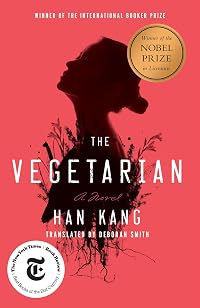
The Vegetarian
by Kang Han
On This Page
Description
"Before the nightmares began, Yeong-hye and her husband lived an ordinary, controlled life. But the dreams--invasive images of blood and brutality--torture her, driving Yeong-hye to purge her mind and renounce eating meat altogether. It's a small act of independence, but it interrupts her marriage and sets into motion an increasingly grotesque chain of events at home. As her husband, her brother-in-law, and her sister each fight to reassert their control, Yeong-hye obsessively defends the show more choice that's become sacred to her. Soon their attempts turn desperate, subjecting first her mind, then her body, to ever more intrusive and perverse violations, sending Yeong-hye spiraling into a dangerous, bizarre estrangement, not only from those closest to her but also from herself."--Jacket. show lessTags
Recommendations
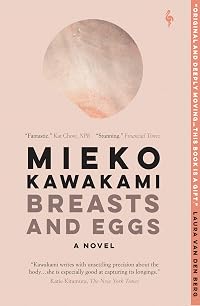
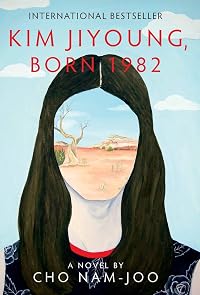
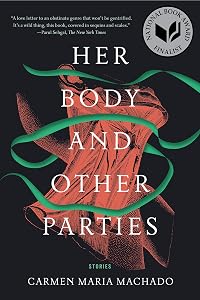
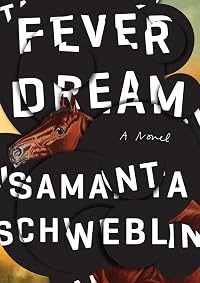
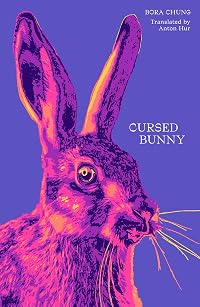
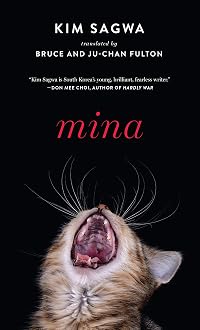
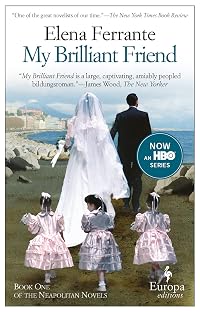
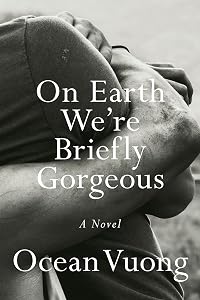
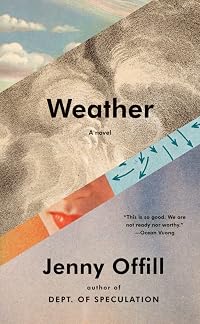
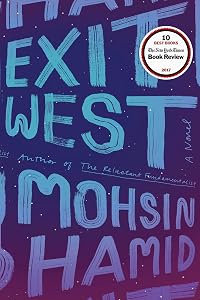
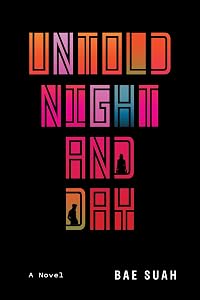
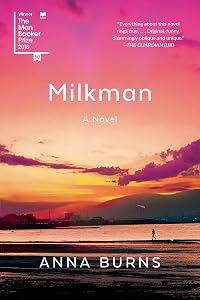
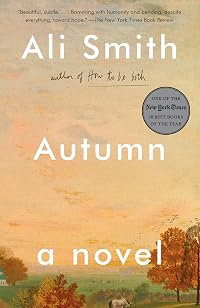
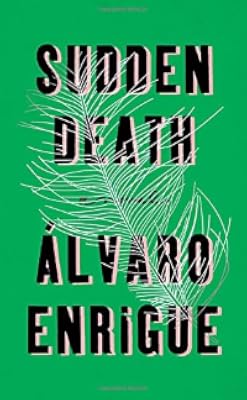
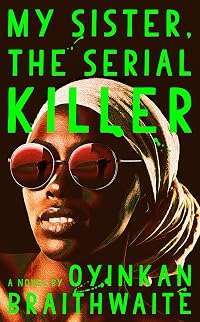
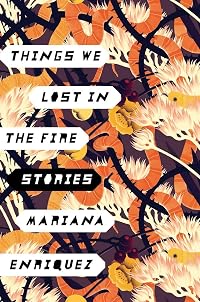

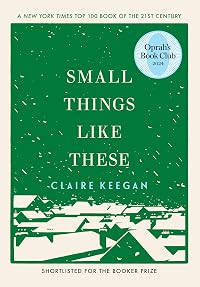
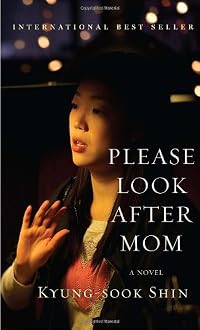
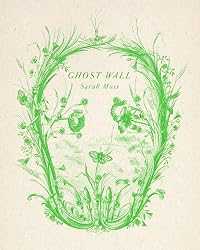
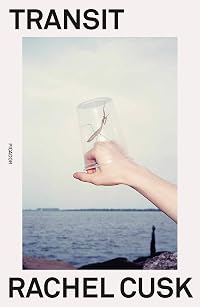
Member Recommendations
MissBrangwen Although they were written in different periods of time, both texts reminded me of each other because of their dealing with the female experience of confinement.
20
whitsunweddings It's briefly mentioned in The Vegetarian that the Artist is a 5.18 survivor. For those unfamiliar, Han Kang's book on the Gwangju Massacre gives context for the trauma that he - and Korea as a whole - went through.
21
vwinsloe Both books involve a mysterious woman and the perceptions, projections and assumptions about her by others.
Member Reviews
Boundaries demarcate limits imposed externally or internally. The wilful transgression of boundaries is a species of violence. Whether one crosses into another country or out of the norms of society, violence ensues. Yeong-hye initiates us into this transgressive territory through her decision to become vegetarian. It is an act of will but also defiance. She will not be limited to the (mis)construed norms of her family or society. But is it an expression of freedom or self-constraint? Yeong-hye is desperate to avoid the bloody violence of her dreams. She seeks not merely abstinence from meat, but perhaps from her own animal nature. So, not so much a desire to become a vegetarian as to become vegetal.
Yeong-hye’s brother-in-law is a show more video artist, only moderately successful. He is shy and pliant, almost weedy. Some time after Yeong-hye’s declaration of vegetarianism, he becomes obsessed with two things: a floral pattern on the naked bodies of a man and a woman engaged in coitus that he draws incessantly in his sketch book, and a small birthmark that may or may not persist on the buttock of Yeong-hye. The artist obsesses. Although Yeong-hye is clearly still emotionally and mentally fragile (her husband and parents have abandoned her), he convinces her to become his female model for the artwork. He takes on the male role in a sexual fantasy facilitated by art. The results are not perhaps unpredictable.
Yeong-hye’s older sister, In-hye, becomes the focus of the third act of this story. She has cut ties with her artist husband. Yeong-hye is now incarcerated in a mental institution but continues to reject both meat and eventually all food. She is dying. In-hye is her only visitor. Yeong-hye’s death may be inevitable but it is not going to be easy. Transgressing the boundary of life rarely is. In-hye appears stoical in the face of wilful death, but she may be hiding an equal longing that she can just barely restrain.
The visceral nature of this novel may catch the unsuspecting reader unawares. But once it grabs hold of you, its grip is unshakeable. Horrific images. Sadly damaged characters. A story that is at once very particular and yet plays at many other levels as well.
Highly recommended. show less
Yeong-hye’s brother-in-law is a show more video artist, only moderately successful. He is shy and pliant, almost weedy. Some time after Yeong-hye’s declaration of vegetarianism, he becomes obsessed with two things: a floral pattern on the naked bodies of a man and a woman engaged in coitus that he draws incessantly in his sketch book, and a small birthmark that may or may not persist on the buttock of Yeong-hye. The artist obsesses. Although Yeong-hye is clearly still emotionally and mentally fragile (her husband and parents have abandoned her), he convinces her to become his female model for the artwork. He takes on the male role in a sexual fantasy facilitated by art. The results are not perhaps unpredictable.
Yeong-hye’s older sister, In-hye, becomes the focus of the third act of this story. She has cut ties with her artist husband. Yeong-hye is now incarcerated in a mental institution but continues to reject both meat and eventually all food. She is dying. In-hye is her only visitor. Yeong-hye’s death may be inevitable but it is not going to be easy. Transgressing the boundary of life rarely is. In-hye appears stoical in the face of wilful death, but she may be hiding an equal longing that she can just barely restrain.
The visceral nature of this novel may catch the unsuspecting reader unawares. But once it grabs hold of you, its grip is unshakeable. Horrific images. Sadly damaged characters. A story that is at once very particular and yet plays at many other levels as well.
Highly recommended. show less
Thematically dense with no easy answers, this compelling short novel gazes at its central character from three different perspectives without ever managing to see her clearly. Yeong-Hye's turn to vegetarianism accompanies a liberation from social convention and oppressive family structures, while the other individuals in her life are preoccupied with the meanings they've created for her in their own lives. She herself remains elusive, and seems entirely content to dissolve through their fingers - even at the cost of her own sanity and life. A ruminative, poetic volume punctured by startling moments of violence.
 This review was written for LibraryThing Early Reviewers.
He was becoming divided against himself. Was he a normal human being? More than that, a moral human being? A strong human being, able to control his own impulses? In the end, he found himself unable to claim with any certainty that he knew the answers to these questions, though he'd been so sure before.
Han Kang burst onto the international literary scene with her first novel, The Vegetarian, winning the International Booker Prize in 2016, the first Korean novel to do so, and eight years later, Han won the Nobel Prize for Literature, the first Asian woman and first Korean to do so. The Vegetarian is written in three parts, and the second part, "The Mongolian Mark," was published first and was awarded the Yi Sang Literary Award.
The novel show more is about Yeong-hye, a seemingly unremarkable woman, who one day becomes an ardent vegetarian and from that point ceases to obey society's mores. We are only given snippets of her thoughts, however, as the book is told from the point of view of three people around her. In the first part, "The Vegetarian," her husband, a self-centered and callous yet pathetic man, describes the sudden and, to him, inexplicable changes in his wife after a violent dream prompts her to stop eating meat. In "The Mongolian Mark," Young-hye's brother-in-law describes his obsession, both artistic and sexual, with the mark on her backside. The final section, "Flaming Trees," reflects the conflicted feelings of her sister, In-hye. As Young-hye's mental health deteriorates, In-hye is confused and repelled by Young-hye's behavior, and yet admires her freedom from society's expectations and wonders how she herself has been able to endure in the face of historic, national, and personal violence.
Han has said that the inspiration for the novel came from a line of poetry by Yi Sang: "I believe that humans should be plants." According to Wikipedia, she understood that to imply "a defensive stance against the violence of Korea's colonial history under Japanese occupation." Han was also deeply influenced by the Gwangju Uprising, in which the military killed thousands of pro-democracy protesters. Violence permeates the novel, from Young-hye's dreams to rape and emotional trauma. Another theme is the position of women in society. One sister is treated as a canvas for men to write on and referred to at one point as a "comfort woman", a reference to the treatment of women during the Japanese occupation, while the other is the provider for her family, expected to endure and care for the needs of others to the exclusion of her own self. Also running through the novel are images of nature as both savage and healing, a force outside human understanding that observes humans with detached scorn.
The Vegetarian is not an easy or enjoyable read, and there is much to unpack. Although I found it imaginative and competently written, it was so strange that I had a hard time emotionally connecting with it. My appreciation for the novel could only be felt once I finished it; while reading I was too shocked by the imagery to do more than continue turning pages. show less
Han Kang burst onto the international literary scene with her first novel, The Vegetarian, winning the International Booker Prize in 2016, the first Korean novel to do so, and eight years later, Han won the Nobel Prize for Literature, the first Asian woman and first Korean to do so. The Vegetarian is written in three parts, and the second part, "The Mongolian Mark," was published first and was awarded the Yi Sang Literary Award.
The novel show more is about Yeong-hye, a seemingly unremarkable woman, who one day becomes an ardent vegetarian and from that point ceases to obey society's mores. We are only given snippets of her thoughts, however, as the book is told from the point of view of three people around her. In the first part, "The Vegetarian," her husband, a self-centered and callous yet pathetic man, describes the sudden and, to him, inexplicable changes in his wife after a violent dream prompts her to stop eating meat. In "The Mongolian Mark," Young-hye's brother-in-law describes his obsession, both artistic and sexual, with the mark on her backside. The final section, "Flaming Trees," reflects the conflicted feelings of her sister, In-hye. As Young-hye's mental health deteriorates, In-hye is confused and repelled by Young-hye's behavior, and yet admires her freedom from society's expectations and wonders how she herself has been able to endure in the face of historic, national, and personal violence.
Han has said that the inspiration for the novel came from a line of poetry by Yi Sang: "I believe that humans should be plants." According to Wikipedia, she understood that to imply "a defensive stance against the violence of Korea's colonial history under Japanese occupation." Han was also deeply influenced by the Gwangju Uprising, in which the military killed thousands of pro-democracy protesters. Violence permeates the novel, from Young-hye's dreams to rape and emotional trauma. Another theme is the position of women in society. One sister is treated as a canvas for men to write on and referred to at one point as a "comfort woman", a reference to the treatment of women during the Japanese occupation, while the other is the provider for her family, expected to endure and care for the needs of others to the exclusion of her own self. Also running through the novel are images of nature as both savage and healing, a force outside human understanding that observes humans with detached scorn.
The Vegetarian is not an easy or enjoyable read, and there is much to unpack. Although I found it imaginative and competently written, it was so strange that I had a hard time emotionally connecting with it. My appreciation for the novel could only be felt once I finished it; while reading I was too shocked by the imagery to do more than continue turning pages. show less
Winner of the Man Booker prize in 2016, this is a tough, but rewarding read.
It may not have been the central purpose of the book, but the aspect that I found to be most compelling was the depiction of gender and marital roles in modern Korea. South Korea has gone from poverty to powerhouse in a couple of generations, but as this book makes clear, social issues have not matched the pace of economic change.
It may not have been the central purpose of the book, but the aspect that I found to be most compelling was the depiction of gender and marital roles in modern Korea. South Korea has gone from poverty to powerhouse in a couple of generations, but as this book makes clear, social issues have not matched the pace of economic change.
"Yeong-hye lives an ordinary, controlled life. But the dreams—invasive images of blood and brutality- drive her to purge her mind and renounce eating meat altogether. This small act of independence sets into motion an increasingly grotesque chain of events...
As the story unfolds, we learn that Yeong-hye experienced violence from her father throughout childhood and her husband treats her no better than a maid. She also has what is called a Mongolian mark. It's a natural birth mark of sorts that fades as a child matures, yet Yeong-hye carries hers into adulthood. As the myth goes, it's a "bruise" left behind by the deity of childbirth, who gently slaps a baby to rush it from the womb. But for Yeong-hye, the pushing never stopped, show more therefore the mark is a permanent sign of her abuse.
Yeong-hye's dreams could be a warning, a sign of behavior that was slowly emerging from inside of her, due to a specific childhood trauma or violent memory that had intensified over time. Her brother-in-law almost suspects this: "... perhaps things were happening inside her, terrible things, which no one else could even guess at..." Yet her brother-in-law also takes advantage of her, in this case, treating her not as a person but something forbidden to be captured and utilized. Dwelling on her dreams, at first I wondered if Yeong-hye had a secret miscarriage, or disposed of a child borne of a non-consensual act. For Yeong-hye, her body is the only thing left that is still hers to control and she will go out on her own terms. Anyone could've reached Yeong-hye had they only chosen to listen rather than tell. Her sister asks herself, far too late, "could I have prevented it?" But Yeong-hye's suffering also exposes the cracks in her sister In-hye's carefully constructed life.
I hesitate to call it body horror, because of the voyeuristic expectations of that genre, but what happens to Yeong-hye is indeed shocking. It's very much psychological as it is physical, and meant to be turned over in your mind. show less
As the story unfolds, we learn that Yeong-hye experienced violence from her father throughout childhood and her husband treats her no better than a maid. She also has what is called a Mongolian mark. It's a natural birth mark of sorts that fades as a child matures, yet Yeong-hye carries hers into adulthood. As the myth goes, it's a "bruise" left behind by the deity of childbirth, who gently slaps a baby to rush it from the womb. But for Yeong-hye, the pushing never stopped, show more therefore the mark is a permanent sign of her abuse.
Yeong-hye's dreams could be a warning, a sign of behavior that was slowly emerging from inside of her, due to a specific childhood trauma or violent memory that had intensified over time. Her brother-in-law almost suspects this: "... perhaps things were happening inside her, terrible things, which no one else could even guess at..." Yet her brother-in-law also takes advantage of her, in this case, treating her not as a person but something forbidden to be captured and utilized. Dwelling on her dreams, at first I wondered if Yeong-hye had a secret miscarriage, or disposed of a child borne of a non-consensual act. For Yeong-hye, her body is the only thing left that is still hers to control and she will go out on her own terms. Anyone could've reached Yeong-hye had they only chosen to listen rather than tell. Her sister asks herself, far too late, "could I have prevented it?" But Yeong-hye's suffering also exposes the cracks in her sister In-hye's carefully constructed life.
I hesitate to call it body horror, because of the voyeuristic expectations of that genre, but what happens to Yeong-hye is indeed shocking. It's very much psychological as it is physical, and meant to be turned over in your mind. show less
Eloquent, evocative and quietly elegant are the words that came to mind when I finished reading this refreshingly unique storyline that held me spellbound as it often pushed me out of my comfort zone.
When I read the first line, “Before my wife turned vegetarian, I’ve always thought of her as completely unremarkable in every way.”, my first thought was what an ungrateful husband and wondered why this statement made his wife “remarkable”. The wife, Yeong-hye, is the center of this story, and while there are three narrators, the husband, the brother-inn-law, and the sister, the reader only knows Yeong-hye through the clouded lens of the narrators.
When Yeong-hye makes the statement she is no longer going to eat meat (or even show more allow it in her home) because of a violent dream, no one is understanding and thinks nothing of using violence and threats to change her mind. As this “trauma” reverberates through the family, the author uses the narrators and graceful prose to contrast the brutality of violence and contrast it against beauty of will and is not afraid when necessary to provide disturbing imagery to ensure we are paying attention.
I liked how the three narrators, each with their own agenda, illustrated how we often do not know ourselves or each other. Disquieting at time, but this both an intimate and a universal story regarding humanity.
Before this book became a novel, it was a short story that begged the author to say more, and then was published as each narrator having their own novella. I thought the format of a novel worked very well for the storyline as it is multilayered in its nuances and tones.
Kudos to the author for being such a tantalizing storyteller and the translator for providing such a capable translation. I am anxiously waiting for more of Han Kang’s work being translated into English. show less
When I read the first line, “Before my wife turned vegetarian, I’ve always thought of her as completely unremarkable in every way.”, my first thought was what an ungrateful husband and wondered why this statement made his wife “remarkable”. The wife, Yeong-hye, is the center of this story, and while there are three narrators, the husband, the brother-inn-law, and the sister, the reader only knows Yeong-hye through the clouded lens of the narrators.
When Yeong-hye makes the statement she is no longer going to eat meat (or even show more allow it in her home) because of a violent dream, no one is understanding and thinks nothing of using violence and threats to change her mind. As this “trauma” reverberates through the family, the author uses the narrators and graceful prose to contrast the brutality of violence and contrast it against beauty of will and is not afraid when necessary to provide disturbing imagery to ensure we are paying attention.
I liked how the three narrators, each with their own agenda, illustrated how we often do not know ourselves or each other. Disquieting at time, but this both an intimate and a universal story regarding humanity.
Before this book became a novel, it was a short story that begged the author to say more, and then was published as each narrator having their own novella. I thought the format of a novel worked very well for the storyline as it is multilayered in its nuances and tones.
Kudos to the author for being such a tantalizing storyteller and the translator for providing such a capable translation. I am anxiously waiting for more of Han Kang’s work being translated into English. show less
This review was written for LibraryThing Early Reviewers.The Vegetarian, by celebrated author Han Kang, begins with a seemingly ordinary premise: Yeong-hye, a dutiful and unassuming South Korean wife, decides to stop eating meat after a series of vivid, grotesque nightmares. Yet this simple decision serves as a catalyst for her rebellion against social norms and the oppressive structures in her life. The novel is told in three interconnected sections, respectively narrated by her traditionalist husband, her artist brother-in-law, and her older sister, each offering a fragmented but increasingly haunting view of Yeong-hye’s descent into psychological and physical decline. As her vegetarianism morphs into an obsession with transcendence—symbolized by her desire to transform into a show more tree—Yeong-hye’s body becomes a virtual battleground, a site of defiance and disintegration that culminates in her withdrawal from the human world altogether.
At its core, this novel is as much an exploration of mental illness as it is an indictment of societal restrictions and the rigid limitations placed on women. The decision Yeong-hye makes to renounce meat, though apparently personal, is rooted in a fraught psyche that bears the scars of childhood abuse and a stifling marriage. Her father’s physical violence and her husband’s emotional neglect form the foundation of her impoverished sense of self, exacerbated by a culture that prizes conformity above individual expression. As Yeong-hye’s behavior becomes increasingly erratic, those around her fail to offer compassion, instead reacting with self-interest, humiliation, and contempt. The narrative skillfully portrays the devastating interplay between trauma, mental health, and societal judgment, forcing the reader to grapple with the cost of silence and complicity.
Overall, I found this to be a superbly written novel, although certainly a challenging one to read due to its disturbing themes, multiple perspectives, use of symbolism, and constantly shifting time frames. Kang’s prose is both lyrical and unsettling, capturing the visceral horror of the main character’s inner turmoil and the cold indifference of many in her inner circle. It is also a story told with elegance and insight and its exploration of individual autonomy, social oppression, and the desire for personal transformation is profoundly affecting and thought-provoking. Without question, The Vegetarian is a book that pushes the boundaries of conventional storytelling, but it is also one that merits the myriad honors it has received, including, of course, a Nobel Prize in Literature for its author. show less
At its core, this novel is as much an exploration of mental illness as it is an indictment of societal restrictions and the rigid limitations placed on women. The decision Yeong-hye makes to renounce meat, though apparently personal, is rooted in a fraught psyche that bears the scars of childhood abuse and a stifling marriage. Her father’s physical violence and her husband’s emotional neglect form the foundation of her impoverished sense of self, exacerbated by a culture that prizes conformity above individual expression. As Yeong-hye’s behavior becomes increasingly erratic, those around her fail to offer compassion, instead reacting with self-interest, humiliation, and contempt. The narrative skillfully portrays the devastating interplay between trauma, mental health, and societal judgment, forcing the reader to grapple with the cost of silence and complicity.
Overall, I found this to be a superbly written novel, although certainly a challenging one to read due to its disturbing themes, multiple perspectives, use of symbolism, and constantly shifting time frames. Kang’s prose is both lyrical and unsettling, capturing the visceral horror of the main character’s inner turmoil and the cold indifference of many in her inner circle. It is also a story told with elegance and insight and its exploration of individual autonomy, social oppression, and the desire for personal transformation is profoundly affecting and thought-provoking. Without question, The Vegetarian is a book that pushes the boundaries of conventional storytelling, but it is also one that merits the myriad honors it has received, including, of course, a Nobel Prize in Literature for its author. show less
Members
- Recently Added By
Published Reviews
ThingScore 98
The strength of Kang's voice is in her refusal to smoothen the rough edges of her characters - they bare their scars and innermost vulnerabilities and yet don't appear drawing sympathy.
added by ScattershotSteph
What flows through "The Vegetarian" is an urgent need to detach oneself from the constraints of the human body, to transform and possibly transcend its limits completely.
added by ScattershotSteph
“The Vegetarian” is an existential nightmare, as evocative a portrayal of the irrational as I’ve come across in some time.
added by ScattershotSteph
Lists

1001 Books You Must Read Before You Die
1,448 works; 1,136 members

2017 Tournament of Books
18 works; 18 members

Best of World Literature
436 works; 52 members

Best Contemporary Literary Fiction (Around the Last 30 Years)
400 works; 124 members

Recommend the 20 best books you've read in the last five years
2,168 works; 607 members

Female Author
1,234 works; 65 members

Best 21st Century Books (So Far)
679 works; 86 members

Best Books With Sisters
130 works; 30 members
Female Protagonist
1,056 works; 57 members
Books Read in 2017
4,249 works; 130 members

Lithub: The 50 Best Contemporary Novels Under 200 Pages
50 works; 4 members

Expand Your Reading Demographics!
47 works; 15 members

Nobel Price Winners
222 works; 20 members

Novels featuring siblings
133 works; 8 members

Short and Sweet
246 works; 24 members

Literature About Women and Girls
394 works; 39 members

Dysfunctional Families
133 works; 7 members

Asia
178 works; 7 members

SomethingAwful TBB BOTM
66 works; 2 members

Books from around the world: Asia
11 works; 1 member
Overdue Podcast
808 works; 9 members

Greatest Books
40 works; 3 members

Diverse Horror
262 works; 6 members

GeoCAT 2016
15 works; 1 member

Books Read in 2022
5,226 works; 112 members

Books Read in 2025
4,128 works; 98 members

Widely acclaimed, one book per year
105 works; 3 members

.
184 works; 1 member

Steph Laymon's 2016 Read
34 works; 1 member

Favorite Reads of 2025
25 works; 1 member

el
1,139 works; 1 member

Favorite Books in Translation
320 works; 133 members

Books Read in 2026
2,082 works; 69 members

Books Read in 2018
4,360 works; 110 members

BookTok Adult
115 works; 2 members

2024 Reads
31 works; 1 member

Books Read in 2024
4,727 works; 128 members
NYT 100 best books of 21st C
100 works; 31 members

Korean literature
68 works; 5 members

A Smorgasbord of Culinary Fiction
221 works; 94 members
Want to Read... Asian Authors
11 works; 1 member

Books Read in 2021
5,361 works; 114 members

2000s (the decade, not the century)
184 works; 11 members

Books Read in 2019
4,052 works; 110 members

Books Nikki Read in 2017
16 works; 1 member

Global Reads: Books Set in East Asia
139 works; 12 members

The Guardian’s 20 brilliant books you can read in a day
20 works; 2 members
Talk Discussions
Past Discussions
The Vegetarian, by Han Kang- Group Read in 75 Books Challenge for 2017 (January 2018)
Author Information

Some Editions
Awards and Honors
Awards
Distinctions
Notable Lists
Series
Belongs to Publisher Series
Common Knowledge
- Canonical title*
- Die Vegetarierin
- Original title
- 채식주의자; Chaesikjuuija
- Original publication date
- 2007
- People/Characters
- Yeong-hye (Protagonist, Mr. Cheong's wife); In-hye (Yeong-hye's sister); Mr. Cheong (Kim Yeong-hye's husband); Yeong-ho (Kim Yeong-hye's brother); J (colleague who shares art studio with Mr. Cheong); P (former girl-friend of Mr. Cheong) (show all 8); In-Hye's husband (Yeong-Hye's brother in law); Ji-woo (In-hye's son)
- Important places
- Seoul, South Korea
- First words
- Before my wife turned vegetarian, I'd always thought of her as completely unremarkable in every way. To be frank, the first time I met her I wasn't even attracted to her. Middling height; bobbed hair neither long nor short; j... (show all)aundiced, sickly-looking skin; somewhat prominent cheekbones; her timid, sallow aspect told me all I needed to know As she came up to the table where I was waiting, I couldn't help but notice her shoes - the plainest black shoes imaginable. And that walk of hers - neither fast nor slow, striding nor mincing. -Chapter 1
- Quotations
- The trees by the side of the road are blazing, green fire undulating like the rippling flanks of a massive animal, wild and savage. In-Hye stares fiercely at the trees. As if waiting for an answer. As if protesting against so... (show all)mething. The look in her eyes is dark and insistent.
- Last words
- (Click to show. Warning: May contain spoilers.)The look in her eyes is dark and insistent.
- Blurbers
- Gerard, Sarah; Filer, Nathan; Levy, Deborah; Winnette, Colin; Aridjis, Chloe; McBride, Eimear (show all 12); Groff, Lauren; van den Berg, Laura; Oyeyemi, Helen; McEwan, Ian; Catton, Eleanor; McInerney, Lisa
- Original language
- Korean
- Canonical DDC/MDS
- 895.735
- Canonical LCC
- PL992.26.K36
*Some information comes from Common Knowledge in other languages. Click "Edit" for more information.
Classifications
- Genres
- Fiction and Literature, General Fiction, Horror
- DDC/MDS
- 895.735 — Literature & rhetoric Literatures of other languages Literatures of East and Southeast Asia Korean Korean fiction 2000–
- LCC
- PL992.26 .K36 — Language and Literature Languages and literatures of Eastern Asia, Africa, Oceania Languages of Eastern Asia, Africa, Oceania Korean language and literature Korean literature Individual authors and works
- BISAC
Statistics
- Members
- 6,101
- Popularity
- 2,075
- Reviews
- 404
- Rating
- (3.60)
- Languages
- 25 — Catalan, Chinese, Czech, Danish, Dutch, English, Estonian, Finnish, French, German, Galician, Greek, Hungarian, Italian, Japanese, Korean, Polish, Portuguese, Romanian, Russian, Slovenian, Spanish, Swedish, Turkish, Urdu
- Media
- Paper, Audiobook, Ebook
- ISBNs
- 89
- ASINs
- 21
