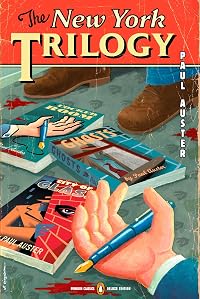
On This Page
Description
City of glass: A writer of a detective stories becomes embroiled in a complex and puzzling series of events, beginning with a call from a stranger in the middle of the night asking for the author. Ghosts: Introduces Blue, a private dectective hired to watch a man named Black, who, as he becomes intermeshed into a haunting and claustrophobic game of hide-and-seek is lured into the very trap he created. The locked room: The nameless hero journeys into the unkown as he attemps to reconstruct show more the past which he has experienced almost as a dream. show lessTags
Recommendations


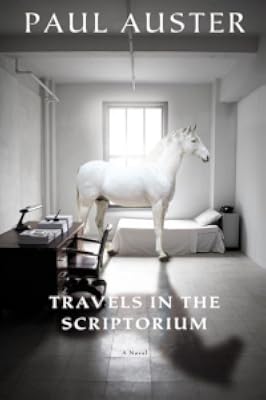

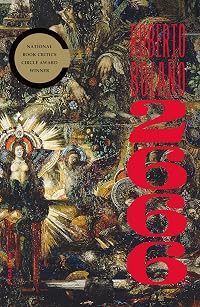
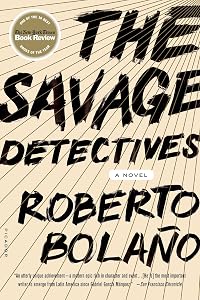
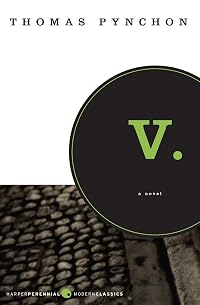
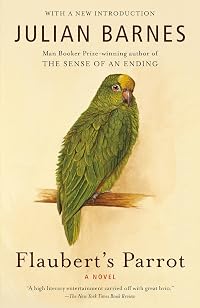


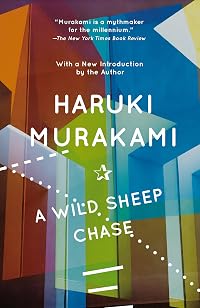
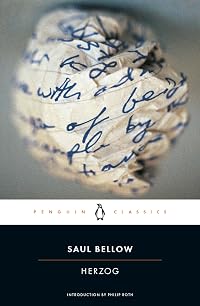
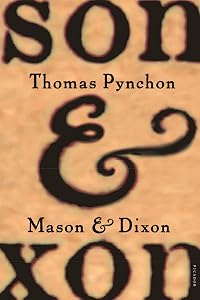
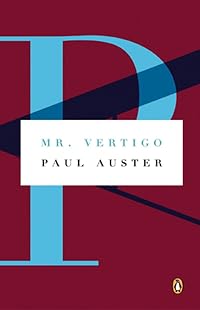

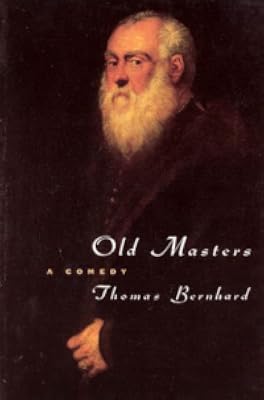
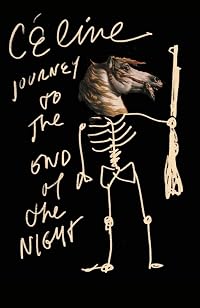
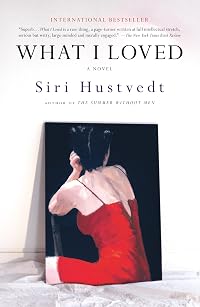

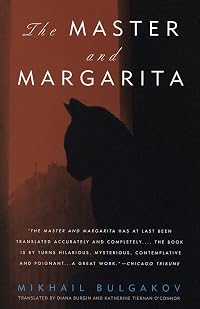
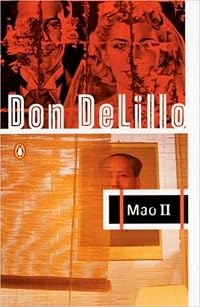
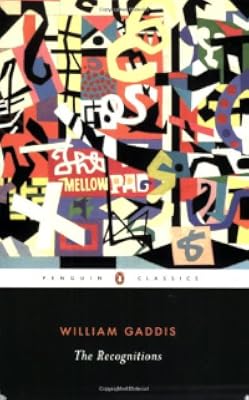

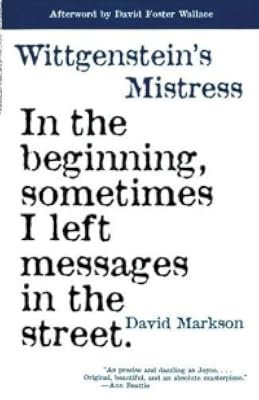

Member Recommendations
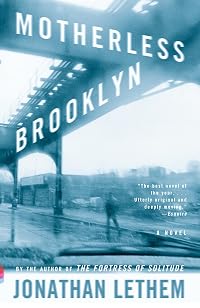
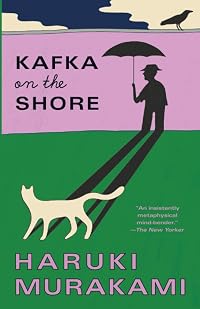
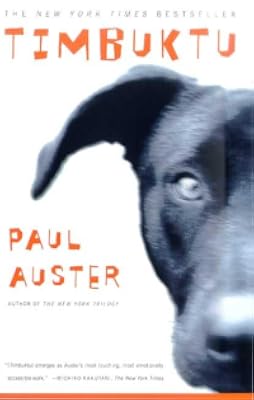
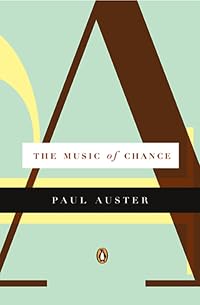
claudiamesc E' stato anche tradotto in italiano: freschi, diretti, energici racconti ambientati a New York... per chi non si è entusiasmato con Auster, ma vuole farsi altri due passi in città.

Longshanks Two books that expand the scope of detective fiction beyond the genre's traditional concerns and constraints, one existentially and one sociopolitically.
Member Reviews
Usually the term TRILOGY means the continuation of a certain plot or the lives of certain characters for good or ill depending on whether the author actually has more story to unfold. Often it may be justified to toss around the accusation of a “money grab”. Sometimes however something greater is afoot. My favorite trilogy is John Dos Passos’ USA TRILOGY. Dos Passos mixes experimental techniques (interviews, song lyrics, headlines, stream of consciousness, character biographies—and this was in the ‘30’s) with straight narrative to achieve a greater impact than if he had carried along down a straight line. I have shambled through many trilogies since reading Dos Passos 25 years ago, but nothing came close to creating the same show more power and buzz for me until I read Paul Auster’s NEW YORK TRILOGY. Auster too seems to be creating his own techniques to tell his tale. Each of the three books is loosely structured as a detective story. Very quickly, the mystery changes…and then changes again. What seems straightforward slowly bends in different directions. You could read each novel and argue that you have read the same thing three times…or make the opposite argument as well. When I think of the books I see three giant arrows pointing toward an empty center. Not empty, but something I can’t yet see. Each book is from the point of view of it’s detective. They proceed logically but as what they seek starts to shift, so does their logical footing. Each book starts as a lark, but soon shudders into darkness. Is this darkness the absence of love…or the penalty of imposing order on chaos…or even the personal hell awaiting writers facing blank sheets? Auster’s creation is marvelous. It seems kindred to Dos Passos and at the same time existing in a world we haven’t caught up to yet. show less
This being my first taste of Auster after hearing mostly positive recommendations (and reading about him for a bit, his take on the future of the novel and storytelling was refreshingly upbeat in contrast to Philip Roth's not so surprising negative vision, both videos are on youtube) yielded, for the most part, a hell of a good read.
This being his first series of novels I have to say Auster was pretty ambitious. Melding the American detective story with postmodern elements, specifically regarding the roles of writer and reader and the inverting of each, combined with the usual mystery elements in a detective story makes for a fascinating experience where at times it feels as though you're in Auster's head as he's writing and show more experiencing the creation of his own story. Decently trippy, mildly exhausting, but satisfying in a narrow but sweet way.
If I have one gripe it's something that can usually be found in most if not all of a writer's work, the effort in telling the story shows. While Auster is very good at covering his tracks for the most part there are definite moments where the seams show in his story where he patched in artistic, cultural, or allusions from other literary works in various attempts to deepen his work by borrowing the intellectual heft of other pieces which can, at times, come off as straining too hard and too much to augment the meaning of his work. Sometimes, in fact, most times, Auster does it well and I'm sure he's gotten better with each subsequent work which I more than look forward to reading. It's just the few black-eyes that stand out.
Overall, a very good, and at certain stretches a fantastic read that grabs your mind and forces you to re-conceptualize what it means to be a reader reading the writing of someone who made the often ill informed choice to sit down and bleed his heart and his mind trying to say something on the always daunting blank page. show less
This being his first series of novels I have to say Auster was pretty ambitious. Melding the American detective story with postmodern elements, specifically regarding the roles of writer and reader and the inverting of each, combined with the usual mystery elements in a detective story makes for a fascinating experience where at times it feels as though you're in Auster's head as he's writing and show more experiencing the creation of his own story. Decently trippy, mildly exhausting, but satisfying in a narrow but sweet way.
If I have one gripe it's something that can usually be found in most if not all of a writer's work, the effort in telling the story shows. While Auster is very good at covering his tracks for the most part there are definite moments where the seams show in his story where he patched in artistic, cultural, or allusions from other literary works in various attempts to deepen his work by borrowing the intellectual heft of other pieces which can, at times, come off as straining too hard and too much to augment the meaning of his work. Sometimes, in fact, most times, Auster does it well and I'm sure he's gotten better with each subsequent work which I more than look forward to reading. It's just the few black-eyes that stand out.
Overall, a very good, and at certain stretches a fantastic read that grabs your mind and forces you to re-conceptualize what it means to be a reader reading the writing of someone who made the often ill informed choice to sit down and bleed his heart and his mind trying to say something on the always daunting blank page. show less
I think I must have been about 18 when my older brother gave me Paul Auster’s “New York Trilogy” as a gift for my birthday. I started reading it - and hated it! I couldn’t get into it, couldn’t get a grip on it. I put it back into my bookshelf and forgot about it for a few years.
It fell again into my hands (quite literally!) when I reorganised my shelves and I decided to give it another chance. This time around, though, I just read and suspended judgement. I won’t lie to you: I had similar difficulties as before but this time I kept reading. And, somehow, things started falling into place…
With accepting that Auster employs a unique kind of storytelling came understanding and respect for his masterful writing. Ultimately, I show more became completely engrossed in the three interconnected novels that make up this trilogy.
The first novel, "City of Glass", sets the tone for the rest of the trilogy with its atmospheric and almost dreamlike descriptions of New York City. Auster's ability to capture the essence of the city, with all its chaos and intrigue, is truly remarkable. The protagonist, Daniel Quinn, is a complex and fascinating character who becomes embroiled in a mysterious case that takes him on a journey through the city and ultimately leads him to question his own sanity. The way Auster weaves together the themes of identity, language, and the power of perception in this novel is simply brilliant.
The second novel, "Ghosts", picks up where "City of Glass" left off and follows a new protagonist, Blue, as he investigates a strange case involving a man named Black who may or may not be dead. As the story unfolds, the lines between reality and fiction become increasingly blurred, and Auster expertly explores the themes of memory, history, and the idea of the self.
So far, though, those novels didn’t seem like parts of a trilogy. Yes, there were interconnections, both obvious ones as well as more obscure ones but I was still a little sceptical…
And then came the final novel, "The Locked Room", which brings the trilogy to a more-than-satisfying conclusion by tying together the threads that run throughout the three books. Sometimes these threads are so thin, they might be mistaken for an undercurrent or background noise and yet they’re there…
In this final part Auster took all those threads and wove them into a beautiful complex literary “tapestry” that even now, decades later, shines bright in my memory.
Its protagonist, Fanshawe, is a writer who mysteriously disappears, leaving behind a cache of unpublished manuscripts. As his childhood friend attempts to unravel the mystery of Fanshawe's disappearance, the reader is taken on a journey through the worlds of literature, art, and the human psyche.
What I appreciated most about the "New York Trilogy" was Auster's willingness to take risks with his writing. His art - and there can be no doubt this is on par with any other great piece of art - was obviously more important than mainstream success. I remain convinced that Auster lost many potential readers like he initially lost me.
And yet he took the risk and explored complex ideas and themes in a way that is both engaging and thought-provoking. The trilogy is filled with twists and turns that keep the reader on their toes, and the characters are so well-drawn that it's impossible not to become invested in their stories.
In conclusion, I would highly recommend Paul Auster's "New York Trilogy" to anyone who is looking for a thought-provoking and engaging read. Auster's writing is truly masterful, and the trilogy as a whole is a testament to his brilliance and genius as an author.
After reading the “New York Trilogy” I’ve “blindly” bought each and every book Auster has written and with one exception (“4 3 2 1”) I’ve enjoyed them all. For me, Paul Auster has become an icon of literature and his “New York Trilogy” is the reason I hesitate to leave a book unfinished - what if it’s another unique masterpiece?!
Five stars out of five.
Blog | Facebook | Twitter | Mastodon | Instagram | Pinterest | Medium | Matrix | Tumblr
Ceterum censeo Putin esse delendam show less
It fell again into my hands (quite literally!) when I reorganised my shelves and I decided to give it another chance. This time around, though, I just read and suspended judgement. I won’t lie to you: I had similar difficulties as before but this time I kept reading. And, somehow, things started falling into place…
With accepting that Auster employs a unique kind of storytelling came understanding and respect for his masterful writing. Ultimately, I show more became completely engrossed in the three interconnected novels that make up this trilogy.
The first novel, "City of Glass", sets the tone for the rest of the trilogy with its atmospheric and almost dreamlike descriptions of New York City. Auster's ability to capture the essence of the city, with all its chaos and intrigue, is truly remarkable. The protagonist, Daniel Quinn, is a complex and fascinating character who becomes embroiled in a mysterious case that takes him on a journey through the city and ultimately leads him to question his own sanity. The way Auster weaves together the themes of identity, language, and the power of perception in this novel is simply brilliant.
The second novel, "Ghosts", picks up where "City of Glass" left off and follows a new protagonist, Blue, as he investigates a strange case involving a man named Black who may or may not be dead. As the story unfolds, the lines between reality and fiction become increasingly blurred, and Auster expertly explores the themes of memory, history, and the idea of the self.
So far, though, those novels didn’t seem like parts of a trilogy. Yes, there were interconnections, both obvious ones as well as more obscure ones but I was still a little sceptical…
And then came the final novel, "The Locked Room", which brings the trilogy to a more-than-satisfying conclusion by tying together the threads that run throughout the three books. Sometimes these threads are so thin, they might be mistaken for an undercurrent or background noise and yet they’re there…
In this final part Auster took all those threads and wove them into a beautiful complex literary “tapestry” that even now, decades later, shines bright in my memory.
Its protagonist, Fanshawe, is a writer who mysteriously disappears, leaving behind a cache of unpublished manuscripts. As his childhood friend attempts to unravel the mystery of Fanshawe's disappearance, the reader is taken on a journey through the worlds of literature, art, and the human psyche.
What I appreciated most about the "New York Trilogy" was Auster's willingness to take risks with his writing. His art - and there can be no doubt this is on par with any other great piece of art - was obviously more important than mainstream success. I remain convinced that Auster lost many potential readers like he initially lost me.
And yet he took the risk and explored complex ideas and themes in a way that is both engaging and thought-provoking. The trilogy is filled with twists and turns that keep the reader on their toes, and the characters are so well-drawn that it's impossible not to become invested in their stories.
In conclusion, I would highly recommend Paul Auster's "New York Trilogy" to anyone who is looking for a thought-provoking and engaging read. Auster's writing is truly masterful, and the trilogy as a whole is a testament to his brilliance and genius as an author.
After reading the “New York Trilogy” I’ve “blindly” bought each and every book Auster has written and with one exception (“4 3 2 1”) I’ve enjoyed them all. For me, Paul Auster has become an icon of literature and his “New York Trilogy” is the reason I hesitate to leave a book unfinished - what if it’s another unique masterpiece?!
Five stars out of five.
Blog | Facebook | Twitter | Mastodon | Instagram | Pinterest | Medium | Matrix | Tumblr
Ceterum censeo Putin esse delendam show less
"Người đi quanh thân thế của người". Nhân vật của Paul Auster rất giống nhau , đều mắc kẹt trong một tình huống kỳ quặc nào đó, dần dần họ loay hoay và đâm mắc kẹt trong cuộc đời và chính con người của mình luôn. Và mầm mống của tất cả thì đã bắt đầu lâu rồi, chỉ còn chờ anh nhảy vào và rầm, bẫy sập. Con người nghĩ mình có thể lựa chọn nhưng không phải vậy, thật sự rất đáng sợ, nghĩ đến những thứ vớ vẩn vặt vãnh hàng ngày ấy thế mà cho đến lúc này đã luôn hãm phanh, ngăn ta tìm đến con đường hủy hoại và phó mặc bản thân. Một cú rơi tự do ngoạn mục show more đầy tiềm năng.
Trong những câu chuyện của mình, Auster luôn thích dùng cái mẫu "Mãi về sau khi nhìn lại tất cả tôi mới biết" rồi kiểu "đó chỉ là một sai lầm tệ hại trong số những sai lầm mà tôi đã phạm phải ngay từ lúc đầu" làm người đọc vô cùng bất an, đến mức sau này mỗi lần bắt đầu đọc một quyển sách của Auster, chỉ vừa mở những trang đầu tiên thôi đã thấy bất an rồi.
Mình không hiểu những dụng ý của Auster, nhưng đây là một quyển sách hay. Ngôn ngữ, hình ảnh, câu chuyện, nhân vật, cách dẫn dắt, miêu tả tâm lý, rồi thế giới nội tâm của người viết, tất cả đều rất thú vị. Và như mọi khi, đọc xong chỉ mong cho cuộc đời về sau sẽ không phải gặp những khúc ngoặt kinh khủng như vậy. Thật may mắn khi ta không phải một nhân vật trong truyện của Paul Auster.
À sau khi đọc quyển này thì mình tổng kết được rằng cả Herodotus lẫn Ryszard đều bị mang tiếng là viết ký bịa đặt :)) show less
Trong những câu chuyện của mình, Auster luôn thích dùng cái mẫu "Mãi về sau khi nhìn lại tất cả tôi mới biết" rồi kiểu "đó chỉ là một sai lầm tệ hại trong số những sai lầm mà tôi đã phạm phải ngay từ lúc đầu" làm người đọc vô cùng bất an, đến mức sau này mỗi lần bắt đầu đọc một quyển sách của Auster, chỉ vừa mở những trang đầu tiên thôi đã thấy bất an rồi.
Mình không hiểu những dụng ý của Auster, nhưng đây là một quyển sách hay. Ngôn ngữ, hình ảnh, câu chuyện, nhân vật, cách dẫn dắt, miêu tả tâm lý, rồi thế giới nội tâm của người viết, tất cả đều rất thú vị. Và như mọi khi, đọc xong chỉ mong cho cuộc đời về sau sẽ không phải gặp những khúc ngoặt kinh khủng như vậy. Thật may mắn khi ta không phải một nhân vật trong truyện của Paul Auster.
À sau khi đọc quyển này thì mình tổng kết được rằng cả Herodotus lẫn Ryszard đều bị mang tiếng là viết ký bịa đặt :)) show less
In a class I took last fall, we read the comic book adaptation of Paul Auster's City of Glass by Paul Karasik and David Mazzucchellil, and having thoroughly enjoyed it, I picked up a (extraordinarily handsome) omnibus edition of the original novel and the other two installments in the series. There's something about Auster's prose that keeps you reading, even though you have no idea what's happening at times. Well, that's not fair-- I always knew what was happening, but rarely why, as some pretty dang bizarre things happened. But I suspect that's not the point. What links these three pseudo-detective stories together far more than their setting is their ideas-- about identity and about language, primarily, but a lot else, too. (As a show more side note, I was astounded at how accurate an adaptation the comic book was, despite its length. Very rarely did I come across anything in the novel that I didn't remember from the comic, and if anything, the excellent art in the comic only added to the effect of the story.) (originally written December 2007)
The stories in here are, I think, increasingly less successful, but they're all very good. "City of Glass" is the first and the best: a riveting tale of a man losing identity with an ending that makes you think you can almost put the whole thing together, though you never quite manage it. (Thankfully.) "Ghosts" is also quite good, the tale of a private detective with a strange assignment to simply watch someone else, which leads to the disintegration of his own identity. This one is fun in a morose way, if that makes any sense. "The Locked Room" is the least interesting, perhaps because it's the most grounded, and consequently, it's not possible to project yourself onto the characters to the same extent as the others. Still, it has its moments-- and what moments they are.
It's easy to complain about Paul Auster that he doesn't make any sense, but that misses the point entirely: these are stories about a world that doesn't make any sense, and there's no other way to confront it. (added November 2011) show less
The stories in here are, I think, increasingly less successful, but they're all very good. "City of Glass" is the first and the best: a riveting tale of a man losing identity with an ending that makes you think you can almost put the whole thing together, though you never quite manage it. (Thankfully.) "Ghosts" is also quite good, the tale of a private detective with a strange assignment to simply watch someone else, which leads to the disintegration of his own identity. This one is fun in a morose way, if that makes any sense. "The Locked Room" is the least interesting, perhaps because it's the most grounded, and consequently, it's not possible to project yourself onto the characters to the same extent as the others. Still, it has its moments-- and what moments they are.
It's easy to complain about Paul Auster that he doesn't make any sense, but that misses the point entirely: these are stories about a world that doesn't make any sense, and there's no other way to confront it. (added November 2011) show less
Read the opening chapter of Auster's The New York Trilogy, and instantly know whether you'll enjoy the pages that are to follow. It's such an daring premise that I was enthralled from the start, but some may find it absurd, and too clever by half. (For one, the protagonist's very real reaction grounded it for me.) Either way, it sets up the ground rules for the book, letting you know just how far Auster is willing to go in exploring and contorting the familiar detective story. Each of the three stories starts from a central premise—trailing or searching for someone, and trying to figure them out—and strikes outward in a different direction. Each is strange in their own way.
In doing so, the novel wears its influences on its sleeve. show more Borges would be proud of how trailing someone for months means becoming them, almost like Pierre Menard's Don Quixote. Kundera would appreciate the twinning of literature and life in the opening piece. And of course, Pynchon would love the constellation of details in each story, each unclear if or how it relates to the whole, forming a parallel world of inference and supposition within the protagonist's mind. And of course, that last part is also reminiscent of Eco's semiotics. This multiplicity of influences makes the novel feel even more unreal, a strange sense of deja vu but without feeling like a copy. And this feeling is heightened by some of the works since that were clearly inspired by Auster's work, such as Murakami's The Wind-up Bird Chronicle. (The clipped language and sexual undertones of the opening piece certainly point that way.)
Do the stories benefit from being grouped like this, or do they needlessly repeat each other? To put it more bluntly: are they best understood as a unified work? My instinct says yes, in the same way as The Lost Books of the Odyssey's stories work together to hint at different facets of some unencompassable whole. The three stories in the trilogy feel almost combinatorial, echoing each other as they echo themselves, looping inward and outward through the central mystery of trying to know someone else. In a way, they feel similar to oulipo's project: using a central restriction to enable an explosion of creativity down lesser-traveled paths. The overall effect is wonderful to read; I originally considered spacing out my reading sessions, but I'm glad I chose otherwise. show less
In doing so, the novel wears its influences on its sleeve. show more Borges would be proud of how trailing someone for months means becoming them, almost like Pierre Menard's Don Quixote. Kundera would appreciate the twinning of literature and life in the opening piece. And of course, Pynchon would love the constellation of details in each story, each unclear if or how it relates to the whole, forming a parallel world of inference and supposition within the protagonist's mind. And of course, that last part is also reminiscent of Eco's semiotics. This multiplicity of influences makes the novel feel even more unreal, a strange sense of deja vu but without feeling like a copy. And this feeling is heightened by some of the works since that were clearly inspired by Auster's work, such as Murakami's The Wind-up Bird Chronicle. (The clipped language and sexual undertones of the opening piece certainly point that way.)
Do the stories benefit from being grouped like this, or do they needlessly repeat each other? To put it more bluntly: are they best understood as a unified work? My instinct says yes, in the same way as The Lost Books of the Odyssey's stories work together to hint at different facets of some unencompassable whole. The three stories in the trilogy feel almost combinatorial, echoing each other as they echo themselves, looping inward and outward through the central mystery of trying to know someone else. In a way, they feel similar to oulipo's project: using a central restriction to enable an explosion of creativity down lesser-traveled paths. The overall effect is wonderful to read; I originally considered spacing out my reading sessions, but I'm glad I chose otherwise. show less
How do you discuss a mystery that's not a mystery? More importantly, how do you WRITE three mysteries that aren't? And still manage to create involving, memorable, and deeply disturbing novels? I don't know how, but Paul Auster has figured out. In the space of three short novels, Auster has developed mysteries that are more concerned with ideas than plot, with the style of writing rather than the content. He has, in short, written THE NEW YORK TRILOGY.
Describing the plots does no justice to the novels (they are, after all, practically plotless), but I will endeavor to summarize. CITY OF GLASS tracks Quinn, a frustrated novelist who agrees to accept a detective case, after being mistaken for the detective Paul Auster. GHOSTS follows the show more exploits of Blue, a detective hired by White to spy on Black, for reasons which remain obscure. THE LOCKED ROOM is centered on an author who has been charged with the task of tending to an old friend's vast literary output, after the friend has mysteriously vanished from civilization.
As mentioned previously, these novels ARE mysteries, on their surfaces. (That's initially what drew me to their pages.) But Auster isn't concerned with the intricacies of the detective genre. He is far more fascinated with the image of the author, that person who creates people out of thin air and smoke. Auster delves into what the make-up of such a person may be, a person who's public character is defined by the artistic output, not by whom the author actually is. Who the author actually may be, or what the author's opinion is as to his or her own writings, is not important. It is a schizophrenic life, to be sure, and Auster knows it. Are we defined by our inner monologue, or do our actions govern our identities? Is who we purport to be as important as how we appear to be?
CITY OF GLASS is an excellent example of Auster's musings on this theme. As Quinn slowly begins to develop his detective persona, he can feel his previous author persona begin to slip away. By his inadvertent creation of a new persona, he erases his past; but as he was only really defined by his novels, it is a far easier task than it first appeared. This culminates in an exploration of the inner workings of personal discovery that reminds me of nothing so much than Arthur C. Clarke's elliptical finale to 2001: A SPACE ODYSSEY.
Is it environment, or public perception, or biology that determines what we turn out to be? Auster interweaves this theme into all three of his novels. The character of Stillman, in CITY OF GLASS, is so obsessed with this idea that he deprived his son of any form of contact, trying to discover the hidden, secret language of God. Fanshawe, in THE LOCKED ROOM, is determined that he distance himself from what he was perceived to be, unwilling to accept anyone's characterization of his psyche. Blue, in GHOSTS, discovers that what he fears the most is true, that his existence is his job; outside of that, nothing he thinks or feels has any effect.
Mind you, none of this would raise the themes above the quality of a academic treatise without Auster's remarkable writing ability. While he may be loathe to be judged by his output, the fact remains that Auster can relate a story with the best of them. His characters, while purposefully vague, still manage to create an empathy with the reader. The quest for identity, that search for the ego, is a universally understandable topic. Auster achieves the feat of simultaneously having the characters understand themselves at the same time that the reader does. Any discussion of the past is irrelevant, it's the NOW that matters. The author in THE LOCKED ROOM gradually understands this in his quest for the missing friend Fanshawe. What he discovers about Fanshawe only serves to confuse. Perhaps he was better off with his own personal memories, rather than try to incorporate the recollections of others.
Auster also realizes that one's opinions about a novel can differ from another's; it makes no difference. What is important is what YOU thought, not what others may tell you to think. The NEW YORK TRILOGY seems designed to provoke different responses, alternate beliefs as to what it all means. I personally haven't been privy to such a possibility as to the ultimate meaning of a thing since witnessing Peter Greenaway's remarkable film THE COOK, THE THIEF, HIS WIFE AND HER LOVER. What does it all ultimately mean? Who knows? What's important is that it affected me, on a level I wasn't expecting. It is a pleasant surprise. show less
Describing the plots does no justice to the novels (they are, after all, practically plotless), but I will endeavor to summarize. CITY OF GLASS tracks Quinn, a frustrated novelist who agrees to accept a detective case, after being mistaken for the detective Paul Auster. GHOSTS follows the show more exploits of Blue, a detective hired by White to spy on Black, for reasons which remain obscure. THE LOCKED ROOM is centered on an author who has been charged with the task of tending to an old friend's vast literary output, after the friend has mysteriously vanished from civilization.
As mentioned previously, these novels ARE mysteries, on their surfaces. (That's initially what drew me to their pages.) But Auster isn't concerned with the intricacies of the detective genre. He is far more fascinated with the image of the author, that person who creates people out of thin air and smoke. Auster delves into what the make-up of such a person may be, a person who's public character is defined by the artistic output, not by whom the author actually is. Who the author actually may be, or what the author's opinion is as to his or her own writings, is not important. It is a schizophrenic life, to be sure, and Auster knows it. Are we defined by our inner monologue, or do our actions govern our identities? Is who we purport to be as important as how we appear to be?
CITY OF GLASS is an excellent example of Auster's musings on this theme. As Quinn slowly begins to develop his detective persona, he can feel his previous author persona begin to slip away. By his inadvertent creation of a new persona, he erases his past; but as he was only really defined by his novels, it is a far easier task than it first appeared. This culminates in an exploration of the inner workings of personal discovery that reminds me of nothing so much than Arthur C. Clarke's elliptical finale to 2001: A SPACE ODYSSEY.
Is it environment, or public perception, or biology that determines what we turn out to be? Auster interweaves this theme into all three of his novels. The character of Stillman, in CITY OF GLASS, is so obsessed with this idea that he deprived his son of any form of contact, trying to discover the hidden, secret language of God. Fanshawe, in THE LOCKED ROOM, is determined that he distance himself from what he was perceived to be, unwilling to accept anyone's characterization of his psyche. Blue, in GHOSTS, discovers that what he fears the most is true, that his existence is his job; outside of that, nothing he thinks or feels has any effect.
Mind you, none of this would raise the themes above the quality of a academic treatise without Auster's remarkable writing ability. While he may be loathe to be judged by his output, the fact remains that Auster can relate a story with the best of them. His characters, while purposefully vague, still manage to create an empathy with the reader. The quest for identity, that search for the ego, is a universally understandable topic. Auster achieves the feat of simultaneously having the characters understand themselves at the same time that the reader does. Any discussion of the past is irrelevant, it's the NOW that matters. The author in THE LOCKED ROOM gradually understands this in his quest for the missing friend Fanshawe. What he discovers about Fanshawe only serves to confuse. Perhaps he was better off with his own personal memories, rather than try to incorporate the recollections of others.
Auster also realizes that one's opinions about a novel can differ from another's; it makes no difference. What is important is what YOU thought, not what others may tell you to think. The NEW YORK TRILOGY seems designed to provoke different responses, alternate beliefs as to what it all means. I personally haven't been privy to such a possibility as to the ultimate meaning of a thing since witnessing Peter Greenaway's remarkable film THE COOK, THE THIEF, HIS WIFE AND HER LOVER. What does it all ultimately mean? Who knows? What's important is that it affected me, on a level I wasn't expecting. It is a pleasant surprise. show less
Members
- Recently Added By
Published Reviews
Una llamada telefónica equivocada introduce a un escritor de novelas policiacas en una extraña historia de complejas relaciones paternofiliales y locura; un detective sigue a un hombre por un claustrofóbico universo urbano; la misteriosa desaparición de un amigo de la infancia confronta a un hombre con sus recuerdos. Tres novelas que proponen una relectura posmoderna del género policiaco show more y que supusieron la revelación de uno de los más interesantes novelistas de nuestro tiempo. show less
added by Pakoniet
Lists

1001 Books You Must Read Before You Die
1,448 works; 1,136 members

The Guardian's 1000 Novels Everyone Must Read
1,005 works; 551 members
501 Must-Read Books
529 works; 72 members

Metafiction
86 works; 23 members

Novels from The Guardian's Great American Novelist Tournament
148 works; 24 members
20th Century Literature
1,161 works; 55 members

The Guardian's 100 greatest novels of all time
100 works; 16 members

Unread books
1,063 works; 87 members

Best Noir Fiction
160 works; 14 members
Larry McCaffery's 20th Century Greatest Hits: 100 English-Language Books
103 works; 12 members

Magic Realism
371 works; 51 members

Best books about books
209 works; 106 members
Books Set in New York City
127 works; 21 members

Weird and Weirder Fiction
270 works; 35 members

Slipstream or Interstitial Fiction
160 works; 19 members

Experimental Literature
141 works; 18 members

Significant works of postmodern fiction
86 works; 25 members
The American Experience
173 works; 18 members

Folio Society
831 works; 53 members

Speculative Fiction: Slipstream Literature
166 works; 16 members

Crime and Mysteries to Read
746 works; 31 members

BBC Radio 4 Bookclub
341 works; 13 members

1980s
356 works; 23 members

Books Read in 2023
5,638 works; 147 members
Elegant Prose
80 works; 4 members
Best of American Literature
146 works; 9 members

Urban Fiction
74 works; 6 members

Books Read in 2017
4,249 works; 130 members

Books Read in 2015
3,299 works; 126 members
Books Read in 2016
4,666 works; 197 members

A Good Read (Radio 4)
287 works; 1 member
American Lit for Eng 11 Research Project
368 works; 6 members

Books by Jewish Authors
68 works; 5 members
My TBR
371 works; 3 members

Books Read in 2021
5,361 works; 113 members

living room bookshelf
150 works; 1 member
BBC World Book Club
267 works; 5 members
Canon de la narrativa universal del s. XX (cicutadry)
499 works; 3 members

Books Read in 2025
4,128 works; 98 members

Hilos Invisibles: Sincronicidad y el Azar en la Literatura
12 works; 1 member

Novels with a city or town in the title
61 works; 1 member

World Book Club (BBC World Service)
212 works; 1 member

Detective Stories
343 works; 5 members
Author Information

106+ Works 64,977 Members
Paul Auster was born on February 3, 1947, in Newark, New Jersey. He received a B.A. and a M.A. in English and Comparative Literature from Columbia University. In addition to his career as a writer, Auster has been a census taker, tutor, merchant seaman, little-league baseball coach, and a telephone operator. He started his writing career as a show more translator. He soon gained popularity for the detective novels that make up his New York Trilogy. His other works include The Invention of Solitude; Leviathan; Moon Palace; Facing the Music; In the Country of Last Things; The Music of Chance; Mr. Vertigo; and The Brooklyn Follies. His latest novels are entitled, Invisible and Sunset Park. In addition to his novels, Auster has written screenplays and directed several films. He is the recipient of a fellowship from the National Endowment for the Arts and a French Prix Medicis for Foreign Literature. (Bowker Author Biography) show less
Some Editions
Awards and Honors
Awards
Notable Lists
Series

Belongs to Publisher Series
Work Relationships
Is contained in
Contains
Has the adaptation
Has as a student's study guide
Common Knowledge
- Canonical title
- The New York Trilogy
- Original title
- The New York Trilogy
- Original publication date
- 1985 (City of Glass) (City of Glass); 1986 (Ghosts) (Ghosts); 1986 (The Locked Room) (The Locked Room)
- People/Characters
- Peter Stillman; Daniel Quinn; Paul Auster; Blue; Black; White (show all 8); Fanshawe; Henry Dark
- Important places
- New York, New York, USA
- Dedication*
- Da Alexandra
- First words
- Paul Auster has the key to the city. He has not, as far as I know, been presented with the literal object, traditionally an oversized five-pound gold-plated item, dispensed to visiting benefactors and favored natives on a dai... (show all)s in front of City Hall by a functionary in top hat and claw hammer coat, but I doubt he needs one of those. Auster's key is like the key to dreams or the key to the highway. It is an alchemical pass-partout that allows him to see through walls and around corners, that permits him entry to corridors and substrate and sealed houses nobody else notices, as well as to a field of variegated phenomena once considered discrete, but whose coherence Auster has established. -Introduction, Luc Sante, 2006
It was a wrong number that started it, the telephone ringing three times in the dead of night, and the voice on the other end asking for someone he was not. Much later, when he was able to think about the things that happened... (show all) to him, we would conclude nothing was real except chance. But that was much later. In the beginning, there was simply the event and its consequences. -Chapter 1, City of Glass (1985) - Quotations
- "For our words no longer correspond to the world. When things were whole, we felt confident that our words could express them. But little by little these things have broken apart, shattered, collapsed into chaos. And yet our... (show all) words have remained the same. They have not adapted themselves to the new reality. Hence, every time we try to speak of what we see, we speak falsely, distorting the very thing we are trying to represent."
- Last words*
- (Click to show. Warning: May contain spoilers.)I came to the last page just as the train was pulling out.
- Blurbers*
- The New York Trilogy marks a new departure for the American novel - Observer
- Original language
- English
- Canonical DDC/MDS
- 813.54
- Canonical LCC
- PS3551.U77 N49
*Some information comes from Common Knowledge in other languages. Click "Edit" for more information.
Classifications
Statistics
- Members
- 10,889
- Popularity
- 866
- Reviews
- 174
- Rating
- (3.86)
- Languages
- 29 — Catalan, Chinese, Czech, Danish, Dutch, English, Estonian, Finnish, French, German, Greek, Hebrew, Hungarian, Italian, Korean, Lithuanian, Norwegian (Nynorsk), Norwegian (Bokmål), Norwegian, Farsi/Persian, Polish, Romanian, Serbian, Croatian, Spanish, Swedish, Turkish, Portuguese (Portugal), Portuguese (Brazil)
- Media
- Paper, Audiobook, Ebook
- ISBNs
- 156
- UPCs
- 1
- ASINs
- 51