
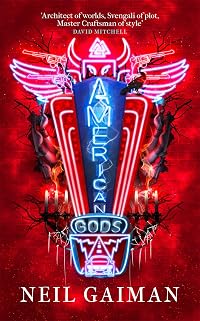
American Gods: Author's Preferred Text
by Neil Gaiman
On This Page
Description
Upon his release from prison, a widower accepts a job as a bodyguard and joins the battle between the gods of yore and the neoteric gods of present-day America.Tags
Recommendations


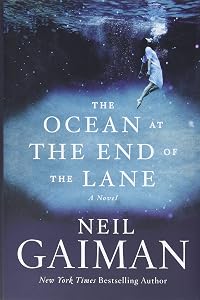
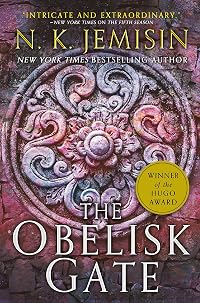
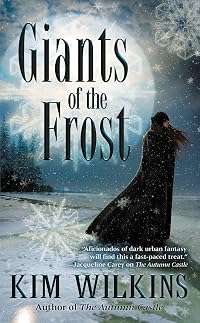
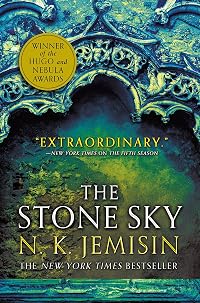



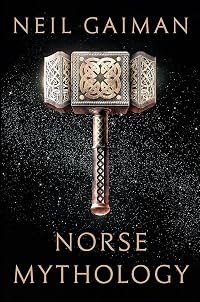
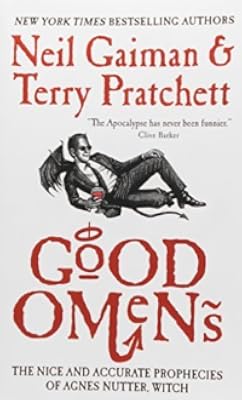
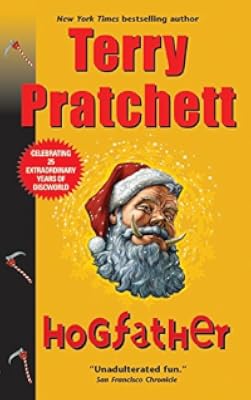

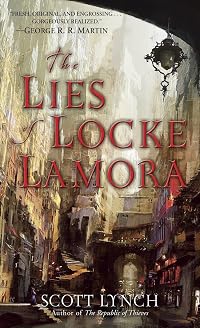
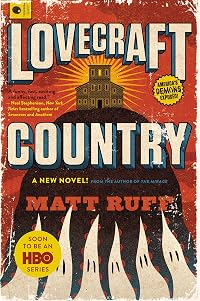
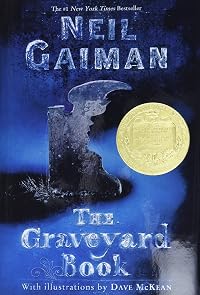
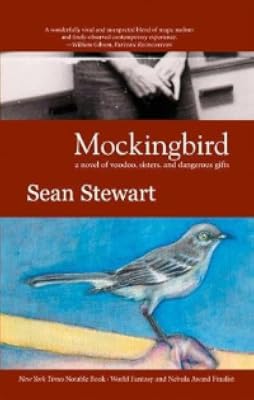
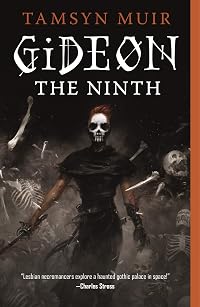
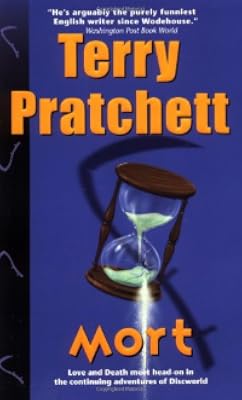
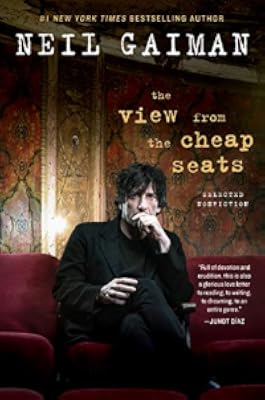
Member Recommendations
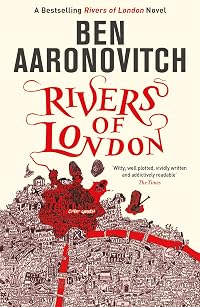
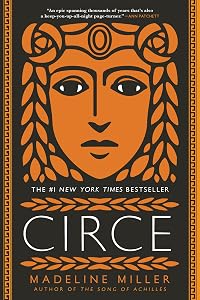
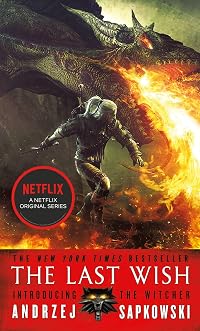
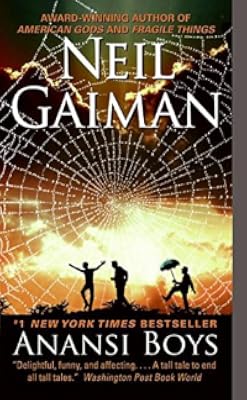
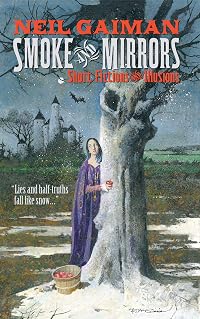
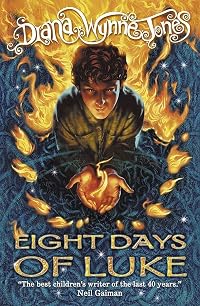
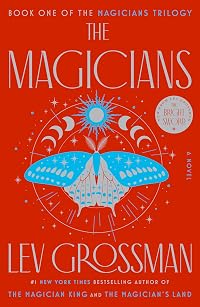
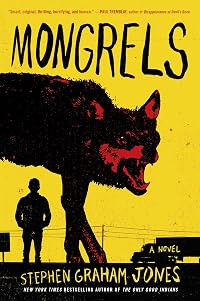
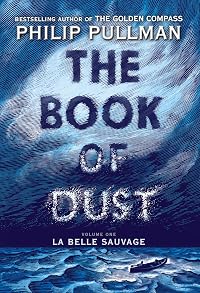
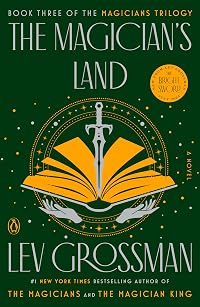
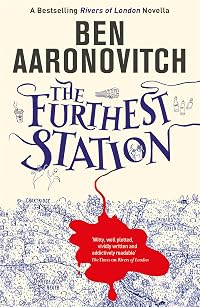
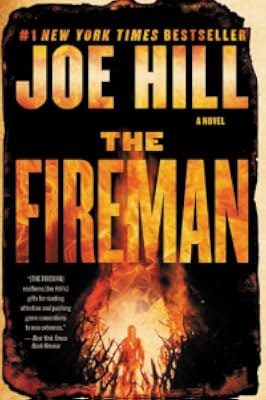
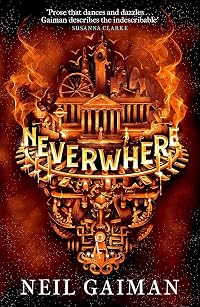
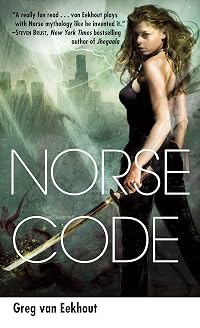
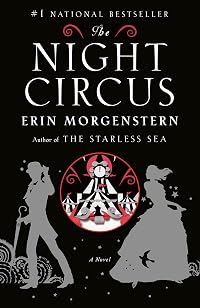
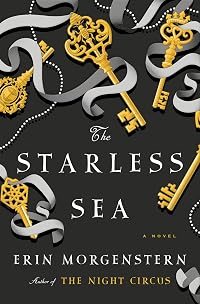
krazy4katz Both novels are epic. They both have elements of time travel and a sense that one's actions can lead to unintended consequences.
krazy4katz Both works have elements of religion and belief. They are both mystical in very different ways.
charlie68 Some common themes
Member Reviews
"Muse make the man thy theme, for shrewdness famed
And genius versatile, who far and wide
A Wand'rer, after Ilium overthrown,
Discover'd various cities, and the mind
And manners learn'd of men, in lands remote.
He num'rous woes on Ocean toss'd, endured,
Anxious to save himself, and to conduct
His followers to their home."
-- William Cowper (1791)
Contrary to popular opinion the new millennium actually began at the start of 2001. This was the date celebrated by director Stanley Kubrick in the Arthur C Clarke inspired 2001: A Space Odyssey and with good reason -- not only did this narrate a new beginning for humankind but it referenced the voyages of wily Odysseus after the sack of Troy. 2001 was also when the first and original version of show more Gaiman's American Gods appeared and this too treated with new beginnings allied to wanderings, this time around the United States.
What's it about? "It's about the soul of America, really," the author tells us. "What people brought to America; what found them when they came; and the things that lie sleeping beneath it all." It's also about a wanderer called Shadow who, in Cowper's words about Odysseus, discovers "various cities, and the mind | And manners learn'd of men, in lands remote". Of course we can tell from the title that it's about faith and belief: when we believe in gods do they have a kind of physical existence in this world? And if we then cease to believe in those gods do they cease to exist?
The novel begins realistically. Shadow (a Jungian name, if ever I saw one) is nearing the end of his jail sentence, imposed for an uncharacteristic act of violence. Looking forward to returning home and seeing his wife Laura, he is surprised to be released early. Shocked by the news he receives he heads home, only to be offered a job by a mysterious stranger who calls himself Mr Wednesday. Things then take a strange turn and his odyssey zigzagging around North America begins.
It's hard not to give too much away in a review of American Gods and I'll have to resort to obfuscation and allusion to hint at what goes on over 600-odd pages. Shadow has taught himself conjuring tricks with coins, practising techniques that use sleight of hand and misdirection to dissemble and bamboozle; needless to say this is a more than apt metaphor for what's going on during Shadow's journey. His companion, Mr Wednesday, readily agrees to the accusation "You're a liar." "Of course," he replies. "And a good one." Little of what Shadow hears and sees, what he's told, and what we vicariously hear and see, and are told, is what it seems. For much of the novel Shadow takes on another name, Mike Ainsel; Scots will recognise 'ainsel' as 'oneself', and folklore enthusiasts will know the Northumbrian tale of the fairy who is fooled into declaring himself hurt by 'my ainsel', a joke as old as the fooling of the Cyclops in the Odyssey by ... Odysseus.
All that seems certain is that good old pathetic fallacy, the imminent arrival of the mother of all storms -- Fimbulvetr in Norse mythology -- which precedes Ragnarök, the Twilight of the Gods. But how will this affect all the gods, demiurges, culture heroes and fairies that have followed in the wake of all the colonisers of North America, both ancient and modern? Already living a kind of half-life as belief in them fades, are they not already doomed in the face of the new gods of technology and the media? Can the deities from all those old cultures -- Whiskey Jack, Czernabog, Anansi, Anubis, Eostre, Kali and so on -- survive when memory of them fades? And will Ragnarök be all it's cracked up to be?
Much is made of the myth of Odin, the All-Father of Scandinavian mythology, and his threefold death from hanging, wounding from a spear, and hunger and thirst; and of the death of Baldr from wounding by a weapon made from mistletoe weapon. These of course are relevant to a narrative largely shaped by Norse myth, but I find little if any discussion of the elephant in the room: Odin's death parallels that of Christ. Jesus gets, as far as I can recall, just one mention; Gaiman makes nothing of the fact that Christianity's God should make an appearance like all those other immigrant deities. Or is Odin not what he appears to be either?
I've noted that American Gods is 'about' an odyssey, the "soul of America", faith and belief. But it's also about power: control over others, over people's perceptions, over the natural order of things. However, at the heart of most great novels is people, and it's people I mostly remember from American Gods. Not just the personification of deities (who, after all, are as human as the rest of us) but also apparently ordinary people like Laura, Shadow's wife, and Chad the lawman of Lakeside, and Marguerite and Sam who belong more to the land than the Johnny-come-lately incomers during the past half-millennium. While Odysseus after his travails comes home to his faithful Penelope, we never learn what Shadow -- whom we last meet in Iceland, home of the sagas -- has to go back home for; but he is reassured that things will wait for him until he returns.
American Gods is a real tour de force and fully deserves its continuing reputation. You don't need to be American to appreciate what an outstanding achievement it is -- and it's a cracking read too.
http://wp.me/s2oNj1-gods show less
And genius versatile, who far and wide
A Wand'rer, after Ilium overthrown,
Discover'd various cities, and the mind
And manners learn'd of men, in lands remote.
He num'rous woes on Ocean toss'd, endured,
Anxious to save himself, and to conduct
His followers to their home."
-- William Cowper (1791)
Contrary to popular opinion the new millennium actually began at the start of 2001. This was the date celebrated by director Stanley Kubrick in the Arthur C Clarke inspired 2001: A Space Odyssey and with good reason -- not only did this narrate a new beginning for humankind but it referenced the voyages of wily Odysseus after the sack of Troy. 2001 was also when the first and original version of show more Gaiman's American Gods appeared and this too treated with new beginnings allied to wanderings, this time around the United States.
What's it about? "It's about the soul of America, really," the author tells us. "What people brought to America; what found them when they came; and the things that lie sleeping beneath it all." It's also about a wanderer called Shadow who, in Cowper's words about Odysseus, discovers "various cities, and the mind | And manners learn'd of men, in lands remote". Of course we can tell from the title that it's about faith and belief: when we believe in gods do they have a kind of physical existence in this world? And if we then cease to believe in those gods do they cease to exist?
The novel begins realistically. Shadow (a Jungian name, if ever I saw one) is nearing the end of his jail sentence, imposed for an uncharacteristic act of violence. Looking forward to returning home and seeing his wife Laura, he is surprised to be released early. Shocked by the news he receives he heads home, only to be offered a job by a mysterious stranger who calls himself Mr Wednesday. Things then take a strange turn and his odyssey zigzagging around North America begins.
It's hard not to give too much away in a review of American Gods and I'll have to resort to obfuscation and allusion to hint at what goes on over 600-odd pages. Shadow has taught himself conjuring tricks with coins, practising techniques that use sleight of hand and misdirection to dissemble and bamboozle; needless to say this is a more than apt metaphor for what's going on during Shadow's journey. His companion, Mr Wednesday, readily agrees to the accusation "You're a liar." "Of course," he replies. "And a good one." Little of what Shadow hears and sees, what he's told, and what we vicariously hear and see, and are told, is what it seems. For much of the novel Shadow takes on another name, Mike Ainsel; Scots will recognise 'ainsel' as 'oneself', and folklore enthusiasts will know the Northumbrian tale of the fairy who is fooled into declaring himself hurt by 'my ainsel', a joke as old as the fooling of the Cyclops in the Odyssey by ... Odysseus.
All that seems certain is that good old pathetic fallacy, the imminent arrival of the mother of all storms -- Fimbulvetr in Norse mythology -- which precedes Ragnarök, the Twilight of the Gods. But how will this affect all the gods, demiurges, culture heroes and fairies that have followed in the wake of all the colonisers of North America, both ancient and modern? Already living a kind of half-life as belief in them fades, are they not already doomed in the face of the new gods of technology and the media? Can the deities from all those old cultures -- Whiskey Jack, Czernabog, Anansi, Anubis, Eostre, Kali and so on -- survive when memory of them fades? And will Ragnarök be all it's cracked up to be?
Much is made of the myth of Odin, the All-Father of Scandinavian mythology, and his threefold death from hanging, wounding from a spear, and hunger and thirst; and of the death of Baldr from wounding by a weapon made from mistletoe weapon. These of course are relevant to a narrative largely shaped by Norse myth, but I find little if any discussion of the elephant in the room: Odin's death parallels that of Christ. Jesus gets, as far as I can recall, just one mention; Gaiman makes nothing of the fact that Christianity's God should make an appearance like all those other immigrant deities. Or is Odin not what he appears to be either?
I've noted that American Gods is 'about' an odyssey, the "soul of America", faith and belief. But it's also about power: control over others, over people's perceptions, over the natural order of things. However, at the heart of most great novels is people, and it's people I mostly remember from American Gods. Not just the personification of deities (who, after all, are as human as the rest of us) but also apparently ordinary people like Laura, Shadow's wife, and Chad the lawman of Lakeside, and Marguerite and Sam who belong more to the land than the Johnny-come-lately incomers during the past half-millennium. While Odysseus after his travails comes home to his faithful Penelope, we never learn what Shadow -- whom we last meet in Iceland, home of the sagas -- has to go back home for; but he is reassured that things will wait for him until he returns.
American Gods is a real tour de force and fully deserves its continuing reputation. You don't need to be American to appreciate what an outstanding achievement it is -- and it's a cracking read too.
http://wp.me/s2oNj1-gods show less
I really enjoyed this. The only other Neil Gaiman I've read was Good Omens (written with Terry Pratchett). This one's a bit less on the humorous side, a bit more melancholic which is good. The basic premise is that people carry their Gods with them when they migrate, but that as times change the Gods are forgotten and become weak. The people worship new idols (like technology or money) and there is a conflict between the old Gods and the new. This conflict (with the protagonist Shadow stuck in the middle) is the bulk of the plot but, the twist at the end reveals the battle between the Gods to actually be a subplot to what was really going on...
Great characters drawn from mythology and religion and well drawn scenery - the setting is show more America (as the great melting pot it's the perfect setting for a host of old Gods that have immigrated with their worshipers and also the new Gods).
The book goes at it's own pace but is never dull. There's a section towards the end that sums up the experience of reading the book for me:
"'You learn anythin' from all this?'
Shadow shrugged. 'I don't know. Most of what I learned on the tree I've already forgotten,' he said. 'I think I met some people. But I'm not certain of anything any more. It's like one of those dreams that change you. You keep some of the dream forever, and you know things down deep inside yourself, because it happened to you, but when you go looking for the details they kind of slip out of your head.'" show less
Great characters drawn from mythology and religion and well drawn scenery - the setting is show more America (as the great melting pot it's the perfect setting for a host of old Gods that have immigrated with their worshipers and also the new Gods).
The book goes at it's own pace but is never dull. There's a section towards the end that sums up the experience of reading the book for me:
"'You learn anythin' from all this?'
Shadow shrugged. 'I don't know. Most of what I learned on the tree I've already forgotten,' he said. 'I think I met some people. But I'm not certain of anything any more. It's like one of those dreams that change you. You keep some of the dream forever, and you know things down deep inside yourself, because it happened to you, but when you go looking for the details they kind of slip out of your head.'" show less
It's been a long time since a book has been such an exciting adventure for me! I often remain a little detached from the characters, or the story line. But I found myself excited for Shadow's ventures and who he ran into.
This story is a delight for mythology lovers, even more so because it throws in every kind of mythology. Norse, African, Eastern European... It was a good book to sit away with. It took classic mythologic elements and twisted them around and around.
There's a lot of 'duh'-moments that make sense later, and even if you think you're clever and have every clue, Mr. Gaiman will still give you a run for your money.
Holy mackerel I loved this book! *changes rating*
This story is a delight for mythology lovers, even more so because it throws in every kind of mythology. Norse, African, Eastern European... It was a good book to sit away with. It took classic mythologic elements and twisted them around and around.
There's a lot of 'duh'-moments that make sense later, and even if you think you're clever and have every clue, Mr. Gaiman will still give you a run for your money.
Holy mackerel I loved this book! *changes rating*
someone gave me the new 10th anniversary edition, and I haven't read it since it originally came out and I don't know if it's just the sort of book that needs to be reread to be properly appreciated or if it's the nearly 12,000 extra words restored from an earlier draft, but I went from, 'yeah, I liked that,' to 'that is a brilliant piece of work.' It's a great novel, period, and I did not want it to come to an end. A great companion piece to Sandman, too, oddly enough, playing variations on themes and characters touched on there. This also includes the terrific novella Monarch Of The Glen as an extra, and now I'm really looking forward to the sequel.
2021: listened to the audio book becuase I am wallowing in comfort listening DON'T show more JUDGE ME
Found my original review from, presumably, 2001:
This was a good month for books, which was a relief, considering the deteriorating state of what passes for content on our television and cinema screens. I’m not even going to bother with a Telly Visual review this issue, and if I were to tell you now that the closest I come to a wholehearted recommendation in the film section is that I didn’t hate Jurrasic Park 3, then you might throw your hands in the air in disgust and possibly cause an accident if you’re driving or cycling or directing landing aircraft or semaphoring to ships on the briny deep or holding a hot beverage in your hand. So I’ll leave that depressing revelation for later.
American Gods by Neil Gaiman is a book I probably should have been anticipating with great fervour, but seeing as I quite frankly no longer expected anything from Gaiman save for the odd short story (always welcome: one of the few writers whose short stories I actively seek out) and even if he did write something longer, well, sad thoughts of Neverwhere would put an end to any excitement. But it turns he’s been working on American Gods for the last few years and boom, here it is and it’s everything you could hope a Neil Gaiman novel would be. It has myths and stories and old, old ideas turned to skilfully catch new light. It has mysteries and secrets, it has pain and horror, it has humour and pathos, it has a hero that’s somewhere between a holy fool and an enigmatic cipher, and just when you think he’s letting it all end in futile (but entirely appropriate) anti--climax, he hits you with a resounding sucker-punch.
Shadow is our passive, shell-shocked hero, let out of prison early after the ugly death of his wife in a car accident. The mysterious Mr. Wednesday hires him as bodyguard, chauffer, straight man and general dogsbody and they embark on a fitful journey through America as Wednesday tries to rally support from a succession of bizarre characters for a desperate cause: these are the old gods, carried by immigrants from other lands to the new continent of America where they have struggled to survive with dwindling followers and smaller scraps of belief to keep them real, while the new gods of television, the internet and the media reign supreme. But are the new gods out to destroy the old? Wednesday thinks so, and is attempting to organise a unified resistance. The old gods, however, are cantankerous and individualist to a fault and the new gods aren’t too inclined to let him wander about gathering support for his cause, either. What follows is a sly, dreamy, scary trip through the more eccentric tourist spots of America and we discover something about the nature of belief, and why America is not a good place to be a god. This was one of those rare instances where I consciously slowed down my reading to prolong the experience. Partly because I wanted to savour the well crafted, finely balanced, highly atmospheric prose and absorb the meaning and import of the nested stories scattered around the book like seeds, but also because, as a long-time Sandman reader, it’s just so good to read Gaiman back on top of his form again. He writes books and comics and stories you could hang around in forever. It does read like a first novel, though, and sometime the great ideas overbalance the story, and sometmes the cool story clouds the development of the great ideas. He clearly prefers the obscure old gods and dwells on them agreeably for some time. The new gods of the internet etc. get short shrift, however; a few superficial passes, like Shadow’s coin tricks. They catch your eye, you never get a good look at them and then they’re gone. This is slightly frustrating, because they sound quite interesting and could have done with further development. Perhaps this reflects Gaiman’s prejudices: the new gods are slick, fleeting, and, once you get to know them, actully quite dull.
Still, American Gods is a good book, a great addition to the fantasy genre and with a bit of luck we can expect more like it. Hopefully, though, we won’t have to wait as long. show less
2021: listened to the audio book becuase I am wallowing in comfort listening DON'T show more JUDGE ME
Found my original review from, presumably, 2001:
This was a good month for books, which was a relief, considering the deteriorating state of what passes for content on our television and cinema screens. I’m not even going to bother with a Telly Visual review this issue, and if I were to tell you now that the closest I come to a wholehearted recommendation in the film section is that I didn’t hate Jurrasic Park 3, then you might throw your hands in the air in disgust and possibly cause an accident if you’re driving or cycling or directing landing aircraft or semaphoring to ships on the briny deep or holding a hot beverage in your hand. So I’ll leave that depressing revelation for later.
American Gods by Neil Gaiman is a book I probably should have been anticipating with great fervour, but seeing as I quite frankly no longer expected anything from Gaiman save for the odd short story (always welcome: one of the few writers whose short stories I actively seek out) and even if he did write something longer, well, sad thoughts of Neverwhere would put an end to any excitement. But it turns he’s been working on American Gods for the last few years and boom, here it is and it’s everything you could hope a Neil Gaiman novel would be. It has myths and stories and old, old ideas turned to skilfully catch new light. It has mysteries and secrets, it has pain and horror, it has humour and pathos, it has a hero that’s somewhere between a holy fool and an enigmatic cipher, and just when you think he’s letting it all end in futile (but entirely appropriate) anti--climax, he hits you with a resounding sucker-punch.
Shadow is our passive, shell-shocked hero, let out of prison early after the ugly death of his wife in a car accident. The mysterious Mr. Wednesday hires him as bodyguard, chauffer, straight man and general dogsbody and they embark on a fitful journey through America as Wednesday tries to rally support from a succession of bizarre characters for a desperate cause: these are the old gods, carried by immigrants from other lands to the new continent of America where they have struggled to survive with dwindling followers and smaller scraps of belief to keep them real, while the new gods of television, the internet and the media reign supreme. But are the new gods out to destroy the old? Wednesday thinks so, and is attempting to organise a unified resistance. The old gods, however, are cantankerous and individualist to a fault and the new gods aren’t too inclined to let him wander about gathering support for his cause, either. What follows is a sly, dreamy, scary trip through the more eccentric tourist spots of America and we discover something about the nature of belief, and why America is not a good place to be a god. This was one of those rare instances where I consciously slowed down my reading to prolong the experience. Partly because I wanted to savour the well crafted, finely balanced, highly atmospheric prose and absorb the meaning and import of the nested stories scattered around the book like seeds, but also because, as a long-time Sandman reader, it’s just so good to read Gaiman back on top of his form again. He writes books and comics and stories you could hang around in forever. It does read like a first novel, though, and sometime the great ideas overbalance the story, and sometmes the cool story clouds the development of the great ideas. He clearly prefers the obscure old gods and dwells on them agreeably for some time. The new gods of the internet etc. get short shrift, however; a few superficial passes, like Shadow’s coin tricks. They catch your eye, you never get a good look at them and then they’re gone. This is slightly frustrating, because they sound quite interesting and could have done with further development. Perhaps this reflects Gaiman’s prejudices: the new gods are slick, fleeting, and, once you get to know them, actully quite dull.
Still, American Gods is a good book, a great addition to the fantasy genre and with a bit of luck we can expect more like it. Hopefully, though, we won’t have to wait as long. show less
Shadow is just days away from the end of his prison sentence when he finds out his wife and best friend have been killed in a car accident. With his post-release plans shattered, Shadow ends up working for the mysterious Mr. Wednesday, who has an uncanny ability to appear exactly where and when he’s needed. Shadow and Wednesday end up taking a road trip across America to bring together all the old gods, the ones people brought over when they immigrated from the Old World as well as the gods of the First People, as they fight the gods of the modern age for supremacy.
This is a highly ambitious book and one that works best when you can sink into it for extended periods uninterrupted. I enjoyed the road trip aspects and the ways the old show more gods presented themselves in the modern day, especially when the light bulb came on and I realized who a given character was. It’s making me want to explore the mythologies of other cultures and more fully “get” all of the references (I’m sure there are some I’m missing… the Egyptian and Norse mythology I was pretty solid on, but there’s way more for me to learn.) About the only thing I could really have done without was the “worship” scene early in the book, and that’s something I’m going to have to fast-forward through in the TV adaptation.
I read the 10th anniversary edition with the author’s preferred text. It would be an interesting exercise to compare the original release with this edition to see what exactly has changed, although Gaiman does provide some introductory and concluding material to explain roughly what he changed and how he went about putting together the preferred version. show less
This is a highly ambitious book and one that works best when you can sink into it for extended periods uninterrupted. I enjoyed the road trip aspects and the ways the old show more gods presented themselves in the modern day, especially when the light bulb came on and I realized who a given character was. It’s making me want to explore the mythologies of other cultures and more fully “get” all of the references (I’m sure there are some I’m missing… the Egyptian and Norse mythology I was pretty solid on, but there’s way more for me to learn.) About the only thing I could really have done without was the “worship” scene early in the book, and that’s something I’m going to have to fast-forward through in the TV adaptation.
I read the 10th anniversary edition with the author’s preferred text. It would be an interesting exercise to compare the original release with this edition to see what exactly has changed, although Gaiman does provide some introductory and concluding material to explain roughly what he changed and how he went about putting together the preferred version. show less
As I worked my way through this novel (and sometimes it was work), I was never sure if I liked it or not. I now understand why it's difficult to classify. I truly have not read anything like American Gods before. When I finally reached the end, I decided I did like it. But I still won't be reading the sequel.
I can usually read a book in a few days, but this one took me weeks. The main crux is that not a lot happens. The protagonist Shadow travels the country with the enigmatic Wednesday, encountering strange people, strange gods, and getting into the occasional trouble. For the first half of the book, the reader will probably be as confused as Shadow. We hear a lot about coin tricks, the story is broken by italicized incidents of show more characters/gods first coming to America that have no impact on Shadow or his journey, and the only person we get to know at all is Shadow. And he is very reactive; things happen to him. And there appears to be no underlying plot - until the very end when stray threads, widely spread throughout the book, finally form a pattern. The ending was very clever, and perfect for the story, but also vaguely unsatisfying.
I don't want to sound like this isn't a good book. It is, but it is far from a typical book. The premise is amazing: all the gods, from all the diverse peoples who have come to America, are all here. That those gods are fading away because their people no longer believe is remarkable and had me returning to the book again and again. It was fun trying to decipher which character was which god because Gaiman doesn't just hand you the famous names. You have to pay attention. Gaiman's writing is beautiful. His descriptions bring America, particularly small-town America, to vivid life.
This book is not for everyone, but for those looking for something unique, this book is something special. Also, I think perhaps editors are more vital than we know. I think I may have enjoyed the original version more than the author's "preferred text." Overall, I would recommend it, but less patient readers might want to read the original edition. I won't be reading Anansi Boys, but I will definitely be reading more from Neil Gaiman. show less
I can usually read a book in a few days, but this one took me weeks. The main crux is that not a lot happens. The protagonist Shadow travels the country with the enigmatic Wednesday, encountering strange people, strange gods, and getting into the occasional trouble. For the first half of the book, the reader will probably be as confused as Shadow. We hear a lot about coin tricks, the story is broken by italicized incidents of show more characters/gods first coming to America that have no impact on Shadow or his journey, and the only person we get to know at all is Shadow. And he is very reactive; things happen to him. And there appears to be no underlying plot - until the very end when stray threads, widely spread throughout the book, finally form a pattern. The ending was very clever, and perfect for the story, but also vaguely unsatisfying.
I don't want to sound like this isn't a good book. It is, but it is far from a typical book. The premise is amazing: all the gods, from all the diverse peoples who have come to America, are all here. That those gods are fading away because their people no longer believe is remarkable and had me returning to the book again and again. It was fun trying to decipher which character was which god because Gaiman doesn't just hand you the famous names. You have to pay attention. Gaiman's writing is beautiful. His descriptions bring America, particularly small-town America, to vivid life.
This book is not for everyone, but for those looking for something unique, this book is something special. Also, I think perhaps editors are more vital than we know. I think I may have enjoyed the original version more than the author's "preferred text." Overall, I would recommend it, but less patient readers might want to read the original edition. I won't be reading Anansi Boys, but I will definitely be reading more from Neil Gaiman. show less
For thousands of years, humans have considered their gods to exist, to walk the Earth, and interact with humanity. In AMERICAN GODS, Neil Gaiman takes this historical folklore and belief system and turns it on its head. For not only are these very same gods real, they are no longer immortal and all-powerful. New gods have come to usurp their place in the hearts and souls of humans, and subsequently their powers. The battle is brewing between the two opposing forces, and poor Shadow finds himself facing situations that border on impossible while trying to make sense of it all.
Shadow is a great main character. His confusion is the reader's confusion. More importantly, the vulnerability created by the loss of his wife and best friend and show more his reacclimation to the outside world creates an instantaneous bond with the reader. His role in the pending storm is one of the Everyman, as Shadow represents the layperson among the deities.
Still, the gods do steal the show. Their sufferings, their views of the world, and their personalities create these larger-than-life characters that are utterly and miserably human. It is at once humorous and yet somewhat depressing. If Shadow is the Everyman, the ancient gods as a whole are anything that has ever been deemed obsolete. They are the stone tools and the horse-drawn carriage. They are the Victrola and cassette tapes. They are hunting and gathering and cooking over hearthstones. As amusing as they are, there is an underlying sadness that accompanies their scenes in the story. No one wants to be forgotten, not even the immortal.
One of the more delightful aspects of AMERICAN GODS is how subtle the entire story is. Mr. Gaiman does not beat readers over the head with obvious explanations of the gods involved in this fight. Instead, he weaves these gods into the story in such a way that an unobservant reader may completely miss who is whom and where the story is going. Observant readers, however, will come to realize that Mr. Gaiman gives them all the answers - to the identity of the gods and to the final scenes of the novel - well before the big reveal. The trick and the fun is in trying to decipher the clues about the characters as well as about the story. This is one story where predicting the plot in no way detracts from one's overall enjoyment.
Full productions of audiobooks can be tricky. If there is not enough dialogue, the entire production can become stilted. Each time a new voice breaks the flow of the main narrator, it can draw a listener's focus away from the story and onto the new voice. AMERICAN GODS does not suffer from this fate. In fact, one might be compelled to say that this full cast production of Mr. Gaiman's masterpiece is only enhanced by the multitude of voices. The amount of dialogue lends itself well to multiple narrators; because each major character was treated to his or her own narrator, this helps the listener follow the dialogue more easily than if one person was trying to enact all of the voices. There is also the addition of audio clues in the form of accents and intonation that also helped the figures come to life. Between the audio production and Mr. Gaiman's strong descriptions, the figures become more than a set of isolated voices but rather something much fuller and almost visual. This is an outstanding audio experience.
AMERICAN GODS is a stunning novel and leaves no surprises as to why it has earned Mr. Gaiman so many accolades and awards. Extremely well-written, the reader is taken on a whirlwind adventure filled with displaced, humanized gods seeking to reclaim some of their former glory. It is a premise that is breathtaking in its scope and ambition and lives up to it all. show less
Shadow is a great main character. His confusion is the reader's confusion. More importantly, the vulnerability created by the loss of his wife and best friend and show more his reacclimation to the outside world creates an instantaneous bond with the reader. His role in the pending storm is one of the Everyman, as Shadow represents the layperson among the deities.
Still, the gods do steal the show. Their sufferings, their views of the world, and their personalities create these larger-than-life characters that are utterly and miserably human. It is at once humorous and yet somewhat depressing. If Shadow is the Everyman, the ancient gods as a whole are anything that has ever been deemed obsolete. They are the stone tools and the horse-drawn carriage. They are the Victrola and cassette tapes. They are hunting and gathering and cooking over hearthstones. As amusing as they are, there is an underlying sadness that accompanies their scenes in the story. No one wants to be forgotten, not even the immortal.
One of the more delightful aspects of AMERICAN GODS is how subtle the entire story is. Mr. Gaiman does not beat readers over the head with obvious explanations of the gods involved in this fight. Instead, he weaves these gods into the story in such a way that an unobservant reader may completely miss who is whom and where the story is going. Observant readers, however, will come to realize that Mr. Gaiman gives them all the answers - to the identity of the gods and to the final scenes of the novel - well before the big reveal. The trick and the fun is in trying to decipher the clues about the characters as well as about the story. This is one story where predicting the plot in no way detracts from one's overall enjoyment.
Full productions of audiobooks can be tricky. If there is not enough dialogue, the entire production can become stilted. Each time a new voice breaks the flow of the main narrator, it can draw a listener's focus away from the story and onto the new voice. AMERICAN GODS does not suffer from this fate. In fact, one might be compelled to say that this full cast production of Mr. Gaiman's masterpiece is only enhanced by the multitude of voices. The amount of dialogue lends itself well to multiple narrators; because each major character was treated to his or her own narrator, this helps the listener follow the dialogue more easily than if one person was trying to enact all of the voices. There is also the addition of audio clues in the form of accents and intonation that also helped the figures come to life. Between the audio production and Mr. Gaiman's strong descriptions, the figures become more than a set of isolated voices but rather something much fuller and almost visual. This is an outstanding audio experience.
AMERICAN GODS is a stunning novel and leaves no surprises as to why it has earned Mr. Gaiman so many accolades and awards. Extremely well-written, the reader is taken on a whirlwind adventure filled with displaced, humanized gods seeking to reclaim some of their former glory. It is a premise that is breathtaking in its scope and ambition and lives up to it all. show less
Members
- Recently Added By
Lists

The Guardian's 1000 Novels Everyone Must Read
1,005 works; 547 members

Best Horror Books
281 works; 85 members

Books on my Kindle
162 works; 3 members

Books Read in 2015
3,299 works; 129 members

Books Read in 2017
4,249 works; 129 members
Books Read in 2016
4,666 works; 197 members

Magic Realism
371 works; 51 members
Author Information

842+ Works 449,171 Members
Neil Gaiman was born in Portchester, England on November 10, 1960. He worked as a journalist and freelance writer for a time, before deciding to try his hand at comic books. Some of his work has appeared in publications such as Time Out, The Sunday Times, Punch, and The Observer. His first comic endeavor was the graphic novel series The Sandman. show more The series has won every major industry award including nine Will Eisner Comic Industry Awards, three Harvey Awards, and the 1991 World Fantasy Award for best short story, making it the first comic ever to win a literary award. He writes both children and adult books. His adult books include The Ocean at the End of the Lane, which won a British National Book Awards, and the Locus Award for Best Fantasy Novel for 2014; Stardust, which won the Mythopoeic Award as best novel for adults in 1999; American Gods, which won the Hugo, Nebula, Bram Stoker, SFX, and Locus awards; Anansi Boys; Trigger Warning: Short Fictions and Disturbances; and The View from the Cheap Seats: Selected Nonfiction, which is a New York Times Bestseller. His children's books include The Day I Swapped My Dad for Two Goldfish; Coraline, which won the Elizabeth Burr/Worzalla, the BSFA, the Hugo, the Nebula, and the Bram Stoker awards; The Wolves in the Walls; Odd and the Frost Giants; The Graveyard Book, which won the Newbery Award in 2009 and The Sandman: Overture which won the 2016 Hugo Awards Best Graphic Story. (Bowker Author Biography) show less
Some Editions
Work Relationships
Is contained in
Is an expanded version of
Is expanded in
Common Knowledge
- Canonical title
- American Gods: Author's Preferred Text
- Original title
- American Gods
- Alternate titles
- American Gods: Author's Preferred Text
- Original publication date
- 2001
- People/Characters
- Shadow Moon; Charles Nancy; Anansi (Mr. Nancy); Wednesday; Spider (Nancy); Mr. Jacquel (show all 29); Samantha Black Crow; Rosie Noah; Hinzelmann; Grahame Coats; Daisy Day; Mr. Ibis; Maeve Livingstone; Low Key Lyesmith; Callyanne Higgler; Mad Sweeney; Mrs. Noah; Czernobog; Laura Moon; Odin (Deity); Loki (Deity); Anubis; Thoth; Bast; Zorya Vechernyaya; Zorya Utrennyaya; Zorya Polunochnaya; Whiskey Jack; Apple Johnny
- Important places
- Rock City, Tennessee, USA; House on the Rock, Spring Green, Wisconsin, USA; Florida, USA; Cairo, Illinois, USA; Chattanooga, Tennessee, USA; San Francisco, California, USA (show all 11); Minnesota, USA; Lebanon, Kansas, USA; Reykjavik, Iceland; Cherryvale, Kansas, USA; Las Vegas, Nevada, USA
- Related movies
- American Gods (2017)
- Epigraph
- One question that has always intrigued me is what happens to demonic beings when immigrants move from their homelands. Irish-Americans remember the fairies, Norwegian-Americans the nisser, Greek-Americans the vryók... (show all)olas, but only in relation to events remembered in the Old Country. When I once asked why such demons were not seen in America, my informants giggled confusedly and said, "They're scared to pass the ocean, it's too far," pointing out that Christ and the apostles never came to America.
--Richard Dorson, "A Theory For American Folklore", American Folklore and the Historian
The boundaries of our country sir? Why sir, on the north we are bounded by the Aurora Borealis, on the east we are bounded by the rising sun, on the south we are bounded by the procession of the Equinoxes, and on the west ... (show all)by the Day of Judgement
-The American Joe Miller's Jest Book
They took her to the cemet'ry
In a big ol' cadillac
They took her to the cemet'ry
But they did not bring her back.
-old song - Dedication
- For absent friends--Kathy Acker and Roger Zelazny, and all points between
- First words
- Shadow had done three years in prison.
- Last words
- (Click to show. Warning: May contain spoilers.)He walked away and kept on walking.
- Original language
- English
- Disambiguation notice
- The first edition of this title was published in 2001. The 10th anniversary edition (published 2011) AND the Folio Society edition (published 2017) of the author's preferred text, are expanded editions. Please do not comb... (show all)ine these expanded editions with the original.
Classifications
Statistics
- Members
- 9,435
- Popularity
- 1,107
- Reviews
- 196
- Rating
- (4.09)
- Languages
- 8 — Chinese, English, German, Hebrew, Portuguese, Spanish, Turkish, Ukrainian
- Media
- Paper, Audiobook, Ebook
- ISBNs
- 28
- UPCs
- 1
- ASINs
- 22