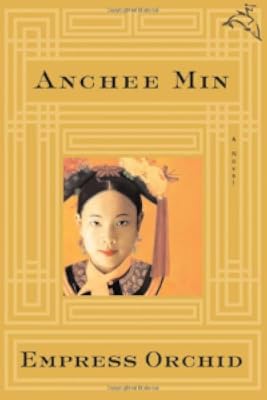
On This Page
Description
"A fascinating novel, similar to Arthur Golden's Memoirs of a Geisha . . . A revisionist portrait of a beautiful and strong-willed woman" (Houston Chronicle).A San Francisco Chronicle Best Book of the Year
From Anchee Min, a master of the historical novel, Empress Orchid sweeps readers into the heart of the Forbidden City to tell the fascinating story of a young concubine who becomes China's last empress. Min introduces the beautiful Tzu Hsi, known as Orchid, and weaves an epic of a show more country girl who seized power through seduction, murder, and endless intrigue. When China is threatened by enemies, she alone seems capable of holding the country together.
In this "absorbing companion piece to her novel Becoming Madame Mao", readers and reading groups will once again be transported by Min's lavish evocation of the Forbidden City in its last days of imperial glory and by her brilliant portrait of a flawed yet utterly compelling woman who survived, and ultimately dominated, a male world (The New York Times).
"Superb . . . [an] unforgettable heroine." —People
"A sexually charged, eye-opening portrayal of the Chinese empire . . . with heart-wrenching scenes of desperate failure and a sensuality that rises off its heated pages." —Elle
. show less
Tags
Recommendations
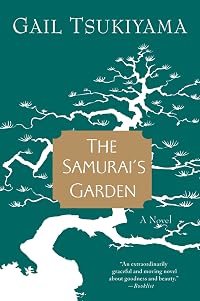
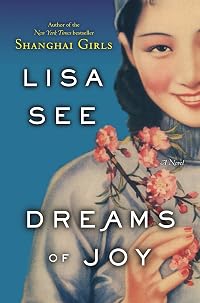
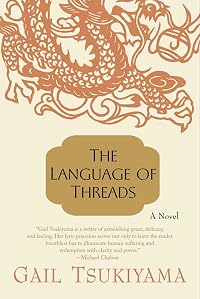
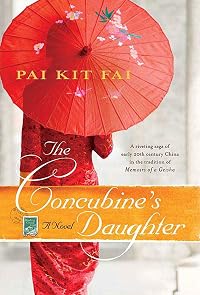
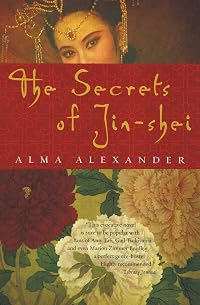
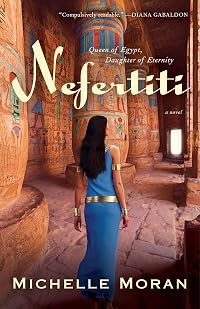
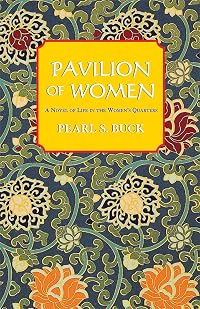
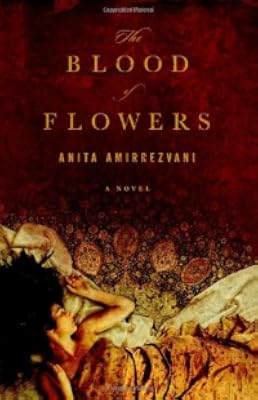
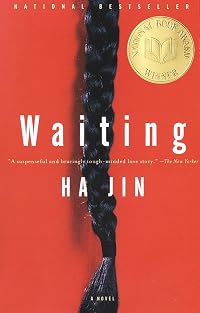
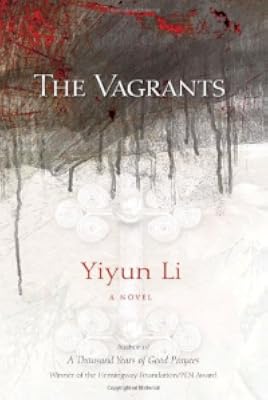

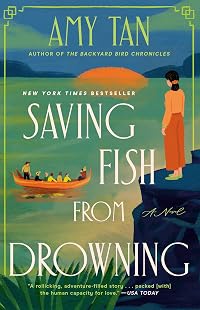
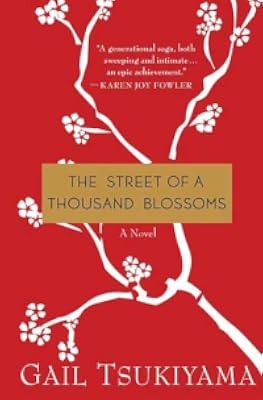
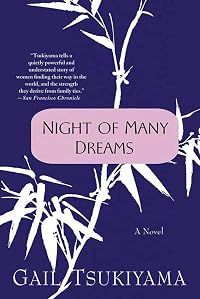
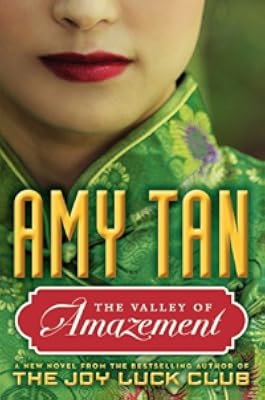
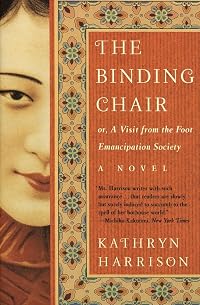


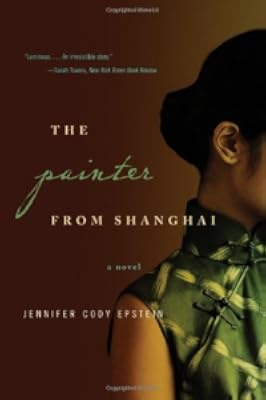
Member Recommendations
by jordantaylor
Member Reviews
Tzu Hsi (Orchid) enters the Forbidden City as one of thousands vying to be a concubine of Emperor Hsien Feng. Eventually she bears him a son and is elevated to rank of Empress. Her reputation in modern-day China is diabolical - she is blamed for the fall of the Qing dynasty. But reality is so much more! Certainly, she is flawed, but in a totally male dominated society she manages not only to survive but to wield enoormous power.
The woman, the time and the place are all fascinating. After I'd read the book I came to understand that the author plans a trilogy, and that this is the first installment. That would explain the somewhat abrupt ending.
The woman, the time and the place are all fascinating. After I'd read the book I came to understand that the author plans a trilogy, and that this is the first installment. That would explain the somewhat abrupt ending.
For the most part I thoroughly enjoyed reading Empress Orchid. I've been meaning to read more of works after reading her memoir Red Azalea several years ago. The first part of the novel mainly focuses upon the traditions and dangers of imperial court life and the budding romance between Orchid and the Emperor. One can't help but root for our heroine as she stumbles into her own actualized Peking Opera from her impoverished beginnings in the countryside. The story itself starts off with her being unable to pay workers to carry her father's coffin to his burial ground, already framing the story in a sort of tragedy. A rags to riches story, Orchid comes from having nothing to all to everything she could need, and then more than she can show more handle.
Anchee Min does a great job portraying how that tradition becomes China's undoing, but how it is necessary to give hope to the people. It is the distance that the wealth creates that gives the peasants, whose lives are pretty miserable during this time period, something to look up to, "He emphasized that I was not to express my feelings. I must not remind people that I was as ordinary as they were". Life for Orchid had become like the Peking operas she so dearly loves. This sort of stubborn tenacity to cling to customs is persistent throughout the whole novel. When Orchid is advising her sister about the pain of a loveless marriage, she replies, "If it is the way things have been for hundreds of years, I don't see why I should be the one to have problems."
For anyone who wants to really wants a basic understanding of Chinese culture and where they were coming from right before the era of the People's Republic, Empress Orchid, is a very good read. It gives you a general idea of what it was like during the Qing dynasty. What it means to be nobility, what it means to be in power, what it means to be a woman in power, are all themes explored in the novel. It is a fascinating story about a woman who has to bend like a river through all the obstacles in order to do what she feels is necessary for the collapse of what was once a great and powerful nation.
My quick glance at wikipedia tells me that Empress Cixi was actually considered a despot who ruined China, but if you read the novel and look at dates, you'll see that China was already in the decline before Orchid had even entered the palace. She was blamed for a lot of things that had already been taking place before her reign.
Cixi, the last empress of China from 1856 to 1908, is one of those historical figures people love to be nasty about. Soon after her death, Edmund Blackhouse, a charlatan foreign correspondent, forged Chinese court documents portraying her as a psychopathic nymphomaniac; ever since, Cixi's many western biographers have gleefully wallowed in allegations of her badness: her extravagance (she splurged the fund for modernising the navy on a marble pleasure boat), her conservatism (she crushed the westernising reform movement of 1898), her ruthless disposal of inconvenient political opponents (including her nephew, whom she placed under house arrest for a decade and perhaps poisoned). This very partial version of events swallows whole the Confucian Chinese male view of history, which, wherever possible, deflects blame for monumental historical catastrophes - such as the collapse of the Qing dynasty in 1911 - on to women.
So with that, my conclusion is that Empress Orchid is definitely worth reading. The book won the 2006 nominee for the Richard and Judy Best Read of the Year Award, and is generally praised by critics and reviewers. I enjoyed the book and look forward to the second part of the series. show less
Anchee Min does a great job portraying how that tradition becomes China's undoing, but how it is necessary to give hope to the people. It is the distance that the wealth creates that gives the peasants, whose lives are pretty miserable during this time period, something to look up to, "He emphasized that I was not to express my feelings. I must not remind people that I was as ordinary as they were". Life for Orchid had become like the Peking operas she so dearly loves. This sort of stubborn tenacity to cling to customs is persistent throughout the whole novel. When Orchid is advising her sister about the pain of a loveless marriage, she replies, "If it is the way things have been for hundreds of years, I don't see why I should be the one to have problems."
For anyone who wants to really wants a basic understanding of Chinese culture and where they were coming from right before the era of the People's Republic, Empress Orchid, is a very good read. It gives you a general idea of what it was like during the Qing dynasty. What it means to be nobility, what it means to be in power, what it means to be a woman in power, are all themes explored in the novel. It is a fascinating story about a woman who has to bend like a river through all the obstacles in order to do what she feels is necessary for the collapse of what was once a great and powerful nation.
My quick glance at wikipedia tells me that Empress Cixi was actually considered a despot who ruined China, but if you read the novel and look at dates, you'll see that China was already in the decline before Orchid had even entered the palace. She was blamed for a lot of things that had already been taking place before her reign.
Cixi, the last empress of China from 1856 to 1908, is one of those historical figures people love to be nasty about. Soon after her death, Edmund Blackhouse, a charlatan foreign correspondent, forged Chinese court documents portraying her as a psychopathic nymphomaniac; ever since, Cixi's many western biographers have gleefully wallowed in allegations of her badness: her extravagance (she splurged the fund for modernising the navy on a marble pleasure boat), her conservatism (she crushed the westernising reform movement of 1898), her ruthless disposal of inconvenient political opponents (including her nephew, whom she placed under house arrest for a decade and perhaps poisoned). This very partial version of events swallows whole the Confucian Chinese male view of history, which, wherever possible, deflects blame for monumental historical catastrophes - such as the collapse of the Qing dynasty in 1911 - on to women.
So with that, my conclusion is that Empress Orchid is definitely worth reading. The book won the 2006 nominee for the Richard and Judy Best Read of the Year Award, and is generally praised by critics and reviewers. I enjoyed the book and look forward to the second part of the series. show less
Empress Orchid is the first part of the story of the last Chinese empress, Ci Xi, a woman who is not portrayed kindly by the official Chinese history.
The official history tends to paint Ci Xi as an overly conservative, power-hungry manipulator who fulfilled the prophecy that the Empire would be brought down by a woman. Not so in this book by Chinese author Anchee Min, who defected to the west in the eighties. The story is told in the Empress' own voice, which increases the reader's disposition to sympathize with her. In this volume, Orchid is an imperial concubine who is just trying to ensure survival for herself and her family in a court filled with endless intrigue and ceremonials.
In the middle of the 19th century, the once mighty show more Manchurian Qing dynasty is struggling to maintain its rule over China. European military and economic invasions and the Taiping peasant rebellions are threatening to bring down the curtain on the 5000 year-old empire. Yet, the Emperor's court retreats deeper into isolation, ceremonial tradition and etiquette, as if that protected them from the military power of their opponents. It is in this time that a 17 year old impoverished Manchurian noblewoman Orchid is selected as one of Emperor's Hsieng Fen's seven wives.
Immediately, a power struggle ensues between the Emperor's concubines competing for his favor. Orchid is quite adept at this game, using her intellectual power and erotic skills to rise higher on the social ladder. Yet, her love for the Emperor is portrayed as genuine and passionate. Eventually, she is able to give him a son, further improving her standing but also making more enemies among the courtiers and the concubines. As the Emperor's health deteriorates, a struggle for his succession and the continuing existence of China turns into a struggle for survival for Orchid and her son in a giant mixture of politics, tradition, religion, love and passion...
This is a very easy read. Anchee Min's style is clear and to the point, though I wonder if sometimes she couldn't improve on the vividness of a scene by employing the "show" style of storytelling rather than the "tell" style. I think some scenes would lend themselves well to a more sensuous approach. I wonder also if certain things from the Empress' life aren't glossed over. She does nothing to spare the lives of sons and eunuchs of her defeated rival, a fact that is not concealed in the book, yet it seemingly presents her with no moral dilemma and does not fit the portrayal of her as an otherwise compassionate woman who prevents executions and cruel punishments. I guess you don't rise to be the most powerful woman in China by always showing mercy ... show less
The official history tends to paint Ci Xi as an overly conservative, power-hungry manipulator who fulfilled the prophecy that the Empire would be brought down by a woman. Not so in this book by Chinese author Anchee Min, who defected to the west in the eighties. The story is told in the Empress' own voice, which increases the reader's disposition to sympathize with her. In this volume, Orchid is an imperial concubine who is just trying to ensure survival for herself and her family in a court filled with endless intrigue and ceremonials.
In the middle of the 19th century, the once mighty show more Manchurian Qing dynasty is struggling to maintain its rule over China. European military and economic invasions and the Taiping peasant rebellions are threatening to bring down the curtain on the 5000 year-old empire. Yet, the Emperor's court retreats deeper into isolation, ceremonial tradition and etiquette, as if that protected them from the military power of their opponents. It is in this time that a 17 year old impoverished Manchurian noblewoman Orchid is selected as one of Emperor's Hsieng Fen's seven wives.
Immediately, a power struggle ensues between the Emperor's concubines competing for his favor. Orchid is quite adept at this game, using her intellectual power and erotic skills to rise higher on the social ladder. Yet, her love for the Emperor is portrayed as genuine and passionate. Eventually, she is able to give him a son, further improving her standing but also making more enemies among the courtiers and the concubines. As the Emperor's health deteriorates, a struggle for his succession and the continuing existence of China turns into a struggle for survival for Orchid and her son in a giant mixture of politics, tradition, religion, love and passion...
This is a very easy read. Anchee Min's style is clear and to the point, though I wonder if sometimes she couldn't improve on the vividness of a scene by employing the "show" style of storytelling rather than the "tell" style. I think some scenes would lend themselves well to a more sensuous approach. I wonder also if certain things from the Empress' life aren't glossed over. She does nothing to spare the lives of sons and eunuchs of her defeated rival, a fact that is not concealed in the book, yet it seemingly presents her with no moral dilemma and does not fit the portrayal of her as an otherwise compassionate woman who prevents executions and cruel punishments. I guess you don't rise to be the most powerful woman in China by always showing mercy ... show less
I love historic fiction, especially when an author manages to bring history alive, and for me this is a stunning example where you almost get to walk about and breathe with the characters as their lives unfold and a great nation is brought to its knees. China’s last Empress Tzu Hsi (Empress Orchid of the title) is often portrayed as a fickle, ineffective and ridiculous woman, but here Anchee Min redresses the balance and presents her as one of the only sane people in a world gone mad. The images of poverty and cruelty she conjures up haunt me to this day.
Anchee Min's Empress Orchid gives the reader a glimpse into the life of an ordinary girl picked to become one of the seven wives of Emperor Hsien Feng in 1852. Though initially picked because of her beauty, and forgotten by the emperor after the newness wears off, Orchid becomes the emperor's most important wife because of her ability to comprehend official documents when the emperor cannot.
This book follows Orchid's rise to power through her son, while serving as his advisor when the emperor becomes sick. With her faithful eunuch, Antehai at her side, Orchid deals with betrayal by her brother-in-law and the upcoming battle with the British. Orchid truly triumphs in a story that's rarely told from the female point of view of the show more Forbidden City. show less
This book follows Orchid's rise to power through her son, while serving as his advisor when the emperor becomes sick. With her faithful eunuch, Antehai at her side, Orchid deals with betrayal by her brother-in-law and the upcoming battle with the British. Orchid truly triumphs in a story that's rarely told from the female point of view of the show more Forbidden City. show less
A very readable account of the early life of the Dowager Empress Cixi. From relatively humble beginnings, she is selected as one of the concubines of the rather feeble, uninspiring Emperor.
In the harem of the Forbidden City, there is rivalry...sometimes murderously so...among the womenfolk. Jealous over sharing her husband...and limited in the contact she gets to have with her own son, as the official wife takes precedence....Orchid's life is difficult.
Yet as enemy nations wade in, as the Emperor falls ill and as palace officials jockey for position, her world becomes yet more difficult.
Informative, rather horrific in places... Anchee Min falls into the trap of many historic novels on strong women, where the heroine feels a rather TOO show more 21st century, all-action female.
But all set to read the sequel... show less
In the harem of the Forbidden City, there is rivalry...sometimes murderously so...among the womenfolk. Jealous over sharing her husband...and limited in the contact she gets to have with her own son, as the official wife takes precedence....Orchid's life is difficult.
Yet as enemy nations wade in, as the Emperor falls ill and as palace officials jockey for position, her world becomes yet more difficult.
Informative, rather horrific in places... Anchee Min falls into the trap of many historic novels on strong women, where the heroine feels a rather TOO show more 21st century, all-action female.
But all set to read the sequel... show less
A wonderful first-person historical novel based on the life of Dowager Empress Cixi, who ruled China in the waning days of the Qing Dynasty in the mid- and late-19th century. The novel actually only covers the first half of her life, as she rises up from an impoverished Manchu family to become the fourth level concubine to the Chinese Emperor; bearing his only son, she is able to become regent after her husband's untimely demise, probably due to stress because of his dire incompetence, as rebels and foreign powers invade the Empire. The book is well written and gives a relatively realistic look at life in the Imperial circle at the time, if somewhat simplified and occasionally pedantic, though not fatally so. The book reminded me of show more "Wicked", as Cixi has so often been cast as the evil Empress/Witch; this book seeks to humanize her, explain her motives in the given set of nearly impossible circumstances, though I think the author is a little more kind to her than Cixi is probably worthy. For instance, the history books say that Cixi performed a coup d'etat in overthrowing the Regent Su Shun, but in the book, Su Shun is the villain; I just don't know enough about the circumstances to judge, though it is probably certain that there were no innocents in that incident. The book leaves off as Orchid becomes Regent, and the following book, The Last Empress, tells the rest of the tale, and I can't wait to dive into that. This is the third novel by Anchee Min that I have read, and she is one of my favorites; if you like this, I highly recommend Becoming Madame Mao, who was a sort of 20th-century version of Cixi. show less
Members
- Recently Added By
Published Reviews
Anchee Minh describes the life at Court in meticulous detail. She seems to take a few historic liberties in composing her novel, but she does manage to convey the very restrictive and isolated nature of imperial life in Beijing more than a century ago. There is good coverage of the Western penetration of China and of the unwillingness and inability of the Court to respond to this challenge. show more The novel is [also] very well written. show less
added by sgump
Lists

Best Fiction Set in China
43 works; 27 members

KayStJ's to-read list
1,616 works; 11 members

Around the World in 80 Books
79 works; 4 members

Books Read in 2025
4,091 works; 97 members
Author Information

17+ Works 7,706 Members
Anchee Min was born in Shanghai in 1957. At seventeen she was sent to a labor collective, where after a number of years a talent scout recruited her for Madame Mao's Shanghai Film Studio. Her highly acclaimed memoir, "Red Azalea," was named a New York Times Notable Book and was an international bestseller, with rights sold in twenty countries. Min show more lives in California with her husband and daughter. She will be featured at the Ubud Writers and Readers Festival 2015 program. (Publisher Provided) show less
Awards and Honors
Distinctions
Series

Common Knowledge
- Canonical title
- Empress Orchid
- Original title
- Empress Orchid
- Original publication date
- 2004 (english translation) (english translation)
- People/Characters
- Empress Dowager Cixi; Sushun; Yizhu, the Xianfeng Emperor of China; Zaichun, the Tongzhi Emperor of China; Niuhuru, Empress Dowager Ci'an; An-te-hai
- Important places
- Beijing, China
- Important events
- Qing Dynasty; Taiping Rebellion
- Epigraph*
- Mes révélations avec Tseu-hi débutèrent en 1902 et se poursuivirent jusqu'au bout. J'ai conservé le compte rendu exceptionnellement précis de mon association secrète avec l'impératrice ainsi qu'avec d'autres notes et ... (show all)messages d'intérêt que m'avait adressés Sa Majesté, mais j'eus l'infortune de perdre tous ces manuscrits et ces papiers. - Sir Edmund Backhouse (1910 et 1914)
En 1974, à la grande confusion d'Oxford et à la consternation discrète des spécialistes de la Chine de tous pays, Backhouse se révéla être un faussaire... L'escroc était dénoncé mais sa fiction constituait toujours un matériau de tout premier ordre. Sterling Seagrave (1992)
Un des sages de la Chine ancienne a écrit : « la Chine sera détruite par une femme. » La prophétie approche de son accomplissement. - Dr George Ernest Morrison (1892-1912)
Tseu-hi s'est révélée bienveillante et économe. Son caractère privé fut irréprochable. - Charles Denby (1898)
Elle fut l'incarnation du mal et de l'intrigue à l'état pur. - Manuel scolaire chinois (1949-1991) - Dedication
- For my daughter, Lauryann, and all the adopted daughters from China
- First words
- The truth is that I have never been the mastermind of anything.
- Last words
- (Click to show. Warning: May contain spoilers.)He probably wondered what had happened to his overcoat.
- Publisher's editor*
- Pygmalion, département des éditions Flammarion
*Some information comes from Common Knowledge in other languages. Click "Edit" for more information.
Classifications
Statistics
- Members
- 2,337
- Popularity
- 8,423
- Reviews
- 58
- Rating
- (3.67)
- Languages
- 17 — Czech, Danish, Dutch, English, French, German, Hungarian, Indonesian, Italian, Latvian, Polish, Portuguese, Romanian, Croatian, Slovenian, Spanish, Swedish
- Media
- Paper, Audiobook, Ebook
- ISBNs
- 62
- UPCs
- 3
- ASINs
- 12