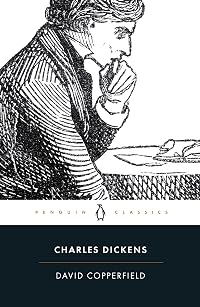
David Copperfield
by Charles Dickens
On This Page
Description
Charles Dickens' 1850 classic epic, David Copperfield, unfolds the story of David, an optimistic and hard-working lad who's orphaned in his youth. Raised initially by his brutal stepfather, who halts David's schooling and sends him to work in a factory, David eventually finds a home with his eccentric, but kind aunt, Betsey. Later in life, David trains for a career in law, but eventually becomes a writer.Tags
Recommendations
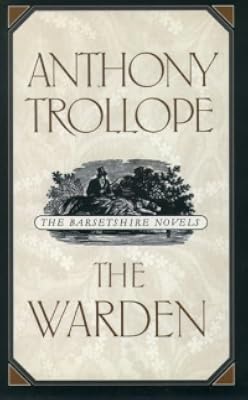
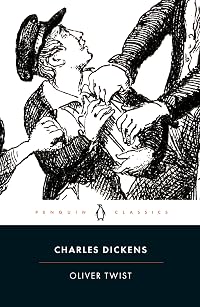
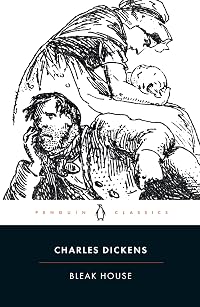
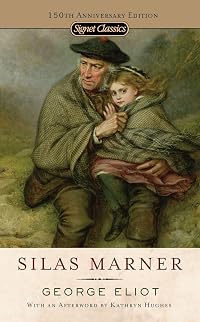







Member Recommendations
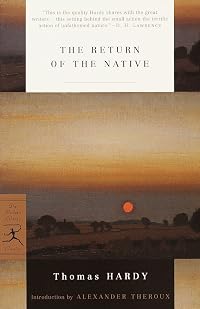
hazzabamboo David Copperfield is partly autobiographical, and it's fascinating to compare it to Tomalin's fascinating, shrewd biography.
40

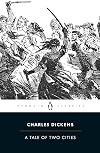
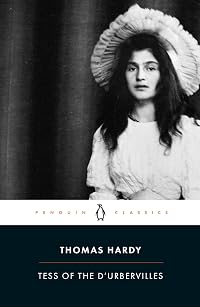
souloftherose In A Tale of Two Cities Dickens reworked the ideas around self-sacrifice that he used in The Battle of Life into a full length novel
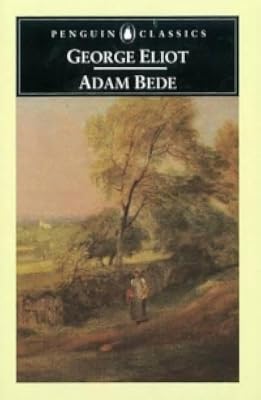
CGlanovsky Bildungsroman
Member Reviews
This is not the first time I had read David Copperfield, it probably won't be the last either. There is always something new to see and discover - as verbose as Dickens tends to be, he also knows how to use these words and he builds such memorable characters that revisiting them is always bound to make you notice something more about them. As in most of his novels, it is the secondary characters that shine - David and his love life can be dull at times but there is always someone else in the frame - his aunt and Mr. Dick, the Peggotty family and Ms. Mowcher; the Micawbers and Agnes; Emily and Martha. Even the villains are full blooded - cruel, awful and despicable but oh so human. There is only one exception in the whole book and it is show more Dora - and even that makes sense to some extent - it almost feels like a protection mechanism from an older David who is trying to reconcile the love of his youth with all he had learned about himself - so she needs to become a perfect ghost, a presence which does not contradict his own heart.
One thing I never appreciated was how skillful Dickens is with the timing of the actions in the novel - modern editions rarely mark the serialization breaks. The edition I read had the original layout of the serialization (including the advertisements) and having to stop at the end of each installment (to either look at the ads or leaf through them to get to the next part) made me see the novel in a somewhat new light. It was always a novel of redemption for anyone even remotely good - even the incorrigible rascal Mr. Micawber manages to find his niche. It was always a novel of contrasts - Dora to Agnes, Mr. Murdstone to Mr. Peggotty, Uriah to Mrs. Micawber (in some things anyway - they both kept repeating what they are but only one of them meant it), Betsey Trotwood to Mrs. Steerforth - the more you look, the more pairs you will find. But reading the novel in its original installments added another layer to it - with contrasts (good/bad) between different installments and sometimes in the actions inside of the same one; with the choice of which characters to revisit in the same installment - some of those chapters which may sound almost as fill-in and removable in the novel, suddenly appear a lot more logical - they are fill-ins but they are necessary so that the installments work the way they were designed.
It was also interesting to see all the advertisements from those days - from books to alpaca umbrellas (what's with that?), from snake oil medicines to clothes (one of these even had a poem written in almost every installment). The world had changed a lot since then but some of the ads could be written for something today and still work... most of them around the "fast cure" and "solve your problems" variety and I am not entirely sure what that says about humanity. show less
One thing I never appreciated was how skillful Dickens is with the timing of the actions in the novel - modern editions rarely mark the serialization breaks. The edition I read had the original layout of the serialization (including the advertisements) and having to stop at the end of each installment (to either look at the ads or leaf through them to get to the next part) made me see the novel in a somewhat new light. It was always a novel of redemption for anyone even remotely good - even the incorrigible rascal Mr. Micawber manages to find his niche. It was always a novel of contrasts - Dora to Agnes, Mr. Murdstone to Mr. Peggotty, Uriah to Mrs. Micawber (in some things anyway - they both kept repeating what they are but only one of them meant it), Betsey Trotwood to Mrs. Steerforth - the more you look, the more pairs you will find. But reading the novel in its original installments added another layer to it - with contrasts (good/bad) between different installments and sometimes in the actions inside of the same one; with the choice of which characters to revisit in the same installment - some of those chapters which may sound almost as fill-in and removable in the novel, suddenly appear a lot more logical - they are fill-ins but they are necessary so that the installments work the way they were designed.
It was also interesting to see all the advertisements from those days - from books to alpaca umbrellas (what's with that?), from snake oil medicines to clothes (one of these even had a poem written in almost every installment). The world had changed a lot since then but some of the ads could be written for something today and still work... most of them around the "fast cure" and "solve your problems" variety and I am not entirely sure what that says about humanity. show less
Probably Dickens's best-known full-scale novel, and certainly his most personal from the numerous ways it draws on his own early life. We all love it because of the striking, scary childhood scenes: I'm sure I'm not the only one who has had nightmares about Mr Creakle's appalling school, the rat-infested blacking factory, or David's walk from London to Dover. And because — as always with Dickens — it's packed with memorable minor characters, most of them entirely gratuitous. There's absolutely no necessity in the plot for Miss Mowcher to be a dwarf hairdresser, but it wouldn't have been the same book without that. Best of all, of course, are the endlessly lovable Micawbers, the slimy villain Uriah Heep, and the feisty Miss Betsey show more Trotwood. But they are only the tip of a very large iceberg.
As usual, Dickens manages to get in some house-trained but still quite fierce social criticism, most of all in defence of his idea that childhood should be about fun and discovery, not being "firm" and "earnest" and prematurely taking on adult responsibilities. He also takes time off along the way to bash familiar targets like unregulated private schools, imprisonment for debt, and the continued existence of obsolete parasitic branches of the legal system (Doctors' Commons).
It's harder to get involved with what should be the main channel of the novel, the marriage plot. We know that there's only one way David's story can end, and it's hard not to find his wrong turnings along the way contrived and artificial, and to feel sorry for poor Dora who is so obviously only there in the story on condition that she can be eliminated when no longer convenient. I find myself dreaming up silly alternative endings in which Dora goes off to join Miss Mills in India where she learns to play the sitar in an ashram (David would meet her, many years later, lecturing on Eastern religions). Or Agnes gently refuses to marry David until she's finished her legal studies and taken control of her father's old firm. And it goes without saying that Em'ly really ought to return in triumph to Yarmouth with her Neapolitan husband and horde of bambini, to set up East Anglia's first pizzeria ("La piccola Emilia")... show less
As usual, Dickens manages to get in some house-trained but still quite fierce social criticism, most of all in defence of his idea that childhood should be about fun and discovery, not being "firm" and "earnest" and prematurely taking on adult responsibilities. He also takes time off along the way to bash familiar targets like unregulated private schools, imprisonment for debt, and the continued existence of obsolete parasitic branches of the legal system (Doctors' Commons).
It's harder to get involved with what should be the main channel of the novel, the marriage plot. We know that there's only one way David's story can end, and it's hard not to find his wrong turnings along the way contrived and artificial, and to feel sorry for poor Dora who is so obviously only there in the story on condition that she can be eliminated when no longer convenient. I find myself dreaming up silly alternative endings in which Dora goes off to join Miss Mills in India where she learns to play the sitar in an ashram (David would meet her, many years later, lecturing on Eastern religions). Or Agnes gently refuses to marry David until she's finished her legal studies and taken control of her father's old firm. And it goes without saying that Em'ly really ought to return in triumph to Yarmouth with her Neapolitan husband and horde of bambini, to set up East Anglia's first pizzeria ("La piccola Emilia")... show less
The audio version of this work, narrated by Nicolas Boulton, is fabulous. His deep sonorous voice and varied voices and dialects made listening a pleasure and keeping the characters differentiated easy. Although long, over 33 hours, I thoroughly enjoyed listening to the life and loves of the iconic David Copperfield: from his lonely childhood to his boisterous aunt ("The donkeys!"), from childhood infatuations to child wife, from beaten schoolboy to renowned author. The supporting characters are all larger than life, from the good (Mr. Peggotty, Em'ly, Agnes, Peggotty) to the deliciously evil (Uriah Heep, Rosa Dartle). It had been decades since I read Dickens, and I had forgotten how fun he can be. Now on to a modern adaptation, [Demon show more Copperhead]. show less
I read this on a transatlantic flight, and I have to say, it's very awkward to cry on an airplane because Dora is dying. And it's not even that Dora is a great character! Copperfield and Dickens both infantilize her, and my modern-day feminist sensibilities gag at all that "child-wife" business. (Of course, I gag at a lot of Dickens: Exhibit A being Mr. Peggoty and that "country dress" he was bringing to Em'ly so she could humbly accompany him back as an honest woman and what the hell?)
But it doesn't matter that Dora is given the depth of a dime, because Dickens and I are on the same page regarding melodrama: the more, the better. Which is why I found myself, hunched in the window seat, attempting to surreptitiously conceal my tears as show more Dora bit the dust and my seatmates ate their complimentary peanuts. show less
But it doesn't matter that Dora is given the depth of a dime, because Dickens and I are on the same page regarding melodrama: the more, the better. Which is why I found myself, hunched in the window seat, attempting to surreptitiously conceal my tears as show more Dora bit the dust and my seatmates ate their complimentary peanuts. show less
De initialen van David Copperfield zijn dezelfde als die van Charles Dickens, maar dan in omgekeerde volgorde.
Is dit een subtiele hint dat het verhaal wel op zijn eigen leven gebaseerd is, maar geen volledige autobiografie is geworden?
Alhoewel het leven van de jonge David niet gespaard blijft van rampen en tegenslagen, zorgt de boeiende vertelstijl van Charles Dickens ervoor dat het verhaal nergens in een bodemloze tristesse blijft steken.
Zijn tegenspoed begint al vroeg, want nog voor David geboren wordt, sterft zijn vader. Zijn moeder is mooi, jong, maar ook erg naïef, wat haar een makkelijke prooi maakt voor Mr. Murdstone. Gelukkig is er Pegotty, die meer is dan een kindermeisje: tot op het einde zal ze zijn surrogaatmoeder zijn.
Het show more "kwade" wordt altijd door het "goede" gecounterd en het lijkt alsof Dickens zo een evenwicht nastreeft.
Dat is ook zo in zijn vertelstijl: in de beschrijving van een personage met slechte inborst is er altijd wel wat humor, zodat je nooit het gevoel krijgt dat David gebukt gaat onder gevoelens van wraak en haat.
"(...)since Miss Murdstone looked at me out of the pickle-jar, with as great an access of sourness as if her black eyes had absorbed its contents"
"I (Copperfield) left him (Uriah) doubled up in the middle of the garden, like a scarecrow in want of support"
In dit lijvige verhaal duiken heel wat personages op, die soms van het toneel verdwijnen om enkele hoofdstukken later weer op te duiken. Achteraan het boek vind je een lijst, zodat je nooit het overzicht kwijt raakt. Het is volgens mij een van de redenen, waarom dit boek na eeuwen nog altijd graag gelezen wordt. Het verveelt nooit.
Mijn favoriet is tante Betsey Trotwood, omdat ze tijdens het verhaal evolueert. De eerste keer dat ze op het toneel verschijnt, is bij de geboorte van David. Ze is er zodanig van overtuigd dat het een meisje zal zijn, dat ze na de geboorte het huis verlaat, om nooit meer terug te keren. Dit vooroordeel kan ze wel opzij zetten als ze David echt leert kennen en hij naar nodig heeft. Waar ze voor het kinderlijke van Davids moeder een soort van minachting voelt, kan ze ook deze gevoelens onderdrukken als David met hetzelfde type vrouw trouwt. Ook als ze haar fortuin verliest, draagt ze dit verlies waardig, zoekt geen zondebok en blijft ze niet bij de pakken zitten.
De persoon voor wie ik het minst sympathie kan opbrengen, is Wilkins Micawber, gebaseerd op Charles Dickens' vader. Hij is een praatjesmaker en klaploper van koninklijke allure en komt door zijn financiële problemen in de gevangenis, net zoals de vader van Charles Dickens, waardoor Charles al vroeg gedwongen werd om te gaan werken.
Af en toe zit er ook een moraal in het verhaal. Er is de manier waarop tante Betsey met Mr. Dick omgaat, terwijl zijn familie hem in een tehuis wil wegstoppen. Mr. Dick is zich bewust van zijn "onnozelheid" en gebruikt die zelfs om een knoop in een huwelijk te ontwarren, een probleem dat niemand anders kan oplossen.
De zinnen die Dickens over Miss Mowcher, een dwergvrouwtje, schrijft, stemmen tot nadenken:
"You know you wouldn't mistrust me, if I was a full-sized woman"
"Try not to associate bodily defects with mental"
"She got over the fender now, and I had got over my suspicion"
Charles Dickens wordt een meesterverteller genoemd en dat kan ik enkel volmondig beamen.
Hij toont ook een gevarieerd inzicht in de menselijke psyche en denkt na over belangrijke levensvragen zoals het huwelijk "There can be no disparity in marriage like unsuitability of mind and purpose" en heeft het enkele keren over "The first mistaken impulse of my heart". Het boek kwam uit voordat zijn huwelijk barsten vertoonde, maar misschien had hij al een voorgevoel.
Zowel vertelstijl als inhoud laten me geen keuze ***** show less
Is dit een subtiele hint dat het verhaal wel op zijn eigen leven gebaseerd is, maar geen volledige autobiografie is geworden?
Alhoewel het leven van de jonge David niet gespaard blijft van rampen en tegenslagen, zorgt de boeiende vertelstijl van Charles Dickens ervoor dat het verhaal nergens in een bodemloze tristesse blijft steken.
Zijn tegenspoed begint al vroeg, want nog voor David geboren wordt, sterft zijn vader. Zijn moeder is mooi, jong, maar ook erg naïef, wat haar een makkelijke prooi maakt voor Mr. Murdstone. Gelukkig is er Pegotty, die meer is dan een kindermeisje: tot op het einde zal ze zijn surrogaatmoeder zijn.
Het show more "kwade" wordt altijd door het "goede" gecounterd en het lijkt alsof Dickens zo een evenwicht nastreeft.
Dat is ook zo in zijn vertelstijl: in de beschrijving van een personage met slechte inborst is er altijd wel wat humor, zodat je nooit het gevoel krijgt dat David gebukt gaat onder gevoelens van wraak en haat.
"(...)since Miss Murdstone looked at me out of the pickle-jar, with as great an access of sourness as if her black eyes had absorbed its contents"
"I (Copperfield) left him (Uriah) doubled up in the middle of the garden, like a scarecrow in want of support"
In dit lijvige verhaal duiken heel wat personages op, die soms van het toneel verdwijnen om enkele hoofdstukken later weer op te duiken. Achteraan het boek vind je een lijst, zodat je nooit het overzicht kwijt raakt. Het is volgens mij een van de redenen, waarom dit boek na eeuwen nog altijd graag gelezen wordt. Het verveelt nooit.
Mijn favoriet is tante Betsey Trotwood, omdat ze tijdens het verhaal evolueert. De eerste keer dat ze op het toneel verschijnt, is bij de geboorte van David. Ze is er zodanig van overtuigd dat het een meisje zal zijn, dat ze na de geboorte het huis verlaat, om nooit meer terug te keren. Dit vooroordeel kan ze wel opzij zetten als ze David echt leert kennen en hij naar nodig heeft. Waar ze voor het kinderlijke van Davids moeder een soort van minachting voelt, kan ze ook deze gevoelens onderdrukken als David met hetzelfde type vrouw trouwt. Ook als ze haar fortuin verliest, draagt ze dit verlies waardig, zoekt geen zondebok en blijft ze niet bij de pakken zitten.
De persoon voor wie ik het minst sympathie kan opbrengen, is Wilkins Micawber, gebaseerd op Charles Dickens' vader. Hij is een praatjesmaker en klaploper van koninklijke allure en komt door zijn financiële problemen in de gevangenis, net zoals de vader van Charles Dickens, waardoor Charles al vroeg gedwongen werd om te gaan werken.
Af en toe zit er ook een moraal in het verhaal. Er is de manier waarop tante Betsey met Mr. Dick omgaat, terwijl zijn familie hem in een tehuis wil wegstoppen. Mr. Dick is zich bewust van zijn "onnozelheid" en gebruikt die zelfs om een knoop in een huwelijk te ontwarren, een probleem dat niemand anders kan oplossen.
De zinnen die Dickens over Miss Mowcher, een dwergvrouwtje, schrijft, stemmen tot nadenken:
"You know you wouldn't mistrust me, if I was a full-sized woman"
"Try not to associate bodily defects with mental"
"She got over the fender now, and I had got over my suspicion"
Charles Dickens wordt een meesterverteller genoemd en dat kan ik enkel volmondig beamen.
Hij toont ook een gevarieerd inzicht in de menselijke psyche en denkt na over belangrijke levensvragen zoals het huwelijk "There can be no disparity in marriage like unsuitability of mind and purpose" en heeft het enkele keren over "The first mistaken impulse of my heart". Het boek kwam uit voordat zijn huwelijk barsten vertoonde, maar misschien had hij al een voorgevoel.
Zowel vertelstijl als inhoud laten me geen keuze ***** show less
I do so enjoy Dickens when he's at the top of his game. It's as though he's emptied a box of thread on the ground and let it roll off in a million different directions, and then somehow he manages to weave the each one into something glorious and beautiful as the book concludes. Dickens at his best is immensely satisfying, complete literature.
I loved reading this, although I must say not so well as I loved "Great Expectations" and "A Tale of Two Cities."
Things to bear in mind when you read this book:
1) Be patient with Dora. She's doing her best.
2) It is appropriate to want to run certain characters over with a mail-coach at important points of the story.
3) Uriah Heep. That's all.
I loved reading this, although I must say not so well as I loved "Great Expectations" and "A Tale of Two Cities."
Things to bear in mind when you read this book:
1) Be patient with Dora. She's doing her best.
2) It is appropriate to want to run certain characters over with a mail-coach at important points of the story.
3) Uriah Heep. That's all.
I know many people consider it one of Dickens's best-- my Penguin Classics edition's introduction by Jeremy Tambling makes the case that it unites the "early" Dickens with the "late" Dickens-- but for me, I think it's solidly middle-tier. It's no Great Expectations or Our Mutual Friend, but neither is it as dull as Hard Times or A Tale of Two Cities.
The first quarter or so of the novel, however, surely ranks among Dickens's best writing. Young David has a horrible life, and Dickens executes it with his trademark combination of melancholy, comedy, and well-observed character. The story of David's actual birth is hilarious (I subjected a lot of people to it after reading it), but the story of David's life with his stepfather and step-aunt show more is depressing and hard to take, especially what ends up happening to his mother. The stuff about David at school is funny; David's attempt to leave London and find his aunt is depressing and funny all at once. His relationship with Peggotty is touching.
The effect is all aided by some nice narrative choices by Dickens. We (and I kind of blame the modernists for this) like to stereotype Victorian fiction as being very staid. But there are some bits of David Copperfield we might call "experimental," except I think Dickens was less concerned with experimenting and more concerned with just telling the story the best way possible. Though most of the story is told in the first-person past tense, every now and again the narrator (an older David; the full title is The Personal History and Experience of David Copperfield the Younger) shifts into the present tense as he re-enacts a particularly vivid memory. It's a neat technique and usually very effective, isolating key moments and heightening their emotional repercussions-- because you can tell how important they still are to the narrator all those years later, so much so they he thinks of them as still happening.
After David reunites with his aunt, though, I found the energy of the novel dissipated. The last three-quarters just don't have the same drive as the first quarter. Not that it's ever bad: nothing here ever sinks as low as the tedium of the middle of A Tale of Two Cities or Hard Times, and there are lots of good jokes still (I liked when David tries to get out of his apprenticeship at the law firm). But for big chunks, the stakes are vague, and I have to admit I never really cared about Uriah Heep. But every now and then you still get that flash of Dickensian brilliance, and the ending is excellent, so there you go. show less
The first quarter or so of the novel, however, surely ranks among Dickens's best writing. Young David has a horrible life, and Dickens executes it with his trademark combination of melancholy, comedy, and well-observed character. The story of David's actual birth is hilarious (I subjected a lot of people to it after reading it), but the story of David's life with his stepfather and step-aunt show more is depressing and hard to take, especially what ends up happening to his mother. The stuff about David at school is funny; David's attempt to leave London and find his aunt is depressing and funny all at once. His relationship with Peggotty is touching.
The effect is all aided by some nice narrative choices by Dickens. We (and I kind of blame the modernists for this) like to stereotype Victorian fiction as being very staid. But there are some bits of David Copperfield we might call "experimental," except I think Dickens was less concerned with experimenting and more concerned with just telling the story the best way possible. Though most of the story is told in the first-person past tense, every now and again the narrator (an older David; the full title is The Personal History and Experience of David Copperfield the Younger) shifts into the present tense as he re-enacts a particularly vivid memory. It's a neat technique and usually very effective, isolating key moments and heightening their emotional repercussions-- because you can tell how important they still are to the narrator all those years later, so much so they he thinks of them as still happening.
After David reunites with his aunt, though, I found the energy of the novel dissipated. The last three-quarters just don't have the same drive as the first quarter. Not that it's ever bad: nothing here ever sinks as low as the tedium of the middle of A Tale of Two Cities or Hard Times, and there are lots of good jokes still (I liked when David tries to get out of his apprenticeship at the law firm). But for big chunks, the stakes are vague, and I have to admit I never really cared about Uriah Heep. But every now and then you still get that flash of Dickensian brilliance, and the ending is excellent, so there you go. show less
Members
- Recently Added By
Published Reviews
ThingScore 75
"David Copperfield" es una novela clásica de Charles Dickens, publicada por primera vez en forma de folletín entre 1849 y 1850. La novela está ampliamente considerada como la obra más autobiográfica de Dickens y refleja muchos elementos de su propia vida. Sigue la vida y las aventuras del personaje titular, David Copperfield, desde su infancia hasta la edad adulta.
La historia comienza con show more el nacimiento de David en Rookery, una zona degradada de Londres. Su padre muere antes de que él nazca, y su madre Clara se casa con el opresivo y cruel Sr. Murdstone. De pequeño, David es enviado a trabajar a una fábrica tras la muerte de su madre, experimentando las penurias del trabajo infantil.
A medida que David crece, la novela explora sus relaciones con diversos personajes, como el excéntrico señor Micawber, la bondadosa familia Peggotty y el embustero Uriah Heep. La narración abarca las experiencias de David en el internado, su carrera como vigilante y sus enredos amorosos.
A lo largo de la novela, los temas de la injusticia social, la disparidad de clases y la resistencia del espíritu humano se entretejen en la trama de la vida de David. Los personajes con los que se cruza, tanto amigos como enemigos, contribuyen a su crecimiento y desarrollo mientras intenta encontrar su lugar en el mundo.
"David Copperfield" es conocida por la riqueza de sus personajes, la vívida descripción de la sociedad victoriana y el humor y el comentario social característicos de Dickens. La novela sigue siendo una exploración atemporal de la condición humana, que capta los triunfos y las tribulaciones del viaje de un individuo desde la infancia hasta la madurez. show less
La historia comienza con show more el nacimiento de David en Rookery, una zona degradada de Londres. Su padre muere antes de que él nazca, y su madre Clara se casa con el opresivo y cruel Sr. Murdstone. De pequeño, David es enviado a trabajar a una fábrica tras la muerte de su madre, experimentando las penurias del trabajo infantil.
A medida que David crece, la novela explora sus relaciones con diversos personajes, como el excéntrico señor Micawber, la bondadosa familia Peggotty y el embustero Uriah Heep. La narración abarca las experiencias de David en el internado, su carrera como vigilante y sus enredos amorosos.
A lo largo de la novela, los temas de la injusticia social, la disparidad de clases y la resistencia del espíritu humano se entretejen en la trama de la vida de David. Los personajes con los que se cruza, tanto amigos como enemigos, contribuyen a su crecimiento y desarrollo mientras intenta encontrar su lugar en el mundo.
"David Copperfield" es conocida por la riqueza de sus personajes, la vívida descripción de la sociedad victoriana y el humor y el comentario social característicos de Dickens. La novela sigue siendo una exploración atemporal de la condición humana, que capta los triunfos y las tribulaciones del viaje de un individuo desde la infancia hasta la madurez. show less
added by Peter_MacTroy
David Copperfield relates the story of his life - transmuting many of the early experience of his creator - right from his birth to his attainment of settled maturity and successful authorship. On his journey, David encounters a gallery of memorable characters, kind, cruel or grotesque: Mr Micawber, Uriah Heep and Steerforth are among the many who shape his development.
By turns absorbingly show more comic, dramatic, ironic and tender, the novel brings into energetic life the society and preoccupations of the mid-Victorian world show less
By turns absorbingly show more comic, dramatic, ironic and tender, the novel brings into energetic life the society and preoccupations of the mid-Victorian world show less
added by letonia
Lists

1001 Books You Must Read Before You Die
1,448 works; 1,134 members

Favorite Dickens novels?
16 works; 27 members

1898 C.K. Shorter List of Best 100 Novels
100 works; 34 members
BBC Big Read
191 works; 45 members

Top-Rated Books on LibraryThing
272 works; 117 members

Favourite 19th century fiction
257 works; 62 members

Favorite Long Books
330 works; 42 members
Favourite Books
1,819 works; 309 members

The Top Ten: Writers Pick Their Favorite Books
240 works; 31 members
The Telegraph's 110 Best Books: The Perfect Library
101 works; 17 members
Favorite Coming of Age Novels.
164 works; 51 members

Top Five Books of 2013
1,562 works; 715 members

Read the book and saw the movie
1,170 works; 195 members
Folio Society
831 works; 52 members
Literature About Social Class
134 works; 19 members

The Guardian's 100 greatest novels of all time
100 works; 16 members
Books I've Read More Than Once
602 works; 49 members

Best Books Set in London
157 works; 41 members

Recommend the 20 best books you've read in the last five years
2,168 works; 606 members

Unread books
1,063 works; 87 members

Top Five Books of 2020
982 works; 348 members
Harold Bloom - The Western Canon: C. The Democratic Age
336 works; 15 members

Books That Made Me Cry
199 works; 105 members
150 Best Novels Selected by Brander Matthews (1883)
150 works; 7 members

Western World's Greatest Books - Project Gutenberg
295 works; 15 members
BBC Big Read
100 works; 10 members

19th Century
190 works; 16 members
Out of Copyright
244 works; 14 members
Blue Pyramid 1,276 Best Books of All Time
1,248 works; 32 members
Books Featured on Gilmore Girls
307 works; 21 members

Year 9 Reading List
29 works; 3 members

Top Five Books of 2018
802 works; 264 members

The Guardian's 100 Best Novels Written in English
105 works; 13 members

One Book, Many Authors
441 works; 40 members

Works with inappropriate subject headings on LibraryThing
35 works; 5 members
Five star books
1,757 works; 107 members
Best First Lines
133 works; 8 members

1964 College Preparatory Reading List
202 works; 8 members

Rory Gilmore Book Club
193 works; 5 members
Newark Public Library's 1904 List of a Thousand of the Best Novels
95 works; 5 members

1,001 BYMRBYD Concensus
723 works; 27 members
Lamont's Hundred Best Novels (1947)
100 works; 4 members
How to Read a Book's Recommended Reading List
309 works; 10 members

Writers as Characters in Fiction
120 works; 19 members
100 World Classics
99 works; 15 members

Allie's Favourite 150 Books
145 works; 3 members

Books Read in 2017
4,249 works; 129 members

Books Read in 2020
4,379 works; 124 members
Good, Smart, Clean Fiction
46 works; 4 members
My list of 100 books to read next
100 works; 4 members

BBC Top Books
78 works; 3 members

Movie Adaptations
111 works; 4 members
F. B. Perkins' List of 100 Best Fiction
100 works; 5 members
Victorian Period
113 works; 10 members
W. Somerset Maugham's "Ten Best Novels of the World"
10 works; 4 members

Shaykh Hamza's Book Recommendations
439 works; 3 members
Books mentioned in The Diary of a Provincial Lady
59 works; 4 members

Fake Top 100 Fiction
81 works; 4 members

Books Read in 2016
4,666 works; 197 members
All Things Great Britain
66 works; 1 member
Books with a Character's Name as the Title
129 works; 9 members
CCE 1000 Good Books List
1,033 works; 12 members
Books on my Kindle
162 works; 3 members
United Kingdom
82 works; 5 members

A's favorite novels
100 works; 3 members

Books Read in 2022
5,166 works; 112 members
Trinity College Booklist (1951): Class Ten, English Literature
358 works; 5 members

Plan to Read Books
75 works; 1 member
5 Best 5 Years
71 works; 4 members

Eton's list - the books every bright 16 year-old should read
40 works; 6 members
W. S. Maugham's Reading Suggestions for Spiritual Enrichment: British
24 works; 3 members

unread and uncatalogued
48 works; 1 member
Books to Reread Someday
53 works; 7 members

My favourite books
96 works; 3 members

The 150 Greatest Novels of All Time
150 works; 6 members

Recommended Reading : 600 Classics Reviewed, Editors of Salem Press, 2015
634 works; 6 members
'Books You Can't Live Without: The Top 100', The Guardian, 2007
156 works; 7 members
Books We Love to Reread
688 works; 296 members

autobiographies, biographies & memoirs
56 works; 1 member

Ambleside Year 7
69 works; 1 member

Books About Boys
175 works; 15 members

Books That Changed Our Perspective
423 works; 168 members

DigitalDreamDoor top 300
300 works; 4 members
The Complete Rory Gilmore Reading List
506 works; 5 members

Book Club read
9 works; 1 member

.
194 works; 2 members
Books We Couldn't Put Down
443 works; 197 members

Books I recommend to everyone
29 works; 1 member
School Made Us Read It
380 works; 196 members
Read For Your Life
157 works; 1 member
el
1,139 works; 1 member

Classics
31 works; 1 member
.
396 works; 1 member

Charles Dickens books
17 works; 1 member

Books We Resisted Reading
178 works; 110 members
Best Audiobooks
240 works; 114 members

Books Read in 2010
631 works; 11 members

readingList
38 works; 1 member

Books Read in 2018
4,360 works; 110 members
Childhood Favorites
427 works; 24 members

Ambleside Books
459 works; 18 members
Honey For a Child's Heart
1,152 works; 25 members

Books Read in 2014
2,343 works; 86 members

Tagged 19th Century
104 works; 7 members

Art of Reading
188 works; 5 members
Read
28 works; 1 member
Fiction with Men's Given Names in the Title
302 works; 11 members

Books Read in 2019
4,052 works; 108 members
Works in the game of Authors
44 works; 2 members
Books available on Open Library
171 works; 4 members

A Reading List
100 works; 3 members

Greatest Books, allegedly
484 works; 9 members

AP Lit
363 works; 6 members

Mustich's 1000 Books to Read Before You Die: A Life Changing List
1,001 works; 19 members

Book Titles Mentioned In Newberry Medal And Honor Books
884 works; 3 members
Books With Our Favorite First Lines
168 works; 104 members
New Lifetime Reading Plan by Fadiman and Major
225 works; 5 members

Top Five Books of 2023
767 works; 317 members
Authors' Favourites
18 works; 5 members

Best of World Literature
434 works; 51 members
Talk Discussions
Past Discussions
Victorian Q1 Read-Along: David Copperfield in Club Read 2022 (November 2022)
David Copperfield in Someone explain it to me... (April 2022)
Group Read: David Copperfield by Charles Dickens in 75 Books Challenge for 2019 (April 2019)
David Copperfield Group Read in 75 Books Challenge for 2012 (October 2012)
David Copperfield Group Read: Part 2 in 75 Books Challenge for 2012 (May 2012)
Author Information

2,578+ Works 313,139 Members
Charles Dickens, perhaps the best British novelist of the Victorian era, was born in Portsmouth, Hampshire, England on February 7, 1812. His happy early childhood was interrupted when his father was sent to debtors' prison, and young Dickens had to go to work in a factory at age twelve. Later, he took jobs as an office boy and journalist before show more publishing essays and stories in the 1830s. His first novel, The Pickwick Papers, made him a famous and popular author at the age of twenty-five. Subsequent works were published serially in periodicals and cemented his reputation as a master of colorful characterization, and as a harsh critic of social evils and corrupt institutions. His many books include Oliver Twist, David Copperfield, Bleak House, Great Expectations, Little Dorrit, A Christmas Carol, and A Tale of Two Cities. Dickens married Catherine Hogarth in 1836, and the couple had nine children before separating in 1858 when he began a long affair with Ellen Ternan, a young actress. Despite the scandal, Dickens remained a public figure, appearing often to read his fiction. He died in 1870, leaving his final novel, The Mystery of Edwin Drood, unfinished. (Bowker Author Biography) show less
Some Editions
Awards and Honors
Awards
Notable Lists
BBC's Big Read (34)
Torchlight List (95.1)
Series
Belongs to Publisher Series
Work Relationships
Is contained in
Oliver Twist / A Christmas Carol / David Copperfield / A Tale of Two Cities / Great Expectations by Charles Dickens
Gesammelte Werke. Die Pickwickier, Nikals Nickleby, Martin Chuzzlewit, Oliver Twist, Weihnachtsgeschichten, Bleakhaus, David Copperfield by Charles Dickens
The Works of Charles Dickens - Volume XXI: David Copperfield, Part II, Reprinted Pieces from Household Words, and All the Year Round by Charles Dickens
Oliver Twist, David Copperfield, Our Mutual Friend (The Works of Charles Dickens, Volume I) by Charles Dickens
Contains
Is retold in
Has the adaptation
Is abridged in
Inspired
Has as a study
Has as a commentary on the text
Has as a student's study guide
Common Knowledge
- Canonical title
- David Copperfield
- Original title
- The Personal History, Adventures, Experience & Observation of David Copperfield, The Younger, of Blunderstone Rookery
- Alternate titles*
- The Personal History, Adventures, Experience and Observation of David Copperfield the Younger of Blunderstone Rookery (which he never meant to publish on any account) (which he never meant to publish on any account); David Copperfield
- Original publication date
- 1850
- People/Characters
- David Copperfield; Clara Copperfield (Murdstone); Clara Peggotty; Betsey Trotwood; Mr Dick; Mr Micawber (show all 23); Mrs Micawber; Edward Murdstone; Jane Murdstone; Mr Peggotty; Ham Peggotty; Little Em'ly (Emily Peggotty); Mrs Gummidge; Barkis; James Steerforth; Tommy Traddles; Mr Creakle; Agnes Wickfield; Mr Wickfield; Uriah Heep; Dora Spenlow; Rosa Dartle; Littimer
- Important places
- London, England, UK; Dover, Kent, England, UK; Kent, England, UK; Canterbury, Kent, England, UK; Yarmouth, England, UK; Blunderstone, Suffolk, England, UK
- Important events
- 19th century; Victorian Era
- Related movies
- The Personal History, Adventures, Experience, & Observation of David Copperfield the Younger (1935 | George Cukor | IMDb); David Copperfield (1969 | TV | IMDb); David Copperfield (1986 | TV | IMDb); David Copperfield (1999 | TV | IMDb); David Copperfield (2000 | TV | IMDb)
- Dedication
- Affectionately inscribed to the Hon. Mr and Mrs Richard Watson, of Rockingham, Northamptonshire
- First words
- Whether I shall turn out to be the hero of my own life, or whether that station will be held by anybody else, these pages must show.
- Quotations
- I shall never desert Mr. Micawber.
- Last words
- (Click to show. Warning: May contain spoilers.)O Agnes, O my soul, so may thy face be by me when I close my life indeed; so may I, when realities are melting from me, like the shadows which I now dismiss, still find thee near me, pointing upward!
- Original language
- English
- Canonical DDC/MDS
- 823.83
- Canonical LCC
- PR4558
- Disambiguation notice
- This is the main work for David Copperfield. It should not be combined with any adaptation, abridgement, student edition, etc. If this is your book but you have an abridged or adapted version, please update your title and ISB... (show all)N, so that your book can be combined with the correct abridgement or adaptation.
*Some information comes from Common Knowledge in other languages. Click "Edit" for more information.
Classifications
Statistics
- Members
- 24,110
- Popularity
- 201
- Reviews
- 325
- Rating
- (4.09)
- Languages
- 24 — Basque, Catalan, Chinese, Church Slavic, Czech, Danish, Dutch, English, Estonian, Finnish, French, German, Greek, Hungarian, Italian, Norwegian (Bokmål), Farsi/Persian, Polish, Russian, Serbian, Spanish, Swedish, Turkish, Portuguese (Portugal)
- Media
- Paper, Audiobook, Ebook
- ISBNs
- 861
- UPCs
- 13
- ASINs
- 613