
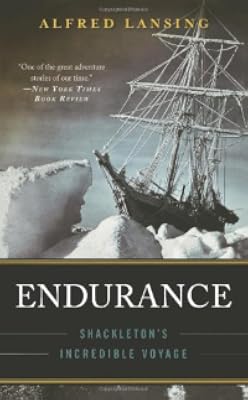
Endurance: Shackleton's Incredible Voyage
by Alfred Lansing
On This Page
Description
This is a new reading of the thrilling account of one of the most astonishing feats of exploration and human courage ever recorded.In August of 1914, the British ship Endurance set sail for the South Atlantic. In October, 1915, still half a continent away from its intended base, the ship was trapped, then crushed in the ice. For five months, Sir Ernest Shackleton and his men, drifting on ice packs, were castaways in one of the most savage regions of the world.
Lansing describes how the men show more survived a 1,000-mile voyage in an open boat across the stormiest ocean in the world and an overland trek through forbidding glaciers and mountains. The book recounts a harrowing adventure, but ultimately it is the nobility of these men and their indefatigable will that shines through.
. show less
Tags
Recommendations
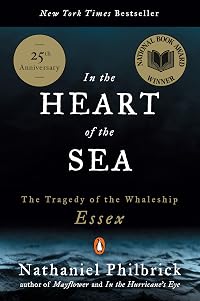
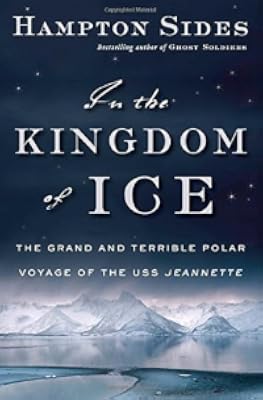

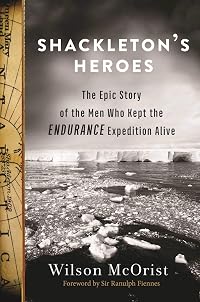
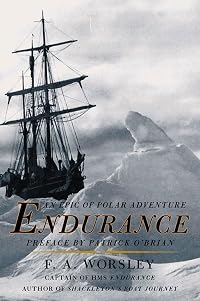








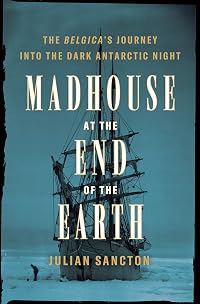
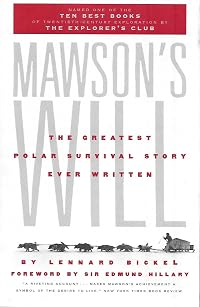


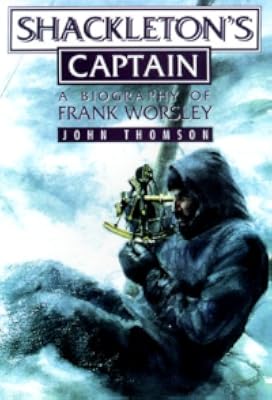










Member Recommendations

caimanjosh This book clearly is somewhat different - there's no sea journeying involved - yet the themes of enduring terrible suffering and overcoming incredible hardships to effect a rescue of one's comrades are the same. Both are the most inspiring stories about the human spirit that I've ever read.

chrisharpe An account of the same journey by Endurance's Captain Worsley.

The Odyssey by Homer
BookWallah Odysseus & Shackleton both had travails getting home from their epic voyages. Differences in their stories: The former’s took 17 years, lost all his men, & was told as epic poetry. The latter’s took 16 months, saved all his men, & is told as gripping biography.
11
Pondlife Endurance shows the positive effects of a great leader; trial by ice shows the negative effects of weak leadership.
Member Reviews
Ernest Shackleton has long since wanted to be the first in some South Pole related expedition, but somehow other people kept accomplishing things before he even managed to get out of the harbor. Until the (ill-)fated year of 1914, when he finally sets out to cross the South Pole from west to east, aboard the Endurance.
Unfortunately, his ship gets stuck in ice in the Weddel Sea, long before he reaches land, and the crew ends up spending close to a year stuck there, hoping to forge a way through the ice. Eventually, Shackleton and his crew are forced to abandon the ship lest they be crushed by the ice, along with their ship. What follows is a harrowing story of survival spanning several months, that nevertheless sees Shackleton lead his show more men back to civilization alive against all odds.
If there is one genre that you'll see me run away screaming from, that's survivalist non-fiction. I may hate poetry, but the worst it can do to me is make me fall asleep. Survival stories on the other hand, will stay with me for eons on end, strategically rearing their ugly head while I'm planning my next holiday retreat. Not that I've been anywhere without a 4-star hotel in its relative vicinity... That being said, ever since I've joined a book club two years ago, I've been steadily eating my words.
This book's biggest asset is without doubt its unassuming, yet riveting, writing style. Even though it lacks any particular figures of speech (a big plus in my books!), it managed to transport me on board the Endurance, and had me weather the terrifying journey through the Antarctic permafrost alongside the crew. I would marvel at the amount of wildlife they encountered, the inexplicably hot and icy summers of the land, the joys of hard work that effectively stops you from spiraling into deep depression, and of course Shackleton's increasingly crazy yet effective survival plans being played out.
For someone like me, who's scared shitless of anything with even a whiff of survival story, this book is actually the perfect introduction into the genre. We are told from the beginning, that this is the unbelievable success story of how one man essentially saved the life of all his 27 crew members, so you're not left stressing about your favorite's demise coming just around the corner. Instead, you're forced to take it step-by-... well page by page, gradually discover yet another of the vicissitudes of the South Pole, while hoping to hell that your rising dread will not overwhelm you.
Score: 4.4/5 stars
As soon as I posted my first status update of this book, I was all but inundated with support and well-wishes, from fans of the book. At the time, all I could do was dread having to review it, because of my deep dislike of the genre. I may not shy away from gleefully pushing back the critics who love to harp on my woefully wrong opinion on their favorite books, but the prospect of challenging half of Goodreads to a fight is a bit intimidating.
Luckily, this was not the case, so here's your review: it's an amazing book, kept me riveted through many a sleepless night, and you should all give it a go. I on the other hand am spent, and will be giving the genre a huge berth for at least a while. Too much excitement.
Unfortunately, his ship gets stuck in ice in the Weddel Sea, long before he reaches land, and the crew ends up spending close to a year stuck there, hoping to forge a way through the ice. Eventually, Shackleton and his crew are forced to abandon the ship lest they be crushed by the ice, along with their ship. What follows is a harrowing story of survival spanning several months, that nevertheless sees Shackleton lead his show more men back to civilization alive against all odds.
If there is one genre that you'll see me run away screaming from, that's survivalist non-fiction. I may hate poetry, but the worst it can do to me is make me fall asleep. Survival stories on the other hand, will stay with me for eons on end, strategically rearing their ugly head while I'm planning my next holiday retreat. Not that I've been anywhere without a 4-star hotel in its relative vicinity... That being said, ever since I've joined a book club two years ago, I've been steadily eating my words.
This book's biggest asset is without doubt its unassuming, yet riveting, writing style. Even though it lacks any particular figures of speech (a big plus in my books!), it managed to transport me on board the Endurance, and had me weather the terrifying journey through the Antarctic permafrost alongside the crew. I would marvel at the amount of wildlife they encountered, the inexplicably hot and icy summers of the land, the joys of hard work that effectively stops you from spiraling into deep depression, and of course Shackleton's increasingly crazy yet effective survival plans being played out.
For someone like me, who's scared shitless of anything with even a whiff of survival story, this book is actually the perfect introduction into the genre. We are told from the beginning, that this is the unbelievable success story of how one man essentially saved the life of all his 27 crew members, so you're not left stressing about your favorite's demise coming just around the corner. Instead, you're forced to take it step-by-... well page by page, gradually discover yet another of the vicissitudes of the South Pole, while hoping to hell that your rising dread will not overwhelm you.
Score: 4.4/5 stars
As soon as I posted my first status update of this book, I was all but inundated with support and well-wishes, from fans of the book. At the time, all I could do was dread having to review it, because of my deep dislike of the genre. I may not shy away from gleefully pushing back the critics who love to harp on my woefully wrong opinion on their favorite books, but the prospect of challenging half of Goodreads to a fight is a bit intimidating.
Luckily, this was not the case, so here's your review: it's an amazing book, kept me riveted through many a sleepless night, and you should all give it a go. I on the other hand am spent, and will be giving the genre a huge berth for at least a while. Too much excitement.
show less
For scientific discovery give me Scott; for speed and efficiency of travel give me Amundsen; but when disaster strikes and all hope is gone, get down on your knees and pray for Shackleton
The amazing story of Ernest Shackleton’s foiled attempt to become the first man to trek across Antarctica, and his long odyssey to lead his crew of 27 men back to civilization is truly hard to fathom. Shackleton left England on the day it entered WWI with the government’s blessing, and after leaving a whaling station in South Georgia in December 1914, his ship the Endurance got trapped in ice a month later. They hoped the ice floe would break up but it never did, and like a small speck on an ice cube, they drifted along helplessly, away from land, for about 10 months. Conditions aboard the Endurance were actually reasonably good, aside from the inevitable boredom that set in, as they were warm and had food. However, the pressure of show more the ice eventually crushed it, forcing them to abandon ship and live in tents on the ice itself for 5 and a half months, where conditions were much worse, and would get worse still. The floe they were on would ultimately break up, forcing them to take to the lifeboats and face brutal conditions in the sea before successfully landing on a deserted island a few weeks later. And all of that’s not even the stunning part. Shackleton and 5 others then had to leave the others behind and pilot the best of their lifeboats 650 nautical miles through the Drake Passage, one of the stormiest and most dreaded bits of ocean on the planet. They miraculously landed a few weeks later, and even then still had to scale a mountainous glacier to reach the whaling station on the other side of the island. This included a free fall, “tobogganing without a toboggan”, in order to descend and avoid freezing conditions at night, one of many memorable moments. When they stumbled into the station, covered in the grime from burning blubber, dressed in what seem to be rags, and completely unkempt, it was the first time they had seen civilization in 17 months – an ending I might roll my eyes over if I saw it in a movie.
To survive and save his crew, Shackleton had to make difficult decisions, take risks but not those which were unnecessary, and keep morale up, so he’s often cited as an outstanding leader. He’s not always right, and to the book’s credit, he’s not idealized in this account. There are many moments throughout this odyssey where all truly seems lost, and yet they carry on. The conditions are extraordinary, starting with the bitter cold, of course. It’s impossible to truly know what they went through, but you do get a sense for what it means to be in each of the conditions they found themselves in – seeing ice showers from the sky and icebergs tower over the ship as they approached Antarctica, enduring blizzard winds, seeing giant ice floes battering against one another, hearing the haunting sounds of their pressure on the ship at night, and watching helplessly as it’s mangled and slowly sunk. Trying to haul lifeboats across the barren snow, but having feet and legs sunk in freezing water while making ridiculously slow progress. Having to (very sadly!) kill their trusting dogs as the supply of food from killing defenseless seals abated, at one point being attacked themselves by a sea leopard, and one day being surrounded by thousands and thousands of migrating penguins. The inevitable frustrations and irritations from being in close quarters with the same people for so long, and some of the ingenious ways to cope. Having the ice as both the safety of something solid, and yet a menace, as it would crack while they were on it and threaten their boats while at sea, ramming them, and possibly closing up around them. Starving and undergoing severe rationing while having to do things like cut off one man’s gangrenous foot. Getting to the sea but then enduring freezing water, giant waves, and dehydrating while getting little to no sleep over periods of several days. Relying on the incredible navigation of Frank Worsley to hit tiny islands hundreds of miles away, and then when getting there, having great difficulty landing … and on and on, it just boggles the mind. (Phew)
The book reminded me of The Martian in the sense that it shows human perseverance under extreme conditions, and ultimate success against long odds after being marooned, but it’s better written, and all true. Alfred Lansing wrote it four decades after the fact, but he did painstaking research, reading diaries several men kept, and interviewing many of the survivors. He knew a great story when he saw it and has a flair for the dramatic as the events unfold, but his writing is dry-eyed and highly authentic. The photographs included are also outstanding. It’s a miracle that Frank Hurley’s negatives survived, and I found the images and their quality level to be extremely good, and something you might see printed in a book from today. Non-fiction is not usually my thing, but the book was given to me as a gift from an old colleague, along with a bottle of whiskey recently recreated from those Shackleton brought along to the Antarctic. Needless to say, I enjoyed the pairing. :) show less
To survive and save his crew, Shackleton had to make difficult decisions, take risks but not those which were unnecessary, and keep morale up, so he’s often cited as an outstanding leader. He’s not always right, and to the book’s credit, he’s not idealized in this account. There are many moments throughout this odyssey where all truly seems lost, and yet they carry on. The conditions are extraordinary, starting with the bitter cold, of course. It’s impossible to truly know what they went through, but you do get a sense for what it means to be in each of the conditions they found themselves in – seeing ice showers from the sky and icebergs tower over the ship as they approached Antarctica, enduring blizzard winds, seeing giant ice floes battering against one another, hearing the haunting sounds of their pressure on the ship at night, and watching helplessly as it’s mangled and slowly sunk. Trying to haul lifeboats across the barren snow, but having feet and legs sunk in freezing water while making ridiculously slow progress. Having to (very sadly!) kill their trusting dogs as the supply of food from killing defenseless seals abated, at one point being attacked themselves by a sea leopard, and one day being surrounded by thousands and thousands of migrating penguins. The inevitable frustrations and irritations from being in close quarters with the same people for so long, and some of the ingenious ways to cope. Having the ice as both the safety of something solid, and yet a menace, as it would crack while they were on it and threaten their boats while at sea, ramming them, and possibly closing up around them. Starving and undergoing severe rationing while having to do things like cut off one man’s gangrenous foot. Getting to the sea but then enduring freezing water, giant waves, and dehydrating while getting little to no sleep over periods of several days. Relying on the incredible navigation of Frank Worsley to hit tiny islands hundreds of miles away, and then when getting there, having great difficulty landing … and on and on, it just boggles the mind. (Phew)
The book reminded me of The Martian in the sense that it shows human perseverance under extreme conditions, and ultimate success against long odds after being marooned, but it’s better written, and all true. Alfred Lansing wrote it four decades after the fact, but he did painstaking research, reading diaries several men kept, and interviewing many of the survivors. He knew a great story when he saw it and has a flair for the dramatic as the events unfold, but his writing is dry-eyed and highly authentic. The photographs included are also outstanding. It’s a miracle that Frank Hurley’s negatives survived, and I found the images and their quality level to be extremely good, and something you might see printed in a book from today. Non-fiction is not usually my thing, but the book was given to me as a gift from an old colleague, along with a bottle of whiskey recently recreated from those Shackleton brought along to the Antarctic. Needless to say, I enjoyed the pairing. :) show less
In 1914, an expedition led by Sir Ernest Shackleton set out on the ship Endurance with the aim of crossing Antarctica. But before ever reaching the continent, the ship became immobilized by ice, and months later it was finally crushed by the pressure and sank. Its crew then set out across ice, across some of the worst seas on Earth in open boats in horrifying weather, and overland across an island whose interior no one had ever successfully navigated before. All told, it was nearly two years before they made it back.
It is an absolutely incredible story. Almost literally incredible: if it were a work of fiction, you'd never believe it. It doesn't seem like something human beings ought to be capable of. And what do you mean, every single show more one of them survived? Seriously?
And yet, it's all true, and extremely well-documented, to boot, as a number of these mean kept careful diaries of their experiences.
This book covers it all in considerable detail. Lansing's prose, for the most part, isn't fancy, but it does precisely what it needs to do. He describes the moment-by-moment, wave-by-wave progress of those open boat voyages in a way that brought my heart repeatedly into my throat, making the frustration and weariness and uncertain hope of it all thrillingly palpable. And when, instead, the narrative is one of endless days of waiting and monitoring the winds and trying hard just to get some rest in miserably sodden sleeping bags, he captures all of that faithfully, too.
It's a hell of a story, told in a way that brings it vividly to life without any (utterly unnecessary) sensationalizing, and I'm very, very glad to have read it. It really is the sort of thing that helps you recalibrate your sense of what humans are capable of.
One can only admire these men's, well, endurance. But, I must say, while I imagine some might find it inspirational, it mostly sort of leaves me wondering why anyone with an ounce of sanity would ever leave home at all to go wandering through places that seem like they so desperately want to kill you. It also makes me stop for a moment to really, truly appreciate being warm and dry and fed, which is a very worthwhile thing to do once in a while. show less
It is an absolutely incredible story. Almost literally incredible: if it were a work of fiction, you'd never believe it. It doesn't seem like something human beings ought to be capable of. And what do you mean, every single show more one of them survived? Seriously?
And yet, it's all true, and extremely well-documented, to boot, as a number of these mean kept careful diaries of their experiences.
This book covers it all in considerable detail. Lansing's prose, for the most part, isn't fancy, but it does precisely what it needs to do. He describes the moment-by-moment, wave-by-wave progress of those open boat voyages in a way that brought my heart repeatedly into my throat, making the frustration and weariness and uncertain hope of it all thrillingly palpable. And when, instead, the narrative is one of endless days of waiting and monitoring the winds and trying hard just to get some rest in miserably sodden sleeping bags, he captures all of that faithfully, too.
It's a hell of a story, told in a way that brings it vividly to life without any (utterly unnecessary) sensationalizing, and I'm very, very glad to have read it. It really is the sort of thing that helps you recalibrate your sense of what humans are capable of.
One can only admire these men's, well, endurance. But, I must say, while I imagine some might find it inspirational, it mostly sort of leaves me wondering why anyone with an ounce of sanity would ever leave home at all to go wandering through places that seem like they so desperately want to kill you. It also makes me stop for a moment to really, truly appreciate being warm and dry and fed, which is a very worthwhile thing to do once in a while. show less
what — and i say this sincerely — the Fuck.
so Shackelton went to the Antarctic for the third time, because he had not yet managed to walk across the land and that made him mad. “FUCK THE ANTARCTIC,” i presume he said. “I DO WHAT I WANT.”
... and that was his motivation for literally everything afterwards, including traversing hurricanes in an open boat, stomping all over the worst damn island in the world (preciously thought impassable but Shackelton was NOT HAVING THAT), literally sliding down the side of a glacier, and getting all 28 men of his crew rescued after well over a year of living on ice floes and eating nothing but seal.
seriously, there about ten thousand times that these people should have died in a very show more predictable way (hunger, cold, navigation issues, weather, hunted by a sea leopard, an ice floe breaking beneath your feet in the dark so you plunge into the frozen sea, murdered by your shipmates). every day they should have died many many times. and none of them did! pretty much because Shackleton refused to let it happen and everyone, including THE ANTARCTIC ITSELF, just shrugged and let him have his way.
honestly, the most impressive thing is how bloody skilled the men were. every time something horrible happens they just kinda get on with things, and do it brilliantly. at one point they navigated 800+ miles to find a tiny island using medieval instruments during a sort of hurricane in a tiny open boat in the middle of the ocean — wearing mittens, because it’s 15° below freezing, and with maybe five minutes of sunlight a day to use for direction.
and they did it.
gosh, i feel lazy now. show less
so Shackelton went to the Antarctic for the third time, because he had not yet managed to walk across the land and that made him mad. “FUCK THE ANTARCTIC,” i presume he said. “I DO WHAT I WANT.”
... and that was his motivation for literally everything afterwards, including traversing hurricanes in an open boat, stomping all over the worst damn island in the world (preciously thought impassable but Shackelton was NOT HAVING THAT), literally sliding down the side of a glacier, and getting all 28 men of his crew rescued after well over a year of living on ice floes and eating nothing but seal.
seriously, there about ten thousand times that these people should have died in a very show more predictable way (hunger, cold, navigation issues, weather, hunted by a sea leopard, an ice floe breaking beneath your feet in the dark so you plunge into the frozen sea, murdered by your shipmates). every day they should have died many many times. and none of them did! pretty much because Shackleton refused to let it happen and everyone, including THE ANTARCTIC ITSELF, just shrugged and let him have his way.
honestly, the most impressive thing is how bloody skilled the men were. every time something horrible happens they just kinda get on with things, and do it brilliantly. at one point they navigated 800+ miles to find a tiny island using medieval instruments during a sort of hurricane in a tiny open boat in the middle of the ocean — wearing mittens, because it’s 15° below freezing, and with maybe five minutes of sunlight a day to use for direction.
and they did it.
gosh, i feel lazy now. show less
I was a little apprehensive to read a book written 60 years ago about events that happened 100 ago (would the language be boring?) but it was incredible. I heard about it from my husband so even knowing much of what happens and how it ends, it was still amazingly captivating. I remarked to him that if someone had tried writing these events as a fiction book the editor and/or the public would have trashed the book because of how unbelievable it was - but this really happened. Any of this would have been my own personal hell and if I had been a member of this crew I would have moved to the desert and become a vegetarian I think!
I don't read a lot of non-fiction but I really highly recommend this!
I don't read a lot of non-fiction but I really highly recommend this!
Lansing has written a gripping tale about the limits of human endurance faced by the men of the Imperial Trans-Antarctic Expedition in the early part of the twentieth century. After raising the necessary funds, outfitting the right vessel, and choosing the right men (albeit in the most unorthodox fashion), Shackleton led his group south with the intent of becoming the first men to successfully cross the continent of Antarctica. Unfortunately, he never had the chance, The ship was caught in the ice pack of the Weddell Sea. Over the course of the coming months, it was crushed in spite of its immense strength and careful design. The expedition was then forced to endure hardship while living on the ice. After months (including a winter) on show more the ice, the currents had moved them closer to land yet threatening to take them to the open sea. Shackleton and the men launched on boats and managed to make it to an uninhabited island. From there, a smaller group took a single vessel and sailed for the nearest whaling station. This voyage is an incredible testament to bravery and navigation. When they arrived at the island, Shackleton and his small group had to then traverse amazingly difficult terrain to finally arrive at help. In the end, all were rescued.
This is an excellent book that outlines the boldness and courage of a crew of explorers. Undoubtedly, the negatives about Shackleton and his men have either men minimized or ignored. Their virtues have been enlarged to excess. Still, the author's decision is understandable in light of such magnificent courage. show less
This is an excellent book that outlines the boldness and courage of a crew of explorers. Undoubtedly, the negatives about Shackleton and his men have either men minimized or ignored. Their virtues have been enlarged to excess. Still, the author's decision is understandable in light of such magnificent courage. show less
This is a gripping account of the conditions encountered by the men of Ernest Shackleton's expedition to the Antarctic. The original intent of the expedition was to send a party to cross the continent on foot, but it ended up becoming a grim trek back to civilization after the Endurance was beset in ice and crushed by the movement of the pack. The men and their dogs (and later, just the men) endured bone-chilling cold, were buffeted by ferocious gales and coated in water that froze them to the core, and had to contend with frostbite, low food supplies and potentially low morale. But they all survived the expedition.
Lansing consulted with surviving members of the expedition and their families to write this book, which was originally show more published in 1959. The writing is not ornate but is packed with details and tidbits of context that show just how dangerous the men's trip was. In particular, the part where Shackleton and five other men leave most of the crew behind on Elephant Island so that they can fetch help from South Georgia Island is hair-raising. The Sailing Directions for that part of the world document conditions that would imperil the sturdiest heavy icebreaker, and yet the six men managed to make the trip in a 22-foot open boat. It is awesome in the original sense of the word.
I did find it difficult to read the part where they had to kill the dogs so that they had more food for themselves, and any parts that talked about killing the seals and penguins. I know all of these were necessary if the men were to survive, but that didn't make it easier to read about. (Note to self: cross "polar explorer" off list of career choices.)
I would recommend this to anyone interested in the story of the expedition. It should be supplemented with a book containing the photographs taken by the expedition photographer. Some of these are included in the book, and the ones of the Endurance in particular show just how uncompromising the environment is in that part of the world. show less
Lansing consulted with surviving members of the expedition and their families to write this book, which was originally show more published in 1959. The writing is not ornate but is packed with details and tidbits of context that show just how dangerous the men's trip was. In particular, the part where Shackleton and five other men leave most of the crew behind on Elephant Island so that they can fetch help from South Georgia Island is hair-raising. The Sailing Directions for that part of the world document conditions that would imperil the sturdiest heavy icebreaker, and yet the six men managed to make the trip in a 22-foot open boat. It is awesome in the original sense of the word.
I did find it difficult to read the part where they had to kill the dogs so that they had more food for themselves, and any parts that talked about killing the seals and penguins. I know all of these were necessary if the men were to survive, but that didn't make it easier to read about. (Note to self: cross "polar explorer" off list of career choices.)
I would recommend this to anyone interested in the story of the expedition. It should be supplemented with a book containing the photographs taken by the expedition photographer. Some of these are included in the book, and the ones of the Endurance in particular show just how uncompromising the environment is in that part of the world. show less
Members
- Recently Added By
Lists

100 Biographies & Memoirs to Read in a Lifetime
42 works; 18 members

Top Five Books of 2013
1,562 works; 721 members

Recommend the 20 best books you've read in the last five years
2,168 works; 606 members

Adventure Travel & Exploration In The Polar Regions
8 works; 6 members

Top Five Books of 2017
757 works; 230 members

Polar exploration
54 works; 4 members

Hachette Book Group
152 works; 6 members

Books We Want To Read Again For The First Time
384 works; 160 members

Weirdo Nonfiction
138 works; 3 members

Books That Changed Our Perspective
423 works; 168 members

Ryan Holiday's Books To Base Your Life On
97 works; 2 members

Mustich's 1000 Books to Read Before You Die: A Life Changing List
1,001 works; 19 members

Ambleside Books
459 works; 18 members

Elevenses
316 works; 88 members

Books Read in 2017
4,249 works; 130 members

Page Turners
185 works; 11 members

100 Biographies and Memoirs to Read in a (Single) Lifetime
98 works; 12 members

Blue Pyramid 1,276 Best Books of All Time
1,248 works; 32 members
Independent Reading Suggestions
69 works; 3 members

Best Survival Stories
97 works; 15 members

Literature of Honor for Boys
91 works; 3 members

Carole's List
445 works; 13 members

Books Cited in Blueprint by Nicholas Christakis
261 works; 1 member
Author Information

4+ Works 6,332 Members
Editor and author Alfred Lansing is best known for Endurance: Shackleton's Incredible Voyage, a historical account of Sir Ernest Shackleton's 1914 voyage to Antarctica, written for a young adult audience. Using diaries of expedition members and interviews with those still living, Lansing tells the story of the expedition, which met with disaster show more when their ship, the Endurance, was surrounded and eventually crushed by ice, leaving Shackleton and his crew trapped on the ice floes for five months before they were able to escape to open water in one of the lifeboats. In 1960, Lansing received both the Christopher Award and the Secondary Education Board's Book Award for Endurance: Shackleton's Incredible Voyage. Alfred Lansing was born in Chicago in 1921. He served in the U.S. Navy throughout World War II, receiving the Purple Heart. Upon leaving the Navy in 1946, he returned to school, attending North Park College for two years and then transferring to Northwestern University. He worked as a writer for United Press and for Collier's magazine, as a freelance writer, and later as an editor for Time, Inc. Books. Lansing died in 1975. He and his wife, Barbara, whom he married in 1955, had two children. (Bowker Author Biography) show less
Some Editions
Awards and Honors
Awards
Distinctions
Series
Belongs to Publisher Series
Common Knowledge
- Canonical title
- Endurance: Shackleton's Incredible Voyage
- Original title
- Endurance: Shackleton's incredible voyage
- Alternate titles
- Endurance
- Original publication date
- 1959
- People/Characters
- Ernest Shackleton; William Bakewell; Percy Blackborow; Alfred Cheetham; Robert S. Clark; Thomas Crean (show all 30); Charles J. Green; Lionel Greenstreet; Ernest Holness; Walter E. How; Hubert T. Hudson; James Murray; Eric Stewart Marshall; James Francis Hurley; Leonard D. A. Hussey; Reginald W.James; A. J. Kerr; Dr. Alexander H. Macklin; George E. Marston; Timothy McCarthy; Dr. James A. McIlroy; Thomas McLeod; Henry McNish; Thomas Orde-Lees; Lewis Rickinson; William Stephenson; John Vincent; Frank Wild; James M. Wordie; Frank Worsley
- Important places
- Weddell Sea, Antarctica
- Important events
- Imperial Trans-Antarctic Expedition (1914 | 1917)
- Related movies
- The Endurance (2000 | IMDb); Shackleton (2002 | IMDb); Shackleton's Antarctic Adventure (2001 | IMDb)
- First words
- The order to abandon ship was given at 5 P.M.
- Quotations
- Down…down…they screamed – not in terror necessarily, but simply because they couldn't help it. It was squeezed out of them by the rapidly mounting pressure in their ears and against their chests. Faster and faster – d... (show all)own … down …down! Then they shot forward onto the level, and their speed began to slacken. A moment later they came to an abrupt halt in a snowbank. The three men picked themselves up. They were breathless and their hearts were beating wildly. But they found themselves laughing uncontrollably. What had been a terrifying prospect possibly a hundred seconds before had turned into a breath-taking triumph.
I do not think I have ever had such a horrible sickening sensation of fear as I had whilst in the hold of that breaking ship.
...I never saw, nor shall see, here or elsewhere, till l die, not though I live three lives of mortal men, so great a miracle... - Last words
- (Click to show. Warning: May contain spoilers.)Macklin wrote: "I stayed on deck to watch Elephant Island recede in the distance... I could still see my Burberry [jacket] flapping in the breeze on the hillside - no doubt it will flap there to the wonderment of gulls and penguins till one of our familiar [gales] blows it all to ribbons."
- Original language
- English
Classifications
- Genres
- General Nonfiction, Nonfiction, Travel, History, Biography & Memoir
- DDC/MDS
- 919.8904 — History & geography Geography & travel Geography of and travel in Australasia, Pacific Ocean islands, Atlantic Ocean islands, Arctic islands, Antarctica and on extraterrestrial worlds Polar regions Antarctica
- LCC
- G850 — Geography, Anthropology and Recreation Geography (General) Arctic and Antarctic regions
- BISAC
Statistics
- Members
- 6,256
- Popularity
- 1,981
- Reviews
- 153
- Rating
- (4.38)
- Languages
- 15 — Czech, Danish, Dutch, English, Finnish, French, German, Hungarian, Italian, Japanese, Norwegian (Bokmål), Polish, Spanish, Swedish, Portuguese (Portugal)
- Media
- Paper, Audiobook, Ebook
- ISBNs
- 72
- UPCs
- 2
- ASINs
- 46