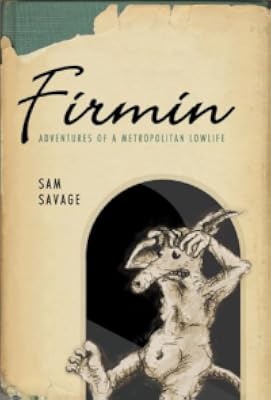
Firmin
by Sam Savage
On This Page
Description
A darkly comic rat's tale of exile, unrequited love, and the redemptive power of literature. Unforgettable!Tags
Recommendations






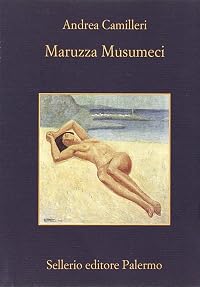
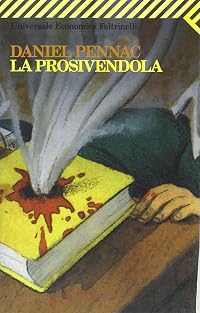

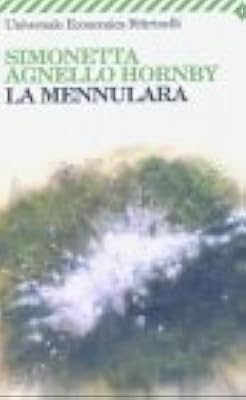
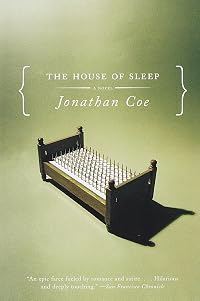





Member Recommendations
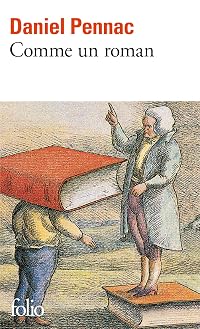
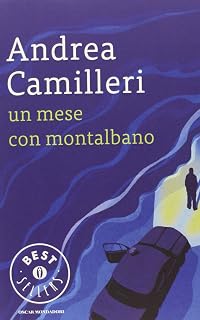
pgmcc Both books take a quirky viewpoint on the world. They are also both about loneliness and isolation, yet really good reads.
20
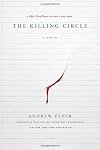
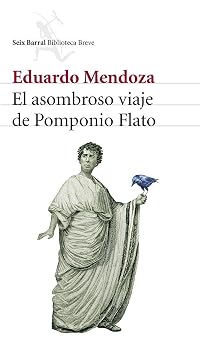
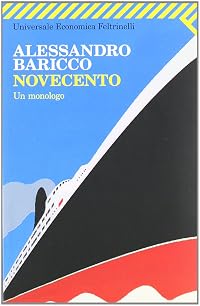
ShelfMonkey Both books have tremendous fun with authors and writing.
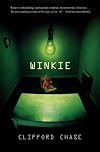
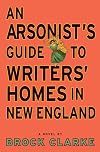
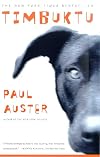
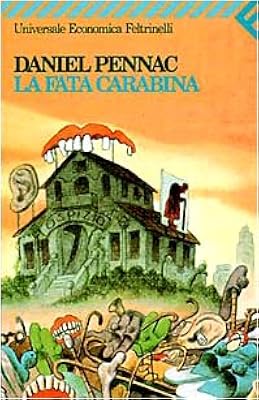
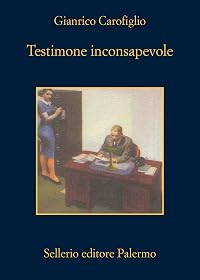
sanddancer Both quirky, but not too cutesy stories told from the perspective of animals.

by anonymous user
Member Reviews
Imagine a sign above this review, GOODBYE ZIPPER.
Is this a cult classic? If not, why ever not?! Think Charlotte's Web for the "Adult Section." A book for book-lovers, for daydreamers, for the lusty and lonely who feel estranged from the world or even from themselves.
Firmin, a "lowlife" rat, is born in a used bookstore in Boston in the early 1960s. He goes from hungrily munching books for sustenance to hungrily reading them for another kind of sustenance. The wide-range of books he reads ignites his emotions and intelligence, but not surprisingly they also make him deeply unhappy with his rat lot in life. Because of all he's read, especially books by the "Big Ones" as Firmin calls major novelists, he craves connection into the human show more world around him, a mostly doomed desire.
In spite of the recurring disgusting aspects of rats (no need to elaborate on rodent infestations here), one feels tenderly toward clever, sad, and unique Firmin. Literary-ness infiltrates his life view. For example, he often gives fleeting moments a proposed book title, like "Lost in the World: Epistemology and Terror" and "Milk and Madness". Also, as he observes select humans, he imagines succinct signs over them much like signs over doors or over bookshop book sections, like "FREAK" and "UNNATURAL GENIUS." His growing and continual imagination become more elaborate, blending and softening life's harsh experiences. All become his (our) real experiences.
This book was a whim for me, somewhat outside my norm. But author Sam Savage walked a fantasy tight-rope so perfectly that I never waivered. He believably gave a rat the ability to read and to think. Yet the world remained very real, a world with which his protagonist -- a reading, thinking rat that never stops being a rat -- must navigate.
Yep, four stars. I really liked this book. show less
Is this a cult classic? If not, why ever not?! Think Charlotte's Web for the "Adult Section." A book for book-lovers, for daydreamers, for the lusty and lonely who feel estranged from the world or even from themselves.
Firmin, a "lowlife" rat, is born in a used bookstore in Boston in the early 1960s. He goes from hungrily munching books for sustenance to hungrily reading them for another kind of sustenance. The wide-range of books he reads ignites his emotions and intelligence, but not surprisingly they also make him deeply unhappy with his rat lot in life. Because of all he's read, especially books by the "Big Ones" as Firmin calls major novelists, he craves connection into the human show more world around him, a mostly doomed desire.
In spite of the recurring disgusting aspects of rats (no need to elaborate on rodent infestations here), one feels tenderly toward clever, sad, and unique Firmin. Literary-ness infiltrates his life view. For example, he often gives fleeting moments a proposed book title, like "Lost in the World: Epistemology and Terror" and "Milk and Madness". Also, as he observes select humans, he imagines succinct signs over them much like signs over doors or over bookshop book sections, like "FREAK" and "UNNATURAL GENIUS." His growing and continual imagination become more elaborate, blending and softening life's harsh experiences. All become his (our) real experiences.
This book was a whim for me, somewhat outside my norm. But author Sam Savage walked a fantasy tight-rope so perfectly that I never waivered. He believably gave a rat the ability to read and to think. Yet the world remained very real, a world with which his protagonist -- a reading, thinking rat that never stops being a rat -- must navigate.
Yep, four stars. I really liked this book. show less
Quando ci si rapporta ad un bestseller, in genere lo si fa con un atteggiamento scettico e un po’ snobistico, nonché preparati a rimanere delusi, almeno nella maggior parte dei casi.
“Firmino” per me non è stato una delusione, in quanto non ha la pretesa di essere un capolavoro, tuttavia possiede una sua innegabile dignità e suscita molta simpatia.
Questo bizzarro topo, sprovvisto di ogni avvenenza fisica perfino in base ai canoni estetici dei ratti, si nutre di parole ma è condannato al silenzio. Sfortunato e ingenuo, raffinato e sensibile, è perennemente destinato a scontrarsi con l’indifferenza o, peggio, con la crudeltà del mondo. Sogna la leggerezza di Fred Astaire, vagheggia le grazie delle Bellezze che ammira di show more notte nei film, si identifica negli eroi dei suoi romanzi preferiti e si illude della bontà altrui…
ma naturalmente dovrà fare i conti con una realtà amara e incurante dei sentimenti.
Non una semplice metafora della condizione del lettore nel mondo moderno, quindi, ma una riflessione leggera e malinconica sull’esistenza umana e sull’eterno conflitto tra realtà e immaginazione. show less
“Firmino” per me non è stato una delusione, in quanto non ha la pretesa di essere un capolavoro, tuttavia possiede una sua innegabile dignità e suscita molta simpatia.
Questo bizzarro topo, sprovvisto di ogni avvenenza fisica perfino in base ai canoni estetici dei ratti, si nutre di parole ma è condannato al silenzio. Sfortunato e ingenuo, raffinato e sensibile, è perennemente destinato a scontrarsi con l’indifferenza o, peggio, con la crudeltà del mondo. Sogna la leggerezza di Fred Astaire, vagheggia le grazie delle Bellezze che ammira di show more notte nei film, si identifica negli eroi dei suoi romanzi preferiti e si illude della bontà altrui…
ma naturalmente dovrà fare i conti con una realtà amara e incurante dei sentimenti.
Non una semplice metafora della condizione del lettore nel mondo moderno, quindi, ma una riflessione leggera e malinconica sull’esistenza umana e sull’eterno conflitto tra realtà e immaginazione. show less
Firmin kommt als 13. Rattenjunges in einer Buchhandlung zur Welt, im Vergleich zu seinen Geschwistern körperlich eher zurückgeblieben und wenig durchsetzungsstark. Statt sich mit ihnen ums Fressen zu streiten, frisst er sich im wahrsten Sinne des Wortes durch die Bücher um ihn herum. Und stellt zu seiner eigenen Verwunderung eines Tages fest, dass er lesen kann. Um sich die geistige Nahrung zu erhalten, hält er sich beim Fressen nunmehr an die Ränder und Einbände - und verschlingt zusätzlich den Inhalt mit den Augen in großen Mengen. Durch all das Wissen das er auf diese Art und Weise ansammelt, fühlt er sich den Menschen immer mehr verbunden und wünscht sich nichts sehnlicher als von ihnen als einer der ihren anerkannt zu show more werden. Firmin versucht mit dem Buchhändler in Kontakt zu treten, doch all seine Bemühungen scheitern: Zeichensprache, Schreibmaschine, Blickkontakt (Computer gab es noch nicht). Als er in einer gefährlichen Situation von einem anderen Menschen gerettet und 'adoptiert' wird, hat Firmin zwar den gewünschten direkten Kontakt, doch die Anerkennung als Wesensgleicher bleibt ihm weiterhin versagt. Er arrangiert sich mit der Situation, spielt das putzige Haustier und erträumt sich seine Welt...
Zu Beginn ist man verwundert: Der Sprachstil ist für eine Ratte doch sehr gewählt, wenn nicht sogar gelegentlich etwas geschraubt. Doch bald wird einem bewusst, wieviel Firmin in seinem doch recht kurzen Leben bereits gelesen hat. Und dass er mit diesem Wissen und der sich angeeigneten Bildung so manchen Menschen weit übertrifft. Dennoch: Eine Ratte ist eine Ratte ist eine Ratte.
Eine moderne Fabel die mit etwas Nachdenken klar macht, wie wenig äußere Attribute doch etwas über das aussagen, was dahinter steckt. Und das alles ohne moralischen Zeigefinger. Lesenswert! show less
Zu Beginn ist man verwundert: Der Sprachstil ist für eine Ratte doch sehr gewählt, wenn nicht sogar gelegentlich etwas geschraubt. Doch bald wird einem bewusst, wieviel Firmin in seinem doch recht kurzen Leben bereits gelesen hat. Und dass er mit diesem Wissen und der sich angeeigneten Bildung so manchen Menschen weit übertrifft. Dennoch: Eine Ratte ist eine Ratte ist eine Ratte.
Eine moderne Fabel die mit etwas Nachdenken klar macht, wie wenig äußere Attribute doch etwas über das aussagen, was dahinter steckt. Und das alles ohne moralischen Zeigefinger. Lesenswert! show less
The surprisingly melancholy story of a bookish (and yes, literate) rat witnessing the slow demise of a neighborhood bookstore in early-60s Boston. I picked up this debut novel(la) on a whim, and it quickly became my bus companion of choice. To my mind the character of Jerry owes a substantial debt to Vonnegut's fictional author Kilgore Trout, and the author himself acknowledges the overall influence of Dostoyevski's "[b:Notes from Underground|17876|Notes From Underground|Fyodor Dostoevsky|http://photo.goodreads.com/books/1166854578s/17876.jpg|19376]." In either case, Firmin's journey makes for a charmingly depressing adventure full of literary allusion yet blessedly free of pretension. Rather unlike that last sentence.
If there is one thing a literary education is good for it is to fill you with a sense of doom. There is nothing quite like a vivid imagination for sapping a person’s courage. I read the diary of Anne Frank, I become Anne Frank. As for others, they could feel plenty of terror, cringe in corners, sweat with fear, but as soon as the danger had passed it was as if it had never happened, and they trotted cheerfully on.
The "others", in this case, being our narrator's fellow citizens of a run-down neighbourhood in 1960s Boston. Born in the basement of a used bookstore (his crib lined with shredded pages of Finnegan's Wake), neglected by his alcoholic mother, bullied by his siblings, young Firmin has to feed and raise himself - the thirteenth show more child to a mother with twelve tits.
(Yeah, he's a rat.)
And so Firmin starts eating books. And then reading books. As the others grow strong and leave the basement to mate, scrounge for food and get run over in the street, Firmin stays behind, the smartest and loneliest rat in the world, ravenously reading his way through the entire published world of literature - from the Great Books to religious pamphlets, sci-fi novels to long-debunked medical theories and maps of the world. He teaches himself to read, teaches himself to critique, to discuss, to interpret... only that as a rat, he has no one to discuss it with. Other rats avoid him (as he them), and this being pre-computer age with its feather-touch keyboards, there is no way for him to communicate with humans; he can only squeak, and he's too weak to work a typewriter. As far as anyone can see, he's just a rat to be poisoned or stomped on. For a long time, his entire world is made up of books and the local cinema, which only shows old black-n-white Hollywood movies and cheap porn. And then something happens...
Name-dropping time: Firmin reads a bit like a tragicomic(er) Tales From Underground filtered through Fritz The Cat. I'd say it's what Auster was trying to do with Timbuktu, except it's much too sentimental (in a good way) to be Auster. But above all - and this reference might be a little obscure - I'm reminded of Hrabal's Too Loud A Solitude, which is eerily similar yet completely different. Two rat-infested basements, two outsiders-by-necessity who, pursued by the authorities, build their own world from books, two short novels about the power and lack of comfort offered by literature... Yet Savage has created something pretty unique: a narrator who could have been unbearably cute but instead is one of the most touching anti-heroes I've come across in a long time, a metafictional short sharp shock (148 pages), a very poignant tale of lonely people unable to connect to others (some rats, some humans), and a story that first cracks me up and then gradually turns the screws until we know that this can never end well. Firmin is just a rat, so he fits perfectly in that proverbial handbasket we're all in whether we realize it or not.
(And Hell, as Jean-Paul Sratre pointed out, is other rats.)
I'm sorry. That last piece was exactly the sort of pun that makes this sound like a joke. It's not. It's one of the most rewarding reads I've had all year, and I really hope more people will give it a shot. Firmin deserves that. show less
The "others", in this case, being our narrator's fellow citizens of a run-down neighbourhood in 1960s Boston. Born in the basement of a used bookstore (his crib lined with shredded pages of Finnegan's Wake), neglected by his alcoholic mother, bullied by his siblings, young Firmin has to feed and raise himself - the thirteenth show more child to a mother with twelve tits.
(Yeah, he's a rat.)
And so Firmin starts eating books. And then reading books. As the others grow strong and leave the basement to mate, scrounge for food and get run over in the street, Firmin stays behind, the smartest and loneliest rat in the world, ravenously reading his way through the entire published world of literature - from the Great Books to religious pamphlets, sci-fi novels to long-debunked medical theories and maps of the world. He teaches himself to read, teaches himself to critique, to discuss, to interpret... only that as a rat, he has no one to discuss it with. Other rats avoid him (as he them), and this being pre-computer age with its feather-touch keyboards, there is no way for him to communicate with humans; he can only squeak, and he's too weak to work a typewriter. As far as anyone can see, he's just a rat to be poisoned or stomped on. For a long time, his entire world is made up of books and the local cinema, which only shows old black-n-white Hollywood movies and cheap porn. And then something happens...
Name-dropping time: Firmin reads a bit like a tragicomic(er) Tales From Underground filtered through Fritz The Cat. I'd say it's what Auster was trying to do with Timbuktu, except it's much too sentimental (in a good way) to be Auster. But above all - and this reference might be a little obscure - I'm reminded of Hrabal's Too Loud A Solitude, which is eerily similar yet completely different. Two rat-infested basements, two outsiders-by-necessity who, pursued by the authorities, build their own world from books, two short novels about the power and lack of comfort offered by literature... Yet Savage has created something pretty unique: a narrator who could have been unbearably cute but instead is one of the most touching anti-heroes I've come across in a long time, a metafictional short sharp shock (148 pages), a very poignant tale of lonely people unable to connect to others (some rats, some humans), and a story that first cracks me up and then gradually turns the screws until we know that this can never end well. Firmin is just a rat, so he fits perfectly in that proverbial handbasket we're all in whether we realize it or not.
(And Hell, as Jean-Paul Sratre pointed out, is other rats.)
I'm sorry. That last piece was exactly the sort of pun that makes this sound like a joke. It's not. It's one of the most rewarding reads I've had all year, and I really hope more people will give it a shot. Firmin deserves that. show less
"It was soon painfully clear that when he looked at me what he mainly saw was a cute animal, clownish and a little stupid, something like a very small dog with buckteeth. He had no inkling of my true character, that I was in fact grossly cynical, moderately vicious, and a melancholy genius, or that I had read more books than he had."
I loved this book, because this was a book for me. It's for people who love books -- sci-fi paperbacks as well as the classics -- but are still somewhat cynical about their importance. Or maybe, cynical about their own importance, and love books because they're not important either. It's about the inherent sadness of life, and the incredible joy that can be had in remembering the quietly good moments and the show more times that were good even if it wasn't a specific moment at all. It's about being an outsider. It's about a rat who seems like he could be a real rat, that if you could watch him you might not notice anything out of the ordinary. It's just really clever and quiet and good, without ever getting too caught up in its own cleverness. Recommended for everyone who wants "I don't know... something different to read." show less
I loved this book, because this was a book for me. It's for people who love books -- sci-fi paperbacks as well as the classics -- but are still somewhat cynical about their importance. Or maybe, cynical about their own importance, and love books because they're not important either. It's about the inherent sadness of life, and the incredible joy that can be had in remembering the quietly good moments and the show more times that were good even if it wasn't a specific moment at all. It's about being an outsider. It's about a rat who seems like he could be a real rat, that if you could watch him you might not notice anything out of the ordinary. It's just really clever and quiet and good, without ever getting too caught up in its own cleverness. Recommended for everyone who wants "I don't know... something different to read." show less
Six-word review: Among oddball novels, odder than most.
Extended review:
I kind of hate giving only three and a half stars to this one. It's in a class of its own, like the 10-point letters in Scrabble, Q and Z, and in that class it gets top marks. Quirky. Zany. And also quiet. And, if I may say so, zoophilous.
Although I know I haven't read a book like this before, there's still an uncanny sense of familiarity, a kind of deja vu, a feeling of recognition at some elemental level--as if I'd been there before in a half-remembered dream, in the walls and ceilings of Pembroke Books, in the alleys and gutters of old Scollay Square.
Or maybe it's only that Firmin, the rodent protagonist, feels like no stranger, but rather, someone I might see show more in, say, a bookstore. Or the living room. Or the mirror.
Indeed, I found it all too easy to identify with this outsider, this misfit, this onlooker who doesn't belong among his own kind or any other kind; who adores the unattainable, who aches to be what he can never become, who knows his own truth and longs not to know it--namely, that he is a rat. A rat blessed with the ability to read and to find a home among the books and lose himself in literature, and also cursed to yearn hopelessly for a like-minded companion; a rat with a rat's unlovely face and unmelodious voice and the ability to scrounge a livelihood out of whatever marginally nutritious substance presents itself. And that includes paper. Firmin devours books.
Firmin would probably scoff at the idea of calling his story "poignant" or "touching." He wants us to know that despite his occasional ingratiating antics, he is not cute and cuddly but a fierce animal. He is unashamed of his passions, but he does not succumb to sentimentality. His teeth are sharp.
That feeling of resonance sent me scrambling, or maybe I should say scurrying, for parallels in the world of art. I felt sure there must be some; the sense that I'd followed other explorers of this emotional and psychological territory was just too strong. The soaring imagination, the unrequited love, the self-deprecation, the solitude. The perverse beauty of the grotesque. I thought of Toulouse-Lautrec painting prostitutes; of Van Gogh layering his madness onto the canvas; of Leonardo and Bosch and every other artist who relished the everyday bizarre.
I thought, too, of Cyrano de Bergerac, whose disfiguration masks a great soul; and of Beauty and the Beast, the Ugly Duckling, and the Elephant Man, cultural icons whose messages speak to the hidden self that lacks the power or the courage to show itself. I thought of the angels and demons of Rilke. As I step back and consider character after character who chafes at the limitations of his or her life, I realize: I've read a thousand books like Firmin. Firmin is Everyman, is he not? Even if not Everyrat.
But Firmin would never take himself so seriously. He mocks his own grandiose notions, never forgetting for long what he is and where he came from. He's a rat. He has a life in books. Readers like us can understand. show less
Extended review:
I kind of hate giving only three and a half stars to this one. It's in a class of its own, like the 10-point letters in Scrabble, Q and Z, and in that class it gets top marks. Quirky. Zany. And also quiet. And, if I may say so, zoophilous.
Although I know I haven't read a book like this before, there's still an uncanny sense of familiarity, a kind of deja vu, a feeling of recognition at some elemental level--as if I'd been there before in a half-remembered dream, in the walls and ceilings of Pembroke Books, in the alleys and gutters of old Scollay Square.
Or maybe it's only that Firmin, the rodent protagonist, feels like no stranger, but rather, someone I might see show more in, say, a bookstore. Or the living room. Or the mirror.
Indeed, I found it all too easy to identify with this outsider, this misfit, this onlooker who doesn't belong among his own kind or any other kind; who adores the unattainable, who aches to be what he can never become, who knows his own truth and longs not to know it--namely, that he is a rat. A rat blessed with the ability to read and to find a home among the books and lose himself in literature, and also cursed to yearn hopelessly for a like-minded companion; a rat with a rat's unlovely face and unmelodious voice and the ability to scrounge a livelihood out of whatever marginally nutritious substance presents itself. And that includes paper. Firmin devours books.
Firmin would probably scoff at the idea of calling his story "poignant" or "touching." He wants us to know that despite his occasional ingratiating antics, he is not cute and cuddly but a fierce animal. He is unashamed of his passions, but he does not succumb to sentimentality. His teeth are sharp.
That feeling of resonance sent me scrambling, or maybe I should say scurrying, for parallels in the world of art. I felt sure there must be some; the sense that I'd followed other explorers of this emotional and psychological territory was just too strong. The soaring imagination, the unrequited love, the self-deprecation, the solitude. The perverse beauty of the grotesque. I thought of Toulouse-Lautrec painting prostitutes; of Van Gogh layering his madness onto the canvas; of Leonardo and Bosch and every other artist who relished the everyday bizarre.
I thought, too, of Cyrano de Bergerac, whose disfiguration masks a great soul; and of Beauty and the Beast, the Ugly Duckling, and the Elephant Man, cultural icons whose messages speak to the hidden self that lacks the power or the courage to show itself. I thought of the angels and demons of Rilke. As I step back and consider character after character who chafes at the limitations of his or her life, I realize: I've read a thousand books like Firmin. Firmin is Everyman, is he not? Even if not Everyrat.
But Firmin would never take himself so seriously. He mocks his own grandiose notions, never forgetting for long what he is and where he came from. He's a rat. He has a life in books. Readers like us can understand. show less
Members
- Recently Added By
Lists

Best books about books
209 works; 106 members

novels in or about bookshops (or libraries)
59 works; 21 members

Favorite Animal Fiction
359 works; 156 members

2000s (the decade, not the century)
184 works; 11 members

Books about Books
149 works; 23 members

Urban Fiction
74 works; 7 members

Llibres que he llegit el 2008
33 works; 1 member

BingoDOG - Animals in Adult Fiction
78 works; 20 members

Books You Couldn't Finish
202 works; 32 members

Biggest Disappointments
606 works; 168 members

Books Read in 2011
684 works; 20 members

Lista d2
21 works; 1 member
Author Information

14+ Works 2,369 Members
Sam Savage was born in Camden, South Carolina on November 9, 1940. He received a PhD in philosophy from Yale University. His first novel, Firmin: Adventures of a Metropolitan Lowlife, was published when he was 65 years old. His other novels included The Cry of the Sloth, Glass, The Way of the Dog, It Will End with Us, and An Orphanage of Dreams. show more He died after a long battle with a respiratory illness on January 17, 2019 at the age of 78. (Bowker Author Biography) show less
Some Editions
Awards and Honors
Awards
Distinctions
Series
Belongs to Publisher Series
Clàssica (742)
Stile libero [Einaudi] (Big)
Common Knowledge
- Canonical title*
- Firmino
- Original title
- Firmin. Adventures of a Metropolitan Lowlife
- Original publication date
- 2006
- People/Characters
- Norman Shine; Firmin; Jerry Magoon
- Important places
- Boston, Massachusetts, USA
- Epigraph
- One day Chuang Tzu fell asleep, and while he slept he dreamed that he was a butterfly, flying happily about.
And this butterfly did not know that it was Chuang
Tzu dreaming. Then he awoke, to all appearances
hims... (show all)elf again, but now he did not know whether he
was a man dreaming that he was a butterfly or a
butterfly dreaming that he was a man.
—The Teachings of Chuang Tzu
Had he kept a pain diary, the only entrywould have been one word: Myself.
—Philip Roth - Dedication
- To Nora
- First words
- I had always imagined that my life story, if and when I wrote it, would have a great first line: something lyric like Nabokov's "Lolita, light of my life, fire of my loins"; or if I could not do lyric, then something sweeping... (show all) like Tolstoy's "All happy familes are alike, but every unhappy family is unhappy in its own way." People remember those words even when they have forgotten everything else about the books. When it comes to openers, though, the best in my view has to be the beginning of Ford Madox Ford's The Gd Soldier: "This is the saddest story I have ever heard." I've read that one dozens of times and it still knocks my socks off. Ford Madox Ford was a Big One. -Chapter 1
- Quotations
- If you are lonely, I think it helps to be a little crazy as long as you don't overdo it.
Jerry used to say that if you didn't want to live your life over again, then you had wasted it.
And you don't have to believe stories to love them. I love all stories. I love the progression of beginning, middle, and end. I love the slow accumulation of meaning, the misty landscapes of the imagination, the mazy walks, t... (show all)he wooded slopes, the reflecting pools, the tragic twists and comic stumbles. (page 39, Delta trade, 2009)
It was soon painfully clear that when he looked at me what he mainly saw was a cute animal, clownish and a little stupid, something like a very small dog with buckteeth. He had no inkling of my true character, that I was in f... (show all)act grossly cynical, moderately vicious, and a melancholy genius, or that I had read more books than he had.
I thought of that first sentence as a kind of semantic womb stuffed with the busy embryos of unwritten pages, brilliant little nuggets of genius practically panting to be born. -Page 1
Some writers can never equal their first novel. I could never equal my first sentence. -Page 2
My devourings at first were crude, orgiastic, unfocused, piggy—a mouthful of Faulkner was a mouthful of Flaubert as far as I was concerned—though I soon began to notice subtle differences. -Page 19
They didn't share, and when I came up all I found was a piece of lettuce. It tasted like Jane Eyre. -Page 29
If there is one thing a literary education is good for it is to fill you with a sense of doom. There is nothing quite like a vivid imagination for sapping a person's courage. -Page 33
Lives in stories have direction and meaning. Even stupid, meaningless lives, like Lenny's in Of Mice and Men, acquire through their place in a story at least the dignity and meaning of being Stupid, Meaningless Lives, the con... (show all)solation of being exemplars of something. In real life you do not get even that. -Page 36
And from them I learned a valuable lesson—that no matter how small you are, your madness can be as big as anyone's. -Page 37
...then I nibbled a bit from a roll of soft white paper attached to the wall beside it—it tasted like Emily Post. -Page 39
A man in a bar once asked me what books taste like “in an average sort of way.” I had a ready answer, but in order not to make him feel completely stupid, I pretended to ponder the question for a while before saying, “M... (show all)y friend, given the chasm that separates all your experiences from all of mine, I can bring you no closer to that singular savor than by saying that books, in an average sort of way, taste the way coffee smells.” -Page 46
Unrequited love is bad, but unrequitable love can really get you down. -Page 55
Hobble is a nice word. It does what it says. I was never a sportive type, and I did not really mind being crippled. If anything, I felt it lent me a distinguished look. I would have liked to add a little cane and sunglasses. ... (show all)I have always felt close to the words panache and debonair. I would have liked to be able to grow a small black goatee. -Page 91
Psychologically speaking, drunkenness is a lot more useful than people think. -Page 99
I had learned from my reading that you can do really awful things when you are bored, things that are bound to make you miserable. In fact you do them in order to become miserable, so you won't have to be bored anymore. -Page... (show all) 101
I always think everything is going to last forever, but nothing ever does. In fact nothing exists longer than an instant except the things that we hold in memory. I always try to hold on to everything—I would rather die tha... (show all)n forget—yet at the same time I was looking forward to San Francisco, to leaving everything behind. And that's life—you can't make sense of it at all. -Page 122
Infested is an interesting word. Regular people don't infest, couldn't infest if they tried. Nobody infests except fleas, rats, and Jews. -Page 136
I stared at the words and they did not swim or blur. Rats have no tears. Dry and cold was the world and beautiful the words. Words of good-bye and farewell, farewell and so long, from the little one and the Big One. I folded ... (show all)the passage up again and I ate it. -Page 150 - Last words
- (Click to show. Warning: May contain spoilers.)I folded the passage up again and I ate it.
- Blurbers
- Pullman, Philip; Leon, Donna; Fowler, Karen Joy; Frank, Jeffrey
- Original language
- English
- Canonical DDC/MDS
- 813.6
- Canonical LCC
- PS3619 .A84 .F57
*Some information comes from Common Knowledge in other languages. Click "Edit" for more information.
Classifications
Statistics
- Members
- 1,913
- Popularity
- 11,237
- Reviews
- 128
- Rating
- (3.44)
- Languages
- 15 — Catalan, Chinese, Dutch, English, French, German, Hungarian, Italian, Lithuanian, Polish, Portuguese, Romanian, Russian, Spanish, Turkish
- Media
- Paper, Audiobook, Ebook
- ISBNs
- 44
- ASINs
- 17
