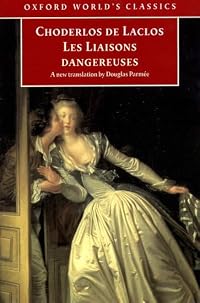
Les Liaisons Dangereuses
by Pierre Choderlos de Laclos
On This Page
Description
The complex moral ambiguities of seduction and revenge make Les Liaisons dangereuses (1782) one of the most scandalous and controversial novels in European literature. The subject of major film and stage adaptations, the novel's prime movers, the Vicomte de Valmont and the Marquise de Merteuil, form an unholy alliance and turn seduction into a game - a game which they must win.This new translation gives Laclos a modern voice, and readers will be able a judge whether the novel is as show more `diabolical' and `infamous' as its critics have claimed, or whether it has much to tell us about the kind of world we ourselves live in. David Coward's introduction explodes myths about Laclos's own life and puts the book in its literary and cultural context. show lessTags
Recommendations

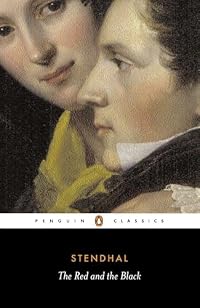
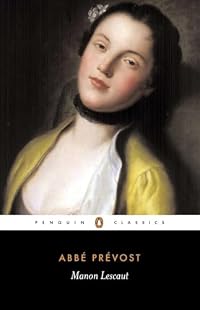
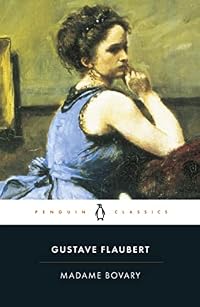
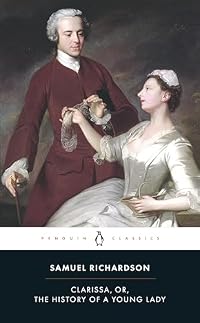

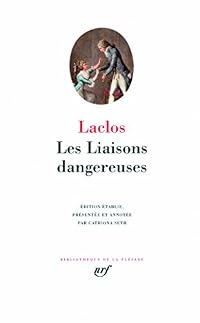







Member Recommendations

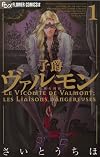
octopedingenue manga adaptation of the book
11

JuliaMaria "Quartett": Ein Schauspiel nach Choderlos de Laclos' Gefährliche Liebschaften bearbeitet
Member Reviews
This is a novel told in letters featuring two of the greatest manipulators ever created, the Vicomte de Valmont and the Marquise de Merteuil. They are a couple of the idle rich in pre-revolutionary France who pass their time in having affairs in a cold-blooded way, to exert power, getting at least as much pleasure out of being cruel to people and subsequently ruining them, as they do in the actual pleasures of the flesh.
Their prey? One is a fifteen year old virgin fresh out of the convent, Cecile Volanges, who has been engaged to be married to an older man. Another is a prim and proper married woman, a “prude”, Madame de Tourvel. Valmont seeks to conquer both with direction and assistance from the Marquise, who also has her sights show more on Danceny, a young man who has fallen in love with Cecile.
Valmont wants to mold Cecile to his fantasies, doing whatever he wants with her, and with such vigor that she will remember him for the rest of her life as her best lover, thus “spoiling her”. However in conquering Madame de Tourvel, he seeks something far worse - he wants to get her to fall in love with him and to submit to him, even though she has been warned about his reputation. Madame de Merteuil, for her part, seeks to control the action of both Valmont and the young innocents, as well as have affairs in ways with men that lead to them disgraced in society, and her reputation unsullied.
They are reptilian allies in pure evil, but while the Marquise condones Valmont’s attempts with Cecile, knowing it’s only physical, she is jealous of Madame de Tourvel, knowing the connection is admiration bordering on love (to the extent Valmont is capable of such an emotion), and because Tourvel is truly rare in her virtue as she holds out. There is thus a tension between the two which lurks in the background for most of the book, and at some point they must clash.
“Les Liaisons Dangereuses” is one of those “morality tales” in that lessons can be derived, but at the same time, it was meant to shock and titillate. In 1782 it was considered pornography and banned, no doubt spurred along with those editions which had been lasciviously illustrated (sadly, this Barnes & Noble Classics is not :p). To the modern reader it’s pretty tame; the sex is only alluded to indirectly, though it may be more powerful as a result.
The book is really about power and seduction in those who are evil, and true love and duty in those who are good, which, while seeming simplistic, held my interest throughout. I found the format of letters to be effective as it allowed emotions to unfold, different perspectives on the same events, and showed the outright two-facedness of the manipulators to be revealed in ways that you might find “delicious”, to use the cliché that seems so fitting here. The letters only get a little slow in repetitiveness in a couple of sections, and I thought the pace was good, though it is a pretty lengthy book. It makes me want to go watch the 1988 Academy Award winning movie of the same name. I was also unaware that the 1999 movie Cruel Intentions was based on the same characters, but it makes sense now.
Quotes:
On love, this from Danceny to Cecile:
“And what have I to tell you, that my eyes, my embarrassment, my conduct and even my silence have not told you already? And why should you take offense at a sentiment to which you have given birth? Emanating from you, it is doubtless worthy to be offered to you; if it is ardent as my soul, it is pure as your own. Shall it be a crime to have known how to appreciate your charming face, your seductive talents, your enchanting graces, and that touching candor which adds inestimable value to qualities already so precious?”
On love, or an affair, denied, from Tourvel to Valmont:
“Loved and esteemed by a husband whom I both love and respect, my duty and my pleasure are centered in the same object. I am happy, I must be so. If pleasures more keen exist, I do not desire them; I would not know them. Can there be any that are sweeter than that of being at peace with oneself, of knowing only days that are serene, of sleeping without trouble and awaking without remorse? What you call happiness is but a tumult of the senses, a tempest of passions of which the mere view from the shore is terrible. Ah! why confront these tempests? How dare embark upon a sea covered with the debris of so many thousand shipwrecks? And with whom? No Monsieur, I stay on the shore; I cherish the bonds which unite me to it. I would not break them if I could; were I not held by them, I should hasten to procure them.”
Later:
“Do not think that absence will ever alter my sentiments for you: how shall I ever succeed in overcoming them, when I have no longer the courage to combat them? You see, I tell you all; I fear less to confess my weakness than to succumb to it; but that control which I have lost over my feelings I shall retain over my actions; yes, I shall retain it, I am resolved, be it at the cost of my life.”
On the passionless, this in a letter from Merteuil to Valmont:
“What a disgrace if you fail! and how little glory even if you succeed! I say more; expect no pleasure from it. Is there ever any with your prudes? I mean those in good faith. Reserved in the very midst of pleasure, they give you but a half enjoyment. That utter self-abandonment, that delirium of joy, where pleasure is purified by excess, those good things of love are not known to them. I warn you: in the happiest supposition, your Presidente will think she has done everything for you, if she treats you as her husband; and in the most tender of conjugal tete-a-tetes you are always two.” show less
Their prey? One is a fifteen year old virgin fresh out of the convent, Cecile Volanges, who has been engaged to be married to an older man. Another is a prim and proper married woman, a “prude”, Madame de Tourvel. Valmont seeks to conquer both with direction and assistance from the Marquise, who also has her sights show more on Danceny, a young man who has fallen in love with Cecile.
Valmont wants to mold Cecile to his fantasies, doing whatever he wants with her, and with such vigor that she will remember him for the rest of her life as her best lover, thus “spoiling her”. However in conquering Madame de Tourvel, he seeks something far worse - he wants to get her to fall in love with him and to submit to him, even though she has been warned about his reputation. Madame de Merteuil, for her part, seeks to control the action of both Valmont and the young innocents, as well as have affairs in ways with men that lead to them disgraced in society, and her reputation unsullied.
They are reptilian allies in pure evil, but while the Marquise condones Valmont’s attempts with Cecile, knowing it’s only physical, she is jealous of Madame de Tourvel, knowing the connection is admiration bordering on love (to the extent Valmont is capable of such an emotion), and because Tourvel is truly rare in her virtue as she holds out. There is thus a tension between the two which lurks in the background for most of the book, and at some point they must clash.
“Les Liaisons Dangereuses” is one of those “morality tales” in that lessons can be derived, but at the same time, it was meant to shock and titillate. In 1782 it was considered pornography and banned, no doubt spurred along with those editions which had been lasciviously illustrated (sadly, this Barnes & Noble Classics is not :p). To the modern reader it’s pretty tame; the sex is only alluded to indirectly, though it may be more powerful as a result.
The book is really about power and seduction in those who are evil, and true love and duty in those who are good, which, while seeming simplistic, held my interest throughout. I found the format of letters to be effective as it allowed emotions to unfold, different perspectives on the same events, and showed the outright two-facedness of the manipulators to be revealed in ways that you might find “delicious”, to use the cliché that seems so fitting here. The letters only get a little slow in repetitiveness in a couple of sections, and I thought the pace was good, though it is a pretty lengthy book. It makes me want to go watch the 1988 Academy Award winning movie of the same name. I was also unaware that the 1999 movie Cruel Intentions was based on the same characters, but it makes sense now.
Quotes:
On love, this from Danceny to Cecile:
“And what have I to tell you, that my eyes, my embarrassment, my conduct and even my silence have not told you already? And why should you take offense at a sentiment to which you have given birth? Emanating from you, it is doubtless worthy to be offered to you; if it is ardent as my soul, it is pure as your own. Shall it be a crime to have known how to appreciate your charming face, your seductive talents, your enchanting graces, and that touching candor which adds inestimable value to qualities already so precious?”
On love, or an affair, denied, from Tourvel to Valmont:
“Loved and esteemed by a husband whom I both love and respect, my duty and my pleasure are centered in the same object. I am happy, I must be so. If pleasures more keen exist, I do not desire them; I would not know them. Can there be any that are sweeter than that of being at peace with oneself, of knowing only days that are serene, of sleeping without trouble and awaking without remorse? What you call happiness is but a tumult of the senses, a tempest of passions of which the mere view from the shore is terrible. Ah! why confront these tempests? How dare embark upon a sea covered with the debris of so many thousand shipwrecks? And with whom? No Monsieur, I stay on the shore; I cherish the bonds which unite me to it. I would not break them if I could; were I not held by them, I should hasten to procure them.”
Later:
“Do not think that absence will ever alter my sentiments for you: how shall I ever succeed in overcoming them, when I have no longer the courage to combat them? You see, I tell you all; I fear less to confess my weakness than to succumb to it; but that control which I have lost over my feelings I shall retain over my actions; yes, I shall retain it, I am resolved, be it at the cost of my life.”
On the passionless, this in a letter from Merteuil to Valmont:
“What a disgrace if you fail! and how little glory even if you succeed! I say more; expect no pleasure from it. Is there ever any with your prudes? I mean those in good faith. Reserved in the very midst of pleasure, they give you but a half enjoyment. That utter self-abandonment, that delirium of joy, where pleasure is purified by excess, those good things of love are not known to them. I warn you: in the happiest supposition, your Presidente will think she has done everything for you, if she treats you as her husband; and in the most tender of conjugal tete-a-tetes you are always two.” show less
I now have three editions of this book even though I don’t enjoy reading it very much. It’s a curious book in that way. The two main characters are just so creepy and despicable but the writing is so good I didn’t want to stop reading. Despite the fact that I know the story well enough that I could have stopped and still written most of this review. That would defeat the purpose of The Whole Book Experience, which is to try to describe the experience of reading a book in a specific edition.
I first experienced Choderlos de Laclos’ masterpiece in the theatre in the ‘80s, where Glenn Close and John Malkovich masterfully acted out the creepiness of the Marquise de Merteuil and the Vicomte de Valmont. The film was uncomfortably show more great, if my memory serves me. I’m not much for film but have promised my partner, who has never seen it, a movie night now that I have two reads of the novel under my belt. My first read was in the very nice 1979 Folio Society edition, itself a reprint of their 1962 edition. At some point I added the 1940 Nonesuch Press edition, found at a used bookstore at a price and condition too good to pass up. Both of these have very nice illustrations, by Raymond Hawthorn and Chas Laborde, respectively.
I saw the Black Sun edition at the San Francisco Antiquarian Book Fair when I was in the city for CODEX 2011. The decadence of Alistair’s illustrations seemed to me to be a perfect match for the story. I passed on that particular copy and didn’t see another until I found my copy ten years later. My recollection is that that first copy I saw was paper-wrapped and so I believed that was how they were all bound. The copy I have is hardbound and I was told it was the original binding. The colophon is no help with the binding and I couldn’t find much information on how this state was originally bound.
The mystery, idiosyncrasies, and drama of the Black Sun Press itself also makes this book interesting. The press was founded in Paris in 1927 by Caresse and Harry Crosby. I would have to say Caresse seemed to be the main progenitor and impetus behind the press and its legacy, while also having other curious achievements like having one of the earliest patents on the brassiere and being an early producer of and believer in paperback books. Harry contributed for two years before killing himself in a suicide pact with one of his lovers, fittingly in the same year as les liaisons dangereuses came out. Caresse kept the press in operation until she died in 1970, although output was pretty sparse by then. Still, with authors like James Joyce, Hart Crane, Marcel Proust, D.H. Lawrence, Hemingway, and Faulkner in her portfolio, that’s pretty impressive.
Finally having the Black Sun edition made me enjoy a re-read much more than I might have otherwise. While the Moirans paper isn’t as tactile as some papers, it has a pleasing lined visual aesthetic and a very nice watermark (I have a bit of a watermark fetish along with my tactile love of fine papers). However, the paper is very thin so I had to use great care with my book darts when marking passages and typos. And I used a lot of book darts. Usually I am primarily marking passages I like for one reason or another and want to come back to, or remember, or use in a review, along with a handful of typos. But this edition set a record for the number of typos I’ve ever encountered in a lifetime of reading: 108. In 538 pages. In a modern novel typeset and proofed on a computer this would be inexcusable. It’s a sign of how much I like everything else about this edition that I could tolerate and even be amused as the typo count grew during my reading. There were also occasional vertical lines next to a letter that may have been from worn or uneven type. So I have to say the edition is a far cry from books by a press that Wikipedia describes as having a reputation for producing “typographically flawless editions”.
The large page size at 8.5 x 11” allowed for generous margins making it an easy read despite the relatively small font size. Chapter headings and first initials in red were a nice but ironic choice for the “love” story. The binding is a smooth, finely woven purple bookcloth stamped in gold gilt lettering and then paper-wrapped in a dust jacket also printed in two colors.
While there is no supplemental material in the Black Sun edition, there is a lot of insight to be gained into both the book and the author in the Introduction to the Folio Society edition and the Preface to the Nonesuch Press edition, by Richard Adlington and André Gide, respectively. While not much seems to be reliably known about Laclos as a person, Aldington writes that
"He belonged to the petite noblesse, the minor ‘gentry’ of France, who were exploited by the ancient régime because they were poor, proud and patriotic and who received their reward under the Revolution too often in the shape of imprisonment and the guillotine."
And that les liaisons dangereuses was written during his posting in Aix but was based on his experiences and observances in a previous posting in Grenoble. He writes further that the
" … book was the revenge of a disappointed man of genius, fretting against a system which condemned him to obscurity and monotonous routine in a subaltern position."
He was a career military man who adapted to the rapidly changing winds of fortune in France: joining the army before the Revolution, a Freemason, an Orleanist, a republican, a Bonapartist, etc. It’s seems as surprising as if Oliver North wrote one literary book that was good enough to still be read hundreds of years later.
In Gide’s Preface, he makes no bones about what he thinks of the book:
"And so, every summer, I read over again a few great books, books sanctified by the admiration of several generations, to find in them, almost always, virtues unseen before. I appreciate them no less than I did at the first reading, though not always for the same reasons as then…I have little use for conventional pieties, and insist on my right to hold nothing as established unless I have first of all put it to the test for myself.
Well, Laclos’ book stands the test. Re-reading it confirms my view of its importance, and convinces me that it well deserves to be held in high esteem."
He further makes the observation that
"Yet this book, diabolical as its inspiration is, turns out, like every work of profound observation and exact expression, to contain, without the author’s desire, much more instruction on morals than many a well-intentioned treatise."
As for my feeling about the novel, especially in this Black Sun edition, I’ll just let a quote from the book sum up my feelings:
“Adieu. I love you nevertheless, just as much as though you were reasonable.”
AVAILABILITY: Good luck and have patience. In the meantime my Nonesuch Press was less than $20 and my Folio Society not much more, I believe.
For this review complete with photos check out my blog THE WHOLE BOOK EXPERIENCE show less
I first experienced Choderlos de Laclos’ masterpiece in the theatre in the ‘80s, where Glenn Close and John Malkovich masterfully acted out the creepiness of the Marquise de Merteuil and the Vicomte de Valmont. The film was uncomfortably show more great, if my memory serves me. I’m not much for film but have promised my partner, who has never seen it, a movie night now that I have two reads of the novel under my belt. My first read was in the very nice 1979 Folio Society edition, itself a reprint of their 1962 edition. At some point I added the 1940 Nonesuch Press edition, found at a used bookstore at a price and condition too good to pass up. Both of these have very nice illustrations, by Raymond Hawthorn and Chas Laborde, respectively.
I saw the Black Sun edition at the San Francisco Antiquarian Book Fair when I was in the city for CODEX 2011. The decadence of Alistair’s illustrations seemed to me to be a perfect match for the story. I passed on that particular copy and didn’t see another until I found my copy ten years later. My recollection is that that first copy I saw was paper-wrapped and so I believed that was how they were all bound. The copy I have is hardbound and I was told it was the original binding. The colophon is no help with the binding and I couldn’t find much information on how this state was originally bound.
The mystery, idiosyncrasies, and drama of the Black Sun Press itself also makes this book interesting. The press was founded in Paris in 1927 by Caresse and Harry Crosby. I would have to say Caresse seemed to be the main progenitor and impetus behind the press and its legacy, while also having other curious achievements like having one of the earliest patents on the brassiere and being an early producer of and believer in paperback books. Harry contributed for two years before killing himself in a suicide pact with one of his lovers, fittingly in the same year as les liaisons dangereuses came out. Caresse kept the press in operation until she died in 1970, although output was pretty sparse by then. Still, with authors like James Joyce, Hart Crane, Marcel Proust, D.H. Lawrence, Hemingway, and Faulkner in her portfolio, that’s pretty impressive.
Finally having the Black Sun edition made me enjoy a re-read much more than I might have otherwise. While the Moirans paper isn’t as tactile as some papers, it has a pleasing lined visual aesthetic and a very nice watermark (I have a bit of a watermark fetish along with my tactile love of fine papers). However, the paper is very thin so I had to use great care with my book darts when marking passages and typos. And I used a lot of book darts. Usually I am primarily marking passages I like for one reason or another and want to come back to, or remember, or use in a review, along with a handful of typos. But this edition set a record for the number of typos I’ve ever encountered in a lifetime of reading: 108. In 538 pages. In a modern novel typeset and proofed on a computer this would be inexcusable. It’s a sign of how much I like everything else about this edition that I could tolerate and even be amused as the typo count grew during my reading. There were also occasional vertical lines next to a letter that may have been from worn or uneven type. So I have to say the edition is a far cry from books by a press that Wikipedia describes as having a reputation for producing “typographically flawless editions”.
The large page size at 8.5 x 11” allowed for generous margins making it an easy read despite the relatively small font size. Chapter headings and first initials in red were a nice but ironic choice for the “love” story. The binding is a smooth, finely woven purple bookcloth stamped in gold gilt lettering and then paper-wrapped in a dust jacket also printed in two colors.
While there is no supplemental material in the Black Sun edition, there is a lot of insight to be gained into both the book and the author in the Introduction to the Folio Society edition and the Preface to the Nonesuch Press edition, by Richard Adlington and André Gide, respectively. While not much seems to be reliably known about Laclos as a person, Aldington writes that
"He belonged to the petite noblesse, the minor ‘gentry’ of France, who were exploited by the ancient régime because they were poor, proud and patriotic and who received their reward under the Revolution too often in the shape of imprisonment and the guillotine."
And that les liaisons dangereuses was written during his posting in Aix but was based on his experiences and observances in a previous posting in Grenoble. He writes further that the
" … book was the revenge of a disappointed man of genius, fretting against a system which condemned him to obscurity and monotonous routine in a subaltern position."
He was a career military man who adapted to the rapidly changing winds of fortune in France: joining the army before the Revolution, a Freemason, an Orleanist, a republican, a Bonapartist, etc. It’s seems as surprising as if Oliver North wrote one literary book that was good enough to still be read hundreds of years later.
In Gide’s Preface, he makes no bones about what he thinks of the book:
"And so, every summer, I read over again a few great books, books sanctified by the admiration of several generations, to find in them, almost always, virtues unseen before. I appreciate them no less than I did at the first reading, though not always for the same reasons as then…I have little use for conventional pieties, and insist on my right to hold nothing as established unless I have first of all put it to the test for myself.
Well, Laclos’ book stands the test. Re-reading it confirms my view of its importance, and convinces me that it well deserves to be held in high esteem."
He further makes the observation that
"Yet this book, diabolical as its inspiration is, turns out, like every work of profound observation and exact expression, to contain, without the author’s desire, much more instruction on morals than many a well-intentioned treatise."
As for my feeling about the novel, especially in this Black Sun edition, I’ll just let a quote from the book sum up my feelings:
“Adieu. I love you nevertheless, just as much as though you were reasonable.”
AVAILABILITY: Good luck and have patience. In the meantime my Nonesuch Press was less than $20 and my Folio Society not much more, I believe.
For this review complete with photos check out my blog THE WHOLE BOOK EXPERIENCE show less
My first reread of the year was this 18th century scandalous classic. The book is entirely epistolary, which I always think is impressive for an author to manage. They have to work out location, keeping characters apart so that letters are necessary, and also create a unique voice for each character. I think Laclos does a very good job with this. He creates characters that are "evil" but also have so much life and wit that you can't help enjoying them. Both times I read this, I was actually sort of sad at the ending, where everyone sort of gets what is coming to them.
I do think the book drags a bit in the middle, and the letters between Valmont and the righteous Presidente de Tourvel are intolerably annoying. But the Marquise de show more Merteuil is fabulous even though she's trying to ruin lives, and I also love the innocent but life-loving Cecile Volanges.
A 250 year old book that is still highly readable and still salacious today is well worth reading in my opinion. show less
I do think the book drags a bit in the middle, and the letters between Valmont and the righteous Presidente de Tourvel are intolerably annoying. But the Marquise de show more Merteuil is fabulous even though she's trying to ruin lives, and I also love the innocent but life-loving Cecile Volanges.
A 250 year old book that is still highly readable and still salacious today is well worth reading in my opinion. show less
I might never have read this book if I hadn't joined a book club, and I really would have missed out. I'd expected to have to slog my way through, but not at all. I was drawn in right from the beginning.
The aristocratic Marquise de Merteuil and Vicomte de Valmont were once lovers, and have remained friends. They take pride in their heartlessness and amuse themselves by seducing and ruining the vain, the naive and the virtuous. To please the Marquise, who wants revenge on a former lover, Valmont carries out a campaign to seduce the ex-lover's fifteen year-old fiancee, Cecile, who has just left the convent. Normally the daughters of the aristocracy remain cloistered in the convent right up until the last moment, but Cecile is at her show more mother's house because the wedding has been postponed, so she is at risk. On his own account, Valmont plans to seduce the Presidente Tourval, a virtuous, religious woman.
This is an epistolary novel. Valmont and Merteuil plan their detailed, long-range, intricate campaigns by letter and manage to get hold of their victims' letters as well, so they can measure their progress, plan their next moves, and amuse themselves at their victims' naivete. At the same time, Valmont and Merteuil are trying to manipulate and dominate one another, and this is what leads to their downfall.
I read the Penguin Classic edition, translated by Helen Considine. Very easy to read. show less
The aristocratic Marquise de Merteuil and Vicomte de Valmont were once lovers, and have remained friends. They take pride in their heartlessness and amuse themselves by seducing and ruining the vain, the naive and the virtuous. To please the Marquise, who wants revenge on a former lover, Valmont carries out a campaign to seduce the ex-lover's fifteen year-old fiancee, Cecile, who has just left the convent. Normally the daughters of the aristocracy remain cloistered in the convent right up until the last moment, but Cecile is at her show more mother's house because the wedding has been postponed, so she is at risk. On his own account, Valmont plans to seduce the Presidente Tourval, a virtuous, religious woman.
This is an epistolary novel. Valmont and Merteuil plan their detailed, long-range, intricate campaigns by letter and manage to get hold of their victims' letters as well, so they can measure their progress, plan their next moves, and amuse themselves at their victims' naivete. At the same time, Valmont and Merteuil are trying to manipulate and dominate one another, and this is what leads to their downfall.
I read the Penguin Classic edition, translated by Helen Considine. Very easy to read. show less
— Por enquanto, para ser breve, basta parafrasear o posfácio do Carlos Drummond ao traduzir o Laclos: "E como escrevia bem esse danado…".
— A sequência narrativa final, a sucessão de cartas, bilhetes, cenas e imagens, é acelerada e impactante, ao ponto de fazer o leitor devorar todas as correspondências com avidez, buscando aquele nome, aquele remetente específico, aquela voz tão próxima e agora tão diversa.
Ao fechar o livro, a única reclamação que tenho é que tão imerso fiquei na história que queria mais cartas do Visconde e da Marquesa, estes foram tão estilisticamente superiores, moralmente amórficos, narrativamente instigantes, que em certas partes tornavam todas as outras cartas (e personagens) menos show more palatáveis. Mas, mesmo isso, na sequência final, é corrigido pelo Laclos, onde a situação em que se encontram todos nossos atores, faz com que todas as cartas, de todas personagens, tornem-se igualmente importantes, e um pequeno bilhete, ou o devolvimento de uma carta meramente riscada, tornem-se impactativas e grandiosas.
Uma em específico me pegou bastante, para não entrar muito em detalhes aqui, é uma carta fruto de um delírio, destinada à ninguém em específico, mas, ao mesmo tempo a todos; onde uma confissão reveladora é suprimida não por medo da repreensão, mas por medo de uma possibilidade de perdão.
Literatura finíssima, da mais alta qualidade. Provavelmente o melhor que lerei no ano.
Anotações Anteriores:
— Fim da Parte Terceira
— Esse livro realçou e sublinhou algo que em mim já ia consolidando-se: quando se trata da arte literária, o tema é uma unha, uma cutícula, uma epiderme. Não há temas superiores, não há necessidade de temas grandiosos ou grandiloquentes, basta um bom estilo e uma boa forma.
Se eu, delegando a leitura, buscasse por uma sinopse, resumo ou recomendação desse livro aqui, dado sua temática, que me interessa minimamente, eu passaria reto pela prateleira sem nem olhar para os lados; se acrescentassem que além do jogo de sedução, tratasse também de corrupção, ambiguidade, hipocrisia moral e social, eu viraria a cabeça para vê-lo, mas, ainda sim manteria a distância; e perderia um livro ímpar. Depender somente do interesse é um erro.
É lendo-o — não diga… — que ele se sobressaí, é no estilo meticulosamente cravejado do Laclos, moldando-se e adequado-se a cada voz, a cada carta, a cada sentimento que se sobressaí, a cada olhar frio e ação manipuladora. Um criado, por exemplo, que além de uma breve citação na primeira ou segunda parte, passa-se por totalmente trivial, quando o Laclos mostra uma primeira carta sua, no entanto, o homem adquire uma voz singular e uma personalidade vívida, sem exposição ou descrição, numa resposta de trabalho formal!; revela astúcia, revela subordinação, mas não submissão, revela — ao recusar a ordem de se infiltrar na criadagem de uma Presidenta — esnobismo para com outros criados da noblesse de robe (nobreza adquirida), serviçais de hierarquia inferior e uniforme específico, que ele recusa em ultimato a vestir; é quase um indicativo claro, quando permanece mesmo que ligeiramente na mão do Laclos, a persoagem adquire se não potência, camadas.
E nisso me refiro a só uma carta, de uma personagem, digamos que, menos que secundário. Não há nem como entrar, com brevidade, no Visconde e na Marquesa, que nesse ponto, você já começa a pegar não só a dicção, mas o caráter enganoso da linguagem libertina que ambos utilizam, irônica, dissimuladora; ou, quando trocam de voz intencionalmente, a fim de enganar e manipular; ou quando tornam-se grandiosos, heroicos, mitológicos, e religiosamente eloquentes para narrar suas conquistas, contrapondo, no caso do Visconde, um ato vil com uma linguagem fina; ou ainda, estratégicos, maquiavélicos, racionalistas, engenhosos e meticulosos, para narrar seus planos e inclinações.
- Queria entrar em detalhe de uma cena específica dessa parte três, um abuso, que feita uma leitura enviesada, não levando as nuances em consideração, pode ser bastante problemática. Mas, já divaguei demais e deixo aqui marcado para expandir essa questão quando for escrever a resenha em si.
— Fim da parte dois; duzentas páginas adentro.
— É como se O Príncipe de Maquiável se encontrasse com A Arte da Guerra do Sun Tzu, só que pautando, em vez da guerra, as relações amorosas e desejosas da burguesia francesa. A história de corrupção, dissimulação, sedução, narrada em epístolas, a primeira vista, não me atraiu nenhum pouco. No entanto, a condução do Laclos, sua maneira de encadear e construir cenas, remontá-las, recriá-las, tudo a partir de diminutas cartas em primeira pessoa (com algumas ligeiras intromissões do Laclos-Editor); e a sua escrita carregada, mas elegante, cheia de minúcias, tornam a leitura muito prazerosa, apesar de certa repetição.
— Sinceramente, não fosse pelo estilo do Laclos, eu não passaria das primeiras vinte páginas, ou das primeiras cartas excessivamente românticas e blasés dos adolescentes ingênuos que tornam-se joguetes nas mãos dos personagens principais. No entanto, a escrita é tão boa, que me deixo conduzir pelo autor, e seja lá o que venha adiante e para onde ele levará o enredo, sei que dificilmente vai ser ruim. Ele sabe o que está fazendo, isso fica claro.
— As duas cenas mais memoráveis dessa primeira parte, são, a primeira, uma carta afetada e cheia de duplo-sentido, onde o Laclos monta uma cena aos pedaços para que o leitor reconstrua, a partir de correspondências anteriores, todo um cenário e situação específica em que essa carta foi escrita: uma personagem que declara seu amor à uma outra mulher enquanto utiliza as nádegas de uma prostituta como “mesa” para grafia.
A segunda, é quando uma personagem recebe uma carta, e temos toda a descrição do espanto, vergonha, raiva, e outras emoções sentidas ao lê-la. Temos também, a descrição do observador que também é o correspondente; e em seguida, lemos a mesma carta, isolada, vemos seu conteúdo, e remontamos a imagem mental, remontamos perfeitamente a cena através do seu conteúdo, numa união de forma e estilo potencialmente fortíssima, que você só pega quando em fluxo com o livro.
— A sequência narrativa final, a sucessão de cartas, bilhetes, cenas e imagens, é acelerada e impactante, ao ponto de fazer o leitor devorar todas as correspondências com avidez, buscando aquele nome, aquele remetente específico, aquela voz tão próxima e agora tão diversa.
Ao fechar o livro, a única reclamação que tenho é que tão imerso fiquei na história que queria mais cartas do Visconde e da Marquesa, estes foram tão estilisticamente superiores, moralmente amórficos, narrativamente instigantes, que em certas partes tornavam todas as outras cartas (e personagens) menos show more palatáveis. Mas, mesmo isso, na sequência final, é corrigido pelo Laclos, onde a situação em que se encontram todos nossos atores, faz com que todas as cartas, de todas personagens, tornem-se igualmente importantes, e um pequeno bilhete, ou o devolvimento de uma carta meramente riscada, tornem-se impactativas e grandiosas.
Uma em específico me pegou bastante, para não entrar muito em detalhes aqui, é uma carta fruto de um delírio, destinada à ninguém em específico, mas, ao mesmo tempo a todos; onde uma confissão reveladora é suprimida não por medo da repreensão, mas por medo de uma possibilidade de perdão.
Literatura finíssima, da mais alta qualidade. Provavelmente o melhor que lerei no ano.
Anotações Anteriores:
— Fim da Parte Terceira
— Esse livro realçou e sublinhou algo que em mim já ia consolidando-se: quando se trata da arte literária, o tema é uma unha, uma cutícula, uma epiderme. Não há temas superiores, não há necessidade de temas grandiosos ou grandiloquentes, basta um bom estilo e uma boa forma.
Se eu, delegando a leitura, buscasse por uma sinopse, resumo ou recomendação desse livro aqui, dado sua temática, que me interessa minimamente, eu passaria reto pela prateleira sem nem olhar para os lados; se acrescentassem que além do jogo de sedução, tratasse também de corrupção, ambiguidade, hipocrisia moral e social, eu viraria a cabeça para vê-lo, mas, ainda sim manteria a distância; e perderia um livro ímpar. Depender somente do interesse é um erro.
É lendo-o — não diga… — que ele se sobressaí, é no estilo meticulosamente cravejado do Laclos, moldando-se e adequado-se a cada voz, a cada carta, a cada sentimento que se sobressaí, a cada olhar frio e ação manipuladora. Um criado, por exemplo, que além de uma breve citação na primeira ou segunda parte, passa-se por totalmente trivial, quando o Laclos mostra uma primeira carta sua, no entanto, o homem adquire uma voz singular e uma personalidade vívida, sem exposição ou descrição, numa resposta de trabalho formal!; revela astúcia, revela subordinação, mas não submissão, revela — ao recusar a ordem de se infiltrar na criadagem de uma Presidenta — esnobismo para com outros criados da noblesse de robe (nobreza adquirida), serviçais de hierarquia inferior e uniforme específico, que ele recusa em ultimato a vestir; é quase um indicativo claro, quando permanece mesmo que ligeiramente na mão do Laclos, a persoagem adquire se não potência, camadas.
E nisso me refiro a só uma carta, de uma personagem, digamos que, menos que secundário. Não há nem como entrar, com brevidade, no Visconde e na Marquesa, que nesse ponto, você já começa a pegar não só a dicção, mas o caráter enganoso da linguagem libertina que ambos utilizam, irônica, dissimuladora; ou, quando trocam de voz intencionalmente, a fim de enganar e manipular; ou quando tornam-se grandiosos, heroicos, mitológicos, e religiosamente eloquentes para narrar suas conquistas, contrapondo, no caso do Visconde, um ato vil com uma linguagem fina; ou ainda, estratégicos, maquiavélicos, racionalistas, engenhosos e meticulosos, para narrar seus planos e inclinações.
- Queria entrar em detalhe de uma cena específica dessa parte três, um abuso, que feita uma leitura enviesada, não levando as nuances em consideração, pode ser bastante problemática. Mas, já divaguei demais e deixo aqui marcado para expandir essa questão quando for escrever a resenha em si.
— Fim da parte dois; duzentas páginas adentro.
— É como se O Príncipe de Maquiável se encontrasse com A Arte da Guerra do Sun Tzu, só que pautando, em vez da guerra, as relações amorosas e desejosas da burguesia francesa. A história de corrupção, dissimulação, sedução, narrada em epístolas, a primeira vista, não me atraiu nenhum pouco. No entanto, a condução do Laclos, sua maneira de encadear e construir cenas, remontá-las, recriá-las, tudo a partir de diminutas cartas em primeira pessoa (com algumas ligeiras intromissões do Laclos-Editor); e a sua escrita carregada, mas elegante, cheia de minúcias, tornam a leitura muito prazerosa, apesar de certa repetição.
— Sinceramente, não fosse pelo estilo do Laclos, eu não passaria das primeiras vinte páginas, ou das primeiras cartas excessivamente românticas e blasés dos adolescentes ingênuos que tornam-se joguetes nas mãos dos personagens principais. No entanto, a escrita é tão boa, que me deixo conduzir pelo autor, e seja lá o que venha adiante e para onde ele levará o enredo, sei que dificilmente vai ser ruim. Ele sabe o que está fazendo, isso fica claro.
— As duas cenas mais memoráveis dessa primeira parte, são, a primeira, uma carta afetada e cheia de duplo-sentido, onde o Laclos monta uma cena aos pedaços para que o leitor reconstrua, a partir de correspondências anteriores, todo um cenário e situação específica em que essa carta foi escrita: uma personagem que declara seu amor à uma outra mulher enquanto utiliza as nádegas de uma prostituta como “mesa” para grafia.
A segunda, é quando uma personagem recebe uma carta, e temos toda a descrição do espanto, vergonha, raiva, e outras emoções sentidas ao lê-la. Temos também, a descrição do observador que também é o correspondente; e em seguida, lemos a mesma carta, isolada, vemos seu conteúdo, e remontamos a imagem mental, remontamos perfeitamente a cena através do seu conteúdo, numa união de forma e estilo potencialmente fortíssima, que você só pega quando em fluxo com o livro.
Much more complicated and subtle than I expected: this isn't just 18th century titillation, but a very clever epistolary novel in which the letters become an integral part of the story themselves, as characters use them to trick, cajole and blackmail each other. None of the letters is just there to advance the narrative: there's always a hidden motive of some kind for the reader to decode. Unlike some 18th century novels, the plot is quite tightly constructed: the form keeps the reader's attention focussed on the two interlinked seduction stories and does away with the need for extensive descriptions and back-story. Nonetheless, we have to go through quite a few psychological twists and turns before we come to the resolution. On the show more way, there are a lot of good jokes, some (like Cécile's mistake in Letter I) pure slapstick, others more deeply buried in the double-meanings of the letters. The story gives you a very bleak view of human nature, though, that the rather unconvincingly moral ending does nothing to correct. I suppose that goes with the territory: libertinism seems to be the necessary corollary of enlightenment rationalism. show less
On one level, 'Dangerous Liaisons' is a very entertaining soap opera. Whilst caught up in the scandalous intrigues taking place, I couldn't help wondering if I was reading the 18th century Hollyoaks. Of course, Laclos is a wonderful writer and the novel has much a good deal more subtlety than that. It can be enjoyed both for the naughty goings-on and for the moral and political implications; this is a novel set amongst a class with nothing to do but write letters, hunt, and have illicit sex with one another. Moreover, the moral ambivalence is interesting. I found myself admiring the Machiavellian scheming of the Marquise de Merteuil, who in another life would have made a very dangerous politician. Her philosophy of life seems show more quasi-justifiable, given the constraints placed on women in the 18th century. On the other hand, she plots and condones some awful behaviour, including at least one so-called seduction that we would now just call rape.
This novel is perhaps the most effective use of epistolary format that I've ever read. It's very striking to view the same incident from multiple angles and perceive the ways in which characters deceive one another. Laclos also managed somehow to imply that even the characters who are ostensibly innocent or not intentionally deceptive are deceiving themselves, if not others too. The novel presents a variety of perspectives on love and sex, some more contemporary-seeming than others. Amongst the seven or so main voices, there is no consensus and no-one is wholly sympathetic or unsympathetic. I'd say that Valmont is the least sympathetic, though.
I can very well see why 'Dangerous Liaisons' was shocking when first published. It's still shocking now, albeit for somewhat different reasons. I found it darkly hilarious, intensely melodramatic, and narratively satisfying. It's weathered the last two centuries years extremely well. show less
This novel is perhaps the most effective use of epistolary format that I've ever read. It's very striking to view the same incident from multiple angles and perceive the ways in which characters deceive one another. Laclos also managed somehow to imply that even the characters who are ostensibly innocent or not intentionally deceptive are deceiving themselves, if not others too. The novel presents a variety of perspectives on love and sex, some more contemporary-seeming than others. Amongst the seven or so main voices, there is no consensus and no-one is wholly sympathetic or unsympathetic. I'd say that Valmont is the least sympathetic, though.
I can very well see why 'Dangerous Liaisons' was shocking when first published. It's still shocking now, albeit for somewhat different reasons. I found it darkly hilarious, intensely melodramatic, and narratively satisfying. It's weathered the last two centuries years extremely well. show less
Members
- Recently Added By
Published Reviews
ThingScore 100
35 livres cultes à lire au moins une fois dans sa vie
Quels sont les romans qu'il faut avoir lu absolument ? Un livre culte qui transcende, fait réfléchir, frissonner, rire ou pleurer… La littérature est indéniablement créatrice d’émotions. Si vous êtes adeptes des classiques, ces titres devraient vous plaire.
De temps en temps, il n'y a vraiment rien de mieux que de se poser devant show more un bon bouquin, et d'oublier un instant le monde réel. Mais si vous êtes une grosse lectrice ou un gros lecteur, et que vous avez épuisé le stock de votre bibliothèque personnelle, laissez-vous tenter par ces quelques classiques de la littérature. show less
Quels sont les romans qu'il faut avoir lu absolument ? Un livre culte qui transcende, fait réfléchir, frissonner, rire ou pleurer… La littérature est indéniablement créatrice d’émotions. Si vous êtes adeptes des classiques, ces titres devraient vous plaire.
De temps en temps, il n'y a vraiment rien de mieux que de se poser devant show more un bon bouquin, et d'oublier un instant le monde réel. Mais si vous êtes une grosse lectrice ou un gros lecteur, et que vous avez épuisé le stock de votre bibliothèque personnelle, laissez-vous tenter par ces quelques classiques de la littérature. show less
added by Joop-le-philosophe
Martin de Haan, die eerder onder meer het werk van Houellebecq en Kundera vertaalde, maakt het boek onder de titel Riskante relaties levendiger en spannender dan het tevoren in het Nederlands ooit was. Dit komt vooral doordat hij er, veel meer dan Adriaan Morriën die de tot nu toe bekendste vertaling maakte, verbluffend goed in slaagt de zeven heel verschillende personages die de brieven show more schrijven, tot leven te wekken. show less
added by Jozefus
Les Liaisons dangereuses is not only a terrifying portrayal of high society, of a ruling class who have ceased to rule, it is one of the world's finest novels, as well as a dramatic presentation of a mature and analytic philosophy of the nature of evil and the interactions of human motivations. After this one book, a pivot in the history of the novel, things could never be the same again, not show more at least for any novelist who read and understood it...
It is all so elegant. Even the priests and nuns are elegant, but of course the devils are the most elegant of all. In the end they have nothing else, and then that is destroyed. What destroys them is their rivalry in evil. Unlike Milton's Hell, there is hierarchy in this human one, Lucifer and Beelzebub, male and female, ex-lovers who have already violated each other's pride, are enemies, each hiding hate from the other. The instrument of their destruction is their reason. They are Socrates' or Diderot's fully rational human beings. They use their reason to destroy others and are at last destroyed by their own irrationality—something they did not beheve existed. show less
It is all so elegant. Even the priests and nuns are elegant, but of course the devils are the most elegant of all. In the end they have nothing else, and then that is destroyed. What destroys them is their rivalry in evil. Unlike Milton's Hell, there is hierarchy in this human one, Lucifer and Beelzebub, male and female, ex-lovers who have already violated each other's pride, are enemies, each hiding hate from the other. The instrument of their destruction is their reason. They are Socrates' or Diderot's fully rational human beings. They use their reason to destroy others and are at last destroyed by their own irrationality—something they did not beheve existed. show less
added by SnootyBaronet
Lists

1001 Books You Must Read Before You Die
1,448 works; 1,132 members

The Guardian's 1000 Novels Everyone Must Read
1,005 works; 546 members

Best of French Literature
138 works; 27 members

The Telegraph's 110 Best Books: The Perfect Library
101 works; 18 members

100 Books to Read in a Lifetime (That Are Older Than 200 Years)
415 works; 175 members

Favourite Books
1,817 works; 316 members

18th Century
42 works; 12 members

The Guardian's 100 greatest novels of all time
100 works; 16 members

Favorite Literary Love Stories
182 works; 100 members

French Books
102 works; 15 members

Epistolary Books
105 works; 27 members

Harold Bloom - The Western Canon: B. The Aristocratic Age
231 works; 13 members
Books I've Read More Than Once
602 works; 49 members

Top Five Books of 2020
982 works; 350 members

Western World's Greatest Books - Project Gutenberg
295 works; 15 members

Blue Pyramid 1,276 Best Books of All Time
1,248 works; 32 members

Best Revenge Stories
69 works; 9 members
LibraryThingers' 1001 Books You Must Read Before You Die
442 works; 30 members

Watched the Movie, Probably Won't Read the Book
185 works; 34 members

1,001 BYMRBYD Concensus
723 works; 27 members

Best Antiheroes and Antiheroines
119 works; 7 members
Love Triangles in Literature
108 works; 14 members
Five star books
1,755 works; 108 members

The Greatest Books
99 works; 5 members

Books Read in 2016
4,666 works; 197 members

Books Read in 2023
5,547 works; 144 members
Lamont's Hundred Best Novels (1947)
100 works; 4 members

Books Read in 2017
4,249 works; 130 members

Erotic Fiction
53 works; 4 members

Romans
49 works; 1 member

SHOULD Read Books!
354 works; 9 members

Books Read in 2022
5,164 works; 113 members
Literature About Adultery
69 works; 10 members

.
194 works; 2 members

The 150 Greatest Novels of All Time
150 works; 6 members

Mustich's 1000 Books to Read Before You Die: A Life Changing List
1,001 works; 18 members

DigitalDreamDoor top 300
300 works; 4 members

.
396 works; 1 member

Top Five Books of 2023
767 works; 317 members

Take Four Books
131 works; 1 member

Favorite Epistolary Fiction
143 works; 144 members

Greatest Books, allegedly
484 works; 9 members

A Reading List
100 works; 3 members

Anti-heroines in fiction
59 works; 9 members

KayStJ's to-read list
1,616 works; 11 members

Unshelved Book Clubs
579 works; 5 members
Folio Society
831 works; 53 members
Unread books
1,063 works; 87 members

Best of World Literature
431 works; 51 members
Talk Discussions
Past Discussions
Les Liaisons Dangereuses - translations in Book talk (November 2011)
Group Read: Dangerous Liaisons in 1001 Books to read before you die (August 2009)
Author Information

31+ Works 7,519 Members
All Editions
Some Editions
Awards and Honors
Awards
Notable Lists
Series
Belongs to Publisher Series
Livre Club du libraire (vol. 6)
insel taschenbuch (0012)
detebe-Klassiker (21271)
Prisma Klassieken (31)
Clube de Literatura Clássica (CLC) (52 [August 2024])
La sonrisa vertical (62)
Amstelboeken (180-181)
Medallion Penguin Classics (L116)
A tot vent (272)
Libro amigo [Bruguera] (916)
Literaire reuzenpocket (297)
Grote ABC (666)
Penguin Classics (L116)
Gallimard, Folio (77-894)
Work Relationships
Is contained in
Contains
Has the adaptation
Is abridged in
Inspired
Has as a study
Has as a commentary on the text
Has as a student's study guide
Common Knowledge
- Canonical title
- Les Liaisons Dangereuses
- Original title
- Les liaisons dangereuses
- Alternate titles
- Valmont; Dangerous Liaisons; Dangerous Acquaintances
- Original publication date
- 1782
- People/Characters
- Marquise de Merteuil; Vicomte de Valmont; Madame de Tourvel; Cecile de Volanges; Chevalier Danceny
- Important places
- Paris, France
- Related movies
- Les liaisons dangereuses (1959 | IMDb); Dangerous Liaisons (1997 | IMDb); Dangerous Liaisons (1988 | IMDb); Valmont (1989 | IMDb); Cruel Intentions (1999 | IMDb); Les liaisons dangereuses (2003 | IMDb)
- Epigraph*
- Ik heb de zeden van mijn tijd gezien en deze brieven openbaar gemaakt. – J.-J. Rousseau, voorwoord bij Julie ou La Nouvelle Héloïse
- First words
- Well, Sophie dear, as you see, I'm keeping my word and not spending all my time on bonnets and bows, I'll always have some to spare for you!
- Quotations
- I was amazed at the pleasure a good deed can produce and I'm tempted to think that those so-called virtuous people don't deserve quite as much credit as we are invited to believe.
I perceive that it is three o'clock in the morning, and that I have written a volume, with the intention but to write a word. Such is the charm of confident friendship: 'tis on account of that, that you are always he whom I l... (show all)ove the best; but, in truth, the Chevalier pleases me more. - Last words
- (Click to show. Warning: May contain spoilers.)At the moment I feel that our reason, inadequate as it is to warn us of impeding disasters, is even more inadequate to offer us any comfort for them.
- Publisher's editor*
- Allem, Maurice; Seth, Catriona
- Original language
- French
- Disambiguation notice
- Les Liaisons Dangereuses was published under the title Valmont to tie-in with the Milos Forman film. It is the same book and should not be separated.
*Some information comes from Common Knowledge in other languages. Click "Edit" for more information.
Classifications
- Genres
- General Fiction, Fiction and Literature, Romance
- DDC/MDS
- 843.6 — Literature & rhetoric French & related literatures French fiction Revolution and empire 1789–1815
- LCC
- PQ1993 .L22 .L53 — Language and Literature French, Italian, Spanish and Portuguese literatures French literature Modern literature 18th century
- BISAC
Statistics
- Members
- 7,323
- Popularity
- 1,571
- Reviews
- 106
- Rating
- (4.09)
- Languages
- 26 — Catalan, Chinese, Czech, Danish, Dutch, English, Estonian, Finnish, French, German, Greek, Hebrew, Hungarian, Italian, Lithuanian, Norwegian (Bokmål), Polish, Romanian, Russian, Serbian, Slovenian, Spanish, Swedish, Turkish, Portuguese (Portugal), Portuguese (Brazil)
- Media
- Paper, Audiobook, Ebook
- ISBNs
- 332
- UPCs
- 2
- ASINs
- 170