
Jennifer Vanderbes
Author of Easter Island
About the Author
Jennifer Vanderbes was a James McCreight Fellow in Fiction at the University of Wisconsin, and most recently was the Fellow in Creative Writing at Colgate University.
Works by Jennifer Vanderbes
Wonder Drug: The Secret History of Thalidomide in America and Its Hidden Victims (2022) 94 copies, 7 reviews
De hoedendoos 1 copy
The Gatekeeper 1 copy
Child of Mine 1 copy
Associated Works
Tagged
Common Knowledge
- Birthdate
- 1974
- Gender
- female
- Education
- Yale University
Iowa Writers' Workshop - Occupations
- novelist
- Awards and honors
- Guggenheim Fellowship
- Nationality
- USA
- Birthplace
- New York, New York, USA
- Places of residence
- New York, New York, USA
- Associated Place (for map)
- New York, New York, USA
Members
Reviews
Wonder Drug: The Secret History of Thalidomide in America and Its Hidden Victims by Jennifer Vanderbes

A heartbreaking story of the thalidomide scandal, with an emphasis on its impact in the US. The narrative in the US has been that we were lucky to avoid what other countries went through, as the FDA never approved the drug. However, prior to rigorous clinical trial laws, many doctors were given thalidomide and distributed it to thousands of patients. (It was never sold in the US, that's true, but it certainly was given away.)
This book really shows why regulation is important. Without it, show more people do not do the right thing, and that story goes back decades and even centuries. Also, if you were thinking "what kind of pharma shit-show would be complete without the Sacklers?" don't worry, they show up in this book. show less
This book really shows why regulation is important. Without it, show more people do not do the right thing, and that story goes back decades and even centuries. Also, if you were thinking "what kind of pharma shit-show would be complete without the Sacklers?" don't worry, they show up in this book. show less
Wonder Drug: The Secret History of Thalidomide in America and Its Hidden Victims by Jennifer Vanderbes
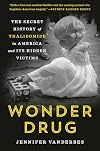
In the 1950s, a German pharmaceutical company, Chemie Grünenthal, created a compound that it claimed could treat a variety of ailments. However, researchers failed to conduct rigorous clinical trials to prove that the product was safe and effective. In 1956, thalidomide was licensed for sale in Germany. In addition, the company distributed their drug to more than forty-six countries. Doctors in America, Canada, Australia, and elsewhere gave it to their patients, family members, and show more colleagues. Numerous expectant mothers who took thalidomide early in their pregnancies gave birth to babies with phocomelia—congenital deformities of the limbs. Other side effects were peripheral neuritis (inflammation of the nerves), paresthesia (a numb or burning sensation similar to pins and needles), sight loss, hearing loss, and damage to internal organs.
In her superbly written, meticulously researched, and heartbreaking work of non-fiction, "Wonder Drug," Jennifer Vanderbes explores how this catastrophe affected Americans. This book contains riveting anecdotes and enlightening background information about the businessmen, researchers, doctors, patients, journalists, and politicians who played key roles in this disastrous tale of greed, negligence, "slapdash science, and corporate callousness." The author explains the meaning of technical terms for the layperson and includes black and white photographs, end notes, a bibliography, and index.
This cautionary tale powerfully reinforces what most of us already know—that every new drug should be thoroughly tested before it receives the government's stamp of approval. Moreover, patients are entitled to informed consent—to know what medicine they are taking and its possible side effects. It is shocking that the drug manufacturers who unleashed thalidomide on an unsuspecting public prioritized sales over safety, and that they repeatedly lied about what they knew and when they knew it. On the other hand, it is heartening that such scrupulous and caring individuals as Dr. Frances Kelsey, a medical reviewer for the Food and Drug Administration, suspected that thalidomide might be dangerous and helped block FDA approval in America. Unfortunately, the William S. Merrell Company gave out samples (under the brand name Kevadon), to more than twelve hundred doctors in the United States. Many of these physicians dispensed thalidomide pills but later denied having done so. Few American victims received compensation from the manufacturer or even an acknowledgement that thalidomide had harmed them. "Wonder Drug" reads like a medical thriller, but it is all too real. We should take its chilling lessons to heart. show less
In her superbly written, meticulously researched, and heartbreaking work of non-fiction, "Wonder Drug," Jennifer Vanderbes explores how this catastrophe affected Americans. This book contains riveting anecdotes and enlightening background information about the businessmen, researchers, doctors, patients, journalists, and politicians who played key roles in this disastrous tale of greed, negligence, "slapdash science, and corporate callousness." The author explains the meaning of technical terms for the layperson and includes black and white photographs, end notes, a bibliography, and index.
This cautionary tale powerfully reinforces what most of us already know—that every new drug should be thoroughly tested before it receives the government's stamp of approval. Moreover, patients are entitled to informed consent—to know what medicine they are taking and its possible side effects. It is shocking that the drug manufacturers who unleashed thalidomide on an unsuspecting public prioritized sales over safety, and that they repeatedly lied about what they knew and when they knew it. On the other hand, it is heartening that such scrupulous and caring individuals as Dr. Frances Kelsey, a medical reviewer for the Food and Drug Administration, suspected that thalidomide might be dangerous and helped block FDA approval in America. Unfortunately, the William S. Merrell Company gave out samples (under the brand name Kevadon), to more than twelve hundred doctors in the United States. Many of these physicians dispensed thalidomide pills but later denied having done so. Few American victims received compensation from the manufacturer or even an acknowledgement that thalidomide had harmed them. "Wonder Drug" reads like a medical thriller, but it is all too real. We should take its chilling lessons to heart. show less
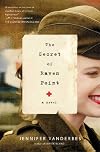
The backstory: I previously loved Strangers at the Feast, so I was eager to read the latest novel by Jennifer Vanderbes.
The basics: When her older brother and best friend goes off to fight in World War II, seventeen-year-old Juliet is devastated. Soon she receives a mysterious letter from him and discovers he's missing in action. Juliet lies about her age and enlists as an Army nurse, with the goal of getting as close to the front as possible so she can find answers about her brother's show more disappearance.
My thoughts: Juliet is a character who intrigued me from the beginning, when we meet her working after school in the science lab. She's smart, driven, and young, and I was curious where life would take her. As she decided to join the war effort, it made sense:
"But Juliet was growing increasingly certain of her intent to leave Charlesport; she did not want to be as Tuck had once described her--a girl who curiously opened every door but never walked through one."
There's a timelessness to such girlhood dreams, and I was most curious how World War II would shape Juliet's life and choices. As the book went on, however, I became less engaged with the characters and their lives. The novel, with flashes of beautiful and poignant writing, turned into a rather ordinary war novel. Perhaps I'm reaching World War I and World War II fatigue, but The Secret of Raven Point failed to distinguish itself from other stories of smart, driven young women who head to the front.
Favorite passage: "That was the arc of life, it seemed; the slow and grateful recognition of those who were, by chance or fate, simply with you."
The verdict: Ultimately, I was disappointed. The Secret of Raven Point is a rather ordinary war novel. While Juliet was a fascinating character to root for, her story felt too familiar. While I appreciate that war itself isn't tied up neatly, I wanted more answers to the questions raised in this novel. show less
The basics: When her older brother and best friend goes off to fight in World War II, seventeen-year-old Juliet is devastated. Soon she receives a mysterious letter from him and discovers he's missing in action. Juliet lies about her age and enlists as an Army nurse, with the goal of getting as close to the front as possible so she can find answers about her brother's show more disappearance.
My thoughts: Juliet is a character who intrigued me from the beginning, when we meet her working after school in the science lab. She's smart, driven, and young, and I was curious where life would take her. As she decided to join the war effort, it made sense:
"But Juliet was growing increasingly certain of her intent to leave Charlesport; she did not want to be as Tuck had once described her--a girl who curiously opened every door but never walked through one."
There's a timelessness to such girlhood dreams, and I was most curious how World War II would shape Juliet's life and choices. As the book went on, however, I became less engaged with the characters and their lives. The novel, with flashes of beautiful and poignant writing, turned into a rather ordinary war novel. Perhaps I'm reaching World War I and World War II fatigue, but The Secret of Raven Point failed to distinguish itself from other stories of smart, driven young women who head to the front.
Favorite passage: "That was the arc of life, it seemed; the slow and grateful recognition of those who were, by chance or fate, simply with you."
The verdict: Ultimately, I was disappointed. The Secret of Raven Point is a rather ordinary war novel. While Juliet was a fascinating character to root for, her story felt too familiar. While I appreciate that war itself isn't tied up neatly, I wanted more answers to the questions raised in this novel. show less
Wonder Drug: The Secret History of Thalidomide in America and Its Hidden Victims by Jennifer Vanderbes
Wonder Drug: The Secret History of Thalidomide in America and Its Hidden Victims by Jennifer Vanderbes is a very highly recommended, thoroughly researched investigation of thalidomide in the US and beyond.
Thalidomide represents a shocking and alarming example of pharmaceutical negligence. Many people know of the severe birth defects suffered by babies in Germany and England when pregnant women were given the supposedly safe thalidomide early in their pregnancies. Few know that in 1959 the show more William S. Merrell Company was distributing samples of it to doctors for clinical trials. The company describing it as a sedative without risks and said that its approval by the Food and Drug Administration was sure to be soon.
However, in 1960 when FDA medical reviewer Frances Kelsey was reviewing the application for thalidomide she wanted more data and testing documentation to prove the many claims being made about the drug. Soon it became clear to her that the research on side effects was shoddy and incomplete. The safety claims were reckless. Then she learned about the severe birth abnormalities abroad. She and other fought to block the authorization of the drug in the USA.
What was not immediately known was that this "wonder drug" was still distributed to thousands of women in the US through the free samples given to doctors. The records of who these doctors gave the thalidomide to were incomplete or nonexistent. Most of the American victims of thalidomide were unknown or unable to prove they were given the drug. The pharmaceutical companies in the USA were never held accountable for the damage their "drug trials" did to people.
Wonder Drug is very well-written investigative journalism. The details are gripping and all of the historical facts are researched and documented. To help readers follow the story of this world-wide big pharma negligence, a list of people involved is in the front of the book so readers can keep all the personalities separate. This is a must-read, especially for those who are interested in history and details concerning a medical scandal of epic proportions.
Disclosure: My review copy was courtesy of Random House via NetGalley.
http://www.shetreadssoftly.com/2023/06/wonder-drug.html show less
Thalidomide represents a shocking and alarming example of pharmaceutical negligence. Many people know of the severe birth defects suffered by babies in Germany and England when pregnant women were given the supposedly safe thalidomide early in their pregnancies. Few know that in 1959 the show more William S. Merrell Company was distributing samples of it to doctors for clinical trials. The company describing it as a sedative without risks and said that its approval by the Food and Drug Administration was sure to be soon.
However, in 1960 when FDA medical reviewer Frances Kelsey was reviewing the application for thalidomide she wanted more data and testing documentation to prove the many claims being made about the drug. Soon it became clear to her that the research on side effects was shoddy and incomplete. The safety claims were reckless. Then she learned about the severe birth abnormalities abroad. She and other fought to block the authorization of the drug in the USA.
What was not immediately known was that this "wonder drug" was still distributed to thousands of women in the US through the free samples given to doctors. The records of who these doctors gave the thalidomide to were incomplete or nonexistent. Most of the American victims of thalidomide were unknown or unable to prove they were given the drug. The pharmaceutical companies in the USA were never held accountable for the damage their "drug trials" did to people.
Wonder Drug is very well-written investigative journalism. The details are gripping and all of the historical facts are researched and documented. To help readers follow the story of this world-wide big pharma negligence, a list of people involved is in the front of the book so readers can keep all the personalities separate. This is a must-read, especially for those who are interested in history and details concerning a medical scandal of epic proportions.
Disclosure: My review copy was courtesy of Random House via NetGalley.
http://www.shetreadssoftly.com/2023/06/wonder-drug.html show less
Lists
Awards


You May Also Like


Associated Authors
Statistics
- Works
- 7
- Also by
- 1
- Members
- 1,055
- Popularity
- #24,419
- Rating
- 3.7
- Reviews
- 64
- ISBNs
- 38
- Languages
- 7