
Emily Dickinson (1830–1886)
Author of The complete poems of Emily Dickinson
About the Author
Emily Dickinson was born in Amherst, Massachusetts on December 10, 1830. Although one of America's most acclaimed poets, the bulk of her work was not published until well after her death on May 15, 1886. The few poems published in her lifetime were not received with any great fanfare. After her show more death, Dickinson's sister Lavinia found over 1,700 poems Emily had written and stashed away in a drawer -- the accumulation of a life's obsession with words. Critics have agreed that Dickinson's poetry was well ahead of its time. Today she is considered one of the best poets of the English language. Except for a year spent at Mount Holyoke Female Seminary in South Hadley, Dickinson spent her entire life in the family home in Amherst, Massachusetts. She never married and began to withdraw from society, eventually becoming a recluse. Dickinson's poetry engages the reader and requires his or her participation. Full of highly charged metaphors, her free verse and choice of words are best understood when read aloud. Dickinson's punctuation and capitalization, not orthodox by Victorian standards and called "spasmodic" by her critics, give greater emphasis to her meanings. (Bowker Author Biography) show less
Image credit: Wikipedia
Works by Emily Dickinson
Selected Poems of Emily Dickinson (Barnes & Noble Pocket Size Leatherbound Classics) (Barnes & Noble Leatherbound Pocket Editions) (2016) 322 copies, 2 reviews
Open Me Carefully: Emily Dickinson's Intimate Letters to Susan Huntington Dickinson (1998) — Contributor — 271 copies, 3 reviews
Emily Dickinson Face to Face: Unpublished Letters with Notes and Reminiscences (1970) 66 copies, 1 review
Antologia bilingue / Bilingual Anthology (Literatura/ Literature) (Spanish Edition) (2001) 16 copies, 1 review
Herbario y antología botánica: Antología botánica (libre libro) (Spanish and English Edition) (2020) 14 copies, 2 reviews
American poetry 14 copies
Morí Por La Belleza / 60 Poems by Emily Dickson (Poesía Portátil / Flash Poetry) (2018) 13 copies, 1 review
Guten Morgen, Mitternacht. Gedichte und Briefe. Zweisprachig. Ausgewählt, aus dem Amerikanischen übertragen und mit ei (1987) 10 copies
Poems 2 [German] 10 copies
My Life had stood - a Loaded gun 9 copies
Death 8 copies
Poems by Emily Dickinson 4 copies
Autoportrait au roitelet : Suivi de la Correspondance avec les soeurs Norcross et avec Thomas W. Higginson (1992) 4 copies
Selected Poetry by Emily Dickenson - Del Prado Miniature (The Miniature Classics Library) (2003) 3 copies
Poemas e cartas 3 copies
Aquesta és la meva carta al món: Poemes escollits. A cura de Marcel Riera (Catalan Edition) (2017) 3 copies
Wild Nights—Wild Nights! 3 copies
I Heard a Fly Buzz—When I Died— 3 copies
A Narrow Fellow in the Grass 3 copies
The Poems 3 copies
Vulkane 3 copies
Emily Dickinson [poesie] 2 copies
Poesia Completa, Vol. 2 2 copies
Without Attribution 2 copies
Nobody 2 copies
Poems by Emily Dickinson 2 copies
I Never Lost As Much {poem} 2 copies
The Laurel Poetry Series Emily Dickinson — Author — 2 copies
Poems. Vol. I. 2 copies
“A Bird came down the Walk -“ 2 copies
Dalla prigione dell'estasi 2 copies
Emily Dickinson : A Revelation. 2 copies
Una ardiente bruma: Antología. Edición bilingüe. Ilustrado. 3er. Premio Nacional de Ilustración. Premio Internacional de Ilustración Edelvives 2021. (2023) 1 copy, 1 review
La natura è melodia 1 copy
So pretty, so bashful, so breathless (Illustrated): A collection of Emily Dickinson's love poems 1 copy
Tutte le poesie 1 1 copy
Dikter 1 copy
Emily Dickinson 50 Poemas 1 copy
Author: Emily Dickinson 1 copy
A básníkem být nechci 1 copy
The Works of Emily 1 copy
Faskikel 34: Ändlös rosmarin 1 copy
Silenzi,Emily Dickinson 1 copy
FRAGMENTOS EMILY DICKINSON 1 copy
La grande poesia 1 copy
Para hacer una pradera 1 copy
Poems of Emily Dickinson 1 copy
I Died for Beauty {poem} 1 copy
Hope 1 copy
diVersi 1 copy
Bee! I'm expecting you! 1 copy
Tutte le poesie I (1-150) 1 copy
Lettre au monde. 40 poèmes 1 copy
SEÇME ŞİİRLER 1 copy
diVersi 1 copy
Jest pewien ukos świata 1 copy
um livro de horas 1 copy
75 poemas 1 copy
Poems of Emily Dickerson 1 copy
Poems By Emily Dicksinson: Series One (Edited by Her Two Close Friends) (Timeless Classic Books) (2010) 1 copy
The Complete Poems by Emily Dickinson: Poems by Emily Dickinson, Three Series, Complete (Annotated) 1 copy
Wybór poezji 1 copy
Poemes Poèmes 1 copy
Selected poems - Poemas selecionados (Principis - Clássicos da literatura) (Portuguese Edition) 1 copy
Brev III Utkast och fragment 1 copy
Faskikel 13 : himmelska sår 1 copy
Dikinson shishū : taiyaku 1 copy
“Surgeons” 1 copy
Poemes d' Emily Dickinson 1 copy
艾蜜莉的謎語 1 copy
The American Poets 1 copy
diVersi. 1 Emily Dickinson 1 copy
Dickinson, Emily Archive 1 copy
Uma centena de poemas 1 copy
An Emily Dickinson Sampler 1 copy
A Not Admitting of the Wound 1 copy
The Mystery of Pain 1 copy
Una parola 1 copy
Selected Tales and Poems 1 copy
Vita, poetica, opere scelte 1 copy
emily dickinson six poems 1 copy
Emily Dickinson's Poems 1 copy
Emily Dickinson Poesie 1 copy
Emily Dickinson's Correspondences (Nineteenth-Century Literature & Culture Collection) (2005) 1 copy
Le più belle poesia 1 copy
POESIE (Dickinson) 1992 1 copy
The Nobody {poem} 1 copy
Tengo un pájaro en primavera 1 copy
Go not too near a House of Rose - (included in The Norton Introduction to Literature - 5th Edition) 1 copy
Had I Not Seen the Sun 1 copy
“Alone I cannot be” 1 copy
“Death is like the insect” 1 copy
Poems. Vol. II. 1 copy
I Reckon - when I count at all - (included in The Norton Introduction to Literature - 5th Edition) 1 copy
Illustrated Poets, The 1 copy
A world is dead... 1 copy
Emily Dickinson 1838 - 1886 1 copy
I Measure Every Grief I Meet 1 copy
Emily Dickinson. Selección 1 copy
It Is Joy To Be With You 1 copy
It is a Joy to be With You 1 copy
Oda alabastri 1 copy
Associated Works
The Making of a Poem: A Norton Anthology of Poetic Forms (2000) — Contributor — 1,475 copies, 9 reviews
The Best Poems of the English Language: From Chaucer Through Robert Frost (2004) — Contributor — 1,250 copies, 3 reviews
Literature: An Introduction to Fiction, Poetry, and Drama (1995) — Contributor, some editions — 1,017 copies, 7 reviews
A Book of Luminous Things: An International Anthology of Poetry (1996) — Contributor — 945 copies, 12 reviews
Perrine's Literature: Structure, Sound, and Sense (1970) — Contributor, some editions — 896 copies, 4 reviews
World Poetry: An Anthology of Verse from Antiquity to Our Time (1998) — Contributor — 499 copies, 2 reviews
Chloe Plus Olivia: An Anthology of Lesbian Literature from the 17th Century to the Present (1994) — Contributor — 482 copies, 1 review
Sisters of the Earth: Women's Prose and Poetry About Nature (1991) — Contributor — 443 copies, 5 reviews
Women in Praise of the Sacred: 43 Centuries of Spiritual Poetry by Women (1994) — Contributor — 387 copies, 5 reviews
The Heath Anthology of American Literature, Volume 1 (1990) — Contributor, some editions — 252 copies, 1 review
Wise Women: Over Two Thousand Years of Spiritual Writing by Women (1996) — Contributor — 231 copies, 1 review
Poems Bewitched and Haunted (Everyman's Library Pocket Poets Series) (2005) — Contributor — 230 copies
Teaching with Fire: Poetry That Sustains the Courage to Teach (2003) — Contributor — 224 copies, 1 review
The Graphic Canon, Vol. 2: From "Kubla Khan" to the Brontë Sisters to The Picture of Dorian Gray (2012) — Contributor — 213 copies, 2 reviews
The Civil War: The Second Year Told By Those Who Lived It (2012) — Contributor — 194 copies, 1 review
The Universe in Verse: 15 Portals to Wonder through Science and Poetry (2024) — Contributor — 163 copies, 8 reviews
American Antislavery Writings: Colonial Beginnings to Emancipation (2012) — Contributor — 147 copies
Poems to See By: A Comic Artist Interprets Great Poetry (2020) — Contributor — 130 copies, 33 reviews
Answering Back: Living Poets Reply to the Poetry of the Past (2007) — Contributor — 119 copies, 1 review
Leading from Within: Poetry That Sustains the Courage to Lead (2007) — Contributor — 115 copies, 3 reviews
The Sophisticated Cat: A Gathering of Stories, Poems, and Miscellaneous Writings About Cats (1992) — Contributor — 112 copies, 1 review
Poems Between Women: Four Centuries of Love, Romantic Friendship, and Desire (1997) — Contributor — 97 copies, 1 review
The Heath Anthology of American Literature, Concise Edition (2003) — Contributor — 73 copies, 1 review
Queer: A Collection of LGBTQ Writing from Ancient Times to Yesterday (2021) — Contributor, some editions — 65 copies
Buzz Words: Poems About Insects (Everyman's Library Pocket Poets Series) (2021) — Contributor — 56 copies
Out of the Best Books: An Anthology of Literature, Vol. 1: The Individual and Human Values (1964) — Contributor — 40 copies
Wat blijft komt nooit terug : eigen en andermans gedichten (1979) — Contributor — 36 copies, 1 review
Out of the Best Books: An Anthology of Literature, Vol. 2: Love, Marriage, and the Family (1966) — Contributor — 36 copies
Out of the Best Books: An Anthology of Literature, Vol. 5: Community Responsibility (1969) — Contributor — 30 copies
Out of the Best Books: An Anthology of Literature, Vol. 4: The World Around Us (1968) — Contributor — 28 copies
The Serpent and the Fire: Poetries of the Americas from Origins to Present (2024) — Contributor — 18 copies
Six Great American Poets: Poems by Poe, Dickinson, Whitman, Longfellow, Frost and Millay (Dover Thrift Editions) (1992) — Contributor — 16 copies
Everything is Going to be All Right: Poems for When You Really Need Them (2021) — Contributor — 8 copies
American poets : an anthology of contemporary verse — Contributor — 4 copies
Tagged
Common Knowledge
- Canonical name
- Dickinson, Emily
- Legal name
- Dickinson, Emily Elizabeth
- Birthdate
- 1830-12-10
- Date of death
- 1886-05-15
- Gender
- female
- Education
- Amherst Academy
Mary Lyon's Mount Holyoke Female Seminary (Mount Holyoke College) - Occupations
- poet
- Organizations
- Transcendentalism
- Relationships
- Dickinson, Emily Norcross (mother)
Dickinson, Austin (brother)
Dickinson, Susan (sister-in-law)
Bianchi, Martha Dickinson (niece)
Higginson, Thomas Wentworth (friend)
Bowles, Samuel (friend) (show all 10)
Holland, Josiah Gilbert (friend)
Holland, Elizabeth (friend)
Jackson, Helen Hunt (friend)
Dickinson, Edward (father) - Cause of death
- nephritis
- Nationality
- USA
- Birthplace
- Amherst, Massachusetts, USA
- Places of residence
- Amherst, Massachusetts, USA
Cambridge, Massachusetts, USA - Place of death
- Amherst, Massachusetts, USA
- Burial location
- West Cemetery, Amherst, Massachusetts, USA
- Map Location
- Massachusetts, USA
Members
Discussions
Group Read: [White Heat], Dickinson/Higginson Friendship in Book talk (June 2011)
Reviews
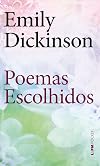
Os poemas de Dickinson estão entre os mais tristes que já li, as imagens líricas que ela forma de maneira simples e minimalistas são carregadas de uma melancolia sem fim, dentre os melhores traduzidos desta edição felizmente bilingue está este:
"Para as assombrações, desnecessária é a alcova,
Desnecessária, a casa -
O cérebro tem corredores que superam
Os espaços materiais.
Mais seguro é encontrar à meia-noite
Um fantasma,
Que enfrentar, internamente,
Aquele hóspede pálido.
Mais show more seguro é galopar cruzando um cemitério
Por pedras tumulares ameaçado,
Que, ausente a lua, encontrar-se a si mesmo
Em desolado espaço.
O "eu", por trás de nós oculto,
É muito assustador,
E um assassino escondido em nosso quarto,
Dentre os horrores, é o menor.
O homem prudente leva consigo uma arma
E cerra os ferrolhos da porta,
Sem perceber um outro espectro,
Mais íntimo e maior." show less
"Para as assombrações, desnecessária é a alcova,
Desnecessária, a casa -
O cérebro tem corredores que superam
Os espaços materiais.
Mais seguro é encontrar à meia-noite
Um fantasma,
Que enfrentar, internamente,
Aquele hóspede pálido.
Mais show more seguro é galopar cruzando um cemitério
Por pedras tumulares ameaçado,
Que, ausente a lua, encontrar-se a si mesmo
Em desolado espaço.
O "eu", por trás de nós oculto,
É muito assustador,
E um assassino escondido em nosso quarto,
Dentre os horrores, é o menor.
O homem prudente leva consigo uma arma
E cerra os ferrolhos da porta,
Sem perceber um outro espectro,
Mais íntimo e maior." show less
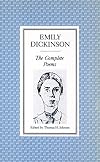
“I taste a liquor never brewed” by Emily Dickinson
I taste a liquor never brewed –
From Tankards scooped in Pearl –
Not all the Vats upon the Rhine
Yield such an Alcohol!
Inebriate of air – am I –
And Debauchee of Dew –
Reeling – thro' endless summer days –
From inns of molten Blue –
When "Landlords" turn the drunken Bee
Out of the Foxglove's door –
When Butterflies – renounce their "drams" –
I shall but drink the more!
Till Seraphs swing their snowy Hats –
And Saints – to show more windows run –
To see the little Tippler
Leaning against the – Sun!
Inebriated by poetry
"I taste a liquor never brewed" a poem by E. Dickinson
For me, this is an hymn to poetry and what is sacred about the act of writing. I read line after line as an invocation to beauty in all its natural forms until I got drunk with it, until I, the reader, was able to reach the heavens and join its inhabitants, Seraphs and Saints, along with Emily, who is writing from there.
In this sense, I guess that we, the readers who are able to share beauty through words, are rewarded with the admittance in Dickinson's house of possibility and poetry.
The poem read also as an hymn for me because of its musicality and rhyme which I became aware of when I first read the poem out loud. The way the words sang by themselves came as a surprise, and the lack of punctuation, only the dashes and the capital letters to emphasise some words, made the poem more open and infinite.
Analysing stanza by stanza, the poem starts with a reference to a certain liquor, which is a strange one, because it was never brewed and because its vastness wouldn't fit into such a huge river as the Rhine. There's also the reference to the ancient age of this liquor, because the Rhine, along with the Danube, appeared as important rivers in historical texts during the Roman Empire.
So, going forward, this strange alcohol, makes the " I " in this poem inebriated. I understand this " I " as the writer, in this case, Emily. She speaks of herself being drunk with this strange liquor, a liquor which comes from dew, air and summer days melted in endless blue skies. As I see it, in this second stanza, Emily is describing the beauty of the natural world as overwhelming, she is dizzy, intoxicated with it, and she drinks it in the inns of Nature.
And in the third stanza she stresses out this last idea even more, because the more the inhabitants of this natural world, the bee, the foxglove, the butterfly, are denied by foreign "Landlords", emphasised by quotation marks, the more she drinks of this natural liquor, the more inebriated she becomes.
As for the interpretation of these Landlords, I take it as if they were the real world, the rationality, Emily's house of prose. The ones who call the imagination back to earth and out of this world of poetry and possibility.
The last stanza is for me, the most difficult to analyse.
Emily is intoxicated by the beauty of nature and ultimately, of poetry, but she keeps drinking and drinking in it, until the whole act of writing becomes sacred. I understand that she reaches heaven in the Biblical sense, and salvation if I dare say. I'll risk it by saying that this "Tippler" might be Jesus, leaning against this sun, this shinning light, waiting for her to reach out for her destiny, her fate, her mission in life, which is to write, to become a poet.
And just another conclusion after rereading the whole thing again.
I also think, that the metaphor of liquor and inebriation is not a casual one.
If you think of men drinking in inns and socialising in the XIXth century, you might wonder how a reclusive person as Emily might view this kind of activity. Surely she might have disapproved of someone getting drunk, and this poem might also be a criticism to such behaviour and at the same time, she elevates something she finds ugly or negative to an utterly magnificent and celestial act, the act of writing, proving its capacity to transform the dull world of reality into a beautiful fan of possibilities. show less
I taste a liquor never brewed –
From Tankards scooped in Pearl –
Not all the Vats upon the Rhine
Yield such an Alcohol!
Inebriate of air – am I –
And Debauchee of Dew –
Reeling – thro' endless summer days –
From inns of molten Blue –
When "Landlords" turn the drunken Bee
Out of the Foxglove's door –
When Butterflies – renounce their "drams" –
I shall but drink the more!
Till Seraphs swing their snowy Hats –
And Saints – to show more windows run –
To see the little Tippler
Leaning against the – Sun!
Inebriated by poetry
"I taste a liquor never brewed" a poem by E. Dickinson
For me, this is an hymn to poetry and what is sacred about the act of writing. I read line after line as an invocation to beauty in all its natural forms until I got drunk with it, until I, the reader, was able to reach the heavens and join its inhabitants, Seraphs and Saints, along with Emily, who is writing from there.
In this sense, I guess that we, the readers who are able to share beauty through words, are rewarded with the admittance in Dickinson's house of possibility and poetry.
The poem read also as an hymn for me because of its musicality and rhyme which I became aware of when I first read the poem out loud. The way the words sang by themselves came as a surprise, and the lack of punctuation, only the dashes and the capital letters to emphasise some words, made the poem more open and infinite.
Analysing stanza by stanza, the poem starts with a reference to a certain liquor, which is a strange one, because it was never brewed and because its vastness wouldn't fit into such a huge river as the Rhine. There's also the reference to the ancient age of this liquor, because the Rhine, along with the Danube, appeared as important rivers in historical texts during the Roman Empire.
So, going forward, this strange alcohol, makes the " I " in this poem inebriated. I understand this " I " as the writer, in this case, Emily. She speaks of herself being drunk with this strange liquor, a liquor which comes from dew, air and summer days melted in endless blue skies. As I see it, in this second stanza, Emily is describing the beauty of the natural world as overwhelming, she is dizzy, intoxicated with it, and she drinks it in the inns of Nature.
And in the third stanza she stresses out this last idea even more, because the more the inhabitants of this natural world, the bee, the foxglove, the butterfly, are denied by foreign "Landlords", emphasised by quotation marks, the more she drinks of this natural liquor, the more inebriated she becomes.
As for the interpretation of these Landlords, I take it as if they were the real world, the rationality, Emily's house of prose. The ones who call the imagination back to earth and out of this world of poetry and possibility.
The last stanza is for me, the most difficult to analyse.
Emily is intoxicated by the beauty of nature and ultimately, of poetry, but she keeps drinking and drinking in it, until the whole act of writing becomes sacred. I understand that she reaches heaven in the Biblical sense, and salvation if I dare say. I'll risk it by saying that this "Tippler" might be Jesus, leaning against this sun, this shinning light, waiting for her to reach out for her destiny, her fate, her mission in life, which is to write, to become a poet.
And just another conclusion after rereading the whole thing again.
I also think, that the metaphor of liquor and inebriation is not a casual one.
If you think of men drinking in inns and socialising in the XIXth century, you might wonder how a reclusive person as Emily might view this kind of activity. Surely she might have disapproved of someone getting drunk, and this poem might also be a criticism to such behaviour and at the same time, she elevates something she finds ugly or negative to an utterly magnificent and celestial act, the act of writing, proving its capacity to transform the dull world of reality into a beautiful fan of possibilities. show less
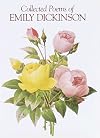
Summary: A republication of Dickinson’s poems as first published in three series shortly after her death.
Thomas Wentworth Higginson, a literary scholar, received four poems from a women in Amherst in 1862. He returned them but kept in touch with Emily Dickinson. She continued to correspond and write poetry but never published during her lifetime. After her death in 1886, Dickinson’s sister found a box containing hundreds of her poems and thought them worthy of publication. She sought out show more Mabel Loomis Todd, the wife of a local professor who sought the help of Higginson. He edited her work, dealing with issues of rhyme, metre, line arrangements, and dialect. The two published a first series in 1890 and a second in 1891. Mabel Loomis Todd published a third series on her own in 1896.
This collection is based on those works but is not exhaustive. It follows four categories from the original editions: Life, Love, Nature, and Time and Eternity. It includes prefaces from each of the three series and a facsimile of “Renunciation” in Dickinson’s script from the first series. And it also includes artwork from the original publications. However it does not give indications of which poems were included in each series.
I don’t feel adept enough in poetry to offer a critical review of someone of Dickinson’s stature. So I will highlight poems from each section I particularly noticed. Under “Life,” the poems are focused on Dickinson’s observations of life, which are broad despite her secluded existence. Poem VI could be a motto with its lines “If I can stop one heart from breaking,/I shall not live in vain;.” “Hope, 1” has the memorable image of “Hope is the thing with feathers.” Finally, in an age where faith was highly prized, her “Lost Faith” observes that “To lose one’s faith surpasses/The loss of an estate.”
The poems on “Love” cover the various forms of love. “Proof” speaks of the love of God proven on Calvary. “The Lovers” captures her observations of “rosey” cheeks of two young people and staggering speech as they notice each other. Meanwhile, “The Wife” reflects the gendered expectations of the day of dropping life’s “playthings” for the “honorable work/of woman and of wife. There are poems of longing and contentment, and those attesting the loyalty of a loving friend.
“Nature” reveals her keen attention to the world about her. She writes of summer showers, sunsets, bees and bobolinks, butterflies and purple clover. Dickenson captures the deception of “Indian Summer”: “These are the days when skies put on/The old, old sophistries of June–/A blue and gold mistake.” She notices bats, rats, spiders, and their webs.
Finally, “Time and Eternity” deals with ultimate issues of death and the life ever after. Dickinson writes extensively about death, yet rarely is this morbid or maudlin. Much is informed by her own faith, that in the opening words of the first poem in this section believes “This world is not conclusion…” She observes the signs of the death of someone across the street–of neighbors in and out, of ministers and milliners and mattresses thrown out. The poet describes observing “the dying eye” “In search of something.”
She speaks of the remembrances of the dead when alive, so real, yet irrevocably confined to the sepulchre. Dickinson faces death honestly. She recourses to her heavenly hope. And in her final poem, “Farewell,” she accepts her own death. It begins, “tie the strings to my life, my Lord,/Then I’m ready to go.” A few verses later, she concludes: “Good-by to the life I used to live,/And the world I used to know;/And kiss the hills for me, just once;/now I am ready to go!”
I think part of the fascination of Dickinson’s poetry is how deeply she sees into all that really matters in life, while rarely leaving her home. She pays attention to both her human and creaturely neighbors. The poet names both the movements of her heart and the contours of her faith. and often she does all this in just a few lines. I’ll leave you with this example, number “VIII” in the section on “Time and Eternity.”
Each that we lose takes part of us ;
A crescent still abides,
Which like the moon, some turbid night,
Is summoned by the tides. show less
Thomas Wentworth Higginson, a literary scholar, received four poems from a women in Amherst in 1862. He returned them but kept in touch with Emily Dickinson. She continued to correspond and write poetry but never published during her lifetime. After her death in 1886, Dickinson’s sister found a box containing hundreds of her poems and thought them worthy of publication. She sought out show more Mabel Loomis Todd, the wife of a local professor who sought the help of Higginson. He edited her work, dealing with issues of rhyme, metre, line arrangements, and dialect. The two published a first series in 1890 and a second in 1891. Mabel Loomis Todd published a third series on her own in 1896.
This collection is based on those works but is not exhaustive. It follows four categories from the original editions: Life, Love, Nature, and Time and Eternity. It includes prefaces from each of the three series and a facsimile of “Renunciation” in Dickinson’s script from the first series. And it also includes artwork from the original publications. However it does not give indications of which poems were included in each series.
I don’t feel adept enough in poetry to offer a critical review of someone of Dickinson’s stature. So I will highlight poems from each section I particularly noticed. Under “Life,” the poems are focused on Dickinson’s observations of life, which are broad despite her secluded existence. Poem VI could be a motto with its lines “If I can stop one heart from breaking,/I shall not live in vain;.” “Hope, 1” has the memorable image of “Hope is the thing with feathers.” Finally, in an age where faith was highly prized, her “Lost Faith” observes that “To lose one’s faith surpasses/The loss of an estate.”
The poems on “Love” cover the various forms of love. “Proof” speaks of the love of God proven on Calvary. “The Lovers” captures her observations of “rosey” cheeks of two young people and staggering speech as they notice each other. Meanwhile, “The Wife” reflects the gendered expectations of the day of dropping life’s “playthings” for the “honorable work/of woman and of wife. There are poems of longing and contentment, and those attesting the loyalty of a loving friend.
“Nature” reveals her keen attention to the world about her. She writes of summer showers, sunsets, bees and bobolinks, butterflies and purple clover. Dickenson captures the deception of “Indian Summer”: “These are the days when skies put on/The old, old sophistries of June–/A blue and gold mistake.” She notices bats, rats, spiders, and their webs.
Finally, “Time and Eternity” deals with ultimate issues of death and the life ever after. Dickinson writes extensively about death, yet rarely is this morbid or maudlin. Much is informed by her own faith, that in the opening words of the first poem in this section believes “This world is not conclusion…” She observes the signs of the death of someone across the street–of neighbors in and out, of ministers and milliners and mattresses thrown out. The poet describes observing “the dying eye” “In search of something.”
She speaks of the remembrances of the dead when alive, so real, yet irrevocably confined to the sepulchre. Dickinson faces death honestly. She recourses to her heavenly hope. And in her final poem, “Farewell,” she accepts her own death. It begins, “tie the strings to my life, my Lord,/Then I’m ready to go.” A few verses later, she concludes: “Good-by to the life I used to live,/And the world I used to know;/And kiss the hills for me, just once;/now I am ready to go!”
I think part of the fascination of Dickinson’s poetry is how deeply she sees into all that really matters in life, while rarely leaving her home. She pays attention to both her human and creaturely neighbors. The poet names both the movements of her heart and the contours of her faith. and often she does all this in just a few lines. I’ll leave you with this example, number “VIII” in the section on “Time and Eternity.”
Each that we lose takes part of us ;
A crescent still abides,
Which like the moon, some turbid night,
Is summoned by the tides. show less
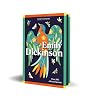
⭐ Poetry | Classics | Life
Thank you to Gemini Books Group for this ARC in exchange for my honest review!
Emily Dickinson: Over 100 Poems on Life and Love was my first real introduction to Dickinson beyond simply knowing her name as a famous poet. This collection not only presents her poetry, but also offers insight into who she was as a person, something I truly appreciated as a first-time reader of her work.
Through this book, I learned that Emily Dickinson was a recluse who largely show more ignored the social conventions of her time, just as she ignored traditional poetic rules. Her poems are often short and concise, with the longest spanning only about two pages, yet they manage to hold immense emotional and philosophical weight. Despite remaining single her entire life, she wrote extensively about love, longing, and intimacy. She also wrote poignantly about loss, drawing from the many deaths and hardships she experienced within her family.
One poem that stood out to me in particular was:
“There is no frigate like a book
To take us lands away,
Nor any coursers like a page
Of prancing poetry-
this traverse may the poorest take
without oppress of toll-
how frugal is the chariot
that bears the human soul”
Learning the meaning behind her word choices deepened my appreciation of the poem. A frigate, being a ship, reminds us that no vessel can take us farther than imagination, and coursers, horses, cannot move as swiftly as the thoughts sparked by words on a page. Dickinson’s message feels timeless: imagination is accessible to everyone, and books are humble, frugal vehicles that carry the human soul without restriction.
Overall, this collection is a way to experience Emily Dickinson’s poetry while also learning about her life, beliefs, and quiet rebellion against societal norms. It’s a meaningful read for poetry lovers, students, or anyone curious about how deeply words can move us, even centuries later. show less
Thank you to Gemini Books Group for this ARC in exchange for my honest review!
Emily Dickinson: Over 100 Poems on Life and Love was my first real introduction to Dickinson beyond simply knowing her name as a famous poet. This collection not only presents her poetry, but also offers insight into who she was as a person, something I truly appreciated as a first-time reader of her work.
Through this book, I learned that Emily Dickinson was a recluse who largely show more ignored the social conventions of her time, just as she ignored traditional poetic rules. Her poems are often short and concise, with the longest spanning only about two pages, yet they manage to hold immense emotional and philosophical weight. Despite remaining single her entire life, she wrote extensively about love, longing, and intimacy. She also wrote poignantly about loss, drawing from the many deaths and hardships she experienced within her family.
One poem that stood out to me in particular was:
“There is no frigate like a book
To take us lands away,
Nor any coursers like a page
Of prancing poetry-
this traverse may the poorest take
without oppress of toll-
how frugal is the chariot
that bears the human soul”
Learning the meaning behind her word choices deepened my appreciation of the poem. A frigate, being a ship, reminds us that no vessel can take us farther than imagination, and coursers, horses, cannot move as swiftly as the thoughts sparked by words on a page. Dickinson’s message feels timeless: imagination is accessible to everyone, and books are humble, frugal vehicles that carry the human soul without restriction.
Overall, this collection is a way to experience Emily Dickinson’s poetry while also learning about her life, beliefs, and quiet rebellion against societal norms. It’s a meaningful read for poetry lovers, students, or anyone curious about how deeply words can move us, even centuries later. show less
Lists
. (1)
Female Author (1)
Favourite Books (1)
Emily Dickinson (6)
Poetry Corner (2)
Tom's Bookstore (1)
Five star books (1)
Literary Witches (1)
Awards


You May Also Like


Associated Authors
Statistics
- Works
- 539
- Also by
- 111
- Members
- 30,097
- Popularity
- #669
- Rating
- 4.1
- Reviews
- 289
- ISBNs
- 759
- Languages
- 23
- Favorited
- 261

