
Jonathan Franzen
Author of The Corrections
About the Author
Jonathan Franzen was born in Western Springs, Illinois on August 17, 1959. He graduated from Swarthmore College in 1981, and went on to study at the Freie University in Berlin as a Fulbright scholar. He worked in a seismology lab at Harvard University's Department of Earth and Planetary Sciences show more after graduation. His works include The Twenty-Seventh City (1988), Strong Motion (1992), How to Be Alone (2002), and The Discomfort Zone (2006). The Corrections (2001) won a National Book Award and the 2002 James Tait Black Memorial Prize for fiction. Freedom (2010) is an Oprah Book Club selection. He also won a Whiting Writers' Award in 1988 and the American Academy's Berlin Prize in 2000. He is also a frequent contributor to Harper's and The New Yorker. In 2015 his title Purity made The New Yort Times and New Zealand Best Seller List. (Bowker Author Biography) show less
Image credit: Jonathan Franzen Fotograaf: Greg Martin
Series
Works by Jonathan Franzen
Why Birds Matter 5 copies
The Republic of Bad Taste 3 copies
"How He Came to Be Somewhere" 2 copies
2006 1 copy
Associated Works
The Short End of the Sonnenallee (1995) — Introduction, Translator, some editions — 369 copies, 14 reviews
Light the Dark: Writers on Creativity, Inspiration, and the Artistic Process (2017) — Contributor — 165 copies, 5 reviews
Know the Past, Find the Future: The New York Public Library at 100 (2011) — Contributor — 133 copies, 4 reviews
Bringing Back the Birds: Exploring Migration and Preserving Birdscapes throughout the Americas (2019) — Foreword — 34 copies, 1 review
Tagged
Common Knowledge
- Legal name
- Franzen, Jonathan Earl
- Birthdate
- 1959-08-17
- Gender
- male
- Education
- Wayne State University (1979)
Swarthmore College (BA | 1981 | German)
Freie Universität Berlin (1981) - Occupations
- writer
novelist
essayist - Awards and honors
- Whiting Writers' Award (1988)
Granta's Best Of Young American Novelists (1996)
Fulbright Scholarship (1981)
American Academy of Arts and Letters (2012)
Ordre des Arts et des Lettres (2012)
Akademie der Kunste (2010) - Relationships
- Wallace, David Foster (friend)
- Short biography
- 1959 in Western Springs / Illinois geboren, wuchs in einer Vorstadt von St. Louis auf. 1988 veröffentlichte er den Roman "The Twenty-Seventh City", 1992 "Strong Motion". Für seinen dritten Roman und sensationellen Erfolg "The Corrections" erhielt er 2001 den National Book Award verliehen. Schon vorher hat ihn die Zeitschrift The New Yorker unter die "Twenty Writers for the 21st Century" gerechnet. Jonathan Franzen lebt in New York.
- Nationality
- USA
- Birthplace
- Western Springs, Illinois, USA
- Places of residence
- New York, New York, USA
Chicago, Illinois, USA
St. Louis, Missouri, USA
Berlin, Germany
Munich, Bavaria, Germany
Boulder Creek, California, USA - Map Location
- USA
Members
Discussions
Jonathan Franzen's latest, PURITY--will you read it and is he really "America's best novelist"? in Literary Snobs (September 2015)
June 2013: The Twenty-Seventh City in Missouri Readers (July 2013)
1001 April Group Read: [The Corrections] in 1001 Books to read before you die (May 2012)
Required reading in Pro and Con (September 2010)
Reviews

The ending is darkly realistic. Alfred dies but Enid is not grieving. Instead, she is looking forward to life. Time is short because she is already 75. Seems cruel but that is life. And I think most of the readers will support her. That is the success of Franzen. He makes the characters alive and real. He spends a lot of time dwelling on them, sometimes too much (like Alfred's turd episode). But this gives them well-rounded personalities. You don't hate even the worst of them like Gary and show more Caroline. You probably wish you can give Gary a tight slap, especially when he spoils their Christmas dinner, but he does have his parents' best interests at heart. And we find that Alfred has his children's interests at heart too. Alfred left his company on the brink of retirement for Denise's sake, and he did not even chastise her for her dalliance with a much older man, only telling her in his demented state to have fun but be careful. This was such a touching moment I cried buckets. Enid had her moment too when she decided to unfriend Bea because of the latter's views on lesbianism (parents do know their children best). There were hilarious moments too. For example, Chip hiding the salmon in his pants, and only the readers know the unconventional route the salmon took. I must also make mention of the dialogue, which is a delight. Real, and not stilted. show less
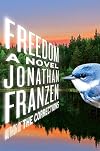
Wow, what an awful, tedious book. Good writers can use boring, unlikable scenes and dialogue to make interesting portraits of realistic human beings, who are after all frequently boring and unlikeable. But this book has so many absolutely interminable stretches that it has to be some kind of self-therapy or roman à clef, it's just baffling to me that anyone would spend years and years writing a book like this if they didn't really identify with the determinedly unlovable people in it. Case show more in point: the endless and painful "diary" sections written by Patty, the main female lead. John Dolan (whose scathing review of The Corrections I honestly tried to not let prejudice me) accused Franzen of having serious female issues and really, the amount of effort Franzen put into making Patty and essentially every other woman in the book as insufferable as he could was pretty weird. Maybe it wouldn't have jumped out at me so much if Dolan hadn't put it in my head, but when the only likeable female character died offscreen in a car crash I was not surprised at all. Then again nobody's likeable, the whole book is just dull epigones being assholes to each other for page after page in wearying detail, and though there were a few good parts where I thought Franzen was going turn it around and make all of this pain worthwhile, no dice. Notably poorly-written scenes: Richard the musician's "edgy" interview with a high school student, Walter the husband's econazi stage rant, the bit when Patty thinks about cheating on Walter while reading a parallel part in War and Peace and actually points it out to the reader, and above all the hilariously nonsensical ending. After finishing it I tried to find some positive reviews to see what I missed, but all I saw were awed raves about how zeitgeisty it was, as if no one else in the country is capable of writing about how fucked up we are with such up-to-the-minute references. If you want to read a good book about flaws and failures you should read A Confederacy of Dunces, where it seems like the author actually had fun writing his book, or was actually able to feel anything other than lifeless, desiccated contempt for the world and everyone in it. I almost hope I never get old enough to find this book's world even remotely realistic or meaningful, it would depress the shit out of me. show less
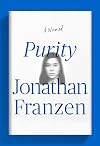
Előrebocsátom: elfogult vagyok Franzennel. Az elfogult ember meg olyan, hogy még a trágyadomb mélyéről se rest kibányászni az igazgyöngyöket: mivel már amúgy is sok érzelmi energiát fektetett a szerzőbe, ott is jelentést keres, ahol talán nincs, vagy (mondhatta volna szebben, kis lovag) legalábbis rejtve van. Érzem, hogy nem a Tisztaság a legtisztább Franzen-opusz – no azér nem trágyadomb, de valamiképpen végig azon a határmezsgyén táncol, aminek a túlsó show more felén a monumentális szappanoperák heverésznek. Egyes szereplők karikatúrák, ez a szerkesztésmód pedig, ahol az egymásra reflektáló, egymásba fonódó, és mindig a legizgalmasabb résznél félbeszakadó kisregényekből alakul ki a szöveg egésze – bizony-bizony időnként hatásvadásszá válik.
De (és ez egy pozitív "de") mégis: nekem ünnep volt minden pillanat, amit ebben a könyvben töltöttem. A történetmesélésnek ez az öröme – ez mindig letaglóz. Szeretek az ilyen nagy cupákokon rágódni. Franzennél szerintem senki nem ért jobban ahhoz, hogy „beetesse” az olvasót: kényelmesen felépít egy hőst, aztán a következő etapban teljesen új nézőpontból mutatja be, arra kényszerítve minket, hogy átértékeljük addigi elképzeléseinket. Nem fél attól, hogy figurái ellentmondásba keverednek magukkal – hisz a jellem egyik kulcsa éppen az, hogy időnként ellentmond magának –, és ez az eljárás komplex alakokkal népesíti be történeteit. A komplex alakok pedig (megsokszorozva a regény lehetséges értelmezéseit) folyamatos interakciókban állnak egymással: beszélgetnek, szeretnek, összevesznek, gyűlölnek, ésatöbbi, ésatöbbi… e folyamatok ilyen szintű megjelenítése szintén olyan írói kvalitásokat feltételez, amikkel Franzenen kívül kevesen rendelkeznek. Az ebben rejlő lehetőségeket pedig azért tudja maximálisan kibontani, mert ad magának időt rá: nagy regényt ír, hosszú regényt, amelyben szereplői faltól falig játszhatnak – ami persze csak akkor erény, ha tudnak is játszani. Ezek a skillek pedig ebben a nagy dögben is ott vannak, bár tagadhatatlan: nem olyan koherens egésszé dolgozva, mint előző két nagyregényében*.
Azok a dialógusok pedig, amik időnként felületes csevegésnek tűnnek, valójában mindig egy tudatos koncepciót rejtenek. Ebben a könyvben ez a mag a titok eszméje: a Tisztaság szereplőinek jelentős része szakmája szerint abból él, hogy kormányok és multik titkait igyekszik kiszivárogtatni amolyan Wikileaks-esen, és legtöbbjük családi (leginkább anya-gyermek) viszonyát valami ki nem mondott, súlyos rejtély terheli. Még a regényben igen hangsúlyos feminizmus-vonal is ilyesféleképpen ábrázolandó: olyan kapcsolatként, amiben a nemek képviselői azért bizalmatlanok egymással, mert feltételezik, hogy a másik fél nem oszt meg valami igen-igen fontosat. Titkok tehát: elrejtett titkok, kényszeresen megosztott titkok, akaratunk ellenére napvilágra hozott titkok, Facebookra felposztolt titkok, vagy titkok, amikről csak hittük, hogy titkok… Mindezt az írótól megszokott stílusban: semmi állítás**, csak ábrázolás, majd az olvasó kiszemelgeti magának, ami az övé. Franzen újabb eposza is nagyszerű – mert Franzen akkor is nagyszerű, ha kevésbé nagyszerű –, fél csillag levonás viszont jár a többi könyv viszonylatában, illetve a vége miatt, ami mintha picit össze lenne csapva.
* Bizonyos értelemben talán megkockáztathatjuk, hogy a Tisztaság visszalépés a korai Franzenhez, az Erős rengés-hez, annak ifjonti bája nélkül.
** Következésképpen szerintem nem Obamázik, nem megújulóenergiázik, és nem internetfóbiázik – egyes szereplői viszont igen, ahogy más szereplői meg éppen ellenkezőleg. Igazából a kérdés az, hogy melyikükkel azonosítjuk Franzent – de ez csak a mi előfeltételezésünk lesz. Maga az író szerintem mindent (még önmagát is, sőt, legfőképpen önmagát) kellő iróniával kezeli. show less
De (és ez egy pozitív "de") mégis: nekem ünnep volt minden pillanat, amit ebben a könyvben töltöttem. A történetmesélésnek ez az öröme – ez mindig letaglóz. Szeretek az ilyen nagy cupákokon rágódni. Franzennél szerintem senki nem ért jobban ahhoz, hogy „beetesse” az olvasót: kényelmesen felépít egy hőst, aztán a következő etapban teljesen új nézőpontból mutatja be, arra kényszerítve minket, hogy átértékeljük addigi elképzeléseinket. Nem fél attól, hogy figurái ellentmondásba keverednek magukkal – hisz a jellem egyik kulcsa éppen az, hogy időnként ellentmond magának –, és ez az eljárás komplex alakokkal népesíti be történeteit. A komplex alakok pedig (megsokszorozva a regény lehetséges értelmezéseit) folyamatos interakciókban állnak egymással: beszélgetnek, szeretnek, összevesznek, gyűlölnek, ésatöbbi, ésatöbbi… e folyamatok ilyen szintű megjelenítése szintén olyan írói kvalitásokat feltételez, amikkel Franzenen kívül kevesen rendelkeznek. Az ebben rejlő lehetőségeket pedig azért tudja maximálisan kibontani, mert ad magának időt rá: nagy regényt ír, hosszú regényt, amelyben szereplői faltól falig játszhatnak – ami persze csak akkor erény, ha tudnak is játszani. Ezek a skillek pedig ebben a nagy dögben is ott vannak, bár tagadhatatlan: nem olyan koherens egésszé dolgozva, mint előző két nagyregényében*.
Azok a dialógusok pedig, amik időnként felületes csevegésnek tűnnek, valójában mindig egy tudatos koncepciót rejtenek. Ebben a könyvben ez a mag a titok eszméje: a Tisztaság szereplőinek jelentős része szakmája szerint abból él, hogy kormányok és multik titkait igyekszik kiszivárogtatni amolyan Wikileaks-esen, és legtöbbjük családi (leginkább anya-gyermek) viszonyát valami ki nem mondott, súlyos rejtély terheli. Még a regényben igen hangsúlyos feminizmus-vonal is ilyesféleképpen ábrázolandó: olyan kapcsolatként, amiben a nemek képviselői azért bizalmatlanok egymással, mert feltételezik, hogy a másik fél nem oszt meg valami igen-igen fontosat. Titkok tehát: elrejtett titkok, kényszeresen megosztott titkok, akaratunk ellenére napvilágra hozott titkok, Facebookra felposztolt titkok, vagy titkok, amikről csak hittük, hogy titkok… Mindezt az írótól megszokott stílusban: semmi állítás**, csak ábrázolás, majd az olvasó kiszemelgeti magának, ami az övé. Franzen újabb eposza is nagyszerű – mert Franzen akkor is nagyszerű, ha kevésbé nagyszerű –, fél csillag levonás viszont jár a többi könyv viszonylatában, illetve a vége miatt, ami mintha picit össze lenne csapva.
* Bizonyos értelemben talán megkockáztathatjuk, hogy a Tisztaság visszalépés a korai Franzenhez, az Erős rengés-hez, annak ifjonti bája nélkül.
** Következésképpen szerintem nem Obamázik, nem megújulóenergiázik, és nem internetfóbiázik – egyes szereplői viszont igen, ahogy más szereplői meg éppen ellenkezőleg. Igazából a kérdés az, hogy melyikükkel azonosítjuk Franzent – de ez csak a mi előfeltételezésünk lesz. Maga az író szerintem mindent (még önmagát is, sőt, legfőképpen önmagát) kellő iróniával kezeli. show less
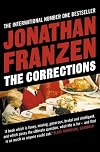
Published a year after my birth, The Corrections is one of those books that make you grateful to have existed at this particular point in time, so you could have the privilege to read them. A deeply, deeply sad work that is all the more beautiful for its sadness, because our families are sad, and it portrays them with full, gut-punching honesty. I can’t wait to reread this in another ten years, when I am hopefully (even) more forgiving of my own.
Lists
100 New Classics (1)
. (1)
Family Drama (1)
Favourite Books (1)
. (1)
Unread books (1)
My TBR (2)
Secrets Books (1)
2000s decade (1)
Test (1)
. (2)
A Novel Cure (2)
Obama Reads (2)
Five star books (2)
Midwestern Books (1)
Our digital age (1)
Awards


You May Also Like


Associated Authors
Statistics
- Works
- 34
- Also by
- 27
- Members
- 41,241
- Popularity
- #424
- Rating
- 3.7
- Reviews
- 1,077
- ISBNs
- 624
- Languages
- 26
- Favorited
- 104


