
Madeleine Bunting
Author of Love of Country: A Hebridean Journey
About the Author
Image credit: From the Guardian
Works by Madeleine Bunting
Tagged
Common Knowledge
- Legal name
- Bunting, Madeleine Clare J.
- Other names
- Bunting, Clare (née)
- Birthdate
- 1964-03
- Gender
- female
- Education
- Corpus Christi, Cambridge
- Occupations
- journalist
- Organizations
- The Guardian (associate editor, columnist)
- Nationality
- England
UK - Birthplace
- Oswaldkirk, North Yorkshire, England, UK
- Associated Place (for map)
- England, UK
Members
Reviews
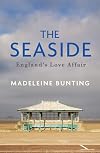
I don't buy too many new books. We treat them with such disrespect that most can be bought for pennies on the second hand market within eighteen months. I made an exception for this book, based upon a review in a trusted news paper. This was a mistake.
I honestly don't know what the author, Madeline Bunting, was trying to achieve. I live in a coastal village, not too far from Great Yarmouth and so, I am fully aware of the difficulties facing coastal towns but this book is one of constant show more gloom. She goes to Skegness, in March, and reports that many shops and entertainments are closed! Everywhere she stays is dowdy and there seems to be a minimal attempt to interact with the locals.
I am not saying for a moment, that the down at heel hotels, the surfeit of charity and betting shops in the town centre and the lack of good non holiday based work is inaccurate, but it is part of the story and there is no attempt to tell the other side. People living on the coast are painted as victims. There is no recognition of the changing attitude to holidays: yes, the seaside town is struggling but, the coastal villages, whilst having problems, are still seeing good numbers of visitors. Around the village where I live, there is not only beach walks but good dog walking dunes that bring in a wealthier tourist.
Coastal towns undoubtedly need help. This book des not offer any. It is a wallow in sentimental memories of childhood holidays (all of which were traumatic, of course!) and a pre-judged trial.
I remember, a while back, a story about a new printing ink which is the "blackest black"; this book should have been printed using it! show less
I honestly don't know what the author, Madeline Bunting, was trying to achieve. I live in a coastal village, not too far from Great Yarmouth and so, I am fully aware of the difficulties facing coastal towns but this book is one of constant show more gloom. She goes to Skegness, in March, and reports that many shops and entertainments are closed! Everywhere she stays is dowdy and there seems to be a minimal attempt to interact with the locals.
I am not saying for a moment, that the down at heel hotels, the surfeit of charity and betting shops in the town centre and the lack of good non holiday based work is inaccurate, but it is part of the story and there is no attempt to tell the other side. People living on the coast are painted as victims. There is no recognition of the changing attitude to holidays: yes, the seaside town is struggling but, the coastal villages, whilst having problems, are still seeing good numbers of visitors. Around the village where I live, there is not only beach walks but good dog walking dunes that bring in a wealthier tourist.
Coastal towns undoubtedly need help. This book des not offer any. It is a wallow in sentimental memories of childhood holidays (all of which were traumatic, of course!) and a pre-judged trial.
I remember, a while back, a story about a new printing ink which is the "blackest black"; this book should have been printed using it! show less
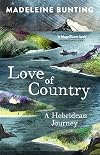
I've never been to the Hebrides, nor even really thought of going. This has changed, thanks to this book. Bunting makes a journey through the wild and remote islands of the Hebrides, focusing on seven in particular. This book recounts her explorations. Everything is potential material. The wild and severe beauty of the place touches her soul,. and she writes poetically and personally about this. She explores geology, natural history, bird life, literature, and above all the sad and often show more wretched history of the people of these isolated places, and the people who sought to dominate or exterminate them.
I found this a moving and fascinating book, and I'll return to read other work by Bunting. show less
I found this a moving and fascinating book, and I'll return to read other work by Bunting. show less
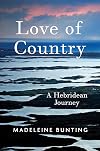
To describe the Outer Hebrides as remote is somewhat of an understatement. Even today it can take the best part of a day to get to, but once you are there you have reached not only some of the oldest parts of our planet, but also the epicentre of one of our country’s ancient cultures. This edgeland is the very periphery of our landscape and faces the full brunt of everything that the Atlantic can throw at it; even the summer can have five days of gales a month. This tough, uncompromising show more landscape shapes the place and the people that inhabit it.
People belong to places, rather than place belong to people
These islands have attracted a variety of people over the millennia. There were those who sought religious solitude on Iona and whilst there created the works of art that are the Book of Kells. Jura’s simple way of life gave George Orwell the space that he needed to create the dystopian horror that is 1984. The traditional way of life on the islands is formed as much by the landscape as it is by the language, and these tough, resilient people took those qualities with them as they left the islands either by choice or enforced by landowners. It is to this landscape that Bunting returns to countless times over six years, immersing herself into it, teasing out stories of the people and history and letting the place soak into her.
‘I couldn’t conceive of living on this land without getting my hands dirty. It keeps me connected with the place.’
This is another really well written book by Bunting, she has managed to capture the very essence of the Outer Hebrides as she travels around and crosses the straits between the islands including a boat trip heads out to the Strait of Corryvreckan, the place where Orwell nearly drowned and is the location of one of the world’s most powerful whirlpools. Well worth reading. show less
People belong to places, rather than place belong to people
These islands have attracted a variety of people over the millennia. There were those who sought religious solitude on Iona and whilst there created the works of art that are the Book of Kells. Jura’s simple way of life gave George Orwell the space that he needed to create the dystopian horror that is 1984. The traditional way of life on the islands is formed as much by the landscape as it is by the language, and these tough, resilient people took those qualities with them as they left the islands either by choice or enforced by landowners. It is to this landscape that Bunting returns to countless times over six years, immersing herself into it, teasing out stories of the people and history and letting the place soak into her.
‘I couldn’t conceive of living on this land without getting my hands dirty. It keeps me connected with the place.’
This is another really well written book by Bunting, she has managed to capture the very essence of the Outer Hebrides as she travels around and crosses the straits between the islands including a boat trip heads out to the Strait of Corryvreckan, the place where Orwell nearly drowned and is the location of one of the world’s most powerful whirlpools. Well worth reading. show less
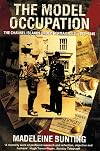
After reading The Guernsey Literary and Potato Peel Pie Society, I really wanted to learn more about the German occupation of the Channel Islands. This book was the only one I could find in my library system that fit the bill. From the Home Office's confusing policy towards the islands at the beginning of the war (demilitarization without telling the Germans, which led to more than a little confusion and a bombing) to the horror of the Organisation Todt camps on the islands, this show more investigates the experiences of the islanders and OT laborers on the Channel Islands during World War II. Drawing heavily on interviews with survivors and records released in the early 1990s, this book focuses on both personal experience and political machinations during the occupation and after.
It was definitely not easy reading, especially when it came to the experiences of those in the Organization Todt. The political stuff left my head spinning, and left me a little unsure of my footing. Being unfamiliar with the topic, I didn't know whether or not to agree with the author's take on events, such as whether or not destroying such-and-such a paper was deliberate cover-up. How am I to know? Overall, though, I was more than satisfied with the information I was given and impressed by the many interviews of survivors not only from the Channel Islands but also Russians who worked in the labor camps. Often using large blocks of quotes of survivor's recollection, the personal stories are the most compelling part of this history. show less
It was definitely not easy reading, especially when it came to the experiences of those in the Organization Todt. The political stuff left my head spinning, and left me a little unsure of my footing. Being unfamiliar with the topic, I didn't know whether or not to agree with the author's take on events, such as whether or not destroying such-and-such a paper was deliberate cover-up. How am I to know? Overall, though, I was more than satisfied with the information I was given and impressed by the many interviews of survivors not only from the Channel Islands but also Russians who worked in the labor camps. Often using large blocks of quotes of survivor's recollection, the personal stories are the most compelling part of this history. show less
Lists
Awards


You May Also Like


Associated Authors
Statistics
- Works
- 10
- Members
- 495
- Popularity
- #49,935
- Rating
- 3.8
- Reviews
- 7
- ISBNs
- 34