
Meša Selimović (1910–1982)
Author of Death and the Dervish
About the Author
Works by Meša Selimović
Круг 1 copy
Eseji i ogledi 1 copy
Pisci, mišljenja, razgovori 1 copy
A dervis és a halál 1 copy
Derviş ve Ölüm 1 copy
Izabrana dela 1 copy
Krug 1 copy
Most od rijeci 1 copy
Associated Works
Tagged
Common Knowledge
- Canonical name
- Selimović, Meša
- Legal name
- Selimović, Mehmed
- Other names
- Селимовић, Меша
- Birthdate
- 1910-04-26
- Date of death
- 1982-07-11
- Gender
- male
- Education
- University of Belgrade
- Occupations
- writer
professor
art director - Nationality
- Bosnia
- Birthplace
- Tuzla, Bosnia and Herzegovina, Austro-Hungarian Empire
- Places of residence
- Tuzla, Bosnia
Sarajevo, Bosnia, Yugoslavia
Belgrade, Serbia, Yugoslavia - Place of death
- Belgrade, Yugoslavia
- Map Location
- Bosnia and Herzegovina
Members
Reviews

Meša Selimović je na stranicama ove knjige zabeležio sve pojedinosti koje su obeležile njegov život, a koje su ostale urezane duboko u njemu kao neizbrisivi tragovi jednog detinjstva, zavičaja, ratnih godina, književnog stvaralaštva i velikih prijateljstava. Iako o minulim godinama pripoveda sa određene vremenske distance, on uspeva da ih dočara tako živopisno– kao da sada iskrsavaju pred njegovim i našim očima. Kada čitalac dođe do poslednje stranice ove knjige shvatiće da show more je uborbi čoveka saprolaznošćupobednik čovek – sve dok žive njegova sećanja.
„Prva moja sjećanja vezana su za rodnu kuću, mada je to čudno, jer sam bio suviše mali da bih mogao nešto zapamtiti. Pa ipak mi u sjećanju nejasno stoji širok trijem i drveno stepenište što vodi na sprat, pamtim bunar u dvorištu i voćnjak iza kuće. Ali nisam siguran u svoje sjećanje, možda sam sve izmislio ili u sebi naknadno dogradio prebacujući buduće viđene slike u ranije vrijeme. Ali se potpuno sjećam velikog paunovog pera što ga nosi moj brat iz stare kuće u novu, dok ja, trogodišnjak, nosim majčinu posudicu za podvlačenje surme (crnilo za obrve). Ako mi je i ovo sjećanje brat sugerirao svojim pričanjem, onda je čudno što je tako živo, plastično, bogato detaljima, ubjedljivo po mome prisustvu. Ili su ta rana sjećanja složena, vanvremenska, sastavljena od mnogih sjećanja, svojih i tuđih, strukturirana u višeslojnu tvorevinu koja djeluje uvjerljivo bogatstvom stvarno doživljenih detalja, mada ne svih u jednom trenutku.“ show less
„Prva moja sjećanja vezana su za rodnu kuću, mada je to čudno, jer sam bio suviše mali da bih mogao nešto zapamtiti. Pa ipak mi u sjećanju nejasno stoji širok trijem i drveno stepenište što vodi na sprat, pamtim bunar u dvorištu i voćnjak iza kuće. Ali nisam siguran u svoje sjećanje, možda sam sve izmislio ili u sebi naknadno dogradio prebacujući buduće viđene slike u ranije vrijeme. Ali se potpuno sjećam velikog paunovog pera što ga nosi moj brat iz stare kuće u novu, dok ja, trogodišnjak, nosim majčinu posudicu za podvlačenje surme (crnilo za obrve). Ako mi je i ovo sjećanje brat sugerirao svojim pričanjem, onda je čudno što je tako živo, plastično, bogato detaljima, ubjedljivo po mome prisustvu. Ili su ta rana sjećanja složena, vanvremenska, sastavljena od mnogih sjećanja, svojih i tuđih, strukturirana u višeslojnu tvorevinu koja djeluje uvjerljivo bogatstvom stvarno doživljenih detalja, mada ne svih u jednom trenutku.“ show less
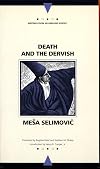
[b:Death and the Dervish|358846|Death and the Dervish|Meša Selimović|https://i.gr-assets.com/images/S/compressed.photo.goodreads.com/books/1347814584l/358846._SY75_.jpg|348971] took me a while to get into. As the introduction repeatedly acknowledges, it is not an easy book. The narrator, a dervish at an unnamed monastery, is very slow and digressive. The reader is presented with all his thoughts as he contemplates every little thing in great depth. Only after 192 pages (when the dervish show more learns his brother is dead) did I really grasp the book's appeal, although I appreciated moments of beautiful writing in the first half. As it went on I was increasingly reminded of Kafka, especially [b:The Trial|17690|The Trial|Franz Kafka|https://i.gr-assets.com/images/S/compressed.photo.goodreads.com/books/1320399438l/17690._SY75_.jpg|2965832]. Selimovic is similarly adept at demonstrating the momentum and arbitrary cruelty of administrative systems. Yet his narrator is not helpless and his choices have powerful consequences. Observing every justification for his decisions in great detail becomes increasingly compelling as the book goes on. The dervish is an intelligent and reflective man, yet also self-serving and weak. His insights into his own and other's behaviour do not necessarily lead him to do good and he is aware of this:
There are some wonderful turns of phrase and striking insights to be found in the dervish's narration. Although Selimovic's writing is undoubtedly long-winded, certain brief comments struck me, like: 'The empty sponge of my brain began to soak itself full again.' and, 'Because even the Koran is dangerous if you use God's words about sinners to refer to those who decide who the sinners are.' One bleak and vivid passage stood out as the most memorable, on why people don't resist being taken to their death:
I gave [b:Death and the Dervish|358846|Death and the Dervish|Meša Selimović|https://i.gr-assets.com/images/S/compressed.photo.goodreads.com/books/1347814584l/358846._SY75_.jpg|348971] an additional star on the strength of such arresting paragraphs, despite its ponderousness. In addition to a great deal of reflection upon death, duty, fear, and love on the individual level, there are a few notable passages on Bosnia itself. As the introduction notes, the novel is set in an ambiguous location and time, but details in the narrative suggest Sarajevo in the 17th century. A time and place I know little about, so I was interested to learn from the introduction that the novel's popularity seems in part linked to its resonances for 20th century Yugoslavia. The narrator quotes his dear friend's defense of his homeland to people he met in Constantinople:
Although [b:Death and the Dervish|358846|Death and the Dervish|Meša Selimović|https://i.gr-assets.com/images/S/compressed.photo.goodreads.com/books/1347814584l/358846._SY75_.jpg|348971] is an effort to read, it rewards persistence with flashes of extraordinary writing and a carefully-woven examination of human weakness within capricious systems. show less
My hidden instincts, which protected me even without my conscious will, generously granted me such beautiful, noble thoughts, without curtailing them: they knew that these thoughts were not dangerous, that they could not turn into deeds. But they helped me to take revenge for the shame that had filled me as I stood before the mufti.
If anyone considers this strange, or even unlikely, I can only say that the truth is something very strange, and we convince ourselves that it does not exist because we are ashamed of it, as we are of a leprous child, although in this manner the truth is not rendered any less truthful. We usually beautify our thoughts and hide the vipers that slither within us.
There are some wonderful turns of phrase and striking insights to be found in the dervish's narration. Although Selimovic's writing is undoubtedly long-winded, certain brief comments struck me, like: 'The empty sponge of my brain began to soak itself full again.' and, 'Because even the Koran is dangerous if you use God's words about sinners to refer to those who decide who the sinners are.' One bleak and vivid passage stood out as the most memorable, on why people don't resist being taken to their death:
That's why no-one ever runs; everyone knows it. Maybe they're hopeful. Hope is the pimp of death, a murderer more dangerous than hatred. It's deceptive; it knows how to win you over, to calm you and lull you to sleep, whispering whatever you want to hear, leading you to the blade.
I gave [b:Death and the Dervish|358846|Death and the Dervish|Meša Selimović|https://i.gr-assets.com/images/S/compressed.photo.goodreads.com/books/1347814584l/358846._SY75_.jpg|348971] an additional star on the strength of such arresting paragraphs, despite its ponderousness. In addition to a great deal of reflection upon death, duty, fear, and love on the individual level, there are a few notable passages on Bosnia itself. As the introduction notes, the novel is set in an ambiguous location and time, but details in the narrative suggest Sarajevo in the 17th century. A time and place I know little about, so I was interested to learn from the introduction that the novel's popularity seems in part linked to its resonances for 20th century Yugoslavia. The narrator quotes his dear friend's defense of his homeland to people he met in Constantinople:
"Here, in your back yard, not far from this Byzantine splendour and wealth, which has been hauled here from the whole empire, your own brothers live like beggars. But we belong to no-one, we're always on some frontier, always someone's dowry. It is then surprising that we're poor? For centuries we've been trying to find, trying to recognise ourselves. Soon we won't even know who we are, we're already forgetting that we've even been striving for anything. Others do us the honour of letting us march under their banners, since we have none of our own. They entice us when they need us, then reject us when we're no longer any use to them. The saddest land in the world, the most unhappy people in the world. We're losing our identity, but we cannot assume another, foreign one. We've been severed from our roots, but haven't become part of anything else; foreign to everyone, both to those who are our kin and those who won't take us in and adopt us as their own. We live at a crossroads of worlds, at a border between peoples, in everyone's world. And someone always thinks we're to blame for something. The waves of history crash against us, as against a reef. We're fed up with those in power and we've made a virtue out of distress: we've become noble-minded out of spite. You're ruthless on a whim. So who's backward?"
Although [b:Death and the Dervish|358846|Death and the Dervish|Meša Selimović|https://i.gr-assets.com/images/S/compressed.photo.goodreads.com/books/1347814584l/358846._SY75_.jpg|348971] is an effort to read, it rewards persistence with flashes of extraordinary writing and a carefully-woven examination of human weakness within capricious systems. show less

„Kako živim? Dobro. Zadovoljan sam što sam proživio vijek a nisam nikome naškodio. Ono što je meni štete naneseno, davno sam zaboravio, gubitak je lakše podnijeti nego kajanje.
Sudbina me je postavila na ovu stazu, za drugu ne znam, i koračaću po njoj dok u meni ima snage. Ovdje sam ugledao nebeski beskraj i pučinu na kojoj mi se oko odmara, i ovo ne bih zamijenio ni za jedan kraj na svijetu.
Ljepših možda ima, dražih nigdje. Ovaj kraj, to sam ja, to je moj život i moja show more ljubav.“
Srpska književna scena može se pohvaliti brojnim piscima izuzetnog dara, ali malo je onih čije stvaralaštvo dotiče čitaoca kao Selimovićevo – toplina i neposrednost njegovih junaka i čistota osećanja koja izviru sa stranica ovih dela, ispričanih takvom jednostavnošću kakvu samo vrhunski majstor može da postigne, diraju pravo u dušu i zauvek tu ostaju. „Derviš i smrt“, „Tvrđava“ i „Ostrvo“ pravi su biseri ovog velikana. show less
Sudbina me je postavila na ovu stazu, za drugu ne znam, i koračaću po njoj dok u meni ima snage. Ovdje sam ugledao nebeski beskraj i pučinu na kojoj mi se oko odmara, i ovo ne bih zamijenio ni za jedan kraj na svijetu.
Ljepših možda ima, dražih nigdje. Ovaj kraj, to sam ja, to je moj život i moja show more ljubav.“
Srpska književna scena može se pohvaliti brojnim piscima izuzetnog dara, ali malo je onih čije stvaralaštvo dotiče čitaoca kao Selimovićevo – toplina i neposrednost njegovih junaka i čistota osećanja koja izviru sa stranica ovih dela, ispričanih takvom jednostavnošću kakvu samo vrhunski majstor može da postigne, diraju pravo u dušu i zauvek tu ostaju. „Derviš i smrt“, „Tvrđava“ i „Ostrvo“ pravi su biseri ovog velikana. show less
Rating: 3.5* of five
An intense read. Beautiful translated words confronting and comforting the human fear of love by the means of examining the easier-to-grasp fear of death.
I've chosen some favorite phrases and liked them from the quotes. They appear below the review. (This describes a wonderful and useful function available on Goodreads; I've ported them over here in 2026 because Bezoselzebub appears determined to kill Goodreads like he did the Washington Post.) I think the patience show more required to read a footnoted and glossary'd read won't allow its subtleties and tremendous pleasures to spread widely among US English-speaking readers.
Make no mistake: Ahmed Nuruddin is you, reader, a man whose loves and One True Love don't mark him out from the herd but place him in the center of it. He doesn't do a single thing that any one of us couldn't do, be it generous or cowardly or divinely inspired. It is simply that we wouldn't tread in his footsteps, wouldn't elect to give ourselves to an ideal in a world without respect for them.
I give the book a paltry rating, based on those comments; I found it necessary to break my reading into smaller bites than I would have liked to do. The feast is so rich, satisfying my word-lust in such short order, that I ended up feeling disconnected by the enforced consumption of many amuse-bouche reads between this book's courses.
I suspect many readers will be defeated by that very need. This is a book that, due to its own delights, ends up unfinished, bookmark poking the piles of paperbacks athwart its spine, a guilty glance sliding past it as the New Year's Resolution cry "I WILL FINISH THIS SHELF!" rings its falsely sincere echoes into our shared shame.
THE QUOTES
“But that’s the point of it all: to come back. To long for someplace else, to leave and to arrive again at the place where you started. If it weren’t for the place that you’re tied to, you wouldn’t want it or any other world, either; you wouldn’t have anywhere to depart from, because you’d be nowhere. And you’re also nowhere if that’s the only place you have. Because then you don’t think about it, long for it, or love it. And that’s not good. You need to think, to long for something, to love.”
“Fear is flooding over me, like water.
The living know nothing. Teach me, dead ones, how to die without fear, or at least without horror. Because death is senseless, as is life.”
“People in fact talk most often for their own sake, and with a need to hear the echo of their words.”
“And what never happened always seems beautiful. You are a deception that gives birth to discontent, a deception that I cannot and do not wish to drive away, since it disarms me and protects me from suffering with a quiet grief.”
“Friendship is not chosen, he said, it happens, who knows why, like love. And I haven’t bestowed anything on you, but on myself; I respect men who remain magnanimous even in their misfortune.”
“The earth is uninhabitable, like the moon, and we only delude ourselves thinking that it’s our true home, since we have no other place to go. The earth is good for those who are irrational or invulnerable.”
“Do you know what I was thinking while you spoke? That some people can say whatever they want, and whether you agree or not, it doesn’t upset you. Others throw themselves into a single word, and suddenly everything glows red-hot and no one can keep calm. We sense that something important is happening. That’s no longer conversation.”
“People easily forget what they’re not proud of.”
“Sincerity is the certitude that we speak the truth (and who can be certain of that?), but there are many kinds of honesty, and they do not always agree with one another.”
“He examined everything freely, I hesitated in front of many things. He destroyed but did not build, saying what was not, but not what was. And denial is convincing; it sets neither boundaries nor goals for itself. It strives toward nothing; it defends nothing. It is harder to defend something than to attack it, because everything that is made reality constantly wears down, constantly deviates from the initial idea.”
“Cruelty in the name of kindliness is terrible; it would bind our feet and hands; it would kill us with hypocrisy. Cruelty based on power is better—that we can at least hate.”
“Life is larger than any principle. Morality is an idea, but life is what we live. How can we fit it into this idea without damaging it? More lives have been ruined in attempts to prevent sin than because of sin itself.”
“But there could be no new beginning, nor would one be important. We are not aware when new beginnings arrive; we only discover them later when they have already engulfed us, when everything merely continues. Then we believe that everything could have been different, but it could not have, and so we rush into springtime, so as not to think about nonexistent beginnings or unpleasant continuations.”
“I love words; it doesn’t matter which, it doesn’t matter about what. (I am writing down, at random, things that he said one night, while the kasaba slept in the darkness.) Conversation is a link between people, maybe the only one. That’s what an old soldier taught me, we were captured together, thrown into a prison together, chained together and bound to the same iron ring on the wall.”
“It became clear to me how men die. I saw that it is not so hard. Or easy. It is nothing. One just starts living less and less, being less and less, thinking, feeling and knowing less and less. The rich flow of life dries up, and only a thin thread of uncertain consciousness remains, more and more meager, more and more insignificant. And then nothing happens, there is not anything, there is nothing. And nothing matters—it is all the same.”
“I caught myself feeling that vile need for others to be grateful to us, to show themselves as small and dependent, because that is what creates our favor, nurtures it, and heightens the importance of our deeds and kindness.”
“Death is a certainty, an inevitable realization, the only thing that we know will befall us. There are no exceptions, no surprises: all paths lead to it. Everything we do is a preparation for it, a preparation that we begin at birth, whimpering with our foreheads against the ground. We never move farther away from death, only closer. But if it is a certainty, then why are we surprised when it comes? If this life is a short passage that lasts only an hour or a day, then why do we fight to prolong it one more day or hour? Worldly life is treacherous, eternity is better.”
“At first I followed her deliberately soft voice, which had the timber of a zurna,* and listened to her speech, which resembled embroidery or a string of pearls, words and phrases completely different from those of the townspeople, somewhat withered yet ornate, with the aura of those old chambers and something enduring.”
“What is the purpose of piety if there are no temptations to resist? Man is not God, his strength is the ability to restrain his own nature, so I thought, and if he has nothing to restrain, then what are his merits?”
“We should kill our pasts with each passing day. Blot them out, so that they will not hurt. Each present day could thus be endured more easily, it would not be measured against what no longer exists. As things our, spectres mix with our lives so that there is neither pure memory nor pure life. They clash and try to strangle each other, continually.” show less
An intense read. Beautiful translated words confronting and comforting the human fear of love by the means of examining the easier-to-grasp fear of death.
I've chosen some favorite phrases and liked them from the quotes. They appear below the review. (This describes a wonderful and useful function available on Goodreads; I've ported them over here in 2026 because Bezoselzebub appears determined to kill Goodreads like he did the Washington Post.) I think the patience show more required to read a footnoted and glossary'd read won't allow its subtleties and tremendous pleasures to spread widely among US English-speaking readers.
Make no mistake: Ahmed Nuruddin is you, reader, a man whose loves and One True Love don't mark him out from the herd but place him in the center of it. He doesn't do a single thing that any one of us couldn't do, be it generous or cowardly or divinely inspired. It is simply that we wouldn't tread in his footsteps, wouldn't elect to give ourselves to an ideal in a world without respect for them.
I give the book a paltry rating, based on those comments; I found it necessary to break my reading into smaller bites than I would have liked to do. The feast is so rich, satisfying my word-lust in such short order, that I ended up feeling disconnected by the enforced consumption of many amuse-bouche reads between this book's courses.
I suspect many readers will be defeated by that very need. This is a book that, due to its own delights, ends up unfinished, bookmark poking the piles of paperbacks athwart its spine, a guilty glance sliding past it as the New Year's Resolution cry "I WILL FINISH THIS SHELF!" rings its falsely sincere echoes into our shared shame.
THE QUOTES
“But that’s the point of it all: to come back. To long for someplace else, to leave and to arrive again at the place where you started. If it weren’t for the place that you’re tied to, you wouldn’t want it or any other world, either; you wouldn’t have anywhere to depart from, because you’d be nowhere. And you’re also nowhere if that’s the only place you have. Because then you don’t think about it, long for it, or love it. And that’s not good. You need to think, to long for something, to love.”
“Fear is flooding over me, like water.
The living know nothing. Teach me, dead ones, how to die without fear, or at least without horror. Because death is senseless, as is life.”
“People in fact talk most often for their own sake, and with a need to hear the echo of their words.”
“And what never happened always seems beautiful. You are a deception that gives birth to discontent, a deception that I cannot and do not wish to drive away, since it disarms me and protects me from suffering with a quiet grief.”
“Friendship is not chosen, he said, it happens, who knows why, like love. And I haven’t bestowed anything on you, but on myself; I respect men who remain magnanimous even in their misfortune.”
“The earth is uninhabitable, like the moon, and we only delude ourselves thinking that it’s our true home, since we have no other place to go. The earth is good for those who are irrational or invulnerable.”
“Do you know what I was thinking while you spoke? That some people can say whatever they want, and whether you agree or not, it doesn’t upset you. Others throw themselves into a single word, and suddenly everything glows red-hot and no one can keep calm. We sense that something important is happening. That’s no longer conversation.”
“People easily forget what they’re not proud of.”
“Sincerity is the certitude that we speak the truth (and who can be certain of that?), but there are many kinds of honesty, and they do not always agree with one another.”
“He examined everything freely, I hesitated in front of many things. He destroyed but did not build, saying what was not, but not what was. And denial is convincing; it sets neither boundaries nor goals for itself. It strives toward nothing; it defends nothing. It is harder to defend something than to attack it, because everything that is made reality constantly wears down, constantly deviates from the initial idea.”
“Cruelty in the name of kindliness is terrible; it would bind our feet and hands; it would kill us with hypocrisy. Cruelty based on power is better—that we can at least hate.”
“Life is larger than any principle. Morality is an idea, but life is what we live. How can we fit it into this idea without damaging it? More lives have been ruined in attempts to prevent sin than because of sin itself.”
“But there could be no new beginning, nor would one be important. We are not aware when new beginnings arrive; we only discover them later when they have already engulfed us, when everything merely continues. Then we believe that everything could have been different, but it could not have, and so we rush into springtime, so as not to think about nonexistent beginnings or unpleasant continuations.”
“I love words; it doesn’t matter which, it doesn’t matter about what. (I am writing down, at random, things that he said one night, while the kasaba slept in the darkness.) Conversation is a link between people, maybe the only one. That’s what an old soldier taught me, we were captured together, thrown into a prison together, chained together and bound to the same iron ring on the wall.”
“It became clear to me how men die. I saw that it is not so hard. Or easy. It is nothing. One just starts living less and less, being less and less, thinking, feeling and knowing less and less. The rich flow of life dries up, and only a thin thread of uncertain consciousness remains, more and more meager, more and more insignificant. And then nothing happens, there is not anything, there is nothing. And nothing matters—it is all the same.”
“I caught myself feeling that vile need for others to be grateful to us, to show themselves as small and dependent, because that is what creates our favor, nurtures it, and heightens the importance of our deeds and kindness.”
“Death is a certainty, an inevitable realization, the only thing that we know will befall us. There are no exceptions, no surprises: all paths lead to it. Everything we do is a preparation for it, a preparation that we begin at birth, whimpering with our foreheads against the ground. We never move farther away from death, only closer. But if it is a certainty, then why are we surprised when it comes? If this life is a short passage that lasts only an hour or a day, then why do we fight to prolong it one more day or hour? Worldly life is treacherous, eternity is better.”
“At first I followed her deliberately soft voice, which had the timber of a zurna,* and listened to her speech, which resembled embroidery or a string of pearls, words and phrases completely different from those of the townspeople, somewhat withered yet ornate, with the aura of those old chambers and something enduring.”
“What is the purpose of piety if there are no temptations to resist? Man is not God, his strength is the ability to restrain his own nature, so I thought, and if he has nothing to restrain, then what are his merits?”
“We should kill our pasts with each passing day. Blot them out, so that they will not hurt. Each present day could thus be endured more easily, it would not be measured against what no longer exists. As things our, spectres mix with our lives so that there is neither pure memory nor pure life. They clash and try to strangle each other, continually.” show less
Lists
Awards


You May Also Like


Associated Authors
Statistics
- Works
- 26
- Also by
- 1
- Members
- 884
- Popularity
- #28,974
- Rating
- 4.3
- Reviews
- 21
- ISBNs
- 96
- Languages
- 14
- Favorited
- 10