
Ivo Andrić (1892–1975)
Author of The Bridge on the Drina
About the Author
Ivo Andric was born October 10, 1892, in Docu, Bosnia. He was raised in Bosnia, a region of violent political turmoil for centuries. As a young patriot, Andric became associated with political organizations, leading to his imprisonment for three years during World War I. He was also under virtual show more house arrest during World War II. While imprisoned Andric wrote his most creative material as he explored the agonies of Bosnia's oppression and exploitation. His World War I incarceration led to Ex Ponto, his collection of prison meditations and philosophy. His World War II house arrest provided Andric with the material and time to produce his most memorable novels, known as the Bosnian trilogy-Gospodjica (The Woman From Sarajevo), Travnicka hronicka (Bosnian Story or Chronicle), and Na Drini cuprija (The Bridge on the Drina). His devotion to truth and morality in times of despair and struggle is one of his strengths. His work has been translated into German, French, Russian, Spanish, and Italian. After the wars, Andric served as a Yugoslav diplomat, deputy, and representative from Bosnia. He was a member of the Federation of Writers of Yugoslavia. Andric was awarded the Prize for Life Work from the Yugoslav government in 1956, the Nobel Prize for Literature in 1961, and was bestowed an honorary doctorate from the University of Krakon in 1964. Andric died March 13, 1975, in Belgrade, Yugoslavia. (Bowker Author Biography) show less
Disambiguation Notice:
(yid) VIAF:97177322
Series
Works by Ivo Andrić
The Development of Spiritual Life in Bosnia under the Influence of Turkish Rule (1991) 10 copies, 1 review
Το γεφύρι του Δρίνου 5 copies
Janu : [novellid] 4 copies
Znakovi pored puta II 4 copies
O pátio maldito e quatro contos 4 copies
Znakovi pored puta I 3 copies
A kisasszony : Nyuszka 3 copies
Ταραγμένοι Καιροί 2 copies
Kula i druge pripovetke 2 copies
Dom na odludziu 2 copies
O Njegošu i Vuku 2 copies
Priča o kmetu Sinanu 2 copies
Izabrana proza 2 copies
Na jevrejskom groblju u Sarajevu 2 copies
Fortællinger fra Jugoslavien 2 copies
Izbrana krajša proza 2 copies
Muinasjutt vesiiri elevandist 2 copies
Le fascine (in Racconti di Sarajevo) 2 copies
Ex ponto ; Nemiri 2 copies
Politički spisi 1 copy
Bron över Dina 1 copy
Sucedió en Bosnia. 1 copy
racconti 1 copy
Razna djela (8 svezaka) (Sabrana djela Ive Andrića / priredili Petar Džadžić, Muharem Pervić) 1 copy
Sild Drina jõel 1 copy
Ivo Andric 1 copy
Приповетке 1 copy
Pripovijetke: Kula 1 copy
Lanetli Avlu — Author — 1 copy
Избранные произведения 1 copy
Проклятый двор Повести 1 copy
סיפורים נבחרים 1 copy
Kula 1 copy
ЕНГЛЕСКИ, ПРИЧЕ О ГРАДОВИМА, ФРАТАРСКЕ ПРИЧЕ, БЕОГРАДСКЕ ПРИЧЕ, САРАЈЕВСКЕ ПРИЧЕ, ПРИЧЕ О МОРУ, О… 1 copy
Priče o mitomanima 1 copy
Francesco Gvicardini 1 copy
Mara Milosnica 1 copy
Proba 1 copy
1918 1 copy
Panorama 1 copy
Ćorkan i Švabica 1 copy
Alipaša 1 copy
Priča o kmetu Simanu 1 copy
Прокълнатия двор 1 copy
Госпожицата 1 copy
Priče o ženi 1 copy
Semne langa drum 1 copy
Poti in mostovi 1 copy
Knjiga 1 copy
PRIPOVEDKE 1 copy
Δίψα 1 copy
Znakovi pored puta 1 copy
Gesprek met Goya 1 copy
Torso 1 copy
Sarajevo 1 copy
Opere 1 copy
Проклета авлија 1 copy
La danza con la vita 1 copy
Prvi školski čas : [priče] 1 copy
الفناء اللعين 1 copy
Ispovijed 1 copy
Lica (pripovjetke) 1 copy
Nemiri 1 copy
Znakovi 1 copy
Olujaci 1 copy
Priča iz Japana 1 copy
Rzavski bregovi 1 copy
Pripovetke I 1 copy
Pripovetke II 1 copy
宰相の象の物語 1 copy
Associated Works
The World of the Short Story: A 20th Century Collection (1986) — Contributor — 510 copies, 4 reviews
Tagged
Common Knowledge
- Canonical name
- Andrić, Ivo
- Other names
- Андрић, Иво
- Birthdate
- 1892-10-09
- Date of death
- 1975-03-13
- Gender
- male
- Education
- University of Zagreb (1912, 1918)
University of Vienna (1913)
University of Kraków (1914)
University of Graz (PhD | 1924) - Occupations
- editor
vice-consul
ambassador to Germany
writer - Awards and honors
- Nobel Prize (Literature, 1961)
- Relationships
- Babić, Milica (wife)
- Nationality
- Bosnia (birth)
Yugoslavia - Birthplace
- Travnik, Bosnia-Herzegovina
- Places of residence
- Travnik, Bosnia and Herzegovina, Ottoman Empire (birth)
Višegrad, Bosnia and Herzegovina
Sarajevo, Bosnia-Herzegovina
Beograd, Serbia - Place of death
- Belgrade, Yugoslavia
- Map Location
- Bosnia and Herzegovina
- Disambiguation notice
- VIAF:97177322
Members
Discussions
Group Read, December 2015: The Bridge on the Drina in 1001 Books to read before you die (December 2015)
Reviews
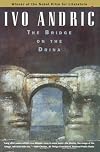
“The common people remember and tell of what they are able to grasp and what they are able to transform into legend. Anything else passes them by without deeper trace, with the dumb indifference of nameless natural phenomena, which do not touch the imagination or remain in the memory. This hard and long building process was for them a foreign task undertaken at another’s expense. Only when, as the fruit of this effort, the great bridge arose, men began to remember details and to show more embroider the creation of a real, skillfully built and lasting bridge with fabulous tales which they well knew how to weave and to remember.”
Published in 1945, this book chronicles the historic forces that changed the lives of people living in Višegrad, Bosnia, where the bridge was built by the Ottoman Empire in the mid-16th century. The story spans hundreds of years (1500s to 1914). The bridge is wide, and contains a kapia in the center, where people can sit and chat. Over time, the bridge becomes both a community meeting place and a focal point for conflicts.
The narrative is centered around the enduring presence of the bridge. The characters come and go. Some are followed over several chapters and others disappear quickly. Their stories incorporate political, social, cultural, religious, and economic changes that occur during their lifetimes. The Ottoman and Austro-Hungarian occupations, Bosnian and Herzegovinian rebellions, and Austrian annexation are incorporated into the narrative. It also portrays the fallout after the assassination of Archduke Franz Ferdinand. Be aware that it contains a particularly gruesome description of torture and execution.
The book is beautifully written using descriptive language. I read the English translation from Serbo-Croatian by Lovett F. Edwards. It is easy to envision the bridge, the town, and the surrounding landscapes. It is a book to read gradually in order to fully digest the content. It is a wonderful example of an author using fiction to inform readers about history.
Memorable quotes:
“But misfortunes do not last forever (this they have in common with joys) but pass away or are at least diminished and become lost in oblivion. Life on the kapia always renews itself despite everything and the bridge does not change with the years or with the centuries or with the most painful turns in human affairs. All these pass over it, even as the unquiet waters pass beneath its smooth and perfect arches.”
“Every human generation has its own illusions with regard to civilization; some believe they are taking part in its upsurge, others that they are witnesses of its extinction. In fact, it always both flames and smolders and is extinguished, according to the place and the angle of view.” show less
Published in 1945, this book chronicles the historic forces that changed the lives of people living in Višegrad, Bosnia, where the bridge was built by the Ottoman Empire in the mid-16th century. The story spans hundreds of years (1500s to 1914). The bridge is wide, and contains a kapia in the center, where people can sit and chat. Over time, the bridge becomes both a community meeting place and a focal point for conflicts.
The narrative is centered around the enduring presence of the bridge. The characters come and go. Some are followed over several chapters and others disappear quickly. Their stories incorporate political, social, cultural, religious, and economic changes that occur during their lifetimes. The Ottoman and Austro-Hungarian occupations, Bosnian and Herzegovinian rebellions, and Austrian annexation are incorporated into the narrative. It also portrays the fallout after the assassination of Archduke Franz Ferdinand. Be aware that it contains a particularly gruesome description of torture and execution.
The book is beautifully written using descriptive language. I read the English translation from Serbo-Croatian by Lovett F. Edwards. It is easy to envision the bridge, the town, and the surrounding landscapes. It is a book to read gradually in order to fully digest the content. It is a wonderful example of an author using fiction to inform readers about history.
Memorable quotes:
“But misfortunes do not last forever (this they have in common with joys) but pass away or are at least diminished and become lost in oblivion. Life on the kapia always renews itself despite everything and the bridge does not change with the years or with the centuries or with the most painful turns in human affairs. All these pass over it, even as the unquiet waters pass beneath its smooth and perfect arches.”
“Every human generation has its own illusions with regard to civilization; some believe they are taking part in its upsurge, others that they are witnesses of its extinction. In fact, it always both flames and smolders and is extinguished, according to the place and the angle of view.” show less
The Slave Girl and Other Stories (CEU Press Classics) (Central European Press Classics) by Ivo Andrić
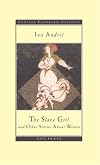
A wrenchingly beautiful, yet harrowing read. The stories lay bare the way a community can tyrannize any member who is different, weak, or socially isolated. Many of the stories are about women who are unable to conform to the social expectations meted out to them. Each story is set up in a way that first introduces the woman and her situation from the point of view of the community. The community judges her lucky. But soon the viewpoint will shift to the woman herself, and to her daily show more experience of private suffering, suffering that builds to a breaking point, and then something terrible (usually) or something wonderful (occasionally) happens to release her.
Andric's understanding of private suffering, particularly of women's suffering, is uncanny. He hammers away at the damage done to women in communities where men have all the power.
I'm trying to find an apt comparison with something you may have read...Andric's stories are something, I suppose, like what Chekhov would have written, had he been writing in Europe in the mid-twentieth century. I was unsettled by this collection but I'm glad to have read it. I think you will be as well. show less
Andric's understanding of private suffering, particularly of women's suffering, is uncanny. He hammers away at the damage done to women in communities where men have all the power.
I'm trying to find an apt comparison with something you may have read...Andric's stories are something, I suppose, like what Chekhov would have written, had he been writing in Europe in the mid-twentieth century. I was unsettled by this collection but I'm glad to have read it. I think you will be as well. show less

Andrić takes us through the history of Bosnia from the early 16th century, when janissaries took a ten-year-old boy from his parents in a village near Višegrad. He would grow up to become the Ottoman statesman Mehmet Pasha and commission, as his pious legacy, the building of a stone bridge and a han at the point where he had been carried over the Višegrad ferry. In a series of vignettes, some linked, some not, we are taken through to 1914, when young people of the author's own generation show more are facing the opportunities of modern education and communications, and the challenges of the new political situation in the Balkans.
Although Andrić tells us a lot about the big things that are going on in the region over those four hundred years, everything is shown through the eyes of the ordinary people — Moslems, Serbs, and Jews; later also Austrians, Hungarians and Galicians — who live in the small town of Višegrad and meet to gossip on the bridge. History is experienced as a series of more or less inexplicable external events that affect their lives, it never seems to be anything they can influence themselves. Gruesome descriptions of arbitrary executions and tragic tales of suicide are mixed up with comic tales of romance and commercial intrigue, or with the minor tragedies of ordinary people's lives. The dignified conservative we see questioning reckless innovation in one story reappears in later ones as the last eccentric stick-in-the-mud holding on to the old ways against all reason, and the bridge constantly reappears as the structure that gives the stories a common thread.
Fascinating, absorbing, and an unusual way of looking at history: despite the long span of years covered it never loses its very human, very local feel: Andrić manages to make all these diverse characters from different cultures and ages into people we feel we know, somehow. show less
Although Andrić tells us a lot about the big things that are going on in the region over those four hundred years, everything is shown through the eyes of the ordinary people — Moslems, Serbs, and Jews; later also Austrians, Hungarians and Galicians — who live in the small town of Višegrad and meet to gossip on the bridge. History is experienced as a series of more or less inexplicable external events that affect their lives, it never seems to be anything they can influence themselves. Gruesome descriptions of arbitrary executions and tragic tales of suicide are mixed up with comic tales of romance and commercial intrigue, or with the minor tragedies of ordinary people's lives. The dignified conservative we see questioning reckless innovation in one story reappears in later ones as the last eccentric stick-in-the-mud holding on to the old ways against all reason, and the bridge constantly reappears as the structure that gives the stories a common thread.
Fascinating, absorbing, and an unusual way of looking at history: despite the long span of years covered it never loses its very human, very local feel: Andrić manages to make all these diverse characters from different cultures and ages into people we feel we know, somehow. show less
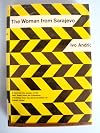
‘’The sky above Belgrade stretches from horizon to horizon, often tumultuous, but always beautiful. In winter, with its bright, cold and clear starry nights, in summer with its sudden showers. When it changes, becoming a thick, dark cloud that carries heavy rain and dirt from the valleys of Pannonia, aided by angry winds. In spring, the sky flourishes along with the earth and in autumn it is adorned with autumnal stars. The sky is always beautiful and generous, as if it’s trying to show more compensate this strange city for all that are missing. As if it’s trying to console it for all the things that are taking place without its will…’’
Unfortunately, Rajka’s life has nothing of the variety of the seasons or the beauty of the sky and the vividness of Sarajevo and Belgrade. The crisis before the First World War, the Great War itself, the persecution against the Serbian citizens in Bosnia make no difference at all. Even when forced to leave Sarajevo, she bears it all with a frightening and admirable combination of perseverance, serenity, and determination. For all her life, her thoughts, her heart answer to one word: money. Burdened by a terrible misfortune due to her father’s kind nature, Rajka is determined to live for herself. The problem is that she isn't actually alive and her obsession can only lead to one closure…
Rajka is not an evil person. I am surprised and appalled by many users’ swift tendency to judge what they are obviously unable to understand. Raika is not evil or vile or a ‘’traitor’’. This would make for a very naive, simplistic and misinformed reading of her character. Allow me to write a few observations in Greek because they are actually aimed at certain users from my homeland.
Αφήστε την τηλεόραση και διαβάζετε περισσότερο προσεκτικά ορισμένα βιβλία. Παρατηρήστε στους χαρακτήρες. Ζήστε τους. Η συγκεκριμένη ηρωίδα δεν είναι μια από τους χαρακτήρες στις τηλεοπτικές σειρές που έχετε προφανέστατα συνηθίσει να παρακολουθείτε. Δεν θέλει να παντρευτεί ούτε να πηδηχτεί κατα εικοσάδες. Είναι ‘’αντιπαθητικιά’’ και καλά κάνει (...αν είναι δυνατόν τα ελληνικά ορισμένων, δηλαδή…) Κι αν ο Ivo Andrić δεν σας ‘’τραβάει’’ το ενδιαφέρον με την πλοκή του, υπάρχει η Δημουλίδου κι ο Κρομμύδας ή όπως αλλιώς τον λένε κι η Μαντά. Άιντε (Σέρβικο επιφώνημα), λίγος σεβασμός δεν βλάπτει. Γυρίστε στα ‘’αστυνομικά’’ σας και τα Αρλεκιν κι αφήστε την κλασική λογοτεχνία...Περίμενα χρόνια να τα γράψω αυτά για μερικούς.
Rajka is a terribly wounded, problematic soul that has decided to build a gigantic fortress between herself and what she perceives to be a threatening mob, willing to take advantage of her. Whether she is right or not is purely subjective, in my opinion. Speaking strictly for me, I’d say I agree with her with one exception. When your need to isolate yourself to pursue an endless source of wealth and security results in creating a prison for your heart and soul, then you are torturing yourself needlessly. No amount of money is worthy of such a terrible sacrifice.
Rajka does exactly that. She isn’t a usurer or a leech. Instead, leeches are trying to drink her blood, making use of her naivety regarding relationships and the worms that are always there, waiting. She stays away from the gossip and the intrigues because she is so much better than the simple-minded girls whose only desire is to marry. However, she refuses to allow herself to live. This becomes worse and worse, reaching a level of absurd self-punishment. When a rightful disappointment originated by two of the aforementioned leeches strikes her during the later years, Rajka’s course is already sealed. In the end, Andrić wants us to wonder: Was it all worth it? Such obsession and hardness? Was it worth all the millions of the world? The answer is a thundering ‘’no’’.
In a book that I would consider as one of the immortal works in World Literature, the great Ivo Andrić takes us to the multicultural city of Sarajevo and the cosmopolitan Belgrade during the beginning of the 20th century, in the company of one of the most memorable heroines. As always, he comments on the social and political circumstances and demonstrates that certain disputes have roots firmly planted in the past, fed and watered by narrow-mindedness and greed and the people’s wrong choices when they fall for loud, populist voices. But Rajka remains indifferent. Raike walks her own way, with her head held high and with a terrible stone inside that makes her steps heavier and heavier…
Life isn’t black or white. And it certainly isn’t pink and sugar-coated with female characters who only wish to get laid or married. Judging by the people’s responses in most subjects on social media, Raija’s thinking regarding the crowds was far from wrong…
‘’Steady again, she gazed around her room before she turned her eyes outside the window, in the autumnal sky and the naked branches of the trees that seemed to guard the horizon. Gathering her strength, as any human being who has received a frightful blow, she said to herself: so be it! ‘’
*Extracts translated by me.* show less
Unfortunately, Rajka’s life has nothing of the variety of the seasons or the beauty of the sky and the vividness of Sarajevo and Belgrade. The crisis before the First World War, the Great War itself, the persecution against the Serbian citizens in Bosnia make no difference at all. Even when forced to leave Sarajevo, she bears it all with a frightening and admirable combination of perseverance, serenity, and determination. For all her life, her thoughts, her heart answer to one word: money. Burdened by a terrible misfortune due to her father’s kind nature, Rajka is determined to live for herself. The problem is that she isn't actually alive and her obsession can only lead to one closure…
Rajka is not an evil person. I am surprised and appalled by many users’ swift tendency to judge what they are obviously unable to understand. Raika is not evil or vile or a ‘’traitor’’. This would make for a very naive, simplistic and misinformed reading of her character. Allow me to write a few observations in Greek because they are actually aimed at certain users from my homeland.
Αφήστε την τηλεόραση και διαβάζετε περισσότερο προσεκτικά ορισμένα βιβλία. Παρατηρήστε στους χαρακτήρες. Ζήστε τους. Η συγκεκριμένη ηρωίδα δεν είναι μια από τους χαρακτήρες στις τηλεοπτικές σειρές που έχετε προφανέστατα συνηθίσει να παρακολουθείτε. Δεν θέλει να παντρευτεί ούτε να πηδηχτεί κατα εικοσάδες. Είναι ‘’αντιπαθητικιά’’ και καλά κάνει (...αν είναι δυνατόν τα ελληνικά ορισμένων, δηλαδή…) Κι αν ο Ivo Andrić δεν σας ‘’τραβάει’’ το ενδιαφέρον με την πλοκή του, υπάρχει η Δημουλίδου κι ο Κρομμύδας ή όπως αλλιώς τον λένε κι η Μαντά. Άιντε (Σέρβικο επιφώνημα), λίγος σεβασμός δεν βλάπτει. Γυρίστε στα ‘’αστυνομικά’’ σας και τα Αρλεκιν κι αφήστε την κλασική λογοτεχνία...Περίμενα χρόνια να τα γράψω αυτά για μερικούς.
Rajka is a terribly wounded, problematic soul that has decided to build a gigantic fortress between herself and what she perceives to be a threatening mob, willing to take advantage of her. Whether she is right or not is purely subjective, in my opinion. Speaking strictly for me, I’d say I agree with her with one exception. When your need to isolate yourself to pursue an endless source of wealth and security results in creating a prison for your heart and soul, then you are torturing yourself needlessly. No amount of money is worthy of such a terrible sacrifice.
Rajka does exactly that. She isn’t a usurer or a leech. Instead, leeches are trying to drink her blood, making use of her naivety regarding relationships and the worms that are always there, waiting. She stays away from the gossip and the intrigues because she is so much better than the simple-minded girls whose only desire is to marry. However, she refuses to allow herself to live. This becomes worse and worse, reaching a level of absurd self-punishment. When a rightful disappointment originated by two of the aforementioned leeches strikes her during the later years, Rajka’s course is already sealed. In the end, Andrić wants us to wonder: Was it all worth it? Such obsession and hardness? Was it worth all the millions of the world? The answer is a thundering ‘’no’’.
In a book that I would consider as one of the immortal works in World Literature, the great Ivo Andrić takes us to the multicultural city of Sarajevo and the cosmopolitan Belgrade during the beginning of the 20th century, in the company of one of the most memorable heroines. As always, he comments on the social and political circumstances and demonstrates that certain disputes have roots firmly planted in the past, fed and watered by narrow-mindedness and greed and the people’s wrong choices when they fall for loud, populist voices. But Rajka remains indifferent. Raike walks her own way, with her head held high and with a terrible stone inside that makes her steps heavier and heavier…
Life isn’t black or white. And it certainly isn’t pink and sugar-coated with female characters who only wish to get laid or married. Judging by the people’s responses in most subjects on social media, Raija’s thinking regarding the crowds was far from wrong…
‘’Steady again, she gazed around her room before she turned her eyes outside the window, in the autumnal sky and the naked branches of the trees that seemed to guard the horizon. Gathering her strength, as any human being who has received a frightful blow, she said to herself: so be it! ‘’
*Extracts translated by me.* show less
Lists
1940s (1)
100 knjiga (3)
My TBR (2)
Books I've read (1)
Five star books (1)
Reading Globally (1)
Favourite Books (1)
Awards


You May Also Like


Associated Authors
Statistics
- Works
- 236
- Also by
- 5
- Members
- 4,837
- Popularity
- #5,192
- Rating
- 4.1
- Reviews
- 102
- ISBNs
- 412
- Languages
- 30
- Favorited
- 17


