
Tatjana Soli
Author of The Lotus Eaters
About the Author
Works by Tatjana Soli
Tagged
Common Knowledge
- Canonical name
- Soli, Tatjana
- Birthdate
- 20th Century
- Gender
- female
- Education
- Stanford University
Warren Wilson College - Nationality
- Austria
- Birthplace
- Salzburg, Austria
- Places of residence
- Orange County, California, USA
- Associated Place (for map)
- Austria
Members
Reviews
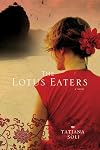
Having studied Vietnam in depth in the course of my undergraduate degree, having traveled extensively through the country and having lived in the Asia Pacific region for many years, I have read a lot of books related to Vietnam. This is one of the best fiction accounts I have read and there are a number of reasons for that to be the case.
The story is told primarily from the viewpoint of a woman photographer who initially comes to Vietnam in 1965 to discover the truth of her brothers death show more and ends up staying for a variety of reasons and in doing so covers the war from beginning to end. On arrival she is a naive and derided by the male war correspondents, photographers and soldiers. She is considered a distraction, a potential demoralization for the troops in the event that she is killed in combat and not up to the macho standards of her male colleagues.
She forges ahead and in doing so, develops contacts that only a woman would be able to make and sees the war from a viewpoint that only a woman could have. The interactions are believable. The relationships make sense - anyone who has forged relationships in adversity understands the heightened sense of passion of magnitude these take on. Likewise, those that have spent time in heightened adversity understand that a break from that atmosphere can leave one flattened with difficulty readjusting to the "real world".
What made this book most compelling for me though, was the way Vietnam jumped off the page. There are certain sights and smells that for those that have been, understand. The book captures all of that atmosphere - from the cramped streets of Saigon; the smells of street vendors cooking; the fruits, vegetables and the particular smell of vegetation. She captures the storms that roll in every afternoon that create a steamy, humid evening. The taste of cognac and the salt on your lips and body after bathing in ocean water warmer than body temperature.
She is also able to capture the beauty of the countryside and the sense of mystic that is part of the Buddhist tradition and the Vietnamese people. What was the most refreshing though was that the story was not the typical American in Vietnam- democracy defeated by the evil VC/Charlie/Uncle Ho Marine crap that usually populates these types of novels. It is about a people who have endured French, American and Communist occupation in order to evolve into what they really want to be - independent Vietnamese. This feeling is captured well through the characters of Linh, Mr. Bao, Grandmother and even Annick.
If this is Tatjana Soli's first novel, I look forward to the rest of her output. This novel does not read like a first novel. There are some beautiful turns of phrase and crisp descriptions. The hell that is war is handled well - the descriptions of injury and death are well done as are the descriptions of humanity and life. She is also extremely well read and researched on her subject. I recommend this book for both book club and pleasure reading and have already passed copies to others. Buy the book. It is money well spent. show less
The story is told primarily from the viewpoint of a woman photographer who initially comes to Vietnam in 1965 to discover the truth of her brothers death show more and ends up staying for a variety of reasons and in doing so covers the war from beginning to end. On arrival she is a naive and derided by the male war correspondents, photographers and soldiers. She is considered a distraction, a potential demoralization for the troops in the event that she is killed in combat and not up to the macho standards of her male colleagues.
She forges ahead and in doing so, develops contacts that only a woman would be able to make and sees the war from a viewpoint that only a woman could have. The interactions are believable. The relationships make sense - anyone who has forged relationships in adversity understands the heightened sense of passion of magnitude these take on. Likewise, those that have spent time in heightened adversity understand that a break from that atmosphere can leave one flattened with difficulty readjusting to the "real world".
What made this book most compelling for me though, was the way Vietnam jumped off the page. There are certain sights and smells that for those that have been, understand. The book captures all of that atmosphere - from the cramped streets of Saigon; the smells of street vendors cooking; the fruits, vegetables and the particular smell of vegetation. She captures the storms that roll in every afternoon that create a steamy, humid evening. The taste of cognac and the salt on your lips and body after bathing in ocean water warmer than body temperature.
She is also able to capture the beauty of the countryside and the sense of mystic that is part of the Buddhist tradition and the Vietnamese people. What was the most refreshing though was that the story was not the typical American in Vietnam- democracy defeated by the evil VC/Charlie/Uncle Ho Marine crap that usually populates these types of novels. It is about a people who have endured French, American and Communist occupation in order to evolve into what they really want to be - independent Vietnamese. This feeling is captured well through the characters of Linh, Mr. Bao, Grandmother and even Annick.
If this is Tatjana Soli's first novel, I look forward to the rest of her output. This novel does not read like a first novel. There are some beautiful turns of phrase and crisp descriptions. The hell that is war is handled well - the descriptions of injury and death are well done as are the descriptions of humanity and life. She is also extremely well read and researched on her subject. I recommend this book for both book club and pleasure reading and have already passed copies to others. Buy the book. It is money well spent. show less
In Tatjana Soli’s gorgeous debut novel, three photojournalists covering the Vietnam War grapple with the ambiguous morality of war journalism, and their conflicting loyalties to each other. Helen Adams is a young woman from California when she arrives in Vietnam, barely able to load her own camera with film. She meets Sam Darrow, a Pulitzer-prize winning photographer who is addicted to war and blind to everything but his own ambition. Their tumultuous relationship takes them into the heart show more of the Vietnam conflict, and brings them ever closer to the country they begin to call home, even as they risk their lives to document it. Helen’s later relationship with their assistant, a reserved and devoted Vietnamese photographer named Tran Bau Linh, is perhaps even more complex. Over the course of a decade in Vietnam, Helen’s addiction to the rhythms of war harden her, but she never loses her humanity, the driving force in this beautiful novel. show less
 This review was written for LibraryThing Early Reviewers.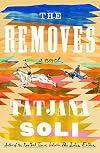
For much of American history, we have romanticized the West. It was wild and untamed and it was up to us to bring it under our control (damn the people who already lived there). But even discounting the lies and betrayals offered so glibly by our government, rarely were honest, unbiased accounts of the endurance and brutal violence of life in the territories presented. Instead, there were embellishments, aggrandizing, and outright fabrications that only served to enlarge the legend of the show more civilizing of the West. In Tatjana Soli's newest novel, The Removes, she strips bare the romance of the time and place through the fictionalized stories of General George Armstrong "Autie" Custer, his wife Libbie, and an invented character, a girl named Anne Cummins who was abducted by the Cheyenne.
The novel opens with a terrifying and graphic raid where 15 year old Anne Cummins' family is killed and she is captured by the Cheyenne and subsequently marched, weak and starving, to the tribe's temporary village. This attack is just one in a long line of back and forth killings and retributions between the Native tribes and the US Army and lays the groundwork for the subsequent depredations into territories promised to the Indians. Then the reader moves to a snapshot in time showing Custer's bravado during the Civil War when his star was rising swift and sure and then to a drawing room party in Monroe, Michigan where a popular and beloved only daughter, Libbie Bacon, meets the Civil War hero for the second time. Moving seamlessly between these three characters, the narrative carries on through Anne's horrific captivity, Libbie and her Autie's courtship and marriage, and Custer's Army exploits ending only in the wake of the Battle of Little Bighorn. Scattered in amongst the chapters centered on these three are snippets from newspapers, army reports, and narration from secondary characters, that serve to round out the picture of these very human people Soli has drawn.
From 1863 to 1876, Custer went from a Civil War hero to an Indian fighter, alternately praised and vilified by those in government and those under his command. He was ambitious and proud, smart and focused. He was also a larger than life dandy who, despite his great and enduring love for his wife, was a terrible womanizer. Despite the hardships of an Army life, it was really the only one that Custer was cut out for even as he had to balance his need for constant action and war with his growing realization of the emotional cost of his actions and the wrongness of the government's view of and intentions toward the Native peoples. During this same period, Libbie went from pampered society miss to loyal and stalwart army wife who endured hardships alongside her beloved husband. Her experiences living so remotely and without any of the accouterments she might have expected had she stayed home in Michigan as well as her disappointments with Custer's behaviour forged a steel backbone in her. Anne, during her captivity, endured abuse and privation with an outsized grit, intelligence, and determination, never giving up on the dream of being rescued but always surviving in the present no matter how harshly she was treated.
Soli doesn't shy away from the horror of the removes, writing scenes of appalling violence that hit the reader viscerally. She also doesn't avoid the truth of the mismanagement and duplicity of the US government in its dealings with the tribes and the way that these things led directly to Custer and his fellow soldier's campaigns and actions. The sections centered on Custer, the long and slow expeditions into inhospitable lands, the interminable monotony of days and days without any Indian sightings or of the chasing after of mirages, felt as long and slow as the operations themselves. The chapters focused on Libbie or Anne were completely different in tone to the Custer chapters, more engaging but still realistic in the portrayals of possible fates of women in the West, at the mercy of others, be it captors or the US government or a husband. Soli's writing is incredibly evocative and her descriptions of the vast and expansive landscape were gorgeously done. This is an impressive and unusual Western about a time and place not often honestly portrayed and only given a brief mention, if at all, in general American history classes. show less
The novel opens with a terrifying and graphic raid where 15 year old Anne Cummins' family is killed and she is captured by the Cheyenne and subsequently marched, weak and starving, to the tribe's temporary village. This attack is just one in a long line of back and forth killings and retributions between the Native tribes and the US Army and lays the groundwork for the subsequent depredations into territories promised to the Indians. Then the reader moves to a snapshot in time showing Custer's bravado during the Civil War when his star was rising swift and sure and then to a drawing room party in Monroe, Michigan where a popular and beloved only daughter, Libbie Bacon, meets the Civil War hero for the second time. Moving seamlessly between these three characters, the narrative carries on through Anne's horrific captivity, Libbie and her Autie's courtship and marriage, and Custer's Army exploits ending only in the wake of the Battle of Little Bighorn. Scattered in amongst the chapters centered on these three are snippets from newspapers, army reports, and narration from secondary characters, that serve to round out the picture of these very human people Soli has drawn.
From 1863 to 1876, Custer went from a Civil War hero to an Indian fighter, alternately praised and vilified by those in government and those under his command. He was ambitious and proud, smart and focused. He was also a larger than life dandy who, despite his great and enduring love for his wife, was a terrible womanizer. Despite the hardships of an Army life, it was really the only one that Custer was cut out for even as he had to balance his need for constant action and war with his growing realization of the emotional cost of his actions and the wrongness of the government's view of and intentions toward the Native peoples. During this same period, Libbie went from pampered society miss to loyal and stalwart army wife who endured hardships alongside her beloved husband. Her experiences living so remotely and without any of the accouterments she might have expected had she stayed home in Michigan as well as her disappointments with Custer's behaviour forged a steel backbone in her. Anne, during her captivity, endured abuse and privation with an outsized grit, intelligence, and determination, never giving up on the dream of being rescued but always surviving in the present no matter how harshly she was treated.
Soli doesn't shy away from the horror of the removes, writing scenes of appalling violence that hit the reader viscerally. She also doesn't avoid the truth of the mismanagement and duplicity of the US government in its dealings with the tribes and the way that these things led directly to Custer and his fellow soldier's campaigns and actions. The sections centered on Custer, the long and slow expeditions into inhospitable lands, the interminable monotony of days and days without any Indian sightings or of the chasing after of mirages, felt as long and slow as the operations themselves. The chapters focused on Libbie or Anne were completely different in tone to the Custer chapters, more engaging but still realistic in the portrayals of possible fates of women in the West, at the mercy of others, be it captors or the US government or a husband. Soli's writing is incredibly evocative and her descriptions of the vast and expansive landscape were gorgeously done. This is an impressive and unusual Western about a time and place not often honestly portrayed and only given a brief mention, if at all, in general American history classes. show less
There are so many good things about this historical novel that takes place during the Vietnam War, and yet it was very difficult for me to read. Vietnam was a terrible war on many levels. But reading about in a non-fiction setting (as I usually do) neutralizes the emotional impact. Once you transform the nature of the omnipresent fear and death by describing it clinically and analyzing it, by applying to it formulated phrases and academic cadences, you establish distance by largely emptying show more it of emotional content. But to couch the images of horror into a narrative framework, you yourself enter that hell as you increasingly get lost in the story. And it is then that passivity escapes you, and what has been bearable becomes so painful to contemplate.
The story takes place from 1963 to 1975. Sam Darrow is a prize-winning photojournalist who is one of the raucous group Helen Adams meets when she comes in Saigon in 1965. Helen, a pioneering (and at first amateur) female photojournalist, wants to contribute to the war that has already claimed her brother’s life.
Shortly after Helen’s arrival, she begins an affair with Sam, but he dies on a photography mission right before they were finally scheduled to leave the country. After she recovers, she marries a South Vietnamese man, Nguyen Pran Linh, who had served as assistant to both her and Sam, and who had always loved her.
As background to these affairs, passage after passage conveys the constant tension and fear among both the troops and the embedded photojournalists:
"Helen saw spooked faces; the eyes of the soldiers hard and distrustful. Jumpy. Hot and without sleep, walking around with fingers tight on the triggers of their weapons.”
Sometimes the fear overcame the soldiers, and they took it out on South Vietnamese civilians. Helen became afraid of her own soldiers.
When Saigon falls, and the lives of both Helen and Linh are in danger because of the invasion of the North Vietnamese Army, they head for the sanctuary of the American Embassy. But Helen finds it difficult to leave: she has become addicted to the intensity of war:
"Outside, they plunged into a stream of people and were carried along. The ruttish noise deafening. Families argued over which direction to go, children cried, dogs barked, and on top of it all was the impatient blaring of horns as vehicles tried to force their way through. Far in the background, like the steady thrum of a heart, the sound of bombs exploding. The image of a bloodthirsty army approaching closer and closer made each person jog instead of walk, push instead of wait. Like a fix, Helen ached to pick up her camera and start shooting. What was the point of living through history if you didn’t record it?”
But by staying, she risks dangers even she had not contemplated.
Discussion: Although this book contains a love story, it isn’t the only focus of the book. Rather, there are several themes that take center stage.
One of the issues with which the characters – all photojournalists – grapple, is the perception of war they are providing by their pictures. What effect are they having on others experiencing and responding to to reality of the war: are their images exploitative? Are they unconsciously skewed to create support or opposition to the war? Certainly their own biases about what is worthy of photographing affects widespread perception of what is happening, and they become “interpreters of violence” (as the famous female photographer Dickey Chapelle confessed in her memoirs). Or worse, by publishing these moments of hell out of context, are they, as Susan Sontag suggested, in essence equating them with products in ads or celebrity shots? Are the sheer volume and repetition of the pictures, as Sam feared, making the horror "palatable"?
Sam was keenly aware of the lessening of meaning over time and was afraid it was reflected in his pictures: "Was his own work perpetrating the same on those it came into contact with? A steady loss of impact until violence became meaningless?”
Furthermore, is there something pornographic about the voyeurism of those who create, and those who observe, the pictures? As Helen muses: "No getting around the ghoulishness of pouncing on tragedy with hungry eyes, snatching it away, glorying in its taking even among the most sympathetic: ‘I got an incredible shot of a dead soldier/woman/child. A real tearjerker.’ Afterward, film shot, they sat on the returning plane with a kind of postcoital shame, turning away from each other.”
A second issue plays a large role in this book: the addictive adrenaline rush that kept so many photojournalists plunging back into danger, long after the need for more pictures had disappeared. Sam explained to Helen the addictive attraction to war when she first arrived: "That’s one of the keys to life here. Sudden and sublime. Sudden and awful. Everything distilled to its most intense. That’s why we’re all hooked.”
Adrenalin feeds the intensity, and the intensity in turn feeds the feeling of self-actualization, if only for the moment. As Sam told Helen: "Being there I felt my life was bigger than it had been before.”
Helen, too, came to feel the same way, "how despite the fear and the anger, she had been awake in the deepest way, in a way that ordinary life could not compete with.”
Third, there is a brief exploration of the way in which living through a war increases passion generally, and heightens it in the particular, as all the characters look for love, or sex, or any form of human closeness. Their desperation illustrates the need in war to feel something maximally, even as one must develop emotional anesthesia to the savagery all around them.
Perhaps the issue having the most impact on me as an American is the one that looks at how the South Vietnamese felt about the devastation of their country. At one point Linh, filled with despair and just wanting the destruction to stop, reflects:
"What [Helen] didn’t understand was that both sides were willing to destroy the country to gain their own ends. Whose side was he on? Whoever’s side saved men, women, animals, trees, grass, hillsides, and rice paddies. The side that saved villages and children. That got rid of the poisons that lay in the earth. But he did not know whose side that was.”
Evaluation: This is an intense book that uses meticulous research to form a story exploring the addictive nature of war. The movie “The Hurt Locker” is an obvious comparison, but the book also made me think of the movie “Coming Home,” which so brilliantly exposes the deleterious effects of the Vietnam War on the soldiers who had to go fight in this hellish quagmire. If you are unfamiliar with the pain and chaos and fear that made Vietnam so awful for both civilians and military, this book will take you on an un-sugar-coated odyssey through Hell. Especially for Americans, I believe it’s a trip that should be taken. show less
The story takes place from 1963 to 1975. Sam Darrow is a prize-winning photojournalist who is one of the raucous group Helen Adams meets when she comes in Saigon in 1965. Helen, a pioneering (and at first amateur) female photojournalist, wants to contribute to the war that has already claimed her brother’s life.
Shortly after Helen’s arrival, she begins an affair with Sam, but he dies on a photography mission right before they were finally scheduled to leave the country. After she recovers, she marries a South Vietnamese man, Nguyen Pran Linh, who had served as assistant to both her and Sam, and who had always loved her.
As background to these affairs, passage after passage conveys the constant tension and fear among both the troops and the embedded photojournalists:
"Helen saw spooked faces; the eyes of the soldiers hard and distrustful. Jumpy. Hot and without sleep, walking around with fingers tight on the triggers of their weapons.”
Sometimes the fear overcame the soldiers, and they took it out on South Vietnamese civilians. Helen became afraid of her own soldiers.
When Saigon falls, and the lives of both Helen and Linh are in danger because of the invasion of the North Vietnamese Army, they head for the sanctuary of the American Embassy. But Helen finds it difficult to leave: she has become addicted to the intensity of war:
"Outside, they plunged into a stream of people and were carried along. The ruttish noise deafening. Families argued over which direction to go, children cried, dogs barked, and on top of it all was the impatient blaring of horns as vehicles tried to force their way through. Far in the background, like the steady thrum of a heart, the sound of bombs exploding. The image of a bloodthirsty army approaching closer and closer made each person jog instead of walk, push instead of wait. Like a fix, Helen ached to pick up her camera and start shooting. What was the point of living through history if you didn’t record it?”
But by staying, she risks dangers even she had not contemplated.
Discussion: Although this book contains a love story, it isn’t the only focus of the book. Rather, there are several themes that take center stage.
One of the issues with which the characters – all photojournalists – grapple, is the perception of war they are providing by their pictures. What effect are they having on others experiencing and responding to to reality of the war: are their images exploitative? Are they unconsciously skewed to create support or opposition to the war? Certainly their own biases about what is worthy of photographing affects widespread perception of what is happening, and they become “interpreters of violence” (as the famous female photographer Dickey Chapelle confessed in her memoirs). Or worse, by publishing these moments of hell out of context, are they, as Susan Sontag suggested, in essence equating them with products in ads or celebrity shots? Are the sheer volume and repetition of the pictures, as Sam feared, making the horror "palatable"?
Sam was keenly aware of the lessening of meaning over time and was afraid it was reflected in his pictures: "Was his own work perpetrating the same on those it came into contact with? A steady loss of impact until violence became meaningless?”
Furthermore, is there something pornographic about the voyeurism of those who create, and those who observe, the pictures? As Helen muses: "No getting around the ghoulishness of pouncing on tragedy with hungry eyes, snatching it away, glorying in its taking even among the most sympathetic: ‘I got an incredible shot of a dead soldier/woman/child. A real tearjerker.’ Afterward, film shot, they sat on the returning plane with a kind of postcoital shame, turning away from each other.”
A second issue plays a large role in this book: the addictive adrenaline rush that kept so many photojournalists plunging back into danger, long after the need for more pictures had disappeared. Sam explained to Helen the addictive attraction to war when she first arrived: "That’s one of the keys to life here. Sudden and sublime. Sudden and awful. Everything distilled to its most intense. That’s why we’re all hooked.”
Adrenalin feeds the intensity, and the intensity in turn feeds the feeling of self-actualization, if only for the moment. As Sam told Helen: "Being there I felt my life was bigger than it had been before.”
Helen, too, came to feel the same way, "how despite the fear and the anger, she had been awake in the deepest way, in a way that ordinary life could not compete with.”
Third, there is a brief exploration of the way in which living through a war increases passion generally, and heightens it in the particular, as all the characters look for love, or sex, or any form of human closeness. Their desperation illustrates the need in war to feel something maximally, even as one must develop emotional anesthesia to the savagery all around them.
Perhaps the issue having the most impact on me as an American is the one that looks at how the South Vietnamese felt about the devastation of their country. At one point Linh, filled with despair and just wanting the destruction to stop, reflects:
"What [Helen] didn’t understand was that both sides were willing to destroy the country to gain their own ends. Whose side was he on? Whoever’s side saved men, women, animals, trees, grass, hillsides, and rice paddies. The side that saved villages and children. That got rid of the poisons that lay in the earth. But he did not know whose side that was.”
Evaluation: This is an intense book that uses meticulous research to form a story exploring the addictive nature of war. The movie “The Hurt Locker” is an obvious comparison, but the book also made me think of the movie “Coming Home,” which so brilliantly exposes the deleterious effects of the Vietnam War on the soldiers who had to go fight in this hellish quagmire. If you are unfamiliar with the pain and chaos and fear that made Vietnam so awful for both civilians and military, this book will take you on an un-sugar-coated odyssey through Hell. Especially for Americans, I believe it’s a trip that should be taken. show less
Lists
Awards


You May Also Like


Associated Authors
Statistics
- Works
- 4
- Members
- 1,466
- Popularity
- #17,520
- Rating
- 3.9
- Reviews
- 123
- ISBNs
- 39
- Languages
- 1
