
Michael Cunningham (1)
Author of The Hours
For other authors named Michael Cunningham, see the disambiguation page.
About the Author
Michael Cunningham was born November 6, 1952 in Cincinnati, Ohio and grew up in Pasadena, California. He received a B.A. in English literature from Stanford University and an M.F.A. in creative writing from the University of Iowa. Cunningham is the recipient of a Guggenheim Fellowship in 1993 and a show more Whiting Writers' Award in 1995. In 1999, he received the Pulitzer Prize for Fiction and the PEN/Faulkner Award for his novel, The Hours, which was later made into an Oscar-winning 2002 movie of the same name starring Nicole Kidman, Meryl Streep and Julianne Moore. Cunningham taught at the Fine Arts Work Center in Provincetown, Massachusetts and in the creative writing M.F.A. program at Brooklyn College. He is a senior lecturer of creative writing at Yale University. show less
Image credit: Michael Cunningham on June 11, 2018 in New York City
Works by Michael Cunningham
White Angel [short story] 7 copies
Ever/After [short story] 1 copy
A Wild Swan [short story] 1 copy
Crazy Old Lady [short story] 1 copy
Her Hair [short story] 1 copy
Beasts [short story] 1 copy
Steadfast; Tin [short story] 1 copy
Little Man [short story] 1 copy
A Monkey's Paw [short story] 1 copy
Poisoned [short story] 1 copy
Jacked [short story] 1 copy
Dis. Enchant. [short story] 1 copy
Company 1 copy
In the Machine [short story] 1 copy
Associated Works
My Mother She Killed Me, My Father He Ate Me: Forty New Fairy Tales (2010) — Contributor — 1,111 copies, 27 reviews
The Scribner Anthology of Contemporary Short Fiction: Fifty North American American Stories Since 1970 (1999) — Contributor — 588 copies, 4 reviews
The Letter Q: Queer Writers' Notes to their Younger Selves (2012) — Contributor — 296 copies, 5 reviews
Fight of the Century: Writers Reflect on 100 Years of Landmark ACLU Cases (2020) — Contributor — 262 copies, 5 reviews
The Workshop: Seven Decades of the Iowa Writers Workshop - 43 Stories, Recollections, & Essays on Iowa's Place in Twentieth-Century American Literature (1999) — Contributor — 197 copies, 1 review
Unknown Masterpieces: Writers Rediscover Literature's Hidden Classics (New York Review Books Classics) (2003) — Contributor — 115 copies, 2 reviews
Mentors, Muses & Monsters: 30 Writers on the People Who Changed Their Lives (2009) — Contributor — 71 copies, 2 reviews
Tagged
Common Knowledge
- Legal name
- Cunningham, Michael
- Birthdate
- 1952-11-06
- Gender
- male
- Education
- Stanford University (BA)
University of Iowa (MFA) - Occupations
- author
screenwriter - Awards and honors
- Michener Fellowship (1982)
National Endowment for the Arts Fellowship (1988)
Guggenheim Fellowship (1993)
Whiting Writers' Award (1995)
Pulitzer Prize for Fiction (1999)
PEN/Faulkner Award (1999) - Short biography
- Michael Cunningham (1):
Pulitzer Prize for Fiction (1999)
PEN/Faulkner Award (1999)
Gay, Lesbian, Bisexual, and Transgendered Book Award (1999) - Nationality
- USA
- Birthplace
- Cincinnati, Ohio, USA
- Places of residence
- Cincinnati, Ohio, USA
La Cañada Flintridge, California, USA
Brooklyn, New York, USA - Associated Place (for map)
- USA
Members
Reviews
This novel broke my heart. I saw it coming, but read on.
April 5, 2019. April 5, 2020. April 5, 2021. One day, over three years, and the changes in one small family.
Isabel and Dan, their children Nathan and Violet. Isabel’s brother Robbie, beloved uncle, beloved brother-in-law, beloved brother. He lives with the family and is an integral part of their lives. Their love for each other is sustaining.
But Nathan needs his own bedroom, and that means Robbie needs to move out. His last show more relationship has ended and what he can afford is an hour away.
Robbie also loves Dan’s brother Garth, and Garth loves Robbie. Garth has had a child with his college friend Chess, and he has fallen in love with the child. He was never meant to be a part of this family; he was only a means to an end.
Dan is struggling with growing older, wondering if he can reclaim his earlier rock and roll life, write a few songs and make a comeback. He had given it all up with Nathan’s birth, became a responsible dad and father. Isabel, though, is overwhelmed with this life she chose, out of love with motherhood–and Dan.
A year later finds them in the midst of the Covid epidemic. Another year passes, and they all are struggling with losses and change and the end of love and the beginning of a new chapter.
I love this book, this writing, this story. I loved these characters, their struggles, their love for each other. It captures the essence of relationships, the many kinds of love, how the loss of one person alters the entire world, how grief hits and how we react to loss. It captures the inner lives of children and adults, the writing is gob-smacking gorgeous. Read it.
Thanks to the publisher for a free book. show less
April 5, 2019. April 5, 2020. April 5, 2021. One day, over three years, and the changes in one small family.
Isabel and Dan, their children Nathan and Violet. Isabel’s brother Robbie, beloved uncle, beloved brother-in-law, beloved brother. He lives with the family and is an integral part of their lives. Their love for each other is sustaining.
But Nathan needs his own bedroom, and that means Robbie needs to move out. His last show more relationship has ended and what he can afford is an hour away.
Robbie also loves Dan’s brother Garth, and Garth loves Robbie. Garth has had a child with his college friend Chess, and he has fallen in love with the child. He was never meant to be a part of this family; he was only a means to an end.
Dan is struggling with growing older, wondering if he can reclaim his earlier rock and roll life, write a few songs and make a comeback. He had given it all up with Nathan’s birth, became a responsible dad and father. Isabel, though, is overwhelmed with this life she chose, out of love with motherhood–and Dan.
A year later finds them in the midst of the Covid epidemic. Another year passes, and they all are struggling with losses and change and the end of love and the beginning of a new chapter.
I love this book, this writing, this story. I loved these characters, their struggles, their love for each other. It captures the essence of relationships, the many kinds of love, how the loss of one person alters the entire world, how grief hits and how we react to loss. It captures the inner lives of children and adults, the writing is gob-smacking gorgeous. Read it.
Thanks to the publisher for a free book. show less

i border very close to having absolutely loved this book. the writing is exquisite, and the way he shows this idea of waiting to live your life - it just felt so brutally honest and raw. how what feel like small tragedies in the moment - things not said, the stuff you think you'll one day do or say - end up shaping a life and can even be the main tragedy in it. and i loved, really loved, the way bobby frames things and gives us insight into the rest of the book at the very end. a beautiful show more wrap-up.
of the 3 main characters, i really only liked one of them, but only really disliked one of them as well. i guess it's more that i couldn't really relate at all to one of them, the woman, and just felt more connected to the two men, especially bobby. still, that mattered not a bit to how much i enjoyed this book.
had it not been for the holidays, i would never have taken so long to have read it. i'm too slow a reader to be able to read a book like this in one sitting, but i would really have loved to have been able to. i never wanted to put it down.
between a mother and her adolescent son:
"'Good night,' he said.
'Good night. Sleep well.'
Still I lingered. I could not leave off looking at him, even if he resented me for it. If I'd had the courage I'd have said to him, 'Don't do it. Please don't start hating me. You can have the world without shutting me out of your life.'
I walked quietly from the room, as full of him as I had been when I was pregnant."
"...at a theater where a mouse ran across our feet, quick and feathery as a bad impulse." show less
of the 3 main characters, i really only liked one of them, but only really disliked one of them as well. i guess it's more that i couldn't really relate at all to one of them, the woman, and just felt more connected to the two men, especially bobby. still, that mattered not a bit to how much i enjoyed this book.
had it not been for the holidays, i would never have taken so long to have read it. i'm too slow a reader to be able to read a book like this in one sitting, but i would really have loved to have been able to. i never wanted to put it down.
between a mother and her adolescent son:
"'Good night,' he said.
'Good night. Sleep well.'
Still I lingered. I could not leave off looking at him, even if he resented me for it. If I'd had the courage I'd have said to him, 'Don't do it. Please don't start hating me. You can have the world without shutting me out of your life.'
I walked quietly from the room, as full of him as I had been when I was pregnant."
"...at a theater where a mouse ran across our feet, quick and feathery as a bad impulse." show less
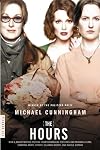
Poco conocida es la novela de "Las horas" de Michael Cunningham, premiada con el Premio Pulitzer en el año 1999; pero casi todo el mundo habrá oído hablar de la película que lleva el mismo título, protagonizada por Nicole Kidman (como Virgnia Woolf), Meryl Streep (como Clarissa Dalloway) y Julianne Moore (como la señora Brown).
He de reconocer que supe de la existencia de la novela de casualidad, y no tardé ni unos pocos minutos en hacerme con ella. Había creído que "Las horas" era show more una adaptación de "La señora Dalloway" de Woolf, desconocía la existencia de esta fascinante obra literaria, como pocas he tenido la suerte de leer a lo largo de todos estos años, tantos años. Desde su comienzo, hasta su final, me resultaba hasta doloroso apartar la vista de las letras, tan plagadas de hermosura, sentimientos, con una prosa superior, y un dominio del alma humana increíble.
Tres mujeres, tres tiempos y tres historias. Todas ellas desarrolladas en un único día, de su mañana hasta al caer la noche. Es un homenaje a la mujer: a la mujer que escribía, a la mujer que leía y a la mujer que vivía. Es un recuerdo fulminantemente radiante de Virginia Woolf, un reflejo del proceso creativo que terminó por destruirla, un análisis certero de la terrible enfermedad que sufría. Y es un reflejo moderno de lo que puedo haber sido la señora Dalloway, una mujer que organiza una fiesta, que está plagada de pasado, que sufre el peso tan duro de los recuerdos. Y es la señora Brown, un ama de casa atormentada por el poco dominio de sí misma.
Qué difícil es leerla, y qué difícil es sentirse identificado. Expresa la amargura, el bloqueo que a veces, ese dolor, ese sufrimiento, ése que no se sabe de dónde viene, pero te hunde, y no te permite vivir. La mente de Virginia, Clarrisa y Laura sufre, sufre tanto que resulta imposible ponerse en su piel si se desconoce tal sentimiento. Es un sufrimiento que nace de sus entrañas, de no poder asimilar la vida, o no la vida cómo debe ser considerada. Planea Cunningham un reflejo crudo de la anodina rutina, el silencio del hogar y la inmensidad de estar en soledad por un momento.
¡Qué difícil! ¡Qué difícil se puede antojar comprender la narrativa de "Las horas"! Encontrar la belleza en cómo se friegan los platos, o se van a comprar flores, o se prepara un pastel. Encontrar la razón de ese beso tan robado como prohibido. Encontrar el deseo inherente de libertad de tres mujeres encadenadas a sí mismas.
Creo que cualquier lector, cualquier persona, se deleitará con la lectura de esta obra maestra única, inteligente, cruda y dulce. Una auténtica joya de vida, inolvidable. show less
He de reconocer que supe de la existencia de la novela de casualidad, y no tardé ni unos pocos minutos en hacerme con ella. Había creído que "Las horas" era show more una adaptación de "La señora Dalloway" de Woolf, desconocía la existencia de esta fascinante obra literaria, como pocas he tenido la suerte de leer a lo largo de todos estos años, tantos años. Desde su comienzo, hasta su final, me resultaba hasta doloroso apartar la vista de las letras, tan plagadas de hermosura, sentimientos, con una prosa superior, y un dominio del alma humana increíble.
Tres mujeres, tres tiempos y tres historias. Todas ellas desarrolladas en un único día, de su mañana hasta al caer la noche. Es un homenaje a la mujer: a la mujer que escribía, a la mujer que leía y a la mujer que vivía. Es un recuerdo fulminantemente radiante de Virginia Woolf, un reflejo del proceso creativo que terminó por destruirla, un análisis certero de la terrible enfermedad que sufría. Y es un reflejo moderno de lo que puedo haber sido la señora Dalloway, una mujer que organiza una fiesta, que está plagada de pasado, que sufre el peso tan duro de los recuerdos. Y es la señora Brown, un ama de casa atormentada por el poco dominio de sí misma.
Qué difícil es leerla, y qué difícil es sentirse identificado. Expresa la amargura, el bloqueo que a veces, ese dolor, ese sufrimiento, ése que no se sabe de dónde viene, pero te hunde, y no te permite vivir. La mente de Virginia, Clarrisa y Laura sufre, sufre tanto que resulta imposible ponerse en su piel si se desconoce tal sentimiento. Es un sufrimiento que nace de sus entrañas, de no poder asimilar la vida, o no la vida cómo debe ser considerada. Planea Cunningham un reflejo crudo de la anodina rutina, el silencio del hogar y la inmensidad de estar en soledad por un momento.
¡Qué difícil! ¡Qué difícil se puede antojar comprender la narrativa de "Las horas"! Encontrar la belleza en cómo se friegan los platos, o se van a comprar flores, o se prepara un pastel. Encontrar la razón de ese beso tan robado como prohibido. Encontrar el deseo inherente de libertad de tres mujeres encadenadas a sí mismas.
Creo que cualquier lector, cualquier persona, se deleitará con la lectura de esta obra maestra única, inteligente, cruda y dulce. Una auténtica joya de vida, inolvidable. show less

This novel takes place on three separate days over three years. We meet the characters on April 5, 2019: a couple and their two children, the wife’s brother who lives with them, and the husband’s brother and his partner. None of the adults are living the lives they hoped for; everyone is unhappy to varying degrees. One year later, they are coping with the fear and uncertainty of a global pandemic but the focus is mostly on the characters’ emotional struggles and relationship issues. show more The virus remains mostly in the background … until it isn’t. By April 5, 2021 their lives have irrevocably changed but the unease and dissatisfaction persists.
Michael Cunningham’s writing is gorgeous, but the characters were shallow. They were unable to empathize with and support one another, and focused more on what they wanted from others than what they were able to give. I never quite understood why this was the case and it left me feeling frustrated. show less
Michael Cunningham’s writing is gorgeous, but the characters were shallow. They were unable to empathize with and support one another, and focused more on what they wanted from others than what they were able to give. I never quite understood why this was the case and it left me feeling frustrated. show less
Lists
2000s decade (1)
My TBR (1)
A Novel Cure (1)
Women's Stories (1)
Unread books (1)
Spirit of Place (1)
Family Drama (1)
Five star books (1)
Fiction For Men (1)
One Day (1)
Overdue Podcast (1)
1990s (2)
Macho Fiction (1)
Favourite Books (1)
Same Title (1)
Read These Too (1)
Awards


You May Also Like


Associated Authors
Statistics
- Works
- 38
- Also by
- 27
- Members
- 23,493
- Popularity
- #894
- Rating
- 3.8
- Reviews
- 520
- ISBNs
- 498
- Languages
- 28
- Favorited
- 69


