
Melanie Clegg
Author of Scourge of Henry VIII: The Life of Marie de Guise
Works by Melanie Clegg
Empress Alexandra: The Special Relationship Between Russia's Last Tsarina and Queen Victoria (2020) 17 copies, 1 review
Tagged
Common Knowledge
- Gender
- female
- Nationality
- Scotland
- Birthplace
- Forres, Scotland, UK
- Map Location
- Scotland
Members
Reviews

Japan: Land of the Rising Sun by Melanie Clegg is an excellent introduction to Japan for those who haven't been and a great reminder of its beauty and culture for those who have.
I spent some time the past couple of days reading several coffee table books. I use them as decoration but with an eye toward being conversation starters. So while attractiveness is important, for me, the information offered is just as important. I usually want a nice mix of illustrations and either good captions or show more short sections of text that only refer to one or two pictures. In other words, I want to put the pictures and the information together easily, unlike, say, a history book that may have a number of illustrations but they may not even be on the same page as the part of the chapter that refers to them. So…
This book, like many of Amber Books' titles, is set up perfect for my taste. A brief introduction for each chapter about the region covered, then informative captions for each photograph telling the reader what they are looking at as well as some background. The history and the culture of sacred places, the juxtaposition of the ancient with the ultra modern and of nature with contemporary amenities are some of the things we learn. Plus just seeing some of the photographs makes you feel you're there.
I would definitely recommend this for those with an interest in Japan as well as those who simply enjoy nice photography. As for gift giving, I think coffee table books make wonderful gifts, but I usually pick books on topics I know the person likes rather than guessing whether they might be interested. I don’t want them to feel like they have to set a book out because I might be dropping by. For the right person, this would make an excellent gift.
Some of the books in the Visual Explorer Guide series are smaller, roughly the size of the old large postcards one bought on vacation. I like those as end table, rather than coffee table, books. This one, however, is full size, roughly the size of standard printer paper (8.5”x11”) turned landscape.
Reviewed from a copy made available by the publisher via NetGalley. show less
I spent some time the past couple of days reading several coffee table books. I use them as decoration but with an eye toward being conversation starters. So while attractiveness is important, for me, the information offered is just as important. I usually want a nice mix of illustrations and either good captions or show more short sections of text that only refer to one or two pictures. In other words, I want to put the pictures and the information together easily, unlike, say, a history book that may have a number of illustrations but they may not even be on the same page as the part of the chapter that refers to them. So…
This book, like many of Amber Books' titles, is set up perfect for my taste. A brief introduction for each chapter about the region covered, then informative captions for each photograph telling the reader what they are looking at as well as some background. The history and the culture of sacred places, the juxtaposition of the ancient with the ultra modern and of nature with contemporary amenities are some of the things we learn. Plus just seeing some of the photographs makes you feel you're there.
I would definitely recommend this for those with an interest in Japan as well as those who simply enjoy nice photography. As for gift giving, I think coffee table books make wonderful gifts, but I usually pick books on topics I know the person likes rather than guessing whether they might be interested. I don’t want them to feel like they have to set a book out because I might be dropping by. For the right person, this would make an excellent gift.
Some of the books in the Visual Explorer Guide series are smaller, roughly the size of the old large postcards one bought on vacation. I like those as end table, rather than coffee table, books. This one, however, is full size, roughly the size of standard printer paper (8.5”x11”) turned landscape.
Reviewed from a copy made available by the publisher via NetGalley. show less
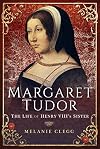
This time we begin with the accession of Henry VII, Margaret's father, to the throne of England, before moving onto Margaret's childhood and betrothal aged 7yo to the 23yo James IV of Scotland. In this tome, we are treated to a more indepth study of the Tudor court and household as a whole - and how certain events touched upon Margaret - so there is a lot on her siblings.
What did become evident, was how very similar the events surrounding her own betrothal and marriage mirrored those of her show more sister-in-law Katherine of Aragon: the haggling over dowry, the delays, the on again / off again political manouevring from both James IV and Henry VII; and later, the pregnancies, miscarriages, and loss of babies, whilst surrounded by her husband's litter of illegitimate offspring.
Once in Scotland, Margaret's troubles did not end - the constant animosity between her husband and her brother, both wanting her loyalty, whilst simultaneously being viewed with suspicion and distrust. Following the death of James at Flodden (1513), Margaret, barely 23yo, finds herself ill-equipped to deal with the pressure and political intricacies required to fend off both internal rivals and her own brother during the regency of her infant son, James V. A disastrous foray into an ill-conceived second marriage did not make for easy bedfellows of the Scottish nobility. And even when able to shake off the shackles of this failed marriage, and seeing her son finally consecrated as King, she embarks on a third marriage, which pretty much ends up like the previous.
What this tome does do is gives us the young Margaret - petulant, fond of getting her own way, desirous of being the centre of attention, and casting her into a role where she is merely a powerless figurehead. Her struggles for recognition as was her due as Dowager Queen show that a woman's lot, no matter what her status, can be a hard one: one bad marriage can result in the loss of status, income, children, where you are left literally begging for support whilst ignored by both your own family and adoptive country, leaving you alone and embittered, casting around for allies that do not always her you interests at heart.
I think that is what the reader will take away most from this - that the grass is not always greener on the other side, and the fairy tale of being princess and queen does in reality, not always have a happy ending. show less
What did become evident, was how very similar the events surrounding her own betrothal and marriage mirrored those of her show more sister-in-law Katherine of Aragon: the haggling over dowry, the delays, the on again / off again political manouevring from both James IV and Henry VII; and later, the pregnancies, miscarriages, and loss of babies, whilst surrounded by her husband's litter of illegitimate offspring.
Once in Scotland, Margaret's troubles did not end - the constant animosity between her husband and her brother, both wanting her loyalty, whilst simultaneously being viewed with suspicion and distrust. Following the death of James at Flodden (1513), Margaret, barely 23yo, finds herself ill-equipped to deal with the pressure and political intricacies required to fend off both internal rivals and her own brother during the regency of her infant son, James V. A disastrous foray into an ill-conceived second marriage did not make for easy bedfellows of the Scottish nobility. And even when able to shake off the shackles of this failed marriage, and seeing her son finally consecrated as King, she embarks on a third marriage, which pretty much ends up like the previous.
What this tome does do is gives us the young Margaret - petulant, fond of getting her own way, desirous of being the centre of attention, and casting her into a role where she is merely a powerless figurehead. Her struggles for recognition as was her due as Dowager Queen show that a woman's lot, no matter what her status, can be a hard one: one bad marriage can result in the loss of status, income, children, where you are left literally begging for support whilst ignored by both your own family and adoptive country, leaving you alone and embittered, casting around for allies that do not always her you interests at heart.
I think that is what the reader will take away most from this - that the grass is not always greener on the other side, and the fairy tale of being princess and queen does in reality, not always have a happy ending. show less
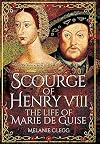
I acknowledge at the start that as a deep lover of history, I MUCH prefer reading historical fiction to biography. And this book reminded me why.
It's a straight-forward, chronological piecing-together of people, events and facts -- some directly-related and some tangentially related to Marie de Guise. Reading it mostly feels a lot like many not-very-interesting history lessons I remember from school decades ago.
I picked it up because I knew little about Marie, except that she gave birth to show more Mary Queen of Scots. And I DID learn more about her. More about her powerful family in France. About her first husband and son in France. About the children she lost. About her eagerness to become Regent of Scotland after the sudden death of her husband, James V. But was it interesting? Not very.
I wound up skimming sections. Especially because there was a lot of information included about LOTS of other people, other than Marie. For example, a detailed description of the Field of the Cloth of Gold meeting between Henry VIII of England and Francois I of France -- in 1520. An important historical event? Arguable. But not having much to do with Marie de Guise.
I can't say I recommend this, unless you're desperate to know more about Marie de Guise. But then, you could probably learn just as much by reading her Wikipedia page.
One More Small Point: why this book title begins with "Scourge of Henry VIII" I have no idea. The fact that Henry at one time considered marrying Marie is a minuscule part of her story. show less
It's a straight-forward, chronological piecing-together of people, events and facts -- some directly-related and some tangentially related to Marie de Guise. Reading it mostly feels a lot like many not-very-interesting history lessons I remember from school decades ago.
I picked it up because I knew little about Marie, except that she gave birth to show more Mary Queen of Scots. And I DID learn more about her. More about her powerful family in France. About her first husband and son in France. About the children she lost. About her eagerness to become Regent of Scotland after the sudden death of her husband, James V. But was it interesting? Not very.
I wound up skimming sections. Especially because there was a lot of information included about LOTS of other people, other than Marie. For example, a detailed description of the Field of the Cloth of Gold meeting between Henry VIII of England and Francois I of France -- in 1520. An important historical event? Arguable. But not having much to do with Marie de Guise.
I can't say I recommend this, unless you're desperate to know more about Marie de Guise. But then, you could probably learn just as much by reading her Wikipedia page.
One More Small Point: why this book title begins with "Scourge of Henry VIII" I have no idea. The fact that Henry at one time considered marrying Marie is a minuscule part of her story. show less

You’ve heard me say it before so don’t act surprised to hear it now --- I have a thing about France and particularly Marie Antoinette. I have no idea why, I just do. Now, since I’m in the confession mood, I read Melanie Clegg’s blog, Madame Guillotine, and have for a while. I’m a good lurker like that and she’s interesting and funny so I keep going back. Anyway, I saw the book there and then one day I saw it come up on my Nook and I bought it. I’m so happy I did too.
The Secret show more Diary of a Princess is told through the diary entries of the young Marie Antoinette starting as a child in the Viennese Court, her early education (and antics), family turmoil, and her eventual marriage. She leads a privileged life, and because she’s considered unimportant in terms of being marriageable material, she gets away with a lot. When it’s decided by her Empress mother that she will become the Dauphine of France, her life is forever changed. Gone are the silly games she would play, gone are the teachers who let her education lag, and in their place are new manners and etiquette to be learned and new people to impress.
I am a sucker for a story told epistolary style. It’s true. This book delighted me in the way it was told. It’s a young girl writing and relaying her antics and daily problems such as not being able to enjoy some of the things her older sibling are allowed to do. When her mother’s plans are announced for her future, Marie Antoinette is no longer the least important of the daughters but is now the daughter the Empress is placing a huge burden on. She begins to feel the weight of what her mother wants of her but you also see a very young, and very scared, girl. I liked that. While Marie Antoinette doesn’t change dramatically --- she still has the worries of and understanding of a young girl who doesn’t see the political ramifications of her actions --- you see a glimpse of the woman she’s about to become.
There’s so much written about Marie Antoinette, her early life included, and while no one would say it was easy, it was certainly interesting. She is the youngest child of 15, lives a quiet and sheltered life at the Viennese court, and is then elevated to being the Queen of France. It’s an amazing story in some ways even more fascinating than anything fiction writers can imagine. I think that’s why I keep going back to books about her and this time frame. It all fascinates me so much.
Anyway, back to the book. I enjoyed it and when I came to the end, I was actually sad to see there was no more. It ends in a necessary place but I wanted it to go on. The dairy of a princess must stop when she stops being a child. My only quibble, and it’s a small one, is that I never thought of Marie Antoinette as being a writer so it took me a minute to take my early thoughts out it and get lost in the story. It didn’t take long. I was too entranced by the story to care at that point.
Finally, I did see that Clegg is writing a sequel to this one and I’m planning to read that one as well. I’m interested to see how she handles the next stage in this character’s life. show less
The Secret show more Diary of a Princess is told through the diary entries of the young Marie Antoinette starting as a child in the Viennese Court, her early education (and antics), family turmoil, and her eventual marriage. She leads a privileged life, and because she’s considered unimportant in terms of being marriageable material, she gets away with a lot. When it’s decided by her Empress mother that she will become the Dauphine of France, her life is forever changed. Gone are the silly games she would play, gone are the teachers who let her education lag, and in their place are new manners and etiquette to be learned and new people to impress.
I am a sucker for a story told epistolary style. It’s true. This book delighted me in the way it was told. It’s a young girl writing and relaying her antics and daily problems such as not being able to enjoy some of the things her older sibling are allowed to do. When her mother’s plans are announced for her future, Marie Antoinette is no longer the least important of the daughters but is now the daughter the Empress is placing a huge burden on. She begins to feel the weight of what her mother wants of her but you also see a very young, and very scared, girl. I liked that. While Marie Antoinette doesn’t change dramatically --- she still has the worries of and understanding of a young girl who doesn’t see the political ramifications of her actions --- you see a glimpse of the woman she’s about to become.
There’s so much written about Marie Antoinette, her early life included, and while no one would say it was easy, it was certainly interesting. She is the youngest child of 15, lives a quiet and sheltered life at the Viennese court, and is then elevated to being the Queen of France. It’s an amazing story in some ways even more fascinating than anything fiction writers can imagine. I think that’s why I keep going back to books about her and this time frame. It all fascinates me so much.
Anyway, back to the book. I enjoyed it and when I came to the end, I was actually sad to see there was no more. It ends in a necessary place but I wanted it to go on. The dairy of a princess must stop when she stops being a child. My only quibble, and it’s a small one, is that I never thought of Marie Antoinette as being a writer so it took me a minute to take my early thoughts out it and get lost in the story. It didn’t take long. I was too entranced by the story to care at that point.
Finally, I did see that Clegg is writing a sequel to this one and I’m planning to read that one as well. I’m interested to see how she handles the next stage in this character’s life. show less
Lists
You May Also Like


Statistics
- Works
- 15
- Members
- 243
- Popularity
- #93,556
- Rating
- 3.6
- Reviews
- 16
- ISBNs
- 24