
Caleb Carr (1955–2024)
Author of The Alienist
About the Author
Caleb Carr, a lifetime resident of New York, was born in 1955 and grew up on the Lower East Side. His father was an editor and close friend to famous Beat Generation writers, such as Jack Kerouac and Allen Ginsberg. Although Carr was personally exposed to their style of writing and Bohemian show more lifestyles, he chose to take his own work in a different direction. Where the Beat writers wrote purely from expression and feelings, Caleb Carr's works are diligently researched and known for their historical accuracy. Caleb Carr developed a love of history at a young age, acquiring a keen interest in military history while attending a Quaker high school. This interest led him to major in history at Kenyon College and NYU. Notable works by Caleb Carr are The Alienist, which was on the New York Times' bestseller list for 24 weeks; The Devil Soldier; and Angel of Darkness. In addition to writing fiction, Carr is a contributing editor of MHQ: The Quarterly Journal of Military History. (Bowker Author Biography) Caleb Carr was born in Manhattan and grew up on the Lower East Side, where he still lives. In addition to his bestselling fiction, Mr. Carr writes frequently on military and political affairs. He is series editor of the Modern Library War Series and is a contributing editor of MHQ: The Quarterly Journal of Military History. (Publisher Provided) show less
Series
Works by Caleb Carr
The Devil Soldier: The American Soldier of Fortune Who Became a God in China (1991) 343 copies, 7 reviews
O Anjo das Trevas 1 copy
The Angle of Darkness 1 copy
Associated Works
What If? The World's Foremost Military Historians Imagine What Might Have Been (1999) — Contributor — 1,939 copies, 27 reviews
What If? 2: Eminent Historians Imagine What Might Have Been (2001) — Contributor — 1,092 copies, 11 reviews
What Ifs? of American History : Eminent Historians Imagine What Might Have Been (2003) — Contributor — 537 copies, 7 reviews
The Book of War: Sun-Tzu's "The Art of War" & Karl von Clausewitz's "On War" (2000) — Editor — 118 copies, 1 review
MHQ: The Quarterly Journal of Military History — Spring 1992 (1992) — Author "The Devil Soldier" and "Come on, boys. We're going in." — 22 copies
MHQ: The Quarterly Journal of Military History — Summer 1992 (1992) — Author "The American Rommel" — 20 copies
MHQ: The Quarterly Journal of Military History — Autumn 1989 (1989) — Author "Poland 1939" — 18 copies
MHQ: The Quarterly Journal of Military History — Autumn 1992 (1992) — Co-Author "The United States, the U.N., and Korea" — 18 copies
MHQ: The Quarterly Journal of Military History — Spring 1994 (1994) — Author "The Black Knight" — 18 copies
MHQ: The Quarterly Journal of Military History — Summer 1990 (1990) — Author "The Troubled Genius of Oliver Cromwell" and "The Devilish Prince Rupert" — 18 copies
MHQ: The Quarterly Journal of Military History — Spring 1998 (1998) — Author "Napoleon Wins at Waterloo" — 17 copies
MHQ: The Quarterly Journal of Military History — Spring 1989 (1989) — Author "The Man of Silence" and "Königgrätz: "Who on earth is this General von Moltke?"" — 16 copies
Tagged
Common Knowledge
- Birthdate
- 1955-08-02
- Date of death
- 2024-05-23
- Gender
- male
- Education
- New York University (BA| history)
Kenyon College - Occupations
- novelist
military historian - Organizations
- Bard College, New York (Professeur invité, Histoire militaire, 20 04 | 20 05))
Foreign Affairs Quarterly (Chercheur et assistant éditorial, 19 75 | 19 80)
Council on Foreign Relations (Assistant de bibliothèque)
MHQ: The Quarterly Journal of Military History (Rédacteur en chef, 19 89 | ) - Agent
- Suzanne Gluck (William Morris Agency)
- Cause of death
- cancer
- Nationality
- USA
- Birthplace
- New York, New York, USA
- Places of residence
- Berlin, New York, USA
Cherry Plain, New York, USA - Place of death
- Cherry Plain, New York, USA
- Map Location
- USA
Members
Reviews
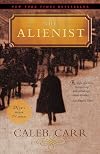
Do not read the abridged version. The book thrives on minutiae and the abridged version is just worse.
A very detailed historical novel that rides somewhere between Holmes and Hannibal. It really mines the references of historical New York and the history of psychology, giving enough sense of place to reference housing and places to eat, and enough detail in psychology to discuss William James and Freud as well as questionable pioneers in criminology like Lombardo. It's a rich setting with show more notes of Gangs of New York. The investigative aspect gets to straddle science and pseudoscience with fingerprinting, graphology and more mythical ideas like imaging the eyeball to try to see the last recorded vision before death. It's verisimilitude, not dead on accuracy however. People are a bit too modern in their views and loose of tongue in a world of Victorians, it's the Deadwood solution without the linguistic flair.
There's also something decidedly Holmesian, although the great detective is a psychologist here, and his trusty companion a journalist, the relationship often seems intentionally cloned. Repeated use of the Hansom cab especially springs the likeness to mind, but overall the effect is perhaps closer to latter books like The Seven-Per-Cent Solution or Dust and Shadow: An Account of the Ripper Killings by Dr. John H. Watson. Injecting some characters like the then-police commissioner Teddy Roosevelt is almost gratuitous fun.
It's unfortunately at the end the story can't quite live up to the very long build-up. The villain and conclusion fall short of the book's own hype. The scenery on the way is worth the trip however. show less
A very detailed historical novel that rides somewhere between Holmes and Hannibal. It really mines the references of historical New York and the history of psychology, giving enough sense of place to reference housing and places to eat, and enough detail in psychology to discuss William James and Freud as well as questionable pioneers in criminology like Lombardo. It's a rich setting with show more notes of Gangs of New York. The investigative aspect gets to straddle science and pseudoscience with fingerprinting, graphology and more mythical ideas like imaging the eyeball to try to see the last recorded vision before death. It's verisimilitude, not dead on accuracy however. People are a bit too modern in their views and loose of tongue in a world of Victorians, it's the Deadwood solution without the linguistic flair.
There's also something decidedly Holmesian, although the great detective is a psychologist here, and his trusty companion a journalist, the relationship often seems intentionally cloned. Repeated use of the Hansom cab especially springs the likeness to mind, but overall the effect is perhaps closer to latter books like The Seven-Per-Cent Solution or Dust and Shadow: An Account of the Ripper Killings by Dr. John H. Watson. Injecting some characters like the then-police commissioner Teddy Roosevelt is almost gratuitous fun.
It's unfortunately at the end the story can't quite live up to the very long build-up. The villain and conclusion fall short of the book's own hype. The scenery on the way is worth the trip however. show less
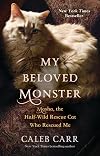
A beautiful and loving account of the author's life with this special cat, Masha, a Siberian Forrest cat. Along the way we learn of some of the stories of Carr's previous cats that played a big part in his surviving his upbringing. We learn that Carr's father was physically and emotionally abusive to him. His mother was an alcoholic who could not be relied on to always care for Carr and his brothers. The physical abuse left Carr with internal injuries that came to cause him much pain as he show more aged.
Carr was seeking another cat after his last cat, Suki, died after a short life. When Carr went to a shelter, he felt a large cat in a small carrier seeking Carr's attention. When he asked about the cat's history, he learns that this cat had been locked inside a home and left there. It was only after a neighbor heard him crying and called authorities, was he released and placed in this shelter. We learn that the staff is afraid of him and really want Carr is adopt him. Carr spends over an hour in a visiting room with the cat. The cat seems to connect to Carr as a cat lover and someone he can trust. He rubs Carr with his head and seems to play with him. The adoption takes place and Masha is taken home to three story house in the country that has more than enough room for the two of them.
Carr and Masha bond to each other. Masha becomes a protective cat and when outside he patrols the ten acres the home sits on to be sure there is no danger lurking. Carr also watches out for Masha. He is able to get Masha to understand certain commands, plays music to calm him, knows how to pet him, makes him places to sleep and look out the windows and helps him when he is in pain.
It is an amazing account of the trials and pain they both experience and what they will do for each other to keep each other safe. A beautifully written memoir of a very special cat.
Kirkus: A Siberian Forest cat spends 17 years with her brilliant, reclusive, deeply unconventional human companion.
Within pages of starting this moving book, connoisseurs of fine prose may find themselves gasping with delight, as will cat lovers. Carr, best known for his 1994 novel The Alienist and also a distinguished military historian, reveals that he has always recognized himself to be an “imperfectly reincarnated” feline. When he was 5, he handed his mother a drawing of a boy with the head of a cat and said, “This is me before I was born.” You may well be convinced this is true by the end of Carr’s amazing tale of commitment, communication, self-discovery, and adventure with his cat, Masha, a half-tame “wildling” who loves the music of Richard Wagner. The author has had a life of exceptional pain and tragedy: His father, the Beat Generation figure Lucien Carr, was given to episodes of physical abuse that resulted in significant emotional and medical consequences. Also, despite Carr’s profound bonds with other beloved cats, several came to difficult ends he could not prevent. When he met Masha, who deftly ensured that he would take her home from the overwhelmed Vermont animal shelter where she landed after abuses of her own, he felt his redemption. The two become life partners and were never separated for more than a handful of nights, each of those for hospitalizations caused by Carr’s ever more dire physical condition. The story of their life together in the spacious house the author built for himself in Rensselaer County, New York, and in the woods and grounds surrounding it, in all seasons and weather, is a testament to both the human and feline spirits.
One of the most powerful and beautiful grief narratives ever written, including all the memoirs about people. show less
Carr was seeking another cat after his last cat, Suki, died after a short life. When Carr went to a shelter, he felt a large cat in a small carrier seeking Carr's attention. When he asked about the cat's history, he learns that this cat had been locked inside a home and left there. It was only after a neighbor heard him crying and called authorities, was he released and placed in this shelter. We learn that the staff is afraid of him and really want Carr is adopt him. Carr spends over an hour in a visiting room with the cat. The cat seems to connect to Carr as a cat lover and someone he can trust. He rubs Carr with his head and seems to play with him. The adoption takes place and Masha is taken home to three story house in the country that has more than enough room for the two of them.
Carr and Masha bond to each other. Masha becomes a protective cat and when outside he patrols the ten acres the home sits on to be sure there is no danger lurking. Carr also watches out for Masha. He is able to get Masha to understand certain commands, plays music to calm him, knows how to pet him, makes him places to sleep and look out the windows and helps him when he is in pain.
It is an amazing account of the trials and pain they both experience and what they will do for each other to keep each other safe. A beautifully written memoir of a very special cat.
Kirkus: A Siberian Forest cat spends 17 years with her brilliant, reclusive, deeply unconventional human companion.
Within pages of starting this moving book, connoisseurs of fine prose may find themselves gasping with delight, as will cat lovers. Carr, best known for his 1994 novel The Alienist and also a distinguished military historian, reveals that he has always recognized himself to be an “imperfectly reincarnated” feline. When he was 5, he handed his mother a drawing of a boy with the head of a cat and said, “This is me before I was born.” You may well be convinced this is true by the end of Carr’s amazing tale of commitment, communication, self-discovery, and adventure with his cat, Masha, a half-tame “wildling” who loves the music of Richard Wagner. The author has had a life of exceptional pain and tragedy: His father, the Beat Generation figure Lucien Carr, was given to episodes of physical abuse that resulted in significant emotional and medical consequences. Also, despite Carr’s profound bonds with other beloved cats, several came to difficult ends he could not prevent. When he met Masha, who deftly ensured that he would take her home from the overwhelmed Vermont animal shelter where she landed after abuses of her own, he felt his redemption. The two become life partners and were never separated for more than a handful of nights, each of those for hospitalizations caused by Carr’s ever more dire physical condition. The story of their life together in the spacious house the author built for himself in Rensselaer County, New York, and in the woods and grounds surrounding it, in all seasons and weather, is a testament to both the human and feline spirits.
One of the most powerful and beautiful grief narratives ever written, including all the memoirs about people. show less
My beloved monster is an exquisite and gripping read that demands a certain kind of strength from its readers. The bond between Caleb Carr and his "monster," Masha, is complex and rich. Carr meets Masha at an overcrowded rescue operation, when she draws him to her. Carr doesn't know that this cat has a history of abuse and is quick to attack, that she''s a cat the rescue operation fears may never be homed. But as Masha studies Carr and He studies Masha, the two come to realize that they have show more deep similarities that will ultimately allow them to build a remarkable bond.
As someone who has lived with cats her entire life, but has never had a bond of such intensity with one, I was fascinated by the story of Carr and Masha. His ability to read her moods, thinking, and memories (and, yes, I do think all three of these are present) has me thinking about ways to be a more reliable "teammate" for my own cats.
What makes My Beloved Monster a read requiring strength are the calamities and violences that emerge in life and that we cannot control. The book contains stories of former cats in Carr's life, and these stories contain a great deal of joy, but too often have ended unhappily. I skipped Chapter 9 and parts of Chapters 20 and 21 because The vulnerabilies they revealed were, quite honestly, more than I could bear.
My intention isn't to deter others from reading this title, it's simply to tell them to read with caution and to be aware of the ways the will and won't be able to bear the sorrows that life dishes out.
I received a free electronic review copy of this title from the publisher via NetGalley; the opinions are my own. show less
As someone who has lived with cats her entire life, but has never had a bond of such intensity with one, I was fascinated by the story of Carr and Masha. His ability to read her moods, thinking, and memories (and, yes, I do think all three of these are present) has me thinking about ways to be a more reliable "teammate" for my own cats.
What makes My Beloved Monster a read requiring strength are the calamities and violences that emerge in life and that we cannot control. The book contains stories of former cats in Carr's life, and these stories contain a great deal of joy, but too often have ended unhappily. I skipped Chapter 9 and parts of Chapters 20 and 21 because The vulnerabilies they revealed were, quite honestly, more than I could bear.
My intention isn't to deter others from reading this title, it's simply to tell them to read with caution and to be aware of the ways the will and won't be able to bear the sorrows that life dishes out.
I received a free electronic review copy of this title from the publisher via NetGalley; the opinions are my own. show less
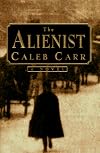
Caleb Carr's novel of a serial killer on the loose in turn of the century New York, and the dangerous pursuit of him by Dr. Lazlo Kreizler and his friends is a truly wonderful read. This has so much period atmosphere the reader can almost hear the hoofbeats trotting over the cobblestone streets beneath gaslit street lamps. It is long and exciting, yet not long enough, because by the time you finish, you'll feel like many of these people are your friends, and want to spend more time with show more them.
The riveting story is narrated by Dr. Kreizler's good friend, John Moore. Before you are finished reading this delicious historical mystery you will meet an array of interesting and memorable characters you'll come to cherish. Sara Howard is a pretty and extremely capable woman ahead of her time. Sara and Kreizler's pal, Moore, push the investigation forward against strong opposition from conventional law enforcement. Two New York cops also ahead of their time, Lucius and Marcus, will use footwork and cutting-edge investigative techniques to catch a dangerous killer. A young street urchin, Stevie, saved from a miserable future by the good doctor, and a very loyal servant named Cyrus round out this rag-tag group that confront the unthinkable. They will break new ground, using Lazlo's "profile" to catch a serial killer.
When Lazlo's old friend, Theodore Roosevelt, now head of the New York Police Department, is confronted with several murders of boy prostitutes so gruesome in nature that even the most seasoned and hardened of professionals can barely stomach being called to the murder scenes, he makes a decision that will change the face of police-work forever. He unofficially allows Kreizler to form a small group to pursue the killer through psychological profiling. Police secretary Sara Howard, and crime reporter John Moore, a man who knows the underbelly of New York all to well, are two of the main players in this exciting mystery. As they close in on the killer through Kreizler's use of psychological profiling, danger hits closer to home than any of our friends had expected.
There are moments so full of flavor in this fine historical mystery that you'll feel like you are sitting alongside the characters at Delmonico's as they enjoy a good meal, and plan their next move. This fine novel is truly memorable, and holds a special place among books I've read. If you love historical mysteries you do not want to miss this one! show less
The riveting story is narrated by Dr. Kreizler's good friend, John Moore. Before you are finished reading this delicious historical mystery you will meet an array of interesting and memorable characters you'll come to cherish. Sara Howard is a pretty and extremely capable woman ahead of her time. Sara and Kreizler's pal, Moore, push the investigation forward against strong opposition from conventional law enforcement. Two New York cops also ahead of their time, Lucius and Marcus, will use footwork and cutting-edge investigative techniques to catch a dangerous killer. A young street urchin, Stevie, saved from a miserable future by the good doctor, and a very loyal servant named Cyrus round out this rag-tag group that confront the unthinkable. They will break new ground, using Lazlo's "profile" to catch a serial killer.
When Lazlo's old friend, Theodore Roosevelt, now head of the New York Police Department, is confronted with several murders of boy prostitutes so gruesome in nature that even the most seasoned and hardened of professionals can barely stomach being called to the murder scenes, he makes a decision that will change the face of police-work forever. He unofficially allows Kreizler to form a small group to pursue the killer through psychological profiling. Police secretary Sara Howard, and crime reporter John Moore, a man who knows the underbelly of New York all to well, are two of the main players in this exciting mystery. As they close in on the killer through Kreizler's use of psychological profiling, danger hits closer to home than any of our friends had expected.
There are moments so full of flavor in this fine historical mystery that you'll feel like you are sitting alongside the characters at Delmonico's as they enjoy a good meal, and plan their next move. This fine novel is truly memorable, and holds a special place among books I've read. If you love historical mysteries you do not want to miss this one! show less
Lists
Page Turners (1)
Favourite Books (1)
British Mystery (1)
Awards


You May Also Like


Associated Authors
Statistics
- Works
- 20
- Also by
- 17
- Members
- 20,357
- Popularity
- #1,065
- Rating
- 3.8
- Reviews
- 478
- ISBNs
- 281
- Languages
- 14
- Favorited
- 55


