
Mary Renault (1905–1983)
Author of The King Must Die
About the Author
Image credit: Mary Renault. (Photo from Wikipedia)
Series
Works by Mary Renault
Walk the Night 1 copy
Story of Archaeology, The 1 copy
Písní tě chválím 1 copy
Παράξενες φιλίες 1 copy
Associated Works
The Collected Classical Stories and Classic Who Dunnits/boxed Set (2 volume set) (1996) — Contributor — 27 copies
The Best of Both Worlds: An Anthology of Stories for All Ages (1968) — Contributor — 25 copies, 1 review
Tagged
Common Knowledge
- Canonical name
- Renault, Mary
- Legal name
- Challans, Eileen Mary
- Other names
- Challans, Mary
- Birthdate
- 1905-09-04
- Date of death
- 1983-12-13
- Gender
- female
- Education
- St. Hugh's College, Oxford (English | BA | 1928)
University of Oxford (Radcliffe Infirmary) - Occupations
- nurse
novelist
biographer
radio writer - Organizations
- Black Sash Movement
International PEN - Awards and honors
- Royal Society of Literature (Fellow, 1959)
Silver Pen Award (1971) - Agent
- Gordon Wise (Curtis Brown)
- Relationships
- Mullard, Julie (partner)
- Short biography
- Mary Renault received a degree in English from Oxford University in 1928. In 1933 she began training as a nurse at the Radcliffe Infirmary in Oxford. During her training, she met Julie Mullard, a fellow nurse, with whom she established a lifelong romantic relationship.
Renault worked as a nurse while beginning a writing career, publishing her first novel, Purposes of Love, in 1939. Her historical novels, set in ancient Greece, were popular throughout the English-speaking world. In 1948, after her novel Return to Night won a prize worth $150,000, Renault and Mullard emigrated to South Africa, where they lived together for the rest of their lives. They were critical of apartheid and participated in the Black Sash movement in the 1950s. - Cause of death
- cancer
- Nationality
- UK
- Birthplace
- Forest Gate, Essex, England, UK
- Places of residence
- Durban, South Africa
Cape Town, South Africa - Place of death
- Cape Town, South Africa
- Burial location
- Cremated
- Map Location
- England, UK
Members
Discussions
British Author Challenge February 2022: Mary Renault & Timothy Mo in 75 Books Challenge for 2022 (August 2022)
Mary Renault's Alexander Trilogy in Folio Society Devotees (December 2013)
Mary Renault in Book talk (July 2013)
Reviews

Simply beautiful. A great part of this book's magic stems from Renault's mastery of dialogue. Her characters' speech is lively, rich in undertones, and couched in the context of their relationships and historical space. A great deal is left unsaid, giving one the sense that each presented dialogue just skims the surface of the speakers' inner lives. The more introspective passages of the novel are stylistically distinct but just as well-crafted, replete with striking metaphors and beautiful show more lines. Psychoanalytic and Classicist influences are strong. It's not an easy book to read, but it is a reflective one--the reader is rewarded for rereading a sentence or section two or three times with a glimpse of understanding into a complex emotional landscape, and maybe something larger. It's not just a book about one man's experience with love, but about the nature of love itself--not a topic that ought to be approached in simple terms, especially at a time when gay love is not even supposed to be a topic of conversation at all. show less
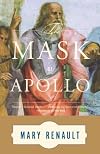
Ha egy görögökről szóló jó történelmi regény ismérve, hogy az ember egy picit görög akar lenni utána, akkor ez egy jó történelmi regény. Mary Renault a műfaj klasszikus hagyományaiból építkezik – regénye egyfelől útikönyv egy eltűnt időről és helyről, gusztusos időutazás, másfelől pedig egy jelentős (bár nem feltétlenül közismert) történelmi esemény eredeti interpretációja. És nem mellesleg celebspotting, amiben a jelenkori olvasó show more belebámulhat bizonyos azóta elporladt hírességek sorsába is. E könyv fő celebje maga Platón, a cselekmény gócpontjában pedig az áll, ahogy a kaporszakállú bölcs megkísérli filozófiai elméletét az államról a valóságba integrálni, és a vajgerincű, gyenge jellemű szicíliai zsarnok, Dionüsziosz mentoraként kialakítani a tökéletes kormányzatot. Itt már tetten érhető a kötet első ellentétpárja: a letisztult filozófia meg a racionális ész áll szemben az egyéni gyarlósággal, no meg a politikai machinációk, a kétszínűség futóhomokjával. Akik vettek részt ókortörténeti vagy filozófiai szigorlaton, talán emlékeznek, sikeres volt-e a platóni nekifeszülés, a többieknek meg elspoilerezem: nem. Hihetetlenül érdekes téma, remek diktátor-arckép, sallangmentes ábrázolása annak, mit tesz a hatalom az ember lelkével, és hogy rágja le róla mindazt, amit a jó szándéknak addig sikerült felépítenie.
Mindez azonban csak egy lyukas garast érne (lyukatlant semmiképp), ha az elbeszélő személye nem lenne ilyen jól megcsinálva. Renault hőse Nikératosz, aki athéni és aki színész – ezzel a két jelzővel pedig a szerző újabb ellentéteket is beemel a szövegbe. Egyfelől Nikératosz athéniként demokrata, és ösztönösen ellenérzésekkel viseltetik a zsarnokság mindenféle megnyilvánulása iránt (igen, még Platón esetleges zsarnoksága iránt is), másfelől meg színész, ami azért is praktikus, mert így 1.) van ürügye végigturnézni az akkori ismert világot 2.) módot ad Renaultnak arra, hogy fitogtathassa széles körű tudását a korszak színművészetéről, amely színművészet baromi érdekes dolog ám. De ami a legfontosabb: Nikératosz emellett talpig becsületes is, mentes az irigységtől, elkötelezett mind barátai, mind hivatása iránt – és ha ez a két elköteleződés szembe kerül egymással, akkor nem rest bátor döntést hozni, olyat, ami ha kényelmetlen vagy veszedelmes is, de mindig felismerni benne a lelkiismeret parancsát. Minden ízében szimpatikus fazon, én nagyon bírtam.
Jól össze van rakva a könyv, számos olyan síkot futtat, amiben öröm volt elmerülni. Ahogy az egyszeri moly-értékelő mondaná: „fogok még a szerzőtől olvasni”. show less
Mindez azonban csak egy lyukas garast érne (lyukatlant semmiképp), ha az elbeszélő személye nem lenne ilyen jól megcsinálva. Renault hőse Nikératosz, aki athéni és aki színész – ezzel a két jelzővel pedig a szerző újabb ellentéteket is beemel a szövegbe. Egyfelől Nikératosz athéniként demokrata, és ösztönösen ellenérzésekkel viseltetik a zsarnokság mindenféle megnyilvánulása iránt (igen, még Platón esetleges zsarnoksága iránt is), másfelől meg színész, ami azért is praktikus, mert így 1.) van ürügye végigturnézni az akkori ismert világot 2.) módot ad Renaultnak arra, hogy fitogtathassa széles körű tudását a korszak színművészetéről, amely színművészet baromi érdekes dolog ám. De ami a legfontosabb: Nikératosz emellett talpig becsületes is, mentes az irigységtől, elkötelezett mind barátai, mind hivatása iránt – és ha ez a két elköteleződés szembe kerül egymással, akkor nem rest bátor döntést hozni, olyat, ami ha kényelmetlen vagy veszedelmes is, de mindig felismerni benne a lelkiismeret parancsát. Minden ízében szimpatikus fazon, én nagyon bírtam.
Jól össze van rakva a könyv, számos olyan síkot futtat, amiben öröm volt elmerülni. Ahogy az egyszeri moly-értékelő mondaná: „fogok még a szerzőtől olvasni”. show less
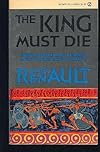
Theseus grows up in Troizen, though to his mind he doesn't actually grow anywhere near enough, believing himself to be the son of Poseidon. This turns out to not be literally true, but Theseus is a devout and sincere matter-of-fact believer, and he hears the voice of the god, so he has two fathers, one a god and one the beleaguered king of Athens. On the way to join his father, he becomes part of a yearly ceremony where an old king dies and a new one marries the queen. Theseus knows that he show more himself will die when the year is out, but submits to the logic of the rites and sacrifices. Avoiding his fate, he eventually joins his father, only to find himself, for similar reasons of rite and sacrifice and obligation, to volunteer himself as part of the annual tribute to Crete. There as a slave he is made into a bull dancer, and because of his pride and confidence and inner certainty, he becomes a supreme bull dancer while remaining true to himself and his sea-god father.
This is told in the voice of Theseus, tough, matter-of-fact and generally straightforward except when he tries to deduce the reasoning of the gods and obey their will and do them honour. He is proud and fierce and pragmatic, but also clear-sighted and sensible. An unusual hero for his grounded sense of his own importance and the profound responsibilities that go with it, particularly his acceptance of the probability that at some point he will have to be made into a human sacrifice. This is a theme that recurs through the book, and the inherent corruption rotting the heart of Crete and bringing down the wrath of the gods is their failure to make this due observance.
A strong, sturdy, sensuous, earthy book, this is an amazingly vivid and fascinating retelling of the old myth as a series of historical events that are nonetheless drenched in the everyday reality of belief on the gods. Brilliant. show less
This is told in the voice of Theseus, tough, matter-of-fact and generally straightforward except when he tries to deduce the reasoning of the gods and obey their will and do them honour. He is proud and fierce and pragmatic, but also clear-sighted and sensible. An unusual hero for his grounded sense of his own importance and the profound responsibilities that go with it, particularly his acceptance of the probability that at some point he will have to be made into a human sacrifice. This is a theme that recurs through the book, and the inherent corruption rotting the heart of Crete and bringing down the wrath of the gods is their failure to make this due observance.
A strong, sturdy, sensuous, earthy book, this is an amazingly vivid and fascinating retelling of the old myth as a series of historical events that are nonetheless drenched in the everyday reality of belief on the gods. Brilliant. show less

I've read a few blurbs about this that tried to play up the bruising Athene versus Sparta war action, but though the war shapes the course of much of this novel, it is first and foremost a romantic epic with a pair of lovers who find each other while their world is on the brink of falling apart. The two lovers are men, or rather and man and youth, embodiments of Greek ideals in terms of physical prowess, intellectual ability, honour and commitment to the defence of their city. Alexias, the show more youth entering the first flower of manhood, and Lysis, the older, who held back from approaching young Alexias too soon lest he mold him into something lesser than he would have become on his own, heeding sage advice from on Sokrates, who is their teacher and friend.
Competing in Games, fighting frontier wars, managing family and friends, learning to think, striving for goodness as the fortunes of war ebb and flow and the politics of their beloved city turn deadly, Alexias and Lysis grow and mature and strive to stay true to themselves and each other.
Meanwhile, women are a bit of an afterthought. It's not even really polite to talk about them at all, so they don't come up often and they certainly aren't romantic figures, let alone influential or significant outside of domestic matters. Even as one reads the beautiful prose, falls in love with the young heroes and their hopes and dreams, their piety, their intellectual strivings, their heroism in battle, their ethical rightness, one has a sense that this is only an ideal and egalitarian society for some. Alexias never considers even for a moment that things should be other than they are, but why should he? Sokrates doesn't either.
A brilliant, beautiful, vivid, sweeping epic that will make you fall in love with Anceint Greece all over again, for all its shortcomings. show less
Competing in Games, fighting frontier wars, managing family and friends, learning to think, striving for goodness as the fortunes of war ebb and flow and the politics of their beloved city turn deadly, Alexias and Lysis grow and mature and strive to stay true to themselves and each other.
Meanwhile, women are a bit of an afterthought. It's not even really polite to talk about them at all, so they don't come up often and they certainly aren't romantic figures, let alone influential or significant outside of domestic matters. Even as one reads the beautiful prose, falls in love with the young heroes and their hopes and dreams, their piety, their intellectual strivings, their heroism in battle, their ethical rightness, one has a sense that this is only an ideal and egalitarian society for some. Alexias never considers even for a moment that things should be other than they are, but why should he? Sokrates doesn't either.
A brilliant, beautiful, vivid, sweeping epic that will make you fall in love with Anceint Greece all over again, for all its shortcomings. show less
Lists
SFFCat 2015 (1)
Asia (1)
Five star books (1)
1970s (1)
Lost Gay Novels (1)
Booker Prize (1)
Ancient Crete (2)
Nifty Fifties (2)
Female Author (2)
1950s (2)
THE WAR ROOM (5)
Read This Next (1)
Wish List (1)
Fiction For Men (1)
1970 Club (1)
Overdue Podcast (1)
War Literature (1)
Awards


You May Also Like


Associated Authors
Statistics
- Works
- 25
- Also by
- 5
- Members
- 18,916
- Popularity
- #1,155
- Rating
- 3.9
- Reviews
- 333
- ISBNs
- 445
- Languages
- 17
- Favorited
- 107

