
Erich Maria Remarque (1898–1970)
Author of All Quiet on the Western Front
About the Author
Erich Maria Remarque was born Erich Paul Remark on June 22, 1898 in Germany. He was drafted into the German Army at the age of 18. He was assigned to the Western Front and later moved to the 15th Reserve Infantry Regiment. He was wounded by shrapnel in the left leg, right arm and neck, and was show more moved to an army hospital in Germany where he spent the rest of the war. After the war, he continued his teacher training and became a primary school teacher. He also began pursuing his writing career. He started writing essays and poems and his first novel, The Dream Room. When he published All Quiet on the Western Front, Remarque changed his middle name in memory of his mother and reverted to the earlier spelling of the family name. The original family name, Remarque, had been changed to Remark by his grandfather in the 19th century. All Quiet on the Western Front was written in 1927, but Remarque was unable to find a publisher. The novel was published in 1929 and described the experiences of German soldiers during World War 1. His other works include: Station at the Horizon, The Road Back, Three Comrades, Flotsam, and Shadows in Paradise. Erich Remarque died in 1958 of heart collapse brought on byan aneurysm. (Bowker Author Biography) show less
Image credit: Erich Maria Remarque (pseudonym for Erich Paul Remark), Erich Maria Remarque (pseudonym for Erich Paul Remark)
Series
Works by Erich Maria Remarque
All Quiet on the Western Front / The Road Back / Three Comrades (1992) — Author — 23 copies, 1 review
'Sag mir, daß Du mich liebst'. Erich Maria Remarque - Marlene Dietrich. Zeugnisse einer Leidenschaft. (2001) — Author — 12 copies, 2 reviews
Arch of Triumph, Vol. 1 of 2 7 copies
Arch of Triumph, Vol. 2 of 2 6 copies
All Quiet on the Western Front / Birdsong / Goodbye to All That / Poetry of the First World War (2013) — Contributor — 5 copies
All Quiet on the Western Front / Arch of Triumph / Spark of Life / The Black Obelisk (1998) — Author — 3 copies
All Quiet on the Western Front / The Road Back / Three Comrades / A Time to Love and a Time to Die / Spark of Life (1976) 3 copies
L'ile d'espérance 2 copies
A Time to Love and a Time to Die / Spark of Life / Flotsam / Arch of Triumph (2001) — Author — 2 copies, 2 reviews
STREHËZA E ËNDRRAVE 1 copy
QIELLI NUK KA TË PËRZGJEDHUR 1 copy
TRE SHOKË 1 copy
SHKËNDIJA E JETËS 1 copy
Жизнь взаймы роман 1 copy
Искра жизни [роман : 16+] 1 copy
König Bohusch 1 copy
NJË NATË NË LISBONË 1 copy
TOKË E PREMTUAR 1 copy
السماء لا تحابي أحدًا 1 copy
للحب وقت و للموت وقت 1 copy
All Quiet on the Western Front / Arch of Triumph — Author — 1 copy
Bản du ca cuối cùng 1 copy
Trilogia della guerra: Niente di nuovo sul fronte occidentale-La via del ritorno-Tre camerati 1 copy
L' Obélisque Noir 1 copy
A L' Ouest Rien De Nouveau 1 copy
Aprés 1 copy
Nebo ne zna za miljenike 1 copy
Βίπερ 332–333: Σπίθα ζωής 1 copy
A diadalív árnyékában 1 copy
L'île d'espérance 1 copy
Les Exilés: roman 1 copy
Le ciel n'a pas de préférés 1 copy
Három bajtárs regény 1 copy
Associated Works
The Greatest War Stories Ever Told: Twenty-Four Incredible War Tales (2001) — Contributor — 31 copies, 1 review
Mitt skattkammer. b.9 Gjennom tidene — Contributor — 9 copies
8-Movie All Action Collection: Capricorn One, The Cassandra Crossing. Borderline, Love And Bullets, The Domino Principle, All Quiet On The Western Front, Raise The Titanic, The… — Author — 3 copies
Es muss einer den Frieden beginnen: Jahrhundertautoren gegen den Krieg (2014) — Contributor — 2 copies, 1 review
Hombres en conflicto : El ojo de la aguja : Sin novedad en el frente : El puente sobre el río Kwai — Contributor — 1 copy
Ammie, vuelve a casa ; Sin novedad en el frente ; Mil flores en primavera ; Kamante y Lulu — Contributor — 1 copy
Reader's Digest Auswahlbücher 61 - Sturmjahre. Chaka-König und Grosser Elefant. Im Westen nichts Neues. Wenn die bösen Buben locken — Contributor — 1 copy
The Other Love [1947 film] — original story "Beyond" — 1 copy
Tagged
Common Knowledge
- Canonical name
- Remarque, Erich Maria
- Legal name
- Remark, Erich Paul (birth)
- Other names
- Remarque, Erich Maria
- Birthdate
- 1898-06-22
- Date of death
- 1970-09-25
- Gender
- male
- Education
- Osnabrück Cathedral School
Osnabrück Johannisschule
University of Münster - Occupations
- librarian
writer
editor
teacher
soldier - Organizations
- Imperial German Army (WWI)
- Cause of death
- heart failure
- Nationality
- USA (naturalized 1947)
Germany - Birthplace
- Osnabrück, Germany
- Places of residence
- Locarno, Switzerland
New York, New York, USA
Osnabrück, Germany - Place of death
- Locarno, Switzerland
- Burial location
- Ronco Cemetery, Ronco, Ticino, Switzerland
- Map Location
- Germany
Members
Discussions
Just Finished "All Quiet on the Western Front" in George Macy devotees (January 2023)
erich maria remarque in Book talk (June 2020)
Group Read, February 2017: All Quiet on the Western Front in 1001 Books to read before you die (April 2017)
GROUP READ: All Quiet on the Western Front in 2013 Category Challenge (April 2013)
Reviews

“Heretofore it was only death or wounds or temporary transfers that depleted the company. Now peace must be reckoned with.” — Erich Maria Remarque, “The Road Back”
For soldiers returning from war, the road back can be much longer than the journey home. Other novels have made this point, but Erich Maria Remarque's “The Road Back” (1930) ranks as a classic, just as his more famous novel, “All Quiet on the Western Front,” is the classic World War I novel. This novel is a sequel show more to the other, even though they share few characters in common because so many characters in the earlier novel, including the protagonist, did not survive.
Ernst and a few other survivors from his company return to Germany when the war ends and find peace a difficult adjustment. There are no officers to tell them what to do. There are choices to be made again, employment to be sought. Women reenter their lives in confusing ways. How does one sleep in silence? Perhaps most difficult of all, peace separates them even more surely than war did. They are on their own.
That a former soldier should miss the good old days of deadly combat seems odd, but Remarque makes it convincing. It's not just the radical change, of course, but also the trauma left by years of constant fear and extreme violence.
Insightful passages abound in the novel, as when Ernst sees a lovely scene and observes, "We see no countryside now, only terrain, — terrain for attack and defence. The old mill on the top there is no mill, but a strong point; the wood is no wood, it is artillery cover, — Such things will always creep in."
Other passages are just beautifully written, such as this description of a foggy night: "The street lamps have big yellow courtyards of light about them and the people are walking on cotton wool. Shop windows show up to right and left like mysterious fires. Wolf swims up through the fog and dives into it again."
For all the novel's pessimism, Remarque ends with a hint of optimism. "Perhaps I shall never be really happy again; perhaps the war has destroyed that, and no doubt I shall always be a little inattentive and nowhere quite at home —- but I shall probably never be wholly unhappy either — for something will always be there to sustain me, be it merely my own hands, or a tree, or the breathing earth."
This novel, like “All Quiet on the Western Front,” was banned and burned in Germany under the Nazis. Remarque moved to Switzerland in 1932, wrote a number of other novels and married an American film star, Paulette Goddard. For this war veteran, the road back seems to have been a little easier than it was for his characters. show less
For soldiers returning from war, the road back can be much longer than the journey home. Other novels have made this point, but Erich Maria Remarque's “The Road Back” (1930) ranks as a classic, just as his more famous novel, “All Quiet on the Western Front,” is the classic World War I novel. This novel is a sequel show more to the other, even though they share few characters in common because so many characters in the earlier novel, including the protagonist, did not survive.
Ernst and a few other survivors from his company return to Germany when the war ends and find peace a difficult adjustment. There are no officers to tell them what to do. There are choices to be made again, employment to be sought. Women reenter their lives in confusing ways. How does one sleep in silence? Perhaps most difficult of all, peace separates them even more surely than war did. They are on their own.
That a former soldier should miss the good old days of deadly combat seems odd, but Remarque makes it convincing. It's not just the radical change, of course, but also the trauma left by years of constant fear and extreme violence.
Insightful passages abound in the novel, as when Ernst sees a lovely scene and observes, "We see no countryside now, only terrain, — terrain for attack and defence. The old mill on the top there is no mill, but a strong point; the wood is no wood, it is artillery cover, — Such things will always creep in."
Other passages are just beautifully written, such as this description of a foggy night: "The street lamps have big yellow courtyards of light about them and the people are walking on cotton wool. Shop windows show up to right and left like mysterious fires. Wolf swims up through the fog and dives into it again."
For all the novel's pessimism, Remarque ends with a hint of optimism. "Perhaps I shall never be really happy again; perhaps the war has destroyed that, and no doubt I shall always be a little inattentive and nowhere quite at home —- but I shall probably never be wholly unhappy either — for something will always be there to sustain me, be it merely my own hands, or a tree, or the breathing earth."
This novel, like “All Quiet on the Western Front,” was banned and burned in Germany under the Nazis. Remarque moved to Switzerland in 1932, wrote a number of other novels and married an American film star, Paulette Goddard. For this war veteran, the road back seems to have been a little easier than it was for his characters. show less

Remarque koncentrációs tábori regénye két szinten játszódik: az egyiken azok vannak, akik a poklot elszenvedik, a másikon pedig azok, akik a poklot működtetik. A két szint között van némi átfedés (a kápók és barakkfelügyelők hada, azok a foglyok, akik egy falat pluszkenyérért részt vesznek a többiek kínzásában), de azért nagy általánosságban elmondható, hogy a szintek között nincs és nem lehet emberi értelemben kapcsolat. Mert a pokol működtetői, az show more SS-ek nem emberek, hanem szörnyek – a kérdés csak az, hogy számításból, szadizmusból vagy frusztrációból váltak szörnnyé. Remarque-ot nem érdekli igazán, hogyan jutottak odáig, hogy mások testi és lelki elpusztítása lett a szakmájuk (az erre utaló motívumok csak a történet színezésére szolgálnak), az meg pláne nem foglalkoztatja, hogy a háború végeztével hogyan épülnek majd be az új Németország társadalmába*. Ami őt érdekli, az a hősök személye, azoké a foglyoké, akik ebben a pokolban is megőrizték emberi méltóságukat, vagy legalábbis egy szikrát belőle, hogy aztán abból rakjanak tüzet, amikor az egésznek vége lesz.
Nyilván akad ennél komplexebb, mélyebben strukturált szöveg a holokausztról. (Bár tegyem hozzá rögtön – tegyed –, hogy Remarque legalább két, a korban nem gyakran feszegetett kérdést bevisz a regénybe: az egyik a nácizmus és a kommunizmus finom összehasonlítása a könyv vége felé, a másik pedig annak hangsúlyos ábrázolása, hogy a német vereség közeledtével milyen változásokon mennek át foglyok és őrök egyaránt. Különösen tanulságos ebből a szempontból az opportunista – de őszintén opportunista! – Neubauer táborvezető metamorfózisa.) Igen, rá lehet sütni e könyvre, hogy hatásvadász – de a Remarque-tól megszokott magas szinten az. Mert az író ezúttal is szívből írt, és az nagyon megy neki – ettől kap a szöveg valami elképesztő lendületet, és ez tölti fel emócióval, de úgy, hogy az ember legszívesebben máris kerítene magának egy nácit valahonnan, hogy alaposan taknyán tenyerelje. És hát azt kell mondjam, momentán teljesen respektálhatónak tartom ezt, mint írói célt.
* Pedig hát ez aztán izgalmas kérdés… tulajdonképpen végtelenül meglepő, hogy a demokratikus Németországban tovább élő SS-táborőrök százai, ezrei nem sorozatgyilkosok lettek, hanem ipari munkások, rendőrök, vagy akár orvosok, és többé-kevésbé normakövető módon bonyolították le hátralévő életüket, mintha mi sem történt volna. show less
Nyilván akad ennél komplexebb, mélyebben strukturált szöveg a holokausztról. (Bár tegyem hozzá rögtön – tegyed –, hogy Remarque legalább két, a korban nem gyakran feszegetett kérdést bevisz a regénybe: az egyik a nácizmus és a kommunizmus finom összehasonlítása a könyv vége felé, a másik pedig annak hangsúlyos ábrázolása, hogy a német vereség közeledtével milyen változásokon mennek át foglyok és őrök egyaránt. Különösen tanulságos ebből a szempontból az opportunista – de őszintén opportunista! – Neubauer táborvezető metamorfózisa.) Igen, rá lehet sütni e könyvre, hogy hatásvadász – de a Remarque-tól megszokott magas szinten az. Mert az író ezúttal is szívből írt, és az nagyon megy neki – ettől kap a szöveg valami elképesztő lendületet, és ez tölti fel emócióval, de úgy, hogy az ember legszívesebben máris kerítene magának egy nácit valahonnan, hogy alaposan taknyán tenyerelje. És hát azt kell mondjam, momentán teljesen respektálhatónak tartom ezt, mint írói célt.
* Pedig hát ez aztán izgalmas kérdés… tulajdonképpen végtelenül meglepő, hogy a demokratikus Németországban tovább élő SS-táborőrök százai, ezrei nem sorozatgyilkosok lettek, hanem ipari munkások, rendőrök, vagy akár orvosok, és többé-kevésbé normakövető módon bonyolították le hátralévő életüket, mintha mi sem történt volna. show less
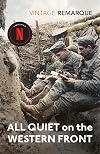
This is a re-read of this classic First World War novel about a group of German ex-classmate soldiers in the trenches in the latter part of the Great War. This is a more modern translation from the mid 1990s (the previous version I read eight years ago was the original translation done shortly after the novel's first publication in Germany in 1929). While both translations are very good, the more modern translation was, I felt, particularly superb at describing the experiences, the sights, show more sounds and smells of life in the trenches for the ordinary soldier. Much of these experiences apply equally to the ordinary soldiers on all sides (interestingly, and perhaps inevitably, on both sides the ordinary soldiers seem to tend to think conditions are better for their counterparts in the opposite trench). The narrator Paul Baumer is not a poet or a political animal, and for him peace means the absence of the noise and tension of bombardment, the peace and quiet of his home and his books. This makes the novel all the more powerful in its message of peace without being preachy. A deserved classic. show less
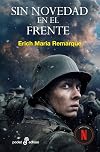
Esta obra narra la cruda realidad de la Primera Guerra Mundial desde la perspectiva de Paul Bäumer y su grupo de jóvenes compañeros. Los fragmentos exponen el brutal contraste entre la nostalgia por la juventud perdida y la deshumanización necesaria para sobrevivir en las trincheras. Se detalla la ineficacia de las figuras de autoridad, como maestros y oficiales, quienes impulsaron a una generación hacia un conflicto que terminó por destruirla emocionalmente. La narrativa resalta la show more profunda camaradería surgida ante el horror, la agonía de los heridos en hospitales de campaña y el sentimiento de aislamiento absoluto al intentar regresar a la vida civil. Finalmente, el texto reflexiona sobre el destino de una generación perdida, marcada para siempre por el trauma, el instinto de supervivencia y la sombra de la muerte. show less
Lists
War Literature (1)
Titles to Avoid (1)
100 (1)
Read This Next (1)
Elevenses (1)
. (1)
Page Turners (1)
Best War Stories (1)
Wishlist (1)
Folio Society (1)
Five star books (1)
Unread books (1)
Overdue Podcast (1)
history (1)
Europe (1)
Hidden Classics (1)
Favourite Books (2)
THE WAR ROOM (2)
. (1)
1920s (1)
1930s (1)
Modernism (1)
BBC Big Read (1)
BitLife (1)
Awards


You May Also Like


Associated Authors
Statistics
- Works
- 114
- Also by
- 21
- Members
- 29,423
- Popularity
- #681
- Rating
- 4.1
- Reviews
- 572
- ISBNs
- 970
- Languages
- 37
- Favorited
- 61


