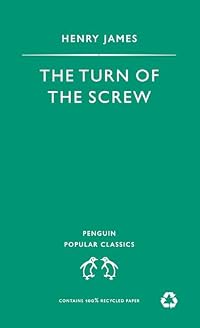
The Turn of the Screw
by Henry James
On This Page
Description
The Turn of the Screw is s ghostly Gothic tale by Henry James. A masterpiece in ambivalence and the uncanny, The Turn of the Screw tells the story of a young woman who is hired as governess to two seemingly innocent children in an isolated country house. As the tale progresses she begins to see the ghost of her dead predecessor. Or does she? The story is so ambivalent and eerie, such a psychological thriller, that few can agree on exactly what takes place. James masters "the strange and show more sinister embroidered on the very type of the normal and easy" in this chilling Victorian classic.. show less
Tags
Recommendations
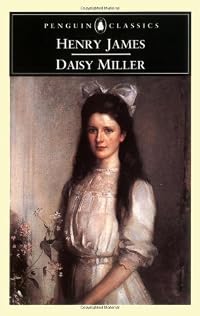
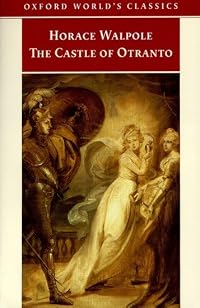
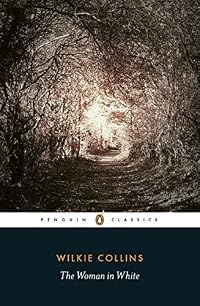










Member Recommendations
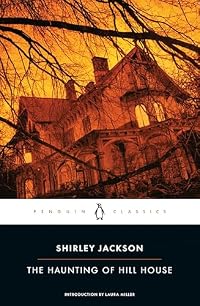
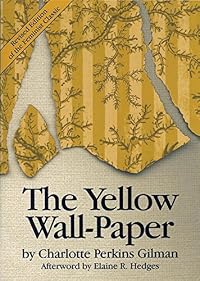
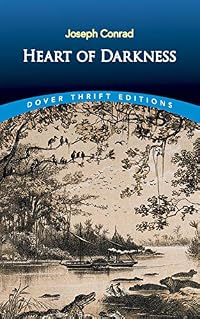
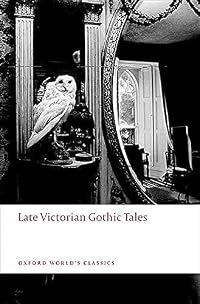
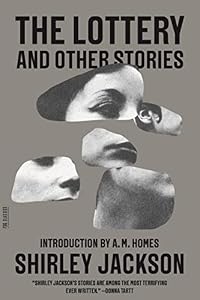
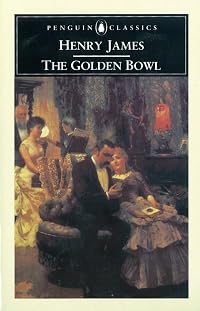
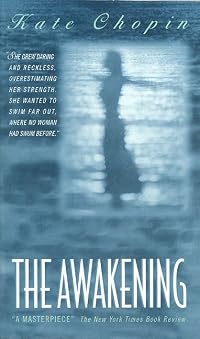
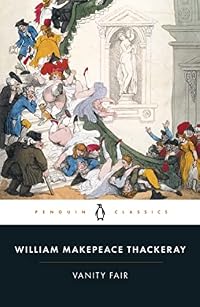
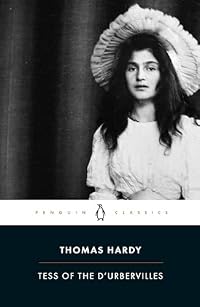
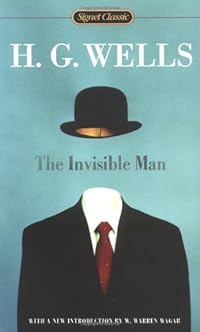
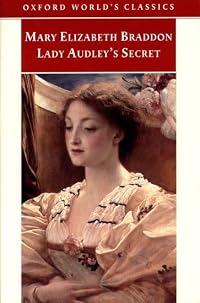
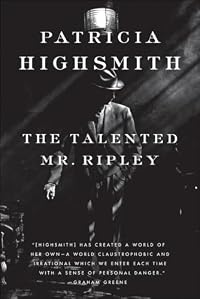
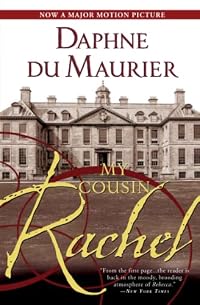
Nickelini Both have an unreliable narrator, which results in an ambiguous story.
60


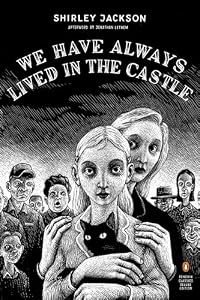
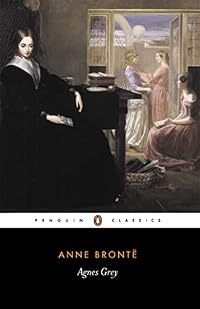
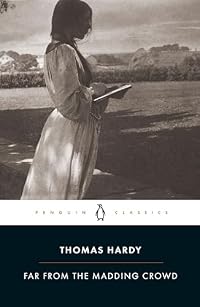
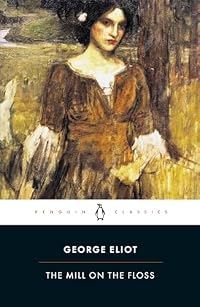
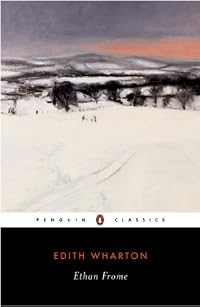
pingdjip A Dutch classic. Like The Turn of the Screw it's about restraining, silencing, suppressing a truth that nevertheless manifests itself in subtle ways. But unlike The Turn of the Screw it's actually a very good read.
21


error
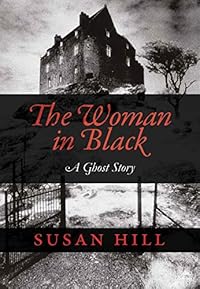
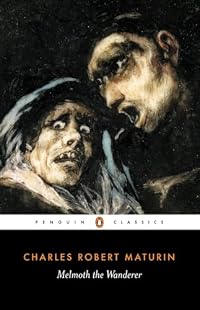
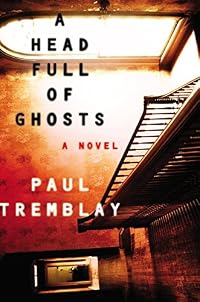
LibrarythingEmily The story was not so long but I still remember the story. It is very different from the real story but this difference makes it more haunted. I won't tell you if you should read it or not. But I can tell the person who doesn't read it will miss a lot.
02
Member Reviews
eBook
Reading The Turn of the Screw is like few other reading experiences I've ever had. It's perhaps most similar to Faulkner's unwillingness to explicitly explore the trauma driving his characters, but taken to an extreme far beyond that. Does James truly know what is happening in the story? Perhaps, but given that the governess, despite her overwhelming certainty in her own beliefs, is one of literature's least-trustworthy narrators, it is impossible for any reader to have total certainty about any part of her story.
It's her certainty, paradoxically, that makes the governess such a compelling character. Presented with events she doesn't fully comprehend, she leaps to conclusions with a startling suddenness, and once adopted, treats show more those conclusions as absolute facts. It is, in fact, her certainty that leads to so much doubt on the part of the reader, even as it is responsible for the creation of the story itself. Clearly, the story as written, whether true or not, is the governess' creation. Throughout, she fills in every narrative gap, cutting off the statements of others so as to complete their statements herself, or painting in vivid terms the motivations and imaginings of characters that would otherwise have remained hidden. As readers, we're not allowed our own suppositions about the other characters or the events of the story. The governess tells us what they say, think, believe, and do, leaving us only a binary option, befitting greatly the way her own mind works: do we believe her or not?
No matter our efforts, we can never really know if there were ghosts at Bly Manor, but in the end, that's irrelevant. The ghosts exist inside the governess' head, perhaps not as the spirits of the former governess and her lover, but at least in the form of the world constructed within the current governess' head. In a strange way, she is both narrator and reader of her own story, not only telling us what is happening, but simultaneously inviting us to join her in her own understanding of what she witnesses. show less
Reading The Turn of the Screw is like few other reading experiences I've ever had. It's perhaps most similar to Faulkner's unwillingness to explicitly explore the trauma driving his characters, but taken to an extreme far beyond that. Does James truly know what is happening in the story? Perhaps, but given that the governess, despite her overwhelming certainty in her own beliefs, is one of literature's least-trustworthy narrators, it is impossible for any reader to have total certainty about any part of her story.
It's her certainty, paradoxically, that makes the governess such a compelling character. Presented with events she doesn't fully comprehend, she leaps to conclusions with a startling suddenness, and once adopted, treats show more those conclusions as absolute facts. It is, in fact, her certainty that leads to so much doubt on the part of the reader, even as it is responsible for the creation of the story itself. Clearly, the story as written, whether true or not, is the governess' creation. Throughout, she fills in every narrative gap, cutting off the statements of others so as to complete their statements herself, or painting in vivid terms the motivations and imaginings of characters that would otherwise have remained hidden. As readers, we're not allowed our own suppositions about the other characters or the events of the story. The governess tells us what they say, think, believe, and do, leaving us only a binary option, befitting greatly the way her own mind works: do we believe her or not?
No matter our efforts, we can never really know if there were ghosts at Bly Manor, but in the end, that's irrelevant. The ghosts exist inside the governess' head, perhaps not as the spirits of the former governess and her lover, but at least in the form of the world constructed within the current governess' head. In a strange way, she is both narrator and reader of her own story, not only telling us what is happening, but simultaneously inviting us to join her in her own understanding of what she witnesses. show less
Another ambiguous ending in this gothic fiction classic…
"When a governess is hired to care for two children at a British country estate, she begins to sense an otherworldly presence around the grounds. Are they really ghosts she’s seeing? Or is something far more sinister at work?"
Has the governess succumbed to madness? (If so, why?) Or are there really malevolent spirits out to get her young charges? In the end, it’s up to the reader to decide. I understand why authors do this, but sometimes it feels like a cop-out. Are there ghosts or not??
The writing was beautiful and descriptive, and there was definitely a strong creepy vibe throughout the story. I listened to this on audiobook, and Emma Thompson’s performance was amazing. show more Very passionate and entertaining. show less
"When a governess is hired to care for two children at a British country estate, she begins to sense an otherworldly presence around the grounds. Are they really ghosts she’s seeing? Or is something far more sinister at work?"
Has the governess succumbed to madness? (If so, why?) Or are there really malevolent spirits out to get her young charges? In the end, it’s up to the reader to decide. I understand why authors do this, but sometimes it feels like a cop-out. Are there ghosts or not??
The writing was beautiful and descriptive, and there was definitely a strong creepy vibe throughout the story. I listened to this on audiobook, and Emma Thompson’s performance was amazing. show more Very passionate and entertaining. show less
As a big fan of Frankenstein and other horror of the era, I fell into this one pretty quickly. The hints at the speaker's mental state are subtly tucked throughout, becoming more noticeable toward the end. It got a bit dry about halfway through as daily routines took center stage, but the last two or three chapters go by fast. I'm not sure exactly what I was expecting but I was certainly surprised to find the governess holding Miles' corpse. Maybe there's a detail in the wording I've missed, but was he possessed by the ghost of the previous servant and had been dead the whole time? Did the ghost steal his life force away from him? Did revealing his secrets break the spell that kept him alive?
Either way, that last sentence is a gem to show more end the story with. It's only because of the lull in the middle of the book that it gets a lower rating, to be honest. The ending alone made me want to give it at least four stars.
I wouldn't recommend it to anyone not used to reading 1800's literature, but it's definitely a classic I'm glad I took the time to read. show less
Either way, that last sentence is a gem to show more end the story with. It's only because of the lull in the middle of the book that it gets a lower rating, to be honest. The ending alone made me want to give it at least four stars.
I wouldn't recommend it to anyone not used to reading 1800's literature, but it's definitely a classic I'm glad I took the time to read. show less
When our daughter was a toddler, one of the other toddlers she regularly exchanged germs with at toddler social events was a boy named James, and James' dad's name was Henry. We would often run into the two of them, little snotnosed James sitting upon Henry's shoulders, and I got into the habit of referring to them as a single entity, "Henry James". Look, I'd say to my daughter — there goes Henry James! Or, you'll never guess who we saw at the playground today, I'd say to my wife — our friend Henry James!
Of course, the real Henry James is no laughing matter. Reading him is like floundering in a slow-motion Sargasso Sea of language, the main clause an elusive seahorse, forever just out of reach. It's a maddening, but strangely show more addictive experience, playing Henry James bingo with his wild verbs of saying — adjure, pursue, asseverate — his junctures and obtrusions, his obsessive use of the feminine suffix — conductress, protectress, instructress, interlocutress. Even his shorter sentences can be maximally disorienting:
It doesn't always work for me. I read The Wings of the Dove mostly while using the treadmill in a hotel in Bogotá, and the mental torture of that almost eclipsed the pain in my lungs and legs. But here, and in my favourite James, the spooky short The Jolly Corner, the murky sea of the prose replicates the psychological ambiguities of the story, and sometimes you just have to laugh out loud, as when he describes the expression on someone's face by telling us that "she had helplessly gloomed at the upper regions".
For further Jamesian comedy I refer you to Edith Wharton's experience of wayfinding with him. show less
Of course, the real Henry James is no laughing matter. Reading him is like floundering in a slow-motion Sargasso Sea of language, the main clause an elusive seahorse, forever just out of reach. It's a maddening, but strangely show more addictive experience, playing Henry James bingo with his wild verbs of saying — adjure, pursue, asseverate — his junctures and obtrusions, his obsessive use of the feminine suffix — conductress, protectress, instructress, interlocutress. Even his shorter sentences can be maximally disorienting:
I had left her meanwhile in little doubt of my small hope of representing with success even to her actual sympathy my sense of the real splendor of the little inspiration with which, after I had got him into the house, the boy met my final articulate challenge.
It doesn't always work for me. I read The Wings of the Dove mostly while using the treadmill in a hotel in Bogotá, and the mental torture of that almost eclipsed the pain in my lungs and legs. But here, and in my favourite James, the spooky short The Jolly Corner, the murky sea of the prose replicates the psychological ambiguities of the story, and sometimes you just have to laugh out loud, as when he describes the expression on someone's face by telling us that "she had helplessly gloomed at the upper regions".
For further Jamesian comedy I refer you to Edith Wharton's experience of wayfinding with him. show less
I was told that The Turn of the Screw is great for learning how to write suspense and keep readers hooked. So when I picked up James’s novella, I didn’t do it casually. I approached it like a writer dissecting craft, paying close attention to every turn of phrase, every pause, every shadow that James cast across the page.
It means I probably read the story differently than I would have if I’d been reading purely for pleasure. Instead of racing ahead to find out what happened next, I paid attention to the machinery beneath the prose. What I discovered was a masterclass in tension, ambiguity, psychology, and how a story can subtly haunt the reader.
A Story Within a Story (Within a Story)
Right from the opening, James makes sure we’re show more unsettled. The novella doesn’t begin with the governess and her haunted house; but with a man named Douglas, reading from a manuscript written by the governess herself, who, we’re told, is already dead.
So whose story are we really reading? The governess’s? Douglas’s? Our own, as we become complicit in resurrecting her voice? From the start, the very structure of the book feels haunted. Even before we meet a single ghost, we’re reminded that the act of storytelling itself can summon the dead.
The Freudian Ghosts
Critics have spent more than a century arguing about what the ghosts mean. Are they real? Are they hallucinations? Are they the product of the governess’s sexual repression?
Here’s where Freud wanders in—though James wrote The Turn of the Screw before Freud’s theories became mainstream, later readings of the novella seemed to confirm Freud’s ideas about repression and the unconscious.
Take the governess’s first encounter with Peter Quint. She’s walking in the garden, lost in thoughts of her employer (the man she secretly loves but can never have). When she spots a figure, her first thought is that it’s him. But it isn’t. It’s Quint, a servant. A ghost.
Why the terror? A Freudian reading would say Quint appears as the physical manifestation of her forbidden desire. A twisted “stand-in” for the man she craves but can’t have. And the horror deepens when you consider Quint’s rumored relationship with the young Miles. Suddenly the boundaries between love, desire, morality, and corruption blur. What she fears most may not be the ghost at all, but herself.
Read more at https://www.summonfantasy.com/reviews/why-the-turn-of-the-screw-still-messes-wit.... show less
It means I probably read the story differently than I would have if I’d been reading purely for pleasure. Instead of racing ahead to find out what happened next, I paid attention to the machinery beneath the prose. What I discovered was a masterclass in tension, ambiguity, psychology, and how a story can subtly haunt the reader.
A Story Within a Story (Within a Story)
Right from the opening, James makes sure we’re show more unsettled. The novella doesn’t begin with the governess and her haunted house; but with a man named Douglas, reading from a manuscript written by the governess herself, who, we’re told, is already dead.
So whose story are we really reading? The governess’s? Douglas’s? Our own, as we become complicit in resurrecting her voice? From the start, the very structure of the book feels haunted. Even before we meet a single ghost, we’re reminded that the act of storytelling itself can summon the dead.
The Freudian Ghosts
Critics have spent more than a century arguing about what the ghosts mean. Are they real? Are they hallucinations? Are they the product of the governess’s sexual repression?
Here’s where Freud wanders in—though James wrote The Turn of the Screw before Freud’s theories became mainstream, later readings of the novella seemed to confirm Freud’s ideas about repression and the unconscious.
Take the governess’s first encounter with Peter Quint. She’s walking in the garden, lost in thoughts of her employer (the man she secretly loves but can never have). When she spots a figure, her first thought is that it’s him. But it isn’t. It’s Quint, a servant. A ghost.
Why the terror? A Freudian reading would say Quint appears as the physical manifestation of her forbidden desire. A twisted “stand-in” for the man she craves but can’t have. And the horror deepens when you consider Quint’s rumored relationship with the young Miles. Suddenly the boundaries between love, desire, morality, and corruption blur. What she fears most may not be the ghost at all, but herself.
Read more at https://www.summonfantasy.com/reviews/why-the-turn-of-the-screw-still-messes-wit.... show less
This is one of those books that I hadn’t read despite it being mentioned pretty much every time someone called for a good ghost story. During our latest winter storm I decided it would be a good time to dive into it and for the most part I really liked it. It had excellent pacing and the story was trim, not a lot of extraneous detail. There’s the set up, which is folks gathered around a fire to hear a scary story, the prologue which puts our protagonist in place and then we’re off. Strangely the tale just ends and we never get back into the room with the fire. I wonder if James forgot or his editor or what, but those people never show up again. Kind of sloppy if you ask me.
And there’s that ending. Wow. It came on extra suddenly show more for me because I read it as a Project Gutenberg ebook which has a lot of publishing info at the back so it’s hard to tell exactly where the book ends. Is it me, or does everyone have to read the ending three times to get it straight? And by straight I mean bendy and weird and what?
Spoilers on the move -
I knew it was a psychological horror story going in and that there might be more to the story than what’s on the surface. I don’t want to go so far as to declare an unreliable narrator, but it’s close. Even if what Jane perceived wasn’t real, she believed that it was and to me, that’s not an unreliable narrator, merely a fallible one. Are there the ghosts of servants past haunting the old pile, or is Jane crazy? Does Miles have some sort of symbiotic connection to Peter Quint? Does getting Flora away from the place break hers to Miss Jessel? There are no concrete answers. Instead, James relies on the reader’s interpretation of some pretty unspecific information. For example, just why are these ghosts so evil and is their evil different now than it was in life? Both are branded as villains, but nothing is specifically stated about what they did exactly. It’s hinted that there was an illicit affair going on between them, very improper, and somehow because the children were aware of it, the knowledge corrupted them. Did that lead to Miles’s unknown crime that got him kicked out of school? And speaking of unfathomable and unresolved...what’s with the uncle’s condition that Jane never contact him about the kids? That’s just weird. The whole thing is weird and that’s what makes it fun.
The actual writing, I should warn you, is convoluted. James is fond of the very long sentence populated by many, many commas. At first it was a job getting into the rhythm of his writing, but reading out loud helped, something I find useful for older novels. As you might have guessed, if you’re the type of reader who needs everything explained and tied up neatly, The Turn of the Screw isn’t the ghost story for you. show less
And there’s that ending. Wow. It came on extra suddenly show more for me because I read it as a Project Gutenberg ebook which has a lot of publishing info at the back so it’s hard to tell exactly where the book ends. Is it me, or does everyone have to read the ending three times to get it straight? And by straight I mean bendy and weird and what?
Spoilers on the move -
I knew it was a psychological horror story going in and that there might be more to the story than what’s on the surface. I don’t want to go so far as to declare an unreliable narrator, but it’s close. Even if what Jane perceived wasn’t real, she believed that it was and to me, that’s not an unreliable narrator, merely a fallible one. Are there the ghosts of servants past haunting the old pile, or is Jane crazy? Does Miles have some sort of symbiotic connection to Peter Quint? Does getting Flora away from the place break hers to Miss Jessel? There are no concrete answers. Instead, James relies on the reader’s interpretation of some pretty unspecific information. For example, just why are these ghosts so evil and is their evil different now than it was in life? Both are branded as villains, but nothing is specifically stated about what they did exactly. It’s hinted that there was an illicit affair going on between them, very improper, and somehow because the children were aware of it, the knowledge corrupted them. Did that lead to Miles’s unknown crime that got him kicked out of school? And speaking of unfathomable and unresolved...what’s with the uncle’s condition that Jane never contact him about the kids? That’s just weird. The whole thing is weird and that’s what makes it fun.
The actual writing, I should warn you, is convoluted. James is fond of the very long sentence populated by many, many commas. At first it was a job getting into the rhythm of his writing, but reading out loud helped, something I find useful for older novels. As you might have guessed, if you’re the type of reader who needs everything explained and tied up neatly, The Turn of the Screw isn’t the ghost story for you. show less
I've read The Turn of the Screw in the past, and though I don't often re-read books, the recent Netflix adaptation inspired me to come back to it. And, it was an interesting experience. Henry James is a master of the uncanny and the eerie, when he chooses to be, and even all these years after The Turn of the Screw was first published, the sense of ungroundedness in this book is still such a powerful thing. All through the book, it's difficult to know what's real and what's not, who to trust and who can't be believed. And yet, from moment to moment, the discomfort the reader feels is built from just how realistically this story is presented. All these years later, that style and power remain undiminished.
This is one of those reads that, show more I suspect, can only truly be experienced to its full potential once. What I mean by that is that the first read has such incredible power--so many twists, eerie moments, and surprises--there's no way to unremember what you've once read. Even though I hadn't read this book for more than a decade, coming back to it was both familiar and unfamiliar--but I couldn't revisit that first reading experience, and the horror and fascination I felt upon first discovering it. Was it still a powerful, worthwhile read? Absolutely. It just wasn't the same as it once was. Perhaps that can be said for most books, but because of the eerie, unfolding progression of this book, I suspect it's more true for this book than most others.
This book is so well-known, what more can be said? If you haven't yet read this book, you should. show less
This is one of those reads that, show more I suspect, can only truly be experienced to its full potential once. What I mean by that is that the first read has such incredible power--so many twists, eerie moments, and surprises--there's no way to unremember what you've once read. Even though I hadn't read this book for more than a decade, coming back to it was both familiar and unfamiliar--but I couldn't revisit that first reading experience, and the horror and fascination I felt upon first discovering it. Was it still a powerful, worthwhile read? Absolutely. It just wasn't the same as it once was. Perhaps that can be said for most books, but because of the eerie, unfolding progression of this book, I suspect it's more true for this book than most others.
This book is so well-known, what more can be said? If you haven't yet read this book, you should. show less
Members
- Recently Added By
Published Reviews
ThingScore 100
Det rör sig om en av världslitteraturens otäckaste berättelser. Otäck inte bara för att det som händer är otäckt utan för att man inte riktigt vet vad som händer – och har hänt.
added by Jannes
Lists

1001 Books You Must Read Before You Die
1,448 works; 1,132 members

The Guardian's 1000 Novels Everyone Must Read
1,005 works; 549 members

Classics you know you should have read but probably haven't
421 works; 406 members

Best Horror Books
281 works; 85 members

Best Gothic Fiction
110 works; 31 members

New York Public Library's Books of the Century
120 works; 20 members

Favourite 19th century fiction
257 works; 60 members
Best of British Literature
226 works; 41 members

Best Psychological Fiction
81 works; 16 members

Read the book and saw the movie
1,170 works; 195 members

Scary ghost stories - no zombies, vampires or werewolves, please
53 works; 20 members

Great American Novels
158 works; 40 members

Favourite Books
1,817 works; 316 members

Survey of Classic Fantastic Fiction
36 works; 8 members
Scary Stories for the Season
160 works; 94 members
Unreliable Narrators
170 works; 43 members

New York Public Library's Books of the Century - All
170 works; 14 members

NPR Reader Poll: 100 Best Horror Novels and Stories
100 works; 20 members
501 Must-Read Books
508 works; 72 members
19th Century
190 works; 16 members
Harold Bloom - The Western Canon: C. The Democratic Age
336 works; 15 members

Books Set in Great Britain
191 works; 13 members
Out of Copyright
244 works; 14 members

Short and Sweet
243 works; 23 members

Weird and Weirder Fiction
267 works; 34 members

Houses and Buildings as Characters in Fiction
182 works; 28 members

100 Most Recommended Works
100 works; 11 members

Western World's Greatest Books - Project Gutenberg
295 works; 15 members
Cawthorn and Moorcock's Fantasy: The 100 Best Books
110 works; 7 members

1964 College Preparatory Reading List
202 works; 8 members

Most Disturbing Books
124 works; 27 members

Global Reads: Books Set in the United Kingdom and Ireland
109 works; 5 members

Publishing Triangle 100 Best Lesbian and Gay Novels
97 works; 6 members

Lovecraft's 'Supernatural Horror in Literature' Reading List
216 works; 8 members
Mensa for Kids Excellence in Reading Award Program (Grades 9-12)
116 works; 5 members

Gothicissisme II : Esprit es-tu là?
13 works; 2 members

Victorian Period
113 works; 10 members
Stephen King's Biggest Influences
46 works; 3 members

Jones and Newman's Horror: The 100 Best Books
100 works; 4 members

Books You Read During High School (For School)
301 works; 52 members
Best of American Literature
146 works; 9 members
Paste's 50 Best Horror Novels of All time
50 works; 6 members

1890s
49 works; 6 members

Academia in Fiction
158 works; 23 members
Mensa for Kids Excellence in Reading Award Program (Grades 9-12)
116 works; 3 members

Amanda's Guaranteed Books
110 works; 5 members

Rory Gilmore Book Club
193 works; 5 members

Books Read in 2017
4,249 works; 130 members
Books Read in 2015
3,299 works; 129 members
The College Board: 101 Great Books Recommended for College-Bound Readers
111 works; 7 members

BBC Top Books
78 works; 3 members
Books Read in 2016
4,666 works; 199 members

Best Horror Mega-List
342 works; 6 members

A Book For Our Times
7 works; 1 member
Overdue Podcast
803 works; 9 members

madness prompts and reason writes, says Gide
26 works; 3 members

2016 Book Club Choices
52 works; 7 members
Trinity College Booklist (1951): Class Ten, English Literature
358 works; 5 members

Books Read in 2022
5,164 works; 111 members
Reedsydiscovery 100 Best Horror Books of All Time
100 works; 5 members
Books That Go Bump in the Night
42 works; 6 members
Haunted Places and Ghost Stories Reading List
99 works; 4 members
American Lit for Eng 11 Research Project
368 works; 6 members

Books Read in 2011
684 works; 20 members
Books in Riverdale
123 works; 3 members

Books We Love to Reread
688 works; 296 members
Horror Writers Association Reading List (1996)
40 works; 3 members

Recommended Reading : 600 Classics Reviewed, Editors of Salem Press, 2015
634 works; 6 members
Reading LIst
648 works; 1 member

DigitalDreamDoor top 300
300 works; 4 members
Horror Then & Now
44 works; 4 members
Ghost Stories That Thrill Us
256 works; 115 members

el
1,139 works; 1 member
BlackDog's Complete Paperbacks From Hell List
639 works; 3 members
.
396 works; 1 member

Horror: Page & Screen
27 works; 3 members

Recommended Literary Books
111 works; 1 member
Kate & Cheyanne's Horror Extravaganza
144 works; 6 members

AP Lit
363 works; 6 members

Books Read in 2019
4,052 works; 108 members

Greatest Books, allegedly
484 works; 9 members

Tagged 19th Century
104 works; 7 members

BingoDOG 2015 Challenge
49 works; 3 members

Books Read in 2021
5,361 works; 113 members

KayStJ's to-read list
1,616 works; 11 members

Read
293 works; 4 members

Books Read in 2010
631 works; 10 members
Haunted Britain and Ireland
51 works; 7 members

Authors from the United States
245 works; 3 members

Books Read in 2018
4,360 works; 110 members

bound
100 works; 1 member

Unread books
1,063 works; 87 members
Author Information

Some Editions
Awards and Honors
Awards
Distinctions
Notable Lists
Series
Belongs to Publisher Series
The Bodley Head Henry James (Volume XI)
Tus libros (13)
Uglebøkene (77)
Zephyr Books (159)
Airmont Classics (155)
Reclams Universal-Bibliothek (8366)
Work Relationships
Is contained in
The Golden Bowl | The Portrait of a Lady | The Spoils of Poynton and Other Stories by Henry James (indirect)
Penny Dreadful Multipack Volume 7 – The Americans: The Legend of Sleepy Hollow, The Murders in the Rue Morgue, Mosses From An Old Manse, Owl Creek Bridge, The King In Yellow and 26 more (Illustrated) by CreateSpace Multipack
The Europeans | Daisy Miller | Washington Square | The Aspern Papers | The Turn of the Screw | The Portrait of a Lady by Henry James
Daisy Miller | Washington Square | The Portrait of a Lady | The Turn of the Screw | The Wings of the Dove by Henry James
Is retold in
Has the (non-series) sequel
Has the (non-series) prequel
Has the adaptation
Is abridged in
Is an expanded version of
Inspired
Has as a reference guide/companion
Has as a study
Has as a commentary on the text
Has as a student's study guide
Common Knowledge
- Canonical title
- The Turn of the Screw
- Original title
- Washington Square; The Turn of the Screw
- Alternate titles
- Otra vuelta de tuerca
- Original publication date
- 1898
- People/Characters
- Miss Jessel; Miles Bennett; Flora Bennett; Mrs. Grose; Peter Quint; The Governess (show all 9); Douglas; Mr. Griffin; Mrs. Griffin
- Important places
- Essex, England, UK; England, UK; London, England, UK
- Related movies
- The Innocents (1961 | IMDb); The Turn of the Screw (1999 | IMDb); The Turn of the Screw (1959/I | IMDb); The Turn of the Screw (1974/I | IMDb); The Turn of the Screw (1982 | IMDb); The Turn of the Screw (1992 | IMDb) (show all 10); The Nightcomers (1971 | IMDb); The Turning (2020 | IMDb); The Haunting of Hill House (2018 | IMDb | season 2, "The Haunting of Bly Manor"); Presence of Mind (1999 | IMDb)
- First words
- 'The Turn of the Screw' holds a unique place in the canon of Henry James's fiction. (Introduction)
This perfectly independent and irresponsible little fiction rejoices, beyond any rival on a like ground, in a conscious provision of prompt retort to the sharpest question that may be addressed to it. (Preface)
The story had held us, round the fire, sufficiently breathless, but except the obvious remark that it was gruesome, as, on Christmas Eve in an old house, a strange tale should essentially be, I remember no comment uttered til... (show all)l somebody happened to say that it was the only case he had met in which such a visitation had fallen on a child. - Quotations
- She was a magnificent monument to the blessing of a want of imagination...
- Last words
- (Click to show. Warning: May contain spoilers.)We were alone with the quiet day, and his little heart, dispossessed, had stopped.
- Original language
- English
- Disambiguation notice
- Do not combine with any adaptions, films, etc.
First published 1898, in 12 instalments in Collier's Weekly, later that year included in The Two Magics.
Classifications
Statistics
- Members
- 9,427
- Popularity
- 1,104
- Reviews
- 295
- Rating
- (3.39)
- Languages
- 23 — Arabic, Bulgarian, Chinese, Czech, Danish, Dutch, English, Estonian, French, German, Greek, Hindi, Hungarian, Indonesian, Italian, Japanese, Norwegian (Bokmål), Polish, Spanish, Swedish, Turkish, Portuguese (Portugal), Portuguese (Brazil)
- Media
- Paper, Audiobook, Ebook
- ISBNs
- 595
- UPCs
- 4
- ASINs
- 156