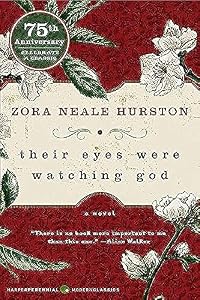
Their Eyes Were Watching God
by Zora Neale Hurston
On This Page
Description
A novel about black Americans in Florida that centers on the life of Janie and her three marriages.Tags
Recommendations
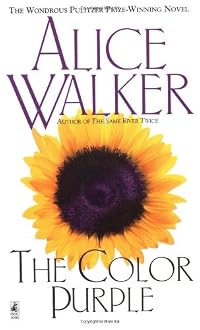
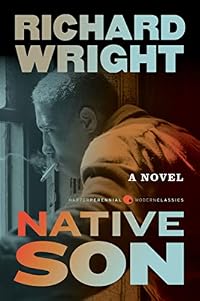
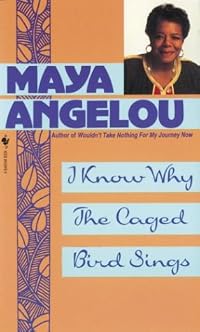
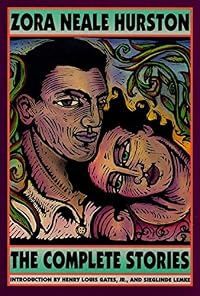
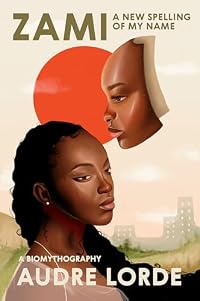
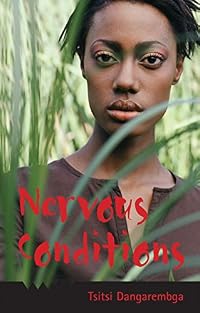
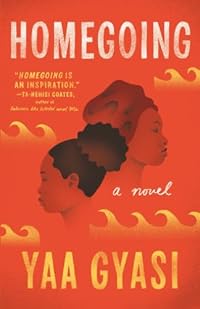
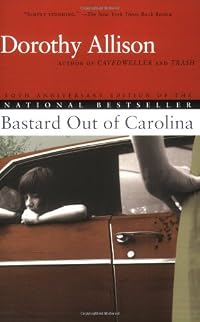

Member Recommendations
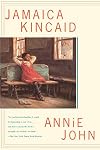
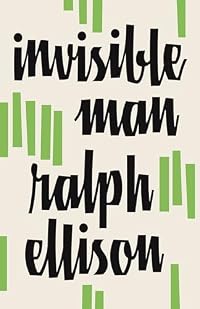
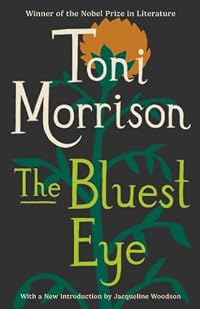
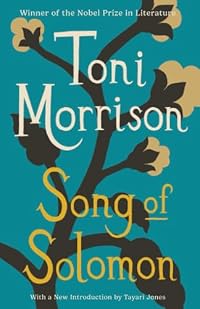
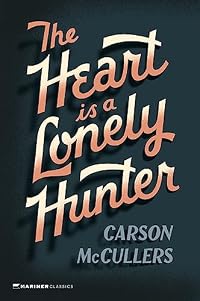
BookshelfMonstrosity Kincaid and Hurston have each set their moving, character-driven novels in atmospheric, sunny settings -- the Caribbean, and Florida respectively. Both novels explore haunting truths about identity, society, friendship and love as an African-American female protagonist gains new self-awareness and respect for her experiences.
40
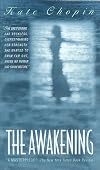
CGlanovsky Strong female protagonist causes a stir in a male-dominated society by going after the things she wants.
21
Member Reviews
My interest sagged toward the middle, and I almost decided this was a book to be tasted, not wholly read. But then Janie, Tea Cup, and the others in the ‘Glades failed to take the departure of the Seminoles seriously, nor their warning of an approaching hurricane. From then on, I couldn’t stop.
Janie irritated me in the first half of the book; life seemed to her a choice between lying under a flowering pear tree or being some man’s mule. Not that I failed to understand her preference for the one over the other, but was there no third option?
Her relationship with her third husband, Tea Cup, finally offered that third option: a chance to combine autonomy with responsibility, a love based on mutual respect. This is despite an show more unpromising start when he makes off with her emergency money and disappears for two days. He is disarmingly open about his shortcomings, but this gives Janie her voice.
Another initial hurdle was easier for me to jump over. That was the orthography with which Hurston approximates the speech of Florida Blacks. It forced me to slow my reading pace, but that was not a bad thing: It freed me to read with the ear as well as the eye, revealing the creative and eloquent beauty of the spoken word.
The narrator’s voice differs from the dialog she reports, yet equals it in freshness and beauty. When Janie’s second marriage deteriorates, the narrator writes: “The spirit of the marriage left the bedroom and took to living in the parlor.” Further, “For the first time she could see a man’s head naked of its skull.”
This book abounds with fresh imagery and unforgettable characters. It was well worth reading. show less
Janie irritated me in the first half of the book; life seemed to her a choice between lying under a flowering pear tree or being some man’s mule. Not that I failed to understand her preference for the one over the other, but was there no third option?
Her relationship with her third husband, Tea Cup, finally offered that third option: a chance to combine autonomy with responsibility, a love based on mutual respect. This is despite an show more unpromising start when he makes off with her emergency money and disappears for two days. He is disarmingly open about his shortcomings, but this gives Janie her voice.
Another initial hurdle was easier for me to jump over. That was the orthography with which Hurston approximates the speech of Florida Blacks. It forced me to slow my reading pace, but that was not a bad thing: It freed me to read with the ear as well as the eye, revealing the creative and eloquent beauty of the spoken word.
The narrator’s voice differs from the dialog she reports, yet equals it in freshness and beauty. When Janie’s second marriage deteriorates, the narrator writes: “The spirit of the marriage left the bedroom and took to living in the parlor.” Further, “For the first time she could see a man’s head naked of its skull.”
This book abounds with fresh imagery and unforgettable characters. It was well worth reading. show less
Their Eyes Were Watching God is listed on the 1001 Books That You Should Read Before You Die list, so of course I knew of its existence, but if I had known that it included so many of the elements that hold my attention I would have read it earlier.
This story is the trials, tribulations, love, love lost, and so much more of Janie. Janie is everything that I love about well written characters in quality literature. I know nothing of her life first hand. I have never been a black woman living her time, and I haven't had any of the trials and tribulations that she has had, yet...She is the most relatable of characters. Zora Neale Hurston did the most amazing thing in the way that she gifted me the ability to understand, see, and feel so show more much of Janie's life.
Janie and Tea Cake's love story is the portion that I was so drawn to. I will not spoil anything here, but I just need you to know how beautifully flawed and fricked up it is at times. From a reader's standpoint, this adds all sorts of internal conflict and later, a better understanding. Oh my gosh! So good!
Let me tell you, this will be a tough one to get settled into for some readers. The story is not complicated, although it is deep, but the language, particularly the dialogue is written in authentic slang. "I" is always written as "Ah", "That" as "Dat", etc. For this reason, I am not labeling this one as a good place to start if you are looking to jump into the genre.
That being said, if you are willing to take the challenge, please do. This book is the most highlighted and noted book that I have ever read. The deeper meaning within Janie's words, her experiences, the insightful quotes, were all too amazing to pass up. show less
This story is the trials, tribulations, love, love lost, and so much more of Janie. Janie is everything that I love about well written characters in quality literature. I know nothing of her life first hand. I have never been a black woman living her time, and I haven't had any of the trials and tribulations that she has had, yet...She is the most relatable of characters. Zora Neale Hurston did the most amazing thing in the way that she gifted me the ability to understand, see, and feel so show more much of Janie's life.
Janie and Tea Cake's love story is the portion that I was so drawn to. I will not spoil anything here, but I just need you to know how beautifully flawed and fricked up it is at times. From a reader's standpoint, this adds all sorts of internal conflict and later, a better understanding. Oh my gosh! So good!
Let me tell you, this will be a tough one to get settled into for some readers. The story is not complicated, although it is deep, but the language, particularly the dialogue is written in authentic slang. "I" is always written as "Ah", "That" as "Dat", etc. For this reason, I am not labeling this one as a good place to start if you are looking to jump into the genre.
That being said, if you are willing to take the challenge, please do. This book is the most highlighted and noted book that I have ever read. The deeper meaning within Janie's words, her experiences, the insightful quotes, were all too amazing to pass up. show less
This book makes me glad to be a reader. I was transported back to another time and place in America's history. Through the eyes and voice of Janie Crawford, granddaughter of a slave, it's possible to know the complexities of living in rural Florida during a time when black women were treated much like mules and could only hope to marry a decent man who didn't beat them.
Janie was different. Early in the book, she had a life-changing awakening under a fragrant, life-filled pear tree after which she was unwilling to settle for the typical dreary life of most black women. Janie had a spark of hope and longing that couldn't be extinguished by a harsh life. This dreamer of dreams is easily one of the most unforgettable characters in show more literature I have met.
Hurston writes with extravagant prose in the narrator's voice; switching to the vivid vernacular of her colorful characters in the dialog which is central to the book. Her words are a veritable feast of images and sounds that you will want to read closely to absorb the rich detail. This is one of the few books that might be more meaningful in the audio version. Or, you can do as I did, and simply read some of this marvelous language aloud. show less
Janie was different. Early in the book, she had a life-changing awakening under a fragrant, life-filled pear tree after which she was unwilling to settle for the typical dreary life of most black women. Janie had a spark of hope and longing that couldn't be extinguished by a harsh life. This dreamer of dreams is easily one of the most unforgettable characters in show more literature I have met.
Hurston writes with extravagant prose in the narrator's voice; switching to the vivid vernacular of her colorful characters in the dialog which is central to the book. Her words are a veritable feast of images and sounds that you will want to read closely to absorb the rich detail. This is one of the few books that might be more meaningful in the audio version. Or, you can do as I did, and simply read some of this marvelous language aloud. show less
11.24.2024 Read this as a GR group On the Southern Trail selection for November. This is what I thought this time around:
This was my second read, a slower, fuller read. Now it's double love for me.
I'd say that the story is about exactly what Hurston has Janie announce in the beginning: it's about a woman finally making it to the "Grand Lodge" of living. There are sublime passages throughout about Janie's struggle to get there. And make it she did, finally fully participating in a community, enjoying it with a man that made her laugh and feel good to be alive. She got her hands dirty, her hair mussy. She danced, sang, and laughed too loud. She got to put in her "dozens" (the banter of insults) without remonstration.
What she reached was a show more distinctly female experience that included navigating among men with manly egos broken on the rack of White America, who in turn used violence of word and deed against those even weaker.
In the end, Janie (and Hurston, too, I think) did not offer a single apology for surviving after being made of mud by God, broken into a million pieces. She still glittered.
It is sad how much flap Hurston took for this perspective. Her literary contemporaries, Wright and Ellison, were part of the broken men, strongly rejected a realistic aspect of their culture. They couldn't embrace it as valid as any other culture is because they wanted a place of respect at the White table. Even the later 2017 Trudier Harris thesis didn't accept, in my opinion, the fullness of the messge of the novel. She discounted Janie by using the concept of "infertility," as if fertility is somehow a kind of overriding worthiness. (Insert idiotic Single Cat Lady comment here.)
Thankfully there were and are other African-Americans that see and share Hurston's larger perspective. In my copy of the novel there is a splendid literary Afterword by Henry Louis Gates, Jr where he writes, "...her work celebrates rather than moralizes." Yes! Hurston celebrated her culture, and especially given the time it was written, that is her genius. And I can't express how much I loved that.
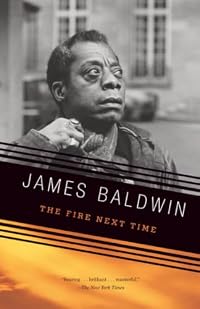
Another intellectual giant, James Baldwin, in his 1963 The Fire Next Time made the same point in essay form as Hurston made in this novel: that African-Americans should not modify their culture, their souls, so as to be accepted by White Americans. Baldwin reminds us that White Americans hurt themselves, hurt their very own souls, by their prejudices. Hurston's vision of her culture's "glittering," was echoed in Baldwin's vision of cultures uniting as "all the stars aflame."
In her 1928 essay "How it Feels to Be Colored Me", Hurston writes she is not "tragically colored" and explains "No, I do not weep at the world—I am too busy sharpening my oyster knife."
So that's exactly how I read this work--as a genius ode to the joys of life, even as the world was, is, and always is so very worthy of weeping.
05.27.2020 First reading review:
I have just closed Their Eyes Were Watching God by Zora Neale Hurston. Aka I-am-not-tragically-colored-Hurston.*
It took a few chapters, to begin getting those brain zing "Oh!" feelings. There's something here. I went on. Started getting a deeper pleasure and became awash in various things to think about. Oh! I was reading a lyrical and ethnographic ode to joy. I was reading an anthropological snapshot of the black American south of the 1930s. I was reading early feminism, in the best sense of that word. I became fully engaged and sighed at the end.
It was one of those times I wished I was a Book Club kind of person. Who did the three men Janie marry represent from the broader world? Why isn't romantic love generally considered as a vitally important human condition to write about, except when it causes high drama or trauma? Did I think Janie's relationship with Tea Cake was a healthy one? How deliberate was it that Hurston wrote about an exclusive black American experience without much mention of whites and none as distinct characters?
I pecked around a bit to learn more of the back story about Hurston and this novel.
I saw that Richard Wright and Ralph Ellison, her peers, more than missed her contribution, they dismissed it. Ellison called Their Eyes a "blight." Wright was equally scathing, reviewing the work as a deliberate kowtowing to white readers' stereotypes. I'm suspicious of their motives, myself, wondering if they didn't have their important political socio-economic blinders on. Bah. She didn't see her life as a "plight" -- although Lord knows, she didn't have it easy, especially near the end. I wish Hurston would have been alive to enjoy the accolades and profits, and sorry she had to have known some unrighteous stings.
Now I gotta give myself a cheer on this last little bit, a touch of serendipity. This was my first book choice after my personal, big To Read dump where I deleted 600 titles that over the years I had added due to some ridiculous sense of immortality. This book is exactly the kind for which I was clearing the decks. Hope it's a good sign of more things to come.
Time to go back and read the foreword by Edwidge Danticat and the afterword by Henry Louis Gates, Jr. for a serious post-read craving.
Update: I've read the foreword and the afterword and the special sections including a timeline and a couple of essays by Valerie Boyd. Cravings satisfied for now. Man, Gates is awesome. Bravo HarperCollins.
A humble one hundred thanks to Alice Walker for resurrecting Hurston's work in the 1970s.
*A quick must-read is Hurston's essay "How It Feels to be Colored Me." A lovely 10 minute audio rendition can be heard on Youtube here, https://www.youtube.com/watch?v=-Cgjj6Pp7Co show less
This was my second read, a slower, fuller read. Now it's double love for me.
I'd say that the story is about exactly what Hurston has Janie announce in the beginning: it's about a woman finally making it to the "Grand Lodge" of living. There are sublime passages throughout about Janie's struggle to get there. And make it she did, finally fully participating in a community, enjoying it with a man that made her laugh and feel good to be alive. She got her hands dirty, her hair mussy. She danced, sang, and laughed too loud. She got to put in her "dozens" (the banter of insults) without remonstration.
What she reached was a show more distinctly female experience that included navigating among men with manly egos broken on the rack of White America, who in turn used violence of word and deed against those even weaker.
In the end, Janie (and Hurston, too, I think) did not offer a single apology for surviving after being made of mud by God, broken into a million pieces. She still glittered.
It is sad how much flap Hurston took for this perspective. Her literary contemporaries, Wright and Ellison, were part of the broken men, strongly rejected a realistic aspect of their culture. They couldn't embrace it as valid as any other culture is because they wanted a place of respect at the White table. Even the later 2017 Trudier Harris thesis didn't accept, in my opinion, the fullness of the messge of the novel. She discounted Janie by using the concept of "infertility," as if fertility is somehow a kind of overriding worthiness. (Insert idiotic Single Cat Lady comment here.)
Thankfully there were and are other African-Americans that see and share Hurston's larger perspective. In my copy of the novel there is a splendid literary Afterword by Henry Louis Gates, Jr where he writes, "...her work celebrates rather than moralizes." Yes! Hurston celebrated her culture, and especially given the time it was written, that is her genius. And I can't express how much I loved that.
Another intellectual giant, James Baldwin, in his 1963 The Fire Next Time made the same point in essay form as Hurston made in this novel: that African-Americans should not modify their culture, their souls, so as to be accepted by White Americans. Baldwin reminds us that White Americans hurt themselves, hurt their very own souls, by their prejudices. Hurston's vision of her culture's "glittering," was echoed in Baldwin's vision of cultures uniting as "all the stars aflame."
In her 1928 essay "How it Feels to Be Colored Me", Hurston writes she is not "tragically colored" and explains "No, I do not weep at the world—I am too busy sharpening my oyster knife."
So that's exactly how I read this work--as a genius ode to the joys of life, even as the world was, is, and always is so very worthy of weeping.
05.27.2020 First reading review:
I have just closed Their Eyes Were Watching God by Zora Neale Hurston. Aka I-am-not-tragically-colored-Hurston.*
It took a few chapters, to begin getting those brain zing "Oh!" feelings. There's something here. I went on. Started getting a deeper pleasure and became awash in various things to think about. Oh! I was reading a lyrical and ethnographic ode to joy. I was reading an anthropological snapshot of the black American south of the 1930s. I was reading early feminism, in the best sense of that word. I became fully engaged and sighed at the end.
It was one of those times I wished I was a Book Club kind of person. Who did the three men Janie marry represent from the broader world? Why isn't romantic love generally considered as a vitally important human condition to write about, except when it causes high drama or trauma? Did I think Janie's relationship with Tea Cake was a healthy one? How deliberate was it that Hurston wrote about an exclusive black American experience without much mention of whites and none as distinct characters?
I pecked around a bit to learn more of the back story about Hurston and this novel.
I saw that Richard Wright and Ralph Ellison, her peers, more than missed her contribution, they dismissed it. Ellison called Their Eyes a "blight." Wright was equally scathing, reviewing the work as a deliberate kowtowing to white readers' stereotypes. I'm suspicious of their motives, myself, wondering if they didn't have their important political socio-economic blinders on. Bah. She didn't see her life as a "plight" -- although Lord knows, she didn't have it easy, especially near the end. I wish Hurston would have been alive to enjoy the accolades and profits, and sorry she had to have known some unrighteous stings.
Now I gotta give myself a cheer on this last little bit, a touch of serendipity. This was my first book choice after my personal, big To Read dump where I deleted 600 titles that over the years I had added due to some ridiculous sense of immortality. This book is exactly the kind for which I was clearing the decks. Hope it's a good sign of more things to come.
Time to go back and read the foreword by Edwidge Danticat and the afterword by Henry Louis Gates, Jr. for a serious post-read craving.
Update: I've read the foreword and the afterword and the special sections including a timeline and a couple of essays by Valerie Boyd. Cravings satisfied for now. Man, Gates is awesome. Bravo HarperCollins.
A humble one hundred thanks to Alice Walker for resurrecting Hurston's work in the 1970s.
*A quick must-read is Hurston's essay "How It Feels to be Colored Me." A lovely 10 minute audio rendition can be heard on Youtube here, https://www.youtube.com/watch?v=-Cgjj6Pp7Co show less
After I finished reading this, I felt like Pheoby: "Ah done growed ten feet higher from jus' listenin' tuh you, Janie."
Although some of this book was troubling to this 21st-century feminist, when the book and its protagonist Janie are taken on their own terms, it's a compelling story, an epic romance, and a womanist version of the heroic quest. Above all, it does what every excellent book does: help us learn more about what it means to be human.
Although some of this book was troubling to this 21st-century feminist, when the book and its protagonist Janie are taken on their own terms, it's a compelling story, an epic romance, and a womanist version of the heroic quest. Above all, it does what every excellent book does: help us learn more about what it means to be human.
First sentence: Ships at a distance have every man’s wish on board. For some they come in with the tide. For others they sail forever on the horizon, never out of sight, never landing until the Watcher turns his eyes away in resignation, his dreams mocked to death by Time. That is the life of men.
Now women forget all those things they don’t want to remember, and remember everything they don’t want to forget. The dream is the truth. Then they act and do things accordingly.
ETA: I've read this one so many times. I just absolutely love this one. I believe this is my third time to review it for the blog???? I will say that the more times I read it, the more complex I find it. Teacake and Janie's relationship is *SO* complex. On the show more one hand, as a reader, I see the abusive nature of it at times. He even takes pride in his ability to "beat" his wife, his woman, Janie. The fact that he's proud that she's publicly seen with bruises visible all over her--is disgusting and revolting. The narration--the narrative--takes this so matter-of-factly. It wasn't DANGER, DANGER, DANGER. No, it was that's just facts. Men beat women they love, end of story. In particular, the narrative points out that while white men oppress black men, black men oppress black women. Almost like a coping mechanism. It is heartbreaking as a reader to see. On the other hand, this is the only relationship [romantic, sexual] relationship in the novel where Janie has agency, has voice. Her first two relationships she had no agency, no voice, no choice. Teacake and Janie were more equals. Janie absolutely loved him heart-soul-body. She didn't really "love" or even like or respect her first two husbands. So contemporary readers have to contemplate was this relationship good? healthy? abusive? bad? Hurston's characters are so human, so flawed. There are no simple answers.
Original review:
I've read Their Eyes Were Watching God a handful of times now. (I first read it in college.) This book by Zora Neale Hurston is just beautiful and compelling. Every time I reread it I'm reminded just how beautiful and how compelling. I never quite forget, mind you. But every time I pick the book up, I'm swept into the story and experience it all over again. (The best kind of book to reread!)
Janie is the heroine of Their Eyes Were Watching God. There is a framework to the story that allows the reader to come full circle with Janie. Readers first see Janie through an outsider perspective, a gossiping group.
So the beginning of this was a woman and she had come back from burying the dead... The people all saw her come because it was sundown. The sun was gone, but he had left his footprints in the sky. It was the time for sitting on porches beside the road. It was time to hear things and talk. These sitters had been tongueless, earless, eyeless conveniences all day long. Mules and other brutes had occupied their skins. But now, the sun and the bossman were gone, so the skins felt powerful and human. They became lords of sounds and lesser things. They passed nations through their mouths. They sat in judgment. (1)
One from the group is Janie's best friend, Pheoby, she leaves the group after a few pages, and goes to her friend bringing a much welcomed plate of food. Then, together, they talk. Janie tells her friend her story--her whole story--framing things just so, explaining and justifying as need arises. It's honest and emotional.
Janie saw her life like a great tree in leaf with the things suffered, things enjoyed, things done and undone. Dawn and doom was in the branches. (8)
To keep it short: Janie was raised by her grandmother; when she came of age (16 or so), her grandma arranged a marriage for Janie to an older man; when that marriage failed to bloom in love and happiness, Janie is swept off her feet by a traveler passing by; she leaves her first husband and is married to a second; the two settle in Florida and are influential founders of the black community; after the third husband dies, Janie finally, finally, finally falls in love, but, is Tea Cake the love of her life perfectly perfect?! Of course not! Pheoby knew her when she was married to the second husband, when she was Janie Stark. Now, she's come back to that community without Tea Cake, and everyone wants to know EVERYTHING that has happened in the past two years.
Favorite quotes:
'Dat's you, Alphabet, don't you know yo' ownself?' (9)
Oh to be a pear tree--any tree in bloom! With kissing bees singing of the beginning of the world! She was sixteen. She had glossy leaves and bursting buds and she wanted to struggle with life but it seemed to elude her. Where were the singing bees for her? Nothing on the place nor in her grandma's house answered her. She searched as much of the world as she could from the top of the front steps and then went on down to the front gate and leaned over to gaze up and down the road. Looking, waiting, breathing short with impatience. Waiting for the world to be made. (11)
Janie's first dream was dead, so she became a woman. (25)
Her old thoughts were going to come in handy now, but new words would have to be made and said to fit them. (32)
It must have been the way Joe spoke out without giving her a chance to say anything one way or another that took the bloom off of things. (43)
Every morning the world flung itself over and exposed the twon to the sun. (51)
Janie stood where he left her for unmeasured time and thought. She stood there until something fell off the shelf inside her. Then she went inside there to see what it was. It was her image of Jody tumbled down and shattered. But looking at it she saw that it never was the flesh and blood figure of her dreams. Just something she had grabbed up to drape her dreams over. In a way she turned her back upon the image where it lay and looked further. She had no more blossomy openings dusting pollen over her man, neither any glistening young fruit where the petals used to be. She found that she had a host of thoughts she had never expressed to him, and numerous emotions she had never let Jody know about. Things packed up and put away in parts of her heart where he could never fidn them. She was saving up feelings for some man she had never seen. She had an inside and an outside now and suddenly she knew how not to mix them. (72)
All next day in the house and store she thought resisting thoughts about Tea Cake. She even ridiculed him in her mind and was a little ashamed of the association. But every hour or two the battle had to be fought all over again. She couldn't make him look just like any other man to her. He looked like the love thoughts of women. He could be a bee to a blossom--a pear tree blossom in the spring. He seemed to be crushing scent out of the world with his footsteps. Crushing aromatic herbs with every step he took. Spices hung about him. He was a glance from God. (106)
The wind came back with triple fury, and put out the light for the last time. They sat in company with the other in other shanties, their eyes straining against crude walls and their souls asking if He meant to measure their puny might against His. They seemed to be staring at the dark, but their eyes were watching God. (160)
No hour is ever eternity, but it has its right to weep. (184)
Have you read Their Eyes Were Watching God? What did you think? show less
Now women forget all those things they don’t want to remember, and remember everything they don’t want to forget. The dream is the truth. Then they act and do things accordingly.
ETA: I've read this one so many times. I just absolutely love this one. I believe this is my third time to review it for the blog???? I will say that the more times I read it, the more complex I find it. Teacake and Janie's relationship is *SO* complex. On the show more one hand, as a reader, I see the abusive nature of it at times. He even takes pride in his ability to "beat" his wife, his woman, Janie. The fact that he's proud that she's publicly seen with bruises visible all over her--is disgusting and revolting. The narration--the narrative--takes this so matter-of-factly. It wasn't DANGER, DANGER, DANGER. No, it was that's just facts. Men beat women they love, end of story. In particular, the narrative points out that while white men oppress black men, black men oppress black women. Almost like a coping mechanism. It is heartbreaking as a reader to see. On the other hand, this is the only relationship [romantic, sexual] relationship in the novel where Janie has agency, has voice. Her first two relationships she had no agency, no voice, no choice. Teacake and Janie were more equals. Janie absolutely loved him heart-soul-body. She didn't really "love" or even like or respect her first two husbands. So contemporary readers have to contemplate was this relationship good? healthy? abusive? bad? Hurston's characters are so human, so flawed. There are no simple answers.
Original review:
I've read Their Eyes Were Watching God a handful of times now. (I first read it in college.) This book by Zora Neale Hurston is just beautiful and compelling. Every time I reread it I'm reminded just how beautiful and how compelling. I never quite forget, mind you. But every time I pick the book up, I'm swept into the story and experience it all over again. (The best kind of book to reread!)
Janie is the heroine of Their Eyes Were Watching God. There is a framework to the story that allows the reader to come full circle with Janie. Readers first see Janie through an outsider perspective, a gossiping group.
So the beginning of this was a woman and she had come back from burying the dead... The people all saw her come because it was sundown. The sun was gone, but he had left his footprints in the sky. It was the time for sitting on porches beside the road. It was time to hear things and talk. These sitters had been tongueless, earless, eyeless conveniences all day long. Mules and other brutes had occupied their skins. But now, the sun and the bossman were gone, so the skins felt powerful and human. They became lords of sounds and lesser things. They passed nations through their mouths. They sat in judgment. (1)
One from the group is Janie's best friend, Pheoby, she leaves the group after a few pages, and goes to her friend bringing a much welcomed plate of food. Then, together, they talk. Janie tells her friend her story--her whole story--framing things just so, explaining and justifying as need arises. It's honest and emotional.
Janie saw her life like a great tree in leaf with the things suffered, things enjoyed, things done and undone. Dawn and doom was in the branches. (8)
To keep it short: Janie was raised by her grandmother; when she came of age (16 or so), her grandma arranged a marriage for Janie to an older man; when that marriage failed to bloom in love and happiness, Janie is swept off her feet by a traveler passing by; she leaves her first husband and is married to a second; the two settle in Florida and are influential founders of the black community; after the third husband dies, Janie finally, finally, finally falls in love, but, is Tea Cake the love of her life perfectly perfect?! Of course not! Pheoby knew her when she was married to the second husband, when she was Janie Stark. Now, she's come back to that community without Tea Cake, and everyone wants to know EVERYTHING that has happened in the past two years.
Favorite quotes:
'Dat's you, Alphabet, don't you know yo' ownself?' (9)
Oh to be a pear tree--any tree in bloom! With kissing bees singing of the beginning of the world! She was sixteen. She had glossy leaves and bursting buds and she wanted to struggle with life but it seemed to elude her. Where were the singing bees for her? Nothing on the place nor in her grandma's house answered her. She searched as much of the world as she could from the top of the front steps and then went on down to the front gate and leaned over to gaze up and down the road. Looking, waiting, breathing short with impatience. Waiting for the world to be made. (11)
Janie's first dream was dead, so she became a woman. (25)
Her old thoughts were going to come in handy now, but new words would have to be made and said to fit them. (32)
It must have been the way Joe spoke out without giving her a chance to say anything one way or another that took the bloom off of things. (43)
Every morning the world flung itself over and exposed the twon to the sun. (51)
Janie stood where he left her for unmeasured time and thought. She stood there until something fell off the shelf inside her. Then she went inside there to see what it was. It was her image of Jody tumbled down and shattered. But looking at it she saw that it never was the flesh and blood figure of her dreams. Just something she had grabbed up to drape her dreams over. In a way she turned her back upon the image where it lay and looked further. She had no more blossomy openings dusting pollen over her man, neither any glistening young fruit where the petals used to be. She found that she had a host of thoughts she had never expressed to him, and numerous emotions she had never let Jody know about. Things packed up and put away in parts of her heart where he could never fidn them. She was saving up feelings for some man she had never seen. She had an inside and an outside now and suddenly she knew how not to mix them. (72)
All next day in the house and store she thought resisting thoughts about Tea Cake. She even ridiculed him in her mind and was a little ashamed of the association. But every hour or two the battle had to be fought all over again. She couldn't make him look just like any other man to her. He looked like the love thoughts of women. He could be a bee to a blossom--a pear tree blossom in the spring. He seemed to be crushing scent out of the world with his footsteps. Crushing aromatic herbs with every step he took. Spices hung about him. He was a glance from God. (106)
The wind came back with triple fury, and put out the light for the last time. They sat in company with the other in other shanties, their eyes straining against crude walls and their souls asking if He meant to measure their puny might against His. They seemed to be staring at the dark, but their eyes were watching God. (160)
No hour is ever eternity, but it has its right to weep. (184)
Have you read Their Eyes Were Watching God? What did you think? show less
I found the vernacular a bit hard to read at times, I had to slow my reading pace in sections where there was a lot of dialogue. But it was worth slowing down for. The story is one of practicality and hardship giving way to confidence and self-assurance. Some passages were so beautiful I had to stop and read them again, particularly the section from which the title comes, and the following one.
"The familiar people and things had failed her so she hung over the gate and looked up the road towards way off. She knew now that marriage did not make love. Janie's first dream was dead, so she became a woman."
"The familiar people and things had failed her so she hung over the gate and looked up the road towards way off. She knew now that marriage did not make love. Janie's first dream was dead, so she became a woman."
Members
- Recently Added By
Lists

1001 Books You Must Read Before You Die
1,448 works; 1,132 members

The Guardian's 1000 Novels Everyone Must Read
1,005 works; 549 members

Classics you know you should have read but probably haven't
421 works; 407 members

Radcliffe's 100 Best Novel of the 20th Century
100 works; 32 members

Recommend the 20 best books you've read in the last five years
2,168 works; 606 members

Southern Fiction
212 works; 52 members
20th Century Literature
1,161 works; 55 members

The Top Ten: Writers Pick Their Favorite Books
240 works; 31 members

Must-Read Books by Black Authors
114 works; 92 members
PBS The Great American Read
100 works; 21 members

Female Author
1,235 works; 64 members
Favourite Books
1,817 works; 316 members

Great American Novels
158 works; 42 members

Unread books
1,063 works; 82 members
Literature About Social Class
134 works; 19 members
Larry McCaffery's 20th Century Greatest Hits: 100 English-Language Books
103 works; 12 members
Favorite Coming of Age Novels.
164 works; 51 members
Female Protagonist
1,056 works; 56 members

Top Five Books of 2013
1,562 works; 715 members
Banned Books Week 2014
268 works; 62 members

Best Feminist Literature
188 works; 26 members

In or About the 1930s
198 works; 27 members
Time Magazine's "All-Time 100"
113 works; 15 members
BBC's 100 Novels That Shaped Our World
100 works; 22 members
Harold Bloom - The Western Canon: D. The Chaotic Age
833 works; 24 members

Best African American Literature
53 works; 9 members
Black Authors
381 works; 28 members
Best Friendship Stories
205 works; 16 members

Top Five Books of 2020
982 works; 350 members

Readable Classics
110 works; 15 members
Lithub: 50 Great Classic Novels Under 200 pages
50 works; 10 members
Banned or Challenged Books
400 works; 41 members
Favorite Literary Love Stories
182 works; 100 members
Expand Your Reading Demographics!
47 works; 14 members
The American Experience
173 works; 18 members

100 Most Recommended Works
100 works; 11 members
Blue Pyramid 1,276 Best Books of All Time
1,248 works; 32 members
LibraryThingers' 1001 Books You Must Read Before You Die
442 works; 30 members
Mensa for Kids Excellence in Reading Award Program (Grades 9-12)
116 works; 5 members

Women's Stories
88 works; 13 members
Best First Lines
133 works; 8 members
Literature About Women and Girls
391 works; 39 members

The Zora Canon
98 works; 4 members

Top Five Books of 2016
795 works; 228 members

Short and Sweet
243 works; 23 members
1,001 BYMRBYD Concensus
723 works; 27 members

Books Set in Florida
25 works; 8 members
Time's All-Time 100 Novels
100 works; 27 members

Best books read in 2011
200 works; 50 members
Anti-heroines in fiction
59 works; 9 members

A Novel Cure
742 works; 23 members

Literature by People of Color
81 works; 9 members
Five star books
1,755 works; 108 members

Top Five Books of 2015
811 works; 240 members
Ten Books That Have Stayed With Me
160 works; 30 members
Small Town Fiction
66 works; 13 members

One Book, Many Authors
441 works; 40 members
The College Board: 101 Great Books Recommended for College-Bound Readers
111 works; 7 members

Best Mythic Fiction
35 works; 6 members
100 World Classics
99 works; 15 members

1930s
262 works; 5 members
Shannon's Read-Alikes List
71 works; 8 members
Books tagged favorites
390 works; 29 members
Best of American Literature
146 works; 9 members

Epic Fiction
42 works; 12 members

Best African and African diaspora books
111 works; 4 members
The Greatest Books
99 works; 5 members
Literary Travelogue of the United States Challenge
133 works; 6 members
Mensa for Kids Excellence in Reading Award Program (Grades 9-12)
116 works; 3 members
Overdue Podcast
803 works; 9 members
Books I've Read
40 works; 2 members

A's favorite novels
100 works; 3 members
USA Road Trip
50 works; 3 members

Books Read in 2015
3,299 works; 126 members

BingoDOG 2015 Challenge
49 works; 3 members

Books Read in 2020
4,379 works; 124 members

Books Read in 2017
4,249 works; 129 members

Books Read in 2022
5,164 works; 111 members

http://thegreatestbooks.org's Greatest Fiction Books
59 works; 1 member

Literary Witches
86 works; 4 members
American Lit for Eng 11 Research Project
368 works; 6 members
Books Mentioned in The Wedding Planner's Daughter series
107 works; 2 members
top 100
39 works; 1 member

current
52 works; 1 member
ethnic history
19 works; 1 member

psychological
14 works; 1 member
Best Audiobooks
240 works; 114 members

The Atlantic's The Great American Novel
136 works; 12 members

Books Read in 2026
1,749 works; 62 members

Top Five Books of 2024
795 works; 264 members
.
396 works; 1 member
Retrospective of 20th- and 21st-century literature
154 works; 1 member
Great Short Books: A Year of Reading-Briefly
59 works; 4 members

.
194 works; 2 members
Books We Couldn't Put Down
443 works; 197 members
Books by Black Women
108 works; 2 members
DigitalDreamDoor top 300
300 works; 4 members
Books We Want To Read Again For The First Time
384 works; 160 members
School Made Us Read It
380 works; 196 members
Books Read 2026
18 works; 1 member

Schomburg Centennial Reading List
100 works; 4 members
20th-Century American Women Writers Reading List
15 works; 1 member
Widely acclaimed, one book per year
105 works; 3 members
el
1,139 works; 1 member

Recommended Reading : 600 Classics Reviewed, Editors of Salem Press, 2015
634 works; 6 members

The 150 Greatest Novels of All Time
150 works; 6 members

Hurricane Books
10 works; 3 members
Our Favorite Banned Books
138 works; 122 members

Books Read in 2024
4,623 works; 126 members

Alphabetical Books
211 works; 3 members

Books With the Most Memorable Titles
478 works; 158 members
Books With Our Favorite First Lines
168 works; 104 members

Sonlight Books
1,487 works; 25 members

Books Read in Library
21 works; 1 member
Read These Too
458 works; 9 members
BingoDOG - Books With Natural Disasters: Fiction
39 works; 11 members

BingoDOG - Language in Fiction
35 works; 12 members
Best Books of the 20th Century
193 works; 5 members
Best Psychological Fiction
81 works; 16 members

Read
293 works; 4 members

Undiscovered Classics to Read
70 works; 15 members

To Read
617 works; 7 members

Books With Complete Sentence Titles
374 works; 15 members

Books With Body Parts in the Title
153 works; 8 members

Tagged Storms
31 works; 3 members

Books Tagged Abuse
152 works; 4 members

Zora Canon
100 works; 6 members
Books available on Open Library
171 works; 4 members
African American History Month
99 works; 2 members

Rebel Women Reading List
25 works; 2 members
Books I read in high school
52 works; 1 member

Books Read in 2021
5,361 works; 114 members
Books by Black Authors: Potential Reads
12 works; 1 member

Greatest Books, allegedly
484 works; 9 members

AP Lit
363 works; 6 members
Mustich's 1000 Books to Read Before You Die: A Life Changing List
1,001 works; 18 members

bound
100 works; 1 member

Tagged by Tim or Meh!
91 works; 9 members
Talk Discussions
Past Discussions
February Group Read: Their Eyes Were Watching God in 2015 Category Challenge (March 2015)
Author Information

111+ Works 34,606 Members
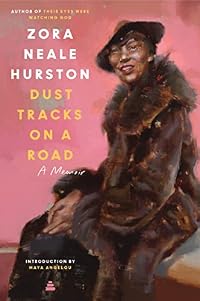
Zora Neale Hurston was born in 1901 in Eatonville, Fla. She left home at the age of 17, finished high school in Baltimore, and went on to study at Howard University, Barnard College, and Columbia University before becoming one of the most prolific writers in the Harlem Renaissance. Her works included novels, essays, plays, and studies in folklore show more and anthropology. Her most productive years were the 1930s and early 1940s. It was during those years that she wrote her autobiography Dust Tracks on a Road, worked with the Federal Writers Project in Florida, received a Guggenheim fellowship, and wrote four novels. She is most remembered for her novel Their Eyes Were Watching God, published in 1937. In 2018, her previously unpublished work, Barracoon: The Story of the Last Black Cargo, was published. She died penniless and in obscurity in 1960 and was buried in an unmarked grave. In 1973, her grave was rediscovered and marked and her novels and autobiography have since been reprinted. (Bowker Author Biography) show less
Some Editions
Awards and Honors
Awards
Distinctions
Notable Lists
Series
Belongs to Publisher Series
Work Relationships
Is contained in
Has the adaptation
Is abridged in
Has as a reference guide/companion
Has as a study
Has as a commentary on the text
Has as a student's study guide
Common Knowledge
- Canonical title
- Their Eyes Were Watching God
- Original title
- Their Eyes Were Watching God
- Alternate titles*
- Une Femme noire
- Original publication date
- 1937
- People/Characters
- Janie Crawford; Pheoby Watson; Nanny; Leafy; Johnny Taylor; Logan Killicks (show all 14); Joe "Jody" Starks; Tea Cake Woods; Vergible Woods; Mrs. Turner; Sam Watson; Tony; Matt Bonner; Daisy Blunt
- Important places
- Eatonville, Florida, USA; Jacksonville, Florida, USA; Okeechobee, Florida, USA; Everglades, Florida, USA; Florida, USA; Duval County, Florida, USA
- Important events
- Okeechobee hurricane (1928); Hurricane San Felipe Segundo (1928); Harlem Renaissance; Jazz Age
- Related movies
- Their Eyes Were Watching God (2005 | IMDb)
- Dedication
- To Henry Allen Moe
- First words
- Ships at a distance have every man's wish on board.
When I first read Their Eyes Were Watching God, in the early 1970's, I devoured it as one devours the most satisfying romantic fiction - the kind that stems from reality and that can, in the broadest sense, become real... (show all) for oneself. (Introduction)
I first encountered Zora Neale Hurston in an Afro-American literature course I took in graduate school. (Afterword)
"Ships at a distance have every man's wish on board. For some they come in with the tide. For others they sail forever on the horizon, never out of sight, never landing until the Watcher turns his eyes away in resignation, hi... (show all)s dreams mocked to death by Time. That is the life of men.
Now, women forget all those things they don't want to remember, and remember everything they don't want to forget. The dream is the truth. Then they act and do things accordingly - Quotations
- This singing she heard that had nothing to do with her ears. the rose of the world was breathing out smell. It followed her through all her waking moments and caressed her in her sleep. It connected itself with other vaguely ... (show all)felt matters that had struck her outside observation and buried themselves in her flesh. Now they emerged and quested about her consciousness...
She was stretched on her back beneath the pear tree soaking in the alto chant of the visiting bees, the gold of the sun and the panting breath of the breeze when the inaudible voice of it all came to her.
Love is lak de sea. It's uh movin' thing, but still and all, it takes its shape from de shore it meets, and it's different with every shore.
Janie saw her life like a great tree in leaf with the things suffered, things enjoyed, things done and undone. Dawn and doom was in the branches.
She saw a dust bearing bee sink into the sanctum of a bloom; the thousand sister calyxes arch to meet the love embrace and the ecstatic shiver of the tree from root to tiniest branch creaming in every blossom and frothing wit... (show all)h delight. So this was a marriage!
There is a basin in the mind where words float around on thought and thought on sound and sight. Then there is a depth of thought untouched by words, and deeper still a gulf of formless feelings untouched by thought.
She knew now that marriage did not make love. Janie's first dream was dead, so she became a woman.
He drifted off into sleep and Janie looked down on him and felt a self-crushing love. So her soul crawled out from its hiding place.
They seemed to be staring at the dark, but their eyes were watching God.
An envious heart makes a treacherous ear. - Last words
- (Click to show. Warning: May contain spoilers.)She called in her soul to come and see.
(Click to show. Warning: May contain spoilers.)One believes in her house and her nine hundred dollars and also, despite oneself, in the potential of a packet of flower seeds. (Introduction)
(Click to show. Warning: May contain spoilers.)It isn't the white man's burden that Janie carries; it is the gift of her own love. (Afterword) - Blurbers
- Walker, Alice
- Original language
- English
- Canonical DDC/MDS
- 813.52
- Canonical LCC
- PS3515.U789
*Some information comes from Common Knowledge in other languages. Click "Edit" for more information.
Classifications
Statistics
- Members
- 22,247
- Popularity
- 237
- Reviews
- 384
- Rating
- (4.00)
- Languages
- 11 — Dutch, English, French, German, Italian, Japanese, Norwegian, Spanish, Swedish, Turkish, Portuguese (Portugal)
- Media
- Paper, Audiobook, Ebook
- ISBNs
- 99
- UPCs
- 2
- ASINs
- 84