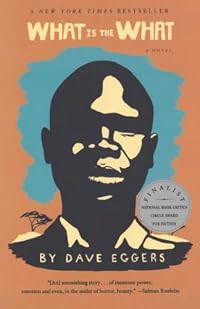
What Is the What: The Autobiography of Valentino Achak Deng
by Dave Eggers
On This Page
Description
A biographical novel traces the story of Valentino Achak Deng, who as a boy was separated from his family when his village in southern Sudan was attacked, and became one of the estimated 17,000 "lost boys of Sudan" before relocating from a Kenyan refugee camp to Atlanta in 2001.Tags
Recommendations


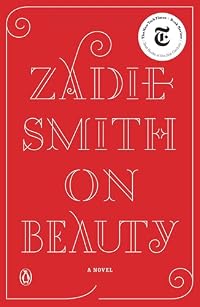
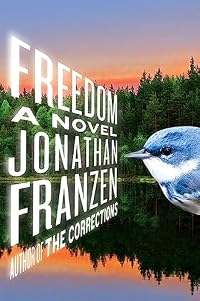
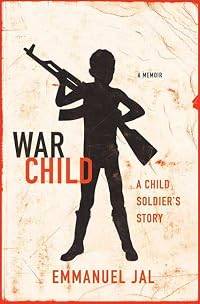

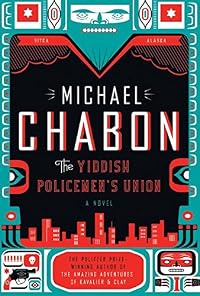
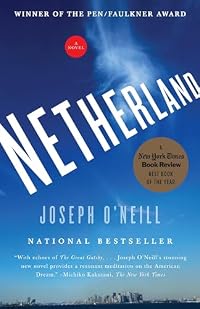
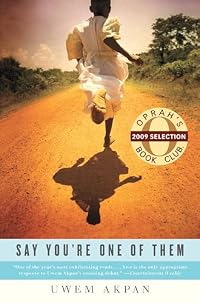
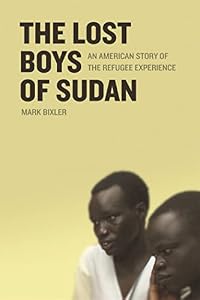
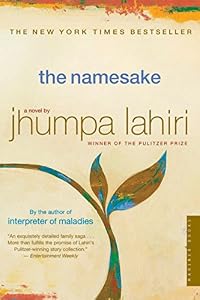



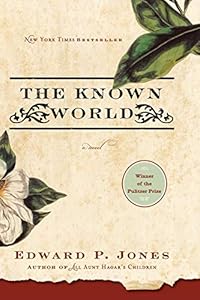
Member Recommendations
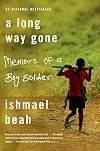
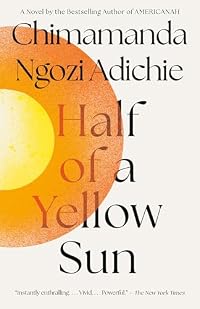
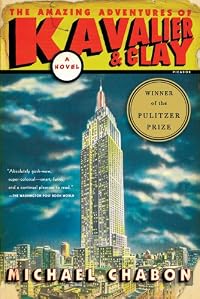
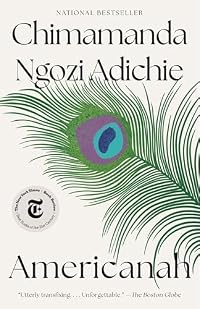
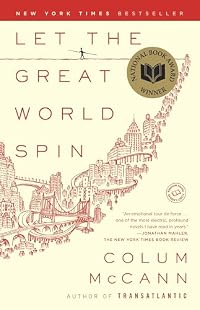
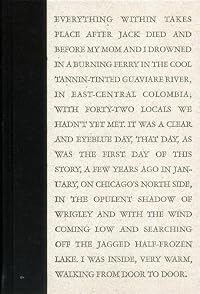
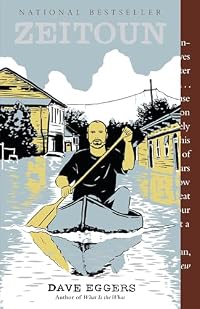
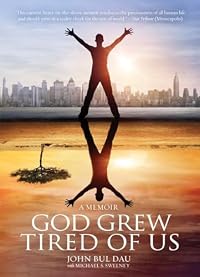
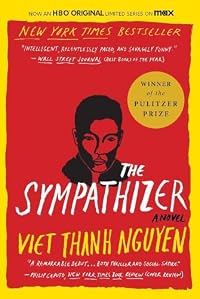
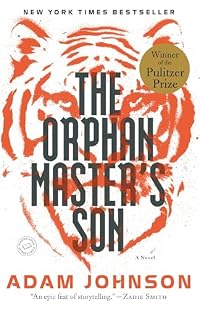
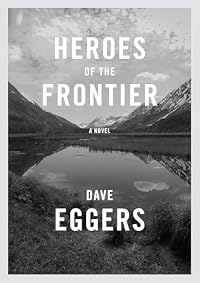
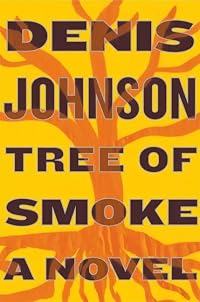
SqueakyChu A boy trying to survive and running for his life...
20
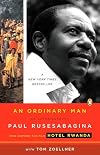
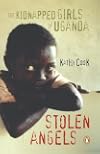
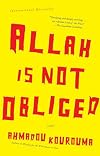
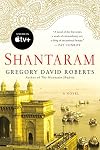
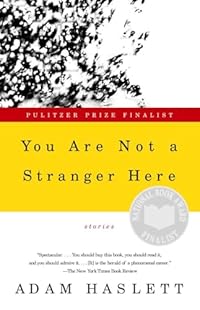
jtho Two favourites - both with almost unbelievable stories based on real life, hardship, humour, amazing friendship, and the benefit of hindsight.
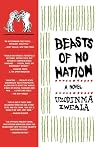
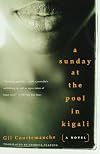
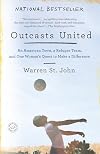
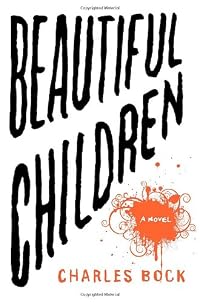
elbakerone Another really good book about refugee life in America.
Member Reviews
The first half of What Is the What is extraordinary — a harrowing, poetic reconstruction of a boy’s journey through the chaos of Sudan’s civil war. Valentino’s voice there is luminous and relentless, carrying both trauma and dignity.
When the narrative moves to America, though, the momentum collapses. What had felt mythic turns domestic, repetitive, and inward. Eggers’s portrait of refugee life — low-wage jobs, alienation, small humiliations — is undoubtedly real, but the tone shifts from resilience to complaint. By the time I reached the hospital scenes after the break-in, I felt more trapped than engaged.
I stopped reading not because the story wasn’t important, but because its rhythm no longer matched its weight. The show more tragedy of Sudan burned; the struggle in Atlanta sagged. Perhaps that’s the point — the dull ache of survival after the epic ends — but it left me feeling more numbed than moved. show less
When the narrative moves to America, though, the momentum collapses. What had felt mythic turns domestic, repetitive, and inward. Eggers’s portrait of refugee life — low-wage jobs, alienation, small humiliations — is undoubtedly real, but the tone shifts from resilience to complaint. By the time I reached the hospital scenes after the break-in, I felt more trapped than engaged.
I stopped reading not because the story wasn’t important, but because its rhythm no longer matched its weight. The show more tragedy of Sudan burned; the struggle in Atlanta sagged. Perhaps that’s the point — the dull ache of survival after the epic ends — but it left me feeling more numbed than moved. show less
If you didn't know Dave Eggers wrote this book, you wouldn't know he wrote this book. In other words, he stepped aside and let the main character speak through him into the book, telling his story of the Sudanese civil war, genocide, his experience in refugee camps and in the US as a resettled Lost Boy. It's heartbreaking without being at all manipulative. This might not be the most enjoyable book I read this year, but it's definitely one of the most important.
Honestly, I wanted to give this three stars for various reasons. Eggers' voice as Valentino is odd. It's simultaneously intellectual and simple, which makes for some awkward passages. At times he is eloquent and insightful and at times he over-simplifies in what seems like an attempt to represent the simplicity of a Sudanese refugee living in America. His own voice is at odds with itself and it's a constant distraction. If this were told in third person, I'm sure I'd give it five stars. That way Eggers would be able to wax poetic as much as he'd like. At times the novel is beautiful but at times it's laborious. Then again, there is a scene with Manute Bol...
I give it four stars though, because the story is so amazing. This novel give a show more face to something that I assume very few Americans are familiar with. That's right. An extra star just for accomplishing it. High-five! show less
I give it four stars though, because the story is so amazing. This novel give a show more face to something that I assume very few Americans are familiar with. That's right. An extra star just for accomplishing it. High-five! show less
(36) I am late reading this novel from 2007 based on a true story of a refugee from Sudan's life, Valentino Achak Deng. Dang is driven from his home as a child and thrust into the middle of Civil War in Sudan between the Dinka agrarian people of the South and the predominantly Arab ruling class in Khartoum. I don't really know all of the politics or how this crisis in the 1990's is or is not related to Darfur but the story was quite riveting at times. It is hard to believe he was essentially the same age of my sons when he was first separated from his parents and forced to survive on his own with the other 'Lost Boys.' His perseverance in the face of tragedy and the seemingly humane, generous person he becomes is nothing short of show more miraculous.
I enjoyed this account and was often riveted especially before Achak reached Kikuma. I thought the more recent present from which he was narrating his past was also well done and created a great framework. I liked how he appeared to be telling his story to the people he encountered during his night from hell. I felt as if the parts written once he was established in the refugee camp in Kenya became a bit over done. Too much detail here and my interest in the novel waned; my reading pace slowed down.
Overall, I think Eggers and Deng created something lasting to tell the story of the Sudanese refugees. I wish I knew some of the Lost Boys and I wish them well. I cannot imagine the horrors he endured in these modern times of plenty. It doesn't seem right that this degree of inhumanity can be allowed to happen when here in America we have so much - food, housing, money, surplus. I would definitely read more by Eggers (and Deng!) show less
I enjoyed this account and was often riveted especially before Achak reached Kikuma. I thought the more recent present from which he was narrating his past was also well done and created a great framework. I liked how he appeared to be telling his story to the people he encountered during his night from hell. I felt as if the parts written once he was established in the refugee camp in Kenya became a bit over done. Too much detail here and my interest in the novel waned; my reading pace slowed down.
Overall, I think Eggers and Deng created something lasting to tell the story of the Sudanese refugees. I wish I knew some of the Lost Boys and I wish them well. I cannot imagine the horrors he endured in these modern times of plenty. It doesn't seem right that this degree of inhumanity can be allowed to happen when here in America we have so much - food, housing, money, surplus. I would definitely read more by Eggers (and Deng!) show less
'What is the What' is essentially a novelistic autobiography of Valentino Achak Deng, one of the thousands of Sudan's 'Lost Boys'--small children who walked the breadth of Sudan alone to escape a vicious civil war. Some of the lucky children were eventually rehomed in the West but many mainly boys but some girls spent years living in refugee camps, relying on foreign nationals for all their needs, never knowing if their other family members were alive or dead.
The book opens with Achak undergoing a home invasion by an American black couple in his adopted home of Atlanta, Georgia. The story that follows is a series of mental monologues between Achak, his present oppressors and a hospital receptionist who delays treating him of his show more injuries because he is uninsured, bit by bit telling them and us, of his ardous journey up to that point and some of the extraordinary people he met along the way.
Some of the minor characters and conversations are fictional, however, the book also reminds us of the incredible resilience of the survivors and that not all refugees are granted asylum whilst giving some background in to a now almost forgotten civil war.
Despite the author describing some really grim events his prose retains a relatively light touch, allowing both humour and sorrow. This isn't and easy read and I had a few minor quibbles. I felt that the editing could have been better as at times it felt a little unbalanced nor was I totally sure as to believe some parts of it, even the author admits many of the refugees' tales sound remarkably alike, but overall I found this a fascinating and enlightening piece of writing about a conflict that I was only vaguely aware of. This is my first experience of the author's work but I hope that it won't be my last. show less
The book opens with Achak undergoing a home invasion by an American black couple in his adopted home of Atlanta, Georgia. The story that follows is a series of mental monologues between Achak, his present oppressors and a hospital receptionist who delays treating him of his show more injuries because he is uninsured, bit by bit telling them and us, of his ardous journey up to that point and some of the extraordinary people he met along the way.
Some of the minor characters and conversations are fictional, however, the book also reminds us of the incredible resilience of the survivors and that not all refugees are granted asylum whilst giving some background in to a now almost forgotten civil war.
Despite the author describing some really grim events his prose retains a relatively light touch, allowing both humour and sorrow. This isn't and easy read and I had a few minor quibbles. I felt that the editing could have been better as at times it felt a little unbalanced nor was I totally sure as to believe some parts of it, even the author admits many of the refugees' tales sound remarkably alike, but overall I found this a fascinating and enlightening piece of writing about a conflict that I was only vaguely aware of. This is my first experience of the author's work but I hope that it won't be my last. show less
This is the life story of Valentino Achak Deng, one of the "Lost Boys" of Sudan. Separated from his family at the age of 7, Valentino walked across Sudan into Ethiopia with hundreds of boys in similar circumstances. For 14 years, while his country was ravaged by civil war, Valentino lived in refugee camps in Ethiopia and Kenya. He was ultimately resettled to the U.S. as part of a relief effort.
Valentino's story is heart-breaking. He witnessed violence, and cruelty at such a young age. His own village was attacked by militia, with villagers brutally murdered. During the walk across Sudan, boys routinely died of malnutrition or other illnesses. Conditions in the refugee camps were appallingly bad. And it shocked me to realize that these show more refugee camps were not at all temporary; that a conflict can exist for so many years that the camp becomes the only life its inhabitants know.
This was a difficult book in many ways, but extremely well-written. Highly recommended. show less
Valentino's story is heart-breaking. He witnessed violence, and cruelty at such a young age. His own village was attacked by militia, with villagers brutally murdered. During the walk across Sudan, boys routinely died of malnutrition or other illnesses. Conditions in the refugee camps were appallingly bad. And it shocked me to realize that these show more refugee camps were not at all temporary; that a conflict can exist for so many years that the camp becomes the only life its inhabitants know.
This was a difficult book in many ways, but extremely well-written. Highly recommended. show less
A the tail-end of my college experience, the campus craze to "Save Darfur" popularized. The coalitions that came together at my school to speak out against the atrocities committed in Sudan's Darfur region were varied: campus Christian groups and College Republicans as well as Fair Trade boosters and liberals. I found their politics to be abhorrent and irresponsible. In 2006, the US was three years into a war on Iraq which had recently been recast as a humanitarian intervention. On the one hand, the Christians and the Republicans gathered to chant, "Out of Iraq, Into Sudan!" at tiny, ignored rallies. On the other hand, paternalizing liberals begged the campus to save the poor Africans from violence by Raising Awareness (TM). These show more threads of white supremacy throughout the "Save Darfur" campaigns gave me compassion fatigue. I didn't consciously avoid becoming better informed about refugee struggles in Africa, but I never bothered to try to understand them either. I'm not proud of my reactionary thought pattern. I saw idiots saying dumb shit about things towards with I should be sympathetic and I ignored that towards which I should have been sympathetic.
It is therefore embarrassing that almost all of what I know about the Sudan is from a book written by a white hipster writer who streamlined the autobiography of Valentino Achak Deng, an actual living Sudanese man who had endured a thousand-mile walk as a child to become an international refugee. I am choosing to believe that everything good I drew from this book came from the recorded sessions he had with the author.
When it seemed like his whole life had lead up to arriving in America to enjoy the fruits of his decades-long struggle for a dignified life, the story of Valentino Achak Deng didn't end. That is what was beautiful about this book. With the goal of going to college, Achak is sidelined by the disappointment from his US benefactors that the Sudanese are not immaculate immigrant archetypes but actual human beings. He is sidelined by poverty and the rat-race that is the attempt to attain middle-class status. And he leads a normal, banal life.
I can't say I would recommend this book to others, but I'm glad I listened to it myself. show less
It is therefore embarrassing that almost all of what I know about the Sudan is from a book written by a white hipster writer who streamlined the autobiography of Valentino Achak Deng, an actual living Sudanese man who had endured a thousand-mile walk as a child to become an international refugee. I am choosing to believe that everything good I drew from this book came from the recorded sessions he had with the author.
When it seemed like his whole life had lead up to arriving in America to enjoy the fruits of his decades-long struggle for a dignified life, the story of Valentino Achak Deng didn't end. That is what was beautiful about this book. With the goal of going to college, Achak is sidelined by the disappointment from his US benefactors that the Sudanese are not immaculate immigrant archetypes but actual human beings. He is sidelined by poverty and the rat-race that is the attempt to attain middle-class status. And he leads a normal, banal life.
I can't say I would recommend this book to others, but I'm glad I listened to it myself. show less
Members
- Recently Added By
Lists

Top Five Books of 2013
1,562 works; 721 members

Recommend the 20 best books you've read in the last five years
2,168 works; 601 members

Best African Books
126 works; 46 members

Favourite Books
1,817 works; 308 members

Books recommended by Barack Obama
295 works; 28 members
Independent Reading Suggestions
69 works; 3 members

Obama Reads
181 works; 3 members

Books Set In Africa
81 works; 4 members

Most Popular Books Tagged Africa
35 works; 3 members

Penguin Random House
458 works; 4 members

Tour of Africa
54 works; 2 members

Recommended Reading : 600 Classics Reviewed, Editors of Salem Press, 2015
634 works; 6 members

Retrospective of 20th- and 21st-century literature
154 works; 1 member

.
184 works; 1 member

Vlogbrothers Book Recommendations
307 works; 4 members

Books Featured on Readers' Review of the Diane Rehm Show
161 works; 8 members
Author Information

166+ Works 73,215 Members
Dave Eggers was born on March 12th, 1970, in Boston, Massachusetts. His family moved to Lake Forest, Illinois when he was a child. Eggers attended the University of Illinois at Urbana-Champaign, until his parents' deaths in 1991 and 1992. The loss left him responsible for his eight-year-old brother and later became the inspiration for his highly show more acclaimed memoir "A Heartbreaking Work of Staggering Genius". Published in 2000, the memoir was nominated for a nonfiction Pulitzer the following year. Eggers edits the popular "The Best American Nonrequired Reading" published annually. In 1998, he founded the independent publishing house, McSweeney's which publishes a variety of magazines and literary journals. Eggers has also opened several nonprofit writing centers for high school students across the United States. Eggers has written several novels and his title, A Hologram for the King, was a finalist for the 2012 National Book Award. His most recent work of fiction, entitled The Circle, was published in 2013. His recent nonfiction books are The Monk of Mokha (January 2018) and What Can a Citizen Do? (Illustrated by Shawn Harris)(September 2018). (Bowker Author Biography) show less
Some Editions
Awards and Honors
Awards
Distinctions
Series
Belongs to Publisher Series
Work Relationships
Common Knowledge
- Canonical title
- What Is the What; What Is the What: The Autobiography of Valentino Achak Deng
- Original title
- What is the What: the autobiography of Valentino Achak Deng
- Alternate titles*
- Wat is de Wat : de autobiografie van Valentino Achak Deng
- Original publication date
- 2006-10-25
- People/Characters
- Valentino Achak Deng; Achor Achor; Phil Mays; William K; Dut; Moses (show all 7); Tabitha
- Important places
- Africa; Atlanta, Georgia, USA; Georgia, USA; Sudan; Ethiopia; Kenya
- First words
- I have no reason not to answer the door so I answer the door.
Preface: What is the What is the soulful account of my life: from the time I was separated from my family in Marial Bai to the thirteen years I spent in Ethiopian and Kenyan refugee camps, to my encounter with vibrant Western... (show all) cultures beginning in Atlanta, to th generosity and the challenges that I encountered elsewhere. - Quotations
- "They can come in different shapes and guises, but always wars come in increments. I am convinced there are steps, and that once these events are set into motion, they are virtually impossible to reverse."
"I speak to these people, and I speak to you because I cannot help it. It gives me strength, almost unbelievable strength, to know that you are there. I covet your eyes, your ears, the collapsible space between us. How blesse... (show all)d are we to have each other? I am alive and you are alive so we must fill the air with our words. I will fill today, tomorrow, every day until I am taken back to God. I will tell stories to people who listen and to people who don't want to listen, to people who seek me out and to those who run." - Last words
- (Click to show. Warning: May contain spoilers.)How can I pretend that you do not exist? It would be almost as impossible as you pretending that I do not exist.
- Blurbers
- Hosseini, Khaled; Prose, Francine; Kakutani, Michiko; Grossman, Lev; Durbin, Jonathan; Iweala, Uzodinma (show all 8); Gourevitch, Philip; Prendergast, John
- Original language
- English
*Some information comes from Common Knowledge in other languages. Click "Edit" for more information.
Classifications
Statistics
- Members
- 7,246
- Popularity
- 1,599
- Reviews
- 172
- Rating
- (4.14)
- Languages
- 15 — Catalan, Danish, Dutch, English, French, German, Greek, Hebrew, Hungarian, Icelandic, Italian, Norwegian (Bokmål), Portuguese, Spanish, Swedish
- Media
- Paper, Audiobook, Ebook
- ISBNs
- 54
- ASINs
- 16