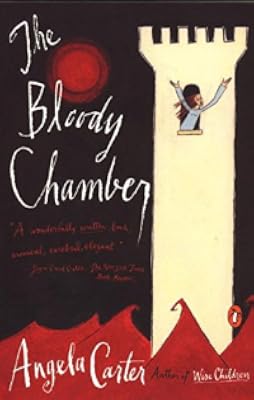
The Bloody Chamber and Other Stories
by Angela Carter
On This Page
Description
"For the 75th anniversary of her birth, a Deluxe Edition of the master of the literary supernatural's most celebrated book Angela Carter was a storytelling sorceress, the literary godmother of Neil Gaiman, Audrey Niffenegger, J.K. Rowling, and other contemporary masters of supernatural fiction. In her masterpiece, The Bloody Chamber--which includes the story that is the basis of Neil Jordan's 1984 movie The Company of Wolves--she breathed new life into familiar fairy tales and legends in a show more style steeped in the romantic trappings of the gothic tradition. This edition features a new introduction by Kelly Link, the Nebula and World Fantasy Award-wining author, one of a new generation of writers who've been inspired by Carter's brand of fantastical, subversive, boundlessly imaginative fiction. For more than sixty-five years, Penguin has been the leading publisher of classic literature in the English-speaking world. With more than 1,500 titles, Penguin Classics represents a global bookshelf of the best works throughout history and across genres and disciplines. Readers trust the series to provide authoritative texts enhanced by introductions and notes by distinguished scholars and contemporary authors, as well as up-to-date translations by award-winning translators"-- show lessTags
Recommendations

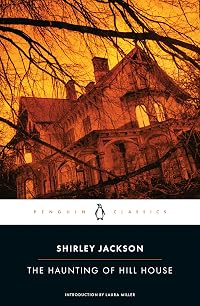
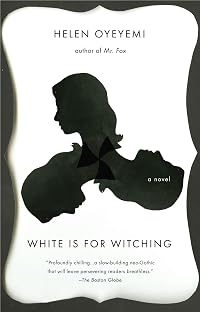
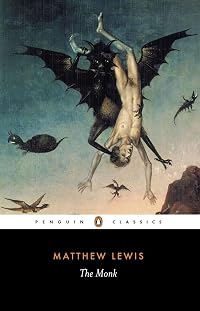
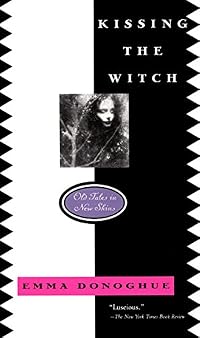








Member Recommendations

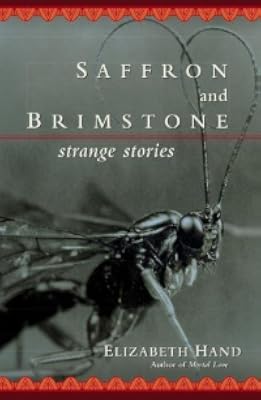
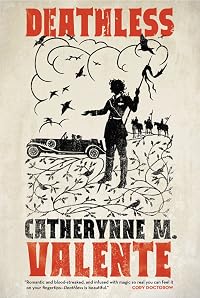
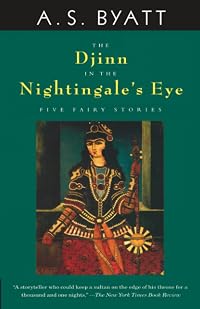
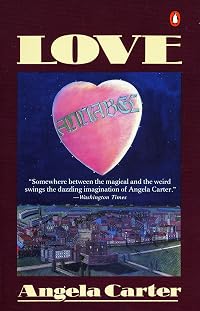
MinaKelly Grown up fairy tales, with a literary bent and an undeniable intensity
20

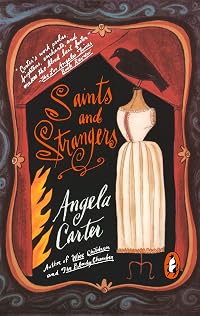
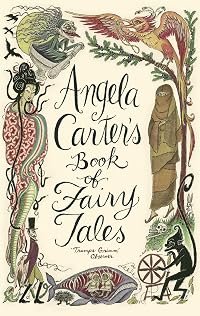
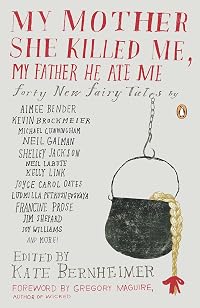
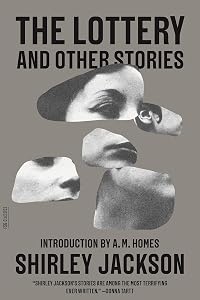
acenturyofsleep Both are very dark collections of fairy tale retellings from master storytellers.
31
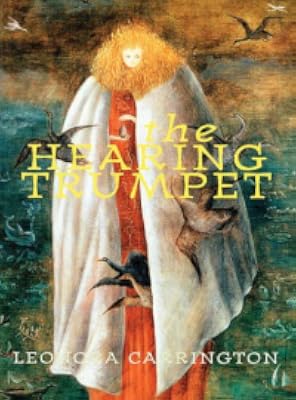
andomck Angela Carter was influenced by Leonora Carrington


andomck Dark, gothic fantasies

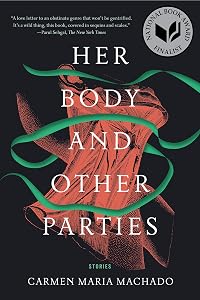
mooingzelda Machado's stories also delve deeply into fairytale and myth, but put a very modern slant on these to examine what it is to be a woman and queer.
Member Reviews
There are certain books that, when I finally get around to reading them, leave me wondering how the hell I managed to reach the age I have without having done so before. This collection was definitely one of those. Because I love fairy tale retellings and reworkings, and Angela Carter's are -- rightfully, it turns out -- regarded as standout examples
Only it turns out they're even more than that. I found this collection absolutely stunning. Carter's writing seems to weave a dark, complicated magic of its own. Which is all the more impressive because, in some of these stories, there were moments when I stopped, pulled back a little, thought about the kind of language she was using to tell her tale, and realized that, honestly, it all show more feels like it ought to be a little... overwrought. Purple, even, in places. And yet, holy crap, does it somehow work to just pull you along, somehow. The language, the imagery, the familiar fairy tale elements and the way they twist and transform into shapes that are completely unexpected and yet somehow don't feel as if they should be unexpected... It all seems to work to completely bypass the rational part of my brain and inject something wonderful and disturbing directly into my veins. And yet, I have the very strong feeling that I could probably revisit these stories any number of times, with or without my analytical brain fully engaged, and find something new to think about in them every time.
It's a rare and incredible thing when I finish a work of fiction and find myself just sitting there saying wow out loud for a little while afterward. This collection did it for me twice: once when I finished "The Lady of the House of Love" (a vampire tale with echoes of Sleeping Beauty), and then again when I finished the whole collection.
Wow. show less
Only it turns out they're even more than that. I found this collection absolutely stunning. Carter's writing seems to weave a dark, complicated magic of its own. Which is all the more impressive because, in some of these stories, there were moments when I stopped, pulled back a little, thought about the kind of language she was using to tell her tale, and realized that, honestly, it all show more feels like it ought to be a little... overwrought. Purple, even, in places. And yet, holy crap, does it somehow work to just pull you along, somehow. The language, the imagery, the familiar fairy tale elements and the way they twist and transform into shapes that are completely unexpected and yet somehow don't feel as if they should be unexpected... It all seems to work to completely bypass the rational part of my brain and inject something wonderful and disturbing directly into my veins. And yet, I have the very strong feeling that I could probably revisit these stories any number of times, with or without my analytical brain fully engaged, and find something new to think about in them every time.
It's a rare and incredible thing when I finish a work of fiction and find myself just sitting there saying wow out loud for a little while afterward. This collection did it for me twice: once when I finished "The Lady of the House of Love" (a vampire tale with echoes of Sleeping Beauty), and then again when I finished the whole collection.
Wow. show less
My first reading of Angela Carter. I can see why she is popular and well-regarded. This book is about as good as retellings of fairy tales could be. Through rabid exorcisms of imagery mesmerizing moments are born from her disturbing imagination. The dense sentences cluster like a nest of snakes, sniping you from the shadows. Her Baroque stylings are distinctly old-fashioned, but her standpoint and her quirkiness are bold and fresh.
I am easily taken in by the promise of exile in a magic kingdom. I was on guard at first, since I could sense sinister intent in her method. It was a little like the feeling you might have had sitting around a campfire as a child, when some storytelling prodigy joins the circle with the commitment to scar you show more for life.
Multiple stories deal with captivity, and probably stem from Carter's dissatisfaction with the outmoded portrayals of women in traditional fairy tales. This is understandable, since they were all conceived in the long age of patriarchal oppression. The Revisionist nature of her composition lends relevance to old stories. She essentially claims them for her own. Aside from her intentions, the craft on display is of the highest caliber. Many descriptions are as poetic as Bradbury's, but have more bite.
She does not shy away from statutory rape, from sheer carnage. She depicts the confines of poor marriage in a truly frightening manner. Characters seethe with their hideous pasts and dark secrets, concealing the eldritch monsters dwelling in their hearts. Movement and innovation are par for the course for Carter. These are certainly no longer stories for children. They are sophisticated but playful, and the prose is infused with magic. They are suggestive, and mingle the morbid and the beautiful extremely well. Long paragraphs of Gothic and colorful musings, luscious landscapes and boudoirs all contribute to an antiquated rhythm suggestive of Poe.
"The potentiality for corruption," struck me as a theme. While pessimistic, the stilted perspective is a means by which all things gain shades of sinister meaning. She sustains an effective chilling atmosphere throughout, as the heroes and heroines experience the slick slide into terror, with breathtaking intensity, derailing the Huysmanesque still-life compositions.
Carter lacks innocence, seems to have lost the childish wonder inherent in the original source material. In exchange she brings a wickedness which underlies her charming descriptions. The double meanings of her twisted tales are pretty graphic, and I wonder if we shouldn't pass them on to our children anyway. The world is a dark place. They will encounter a few monsters in due course. And the monsters were in the original tales in the first place. They just weren't so heartrendingly deranged. show less
I am easily taken in by the promise of exile in a magic kingdom. I was on guard at first, since I could sense sinister intent in her method. It was a little like the feeling you might have had sitting around a campfire as a child, when some storytelling prodigy joins the circle with the commitment to scar you show more for life.
Multiple stories deal with captivity, and probably stem from Carter's dissatisfaction with the outmoded portrayals of women in traditional fairy tales. This is understandable, since they were all conceived in the long age of patriarchal oppression. The Revisionist nature of her composition lends relevance to old stories. She essentially claims them for her own. Aside from her intentions, the craft on display is of the highest caliber. Many descriptions are as poetic as Bradbury's, but have more bite.
She does not shy away from statutory rape, from sheer carnage. She depicts the confines of poor marriage in a truly frightening manner. Characters seethe with their hideous pasts and dark secrets, concealing the eldritch monsters dwelling in their hearts. Movement and innovation are par for the course for Carter. These are certainly no longer stories for children. They are sophisticated but playful, and the prose is infused with magic. They are suggestive, and mingle the morbid and the beautiful extremely well. Long paragraphs of Gothic and colorful musings, luscious landscapes and boudoirs all contribute to an antiquated rhythm suggestive of Poe.
"The potentiality for corruption," struck me as a theme. While pessimistic, the stilted perspective is a means by which all things gain shades of sinister meaning. She sustains an effective chilling atmosphere throughout, as the heroes and heroines experience the slick slide into terror, with breathtaking intensity, derailing the Huysmanesque still-life compositions.
Carter lacks innocence, seems to have lost the childish wonder inherent in the original source material. In exchange she brings a wickedness which underlies her charming descriptions. The double meanings of her twisted tales are pretty graphic, and I wonder if we shouldn't pass them on to our children anyway. The world is a dark place. They will encounter a few monsters in due course. And the monsters were in the original tales in the first place. They just weren't so heartrendingly deranged. show less
This collection of 10 stories is dark, very dark. Each of them takes a folk tale or fairy tale that you know the outline of and subverts it. In each there is a significant element of transformation or things being between states. Is she describing a wolf or a human is a typical ambiguity in these. Things are not necessarily what they appear.
There is quite a lot of blood and a reasonable amount of sex - be that implied or actual. It's not necessarily out of keeping, just be warned that these fairy tale retellings are not at all bright and shiny - expect to go to the dark places in the human psyche.
I liked the way that the collection was grouped such that the same story got reworked more than once with a different outcome and from a show more different perspective. You can tell Beauty and the Beast such that Beauty wins the Beast and he becomes a man, but why not tell it the other way round?
Excellent, but not exactly what you might call bedtime reading. show less
There is quite a lot of blood and a reasonable amount of sex - be that implied or actual. It's not necessarily out of keeping, just be warned that these fairy tale retellings are not at all bright and shiny - expect to go to the dark places in the human psyche.
I liked the way that the collection was grouped such that the same story got reworked more than once with a different outcome and from a show more different perspective. You can tell Beauty and the Beast such that Beauty wins the Beast and he becomes a man, but why not tell it the other way round?
Excellent, but not exactly what you might call bedtime reading. show less
The Bloody Chamber and Other Stories by Angela Carter sounds right up my alley. Dark and subversive versions of fairy tales and legends told in the gothic tradition? Sign me up! I was so confident I would fall in love with this collection of short stories, I used a Christmas gift voucher to source a stunning little hardback edition back in January 2019. Since then, it's been sitting on my shelves while I enjoyed the anticipation of an automatic 5 star read within my reach. Recently I decided I was in the mood for some short stories - which doesn't happen often - and it was finally time to enjoy the collection. Sadly, I was quite disappointed.
The writing is superb, there's no doubt about that. And I'll never look at a cat or a ham bone show more in the same way again after this description from the Puss-In-Boots story:
"I went about my ablutions, tonguing my arsehole with the impeccable hygienic integrity of cats, one leg stuck in the air like a ham bone; I choose to remain silent. Love? What has my rakish master, for whom I've jumped through the window of every brothel in the city, besides haunting the virginal back garden of the convent and god knows what other goatish errands, to do with the tender passion?" Page 114 Puss-In-Boots
Saving this quote to include in my review and re-reading it again now, I'm once again stunned that this wasn't a great reading experience. I'm going to be giving this collection 3 stars, but how is that even possible with writing like this?
"It is winter and cold weather. In this region of mountain and forest, there is now nothing for the wolves to eat. Goats and sheep are locked up in the byre, the deer departed for the remaining pasturage on the southern slopes - wolves grow lean and famished. There is so little flesh on them that you could count the starveling ribs through their pelts, if they gave you time before they pounced. Those slavering jaws; the lolling tongue; the rime of saliva on the grizzled chops - of all the teeming perils of the night and the forest, ghosts, hobgoblins, ogres that grill babies upon gridirons, witches that fatten their captives in cages for cannibal tables, the wolf is worst for he cannot listen to reason." Page 186 The Company of Wolves
As you can see, Carter's writing is thought provoking and often made me stop to reflect. That was certainly the case when reading the last story in the collection about a girl raised by wolves:
"Like the wild beasts, she lives without a future. She inhabits only the present tense, a fugue of the continuous, a world of sensual immediacy as without hope as it is without despair." Page 202 Wolf-Alice
There's much to dissect in this relatively short collection, but I'm certain that many of the fairytale references went way over my head. Angela Carter died in 1992, so thankfully I don't have to worry that she'll ever see this review and disapprove of my meagre criticisms, but geez, how many hyphens and semi colons do you need? At one point I put the book down to Google 'angela carter semi colons' and was reassured to find I'm not the only reader who finds it a tad excessive.
I loved the writing style in The Bloody Chamber and even relished having to put the book down to expand my vocabulary by looking up a new-to-me word. However, I found the stories to be a little too obscure for my overall enjoyment. While reading this, I made a note that if I'd been studying it in a university setting, breaking it down and analysing the literary references cleverly contained within, I'd be writing a completely different review.
Read in isolation though, I enjoyed the language and the gothic undertones on every page, but overall, this collection never took me to the dizzying literary classic heights I had expected to reach. show less
The writing is superb, there's no doubt about that. And I'll never look at a cat or a ham bone show more in the same way again after this description from the Puss-In-Boots story:
"I went about my ablutions, tonguing my arsehole with the impeccable hygienic integrity of cats, one leg stuck in the air like a ham bone; I choose to remain silent. Love? What has my rakish master, for whom I've jumped through the window of every brothel in the city, besides haunting the virginal back garden of the convent and god knows what other goatish errands, to do with the tender passion?" Page 114 Puss-In-Boots
Saving this quote to include in my review and re-reading it again now, I'm once again stunned that this wasn't a great reading experience. I'm going to be giving this collection 3 stars, but how is that even possible with writing like this?
"It is winter and cold weather. In this region of mountain and forest, there is now nothing for the wolves to eat. Goats and sheep are locked up in the byre, the deer departed for the remaining pasturage on the southern slopes - wolves grow lean and famished. There is so little flesh on them that you could count the starveling ribs through their pelts, if they gave you time before they pounced. Those slavering jaws; the lolling tongue; the rime of saliva on the grizzled chops - of all the teeming perils of the night and the forest, ghosts, hobgoblins, ogres that grill babies upon gridirons, witches that fatten their captives in cages for cannibal tables, the wolf is worst for he cannot listen to reason." Page 186 The Company of Wolves
As you can see, Carter's writing is thought provoking and often made me stop to reflect. That was certainly the case when reading the last story in the collection about a girl raised by wolves:
"Like the wild beasts, she lives without a future. She inhabits only the present tense, a fugue of the continuous, a world of sensual immediacy as without hope as it is without despair." Page 202 Wolf-Alice
There's much to dissect in this relatively short collection, but I'm certain that many of the fairytale references went way over my head. Angela Carter died in 1992, so thankfully I don't have to worry that she'll ever see this review and disapprove of my meagre criticisms, but geez, how many hyphens and semi colons do you need? At one point I put the book down to Google 'angela carter semi colons' and was reassured to find I'm not the only reader who finds it a tad excessive.
I loved the writing style in The Bloody Chamber and even relished having to put the book down to expand my vocabulary by looking up a new-to-me word. However, I found the stories to be a little too obscure for my overall enjoyment. While reading this, I made a note that if I'd been studying it in a university setting, breaking it down and analysing the literary references cleverly contained within, I'd be writing a completely different review.
Read in isolation though, I enjoyed the language and the gothic undertones on every page, but overall, this collection never took me to the dizzying literary classic heights I had expected to reach. show less
Feminist, psychological reinterpretations of Grimms’ fairy tales, most of which are primarily concerned with carnality—women’s bodies and the animalistic nature of people are primary themes. Blood and sex, always implicit in fairy tales, are made much more explicit. But women have much more agency than they do in traditional tales and are generally the characters of primary concern. Some stories were downright amusing (“Puss in Boots,” for one), but most were eerie and unsettling. The ending of “The Company of Wolves” (a Carterian take on “Little Red Riding Hood”) took me quite by surprise, though given the themes of blood, sex, and self-determining women, it really shouldn’t have. Altogether an intriguing and show more enjoyable collection. show less
"My father lost me to The Beast at cards."
A recent discussion with Konstantin-one of my best friends in Goodreads- prompted me to read this collection a little sooner than I had planned. And it was an utterly fascinating experience. I knew I was going to love it and my expectations were justifiably high. 10 exceptional short stories paying homage to classic fairy tales and especially to Charles Perrault. From ''Bluebeard'' and ''The Beauty and the Beast'' to ''Puss -in- Boots'' and ''The Snow Child'' written in a unique, sensual, dark language.
The Bloody Chamber :In my opinion, the jewel of the collection. This is a story based on "Bluebeard", one of my favourite fairy tales because I'm weird and I like it:) Seriously, though, this is show more a beautiful showcase of Carter's immense talent. She inserts elements from the dawning of Gothic Fiction and crafts a perfect story. The legend of Dracula, Carmilla, the Iron Maiden. As a young woman, who finds herself amidst the journey of marriage to a strange count, discovers sexual liberation, perversion and death. I loved the language in this one, full of underlying sensuality and the blurred line between pleasure and despair.
The Courtship of Mr Lyon : A story based on "Beauty and the Beast". Carter kept the most well known features of the tale intact. Sometimes, the best retellings are the ones that stay close to the original source and this was definitely the case here.
The Tiger's Bride : The second story based on "Beauty and the Beast". A young woman of aristocratic origin travels from Russia to Italy. The Beast becomes a tiger in a tale full of weird twists that make the ending shocking and powerful. Carter shows that finding your identity is essential for both sexes and the descriptions are poetic and vivid. A story of winter and spring...
Puss-in-Boots : A tale based on the story by Giovanni Francesco Straparola. "Puss in Boots" had never been among my favourite fairy tales but Carter manages to combine it with Rossini's Il Barbiere di Siviglia and Figaro is turned into a genius, cynic and all-around spectacular feline. An entertaining story that reads like a true opera buffa.
The Erl-King : Reminiscent of Goethe, the Grimm brothers and the legend of the King of Fairies in Scandinavian folklore. The tale starts with a beautiful description of an autumnal forest, haunting and colourful, full of smells and visions. It is the most sexually charged tale of the collection with beautiful erotic descriptions and a constant battle between innocence and awareness. Love isn't a blinding force in this story. The maiden doesn't saintly surrender to her fate. She changes it and prevails.
The Snow Child : There are many versions of this fairy tale. Carter chooses the most shocking, violent, dark variant, a twisted vision of a tormented Snow White. It is a short tale that strikes at the heart with its dark themes of necrophilia, abuse and lethal jealousy.
The Lady of the House of Love : "A girl who is both death and the maiden." Carter combines the tale of "The Sleeping Beauty", the legend of Elizabeth Bathory and the tale of Dracula to create a story set in the Carpathian region during the turn of the previous century that is nothing short of a masterpiece.
The Werewolf : It makes me sad that in our current times, books of dubious (to put it mildly) quality have transformed such haunting and fascinating creatures into a fad of a horrible pop culture. Thankfully, writers like Carter do not refuse them the position that centuries of lore have granted to these tortured creatures of the night. A tale based on "Little Red Riding Hood", enriched with folklore from Walpurgisnacht and with an interesting heroine of dubious motives.
The Company of Wolves "The wolfsong is the sound of the rending you will suffer, in itself a murdering." A second story based on "Little Red Riding Hood". The wolf is the protagonist. The beauty, the agility, the danger. Carter makes use of the legends and fables about the werewolf juxtaposed with the innocence of the children and the allure of the forbidden. A story that is open to many interpretations...
Wolf-Alice This is the third story based on "Little Red Riding Hood" and the one fully demonstrating society's obsession to have us all the same, denying us the right to be what we want to be. A young woman defies religious and social rules and discovers that compassion and companionship are sometimes waiting where we least expect them.
The stories are rich in visual scenes, faithful to the spirit of their original sources and composed of themes that are difficult and demanding. Carter speaks of female emancipation, sexual liberation, the heavy chains of patriarchy and society's expectations of women. Carter defies the stereotypes and clearly demonstrates the desire for the identity of the heroine who saves herself instead of waiting for the Knight. Even when she falters, it's by her own choice and she accepts the consequences. What are the canonical fairy tales, in any case? Didactic parables of the notion that "transgressions" turn people into monsters. Anything that doesn't meet the common expectations of appearance and behavior is considered demonic. But we, as women, don't need to read tales to discover there are monsters in the world. We've seen them. We have been facing them for centuries. We still fight against them. We always will...
It is my sincerest conviction that fairy tales, especially retellings such as these, can reveal more about the human nature than any "serious" novel or philosophical work. Carter's tales couldn't have been more meaningful, more relevant to our current times, mirroring issues that concern us constantly. That is if we are willing to look deeper and search for them. These tales are written in beautiful language but this is merely a "technical" issue. What matters is what they try to tell us and show us. This is beyond labels such as "Horror" or "Gothic" or "Literary Fiction". It is about ourselves and our identities.
"The lamb must learn to run with the tigers" show less
A recent discussion with Konstantin-one of my best friends in Goodreads- prompted me to read this collection a little sooner than I had planned. And it was an utterly fascinating experience. I knew I was going to love it and my expectations were justifiably high. 10 exceptional short stories paying homage to classic fairy tales and especially to Charles Perrault. From ''Bluebeard'' and ''The Beauty and the Beast'' to ''Puss -in- Boots'' and ''The Snow Child'' written in a unique, sensual, dark language.
The Bloody Chamber :In my opinion, the jewel of the collection. This is a story based on "Bluebeard", one of my favourite fairy tales because I'm weird and I like it:) Seriously, though, this is show more a beautiful showcase of Carter's immense talent. She inserts elements from the dawning of Gothic Fiction and crafts a perfect story. The legend of Dracula, Carmilla, the Iron Maiden. As a young woman, who finds herself amidst the journey of marriage to a strange count, discovers sexual liberation, perversion and death. I loved the language in this one, full of underlying sensuality and the blurred line between pleasure and despair.
The Courtship of Mr Lyon : A story based on "Beauty and the Beast". Carter kept the most well known features of the tale intact. Sometimes, the best retellings are the ones that stay close to the original source and this was definitely the case here.
The Tiger's Bride : The second story based on "Beauty and the Beast". A young woman of aristocratic origin travels from Russia to Italy. The Beast becomes a tiger in a tale full of weird twists that make the ending shocking and powerful. Carter shows that finding your identity is essential for both sexes and the descriptions are poetic and vivid. A story of winter and spring...
Puss-in-Boots : A tale based on the story by Giovanni Francesco Straparola. "Puss in Boots" had never been among my favourite fairy tales but Carter manages to combine it with Rossini's Il Barbiere di Siviglia and Figaro is turned into a genius, cynic and all-around spectacular feline. An entertaining story that reads like a true opera buffa.
The Erl-King : Reminiscent of Goethe, the Grimm brothers and the legend of the King of Fairies in Scandinavian folklore. The tale starts with a beautiful description of an autumnal forest, haunting and colourful, full of smells and visions. It is the most sexually charged tale of the collection with beautiful erotic descriptions and a constant battle between innocence and awareness. Love isn't a blinding force in this story. The maiden doesn't saintly surrender to her fate. She changes it and prevails.
The Snow Child : There are many versions of this fairy tale. Carter chooses the most shocking, violent, dark variant, a twisted vision of a tormented Snow White. It is a short tale that strikes at the heart with its dark themes of necrophilia, abuse and lethal jealousy.
The Lady of the House of Love : "A girl who is both death and the maiden." Carter combines the tale of "The Sleeping Beauty", the legend of Elizabeth Bathory and the tale of Dracula to create a story set in the Carpathian region during the turn of the previous century that is nothing short of a masterpiece.
The Werewolf : It makes me sad that in our current times, books of dubious (to put it mildly) quality have transformed such haunting and fascinating creatures into a fad of a horrible pop culture. Thankfully, writers like Carter do not refuse them the position that centuries of lore have granted to these tortured creatures of the night. A tale based on "Little Red Riding Hood", enriched with folklore from Walpurgisnacht and with an interesting heroine of dubious motives.
The Company of Wolves "The wolfsong is the sound of the rending you will suffer, in itself a murdering." A second story based on "Little Red Riding Hood". The wolf is the protagonist. The beauty, the agility, the danger. Carter makes use of the legends and fables about the werewolf juxtaposed with the innocence of the children and the allure of the forbidden. A story that is open to many interpretations...
Wolf-Alice This is the third story based on "Little Red Riding Hood" and the one fully demonstrating society's obsession to have us all the same, denying us the right to be what we want to be. A young woman defies religious and social rules and discovers that compassion and companionship are sometimes waiting where we least expect them.
The stories are rich in visual scenes, faithful to the spirit of their original sources and composed of themes that are difficult and demanding. Carter speaks of female emancipation, sexual liberation, the heavy chains of patriarchy and society's expectations of women. Carter defies the stereotypes and clearly demonstrates the desire for the identity of the heroine who saves herself instead of waiting for the Knight. Even when she falters, it's by her own choice and she accepts the consequences. What are the canonical fairy tales, in any case? Didactic parables of the notion that "transgressions" turn people into monsters. Anything that doesn't meet the common expectations of appearance and behavior is considered demonic. But we, as women, don't need to read tales to discover there are monsters in the world. We've seen them. We have been facing them for centuries. We still fight against them. We always will...
It is my sincerest conviction that fairy tales, especially retellings such as these, can reveal more about the human nature than any "serious" novel or philosophical work. Carter's tales couldn't have been more meaningful, more relevant to our current times, mirroring issues that concern us constantly. That is if we are willing to look deeper and search for them. These tales are written in beautiful language but this is merely a "technical" issue. What matters is what they try to tell us and show us. This is beyond labels such as "Horror" or "Gothic" or "Literary Fiction". It is about ourselves and our identities.
"The lamb must learn to run with the tigers" show less
An extraordinarily sensual, symbol-rich, collection of very adult tales of enchantment, focusing on female protagonists. Some are dirtier versions of the familiar, some are barely recognisable beyond title and names, and a couple were unknown to me. The Lyon and Tiger stories are variants of each other, and it ends with three relating to wolves, two of which are versions of Little Red Riding Hood.
There is blood in the title, and there are many allusions to literal and metaphorical blood (mainly in relation to sacrificial virgins: puberty, menstruation, sex) and flowers - sometimes both, as a deflowered bride ponders "The lilies I always associate with him; that are white. And stain you."
Power and betrayal are also major themes, aided show more by the delusion of disguise (different skins, and shedding thereof) and hence loss of inhibitions and innocence. Love often equates to death of some kind.
It's a feast for all the senses, though it doesn't always leave a pleasant taste. However, Carter is a feminist at heart, and this is reflected in many of the tales having female narrators, along with the way she twists and subverts the reader's expectations.
The Bloody Chamber
The longest story is that of Bluebeard, which was a partial inspiration for Jane Eyre (see my review HERE), but here is set in modern(ish) times.
A much married man takes a new, young, innocent wife. She leaves her mother and goes "Into marriage, into exile", despite some sinister signs (dead or missing wives, yet "his waxen face was not lined by experience"), her mother's concerns, and her own equivocation (when asked if she loves him, she says "I'm sure I want to marry him").
Her father had died, "leaving a legacy of tears that never quite dried", and she is seduced by an opal ring that may be cursed: "I sensed in myself a potentiality for corruption", and evidently he does too. The bedroom scene is disturbing, but not in a graphic way, as is his porn collection, which features disturbingly youthful subjects. He wants to flood the bedroom with light, "all the better to see you", echoing two versions of Little Red Riding Hood later in the book.
He goes away, leaving her in charge of the household, including all the keys. She is instructed to indulge herself as she likes in "this lovely prison of which I was both the inmate and the mistress", with a single exception: she must never enter the room where he occasionally goes "to savour the rare pleasure of imagining myself wifeless".
Of course, the temptation is enormous:she looks, finds the bodies of previous wives (surrounded by lilies) and then can't wash the incriminating blood off the key. "I had been tricked into my own betrayal. His face "contained a sombre delirium... guilty joy as he slowly ascertained how I had sinned" . So far, so traditional. But there is a feisty heroine in this her mother, on horseback!
The Courtship of Mr Lyon
Plenty of horror tropes in the opening: a man breaks down somewhere remote, seeks aid at a magnificent Palladian house, where he receives generous, enchanted hospitality from an unseen host: "he felt no fear although he knew by the pervasive atmosphere of a a suspension of reality that he had entered a place of privilege where all the laws of the world he knew need not necessarily apply."
As he leaves, he takes a single white rose for his daughter, at which the Beastly owner appears. His wrath is only appeased by the promise of the man's daughter coming to dinner.
What sort of father pimps his daughter, even if only for a meal? Beauty feels "spotless, sacrificial", realising "her visit to the Beast must be, on some magically reciprocal scale, the price of her father's [renewed] good fortune" and hence "she was possessed by a sense of obligation to an unusual degree".
It continues traditionally, I think, though this well-known story is somehow one I never read very often as a child or parent (and I don't like Disney).
The Tiger's Bride
A darker version of Beauty and the Beast, opening "My father lost me to the Beast at cards" as he "magnificently concluded the career he had made of catastrophe". This Beauty is more bitter than the Mr Lyon version.
Instead of magical staff, this version has automata, which make it far more sinister, and this Beast explicitly wants "The sight of a young lady's skin that no man has seen before". There is a strange parallel between Beauty and her animatronic maid: "had I not been allotted only the same kind of imitative life amongst men that the doll-maker had given her?" Ultimately, this leads Beauty tochoose to stay with the Beast, sending the maid to her father, in her place. She willingly gives herself to the Beast: "to take off all my clothes involved a kind of flaying" and his abrasive tongue strips back layers of skin, until she is revealed to be fury, like him.
Puss in Boots
This is overtly humorous, narrated by a proud, sharp, cynical Puss - and almost totally different from the usual story beyond the initial setup of an impoverished master and his unattainable object of affection. Puss also has a love object, and she is attainable, and at least as cunning as he is. This one features human sex and cat sex - but not together!
The Erl-King
I was unfamiliar with this exquisite story, but its richness and allusions to goblins, woodland and succulent berries reminded me of Christina Rossetti's Goblin Market (see my review HERE): "red berries as ripe and delicious as goblin or enchanted fruit" with "appalling succulence". There's not much plot, just beautiful, allegorical writing.
The Snow Child
Less than a page long: a brutal male fantasy, with paedophilic and even incestuous undercurrents (but not graphic).
The Lady of the House of Love
The Queen of the Vampires is "a girl who is both death and the maiden". She's hundreds of years old, wearing a wedding gown, endlessly dealing (tarot) cards, and lives in a dusty and decaying mansion, inhibited by ghosts - like Dickens' Miss Havisham. She yearns to be human.
As he approaches the house, he explicitly remembers childhood stories of such places (very meta), but goes in regardless. In this, the woman is the predator, and the virgin interloper a young man, and once again, flowers play a seductive part: the scent of roses creates "sensuous vertigo... faintly corrupting sweetness".
He realises "She herself is a haunted house. She does not possess herself." There is bloodshe pricks her finger, and he kisses it and a bedroom but no sex and a final transformation, echoing many of the stories she dies, but leaves behind a flower, which magically revives and is a sort of premonition of his coming time in the trenches of WW1 .
The Werewolf
A short reversal of Little Red Riding Hood, with the girl in charge:she meets the wolf, attacks it, then discovers it was actually her grandmother in disguise .
The Company of Wolves
Forests are dangerous because of wolves, but some wolves become human when they die. This isn't necessarily a good thing. Lots of description of the beauty and danger of forests and fur.
This is a girl-power version of Little Red Riding Hood.The pubescent girl takes a bet from a "man" that she can reach her grandma's house first and that if she loses, she'll give him a kiss. In fact, she gives herself to him fully, willingly and somewhat violently. “She stands and moves within the invisible pentacle of her own virginity. She is an unbroken egg; she is a sealed vessel; she has inside her a magic space…she is a closed system; she does not know how to shiver. She has her knife and she is afraid of nothing.”
Wolf-Alice
A feral child is raised by wolves, then taken in by nuns who try to civilise her and then pass her on to a mysterious "Duke", who has no reflectionuntil he has a bleeding wound that she licks .
"She inhabits only the present tense, a fugue of the continuous, a world of sensual immediacy." It's only when she starts menstruating that she begins to acquire a sense of times and, to some extent, external sense of self.
Quotes
* "My satin nightdress... supple as a garment of heavy water, and now teasingly caressed me, egregious, insinuating, nudging between my thighs."
* "The first grey streamers of the dawn" - not a good sign.
* "And we drove towards the widening dawn, that now streaked half the sky with a wintry bouquet of pink of roses, orange of tiger-lilies, as if my husband had ordered e a sky from a florist. The day broke around me like a cool dream."
* "Sea; sand; a sky that melts into the sea - a landscape of misty pastels with a look about it of being continuously on the point of melting. A landscape with all the delinquent harmonies of Debussy."
* "The faery solitude" of the "amphibious place, contravening the materiality of both earth and the waves, with the melancholy of a mermaiden who perches on her rock and waits, endlessly, for a lover who has drowned far away, long ago."
* "Your thin white face, with its promise of debauchery only a connoisseur could detect."
* "Her day of pastel-coloured idleness"
* "Her face was acquiring, instead of beauty, a lacquer of the invincible prettiness that characterises certain pampered, exquisite, expensive cats."
* "The furious cynicism peculiar to women whom circumstances force to witness folly."
* "the sullen river, sweating fog."
* "The treacherous south where you think there is no winter but forget you take it with you."
* A valet with "unflattering obsequiousness... and old-fashioned look: ironic, sly, a smidgen of disdain in it... his face seamed with the innocent cunning of an ancient baby."
* "French... the only language in which you can purr."
* "Love is desire sustained by unfulfilment."
* "The light of the fire sucked into the black vortex of his eye."
* "A plangent twang like that of the plucked heartstrings of a woman of metal. Her hair falls down like tears."
* "Random areas of staining, ominous marks like those left on the sheets by dead lovers."
* The solstice is "the hinge of the year when things do not fit together as well as they should."
* "His bedroom is painted terracotta, rusted with a wash of pain."
Recommended by Danielle (CUSFS).
Not to be confused with the pocket-sized collection, Bluebeard (see my review HERE), which retells several traditional tales, adds a twist and moral, but is less dark and deep than these ones.
Similar, but different
• Hardened Hearts, an anthology of stories on the tragedies of love by seventeen different writers. They're dappled with stains of dark fantasy or light horror, and some have a distinct fairytale feel, like these. See my review HERE.
• Fen by Daisy Johnson, a collection of dark and magical stories focusing on young women in the Fens of England. See my review HERE. show less
There is blood in the title, and there are many allusions to literal and metaphorical blood (mainly in relation to sacrificial virgins: puberty, menstruation, sex) and flowers - sometimes both, as a deflowered bride ponders "The lilies I always associate with him; that are white. And stain you."
Power and betrayal are also major themes, aided show more by the delusion of disguise (different skins, and shedding thereof) and hence loss of inhibitions and innocence. Love often equates to death of some kind.
It's a feast for all the senses, though it doesn't always leave a pleasant taste. However, Carter is a feminist at heart, and this is reflected in many of the tales having female narrators, along with the way she twists and subverts the reader's expectations.
The Bloody Chamber
The longest story is that of Bluebeard, which was a partial inspiration for Jane Eyre (see my review HERE), but here is set in modern(ish) times.
A much married man takes a new, young, innocent wife. She leaves her mother and goes "Into marriage, into exile", despite some sinister signs (dead or missing wives, yet "his waxen face was not lined by experience"), her mother's concerns, and her own equivocation (when asked if she loves him, she says "I'm sure I want to marry him").
Her father had died, "leaving a legacy of tears that never quite dried", and she is seduced by an opal ring that may be cursed: "I sensed in myself a potentiality for corruption", and evidently he does too. The bedroom scene is disturbing, but not in a graphic way, as is his porn collection, which features disturbingly youthful subjects. He wants to flood the bedroom with light, "all the better to see you", echoing two versions of Little Red Riding Hood later in the book.
He goes away, leaving her in charge of the household, including all the keys. She is instructed to indulge herself as she likes in "this lovely prison of which I was both the inmate and the mistress", with a single exception: she must never enter the room where he occasionally goes "to savour the rare pleasure of imagining myself wifeless".
Of course, the temptation is enormous:
The Courtship of Mr Lyon
Plenty of horror tropes in the opening: a man breaks down somewhere remote, seeks aid at a magnificent Palladian house, where he receives generous, enchanted hospitality from an unseen host: "he felt no fear although he knew by the pervasive atmosphere of a a suspension of reality that he had entered a place of privilege where all the laws of the world he knew need not necessarily apply."
As he leaves, he takes a single white rose for his daughter, at which the Beastly owner appears. His wrath is only appeased by the promise of the man's daughter coming to dinner.
What sort of father pimps his daughter, even if only for a meal? Beauty feels "spotless, sacrificial", realising "her visit to the Beast must be, on some magically reciprocal scale, the price of her father's [renewed] good fortune" and hence "she was possessed by a sense of obligation to an unusual degree".
It continues traditionally, I think, though this well-known story is somehow one I never read very often as a child or parent (and I don't like Disney).
The Tiger's Bride
A darker version of Beauty and the Beast, opening "My father lost me to the Beast at cards" as he "magnificently concluded the career he had made of catastrophe". This Beauty is more bitter than the Mr Lyon version.
Instead of magical staff, this version has automata, which make it far more sinister, and this Beast explicitly wants "The sight of a young lady's skin that no man has seen before". There is a strange parallel between Beauty and her animatronic maid: "had I not been allotted only the same kind of imitative life amongst men that the doll-maker had given her?" Ultimately, this leads Beauty to
Puss in Boots
This is overtly humorous, narrated by a proud, sharp, cynical Puss - and almost totally different from the usual story beyond the initial setup of an impoverished master and his unattainable object of affection. Puss also has a love object, and she is attainable, and at least as cunning as he is. This one features human sex and cat sex - but not together!
The Erl-King
I was unfamiliar with this exquisite story, but its richness and allusions to goblins, woodland and succulent berries reminded me of Christina Rossetti's Goblin Market (see my review HERE): "red berries as ripe and delicious as goblin or enchanted fruit" with "appalling succulence". There's not much plot, just beautiful, allegorical writing.
"The lucidity, the clarity of the light that afternoon was sufficient to itself; perfect transparency must be impenetrable, these vertical bars of brass-coloured distillation of light coming down from sulphur-yellow interstices in a sky hunkered with grey clouds that bulge with more rain... The withered blackberries dangled like their own dour spooks on the discoloured brambles... Autumn... a haunting sense of the imminent cessation of being; the year, in turning, turns in on itself. Introspective weather, a sickroom hush."
"The woods enclose... The intimate perspectives of the wood changed endlessly around the interloper, the imaginary traveller walking towards an invented distance that perpetually receded before me."
"He strips me to my last nakedness... then dresses me again in an embrace so lucid and encompassing it might be made of water... his touch both consoles and devastates me."
"What big eyes you have" (LRRH, again) "Eyes of an incomparable luminosity, the numinous phosphorescence of the eyes of lycanthropes. The gelid green of your eyes fixes my reflective face. It is a preservative, like a green liquid amber... I am afraid I will be trapped in it... He winds me into the circle of his eye on a reel of birdsong... looking there makes me giddy, as if I might fall into it."
The Snow Child
Less than a page long: a brutal male fantasy, with paedophilic and even incestuous undercurrents (but not graphic).
The Lady of the House of Love
The Queen of the Vampires is "a girl who is both death and the maiden". She's hundreds of years old, wearing a wedding gown, endlessly dealing (tarot) cards, and lives in a dusty and decaying mansion, inhibited by ghosts - like Dickens' Miss Havisham. She yearns to be human.
As he approaches the house, he explicitly remembers childhood stories of such places (very meta), but goes in regardless. In this, the woman is the predator, and the virgin interloper a young man, and once again, flowers play a seductive part: the scent of roses creates "sensuous vertigo... faintly corrupting sweetness".
He realises "She herself is a haunted house. She does not possess herself." There is blood
The Werewolf
A short reversal of Little Red Riding Hood, with the girl in charge:
The Company of Wolves
Forests are dangerous because of wolves, but some wolves become human when they die. This isn't necessarily a good thing. Lots of description of the beauty and danger of forests and fur.
This is a girl-power version of Little Red Riding Hood.
Wolf-Alice
A feral child is raised by wolves, then taken in by nuns who try to civilise her and then pass her on to a mysterious "Duke", who has no reflection
"She inhabits only the present tense, a fugue of the continuous, a world of sensual immediacy." It's only when she starts menstruating that she begins to acquire a sense of times and, to some extent, external sense of self.
Quotes
* "My satin nightdress... supple as a garment of heavy water, and now teasingly caressed me, egregious, insinuating, nudging between my thighs."
* "The first grey streamers of the dawn" - not a good sign.
* "And we drove towards the widening dawn, that now streaked half the sky with a wintry bouquet of pink of roses, orange of tiger-lilies, as if my husband had ordered e a sky from a florist. The day broke around me like a cool dream."
* "Sea; sand; a sky that melts into the sea - a landscape of misty pastels with a look about it of being continuously on the point of melting. A landscape with all the delinquent harmonies of Debussy."
* "The faery solitude" of the "amphibious place, contravening the materiality of both earth and the waves, with the melancholy of a mermaiden who perches on her rock and waits, endlessly, for a lover who has drowned far away, long ago."
* "Your thin white face, with its promise of debauchery only a connoisseur could detect."
* "Her day of pastel-coloured idleness"
* "Her face was acquiring, instead of beauty, a lacquer of the invincible prettiness that characterises certain pampered, exquisite, expensive cats."
* "The furious cynicism peculiar to women whom circumstances force to witness folly."
* "the sullen river, sweating fog."
* "The treacherous south where you think there is no winter but forget you take it with you."
* A valet with "unflattering obsequiousness... and old-fashioned look: ironic, sly, a smidgen of disdain in it... his face seamed with the innocent cunning of an ancient baby."
* "French... the only language in which you can purr."
* "Love is desire sustained by unfulfilment."
* "The light of the fire sucked into the black vortex of his eye."
* "A plangent twang like that of the plucked heartstrings of a woman of metal. Her hair falls down like tears."
* "Random areas of staining, ominous marks like those left on the sheets by dead lovers."
* The solstice is "the hinge of the year when things do not fit together as well as they should."
* "His bedroom is painted terracotta, rusted with a wash of pain."
Recommended by Danielle (CUSFS).
Not to be confused with the pocket-sized collection, Bluebeard (see my review HERE), which retells several traditional tales, adds a twist and moral, but is less dark and deep than these ones.
Similar, but different
• Hardened Hearts, an anthology of stories on the tragedies of love by seventeen different writers. They're dappled with stains of dark fantasy or light horror, and some have a distinct fairytale feel, like these. See my review HERE.
• Fen by Daisy Johnson, a collection of dark and magical stories focusing on young women in the Fens of England. See my review HERE. show less
Members
- Recently Added By
Lists

Favorite Fairy Tale Retellings
210 works; 62 members

Classics you know you should have read but probably haven't
421 works; 406 members

Best Fantasy Novels
821 works; 361 members

501 Must-Read Books
529 works; 72 members

Best Gothic Fiction
110 works; 31 members

Recommend the 20 best books you've read in the last five years
2,168 works; 606 members

20th Century Literature
1,161 works; 55 members

Favorite Short Fiction
228 works; 99 members

Female Author
1,235 works; 67 members

Best Feminist Literature
188 works; 26 members

NPR Reader Poll: 100 Best Horror Novels and Stories
100 works; 20 members
Best of British Literature
226 works; 41 members

Short Story Collections and Anthologies
261 works; 42 members

Magic Realism
371 works; 52 members

Backlisted
109 works; 9 members

Top Five Books of 2020
982 works; 350 members

1970s
657 works; 23 members
Beauty and the Beast Tales
80 works; 7 members
Female Protagonist
1,056 works; 57 members

Folio Society
831 works; 53 members

Significant works of postmodern fiction
86 works; 25 members

Reader's Digest 50 Best Horror Books to Read
50 works; 3 members
Bookriot's 100 Must-Read Sci-Fi Fantasy Novels By Female Authors
100 works; 9 members
Literature About Women and Girls
394 works; 39 members

Books Read in 2014
2,343 works; 89 members

The 100 Best Fantasy Books of All Time
100 works; 15 members

To Read - Horror
137 works; 14 members

1970s Horror
28 works; 8 members

Stories Inspired by Other Fiction
127 works; 24 members

Books Read in 2015
3,299 works; 129 members

SHOULD Read Books!
354 works; 9 members

Recommended Horror and Dark Fiction by Women
81 works; 13 members

Bibliography for How to be a Heroine
148 works; 12 members

Undiscovered Classics to Read
70 works; 15 members

Best Horror Mega-List
342 works; 6 members

Read This Next
120 works; 3 members
Books Read in 2016
4,666 works; 199 members

Recommended Speculative Fiction by Women and People of Color
298 works; 45 members

Books Read in 2020
4,379 works; 124 members

LIBROS DE CIENCIA FICCIÓN Y FANTASIA
60 works; 1 member
Reedsydiscovery 100 Best Horror Books of All Time
100 works; 5 members

Blackwell's Five Foot Bookshelf
72 works; 4 members
Literary Witches
86 works; 4 members
Books With Body Parts in the Title
153 works; 9 members
Books Read in 2018
4,360 works; 110 members

Jones and Newman's Horror: Another 100 Best Books
100 works; 7 members

Stuff from Bard
70 works; 1 member

Books for Birute
39 works; 1 member

Florida
366 works; 3 members
Best Vampire & Werewolf Fiction
221 works; 146 members

Books Read in 2025
4,091 works; 97 members
Favorite Fairy Tales
269 works; 103 members

Take Four Books
130 works; 1 member
Author Information

100+ Works 25,382 Members
A powerful and disturbing writer, Angela Carter created haunting fiction about travelers surviving their passage through a disintegrating universe. Often based on myth or fairy tale-borrowed or invented for the occasion-her work evokes the most powerful aspects of sexuality and selfhood, of life and death, of apocalypse. Carter's most successful show more novels include The Magic Toyshop (1967), which received the John Llewellyn Rhys Prize and Several Perceptions (1968), winner of the Somerset Maugham Award. The Passion of New Eve (1977), a story of the end of the world and its possible new beginning with failed mankind replaced by a self-generating womankind. She translated many fairy tales and wrote several collections of short stories, including The Bloody Chamber (1979) which won the Cheltenham Festival of Literature Award and was the basis for the powerful movie A Company of Wolves. She worked as a journalist and as a professor at Brown and the University of Texas. She published two nonfiction books of interest: Nothing Sacred, selected writings, and The Sadeian Woman (1979). (Bowker Author Biography) show less
Some Editions
Awards and Honors
Awards
Notable Lists
Series
Belongs to Publisher Series
Work Relationships
Is contained in
Contains
Has the adaptation
Common Knowledge
- Canonical title
- The Bloody Chamber and Other Stories
- Original title
- The Bloody Chamber and Other Stories
- Alternate titles
- The Bloody Chamber
- Original publication date
- 1979-01-28
- People/Characters
- Bluebeard; Beauty; Beast; Puss in Boots; Erlking; Snow White (show all 8); Sleeping Beauty; Little Red Riding Hood
- Important places
- London, England, UK; England, UK
- Important events
- World War I
- Related movies
- The Company of Wolves (1984 | IMDb)
- First words
- Many of the elements of Angela Carter's stories are now commonplace in fiction and in popular culture. Sexy vampires? Sure. The exploration of female desire? Yep. Fairy tales reworked in contemporary settings? An embarrassmen... (show all)t of riches. What we don't have, of course, is any more Angela Carter stories: Carter died in 1992; this year, more than twenty years later, she would have turned seventy-five. How I yearn for more of her. What would she make of the stories we tell now? What new thing would she make? -Introduction, Kelly Link
I remember how, that night, I lay awake in the wagon-lit in a tender, delicious ecstasy of excitement, my burning cheek pressed against the impeccable linen of the pillow and the pounding of my heart mimicking that of the gre... (show all)at pistons ceaselessly thrusting the train that bore me through the night, away from Paris, away from girlhood, away from the white, enclosed quietude of my mother's apartment, into the unguessable country of marriage. -The Bloody Chamber - Last words
- (Click to show. Warning: May contain spoilers.)Little by little, there appeared within it, like the image on photographie paper that emerges, first, a formless web of tracery, the prey caught in its own fishing net, then in firmer yet still shadowed outline until at last as vivid as real life itself, as if brought into being by her soft, moist, gentle tougue, finally, the face of the duke.
- Blurbers
- Oates, Joyce Carol; McEwan, Ian; Atwood, Margaret
- Original language
- English
- Canonical DDC/MDS
- 823.00
- Canonical LCC
- PR6053.A73 B5
- Disambiguation notice
- Don't combine with the short story.
Classifications
Statistics
- Members
- 6,439
- Popularity
- 1,903
- Reviews
- 162
- Rating
- (4.04)
- Languages
- 12 — Czech, English, Estonian, Finnish, French, German, Galician, Italian, Russian, Spanish, Turkish, Portuguese (Portugal)
- Media
- Paper, Audiobook, Ebook
- ISBNs
- 44
- UPCs
- 2
- ASINs
- 28