On This Page
Description
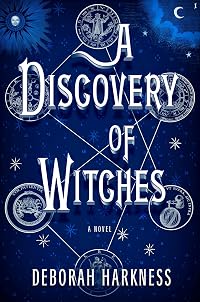
Witch and Yale historian Diana Bishop discovers an enchanted manuscript, attracting the attention of 1,500-year-old vampire Matthew Clairmont. The orphaned daughter of two powerful witches, Bishop prefers intellect, but relies on magic when her discovery of a palimpsest documenting the origin of supernatural species releases an assortment of undead who threaten, stalk, and harass her.Tags
Recommendations
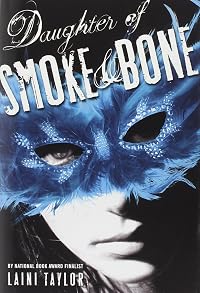
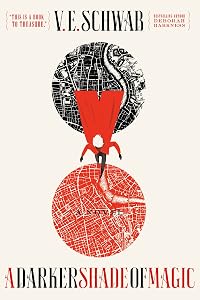
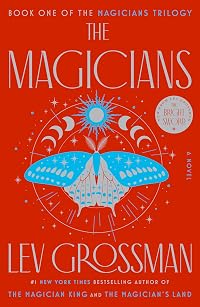
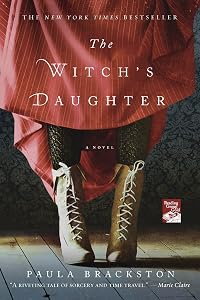
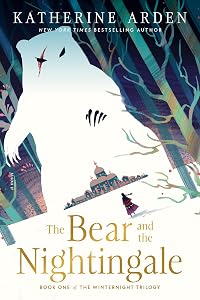
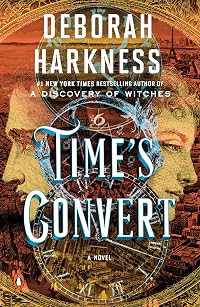


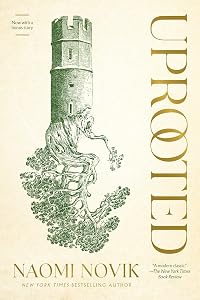
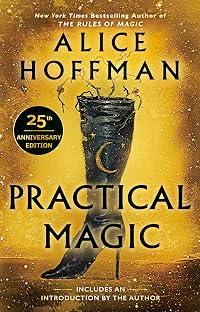
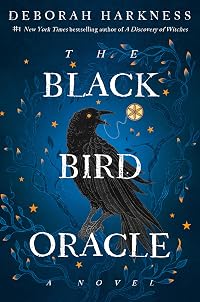
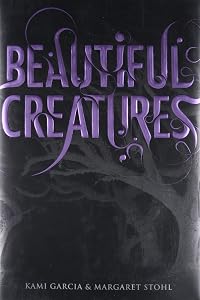
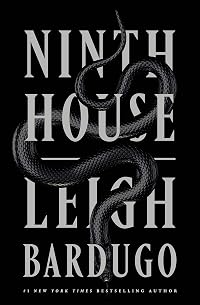
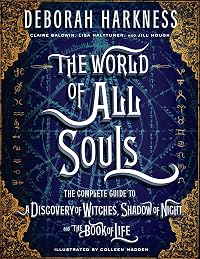
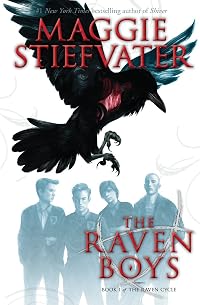
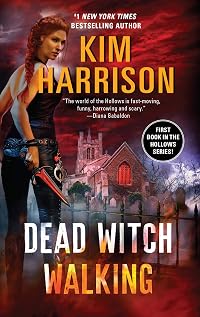
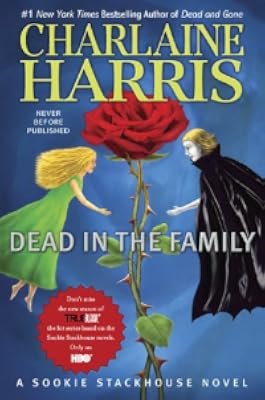
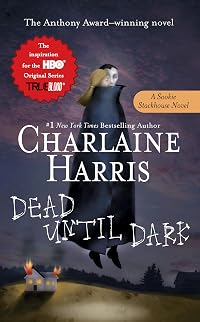
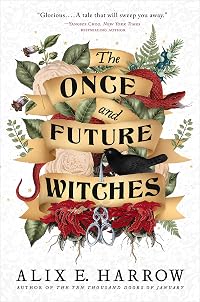
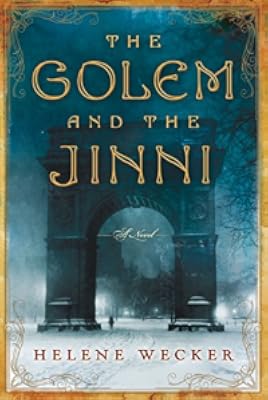
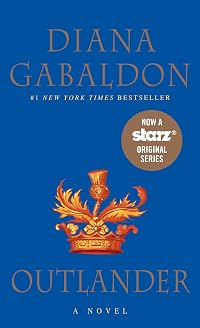
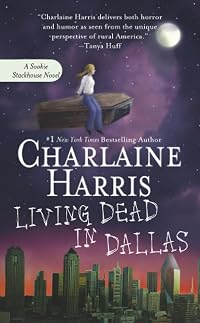
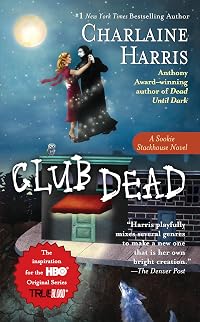
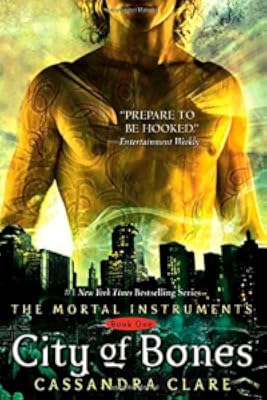
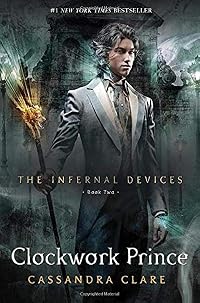
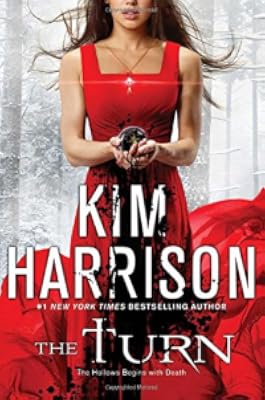
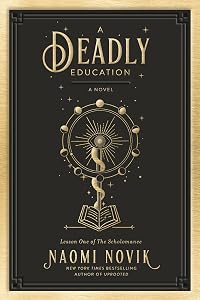
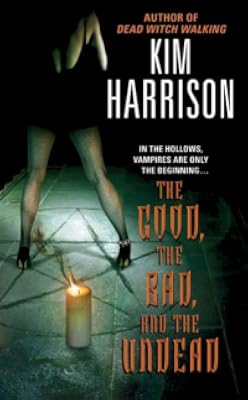
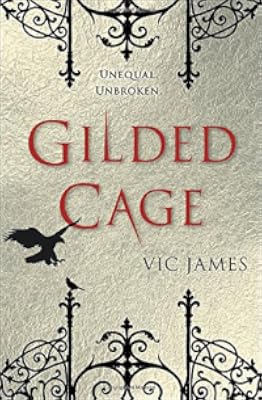
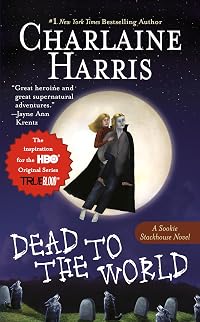

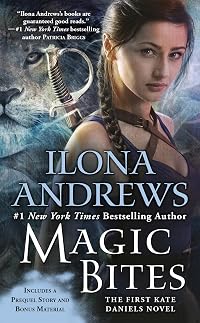
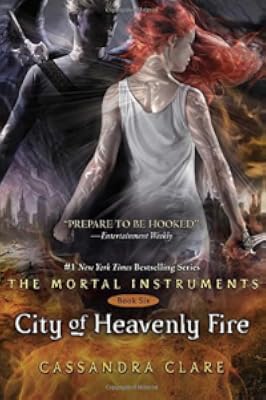
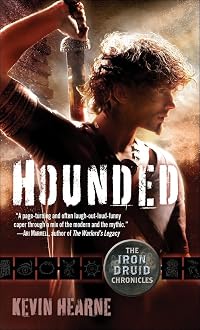
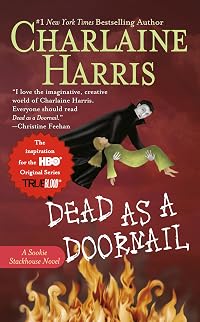
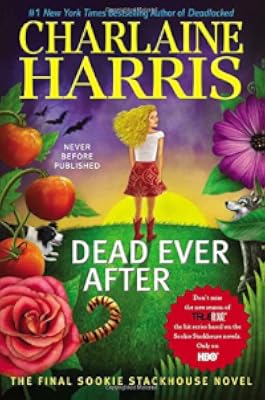
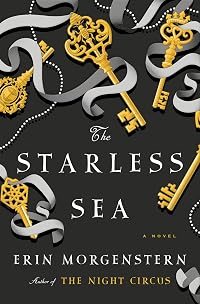
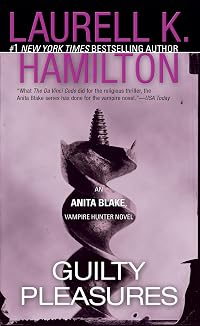
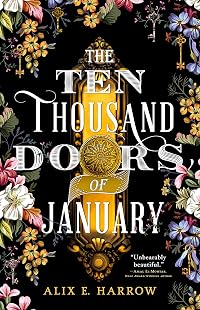
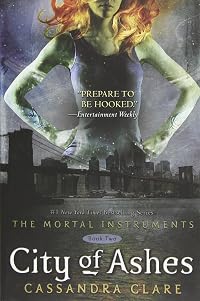
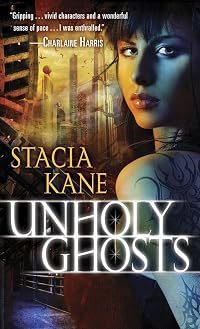
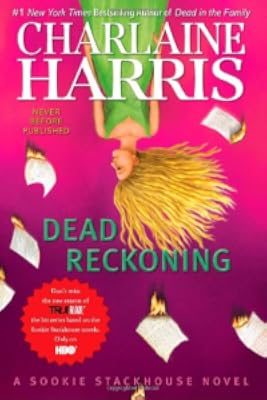
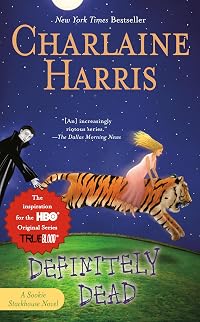
Member Recommendations
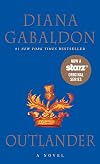
anonymous user Both are epic fantasy novels...time travel, mystery, unlikely love interests.
Also recommended by SunnySD
245
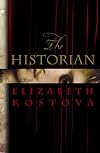


SunnySD Scholarly heroines, mysterious goings on, and much time spent in libraries...
41
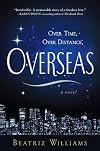
rlb0616 No witches or vampires, but it does have time travel. Also, there are many similarities between the two male leads.
20
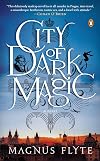
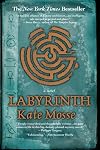
DowntownLibrarian If you enjoy learning some history along with your fantasy....
10
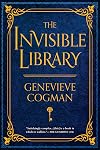

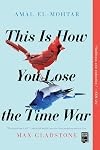
lottpoet intense fantastical love story
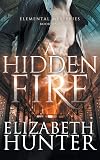
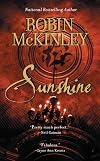
lottpoet magic users, demons and vampires aren't supposed to mix; an intense magic user-vampire relationship under extreme pressure
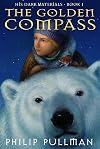
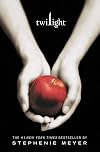
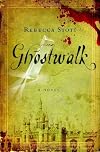
Mumugrrl Not the same kind of feel as A Discovery of Witches, but it does involve Oxford, alchemy and the ghost of Isaac Newton.
05
Member Reviews
I have really mixed feelings about this book. The protagonist is interesting -- a serious academic with a complicated relationship with magic -- and there's an intriguing world full of magic and creatures and complex social dynamics. But I just couldn't get on board with the main romance, which is completely central to the plot.
I know we're supposed to be rooting forMatthew and Diana and their forbidden love, but he's a walking pile of red flags! He's possessive and controlling from the moment they meet, always orders Diana around like he knows what's best, has a terrifying temper, and kills people on Diana's behalf. More than once . And the thing is, not only does everyone around Diana act like they know better than her... but they're show more actually right. She's never allowed to be an authority on her own life, and she never gets to finish the paper she's working on! From the moment the love interest appears, Diana's normal life that she's worked so hard for is stripped away from her. It just bothers me.
On the other hand, I love a lot of the supporting cast. Ysabeau is great, and Sarah and Em are the best. And their house! I would happily read more about the Bishop family and their witchy business. show less
I know we're supposed to be rooting for
On the other hand, I love a lot of the supporting cast. Ysabeau is great, and Sarah and Em are the best. And their house! I would happily read more about the Bishop family and their witchy business. show less
Dear "A Discovery of Witches,"
When I heard you were “Twilight for adults” I was skeptical and a bit hesitant to pick you up. Then you were available as a Kindle library loan and I thought what the heck.
When I started reading you, you reminded me more of The Historian than Twilight and I thought the Oxford setting and academia references were interesting. But then you had a vampire who sparkled and a yoga class for “creatures” and I was became wary. Really, the vampire is going to get mad if someone asks what he likes to eat for dinner when they are cooking for him? I think that’s a pretty valid question, even if he has been answering it for centuries.
Don’t get me wrong, I enjoyed reading parts of you, but I do wish you show more had avoided some of the Edward/Bella clichés. I don’t care if the vampire can’t get over some woman’s smell and I get that a vampire’s skin is going to feel cool against the “hot skin of a warm blood.” Also, it’s actually a bit creepy (not sexy) to have him hunting/stalking her, even if he is “falling” for her.
Look, it’s not you, it’s me. I’m just a bit sick of the vampire thing to be honest. I don’t want to read the word chiseled to describe another gorgeous vampire. I don’t want two paragraphs on how someone smells like cloves… in every single chapter.
I really did like some of your supporting characters. You had some great sassy women (I’m looking at you Sarah) and I loved how the house became a character in its own right. But frankly, it wasn’t enough to make me really like you. There were too many repetitive plots and when I reached the end and realized I had just read 600 pages not knowing you weren’t going to resolve ANYTHING I was more than miffed. If you want to have a sequel, that’s fine, just give me some sort of heads up next time.
Sincerely,
Burned out on vampires in the Midwest show less
When I heard you were “Twilight for adults” I was skeptical and a bit hesitant to pick you up. Then you were available as a Kindle library loan and I thought what the heck.
When I started reading you, you reminded me more of The Historian than Twilight and I thought the Oxford setting and academia references were interesting. But then you had a vampire who sparkled and a yoga class for “creatures” and I was became wary. Really, the vampire is going to get mad if someone asks what he likes to eat for dinner when they are cooking for him? I think that’s a pretty valid question, even if he has been answering it for centuries.
Don’t get me wrong, I enjoyed reading parts of you, but I do wish you show more had avoided some of the Edward/Bella clichés. I don’t care if the vampire can’t get over some woman’s smell and I get that a vampire’s skin is going to feel cool against the “hot skin of a warm blood.” Also, it’s actually a bit creepy (not sexy) to have him hunting/stalking her, even if he is “falling” for her.
Look, it’s not you, it’s me. I’m just a bit sick of the vampire thing to be honest. I don’t want to read the word chiseled to describe another gorgeous vampire. I don’t want two paragraphs on how someone smells like cloves… in every single chapter.
I really did like some of your supporting characters. You had some great sassy women (I’m looking at you Sarah) and I loved how the house became a character in its own right. But frankly, it wasn’t enough to make me really like you. There were too many repetitive plots and when I reached the end and realized I had just read 600 pages not knowing you weren’t going to resolve ANYTHING I was more than miffed. If you want to have a sequel, that’s fine, just give me some sort of heads up next time.
Sincerely,
Burned out on vampires in the Midwest show less
"A Discovery Of Witches" has a strong sense of place and how people live in them, even though the places are disparate - academic life in Oxford, long-established aristocracy in a Château in rural France, an old Family home in Madison New York.
The creatures in the book - witches, vampires, demons, - are deftly redefined to create something new, intriguing and satisfyingly plausible.
The pace is leisurely without being plodding. Deborah Harkness understands that for the action of the book to mean anything, we have to care about the people as people. She takes the time to show us what they care about, how they live and who they love. She is writing a trilogy and she isn't inclined to rush anything. She knows that those of us who devour show more these things love the details as much if not more than the action.
I thought the start of the book was particularly strong. I was completely engaged with the life of Diana Bishop, a Yale History Professor doing research on Alchemical texts in the in the Bodleian library and spending her spare time rowing and running to burn off her endless energy. It's not easy to write about sitting in a library, reading and taking notes, and make it interesting, but Deborah Harkness pulls it off. This is clearly a world and a place she is at home with and the authenticity of it her descriptions provides the book with a solid base of reality which all good fantasy needs.
The book is salted with historical references and literary quotations that feel right and which demonstrate the insatiable curiosity that drives Diana Bishop's passion for history.
Deborah Harkness has a good ear for dialogue and a good understanding of the differences between how the British and the Americans use English. Jennifer Ikeda rises to the challenge of delivering the wide range of male and female voices and accents (with the exception of Glaswegian which came out too Edinburgh for me) and carried me along effortlessly in the story.
The thing I am most ambivalent about, is Diana Bishop's relationship with Matthew Clairmont. At points it seems like the (almost too) perfect love affair. At other times Diana seems like a cult member, traumatized into being someone different from her natural self and unquestioningly putting Matthew's interests ahead of her own. Of course, this could be the definition of true love.
At the start of the book, Diana is a strong, independent, successful woman. In the course of her relationship with Matthew, she abandons that independence and although she grows in power, she seems less confident and less able to cope.
Part of what makes "A Discovery of Witches" worth reading is that I'm certain that the ambivalence I'm feeling is intentionally provoked by Deborah Harkness. Diana is a complex character who has been through multiple traumas and who is very far away from normal by anyone's standards. The Diana we meet in Oxford at the start of the book is not the Diana we meet in Madison at the end. One way to read the book is that the first Diana was an artificial construct, built by a woman hiding from her own true nature and refusing to engage with the world around her and that the book describes her journey to discover herself as a witch. Another reading is that the Diana we meet in Oxford had already been crippled by earlier events that keep her solitary and make her subject to anxiety attacks and dependent on strenuous exercise to stay calm. Events in France and in Madison further traumatise Diana and the woman she is at the end of the book is scarred and not fully whole. It's also possible to see the story as a romance where the real meaning of Diana's life IS her relationship with Matthew or to see Matthew as a predator who cannot stop himself from consuming Diana's life by taking control of her and changing who she is.
In my view, this all makes "A Discovery of Witches" an entertaining read.
There are a couple of things in the book that don't work for me. The sensual scenes are too Romance Writers of America for my taste. They lack the vivid reality the rest of the book has. I also the bringing together of creatures in Madison was a little too comfortable to be completely credible.
One thing to be aware of before you buy "A Discovery of Witches": it is not really a free-standing novel. It is book one of a trilogy. If you're not up for reading all three then reading book one will not do much for you. show less
The creatures in the book - witches, vampires, demons, - are deftly redefined to create something new, intriguing and satisfyingly plausible.
The pace is leisurely without being plodding. Deborah Harkness understands that for the action of the book to mean anything, we have to care about the people as people. She takes the time to show us what they care about, how they live and who they love. She is writing a trilogy and she isn't inclined to rush anything. She knows that those of us who devour show more these things love the details as much if not more than the action.
I thought the start of the book was particularly strong. I was completely engaged with the life of Diana Bishop, a Yale History Professor doing research on Alchemical texts in the in the Bodleian library and spending her spare time rowing and running to burn off her endless energy. It's not easy to write about sitting in a library, reading and taking notes, and make it interesting, but Deborah Harkness pulls it off. This is clearly a world and a place she is at home with and the authenticity of it her descriptions provides the book with a solid base of reality which all good fantasy needs.
The book is salted with historical references and literary quotations that feel right and which demonstrate the insatiable curiosity that drives Diana Bishop's passion for history.
Deborah Harkness has a good ear for dialogue and a good understanding of the differences between how the British and the Americans use English. Jennifer Ikeda rises to the challenge of delivering the wide range of male and female voices and accents (with the exception of Glaswegian which came out too Edinburgh for me) and carried me along effortlessly in the story.
The thing I am most ambivalent about, is Diana Bishop's relationship with Matthew Clairmont. At points it seems like the (almost too) perfect love affair. At other times Diana seems like a cult member, traumatized into being someone different from her natural self and unquestioningly putting Matthew's interests ahead of her own. Of course, this could be the definition of true love.
At the start of the book, Diana is a strong, independent, successful woman. In the course of her relationship with Matthew, she abandons that independence and although she grows in power, she seems less confident and less able to cope.
Part of what makes "A Discovery of Witches" worth reading is that I'm certain that the ambivalence I'm feeling is intentionally provoked by Deborah Harkness. Diana is a complex character who has been through multiple traumas and who is very far away from normal by anyone's standards. The Diana we meet in Oxford at the start of the book is not the Diana we meet in Madison at the end. One way to read the book is that the first Diana was an artificial construct, built by a woman hiding from her own true nature and refusing to engage with the world around her and that the book describes her journey to discover herself as a witch. Another reading is that the Diana we meet in Oxford had already been crippled by earlier events that keep her solitary and make her subject to anxiety attacks and dependent on strenuous exercise to stay calm. Events in France and in Madison further traumatise Diana and the woman she is at the end of the book is scarred and not fully whole. It's also possible to see the story as a romance where the real meaning of Diana's life IS her relationship with Matthew or to see Matthew as a predator who cannot stop himself from consuming Diana's life by taking control of her and changing who she is.
In my view, this all makes "A Discovery of Witches" an entertaining read.
There are a couple of things in the book that don't work for me. The sensual scenes are too Romance Writers of America for my taste. They lack the vivid reality the rest of the book has. I also the bringing together of creatures in Madison was a little too comfortable to be completely credible.
One thing to be aware of before you buy "A Discovery of Witches": it is not really a free-standing novel. It is book one of a trilogy. If you're not up for reading all three then reading book one will not do much for you. show less
There were a (LOT) of red flags about their relationship, none of which seem to matter. The dont have a ton of interaction before suddenly she can’t live without him, despite everyone saying this isnt a good idea ( uhm co-dependent much?). Apparently he was her destiny. Fine. But couldnt he have been tall, dark & handsome…and also an ally? And not controlling? And not rage filled? Oh and not controllong? We’re supposed to root for this love story but honestly I cringed and or snarked every time they professed their love for each other.
This book was recommended, so I read it without knowing anything about it and its been absolutely painful getting to the end. It has as many questionable values as 50 Shades, but with zero sex. Lots of puritanical allusions, but I guess that makes him a good guy because he wants to wait?!?? Or is this just more patriarchal purity tropes?
As I described this boom to someone else: If you need the next Outlander, there is a book called Discovery of Witches. Its like if Outlander, Twilight and Harry Potter had a sick three way love child. Its like someone watched those and said, oh I got an idea for a book
Diana Bishop is a witch, but when she was a child her parents were killed and Diana associated it with being a witch so she has tried her best to cut witch craft and magic out of her life. Unfortunately Diana is a powerful witch so magic is not willing to leave her alone. As a historian working on a paper in Oxford, she one day calls up a Ashmole 782, an alchemical text hidden with spells for centuries that may hold the key to any number of things depending on what witch, vampire or daemon you talk to. It's drawing her all kinds of attention from the witches, daemons and vampires she has been trying to avoid; including one Matthew Clairmont, a powerful vampire that she finds herself developing a relationship with.
I really loved this show more book so much. It was recommended by a friend and even though it took me almost a week to read, I was thrilled with the outcome. The book is sooo rich in detail. Historical details and figures have been intricately woven into an amazing world populated with paranormal creatures. There are references to famous playwrights, musicians, monarchs and popes. It was kind of wonderful to see find out who was human and who wasn't and how the creatures traits were woven into the existing historical figures behaviors.
I also really loved the interplay of genetics in this book. Science can be kind of a turn off because it's not my strong suit and sometimes it just confuses me enough that I can no longer follow the story. However all of the science here makes sense and the explanations are basic enough that I don't feel like I'm lost in it. The science part of the plot was enough to even make my fiance interested in the story. (Not a big paranormal fiction reader). I especially like the idea of science and magic being tied together in such a strong way. I've always thought that the best kinds of magic were probably science that hasn't been explained yet and this book subscribes to that theory in a strong way.
I loved getting to know the characters in this book as well, from Diana and Matthew to Ysabeau and Sophie. While not everyone is obviously likable initially they are all interesting. Reading about them opening up to each other and their origins or even just the long lives they have had the opportunities to lead was one of the things that really kept me going.
Matthew and Diana's relationship at the moment does leave something to be desired, mainly because Matthew is kind of stuck with many of the sensibilities he developed during his life and because of his predatory instinct. Right now Diana is walking a very thin line, trying not to become subservient but being more flexible then she would normally be to accommodate for him. One of the things I love about Diana is how strong and independent she is and I don't want to see her lose that. I also like Matthew chivalrous nature but these habits of his to dominate make me wonder if I am going to continue to like him. I can't wait to read the next book in the trilogy and see what happens and learn more about the world the author has created. (Of course with my luck that wont be for forever. show less
I really loved this show more book so much. It was recommended by a friend and even though it took me almost a week to read, I was thrilled with the outcome. The book is sooo rich in detail. Historical details and figures have been intricately woven into an amazing world populated with paranormal creatures. There are references to famous playwrights, musicians, monarchs and popes. It was kind of wonderful to see find out who was human and who wasn't and how the creatures traits were woven into the existing historical figures behaviors.
I also really loved the interplay of genetics in this book. Science can be kind of a turn off because it's not my strong suit and sometimes it just confuses me enough that I can no longer follow the story. However all of the science here makes sense and the explanations are basic enough that I don't feel like I'm lost in it. The science part of the plot was enough to even make my fiance interested in the story. (Not a big paranormal fiction reader). I especially like the idea of science and magic being tied together in such a strong way. I've always thought that the best kinds of magic were probably science that hasn't been explained yet and this book subscribes to that theory in a strong way.
I loved getting to know the characters in this book as well, from Diana and Matthew to Ysabeau and Sophie. While not everyone is obviously likable initially they are all interesting. Reading about them opening up to each other and their origins or even just the long lives they have had the opportunities to lead was one of the things that really kept me going.
Matthew and Diana's relationship at the moment does leave something to be desired, mainly because Matthew is kind of stuck with many of the sensibilities he developed during his life and because of his predatory instinct. Right now Diana is walking a very thin line, trying not to become subservient but being more flexible then she would normally be to accommodate for him. One of the things I love about Diana is how strong and independent she is and I don't want to see her lose that. I also like Matthew chivalrous nature but these habits of his to dominate make me wonder if I am going to continue to like him. I can't wait to read the next book in the trilogy and see what happens and learn more about the world the author has created. (Of course with my luck that wont be for forever. show less
If you took Edward and Bella out of Twilight, sprinkled in some magic and demons, then smothered it all in random info about history and obscure books, you’d get A Discovery of Witches. They say write what you know, but I don’t think this was the intended result of that phrase.
Way too many words with far too little happening and all rings very familiar. Annoying bits like the main character who has a doctorate and apparently is unfamiliar with mitochondrial DNA, something that anyone who took biology in high school would know about. And it was incredibly irritating that they kept calling Diana brave. If you’re too dumb to know there’s anything to be afraid of, it’s not brave. She’s a boho waifish brat and he’s an show more obnoxious creepy stalker and we’re supposed to find their romance compelling.
It kept my attention but more for the side characters and the bits of magic but it desperately needed an editor because it’s about 200 pages of unnecessary literary, alchemical and historical references too long. I’m not sure if I’ll pick up the sequel but I’ll probably have to check the page count first. It left off on a weird cliffhanger and I’m not sure if I care what happens next. show less
Way too many words with far too little happening and all rings very familiar. Annoying bits like the main character who has a doctorate and apparently is unfamiliar with mitochondrial DNA, something that anyone who took biology in high school would know about. And it was incredibly irritating that they kept calling Diana brave. If you’re too dumb to know there’s anything to be afraid of, it’s not brave. She’s a boho waifish brat and he’s an show more obnoxious creepy stalker and we’re supposed to find their romance compelling.
It kept my attention but more for the side characters and the bits of magic but it desperately needed an editor because it’s about 200 pages of unnecessary literary, alchemical and historical references too long. I’m not sure if I’ll pick up the sequel but I’ll probably have to check the page count first. It left off on a weird cliffhanger and I’m not sure if I care what happens next. show less
This is my 5th read through of the series, and I have to say - it still lives up to my high school memories of it! By far one of the most interesting, intricate, and imaginative stories I’ve read. The world building is amazing and detailed, the magic system is unique and unlike any I’ve read elsewhere before. The characters are all so well developed and have such depth to them that by the end of the first book, you already love them and want to join the family. I had forgotten how quickly the story seems to move too. The pacing is great but there is so much information to absorb and so much seems to happen in a relatively short time period; this book takes place between late September and Halloween night. This series combines show more science, alchemy, history, magic, and literature in a way that gives you a nice fresh breath of air and really helps to keep you rooted into this world and the narrative that's unfolding. show less
Members
- Recently Added By
Published Reviews
ThingScore 78
"With books about fictional witches, it’s all too easy to fall back on tongue-in-cheek descriptors like “enchanting” or “spellbinding,” but both adjectives aptly describe the superbly entertaining saga Harkness has crafted. This is a riveting tale full of romance and danger that will have you on the edge of your seat, yet its chief strength lies in the wonderfully rich and ingenious show more mythology underlying the story. Entwining strands of science and history, Harkness creates a fresh explanation for how such creatures could arise that is so credible, you’ll have to keep reminding yourself this is fiction." show less
added by clamairy
As will be obvious by now, this is a very silly novel. Characters and relationships are stereotyped. The historical background is a total pudding. The prose is terrible. And yet, the ideas have just enough suction, somehow, to present an undemanding reader with some nice frissons. I liked, for example, the way Diana tries to sublimate her magic powers in running and rowing and doing yoga – show more at a mixed vampire-witch-daemonic yoga class, participants struggle not to levitate during their vinyasas. And I liked the way Matthew and Diana smell to each other like Jo Malone candles: Diana is "horehound, frankincense, lady's mantle", Matthew is "cinnamon and clove". show less
added by souloftherose
"a thoroughly grown-up novel packed with gorgeous historical detail...Harkness writes with thrilling gusto about the magical world. Whether she's describing a yoga class for witches, daemons, and vampires or Diana's benignly haunted house, it's a treat to suspend disbelief. ... As the mysteries started to unravel, the pages turned faster, almost as if on their own. By the most satisfying end, show more Harkness had made me a believer. show less
added by DeborahHarkness
Lists

Best Fantasy Novels
821 works; 361 members

Top Five Books of 2013
1,562 works; 721 members

Female Protagonist
1,056 works; 57 members

Bloody Good Vampire Books
394 works; 28 members

Favorite Books Published in 2011
14 works; 5 members

Top Five Books of 2017
757 works; 231 members

Top Five Books of 2014
1,064 works; 398 members

BingoDOG - Books With Mythical Creatures
57 works; 16 members

Recommended Speculative Fiction by Women and People of Color
298 works; 45 members

Recommend the 20 best books you've read in the last five years
2,168 works; 607 members

Best BRUTAL of Urban Fantasy
244 works; 1 member

Favorite Romance Fiction
247 works; 115 members

Witchy Fiction
253 works; 126 members

Favorite Audiobooks Listened to in 2011
33 works; 11 members

Best Audiobooks
240 works; 114 members
Books We Love to Reread
688 works; 297 members

Books Read in 2020
4,379 works; 124 members

Books read in 2024
26 works; 1 member
Best Vampire & Werewolf Fiction
221 works; 146 members

2022 Challenge
24 works; 1 member

Top Romantasy Books
9 works; 1 member

Books Read in 2022
5,226 works; 115 members

Books Read in 2016
4,666 works; 199 members

al.vick-series
381 works; 2 members

The Worst Bestsellers Podcast
296 works; 5 members

Books Read in 2019
4,052 works; 110 members

Hazel & Katniss & Harry & Starr Podcast
195 works; 1 member
Great Audiobooks
96 works; 10 members

KayStJ's to-read list
1,616 works; 11 members

Academia in Fiction
158 works; 23 members

BingoDOG - Scientists in Fiction
111 works; 17 members

Fiction for Readers Who Love Science and Math
57 works; 15 members

Books Read in 2012
816 works; 34 members

Elaina's
183 works; 1 member

Best 21st Century Books (So Far)
679 works; 86 members
Author Information

31+ Works 32,756 Members
Deborah Harkness was born in 1965. She received a B. A. from Mount Holyoke College in 1986, a M. A. from Northwestern University in 1990, and a Ph. D. from the University of California at Davis in 1994. She is a professor of history at the University of Southern California. Harkness is a well-regarded historian of science and medicine, show more specializing in the fifteenth through seventeenth centuries. Her first novel, A Discovery of Witches, was published in 2011. She is the author of the All Souls Trilogy. In 2006, she began a wine blog entitled, Good Wine Under $20. It provides an online record of her search for the best, most affordable wines. She made The New York Times Bestseller List with The Book of Life and Shadow of Night. (Bowker Author Biography) show less

Deborah Harkness is a LibraryThing Author, an author who lists their personal library on LibraryThing.
Some Editions
Awards and Honors
Distinctions
Notable Lists
Series

Belongs to Publisher Series
Èxits 62 (98)
Work Relationships
Is contained in
Contains
Has the adaptation
Is abridged in
Has as a reference guide/companion
Has as a commentary on the text
Common Knowledge
- Canonical title
- A Discovery of Witches
- Original title
- A Discovery of Witches
- Original publication date
- 2011-02-08
- People/Characters
- Diana Bishop; Matthew Clairmont (a.k.a., Matthew Gabrielle Phillipe Bertrynd Sebastian de Clermont/Clairmont); Sean; Gillian Chamberlain; Sarah Bishop; Rebecca Bishop (show all 62); Stephen Proctor; Amanda Schmidt; Emily Mather; Valerie; Pete; Johnson; Chris Roberts; Miriam Shephard; Agatha Wilson; Daniel Bennett; Jason Enright; Reg Scott; Peter Knox; Christiana Nilsson; Serger Morolov; Nathanial Wilson; Sophie Norman-Wilson; Mary; Dan; Steph; Fred; Amira; Hamish Osborn; Jordan; William; Jannie; Jack Watson; Percy Osborn; Jessica Osborn; Eleanor St Leger; Cecilia Martin; Clarissa; Nicholas Marsh; Marcus Whitmore (a.k.a., Marcus Raphael Galen Thomas Chauncey de Clermont); Hames; Timothy; Phillipe de Clermont; Juliet Durand; Hugh de Clermont; Godfrey de Clermont; Baldwin de Clermont (a.k.a., Lucias Sigeric Benoit Christopher Baldwin de Clermont, Baldwin Montclair); Ysabeau de Clermont (a.k.a., Genevieve Melisande Helene Ysabeau Auld-de Clermont); Marthe; Victoire; Alain Le Merle; Georges; Domenico Michele; Blanca; Lucas; Pope Sylvester II (as Gerbert d'Aurillac or Gerbert of Aurillac); Satu Järvinen; Fernando Gonçalves; Faye; Janet; Sam; Rob O'Neil
- Important places
- Bodleian Library, University of Oxford, Oxford, Oxfordshire, England, UK; Oxford, Oxfordshire, England, UK; Bishop Farm, Madison, New York, USA; Sept-Tours, Auvergne-Rhône-Alpes, France
- Related movies
- A Discovery of Witches (2018 | IMDb)
- Epigraph
- It begins with absence and desire.
It begins with blood and fear.
It begins with a discovery of witches. - Dedication
- For Lexie and Jake, and their bright futures.
- First words
- The leather-bound volume was nothing remarkable.
- Quotations
- The King just sits there, moving one square at time. The queen can move so freely. I suppose I'd rather lose the game than forfeit her freedom.
´Normal`is a bedtime story - a fable - that humans tell themselves to feel better when faced with overwhelming evidence that most of what's happening around them is not ´normal`at all. - Last words
- (Click to show. Warning: May contain spoilers.)Remember the past-and await the future.
- Blurbers
- Trussoni, Danielle; Borodale, Jane; Pochoda, Ivy; Valbey, Karen; Harrison, Stephanie; Seldon, Molly (show all 7); Dibbel, Jeremy
- Original language
- English
- Canonical DDC/MDS
- 813.6
- Canonical LCC
- PS3608.A7436
Classifications
Statistics
- Members
- 14,157
- Popularity
- 528
- Reviews
- 792
- Rating
- (3.78)
- Languages
- 20 — Catalan, Chinese, Czech, Danish, Dutch, English, Estonian, Finnish, French, German, Hungarian, Italian, Korean, Norwegian (Bokmål), Polish, Portuguese, Romanian, Spanish, Swedish, Ukrainian
- Media
- Paper, Audiobook, Ebook
- ISBNs
- 74
- UPCs
- 1
- ASINs
- 37