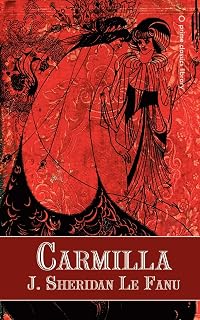
Carmilla: A Vampyre Tale
by Sheridan Le Fanu
On This Page
Description
In Joseph Sheridan Le Fanu's Gothic novella "Carmilla" (1872), a lonely young woman named Laura befriends a strange woman who is staying at her father's Castle while she recovers from a carriage accident. In time, the strange woman named Carmilla begins to make romantic advances toward Laura while refusing to share any details about her life. When Laura begins to have nightmares about a black cat entering her room, her suspicion is aroused that Carmilla may have evil intentions. One of the show more early works of vampire fiction, Carmilla predated Dracula by 26 years and strongly influenced Bram Stoker. show lessTags
Recommendations

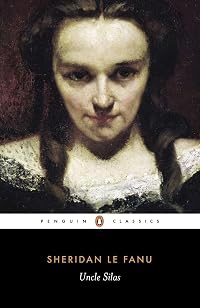
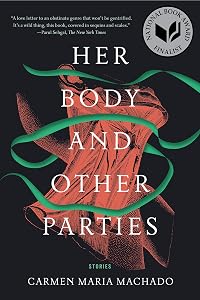
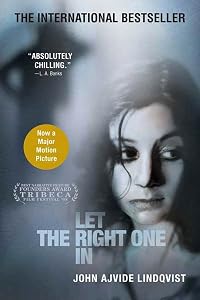
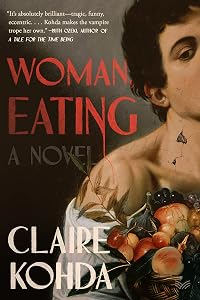
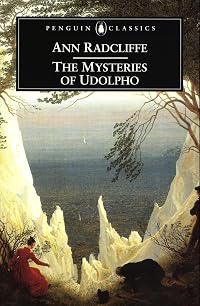
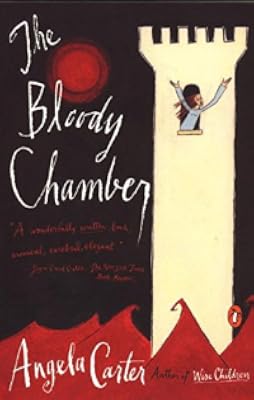
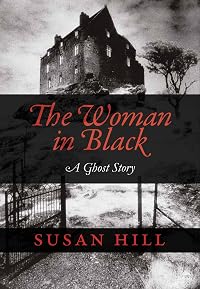
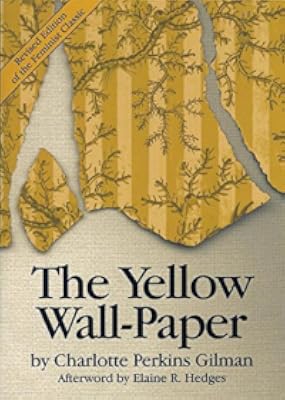
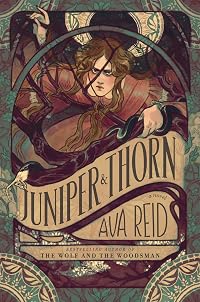
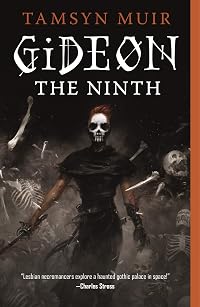
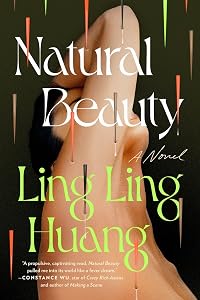
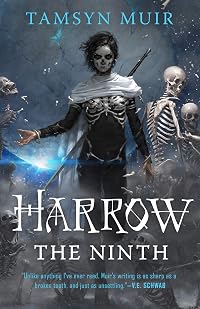

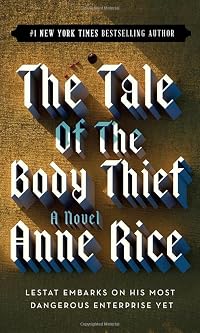
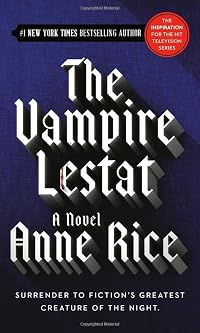
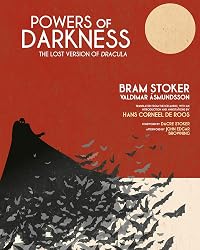
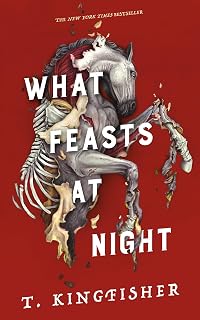
Member Recommendations


Member Reviews
A quarter of a century before Bram Stoker unleashed Count Dracula upon an unsuspecting London, Sheridan Le Fanu wrote of a strange, beautiful, irresistible young woman who once visited her malign charms on a widower and his daughter in an isolated Austrian schloss.
The influence on Stoker is undeniable: the epistolary frame of the narrative, the roots of vampirism in ancient Eastern European nobility, the snake-like charm of the vampire, the utter unpreparedness of rational and Christian Europe to comprehend the nature of the primal evil that stalks its heart. Le Fanu even has a remorseless vampire hunter on Carmilla’s trail in the form of a grief-stricken general.
This is Dracula before Dracula, and it has its own peculiarly seductive show more and haunting quality that makes it a worthy read for anyone who enjoys the genre. show less
The influence on Stoker is undeniable: the epistolary frame of the narrative, the roots of vampirism in ancient Eastern European nobility, the snake-like charm of the vampire, the utter unpreparedness of rational and Christian Europe to comprehend the nature of the primal evil that stalks its heart. Le Fanu even has a remorseless vampire hunter on Carmilla’s trail in the form of a grief-stricken general.
This is Dracula before Dracula, and it has its own peculiarly seductive show more and haunting quality that makes it a worthy read for anyone who enjoys the genre. show less
Joseph Sheridan Le Fanu's Carmilla feels more Gothic to me than many books that are traditionally placed in the Gothic genre. This is a novel of castles, graveyards, ruined villages, misty morning walks, family histories, and ancient evils that refuse to stay buried. The atmosphere is the star of the book.
Modern readers come to Carmilla already knowing that Carmilla is a vampire, but surprisingly, that doesn't hurt the story. Le Fanu hints very early that something is wrong. Laura's childhood dream, the mysterious illness affecting young women, Carmilla's strange behavior, her disappearances, and her refusal to explain her past all point in the same direction. Laura herself repeatedly recognizes that something about Carmilla is show more unsettling, but she lacks the freedom, authority, and social standing to investigate those feelings. Instead, she does what many people do when confronted with something they cannot explain: she continues.
What makes the novella work is that the central question is not "What is Carmilla?" but "Will Carmilla get away with it again?" The story gradually reveals that Laura is only the latest victim in a cycle that has likely repeated for generations. The suspense comes from whether anyone will recognize the pattern before it is too late.
One of the most interesting aspects of the novel is how Victorian politeness becomes part of the horror. Everyone notices warning signs, but no one wants to be rude. Carmilla's refusal to discuss her past is accepted. Her strange moods are tolerated. Her disappearances are excused. She succeeds not because the people around her are foolish, but because they are determined to behave properly. In a strange way, they almost out-polite themselves.
I also read Carmilla less as a romance and more as a story of vampiric fascination. By the end, Laura herself suggests that what she felt was not love but something darker and more supernatural. Whether readers agree with her is open to interpretation, but I found that explanation convincing. Carmilla feels less like a person pursuing a relationship and more like an ancient predator using intimacy as a means of access. The atmosphere, the history, and the centuries-old cycle mattered more to me than any romantic reading.
As a piece of Gothic fiction, Carmilla remains remarkably effective. The mystery may be obvious, but the mood is unforgettable. The castles, forests, graveyards, and lingering sense of the past pressing against the present create a world that feels genuinely haunted. More than a vampire story, Carmilla is a story about place, memory, and the fear that some evils have been walking these roads for far longer than anyone remembers. show less
Modern readers come to Carmilla already knowing that Carmilla is a vampire, but surprisingly, that doesn't hurt the story. Le Fanu hints very early that something is wrong. Laura's childhood dream, the mysterious illness affecting young women, Carmilla's strange behavior, her disappearances, and her refusal to explain her past all point in the same direction. Laura herself repeatedly recognizes that something about Carmilla is show more unsettling, but she lacks the freedom, authority, and social standing to investigate those feelings. Instead, she does what many people do when confronted with something they cannot explain: she continues.
What makes the novella work is that the central question is not "What is Carmilla?" but "Will Carmilla get away with it again?" The story gradually reveals that Laura is only the latest victim in a cycle that has likely repeated for generations. The suspense comes from whether anyone will recognize the pattern before it is too late.
One of the most interesting aspects of the novel is how Victorian politeness becomes part of the horror. Everyone notices warning signs, but no one wants to be rude. Carmilla's refusal to discuss her past is accepted. Her strange moods are tolerated. Her disappearances are excused. She succeeds not because the people around her are foolish, but because they are determined to behave properly. In a strange way, they almost out-polite themselves.
I also read Carmilla less as a romance and more as a story of vampiric fascination. By the end, Laura herself suggests that what she felt was not love but something darker and more supernatural. Whether readers agree with her is open to interpretation, but I found that explanation convincing. Carmilla feels less like a person pursuing a relationship and more like an ancient predator using intimacy as a means of access. The atmosphere, the history, and the centuries-old cycle mattered more to me than any romantic reading.
As a piece of Gothic fiction, Carmilla remains remarkably effective. The mystery may be obvious, but the mood is unforgettable. The castles, forests, graveyards, and lingering sense of the past pressing against the present create a world that feels genuinely haunted. More than a vampire story, Carmilla is a story about place, memory, and the fear that some evils have been walking these roads for far longer than anyone remembers. show less
A young woman named Laura lives alone with her father in a remote Austrian castle, lonely because her only friend of her age and class recently died under mysterious circumstances. She’s delighted when a carriage overturns near the castle and a young woman named Carmilla must stay with them for a few months while she recovers. Carmilla won’t share any information about her past, does not participate in family prayers, and sleeps most of the day. Laura and Carmilla grow very close, physically and emotionally, and Laura realizes Carmilla looks exactly like her ancient ancestor Countess Mircalla. Young women in the nearby village are dying, and Laura falls ill, so her father takes her out of town for a few days. There they learn the show more true fate of Laura’s dead friend, at the hands (or teeth) of a new acquaintance named Millarca.
A fun, short read. So many of the modern-day tropes about vampires are explicit here, 25 years before Dracula was written. A female vampire is not something that was seen often for the next century, and her vampirism is also sexual, but in a very different way from that of traditional male vampires - she’s very emotional, often telling Laura how much they need each other and how they’ll die without each other. The vampirism itself is also much more focused on Carmilla hugging Laura’s neck than the penetration itself. Historically interesting, but also just entertaining and an easy read! If you haven’t read it before, you really should. The audiobook, read by Megan Follows, was excellent. show less
A fun, short read. So many of the modern-day tropes about vampires are explicit here, 25 years before Dracula was written. A female vampire is not something that was seen often for the next century, and her vampirism is also sexual, but in a very different way from that of traditional male vampires - she’s very emotional, often telling Laura how much they need each other and how they’ll die without each other. The vampirism itself is also much more focused on Carmilla hugging Laura’s neck than the penetration itself. Historically interesting, but also just entertaining and an easy read! If you haven’t read it before, you really should. The audiobook, read by Megan Follows, was excellent. show less
Le Fanu's 'Carmilla' (1872) is a short vampire tale that is interesting for two reasons other than that it works as story-telling. It is a bridge between the vampire lore of Eastern Europe as it had started to appear in English literature and 'Dracula'. It also has an unusual erotic aspect for the time.
It easily breaks into two halves. The first is the account of a vampire incursion in a Gothic setting where the reader can work out what is happening fairly quickly but not the human protagonists. The second unfolds the horror as explanation, leading to the necessary decapitation of the monster.
Le Fanu manages to make the story both English and foreign by having the family under threat as minor aristocratic tea-drinkers of ultimately show more English extraction who have settled in mysterious Styria after the father's service in the Austrian interest.
European aristocratic expectations and norms, including a protective attitude towards young daughters and 'wards', drive the story along but it is also clear that the predator species is of even higher local aristocratic lineage.
The imperial service class is threatened by the ghosts of a more ancient independent aristocracy without moral bounds and interested only in their own pleasures. The seeds of Anne Rice's vampires are here although Le Fanu's Anglo-Irish descent is probably of more interest.
The story undoubtedly influenced another Anglo-Irish writer, Bram Stoker, whose 'Dracula', a quarter of a century later, would further develop some of the motifs of this tale, weakening and transferring the eroticism from a female to male predator from an even darker barbaric aristocratic background.
There is much written (exaggerated in my view) about vampirism as metaphor for the relationship between England and Ireland in the mid-nineteenth century but Anglo-Irish ambivalence about the English ruling class to which it played a supporting role may have been a factor here.
What is more interesting is that the story is highly emotional. The old general who uncovers the vampiric evil appears to lose his reason (he does not) in hunting it down. There is tenderness, warmth and love within the households on which the vampire prey.
But the most intense emotion is the most ambiguous - the undoubted erotic charge between predator vampire (a woman presenting as a girl) and its victims, very young and vulnerable women. The predator offers something that disturbs and attracts at the same time. It is obviously sexual.
Le Fanu is exploring the disruptive power of desire. The vampires usually just take what they want as clinical murderous blood-sucking but (it seems) periodically (this was adopted by Stoker in 'Dracula'), they become obsessively interested in one beautiful victim who they 'groom'.
It is this process of 'grooming' that becomes fascinating because the account, ostensibly about a vampire, is, in fact, about seduction in Victorian society and, equally, about the vulnerability of 'innocence' in a world that is so good that it cannot recognise evil when it presents itself.
As readers we do not have to be enormously bright to get what is happening but, equally, there is no reason for the protagonists to identify evil when evil is not part of their cosy and kindly world of mutual care and regard. When tragedy strikes, it is beyond understanding. It shatters survivors.
The reader sits horrified as evil seduces the innocent in a way that makes the grand guignol of the final decapitation relatively trivial as horror. The innocent are only a 'kiss' or touch away from death - or would it be a 'fate worse than death' as Victorian culture understood this concept?
Loss of sexual innocence in the middle classes and existence as the undead are brought into alignment as 'fates worse than death', made all the more terrifying by Le Fanu's ability to reproduce the pleasures of seduction and the modes of grooming alongside an implication of an evil eternal life.
Incidentally, the Hammer Horror 'Karnstein Trilogy' based on 'Carmilla' is camp fun with 'The Vampire Lovers' (1970), the first in the series, not quite faithful to the original story and a 'cult favourite' if only because it goes wonderfully overboard with its portrayal of the lesbian erotic. show less
It easily breaks into two halves. The first is the account of a vampire incursion in a Gothic setting where the reader can work out what is happening fairly quickly but not the human protagonists. The second unfolds the horror as explanation, leading to the necessary decapitation of the monster.
Le Fanu manages to make the story both English and foreign by having the family under threat as minor aristocratic tea-drinkers of ultimately show more English extraction who have settled in mysterious Styria after the father's service in the Austrian interest.
European aristocratic expectations and norms, including a protective attitude towards young daughters and 'wards', drive the story along but it is also clear that the predator species is of even higher local aristocratic lineage.
The imperial service class is threatened by the ghosts of a more ancient independent aristocracy without moral bounds and interested only in their own pleasures. The seeds of Anne Rice's vampires are here although Le Fanu's Anglo-Irish descent is probably of more interest.
The story undoubtedly influenced another Anglo-Irish writer, Bram Stoker, whose 'Dracula', a quarter of a century later, would further develop some of the motifs of this tale, weakening and transferring the eroticism from a female to male predator from an even darker barbaric aristocratic background.
There is much written (exaggerated in my view) about vampirism as metaphor for the relationship between England and Ireland in the mid-nineteenth century but Anglo-Irish ambivalence about the English ruling class to which it played a supporting role may have been a factor here.
What is more interesting is that the story is highly emotional. The old general who uncovers the vampiric evil appears to lose his reason (he does not) in hunting it down. There is tenderness, warmth and love within the households on which the vampire prey.
But the most intense emotion is the most ambiguous - the undoubted erotic charge between predator vampire (a woman presenting as a girl) and its victims, very young and vulnerable women. The predator offers something that disturbs and attracts at the same time. It is obviously sexual.
Le Fanu is exploring the disruptive power of desire. The vampires usually just take what they want as clinical murderous blood-sucking but (it seems) periodically (this was adopted by Stoker in 'Dracula'), they become obsessively interested in one beautiful victim who they 'groom'.
It is this process of 'grooming' that becomes fascinating because the account, ostensibly about a vampire, is, in fact, about seduction in Victorian society and, equally, about the vulnerability of 'innocence' in a world that is so good that it cannot recognise evil when it presents itself.
As readers we do not have to be enormously bright to get what is happening but, equally, there is no reason for the protagonists to identify evil when evil is not part of their cosy and kindly world of mutual care and regard. When tragedy strikes, it is beyond understanding. It shatters survivors.
The reader sits horrified as evil seduces the innocent in a way that makes the grand guignol of the final decapitation relatively trivial as horror. The innocent are only a 'kiss' or touch away from death - or would it be a 'fate worse than death' as Victorian culture understood this concept?
Loss of sexual innocence in the middle classes and existence as the undead are brought into alignment as 'fates worse than death', made all the more terrifying by Le Fanu's ability to reproduce the pleasures of seduction and the modes of grooming alongside an implication of an evil eternal life.
Incidentally, the Hammer Horror 'Karnstein Trilogy' based on 'Carmilla' is camp fun with 'The Vampire Lovers' (1970), the first in the series, not quite faithful to the original story and a 'cult favourite' if only because it goes wonderfully overboard with its portrayal of the lesbian erotic. show less
I've heard about this short book for a while now, an early vampire tale from the 1870s, beating out Bram Stoker's Dracula by a quarter century. I kept intending to get around to reading it, and now a new graphic novel adaptation I want to read has finally prompted me to check this out.
It's a pretty straightforward horror story, with the narrator, Laura, telling about the time a young woman named Carmilla became a guest in her home under odd circumstances. Laura feels herself drawn to and yet troubled by Carmilla's languid beauty and weird habit of sleeping late in a locked room. And then local women start dying and Laura has strange visitations in the night that leave her weakened and fading. Hmmmmm . . .
The narrative is slowed by show more other characters showing up to tell long stories that are supposed to seem unrelated but are obviously highly relevant.
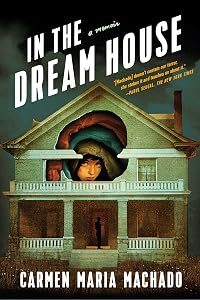
Due to it's time of origin the story comes off as problematic by queer coding the villain to lean into the psycho killer lesbian trope. But the edition I read has been edited by Carmen Maria Machado, and she plays with the meaning of the story in her introduction (which engages in a little literary hoax to add to the fun) and intrudes in the story itself via footnotes with some pertinent information and cutting asides. (By the way, the introduction and footnote #7 should have spoiler alerts and should be read after the story if such spoilers bother you.)
Machado also edits the original text "to reflect a more modern grammatical sensibility where necessary." For example the opening line, "In Styria, we, though by no means magnificent people, inhabit a castle, or schloss." becomes, "In Styria, we—though by no means magnificent people—inhabit a manor-house."
If you prefer to read the original, the full text is in public domain and available online:
https://www.gutenberg.org/files/10007/10007-h/10007-h.htm show less
It's a pretty straightforward horror story, with the narrator, Laura, telling about the time a young woman named Carmilla became a guest in her home under odd circumstances. Laura feels herself drawn to and yet troubled by Carmilla's languid beauty and weird habit of sleeping late in a locked room. And then local women start dying and Laura has strange visitations in the night that leave her weakened and fading. Hmmmmm . . .
The narrative is slowed by show more other characters showing up to tell long stories that are supposed to seem unrelated but are obviously highly relevant.
Due to it's time of origin the story comes off as problematic by queer coding the villain to lean into the psycho killer lesbian trope. But the edition I read has been edited by Carmen Maria Machado, and she plays with the meaning of the story in her introduction (which engages in a little literary hoax to add to the fun) and intrudes in the story itself via footnotes with some pertinent information and cutting asides. (By the way, the introduction and footnote #7 should have spoiler alerts and should be read after the story if such spoilers bother you.)
Machado also edits the original text "to reflect a more modern grammatical sensibility where necessary." For example the opening line, "In Styria, we, though by no means magnificent people, inhabit a castle, or schloss." becomes, "In Styria, we—though by no means magnificent people—inhabit a manor-house."
If you prefer to read the original, the full text is in public domain and available online:
https://www.gutenberg.org/files/10007/10007-h/10007-h.htm show less
I liked this book a lot, hence the rating. However, I absolutely hate the edition “edited” by Carmen Maria Machado. This was my first time reading Carmilla, and this was the copy I got from the library, which gave no indication anywhere on the cover or the publication information that this was anything besides a normal edition of the book with an introduction and scholarly footnotes. It is NOT THAT.
The introduction creates a new framing device wherein Joseph Sheridan LeFanu’s work was not only based on, but was ripped entirely and directly from, letters written by a real historical woman. It explains that LeFanu “drank of what was not his” and attributes everything good about his writing to this fictional woman, Veronica show more Hausle, and claims that LeFanu actually edited the letters to be less gay and complicated, citing a bunch of made up quotes that wouldn’t fit anywhere into the book. It implies that the real Carmilla was actually probably innocent and that LeFanu edited it to reflect incorrect sensibilities. It ends by saying that “I wished this edition to bear LeFanu’s shame. I wish the reader to come to the book with a complete understanding of its inadequacy.” It’s such a weird “fuck you” to the author whose work she is editing and introducing, and someone like me who doesn’t know the first thing about Carmilla might take this introduction at face value unless they do additional research. I don't think it's an exaggeration to say that this lack of clarity is irresponsible or maybe even immoral.
Now that I have finished the book, I do understand what she was doing. She says that the real Carmilla was “Marcia Marén,” which is an anagram of Carmen Maria. In the book it is revealed that Carmilla can change her name, but it must retain all of the same letters, due to vampire rules. So, the big metanarrative of this edition is that Carmen Maria Machado was the actual real Carmilla and that’s why she knows the things that she puts in the footnotes. I get it. I still think it’s done badly, and honestly comes across as disrespectful to the reader and to the author. There is no indication anywhere in the entire edition that this is not an edit, but is in fact a species of rewrite due to the fact that Machado added an entire extra framing device. This is essentially a toned-down “Pride and Prejudice and Zombies” style venture where a new author gets to stick stuff into a classic novel that she thinks is cool, but it is marketed with no indication of this whatsoever, so you think you’re just reading the original Carmilla. The footnotes add absolutely nothing: in fact, they detract heavily from the very tense Gothic tone which LeFanu was utilizing with obvious purpose.
Machado interrupts a description of a river that appears red from the reflected sunset to say, “imagine it, reader: a river of blood,” like she thinks that the reader is stupid and will not be able to understand the subtext of a red river in a book about vampires.
She interrupts the journey to the location where the ultimate conflict of the story will take place to tell us about all of the fanciful creatures which apparently inhabit the forest they are travelling through, including “roguish-but-decent thieves and brigands, fairies, two different species of elves, talking deer, and sentient boulders,” among other things. That moment in particular was so jarring that it felt like I was trying to read a gothic horror story while Carmen Maria Machado leaned over my shoulder and insisted that I was actually reading Tales from Moominvalley.
Also, sometimes her little additions don’t even make any sense, narratively. When the General is telling everyone his sad tale, he describes Carmilla’s “mother” as someone who knew many things about him, indicating to him that they must have been friends at some point, which is part of what convinced him to take Carmilla in. Machado has kindly added a footnote which says “Though he does not say so here, the mysterious woman in fact laid bare one of the general’s greatest and most hidden secrets: his lover, Kurt, whom he had served with decades before. Not only did she know of Kurt’s existence and of the dimensions of their relationship, she knew the words Kurt had said to him in parting, which he had softly dropped in the shell of his ear: ‘I already miss our season.’” How on earth would this help the general accept Carmilla as a guest? If she had revealed not only that she knew something incredibly scandalous about him, but that she knew specific details that it would be impossible for nearly anyone to access, it would not convince him that they had been friends at some point and that he should take her daughter in and trust her. It would make him angry and guarded and suspicious. This doesn’t make any goddamn sense.
Carmen Maria Machado obviously just wanted to write Carmilla self-insert fanfiction. Which is all well and good, but you can’t sell people your fanfiction and insist that it’s just the original book! It’s not cricket! She made my reading experience confusing and frustrating, and she ruined the pacing and tone. I have never seen a real-life Charles Kinbote before today. Astonishing.
Update: I just found out that Machado also edited the text of the book, changing a lot of words and sometimes entire sentence structures, and generally dumbing down the text. So now I feel like I haven’t even read it and I’m going to have to seek out an ACTUAL copy of the book so that I can READ THE BOOK I THOUGHT I WAS READING. What a fucking joke. I can’t believe anyone thought this was a good idea. I’m taking In the Dream House off of my tbr. Machado is now my sworn blood enemy. show less
The introduction creates a new framing device wherein Joseph Sheridan LeFanu’s work was not only based on, but was ripped entirely and directly from, letters written by a real historical woman. It explains that LeFanu “drank of what was not his” and attributes everything good about his writing to this fictional woman, Veronica show more Hausle, and claims that LeFanu actually edited the letters to be less gay and complicated, citing a bunch of made up quotes that wouldn’t fit anywhere into the book. It implies that the real Carmilla was actually probably innocent and that LeFanu edited it to reflect incorrect sensibilities. It ends by saying that “I wished this edition to bear LeFanu’s shame. I wish the reader to come to the book with a complete understanding of its inadequacy.” It’s such a weird “fuck you” to the author whose work she is editing and introducing, and someone like me who doesn’t know the first thing about Carmilla might take this introduction at face value unless they do additional research. I don't think it's an exaggeration to say that this lack of clarity is irresponsible or maybe even immoral.
Now that I have finished the book, I do understand what she was doing. She says that the real Carmilla was “Marcia Marén,” which is an anagram of Carmen Maria. In the book it is revealed that Carmilla can change her name, but it must retain all of the same letters, due to vampire rules. So, the big metanarrative of this edition is that Carmen Maria Machado was the actual real Carmilla and that’s why she knows the things that she puts in the footnotes. I get it. I still think it’s done badly, and honestly comes across as disrespectful to the reader and to the author. There is no indication anywhere in the entire edition that this is not an edit, but is in fact a species of rewrite due to the fact that Machado added an entire extra framing device. This is essentially a toned-down “Pride and Prejudice and Zombies” style venture where a new author gets to stick stuff into a classic novel that she thinks is cool, but it is marketed with no indication of this whatsoever, so you think you’re just reading the original Carmilla. The footnotes add absolutely nothing: in fact, they detract heavily from the very tense Gothic tone which LeFanu was utilizing with obvious purpose.
Machado interrupts a description of a river that appears red from the reflected sunset to say, “imagine it, reader: a river of blood,” like she thinks that the reader is stupid and will not be able to understand the subtext of a red river in a book about vampires.
She interrupts the journey to the location where the ultimate conflict of the story will take place to tell us about all of the fanciful creatures which apparently inhabit the forest they are travelling through, including “roguish-but-decent thieves and brigands, fairies, two different species of elves, talking deer, and sentient boulders,” among other things. That moment in particular was so jarring that it felt like I was trying to read a gothic horror story while Carmen Maria Machado leaned over my shoulder and insisted that I was actually reading Tales from Moominvalley.
Also, sometimes her little additions don’t even make any sense, narratively. When the General is telling everyone his sad tale, he describes Carmilla’s “mother” as someone who knew many things about him, indicating to him that they must have been friends at some point, which is part of what convinced him to take Carmilla in. Machado has kindly added a footnote which says “Though he does not say so here, the mysterious woman in fact laid bare one of the general’s greatest and most hidden secrets: his lover, Kurt, whom he had served with decades before. Not only did she know of Kurt’s existence and of the dimensions of their relationship, she knew the words Kurt had said to him in parting, which he had softly dropped in the shell of his ear: ‘I already miss our season.’” How on earth would this help the general accept Carmilla as a guest? If she had revealed not only that she knew something incredibly scandalous about him, but that she knew specific details that it would be impossible for nearly anyone to access, it would not convince him that they had been friends at some point and that he should take her daughter in and trust her. It would make him angry and guarded and suspicious. This doesn’t make any goddamn sense.
Carmen Maria Machado obviously just wanted to write Carmilla self-insert fanfiction. Which is all well and good, but you can’t sell people your fanfiction and insist that it’s just the original book! It’s not cricket! She made my reading experience confusing and frustrating, and she ruined the pacing and tone. I have never seen a real-life Charles Kinbote before today. Astonishing.
Update: I just found out that Machado also edited the text of the book, changing a lot of words and sometimes entire sentence structures, and generally dumbing down the text. So now I feel like I haven’t even read it and I’m going to have to seek out an ACTUAL copy of the book so that I can READ THE BOOK I THOUGHT I WAS READING. What a fucking joke. I can’t believe anyone thought this was a good idea. I’m taking In the Dream House off of my tbr. Machado is now my sworn blood enemy. show less
You have heard, no doubt, of the appalling superstition that prevails in Upper and Lower Styria, in Moravia, Silesia, in Turkish Serbia, in Poland, even in Russia; the superstition, so we must call it, of the Vampire.
This was a delight. Atmospheric, sensual, brooding, and wonderfully written, a true gem of Gothic literature. Carmilla manages to retain its spookiness all these decades later, because even though we’ve reached a level of vampire supersaturation in the media that J. Sheridan Le Fanu probably wouldn’t have thought possible, the central horror of the story—inviting someone into your home who is not what they appear to be—is still scary.
This is also a situation where the thin line between wanting someone and wanting show more to be someone that often exists for gay people is used to great effect.
”I wonder whether you feel as strangely drawn towards me as I do to you...”
There is much discussion about just how gay this novella is, but I’m not interested so much in analysing the exact authorial intent as I am with praising how well the final result has turned out. Carmilla is drawn towards Laura, both out of loneliness and desire, and at the same time she is bound to consume and destroy her. Laura represents both Carmilla’s idealised love interest and the person that she wishes she could be (innocent, mortal, guileless... heterosexual?) and yet knows she can never return to. Finding the woman you most want to be, falling in love with her, destroying her, being destroyed. Psychosexual to the max. The tragic erotic potential of the vampire is fully realised here, despite the relative chasteness of the story itself.
I have to laud Le Fanu’s prose too, because his descriptions—especially of landscapes—are so evocative I could picture them all in my mind with incredible clarity. The writing is wonderful the whole way through, always with a current of unease and feverishness, and even though you’ll see the ending coming from a mile away, getting there is great fun.
Read it for free here! show less
This was a delight. Atmospheric, sensual, brooding, and wonderfully written, a true gem of Gothic literature. Carmilla manages to retain its spookiness all these decades later, because even though we’ve reached a level of vampire supersaturation in the media that J. Sheridan Le Fanu probably wouldn’t have thought possible, the central horror of the story—inviting someone into your home who is not what they appear to be—is still scary.
This is also a situation where the thin line between wanting someone and wanting show more to be someone that often exists for gay people is used to great effect.
”I wonder whether you feel as strangely drawn towards me as I do to you...”
There is much discussion about just how gay this novella is, but I’m not interested so much in analysing the exact authorial intent as I am with praising how well the final result has turned out. Carmilla is drawn towards Laura, both out of loneliness and desire, and at the same time she is bound to consume and destroy her. Laura represents both Carmilla’s idealised love interest and the person that she wishes she could be (innocent, mortal, guileless... heterosexual?) and yet knows she can never return to. Finding the woman you most want to be, falling in love with her, destroying her, being destroyed. Psychosexual to the max. The tragic erotic potential of the vampire is fully realised here, despite the relative chasteness of the story itself.
I have to laud Le Fanu’s prose too, because his descriptions—especially of landscapes—are so evocative I could picture them all in my mind with incredible clarity. The writing is wonderful the whole way through, always with a current of unease and feverishness, and even though you’ll see the ending coming from a mile away, getting there is great fun.
Read it for free here! show less
Members
- Recently Added By
Lists

Favourite 19th century fiction
257 works; 62 members

Classics you know you should have read but probably haven't
421 works; 409 members

Best Gothic Fiction
110 works; 29 members

Pre-1969 LGBTQ Literature
182 works; 69 members

Best Fantasy Novels
821 works; 357 members

NPR Reader Poll: 100 Best Horror Novels and Stories
100 works; 20 members
Scary Stories for the Season
160 works; 94 members

Favourite Books
1,819 works; 316 members
Bloody Good Vampire Books
394 works; 27 members

Survey of Classic Fantastic Fiction
36 works; 9 members

19th Century
190 works; 16 members
Mythical Monsters of the World
199 works; 79 members

Gothicissisme I : Classics
24 works; 3 members

Houses and Buildings as Characters in Fiction
182 works; 29 members

LGBTQIA Horror
172 works; 7 members

LGBTQ+ Speculative Fiction
821 works; 51 members

Books Read in 2014
2,343 works; 86 members

Best Horror Mega-List
342 works; 6 members

Authors from Ireland
17 works; 1 member
Overdue Podcast
808 works; 9 members

Good LGBT fiction for LGBT folk and friends
551 works; 55 members

Books Read in 2022
5,226 works; 115 members

al.vick-wishlist-scifi-fant
181 works; 2 members

Reedsydiscovery 100 Best Horror Books of All Time
100 works; 5 members

Short Stories, Tales and Novellas
31 works; 1 member

Phoebe Bridgers
29 works; 1 member

BlackDog's Complete Paperbacks From Hell List
639 works; 3 members
el
1,139 works; 1 member

Books Read in 2025
4,128 works; 98 members

Every Lesbian Book I read
13 works; 1 member
Sapph-Lit
78 works; 4 members
Global Reads: Books Set in Western Europe
186 works; 10 members

Anti-heroines in fiction
59 works; 9 members

Top Five Books of 2024
795 works; 264 members

Best of Irish Literature
37 works; 7 members

ScaredyKIT 2024
13 works; 1 member
Best Vampire & Werewolf Fiction
221 works; 146 members
Horror Then & Now
44 works; 4 members
Kate & Cheyanne's Horror Extravaganza
144 works; 6 members
horror
11 works; 1 member

Books Read in 2024
4,727 works; 128 members

Books Read in 2019
4,052 works; 110 members

SFF standalone novellas with female protagonists
101 works; 4 members

Horror (Owned TBR)
60 works; 1 member
Talk Discussions
Past Discussions
Sheridan Le Fanu's Carmilla in Gothic Literature (February 2019)
THE DEEP ONES: "Carmilla" by J. Sheridan Le Fanu in The Weird Tradition (June 2017)
Author Information

267+ Works 12,402 Members
The greatest author of supernatural fiction during the nineteenth century was undoubtedly J. Sheridan Le Fanu. Le Fanu was born in Dublin and, as with so many other English popular fiction authors of his time, entered the genre of fiction by way of journalism, working on such publications as the Evening Mail and the Dublin University Magazine. Le show more Fanu came from a middle-class background; his family was of Huguenot descent. He graduated from Trinity College and married in 1844. After his wife died in 1858, until his own death, Le Fanu was known as a recluse, creating his ghost fiction late at night in bed. Probably he began writing ghost fiction in 1838; his earliest supernatural story is often cited as being either "The Ghost and the Bone-Setter" or the "Fortunes of Sir Robert Ardagh," both of which were later collected in the anthology entitled The Purcell Papers (1880). Writing most effectively in the short story form, Le Fanu's tales such as "Carmilla" (a vampire story that is thought possibly to have influenced Bram Stoker's Dracula) and the problematic "Green Tea" are considered by many literary scholars to be classics of the supernatural genre. His lengthy Gothic novels, such as Uncle Silas (1864), though less highly regarded than his shorter fiction, are nonetheless wonderfully atmospheric. Le Fanu's particular brand of literary horror tends toward the refined, subtle fright rather than the graphic sensationalism of Matthew Gregory Lewis. His work influenced other prominent horror fiction authors, including M. R. James. (Bowker Author Biography) show less
Some Editions
Awards and Honors
Awards
Notable Lists
Series
Belongs to Publisher Series
Work Relationships
Is contained in
100 Books You Must Read Before You Die (Genuine List): How many have you read? (Kindle) by Fei Yang (indirect)
Nun vidro misterioso, vol. 2: O familiar, O xuíz Harbotte e Carmilla, unha historia de vampiros by Sheridan Le Fanu
Chloe Plus Olivia: An Anthology of Lesbian Literature from the 17th Century to the Present by Lillian Faderman
Great Classic Horror Stories: Frankenstein, the Signalman Carmilla, Dr. Jekyll and Mr. Hyde the Yellow Wallpaper, Dracula by Alison Larkin
Vampiricon: 50 Vampire Books, Stories, and Poems (Dracula, Dracula's Guest, Carmilla, Varney, The Vampyre, More) by James Malcolm Rymer
The Collected Supernatural and Weird Fiction of J. Sheridan Le Fanu: Volume 1-Including Two Novels, 'The Haunted Baronet' and 'The Evil Guest, ' One N by Sheridan Le Fanu
Carmilla: WITH Passage in the Secret History of an Irish Countess AND Strange Event in the Life of Schalken the Painter by Sheridan Le Fanu
Is retold in
Has the adaptation
Is abridged in
Inspired
Common Knowledge
- Canonical title
- Carmilla: A Vampyre Tale
- Original title
- Carmilla: A Vampyre Tale
- Alternate titles
- Carmilla
- Original publication date
- 1872
- People/Characters
- Carmilla; Laura (narrator); General Spielsdorf; Madame Perrodon; Mademoiselle De Lafontaine; Bertha Rheinfeldt (show all 18); Doctor Spielsberg; Millarca; Mircalla, Countess Karnstein; Baron Vordenburg; Laura's father; Carmilla's mother; Matska; Doctor Hesselius; Peter Fontenot (doctor, Carmen Maria Machado edition); Veronika Hausle (made-up inspiration for Laura, née Archer, Carmen Maria Machado edition); Marcia Marén (made-up inspiration for Carmilla, anagram of "Carmen Maria", Carmen Maria Machado edition); Jane Leight (doctor, Carmen Maria Machado edition)
- Important places
- Styria, Austria; Karnstein Castle, Styria, Austria; Austria
- Related movies
- The Vampire Lovers (1970 | IMDb); Vampyr (1932 | IMDb); Et mourir de plaisir (1960 | IMDb); La cripta e l'incubo (1964 | IMDb); La novia ensangrentada (1972 | IMDb); Carmilla (2014 | IMDb)
- First words
- Upon a paper attached to the Narrative which follows, Doctor Hesselius has written a rather elaborate note, which he accompanies with a reference to his Essay on the strange subject which the MS. illuminates.
[Prologue]
Upon a paper attached to the following narrative, Doctor Hesselius has written a rather elaborate note, which he accompanies with a reference to his essay on the strange subject which the manuscript illuminates.
[Prologue,... (show all) Carmen Maria Machado edition)
In Styria, we, though by no means magnificent people, inhabit a castle, or schloss.
[Chapter 1]
In Styria, we—though by no means magnificent people—inhabit a manor-house.
[Chapter 1, Carmen Maria Machado edition] - Last words
- (Click to show. Warning: May contain spoilers.)It was long before the terror of recent events subsided; and to this hour the image of Carmilla returns to memory with ambiguous alternations—sometimes the playful, languid, beautiful girl; sometimes the writhing fiend I saw in the ruined church; and often from a reverie I have started, fancying I heard the light step of Carmilla at the drawing room door.
(Click to show. Warning: May contain spoilers.)It was long before the terror of recent events subsided. And to this hour the image of Carmilla returns to my memory with ambiguous alternations—sometimes the playful, languid, beautiful girl; sometimes the writhing fiend I saw in the ruined church. Sometimes I start from a reverie, certain I heard the light step of Carmilla at the drawing-room door.
[Carmen Maria Machado edition] - Blurbers
- Hall, Jordan; McBrayer, Mary Kay; Brown, Amelia; Coldiron, Katharine
- Original language
- English
- Canonical DDC/MDS
- 823.087381
- Canonical LCC
- PR4879.L7
- Disambiguation notice
- In the 2019 Carmen Maria Machado edition, "The text is edited to reflect a more modern grammatical sensibility where necessary."
Classifications
- Genres
- Horror, Fiction and Literature, LGBTQ+, General Fiction, Fantasy
- DDC/MDS
- 823.087381 — Literature & rhetoric English & Old English literatures English fiction By type Genre fiction Adventure fiction Horror and ghost fiction Horror fiction Vampires and the undead
- LCC
- PR4879 .L7 — Language and Literature English English Literature 19th century , 1770/1800-1890/1900
- BISAC
Statistics
- Members
- 4,822
- Popularity
- 2,953
- Reviews
- 189
- Rating
- (3.75)
- Languages
- 15 — Catalan, Chinese, Czech, English, French, German, Greek, Hungarian, Italian, Polish, Russian, Spanish, Swedish, Turkish, Portuguese (Portugal)
- Media
- Paper, Audiobook, Ebook
- ISBNs
- 322
- ASINs
- 101