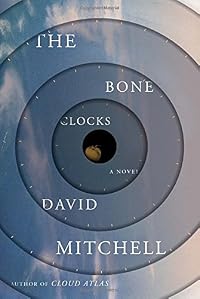
On This Page
Description
Following a scalding row with her mother, fifteen-year-old Holly Sykes slams the door on her old life. But Holly is no typical teenage runaway: a sensitive child once contacted by voices she knew only as "the radio people," Holly is a lightning rod for psychic phenomena. Now, as she wanders deeper into the English countryside, visions and coincidences reorder her reality until they assume the aura of a nightmare brought to life. For Holly has caught the attention of a cabal of dangerous show more mystics -- and their enemies. But her lost weekend is merely the prelude to a shocking disappearance that leaves her family irrevocably scarred. This unsolved mystery will echo through every decade of Holly's life, affecting all the people Holly loves -- even the ones who are not yet born. A Cambridge scholarship boy grooming himself for wealth and influence, a conflicted father who feels alive only while reporting from occupied Iraq, a middle-aged writer mourning his exile from the bestseller list -- all have a part to play in this surreal, invisible war on the margins of our world. From the medieval Swiss Alps to the nineteenth-century Australian bush, from a hotel in Shanghai to a Manhattan townhouse in the near future, their stories come together in moments of everyday grace and extraordinary wonder. show lessTags
Recommendations

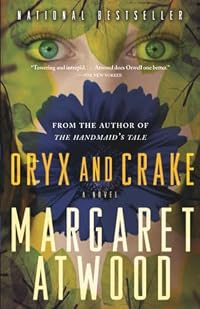
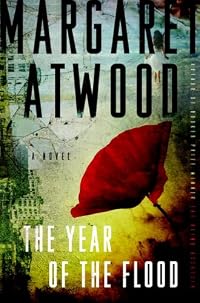
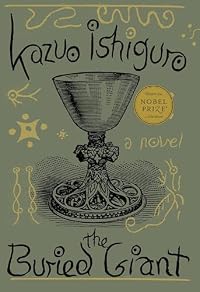
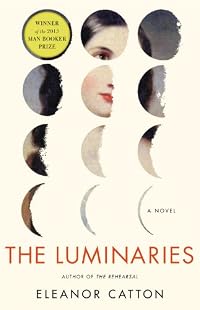
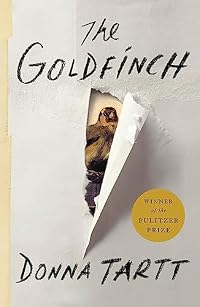
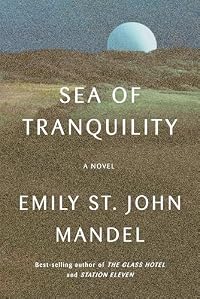
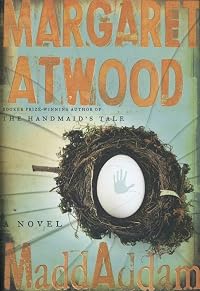
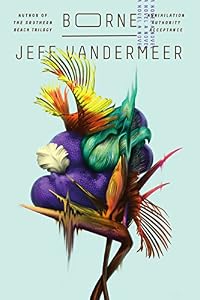

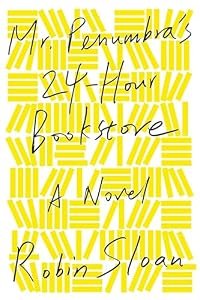
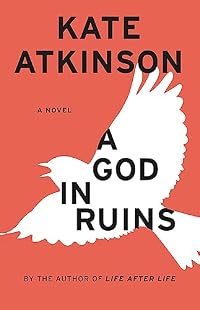
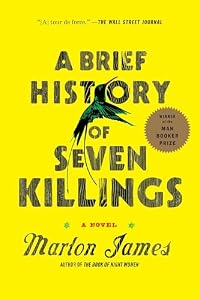
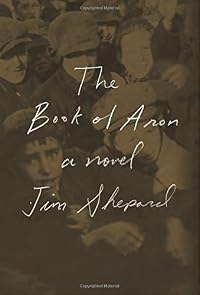

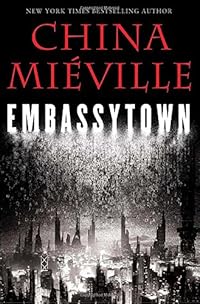

Member Recommendations
jody Has that same clever connectivity that makes mitchells books so intriguing.
151
sturlington The Bone Clocks reminded me strongly of Neil Gaiman and David Mitchell has said that Gaiman was an influence.
92
zhejw Both books explore human connections made across multiple generations and across oceans while ultimately concluding in Ireland.
31
shurikt Fascinating character studies, and just enough (possibly) supernatural activity to bend genre.
21
Member Reviews
What if there was an invisible war being waged between small groups of people who could live forever? What if those little moments of intuition some people have were gifts, and that precognition was real? This is the backdrop to David Mitchell’s latest tome, which is an ambitious blend of fantasy and reality told over 1984 to 2043 in six segments.
Mitchell is a masterful author who always brings a lot to the table. In this book, I liked the elements of realism best. The fantasy element is always hovering, but it’s often in the background, and I loved the stories told from four different character’s perspectives, including a teenager going through a rebellious phase, a college-aged hedonist, a war reporter in Iraq, and an aging, show more bitter author. All of them revolve around or intersect a single woman, Holly Sykes. The book’s final chapter with the world as we know it breaking down was also quite realistic, and in a disturbing way.
By contrast, during the fifth of the six chapters in the book, where the fantasy plot comes to a boil, it felt at times like I was reading a Harry Potter book, and a little predictable. However, that’s not a horrible thing (hey I loved the HP series), and it was certainly never boring.
More importantly to me, Mitchell continues to show his gifts for psychological insight, humor, and cultural breadth. His characters have subtlety. And as in his other books, he’s at his very best in letting the insidiousness of evil unfold and become apparent to the reader gradually.
There are characters that appear from his past novels, most notably Hugo Lamb, who Mitchell fans may remember from Black Swan Green. One of his recurring themes does as well: that evil exists in the world in many forms, and it must be confronted. Mitchell reminds us of the beauty of life and mankind’s finest traits, and at the same how fragile it all is. Change is inevitable, and so is pain. There will always be an ebb and flow between the angels of our better natures, and darkness. Mitchell’s use of either recurring characters or the “reincarnated” here who continue to battle generation after generation are, I think, symbols for the heroes in any day and age who must rise to fight the good fight. He’s an intelligent, inspiring author, and even if fantasy is not your cup of tea, if you suspend disbelief for a bit, you’ll find things you like here.
Quotes:
On heaven, or small, beautiful moments:
“’What if…what if heaven is real, but only in moments? Like a glass of water on a hot day when you’re dying of thirst, or when someone’s nice to you for no reason, or…’ Mam’s pancakes with Mars Bar sauce; Dad’s dashing up from the bar just to tell me, ‘Sleep tight don’t let the bedbugs bite’; or Jacko and Sharon singing ‘For She’s a Squishy Marshmalow’ instead of ‘For She’s a Jolly Good Fellow’ every single birthday and wetting themselves even though it’s not at all funny; and Brendan giving his old record player to me instead of one of his mates. ‘S’pose heaven’s not like a painting that’s just hanging there forever, but more like … like the best song anyone ever wrote, but a song you only catch in snatches, while you’re alive, from passing cars, or…upstairs windows when you’re lost…’”
On power:
“’Power is lost or won, never created or destroyed. Power is a visitor to, not a possession of, those it empowers. The mad tend to crave it, many of the sane crave it, but the wise worry about its long-term side effects. Power is crack cocaine for your ego and battery acid for your soul. Power’s comings and goings, from host to host, via war, marriage, ballot box, diktat, and accident of birth, are the plot of history. The empowered may serve justice, remodel the Earth, transform lush nations into smoking battlefields, and bring down skyscrapers, but power itself is amoral.’ Immaculee Constantin now looks up at me. ‘Power will notice you. Power is watching you now. Carry on as you are, and power will favor you. But power will also laugh at you, mercilessly, as you lie dying in a private clinic, a few fleeting decades from now. Power mocks all its illustrious favorites as they lie dying. ‘Imperious Caesar, dead and turn’d to clay, might stop a hole to keep the wind away.’”
On youth, from Joseph Conrad’s short story ‘Youth’:
“By all that’s wonderful it is the sea, I believe, the sea itself – or is it youth alone? Who can tell? But you here – you all had something out of life: money, love – whatever one gets on shore – and, tell me, wasn’t that the best time, that time we were young at sea; young and had nothing, on the sea that gives nothing, except hard knocks – and sometimes a chance to feel your strength – that only – what you all regret?’” show less
Mitchell is a masterful author who always brings a lot to the table. In this book, I liked the elements of realism best. The fantasy element is always hovering, but it’s often in the background, and I loved the stories told from four different character’s perspectives, including a teenager going through a rebellious phase, a college-aged hedonist, a war reporter in Iraq, and an aging, show more bitter author. All of them revolve around or intersect a single woman, Holly Sykes. The book’s final chapter with the world as we know it breaking down was also quite realistic, and in a disturbing way.
By contrast, during the fifth of the six chapters in the book, where the fantasy plot comes to a boil, it felt at times like I was reading a Harry Potter book, and a little predictable. However, that’s not a horrible thing (hey I loved the HP series), and it was certainly never boring.
More importantly to me, Mitchell continues to show his gifts for psychological insight, humor, and cultural breadth. His characters have subtlety. And as in his other books, he’s at his very best in letting the insidiousness of evil unfold and become apparent to the reader gradually.
There are characters that appear from his past novels, most notably Hugo Lamb, who Mitchell fans may remember from Black Swan Green. One of his recurring themes does as well: that evil exists in the world in many forms, and it must be confronted. Mitchell reminds us of the beauty of life and mankind’s finest traits, and at the same how fragile it all is. Change is inevitable, and so is pain. There will always be an ebb and flow between the angels of our better natures, and darkness. Mitchell’s use of either recurring characters or the “reincarnated” here who continue to battle generation after generation are, I think, symbols for the heroes in any day and age who must rise to fight the good fight. He’s an intelligent, inspiring author, and even if fantasy is not your cup of tea, if you suspend disbelief for a bit, you’ll find things you like here.
Quotes:
On heaven, or small, beautiful moments:
“’What if…what if heaven is real, but only in moments? Like a glass of water on a hot day when you’re dying of thirst, or when someone’s nice to you for no reason, or…’ Mam’s pancakes with Mars Bar sauce; Dad’s dashing up from the bar just to tell me, ‘Sleep tight don’t let the bedbugs bite’; or Jacko and Sharon singing ‘For She’s a Squishy Marshmalow’ instead of ‘For She’s a Jolly Good Fellow’ every single birthday and wetting themselves even though it’s not at all funny; and Brendan giving his old record player to me instead of one of his mates. ‘S’pose heaven’s not like a painting that’s just hanging there forever, but more like … like the best song anyone ever wrote, but a song you only catch in snatches, while you’re alive, from passing cars, or…upstairs windows when you’re lost…’”
On power:
“’Power is lost or won, never created or destroyed. Power is a visitor to, not a possession of, those it empowers. The mad tend to crave it, many of the sane crave it, but the wise worry about its long-term side effects. Power is crack cocaine for your ego and battery acid for your soul. Power’s comings and goings, from host to host, via war, marriage, ballot box, diktat, and accident of birth, are the plot of history. The empowered may serve justice, remodel the Earth, transform lush nations into smoking battlefields, and bring down skyscrapers, but power itself is amoral.’ Immaculee Constantin now looks up at me. ‘Power will notice you. Power is watching you now. Carry on as you are, and power will favor you. But power will also laugh at you, mercilessly, as you lie dying in a private clinic, a few fleeting decades from now. Power mocks all its illustrious favorites as they lie dying. ‘Imperious Caesar, dead and turn’d to clay, might stop a hole to keep the wind away.’”
On youth, from Joseph Conrad’s short story ‘Youth’:
“By all that’s wonderful it is the sea, I believe, the sea itself – or is it youth alone? Who can tell? But you here – you all had something out of life: money, love – whatever one gets on shore – and, tell me, wasn’t that the best time, that time we were young at sea; young and had nothing, on the sea that gives nothing, except hard knocks – and sometimes a chance to feel your strength – that only – what you all regret?’” show less
There's so much to like, the writing and voice is amazing, the scope and ambition also amazing. Holly is the most compulsively readable of the characters. To be honest I'd read an entire non spec fic book just about her life.
The speculative elements felt intrusive and confusing at times, and Mitchell moves perspective in a way that only litfic can get away with (watch a genre book get shot down in flames for attempting that!) I was perhaps less interested in the speculative elements than the real world ones, which had muddled worldbuilding at times and mysterious motivations in excess.
However, I can forgive those vagaries as a) being an intentional style choice and b) this isn't considered a downside in litfic, afaik. Genre fiction show more tends to have stricter standards for its worldbuilding than litfic.
Some of the characters were excellent, even though I disliked them as people. Crispin Hershey was a fucking pathetic human being yet really compelling and interesting, and I did feel sorry for him overall. Hugo Lamb, though was hard to read, I found him so unpleasant. I'm glad he hasnt' got many sections.
There is just SO MUCH going on in the novel... so many references, analyses, musings, cultural dips and dives, a billion different things. It's long, but not wordy or airy; every sentence is packed.
I would very much recommend this novel for fans of 15 Lives of Harry August (Claire North) as there are many similar and overlapping themes, but done in a very different way. show less
The speculative elements felt intrusive and confusing at times, and Mitchell moves perspective in a way that only litfic can get away with (watch a genre book get shot down in flames for attempting that!) I was perhaps less interested in the speculative elements than the real world ones, which had muddled worldbuilding at times and mysterious motivations in excess.
However, I can forgive those vagaries as a) being an intentional style choice and b) this isn't considered a downside in litfic, afaik. Genre fiction show more tends to have stricter standards for its worldbuilding than litfic.
Some of the characters were excellent, even though I disliked them as people. Crispin Hershey was a fucking pathetic human being yet really compelling and interesting, and I did feel sorry for him overall. Hugo Lamb, though was hard to read, I found him so unpleasant. I'm glad he hasnt' got many sections.
There is just SO MUCH going on in the novel... so many references, analyses, musings, cultural dips and dives, a billion different things. It's long, but not wordy or airy; every sentence is packed.
I would very much recommend this novel for fans of 15 Lives of Harry August (Claire North) as there are many similar and overlapping themes, but done in a very different way. show less
The Short Version: do yourself a favour and read this book
This image has an empty alt attribute; its file name is 1450675641-8-books-by-indian-authors-that-you-must-read-now_500x380.gif
This is astonishingly good. The audiobook was twenty-four hours long and I enjoyed every minute of it.
David Mitchell has managed to go toe-to-toe with modern fantasy writers in terms of creating supernatural beings and magical systems and a long struggle between darkness and light. Then he's raised the game by embedding the story in a vividly evoked past and a credible near-future and telling it all through the eyes of engaging, credible, memorable characters.
David Mitchell let me take up residence in the heads of people who were very different from show more each other and often only loosely associated with one another and I believed in each of them, even the ones I didn't like. In one case he let me occupy the head of the same person when they were in their teens and in their sixties and succeeded in showing me that they were and weren't the same person.
The book goes from the nineteen eighties to the twenty forties. Capturing the decades that I've already lived through so accurately meant his descriptions of the parts in the future felt real and prophetic.
I strongly recommend that you make the time to listen to this audiobook. It's exceptional.
The Longer Version - what reading 'The Bone Clocks' was like
This is such a long book and such a good book that I want to share the reactions I had to it as I went along.
In the beginning
I bought 'The Bone Clocks' in 2014 when it was long-listed for the Man Booker Prize. Maybe that was where things went wrong. I'd mentally shelved it as 'Literature' with a capital L for LONG (the audiobook is 24hours of listening) and didn't pick it up again, even when it won the 2015 World Fantasy Award. Now it's being hailed as an on-topic climate change book Anyway, I decided it had to go on my Read Or Throw list and I finally started it today.
WOW. I'm immediately and totally in Kent in the 1980s, following a fifteen-year-old Holly Sykes, who is leaving home after a row and I'm learning about the 'weird shit' in her history when she could hear 'the radio people' and I don't want to put this down.
Holly is engaging and believable and seeing 80s Gravesend through her eyes is like watching a huge UHD screen where no detail is lost.
At the end of Part 2
What stood out about Part 1, the Holly Sykes section of the book was the realism of the account. Holly sounds like a fifteen-year-old girl who has run away from home. All the details and the people are right. Which makes the supernatural stuff, when it finally arrives in a burst of violence, seem even more vivid. Lots of trailing of snippets of information about some kind of supernatural war, with comments from both sides, but not enough to do more than make me curious. The violence was graphic but believable.
Just as I was settling down in Holly's head, we skip forward from 1985 to 1991 and I find myself sitting in the mind of Hugo, a repugnant young man who is about to graduate from Cambridge. He's bright, slick, at least amoral and possibly evil and he embodies many of the reasons why I had no desire to go to Cambridge or Oxford. I'm already hoping something bad will happen to him, that I'll be there to watch and that it takes a while.
Mitchell knows how to press my buttons.
I liked the definition of power offered to Hugo by what he does not yet know is a supernatural entity. It's a clever definition and one that undermines the smug, short-term, fundamentally middle-class definition of power that Hugo offered (the ability to make people do things they don't want to do or not do things they do want to do). It pictures power as a virus or a parasite moving from host to host.
Power is lost or won, never created or destroyed. Power is a visitor to, not a possession of, those it empowers. The mad tend to crave it. Many of the sane crave it but the wise tend to worry about its long-term side-effects. Power is crack-cocaine for your ego and battery acid for your soul. Power's comings and goings from host to host, via war, marriage, ballot box, dictations and accident of birth are the plot of history. The empowered may serve justice, remodel the earth, transform lush nations into smoking battlefields and bring down skyscrapers but power itself is amoral.
I rather like this idea of power as a vampire, using and finally draining its hosts.
At the end of Part 3
With each part of the book, we move from one head to another, not just change the eyes that you're looking at the story through. Each Part is a novella conveying the personality, history and hopes of the person at its centre. It's as if the author is moving from body to body and sitting as an unnoticed passenger at the back of each character's mind, rather like the disembodied supernaturals at the edges of the story.
I've just finished the third novella. It's so vivid and real. A wonderful intercutting of a memory of being in Bagdad the week before as a war correspondent and the flatter reality of being at a family wedding. The pull of the addictive danger of a war zone is set against the love of his child and his wife. This was totally gripping and highly emotional and managed to balance the wedding and the war in terms of trauma.
At the end of the book
I got swept up in the story and didn't keep detailed notes as I went along but here's what stood out for me:
The change of tone as we follow the jaded Lit Fic author to bookish events around the world was astonishing. I was amazed to find myself feeling compassion for this dried out, successful but disappointed man. Inevitably, I wondered if he was Mitchell's portrait in the attic, the man he's hoping not to be. This was reinforced when the author suggests to his editor that he wants to write a fantasy novel that's also literary fiction. The editor believes this can't be done. It sounds a lot like a pitch for 'The Bone Clocks'.
The battle between the dark and light supernatural forces was brilliantly conceived and executed. In any other book, this would have been the big bang finish. Not in this book though. In this book, we see the reality that the struggle never stops, regardless of the price paid.
The final portion of the book, which takes place in Sheep's Head in County Cork in 2043, was outstanding and disturbing. We return to Holly Sykes' head. She's now sixty-four and caring for her granddaughter and an adopted child. The world that's being evoked is one coming to terms with the reality of climate change. One where the young are turning their anger on the boomers who made the mess they must now live through, where the Church is again pushing for control of Ireland, where the Chinese are the only functioning super power. Holly calls this unravelling of the world she grew up in 'the Endarklement'. It's grim and very plausible. And yet the thing that struck me most was how I could see in this sixty-four year-old woman the fifteen year-old girl she had been and all the changes she'd lived through.
I strongly recommend the audiobook version which benefits from multiple narrators, all of whom do a great job. I see that there's a new audiobook being released this month which is only ten hours long but which isn't marked as abridged. I don't know how they're managing that. Click on the SoundCloud link below to hear an extract from the version I listened to.
https://soundcloud.com/audibleuk/the-bone-clocks-by-david-mitchell show less
This image has an empty alt attribute; its file name is 1450675641-8-books-by-indian-authors-that-you-must-read-now_500x380.gif
This is astonishingly good. The audiobook was twenty-four hours long and I enjoyed every minute of it.
David Mitchell has managed to go toe-to-toe with modern fantasy writers in terms of creating supernatural beings and magical systems and a long struggle between darkness and light. Then he's raised the game by embedding the story in a vividly evoked past and a credible near-future and telling it all through the eyes of engaging, credible, memorable characters.
David Mitchell let me take up residence in the heads of people who were very different from show more each other and often only loosely associated with one another and I believed in each of them, even the ones I didn't like. In one case he let me occupy the head of the same person when they were in their teens and in their sixties and succeeded in showing me that they were and weren't the same person.
The book goes from the nineteen eighties to the twenty forties. Capturing the decades that I've already lived through so accurately meant his descriptions of the parts in the future felt real and prophetic.
I strongly recommend that you make the time to listen to this audiobook. It's exceptional.
The Longer Version - what reading 'The Bone Clocks' was like
This is such a long book and such a good book that I want to share the reactions I had to it as I went along.
In the beginning
I bought 'The Bone Clocks' in 2014 when it was long-listed for the Man Booker Prize. Maybe that was where things went wrong. I'd mentally shelved it as 'Literature' with a capital L for LONG (the audiobook is 24hours of listening) and didn't pick it up again, even when it won the 2015 World Fantasy Award. Now it's being hailed as an on-topic climate change book Anyway, I decided it had to go on my Read Or Throw list and I finally started it today.
WOW. I'm immediately and totally in Kent in the 1980s, following a fifteen-year-old Holly Sykes, who is leaving home after a row and I'm learning about the 'weird shit' in her history when she could hear 'the radio people' and I don't want to put this down.
Holly is engaging and believable and seeing 80s Gravesend through her eyes is like watching a huge UHD screen where no detail is lost.
At the end of Part 2
What stood out about Part 1, the Holly Sykes section of the book was the realism of the account. Holly sounds like a fifteen-year-old girl who has run away from home. All the details and the people are right. Which makes the supernatural stuff, when it finally arrives in a burst of violence, seem even more vivid. Lots of trailing of snippets of information about some kind of supernatural war, with comments from both sides, but not enough to do more than make me curious. The violence was graphic but believable.
Just as I was settling down in Holly's head, we skip forward from 1985 to 1991 and I find myself sitting in the mind of Hugo, a repugnant young man who is about to graduate from Cambridge. He's bright, slick, at least amoral and possibly evil and he embodies many of the reasons why I had no desire to go to Cambridge or Oxford. I'm already hoping something bad will happen to him, that I'll be there to watch and that it takes a while.
Mitchell knows how to press my buttons.
I liked the definition of power offered to Hugo by what he does not yet know is a supernatural entity. It's a clever definition and one that undermines the smug, short-term, fundamentally middle-class definition of power that Hugo offered (the ability to make people do things they don't want to do or not do things they do want to do). It pictures power as a virus or a parasite moving from host to host.
Power is lost or won, never created or destroyed. Power is a visitor to, not a possession of, those it empowers. The mad tend to crave it. Many of the sane crave it but the wise tend to worry about its long-term side-effects. Power is crack-cocaine for your ego and battery acid for your soul. Power's comings and goings from host to host, via war, marriage, ballot box, dictations and accident of birth are the plot of history. The empowered may serve justice, remodel the earth, transform lush nations into smoking battlefields and bring down skyscrapers but power itself is amoral.
I rather like this idea of power as a vampire, using and finally draining its hosts.
At the end of Part 3
With each part of the book, we move from one head to another, not just change the eyes that you're looking at the story through. Each Part is a novella conveying the personality, history and hopes of the person at its centre. It's as if the author is moving from body to body and sitting as an unnoticed passenger at the back of each character's mind, rather like the disembodied supernaturals at the edges of the story.
I've just finished the third novella. It's so vivid and real. A wonderful intercutting of a memory of being in Bagdad the week before as a war correspondent and the flatter reality of being at a family wedding. The pull of the addictive danger of a war zone is set against the love of his child and his wife. This was totally gripping and highly emotional and managed to balance the wedding and the war in terms of trauma.
At the end of the book
I got swept up in the story and didn't keep detailed notes as I went along but here's what stood out for me:
The change of tone as we follow the jaded Lit Fic author to bookish events around the world was astonishing. I was amazed to find myself feeling compassion for this dried out, successful but disappointed man. Inevitably, I wondered if he was Mitchell's portrait in the attic, the man he's hoping not to be. This was reinforced when the author suggests to his editor that he wants to write a fantasy novel that's also literary fiction. The editor believes this can't be done. It sounds a lot like a pitch for 'The Bone Clocks'.
The battle between the dark and light supernatural forces was brilliantly conceived and executed. In any other book, this would have been the big bang finish. Not in this book though. In this book, we see the reality that the struggle never stops, regardless of the price paid.
The final portion of the book, which takes place in Sheep's Head in County Cork in 2043, was outstanding and disturbing. We return to Holly Sykes' head. She's now sixty-four and caring for her granddaughter and an adopted child. The world that's being evoked is one coming to terms with the reality of climate change. One where the young are turning their anger on the boomers who made the mess they must now live through, where the Church is again pushing for control of Ireland, where the Chinese are the only functioning super power. Holly calls this unravelling of the world she grew up in 'the Endarklement'. It's grim and very plausible. And yet the thing that struck me most was how I could see in this sixty-four year-old woman the fifteen year-old girl she had been and all the changes she'd lived through.
I strongly recommend the audiobook version which benefits from multiple narrators, all of whom do a great job. I see that there's a new audiobook being released this month which is only ten hours long but which isn't marked as abridged. I don't know how they're managing that. Click on the SoundCloud link below to hear an extract from the version I listened to.
https://soundcloud.com/audibleuk/the-bone-clocks-by-david-mitchell show less
Outside the last two chapters, I loved this book. Mitchell's writing is incredible. His main characters are flawlessly written.
The last two chapters could have been just as good were it not for the abrupt switch into fantasy Harry Potter-style magic mixed with Westernized Eastern religions in the penultimate chapter, which was abrupt and very unwelcome. It came as a tremendous information dump, leading to the ridiculous battle.
The final chapter was good, except for the lengthy and overly wrought disaster movie lecture on climate change, which droned on for far too long and added little to the overall story.
The final chapter was good, except for the lengthy and overly wrought disaster movie lecture on climate change, which droned on for far too long and added little to the overall story.
I find this book very difficult to review and rate fairly.
It follows Holly Sykes, a wayward teen from the weekend she decides to ‘run away’ from home and that decision, whether by chance or fate, sets the course of the next 60 years.
This is my first David Mitchell book and I love his writing in this. I often found myself savouring a turn of phrase or a whole section over and over again. The characters are so real and three dimensional you can’t help enjoy learning all about them, even those challenging to like. I also loved the time breaks and the seeds that were placed over years to lead us to the 'present day' chapters... that said there was so much of the book that seemed superfluous to the plot. Whole characters who were show more given centre stage and over a hundred pages of story but ultimately had no role to play in the overall plot of the book. Were these meant to be a red herring to the reader or simply a stop gap measure – with breadcrumbs of important information - to fill a time period until we get to the final story? It certainly felt like that.
The whole last section of the book left me confused as to why it was included, I felt if the book started with this chapter I would be hooked but coming at the end it felt over plotted and really disruptive to the conclusion… but yet the ending itself was satisfying.
So this is my dilemma… I liked the book but could I recommend it? Maybe to a very specific reader… one who is willing to take a chance and invest time into a beautifully written but complicated and convoluted story… something like a life itself. show less
It follows Holly Sykes, a wayward teen from the weekend she decides to ‘run away’ from home and that decision, whether by chance or fate, sets the course of the next 60 years.
This is my first David Mitchell book and I love his writing in this. I often found myself savouring a turn of phrase or a whole section over and over again. The characters are so real and three dimensional you can’t help enjoy learning all about them, even those challenging to like. I also loved the time breaks and the seeds that were placed over years to lead us to the 'present day' chapters... that said there was so much of the book that seemed superfluous to the plot. Whole characters who were show more given centre stage and over a hundred pages of story but ultimately had no role to play in the overall plot of the book. Were these meant to be a red herring to the reader or simply a stop gap measure – with breadcrumbs of important information - to fill a time period until we get to the final story? It certainly felt like that.
The whole last section of the book left me confused as to why it was included, I felt if the book started with this chapter I would be hooked but coming at the end it felt over plotted and really disruptive to the conclusion… but yet the ending itself was satisfying.
So this is my dilemma… I liked the book but could I recommend it? Maybe to a very specific reader… one who is willing to take a chance and invest time into a beautifully written but complicated and convoluted story… something like a life itself. show less
In The Bone Clocks you can find all the reasons why people love David Mitchell and find him intensely frustrating as an author. There are many things about this book that wholly admirable and engrossing. Firstly, he's great at teenage angst and drawing believable teenage characters. And so the escapades and disappointments of the young Holly Sykes would be story enough for most writers, and probably most readers.
Secondly he's great at creating different narratives at different times in different voices - and making it all pull together. The chapter focused on the Dick Dastardly-esque Hugo Lamb and the jaded writer Crispin Herschey (who surely must be based on Christopher Hitchens) are very entertaining and again, for most writers tying show more the stories of Holly, Hugo and Crispin together would be enough
Thirdly his discussion of invasion of Iraq through the device of a reporter, with his head and heart still on the combat fields, talking to friends and relatives at a wedding, is simply a brilliant device. And fourthly of course the reader can have fun spotting all the references to Mitchell's previous books. My personal favourite was the "Thousand Autumns" Chinese restaurant that turns up early on
But there's also the irritating side. Half way through page 1 we have the teenage Holly Sykes in 1982 wishing that "someone can invent a phone that we can talk to people all the time". Its this sort of too clever by half stuff that has me grinding my teeth. As if any teenager in 1982 would think that. Then we have the deep and meaningfulness, in this case focused on the experience of aboriginal convicts on Rottenest Island off the coast of Western Australia, and yes it was terrible, and they were viciously treated, but its clear that Mitchell only has a cursory understanding of it
And then of course there are the supernaturals. The Horologists vs The Anchorites. And whilst not generally a fan of this type of fantasy writing, I eventually warmed to the generally dull but worthy Horologists over the rather more lively Anchorites (especially as the Anchorites contain several beings we've met before) but I really just don't see the point of it. There is no point in criticising - you are either into fantasy writing or your not, but it was entertaining enough
Oh and the ending, whilst not as preposterous as Jacob de Zoet, leaves a lot to be desired
You can't accuse Mitchell of lacking ambition or having not having outstanding technical skills. And there's much in this that I enjoyed a lot. It just didn't quite work as a whole for me. Perhaps for his next book he should attempt something with a little less range show less
Secondly he's great at creating different narratives at different times in different voices - and making it all pull together. The chapter focused on the Dick Dastardly-esque Hugo Lamb and the jaded writer Crispin Herschey (who surely must be based on Christopher Hitchens) are very entertaining and again, for most writers tying show more the stories of Holly, Hugo and Crispin together would be enough
Thirdly his discussion of invasion of Iraq through the device of a reporter, with his head and heart still on the combat fields, talking to friends and relatives at a wedding, is simply a brilliant device. And fourthly of course the reader can have fun spotting all the references to Mitchell's previous books. My personal favourite was the "Thousand Autumns" Chinese restaurant that turns up early on
But there's also the irritating side. Half way through page 1 we have the teenage Holly Sykes in 1982 wishing that "someone can invent a phone that we can talk to people all the time". Its this sort of too clever by half stuff that has me grinding my teeth. As if any teenager in 1982 would think that. Then we have the deep and meaningfulness, in this case focused on the experience of aboriginal convicts on Rottenest Island off the coast of Western Australia, and yes it was terrible, and they were viciously treated, but its clear that Mitchell only has a cursory understanding of it
And then of course there are the supernaturals. The Horologists vs The Anchorites. And whilst not generally a fan of this type of fantasy writing, I eventually warmed to the generally dull but worthy Horologists over the rather more lively Anchorites (especially as the Anchorites contain several beings we've met before) but I really just don't see the point of it. There is no point in criticising - you are either into fantasy writing or your not, but it was entertaining enough
Oh and the ending, whilst not as preposterous as Jacob de Zoet, leaves a lot to be desired
You can't accuse Mitchell of lacking ambition or having not having outstanding technical skills. And there's much in this that I enjoyed a lot. It just didn't quite work as a whole for me. Perhaps for his next book he should attempt something with a little less range show less
Is there any fiction that is completely devoid of the mechanisms of science fiction or fantasy? Perhaps not, but David Mitchell's novels, while marketed as literary fiction and boasting jackets free of genre stigmata, are most assuredly invested in the principal devices and tropes of both science fiction (narratives set in projected futures) and fantasy (paranormal and occult powers). The Bone Clocks is divided into major sections distributed over the period from 1984 to 2043, with a series of interrelated first-person narrators, most of whom are about my age, as is Mitchell himself. The connecting plot of the novel is a "war in heaven" scenario featuring rival groups with praeterhuman powers, operating unseen in the midst of human show more society. I found it superior to similar stories such as Roger Zelazny's Amber series or, say, the original Matrix movie, because of the far greater emphasis on and development of the mundane life of the characters, allowing the irruptions of the weird to genuinely shock.
As he did in Cloud Atlas, Mitchell includes a plot-line set in the literary industry, and involving animus between an author and a critic. A quote from the critic's panning of the book Echo Must Die was surely one of the more backhandedly reflexive pieces of text I've read recently: "One: Hershey is so bent on avoiding cliche that each sentence is as tortured as an American whistleblower. Two: The fantasy sub-plot clashes so violently with the book's State of the World pretensions, I cannot bear to look. Three: What surer sign is there that the creative aquifers are dry than a writer writing a writer-character?" (294) While I don't think that any of those three criticisms would be accurate for The Bone Clocks, they were almost certainly Mitchell's three chief worries about the possible weaknesses of this long book. In fact, the prose is very accessible, and the different characters' voices are distinct and engaging. The "fantasy sub-plot" is more of a "super-plot," and seems to have a constructive relationship to the contemporary issues raised by the mundane events of the novel. And the Crispin Hershey writer-character allows for a level of intertextual creativity that I suspect I have only begun to appreciate, since I haven't yet read most of Mitchell's work. In fact, at least three of the narrating characters are writers, by the time the whole picture is put together.
The book has three of its six sections set in the future of its composition, one of them now largely in our past. "Crispin Hershey's Lonely Planet" begins in 2015, in a book published in 2014, and continues through 2020. "An Horologist's Labyrinth" is the longest section, supplying the climax of the super-plot and taking place in 2025, and the denouement "Sheep's Head" is set in 2043. I found these projected settings fairly credible, if not optimistic. Well, the last of them actually bummed me out more than a little, but I don't regret reading it, and I won't condemn the "State of the World pretensions" that inform it.
LibraryThing includes The Bone Clocks as the second of three novels in a series called "Horologists." Wikipedia, however, points out the continuities of character and setting to five other books by Mitchell, so that it sits in a larger web of connected texts, accounting for the majority of the author's published books. I'm sure I'll read more of these. show less
As he did in Cloud Atlas, Mitchell includes a plot-line set in the literary industry, and involving animus between an author and a critic. A quote from the critic's panning of the book Echo Must Die was surely one of the more backhandedly reflexive pieces of text I've read recently: "One: Hershey is so bent on avoiding cliche that each sentence is as tortured as an American whistleblower. Two: The fantasy sub-plot clashes so violently with the book's State of the World pretensions, I cannot bear to look. Three: What surer sign is there that the creative aquifers are dry than a writer writing a writer-character?" (294) While I don't think that any of those three criticisms would be accurate for The Bone Clocks, they were almost certainly Mitchell's three chief worries about the possible weaknesses of this long book. In fact, the prose is very accessible, and the different characters' voices are distinct and engaging. The "fantasy sub-plot" is more of a "super-plot," and seems to have a constructive relationship to the contemporary issues raised by the mundane events of the novel. And the Crispin Hershey writer-character allows for a level of intertextual creativity that I suspect I have only begun to appreciate, since I haven't yet read most of Mitchell's work. In fact, at least three of the narrating characters are writers, by the time the whole picture is put together.
The book has three of its six sections set in the future of its composition, one of them now largely in our past. "Crispin Hershey's Lonely Planet" begins in 2015, in a book published in 2014, and continues through 2020. "An Horologist's Labyrinth" is the longest section, supplying the climax of the super-plot and taking place in 2025, and the denouement "Sheep's Head" is set in 2043. I found these projected settings fairly credible, if not optimistic. Well, the last of them actually bummed me out more than a little, but I don't regret reading it, and I won't condemn the "State of the World pretensions" that inform it.
LibraryThing includes The Bone Clocks as the second of three novels in a series called "Horologists." Wikipedia, however, points out the continuities of character and setting to five other books by Mitchell, so that it sits in a larger web of connected texts, accounting for the majority of the author's published books. I'm sure I'll read more of these. show less
Members
- Recently Added By
Published Reviews
ThingScore 67
Mitchell's plotting is as intricate as ever, and he indulges in many familiar tricks. Themes, characters and images recur in different configurations, as in a complex musical work; characters from earlier Mitchell books make guest appearances; there are sly references to Mitchell's literary reputation, as well as to the works of other writers....
Mitchell is a writer who will always do his own show more thing, and the question to ask about his work isn't how profound it is, or what category it belongs to, but how much fun it is to read. And on that measure, The Bone Clocks scores highly. show less
Mitchell is a writer who will always do his own show more thing, and the question to ask about his work isn't how profound it is, or what category it belongs to, but how much fun it is to read. And on that measure, The Bone Clocks scores highly. show less
added by zhejw
In fact, Holly’s emergence from “The Bone Clocks” as the most memorable and affecting character Mr. Mitchell has yet created is a testament to his skills as an old-fashioned realist, which lurk beneath the razzle-dazzle postmodern surface of his fiction, and which, in this case, manage to transcend the supernatural nonsense in this arresting but bloated novel.
added by ozzer
Another exacting, challenging and deeply rewarding novel from logophile and time-travel master Mitchell
added by sturlington
Lists

Best Contemporary Literary Fiction (Around the Last 30 Years)
388 works; 124 members

Best Fantasy Novels
821 works; 361 members

Recommend the 20 best books you've read in the last five years
2,167 works; 601 members

1001 Books You Must Read Before You Die
1,448 works; 1,132 members

2015 Tournament of Books
16 works; 19 members

Best 21st Century Books (So Far)
670 works; 86 members

Top Five Books of 2014
1,064 works; 397 members
Booker Prize
491 works; 62 members

Man Booker Prize Longlist 2014
13 works; 9 members

Top Five Books of 2015
811 works; 241 members

Books Set in Great Britain
191 works; 13 members

Books Read in 2014
2,341 works; 89 members
2015 Notable Books for Adults
26 works; 4 members

Dystopian and Apocalyptic Literature
350 works; 74 members

Top Five Books of 2017
757 works; 231 members

Powell's Indiespensable
79 works; 6 members

Books Read in 2015
3,298 works; 126 members

Dublin Literary Award Longlist 2016
148 works; 4 members

Speculative Fiction: Slipstream Literature
166 works; 16 members
Books Read in 2016
4,666 works; 199 members

Indie Next Picks
196 works; 4 members

Folio Prize 2015 Longlist
79 works; 2 members

Stories of Immortality and Reincarnation
17 works; 5 members

The 100 Best Fantasy Books of All Time
100 works; 15 members

Books Read in 2023
5,547 works; 145 members
Speculative Fiction to Read
706 works; 31 members

Books Read in 2017
4,248 works; 130 members
Reading Group 2015 Summer
4 works; 1 member

Top Five Books of 2025
950 works; 302 members

Books With Time Words in the Title
160 works; 4 members

Kirkus Reviews Best Fiction of 2014
100 works; 7 members

Books With Body Parts in the Title
153 works; 9 members
To Read
617 works; 7 members

Library Books/Loans
37 works; 1 member
BingoDOG - Genre Benders
74 works; 13 members
Favorite Books Published in 2014
27 works; 7 members

Most Frequently Tagged "Read in 2015"
70 works; 1 member
Talk Discussions
Past Discussions
2014 Booker Prize longlist: The Bone Clocks in Booker Prize (September 2014)
Author Information

18+ Works 50,314 Members
Some Editions
Awards and Honors
Awards
Distinctions
Series

Common Knowledge
- Canonical title
- The Bone Clocks
- Original title
- The Bone Clocks
- Original publication date
- 2014-09-02
- People/Characters
- Holly Sykes; Yu Leon Marinus; Crispin Hershey; Hugo Lamb; Ed Brubeck; Luisa Rey (show all 52); Timothy Cavendish; Aoife Brubeck; Richard Cheeseman; Esther Little; Mo Muntervary; Elijah D'Arnoq; Imaculee Constantin; Ian Rhimes; Heidi Rhimes; Baptiste Pfenniger; Aunt Eilish; Soliel Moore; Iris Fenby; Drummond Brzyck; Unilaq; Inez; Dmitry Nikolai Koskov; Vassalissa Koskov; Hoilokai; Carmen Solvat; Vincent Costello; Stella Yearwood; Gabriel Harty; Gwyn Bishop; Reginald Philby; Rufus Chetwynd-Pitt; Sheila Young; Oliver Quinn; Dwight Silverwind; Levon Frankland; Adnan Buyoya; Oscar Gomez; Åge Næss-Ødegård; Joseph Rhîmes; Wendy Hangar; Caleb Warren; Xi Lo; Shiloh Davydov; Klara Koskov; Unalaq Swinton; Lorelei Örvarsdottir; Harry Veracruz; Rafiq Bayati; Dr Marinus; Lord Abbot Enomoto; Jonny Penhaligon
- Important places
- England, UK; Sheep's Head, Ireland; Colombia; Iceland; Alps, Switzerland; Gravesend, Essex, England, UK (show all 15); Saint Mary Hoo Parish Church, Kent, England, UK; Cambridge, Cambridgeshire, England, UK; London, England, UK; Sidelhorn Pass, Switzerland; Baghdad, Iraq; New York, New York, USA; Perm Province, Russia; Killeranoq, County Cork, Ireland (fictional); Dejima, Japan
- Dedication
- For Noah
- First words
- I fling open my bedroom curtains, and there's the thirsty sky and the wide river full of ships and boats and stuff, but I'm already thinking of Vinny's chocolaty eyes, shampoo down Vinny's back, beads of sweat on Vinny's shou... (show all)lders, and Vinny's sly laugh, and by now my heart's going mental and, God, I wish I was waking up in Vinny's place in Peacock Street and not in my own stupid bedroom.
- Quotations
- The fantasy subplot clashes so violently with the State of the World pretensions, I cannot bear to look.
What surer sign is there that the creative aquifers are dry than a writer creating a writer character?
My hero is a Cambridge student called Richard Cheeseman, working on a novel about a Cambridge student called Richard Cheeseman, working on a novel about a Cambridge student called Richard Cheeseman. No one’s ever tried anyt... (show all)hing like it. - Last words
- (Click to show. Warning: May contain spoilers.)For a voyage to begin, another one must end, sort of.
- Original language
- English
- Canonical DDC/MDS
- 823.914
- Canonical LCC
- PR6063.I785
Classifications
Statistics
- Members
- 5,924
- Popularity
- 2,163
- Reviews
- 313
- Rating
- (3.81)
- Languages
- 14 — Czech, Danish, Dutch, English, Estonian, Finnish, French, German, Greek, Italian, Polish, Portuguese, Spanish, Turkish
- Media
- Paper, Audiobook, Ebook
- ISBNs
- 55
- UPCs
- 1
- ASINs
- 20
