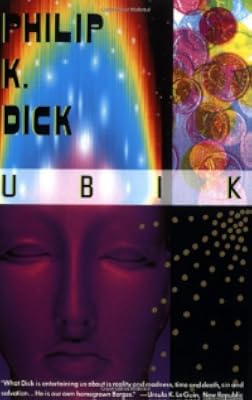
Ubik
by Philip K. Dick
On This Page
Description
A mind-bending, classic Philip K. Dick novel about the perception of reality. Named as one of Time's 100 best books. Glen Runciter runs a lucrative business - deploying his teams of anti-psychics to corporate clients who want privacy and security from psychic spies. But when he and his top team are ambushed by a rival, he is gravely injured and placed in "half-life," a dreamlike state of suspended animation. Soon, though, the surviving members of the team begin experiencing some strange show more phenomena, such as Runciter's face appearing on coins and the world seeming to move backward in time. As consumables deteriorate and technology gets ever more primitive, the group needs to find out what is causing the shifts and what a mysterious product called Ubik has to do with it all. show lessTags
Recommendations





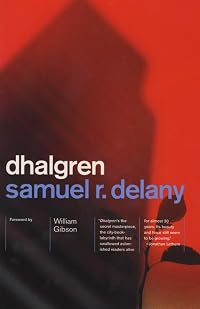
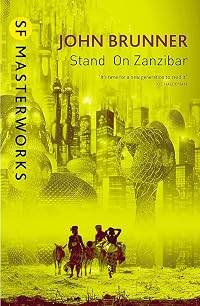
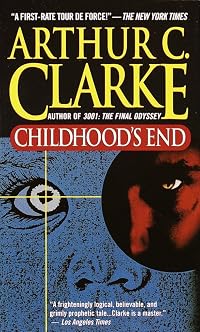
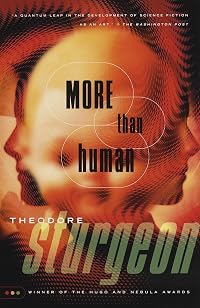
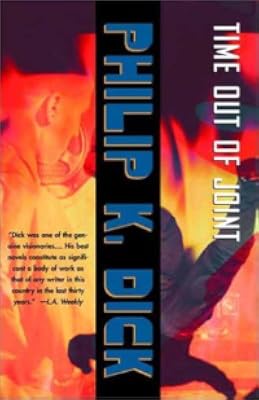
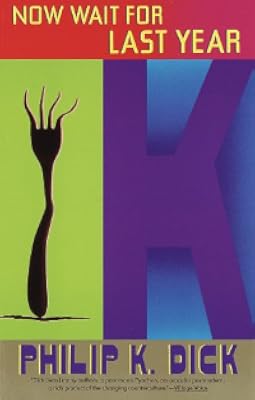
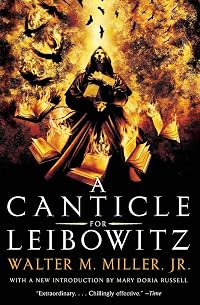
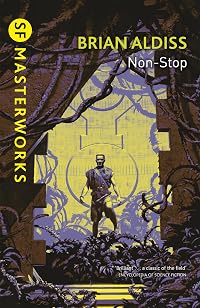
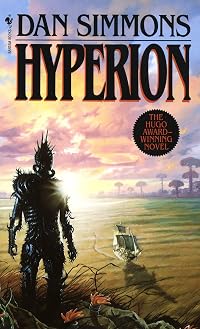
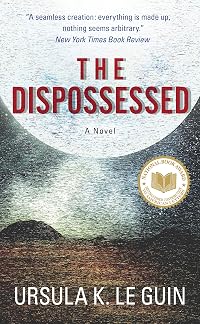
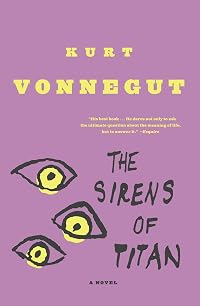
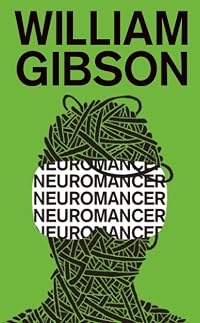
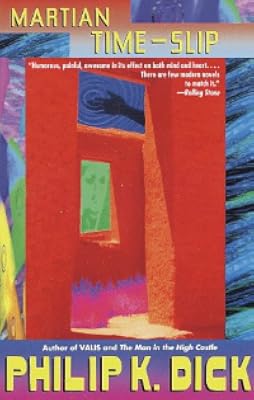
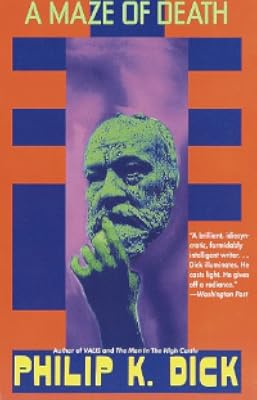



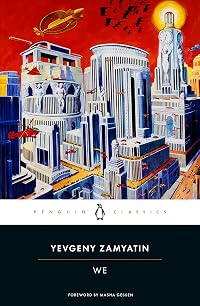
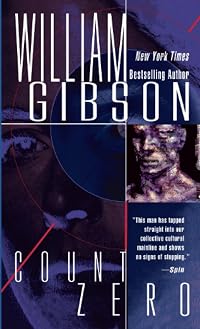
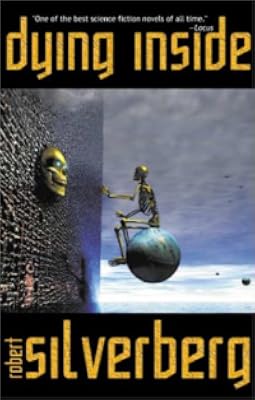
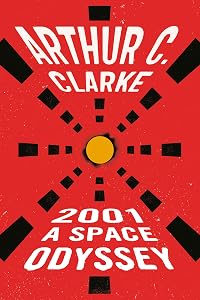
Member Recommendations


Member Reviews
In a time when cryo-technology allows the recently deceased to maintain brain activity for years in cold storage, successful businessman Glen Runciter consults with his late wife, Ella, who has been dead for over two decades. Glen and Ella manage a company that employs a team of anti-telepaths with a unique ability to seek out and neutralize telepaths who pose a danger to society.
Many of the best telepaths work for Ray Hollis, Runciter’s main competitor. When several of Hollis’s top employees go missing all at once, Runciter fears a plot is afoot and seeks Ella’s advice.
Meanwhile, one of Runciter’s senior recruiters, the perpetually penurious Joe Chip, brings in a new prospect with a unique ability to telepathically travel into show more the past and alter history. Shortly after, Runciter takes on a high-profile billionaire client who fears telepaths have infiltrated his business on the moon.
Runciter rounds up his entire staff of anti-telepaths for the mission, yet shortly after they arrive on Luna, a bomb explodes, leaving Runciter mortally wounded. Suspecting Hollis, Runciter’s team manages to get him back to their ship and into cold storage. Joe Chip assumes immediate control of the firm and flies directly to a moratorium in Zurich to have Runciter placed into cryo storage so that he can be connected with Ella and made available for consultation.
However, the moratorium is unable to stimulate the necessary brain activity and Runciter is declared dead. Almost immediately, Joe Chip and his team begin experiencing time regression, slowly at first, then accelerating until they end up in 1939. All the while, cryptic messages begin to appear, presumably from Runciter himself. Is the man truly dead, or is this a mind game inflicted by Hollis’s telepaths? How does a mysterious product called Ubik play into this nightmare?
UBIK is one of the most brilliant and exciting stories I’ve ever read and now ranks among my top five favorite SF novels along with Flow My Tears, Said the Policeman, another masterpiece from the unrivaled genius of Phil K. Dick. show less
Many of the best telepaths work for Ray Hollis, Runciter’s main competitor. When several of Hollis’s top employees go missing all at once, Runciter fears a plot is afoot and seeks Ella’s advice.
Meanwhile, one of Runciter’s senior recruiters, the perpetually penurious Joe Chip, brings in a new prospect with a unique ability to telepathically travel into show more the past and alter history. Shortly after, Runciter takes on a high-profile billionaire client who fears telepaths have infiltrated his business on the moon.
Runciter rounds up his entire staff of anti-telepaths for the mission, yet shortly after they arrive on Luna, a bomb explodes, leaving Runciter mortally wounded. Suspecting Hollis, Runciter’s team manages to get him back to their ship and into cold storage. Joe Chip assumes immediate control of the firm and flies directly to a moratorium in Zurich to have Runciter placed into cryo storage so that he can be connected with Ella and made available for consultation.
However, the moratorium is unable to stimulate the necessary brain activity and Runciter is declared dead. Almost immediately, Joe Chip and his team begin experiencing time regression, slowly at first, then accelerating until they end up in 1939. All the while, cryptic messages begin to appear, presumably from Runciter himself. Is the man truly dead, or is this a mind game inflicted by Hollis’s telepaths? How does a mysterious product called Ubik play into this nightmare?
UBIK is one of the most brilliant and exciting stories I’ve ever read and now ranks among my top five favorite SF novels along with Flow My Tears, Said the Policeman, another masterpiece from the unrivaled genius of Phil K. Dick. show less
Y'know I'm not always a big sci-fi fan. Too much jargon without the worldbuilding context around it slows me down. I struggled with the start of this one, and hoped I'd eventually hit a stride. It was extremely well written though. If I didn't enjoy it at least I could recognize the craftsmanship.
It took about 70 pages, but I did really get into Ubik. I liked Joe Chip from the jump and enjoyed that he became the reluctant protagonist. The bits in his conapt and the exchange of change was funny.
There is extremely subtle horror here in what exactly is going on, which I won't spoil. Even though I don't think I could explain it properly enough to have it spoil anything. And it was perfect for my quest to read the strangest and scariest show more things I can find on the shelves.
I'm a re-reader and this one will probably populate my work backpack again some time! Seems like re-read value will be high! show less
It took about 70 pages, but I did really get into Ubik. I liked Joe Chip from the jump and enjoyed that he became the reluctant protagonist. The bits in his conapt and the exchange of change was funny.
There is extremely subtle horror here in what exactly is going on, which I won't spoil. Even though I don't think I could explain it properly enough to have it spoil anything. And it was perfect for my quest to read the strangest and scariest show more things I can find on the shelves.
I'm a re-reader and this one will probably populate my work backpack again some time! Seems like re-read value will be high! show less
In a fantastically advanced 1992, cryogenically suspended dead people live a "half-life" that lets them continue to interact with the living for a few decades at least; one of them, a wife cut down at a young age, provides business advice to her now elderly husband, the chief of a firm that protects businesses from telepathic spy organizations. Where the story goes from there is really best left to discover, but because this is a Philip K. Dick novel, reality becomes labile. Point of view shifts, and perceptions are unreliable. People are killed, and as the survivors try to avoid their own deaths, their environment morphs gradually from 1992 to 1939. Mysterious messages on matchbook covers and bathroom walls come from a man thought show more dead, advertising a commercial product called Ubik.
I'll never think of PKD as a great prose stylist—his amphetamine-fueled ideas came too fast to be presented with clarity or grace—but he handles both humor and horror very well here. The tone is engaging and the plot is snappy. None of the characters are fleshed out enough to become emotionally engaged with, but it doesn't matter; this is a paranoid farce, not a novel of feeling. Your head is supposed to spin, and it will, pleasantly for the most part.
Dick wrote a screenplay for Ubik that I haven't read. But it would make a great miniseries. show less
I'll never think of PKD as a great prose stylist—his amphetamine-fueled ideas came too fast to be presented with clarity or grace—but he handles both humor and horror very well here. The tone is engaging and the plot is snappy. None of the characters are fleshed out enough to become emotionally engaged with, but it doesn't matter; this is a paranoid farce, not a novel of feeling. Your head is supposed to spin, and it will, pleasantly for the most part.
Dick wrote a screenplay for Ubik that I haven't read. But it would make a great miniseries. show less
My reactions to reading this novel in 2005.
This novel lived up to its reputation as one of Dick’s classics.
Its theme of personal realities and the imposition of one’s own reality on others echoes Dick’s Eye in the Sky and his A Maze of Death. The intimation of personal death in the bathroom graffiti of “Lean over the bowl/And then take a dive./All of you are dead. I am alive.” echoes the death of Jason Taverner’s celebrity identity in Dick’s My Tears, the Policeman Said. The horrifying presence of entropy seen in Dick’s Martian Time-Slip is echoed here when Joe Chip senses death and entropy closing in on him.
The malevolent presence of Jory infiltrating the minds of those in cryonic suspension was a bit like the gnostic show more god of A Maze of Death. The omnipresent Ubik messages are a classic example of divine messages (though, of course, Runciter is not god, but he is, in some sense, more real given that he is mobile and moves about in the “real world” and not the delusional world of those in the moratorium) found in trash and advertising, the divine penetrating the mundane world.
The style of this novel got me to thinking about the virtues and faults of Dick’s often rapid and ramshackle speed of composition. (I have no idea how quickly this novel was conceived and written.) I found the jarring nomenclature odd and interesting. Specifically, there is the clever “ubik” for “ubiquitous”, but we also get the decidedly staid Latin of “moratorium”. On the one hand, I sense Dick was writing in a hurry and (perhaps like the use of “demesne” in his The Penultimate Truth) simply used a rather improbable and long Latin word when a real future would have invented a slang word or corruption (like "ubik"). On the other hand, it's a great use of the word's literal meaning -- "to delay".
However, I can't decide if the ending, when Runciter sees Joe Chip money, rather than the reverse throughout most of the book where the alive Runciter attempts to communicate to "dead" Chip via things like his picture on money, is meant to make a thematic point I don't understand or just a vestige of A. E. van Vogt's influence on Dick -- to wit, the need to pile one more plot twist on the end of the novel even if it makes or even corrodes any serious philosophical or thematic point Dick was trying to make. (It should be noted that Runciter, while generally a rather sympathetic god figure, seems not above conducting business scams to drum up clients for his anti-psi service which may make him sort of a corrupt gnostic god if we buy the Runciter world = divinity, moratorium=our flawed world analogy. Of course there was also the mandatory dark haired girl here with Pat. There was plenty of humor to be had in the plight of the financially incompotent Joe Chip in a world where vending machines have to be constantly fed, where you have to pay to even use the door out in your own apartment. show less
This novel lived up to its reputation as one of Dick’s classics.
Its theme of personal realities and the imposition of one’s own reality on others echoes Dick’s Eye in the Sky and his A Maze of Death. The intimation of personal death in the bathroom graffiti of “Lean over the bowl/And then take a dive./All of you are dead. I am alive.” echoes the death of Jason Taverner’s celebrity identity in Dick’s My Tears, the Policeman Said. The horrifying presence of entropy seen in Dick’s Martian Time-Slip is echoed here when Joe Chip senses death and entropy closing in on him.
The malevolent presence of Jory infiltrating the minds of those in cryonic suspension was a bit like the gnostic show more god of A Maze of Death. The omnipresent Ubik messages are a classic example of divine messages (though, of course, Runciter is not god, but he is, in some sense, more real given that he is mobile and moves about in the “real world” and not the delusional world of those in the moratorium) found in trash and advertising, the divine penetrating the mundane world.
The style of this novel got me to thinking about the virtues and faults of Dick’s often rapid and ramshackle speed of composition. (I have no idea how quickly this novel was conceived and written.) I found the jarring nomenclature odd and interesting. Specifically, there is the clever “ubik” for “ubiquitous”, but we also get the decidedly staid Latin of “moratorium”. On the one hand, I sense Dick was writing in a hurry and (perhaps like the use of “demesne” in his The Penultimate Truth) simply used a rather improbable and long Latin word when a real future would have invented a slang word or corruption (like "ubik"). On the other hand, it's a great use of the word's literal meaning -- "to delay".
Ubik is easily one of my favorite PKD novels: less lauded but more tightly composed than VALIS, it too makes pervasive but subtle use of Gnostic themes throughout. In his self-exegetical notes, Dick paired Ubik with The Three Stigmata of Palmer Eldritch as stories grounded in the mechanism of the Eucharist. (In Three Stigmata the Eucharist is averse or malign--a sort of interplanetary Black Mass.) The initial science-fictional concept in Ubik is that of the "moratorium," a medico-funerary facility that arrests brain deterioration in fresh corpses, so that the "dead" can be milked for small amounts of further interaction with their survivors; all of which opens up the question of the subjective experience of such "death," not to mention show more all death, and perhaps life as well.
The characters are unusually clear, lacking the amorphousness that Dick's psychological approach often inflicts on his protagonists, and this feature may well have been a function of his onetime development of this story as a prospective film treatment. In my dream universe, David Cronenberg has already directed a production of Ubik! show less
The characters are unusually clear, lacking the amorphousness that Dick's psychological approach often inflicts on his protagonists, and this feature may well have been a function of his onetime development of this story as a prospective film treatment. In my dream universe, David Cronenberg has already directed a production of Ubik! show less
This is one of those books that has had a whole lot said about it, so I'm not going to go too deep right now. Maybe I'll have more thoughts later. Suffice to say, I bloody loved it.
In the far flung future of 1992 capitalism has reached the point where you have to pay your front door door to be able to get in or out and corporate espionage teams are made up by all groups with various psychic and anti-psychic powers. When a mission on the moon blows up in his face Joe Chip is hurled into the past and and must try to work out what the hell is going on as time decays around him.
Essentially, this is a murder mystery with a phenomenal sci-fi framing device using denaturing time and instability of objects that echo the confusion and degrading show more sanity of the protagonist and reader. This doesn't do it justice though. It also has some fun and pithy adverts.
There's commentary on capitalism, consumerism, death, letting go, and more, which is hardly surprising for a Philip K. Dick novel, but there is something truly fascinating about how he goes about all of this, even when compared to his vast and bizarre library. I can see why this was his favourite.
This book is incredible. I literally said, "what the fuck?!" moments before it ended and then, "motherfucker!!!" much louder when it finished. I'm not saying I haven't ended a few books that way before, but it is rate that they are accompanied by positive feelings towards said book. show less
In the far flung future of 1992 capitalism has reached the point where you have to pay your front door door to be able to get in or out and corporate espionage teams are made up by all groups with various psychic and anti-psychic powers. When a mission on the moon blows up in his face Joe Chip is hurled into the past and and must try to work out what the hell is going on as time decays around him.
Essentially, this is a murder mystery with a phenomenal sci-fi framing device using denaturing time and instability of objects that echo the confusion and degrading show more sanity of the protagonist and reader. This doesn't do it justice though. It also has some fun and pithy adverts.
There's commentary on capitalism, consumerism, death, letting go, and more, which is hardly surprising for a Philip K. Dick novel, but there is something truly fascinating about how he goes about all of this, even when compared to his vast and bizarre library. I can see why this was his favourite.
This book is incredible. I literally said, "what the fuck?!" moments before it ended and then, "motherfucker!!!" much louder when it finished. I'm not saying I haven't ended a few books that way before, but it is rate that they are accompanied by positive feelings towards said book. show less
When I read Do Androids Dream of Electric Sheep? 5 years ago, I approached it the wrong way. That novel is full of plot holes & other inconsistencies, and while I appreciated the mood, I ended up being bothered by its mushy core. I decided to not make the same mistake for Ubik, and see if a go-with-the-flow attitude would yield another reading experience.
Being who I am, I still ended up writing down numerous inconsistencies, but indeed, they did not really bother me. Maybe that is because Ubik simply is a much better novel, I don’t know: I’d have to reread Androids, and that’s not going to happen.
A bit before I started Ubik, I read a review on Calmgrove that determined my reading experience this time. It hinted at Serious Levels show more of Depth, and that provided the novel with lots of my credit upfront. It made me go down another rabbit hole this time: in search for truths about life & death.
For the uninitiated: Ubik is a strange novel, in which Dick draws back the curtain numerous times, only to close it a bit later on. It involves time travel – or not?, strange temporal digressions, merged states of half-life, a conflict between two psychic mutant factions, a trip to the moon and capitalist consumerism satire. An American-made Kafka: light in calories, and with a dose of cigarettes, X-Men & half-baked religion.
(...)
Full review on Weighing A Pig show less
Being who I am, I still ended up writing down numerous inconsistencies, but indeed, they did not really bother me. Maybe that is because Ubik simply is a much better novel, I don’t know: I’d have to reread Androids, and that’s not going to happen.
A bit before I started Ubik, I read a review on Calmgrove that determined my reading experience this time. It hinted at Serious Levels show more of Depth, and that provided the novel with lots of my credit upfront. It made me go down another rabbit hole this time: in search for truths about life & death.
For the uninitiated: Ubik is a strange novel, in which Dick draws back the curtain numerous times, only to close it a bit later on. It involves time travel – or not?, strange temporal digressions, merged states of half-life, a conflict between two psychic mutant factions, a trip to the moon and capitalist consumerism satire. An American-made Kafka: light in calories, and with a dose of cigarettes, X-Men & half-baked religion.
(...)
Full review on Weighing A Pig show less
Members
- Recently Added By
Lists

Best Science Fiction Novels
816 works; 430 members
Survey of Classic Science Fiction
171 works; 48 members

S.F. Masterworks (Complete)
229 works; 15 members

Top Five Books of 2013
1,562 works; 721 members

Weird and Weirder Fiction
270 works; 34 members

20th Century Literature
1,161 works; 55 members

1960s, Best books published therein
254 works; 22 members
Time Magazine's "All-Time 100"
113 works; 15 members

SF Masterworks
193 works; 8 members
Time's All-Time 100 Novels
100 works; 27 members

New wave science fiction
23 works; 2 members
Lithub: 50 Great Classic Novels Under 200 pages
50 works; 10 members

Top Five Books of 2019
387 works; 111 members
Favorite Science Fiction
456 works; 218 members

Yet another list
67 works; 1 member

Hilos Invisibles: Sincronicidad y el Azar en la Literatura
12 works; 1 member

Les 100 principaux titres de la science-fiction (1981)
126 works; 3 members

La Bibliothèque idéale de la SF (Éditions Albin Michel, 1988)
52 works; 1 member

Books Read in 2023
5,547 works; 145 members

Significant works of postmodern fiction
86 works; 25 members

Unread books
1,063 works; 87 members

American Lit for Eng 11 Research Project
368 works; 6 members

Cooper
79 works; 1 member
Favourite Books
1,819 works; 308 members

XB-1: Osobnosti zanru doporucuji
67 works; 1 member

Books Read in 2018
4,360 works; 110 members

Books Read in 2012
816 works; 34 members

Simulated Reality in Fiction
124 works; 7 members

Books Read in 2016
4,666 works; 197 members

KayStJ's to-read list
1,616 works; 11 members

An evolving science fiction novel canon
50 works; 2 members
Author Information

671+ Works 147,039 Members
Phillip Kindred Dick was an American science fiction writer best known for his psychological portrayals of characters trapped in illusory environments. Born in Chicago, Illinois, on December 16, 1928, Dick worked in radio and studied briefly at the University of California at Berkeley before embarking on his writing career. His first novel, Solar show more Lottery, was published in 1955. In 1963, Dick won the Hugo Award for his novel, The Man in the High Castle. He also wrote a series of futuristic tales about artificial creatures on the loose; notable of these was Do Androids Dream of Electric Sheep?, which was later adapted into film as Blade Runner. Dick also published several collections of short stories. He died of a stroke in Santa Ana, California, in 1982. (Bowker Author Biography) show less
Some Editions
Awards and Honors
Distinctions
Series
Belongs to Publisher Series
SF Masterworks (26)
ハヤカワ文庫 SF (314)
PKD composition order (1966)
suhrkamp taschenbuch (0440)
Science Fiction Book Club (1909)
DAW Book Collectors (546)
Work Relationships
Is contained in
Counterfeit Unrealities (contains Ubik, A Scanner Darkly, Do Androids Dream of Electric Sheep [aka Blade Runner], The Three Stigmata of Palmer Eldritch) by Philip K. Dick
Has the adaptation
Has as a teacher's guide
Common Knowledge
- Canonical title
- Ubik
- Original title
- Ubik
- Original publication date
- 1969-05; 1966-12-07 (manuscript) (manuscript)
- People/Characters
- Joe Chip; Don Denny; Glen Runciter; Patricia Conley; Wendy Wright; Edie Dorn (show all 31); Stanton Mick; Ray Hollis; Ella Hyde Runciter; S. Dole Melipone; Jory Miller; Herbert Schoenheit von Vogelsang; Francesca Spanish; Al Hammond; Zoe Wirt; Fred Zafsky; Tito Apostos; Sammy Mundo; G. G. Ashwood; Tippy Jackson; Jon Ild; Nina Freede; Sandy Jespersen; Mrs. Frick; Jim Hunter; Len Niggelman; Mr. Bliss; Miss Beason; Tarnish; Walter W. Wayles; Myra Laney
- Important places
- Runciter Associates; Beloved Brethren Moratorium; Des Moines, Iowa, USA; Zürich, Zürich, Switzerland; New York, New York, USA; Luna (show all 10); Switzerland; Iowa, USA; USA; New York, USA
- Epigraph
- Ich sih die liehte heide
in gruener varwe stan
dar suln wir alle gehen
die sumerzeit enpahen.
I see the sunstruck forest
In green it stands complete.
There soon we are all going,
The summertime to... (show all) meet. - Dedication
- For Tony Boucher
- First words
- At three-thirty A.M. on the night of June 5, 1992, the top telepath in the Sol System fell off the map in the offices of Runciter Associates in New York City.
- Last words
- (Click to show. Warning: May contain spoilers.)This was just the beginning.
- Blurbers
- Le Guin, Ursula K.; Erickson, Steve
- Original language
- English
Classifications
Statistics
- Members
- 8,851
- Popularity
- 1,222
- Reviews
- 191
- Rating
- (4.01)
- Languages
- 25 — Catalan, Chinese, Czech, Danish, Dutch, English, Estonian, Finnish, French, German, Galician, Greek, Hungarian, Italian, Japanese, Korean, Lithuanian, Polish, Portuguese, Romanian, Russian, Serbian, Spanish, Swedish, Turkish
- Media
- Paper, Audiobook, Ebook
- ISBNs
- 137
- UPCs
- 1
- ASINs
- 50