
The Enchanted April
by Elizabeth von Arnim
On This Page
Description
When four women leave their drab lives behind to go on holiday in Italy, their lives are changed forever by the Mediterranean. Mrs. Arbuthnot and Mrs. Wilkins, while part of the same ladies' club, have never spoken. Lady Caroline Dester and the elderly Mrs. Fisher join their holiday so as to mitigate expenses. As these women come together and learn more about themselves than they ever thought possible, they reveal their true personalities and the backdrops of their lives that tend to hinder show more them. Inspired by the author's own month-long trip to the Italian Riviera, this novel is noted as her most widely-read work. show lessTags
Recommendations












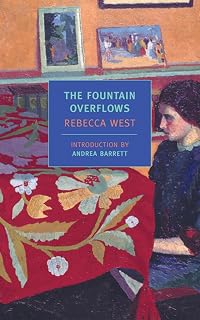


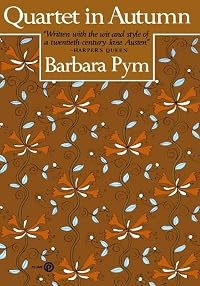
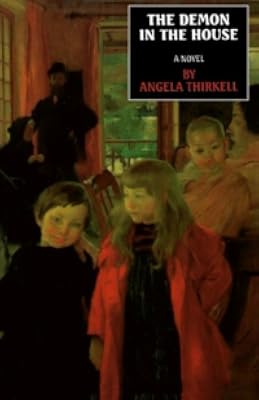

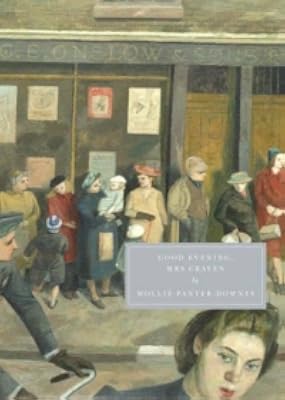






Member Recommendations


digifish_books Another fine English novel in which a vacation to Italy brings the complexities of personal relationships to the fore.
70


Member Reviews
A Case of Stendhal’s Syndrome?
Set in the 1920s , The Enchanted April is a story of four English women’s vacation in a castle on the Italian Riviera and the effect the beauty of the castle, the vistas, and more especially its gardens have on them.
One of the women, a Mrs Wilkins is clearly overwhelmed by the beauty of the place and has a spiritual transformation, similar to that of George Harrison when he “found himself” in India in the mid sixties.
So sure is Ms Wilkins that all you need is love, that she telegrams her husband who she previously feared and felt was cold, asking him to join her. Surely he too would feel the love. Mrs Wilkins’ bliss is contagious, so much so that she persuades her friend Mrs Arbuthnot to do the show more same.
The other members of the group, Lady Caroline Dester and Mrs Fisher who are both “spinsters”, appear less affected, though Lady Caroline becomes more self-aware. She is more able to come to terms with her own beauty, which has so far been a hindrance in her young life. Mrs Fisher, who is considered ancient at 65 and who is still stuck in the Victorian era remains somewhat immune, though she occasionally has feelings she can’t quite work out.
As for the two husbands, von Arnim has little time for the men. Mr Wilkins becomes warmer toward his wife as his feelings for the female sex are rekindled by the beauty of Lady Caroline if not the garden. And Mr Arbuthnott sees that Mrs Arbuthnott has a sex appeal that he has been unaware of for many a year.
Which leave the main character in the book, the garden. As an avid gardner myself, I delighted in the long paragraphs describing in exquisite detail, the different flowers and shrubs, and their placement around the castle, and in some cases around the individual women when they act as shields allowing the individual women to revel in their solitudes.
The writing is crisp and humorous. The class distinctions separate Mrs Fisher and Lady Caroline Dester from the Mrs Wilkins and Mrs Arbuthnot, the former clearly seeing the other women as “below them”. But what the women have in common is that they are not men.
The men in the novel appear as necessary appendages. Accessories. Accessories that are generally found wanting.
I came saw from the book intrigued by the author. I wanted to find out more, and did.
I’m glad that I discovered von Arnim. I thoroughly enjoyed The Enchanted April and rated it a deserving 4. show less
Set in the 1920s , The Enchanted April is a story of four English women’s vacation in a castle on the Italian Riviera and the effect the beauty of the castle, the vistas, and more especially its gardens have on them.
One of the women, a Mrs Wilkins is clearly overwhelmed by the beauty of the place and has a spiritual transformation, similar to that of George Harrison when he “found himself” in India in the mid sixties.
So sure is Ms Wilkins that all you need is love, that she telegrams her husband who she previously feared and felt was cold, asking him to join her. Surely he too would feel the love. Mrs Wilkins’ bliss is contagious, so much so that she persuades her friend Mrs Arbuthnot to do the show more same.
The other members of the group, Lady Caroline Dester and Mrs Fisher who are both “spinsters”, appear less affected, though Lady Caroline becomes more self-aware. She is more able to come to terms with her own beauty, which has so far been a hindrance in her young life. Mrs Fisher, who is considered ancient at 65 and who is still stuck in the Victorian era remains somewhat immune, though she occasionally has feelings she can’t quite work out.
As for the two husbands, von Arnim has little time for the men. Mr Wilkins becomes warmer toward his wife as his feelings for the female sex are rekindled by the beauty of Lady Caroline if not the garden. And Mr Arbuthnott sees that Mrs Arbuthnott has a sex appeal that he has been unaware of for many a year.
Which leave the main character in the book, the garden. As an avid gardner myself, I delighted in the long paragraphs describing in exquisite detail, the different flowers and shrubs, and their placement around the castle, and in some cases around the individual women when they act as shields allowing the individual women to revel in their solitudes.
The writing is crisp and humorous. The class distinctions separate Mrs Fisher and Lady Caroline Dester from the Mrs Wilkins and Mrs Arbuthnot, the former clearly seeing the other women as “below them”. But what the women have in common is that they are not men.
The men in the novel appear as necessary appendages. Accessories. Accessories that are generally found wanting.
I came saw from the book intrigued by the author. I wanted to find out more, and did.
I’m glad that I discovered von Arnim. I thoroughly enjoyed The Enchanted April and rated it a deserving 4. show less
** spoiler alert ** It started out so well. And ended with my throwing the book across the bed, telling the cats and the dog: “I have had enough, I’m done here.” Four unacquainted women: three young, one older; two married (and not happy), one single and sick of the whole pairing-up game, and one widow. They are sharing a splendiferous Italian castle clotted with flowers at an impossibly gorgeous and gentle seaside, in order to escape, ponder, relax, wander, and maybe just have four weeks of happiness on holiday. They don’t particularly get along or understand one another; there are irritations and resentments. As the days unroll, we are privy to their contemplations, sadness, wonderings, memories, and thoughts of what they show more should or might do next. So far, so good - sometimes lovely, touching, sympathetic. They begin to unbend to each other a little, a friendship and even affection begins to blossom. And then one of them invites her husband to join them.
Uh-oh. And then the other married one does the same. It all turns silly and coy and gooey and all the subtlety and emotional insight goes out the window. One of the husbands is actively pursuing the impossibly lovely single woman (and she really is annoying and not credible), and she smoothly covers up for him. He remains infatuated, begging to kiss her shoes. And then he gushes that he can only love her more because she has “the loyalty of a man.” At which point I was finito.
After 60 pages, I was ready to look up other novels by von Arnim. Another 60 pages, and I scratched that idea. Her philosophy clearly is that a woman can only reach her fullest self through her relationship with a man, even when he is a skeevy, sneaky, conniving skunk. Even the cranky elder widow breaks out into kindness, tolerance, and a certain maternal charm when visited by the handsome, wealthy, boyish owner of the castle…who has, by the way, instantly jettisoned his appreciation for the gentle, retiring, unhappily-married woman the moment he lays eyes on the pretty one.
Just no. Ick. show less
Uh-oh. And then the other married one does the same. It all turns silly and coy and gooey and all the subtlety and emotional insight goes out the window. One of the husbands is actively pursuing the impossibly lovely single woman (and she really is annoying and not credible), and she smoothly covers up for him. He remains infatuated, begging to kiss her shoes. And then he gushes that he can only love her more because she has “the loyalty of a man.” At which point I was finito.
After 60 pages, I was ready to look up other novels by von Arnim. Another 60 pages, and I scratched that idea. Her philosophy clearly is that a woman can only reach her fullest self through her relationship with a man, even when he is a skeevy, sneaky, conniving skunk. Even the cranky elder widow breaks out into kindness, tolerance, and a certain maternal charm when visited by the handsome, wealthy, boyish owner of the castle…who has, by the way, instantly jettisoned his appreciation for the gentle, retiring, unhappily-married woman the moment he lays eyes on the pretty one.
Just no. Ick. show less
Hardly believing their own daring, two women who barely know each other rent an Italian castle with the intention of leaving their husbands spending a month there. To defray the costs, they advertise for two others, and a very disparate quartet of strangers and near-strangers make their way to the Italian castle. Naturally, they bring a lot of baggage with them, and some of that baggage is their actual husbands turning up. With two of the women looking askance at the other two, and the other two barely noticing, somehow the enchantment does grow along with the flowers.
It's very funny, and also poignant. There are self-imposed prisons of misunderstanding, grief, age and even beauty, which this Italian holiday may help them break out of, show more if they can find the way. show less
It's very funny, and also poignant. There are self-imposed prisons of misunderstanding, grief, age and even beauty, which this Italian holiday may help them break out of, show more if they can find the way. show less
Well, it's official. I have found my least favorite read of 2024.
This started out promisingly. It seemed to be shaping up to be a story about four women, from very different classes and backgrounds, who rent a villa in Italy together in order to have an actual honest to goodness vacation for once in their miserable lives.
I was delighted by this premise. I was delighted at the decent Goodreads ratings and all of the glowing reviews. I was delighted at the thought of the fulfillment and joy I would feel while witnessing these women, who otherwise wouldn't cross paths because of their class differences, become friends. And I was really looking forward to seeing what would happen when two of the women get to have a nice, temporary break show more from their odious husbands, and breathe the sweet, fresh air of freedom for a month in the villa. Everything about the beginning of the book was leading me to believe that this would be my reading experience.
That is NOT what happened.
Spoilers ahead:For starters, for nearly half of the book, Lady Caroline and Mrs. Fisher are awful to the other women. Truly insufferable. Which I would have been fine with, given the thought of them bonding by the end of the book. But what ultimately brings this group of ladies together isn't their relationships with one another as they bond gradually over time. No, what REALLY brings them together is THE MEN in their lives! Two of the women's husbands show up, both invited to Italy by their wives. And the one wife cannot even wait a whole DAY without needing to write to her husband to invite him to come to the villa post haste. Girl, you just escaped for some R&R with these women! Enjoy your freedom from your misery before you have to go back to England and continue to be married to him.
And don't get me wrong, I DID assume that everyone would still be married by the end of the book. After all, this was written in 1922. I just thought they would gain some independence and a stronger sense of identity. Then they might derive strength and support from their friendships with the other women, before returning to their husbands, better equipped to face the misery of their marital woes. I didn't think the husbands would be literally interrupting their girl time, though!
Now, you may be thinking, oh man, this book about four women's unlikely relationships got hijacked by the men in their lives? That's kind of a bummer. But it's not THAT bad.
Well, let me tell you, it gets worse.....
Because we find out that one of the husbands has been attempting to have an affair with Lady Caroline, not realizing that she is staying at the villa with his wife! So he goes to the villa to find Caroline and pursue her. NOT TO SEE HIS ACTUAL WIFE WHO INVITED HIM, JUST TO VISIT CAROLINE and convince her to carry on an affair with him, because she's super hot and he just can't help himself. When he realizes that his wife is there, their marriage problems magically disappear and he decides he wants to be married to his wife after all, or whatever, I guess. He is super nervous that Caroline will out him for his horrendous unfaithful behavior. Not because he’s feeling guilty for his behavior, noooo. Just worried that CAROLINE might decide to open her mouth and screw this new marital bliss up for him. When Caroline realizes what's going on, she decides to pretend that everything is fine and NOT tell his wife! He is so grateful to Caroline for being soooooo cool about things, and at one point he says something along the lines of her having "the loyalty of a man," like that's some sort of compliment. Just congratulating her on how cool she was being about this whole thing, while he DECEIVED HIS WIFE ABOUT WHY HE WAS EVEN AT THE VILLA IN THE FIRST PLACE.
This final event locked my hatred firmly in place, and solidified the 1 star rating, as well as the honor of worst read of 2024. The year isn’t even over yet, but this book is so awful that I am 100 percent certain that there isn’t a book that could possibly best its ability to be the worst. show less
This started out promisingly. It seemed to be shaping up to be a story about four women, from very different classes and backgrounds, who rent a villa in Italy together in order to have an actual honest to goodness vacation for once in their miserable lives.
I was delighted by this premise. I was delighted at the decent Goodreads ratings and all of the glowing reviews. I was delighted at the thought of the fulfillment and joy I would feel while witnessing these women, who otherwise wouldn't cross paths because of their class differences, become friends. And I was really looking forward to seeing what would happen when two of the women get to have a nice, temporary break show more from their odious husbands, and breathe the sweet, fresh air of freedom for a month in the villa. Everything about the beginning of the book was leading me to believe that this would be my reading experience.
That is NOT what happened.
Spoilers ahead:
And don't get me wrong, I DID assume that everyone would still be married by the end of the book. After all, this was written in 1922. I just thought they would gain some independence and a stronger sense of identity. Then they might derive strength and support from their friendships with the other women, before returning to their husbands, better equipped to face the misery of their marital woes. I didn't think the husbands would be literally interrupting their girl time, though!
Now, you may be thinking, oh man, this book about four women's unlikely relationships got hijacked by the men in their lives? That's kind of a bummer. But it's not THAT bad.
Well, let me tell you, it gets worse.....
Because we find out that one of the husbands has been attempting to have an affair with Lady Caroline, not realizing that she is staying at the villa with his wife! So he goes to the villa to find Caroline and pursue her. NOT TO SEE HIS ACTUAL WIFE WHO INVITED HIM, JUST TO VISIT CAROLINE and convince her to carry on an affair with him, because she's super hot and he just can't help himself. When he realizes that his wife is there, their marriage problems magically disappear and he decides he wants to be married to his wife after all, or whatever, I guess. He is super nervous that Caroline will out him for his horrendous unfaithful behavior. Not because he’s feeling guilty for his behavior, noooo. Just worried that CAROLINE might decide to open her mouth and screw this new marital bliss up for him. When Caroline realizes what's going on, she decides to pretend that everything is fine and NOT tell his wife! He is so grateful to Caroline for being soooooo cool about things, and at one point he says something along the lines of her having "the loyalty of a man," like that's some sort of compliment. Just congratulating her on how cool she was being about this whole thing, while he DECEIVED HIS WIFE ABOUT WHY HE WAS EVEN AT THE VILLA IN THE FIRST PLACE.
This final event locked my hatred firmly in place, and solidified the 1 star rating, as well as the honor of worst read of 2024. The year isn’t even over yet, but this book is so awful that I am 100 percent certain that there isn’t a book that could possibly best its ability to be the worst. show less
In this story, set in 1922, Mrs. Lottie Wilkins and Mrs. Rose Arbuthnot become disenchanted with their husbands. Acting as feminists for their time, they plan to spend the month of April away from men at a castle named San Salvatore on the Italian Riviera. They advertise and then invite Lady Caroline “Scrap” Dester and Mrs. Fisher to share expenses. They aren’t there long when the beauty of San Salvatore so overcomes Lottie Wilkins that she decides to invite her husband to join them.
Mellersh Wilkins, Lottie’s husband, arrives and immediately sees that meeting the people who are sharing the castle with his wife can be good for his business as an attorney. He is thrilled about this enterprising opportunity, and Lottie perceives show more that Mellersh appreciates her more than he had been, and her marriage becomes more fulfilling. Lottie, described as blessedly impetuous, tries to convince Mrs. Arbuthnot to invite her husband. However, Mrs. Fisher and Lady Caroline, who are not using the getaway to escape husbands, are less than enthralled with the anticipation of having more men among them.
Each woman’s unique reason for being at San Salvatore is part of this classic novel. Each didn't fully understand her unhappiness. But, each becomes enchanted with the grounds of their vacation rental and begins to view her life situation a little differently. The story intrigued me; I thought about how much has changed for women over the last 100 years and how much hasn’t. We are still debating whether the men in their lives should define women.
Additionally, societal’s expectations and views of women have changed, but perhaps not as significantly as many would believe. Elizabeth von Arnim encourages us to examine the completeness and complexities of women’s lives even in these modern times. She also teases us to wonder whether the four women were truly rejuvenated and refreshed by their enchanted Aril or whether they just accepted their lives or “settled” for what life offered. show less
Mellersh Wilkins, Lottie’s husband, arrives and immediately sees that meeting the people who are sharing the castle with his wife can be good for his business as an attorney. He is thrilled about this enterprising opportunity, and Lottie perceives show more that Mellersh appreciates her more than he had been, and her marriage becomes more fulfilling. Lottie, described as blessedly impetuous, tries to convince Mrs. Arbuthnot to invite her husband. However, Mrs. Fisher and Lady Caroline, who are not using the getaway to escape husbands, are less than enthralled with the anticipation of having more men among them.
Each woman’s unique reason for being at San Salvatore is part of this classic novel. Each didn't fully understand her unhappiness. But, each becomes enchanted with the grounds of their vacation rental and begins to view her life situation a little differently. The story intrigued me; I thought about how much has changed for women over the last 100 years and how much hasn’t. We are still debating whether the men in their lives should define women.
Additionally, societal’s expectations and views of women have changed, but perhaps not as significantly as many would believe. Elizabeth von Arnim encourages us to examine the completeness and complexities of women’s lives even in these modern times. She also teases us to wonder whether the four women were truly rejuvenated and refreshed by their enchanted Aril or whether they just accepted their lives or “settled” for what life offered. show less
This novel, first published in 1922, is not one of the usual classics people laud as a must-read, but I found myself appreciating it from the first chapter. The writing is high quality, with many lovely passages. The characters have depth to them, and their interior lives are explored at length through the use of the omniscient point of view. And the plots itself allows for so much reflection on the reader's part.
As a modern woman, I felt the characters' plights more acutely, I think, than many readers of the time would have. Imagine, as a grown woman, being given only a one-hundred-pound annual allowance for everything you might want to buy yourself. Imagine being trapped in a marriage where you've grown apart from your husband to such show more an extent that he doesn't care about you disappearing for an entire month with only a note explaining that you've gone off to an unspecified location, but you can't even imagine getting a divorce. Imagine being a beautiful young member of the aristocracy who's constantly treated as nothing but a prize to be sought and discouraged from ever thinking. I would certainly want a vacation from the men in my life. I would want to get away from them and flex my independence for as long as possible!
I loved seeing four women band together in spite of every force that would rather have prevented it. I found myself eagerly reading as I hoped for each one to find personal growth and deepening friendships. I could have read an entire novel of four women starting as strangers and becoming friends through a series of events that bring them closer together and farther apart in a way that mimics the highs and lows of a traditional romance plotline.
Unfortunately for me, and I hope this doesn't count as a spoiler because of, you know, the genre, this book does eventually take a turn into actual traditional romance plotlines. I didn't mind it as much as I normally might have, given the aforementioned circumstances of divorces in the 1920's probably not providing the happiest of endings (if it was even possible for these characters given the laws in England at that time?). Still, if you, like me, would have preferred the women to find independence (or at least remain unmarried if they currently are), you'll probably find some degree of disappointment. If anything, I think this may be the biggest factor holding the book back from becoming that well-celebrated classic because the people who determine these things seem to me like they'd prefer a tragic ending with a deeply feminist message.
But the book certainly is feminist for its time, and, in my opinion, there's something to be said for daring to allow its female characters to be the engineers of their own happiness. And those who do like romance may find it entirely charming. All in all, I think this is an underrated classic, and I would recommend it to anyone looking for one with excellent female characters. The few that are around deserve to be celebrated. show less
As a modern woman, I felt the characters' plights more acutely, I think, than many readers of the time would have. Imagine, as a grown woman, being given only a one-hundred-pound annual allowance for everything you might want to buy yourself. Imagine being trapped in a marriage where you've grown apart from your husband to such show more an extent that he doesn't care about you disappearing for an entire month with only a note explaining that you've gone off to an unspecified location, but you can't even imagine getting a divorce. Imagine being a beautiful young member of the aristocracy who's constantly treated as nothing but a prize to be sought and discouraged from ever thinking. I would certainly want a vacation from the men in my life. I would want to get away from them and flex my independence for as long as possible!
I loved seeing four women band together in spite of every force that would rather have prevented it. I found myself eagerly reading as I hoped for each one to find personal growth and deepening friendships. I could have read an entire novel of four women starting as strangers and becoming friends through a series of events that bring them closer together and farther apart in a way that mimics the highs and lows of a traditional romance plotline.
Unfortunately for me, and I hope this doesn't count as a spoiler because of, you know, the genre, this book does eventually take a turn into actual traditional romance plotlines. I didn't mind it as much as I normally might have, given the aforementioned circumstances of divorces in the 1920's probably not providing the happiest of endings (if it was even possible for these characters given the laws in England at that time?). Still, if you, like me, would have preferred the women to find independence (or at least remain unmarried if they currently are), you'll probably find some degree of disappointment. If anything, I think this may be the biggest factor holding the book back from becoming that well-celebrated classic because the people who determine these things seem to me like they'd prefer a tragic ending with a deeply feminist message.
But the book certainly is feminist for its time, and, in my opinion, there's something to be said for daring to allow its female characters to be the engineers of their own happiness. And those who do like romance may find it entirely charming. All in all, I think this is an underrated classic, and I would recommend it to anyone looking for one with excellent female characters. The few that are around deserve to be celebrated. show less
I can see why this book sent many in 1922 rushing to vacation on the Italian coast. If I were a) richer, b) more inclined to travel, and c) not living in very uncertain travel times, I would be booking a trip myself. I am one of not many people who love winter as much as summer, and today have enjoyed looking out the windows at my snow-covered yard and neighborhood. But every night since starting this book I have gone to sleep dreaming of sunshine and sea air and an overabundance of flowers.
The four women who take this trip together - all initially unknown to one another - could really not be more different. As a person who would never vacation with strangers on purpose, I could not begin to imagine how this April would become the least show more bit enchanted. And yet it did, in very sweet ways though with plenty of bitterness to keep one's teeth from aching from the sugar. Oh, and humor, the kind of humor that is actually funny. Another author I have been shielded from all my life by all the pseudo-thrillers and cartoon-cover romances that fill up the bestseller lists in 2022. Loved it. show less
The four women who take this trip together - all initially unknown to one another - could really not be more different. As a person who would never vacation with strangers on purpose, I could not begin to imagine how this April would become the least show more bit enchanted. And yet it did, in very sweet ways though with plenty of bitterness to keep one's teeth from aching from the sugar. Oh, and humor, the kind of humor that is actually funny. Another author I have been shielded from all my life by all the pseudo-thrillers and cartoon-cover romances that fill up the bestseller lists in 2022. Loved it. show less
Members
- Recently Added By
Lists

Read the book and saw the movie
1,170 works; 195 members

In and About the 1920s
181 works; 30 members

Books Set in Italy
167 works; 19 members

Comfort Reads
221 works; 41 members

Garden-fiction
67 works; 20 members

Folio Society
831 works; 53 members

Female Author
1,235 works; 65 members

20th Century Literature
1,161 works; 55 members

Best Beach Reads
99 works; 61 members

Favourite Virago Modern Classics
183 works; 38 members

Best Friendship Stories
205 works; 16 members

Top Five Books of 2016
795 works; 228 members
500 Great Books by Women
507 works; 60 members
Readable Classics
110 works; 15 members

World War I Fiction
94 works; 15 members
Out of Copyright
244 works; 14 members

A Novel Cure
742 works; 23 members
1920s
141 works; 6 members
Spring Books
12 works; 2 members

discontinued
10 works; 4 members

Books Read in 2016
4,666 works; 197 members

Favorite Books from the 1920s
33 works; 3 members
Best Books of the 20th Century
193 works; 5 members

Books Read in 2009
464 works; 11 members

Llibres que he llegit el 2017
49 works; 1 member

Schwob Nederland
207 works; 2 members

Books Read in 2025
4,091 works; 97 members

el
1,139 works; 1 member
WBS - Classics Book Club
10 works; 1 member

Reading LIst
648 works; 1 member
Books We Want To Read Again For The First Time
384 works; 160 members

Publisher's Weekly Bestsellers Part I - 1895-1939
399 works; 8 members
Our Favorite Comfort Reads
334 works; 200 members

Book Worlds We'd Like To Visit
322 works; 158 members
Books We Love to Reread
688 works; 296 members

Global Reads: Books Set in Western Europe
186 works; 10 members

MPLClassics
4 works; 1 member
Five star books
1,755 works; 108 members
Talk Discussions
Past Discussions
GROUP READ: The Enchanted April by Elizabeth von Arnim in 2013 Category Challenge (April 2013)
Author Information

47+ Works 8,126 Members
Some Editions
Awards and Honors
Distinctions
Series
Belongs to Publisher Series
Work Relationships
Common Knowledge
- Canonical title
- The Enchanted April
- Original title
- The Enchanted April
- Original publication date
- 1922
- People/Characters
- Lotty Wilkins; Mellersh-Wilkins; Lady Caroline Dester; Rose Arbuthnot; Frederick Arbuthnot; Mr. Briggs (show all 7); Mrs. Fisher
- Important places
- London, England, UK; San Salvatore, Italy
- Related movies
- Enchanted April (1935 | IMDb); The Enchanted April (1958 | TV | IMDb); The Enchanted April (1992 | IMDb)
- First words
- It began in a Woman's Club in London on a February afternoon,—an uncomfortable club, and a miserable afternoon—when Mrs. Wilkins, who had come down from Hampstead to shop and had lunched at her club, took up The Times<... (show all)/i> from the table in the smoking-room, and running her listless eye down the Agony Column saw this: To Those Who Appreciate Wistaria and Sunshine.
- Quotations
- It was just possible that she [Mrs Wilkisn] ought to go straight into the category Hysteria, which was often only the antechamber to Lunacy, but Mrs. Arbuthnot had learned not to hurry people into their final categories, havi... (show all)ng on more than one occasion discovered with dismay that she had made a mistake; and how difficult it had been to get them out again, and how crushed she had been with the most terrible remorse.
After those early painful attempts to hold him up to the point from which they had hand in hand so splendidly started, attempts in which she herself had got terribly hurt and the Frederick she supposed she had married was man... (show all)gled out of recognition, she hung him up finally by her bedside as the chief subject of her prayers, and left him, except for those, entirely to God.
Wonderful that at home she should have been so good, so terribly good, and merely felt tormented. Twinges of every sort had there been her portion; aches, hurts, discouragements, and she the whole time being steadily unselfis... (show all)h.
She did not consciously think this, for she was having a violent reaction against beautiful clothes and the slavery they impose on one, her experience being that the instant one had got them they took one in hand and gave one... (show all) no peace till they had been everywhere and been seen by everybody. You didn't take your clothes to parties; they took you. It was quite a mistake to think that a woman, a really well-dressed woman, wore out her clothes; it was the clothes that wore out the woman - dragging her about at all hours of the day and night.
Worse than jokes in the morning did she hate the idea of husbands. And everybody was always trying to press them on her - all her relations, all her friends, all the evening papers. After all, she could only marry one, anyhow... (show all); but you would think from the way everybody talked, and especially those persons who wanted to be husbands, that she could marry at least a dozen.
He had during their married life behaved very much like macaroni. He had slipped, he had wriggled, he had made her feel undignified, and when at last she had got him safe, as she thought, there had invariably been little bits... (show all) of him that still, as it were, hung out.
Dignity demanded that she should have nothing to do with fresh leaves at her age; and yet there it was – the feeling that presently, that at any moment now, she might crop out all green.
No doubt a trip to Italy would be extraordinarily delightful, but there were many delightful things that one would like to do, and what was strength given to one for except to help one not to do them. (page 18) - Last words
- (Click to show. Warning: May contain spoilers.)When, on the first of May, everybody went away, even after they had got to the bottom of the hill and passed through the iron gates out into the village they still could smell the acacias.
(Click to show. Warning: May contain spoilers.)If Elizabeth had known that was coming she might have taken steps to ensure that Russell, and not von Arnim, would be the name under which we would look up her books in the libraries. (Introduction) - Canonical DDC/MDS
- 823.912
- Disambiguation notice
- This is the main work for The Enchanted April, by Elizabeth von Arnim. Please do not combine with any adaptation (e.g., film adaptation), abridgement, etc.
Classifications
Statistics
- Members
- 3,495
- Popularity
- 4,732
- Reviews
- 140
- Rating
- (4.03)
- Languages
- 14 — Arabic, Catalan, Danish, Dutch, English, Finnish, French, German, Hungarian, Italian, Polish, Portuguese, Spanish, Turkish
- Media
- Paper, Audiobook, Ebook
- ISBNs
- 197
- UPCs
- 1
- ASINs
- 85