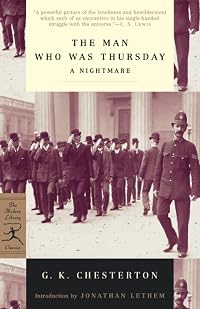
The Man Who Was Thursday
by G. K. Chesterton
On This Page
Description
Set in London in the early 1900s, this metaphysical thriller follows undercover policeman Gabriel Syme, who, in partnership with a Scotland Yard task force, attempts to take down underground anarchists. Syme encounters Lucian Gregory, a passionate anarchist, who eventually takes him to a secret meeting place. Once there, Syme begins to influence the anarchists and is eventually elected to the central council. In his attempts to destroy the council of anarchists from the inside, he starts to show more uncover more secrets, each more mysterious than the last. Thick with Christian symbolism, this classic G. K. Chesterton novel will have listeners on the edge of their seat until the final secrets are revealed. show lessTags
Recommendations





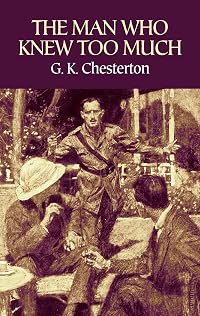

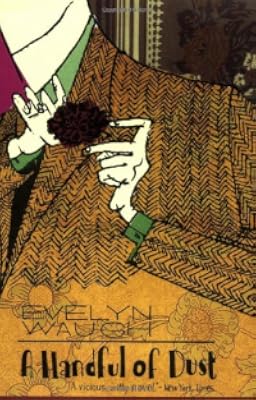
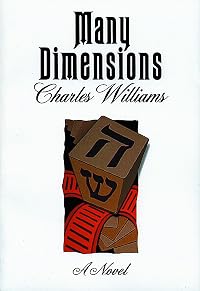


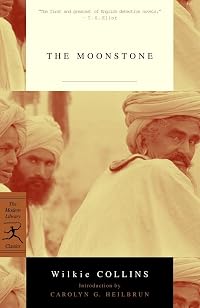

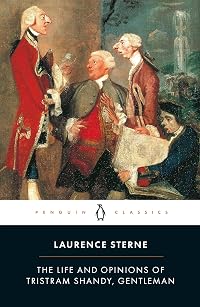
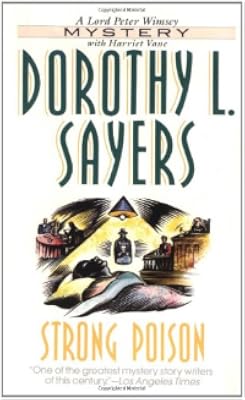
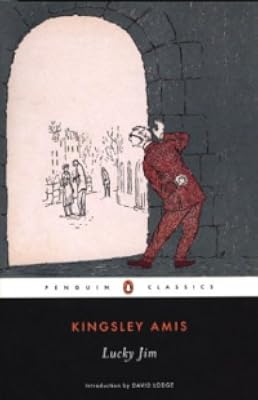
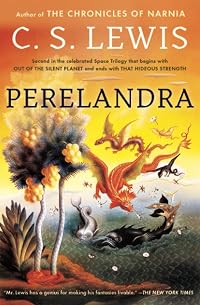
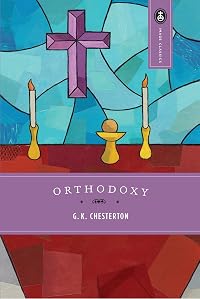
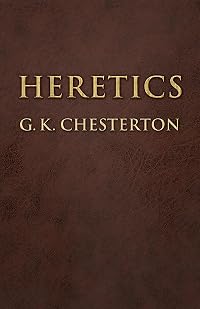
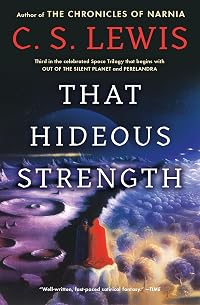
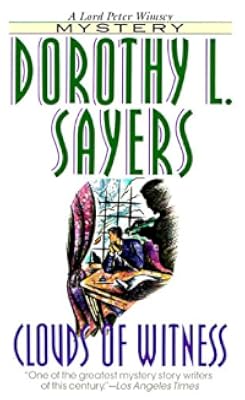
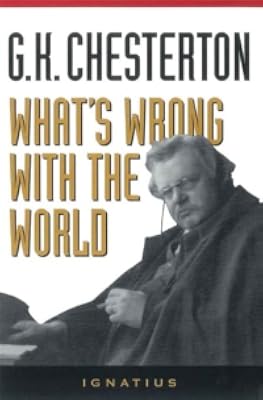
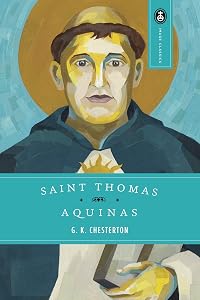
Member Recommendations

rockhopper_penguin I read 'The Secret Adversary' just after reading 'The Man Who Was Thursday'. At the time, 'The Secret Adversary' seemed like the book you *thought* you were getting for quite a lot of 'The Man Who Was Thursday'. Clever, and a good mystery, but not as good (or weird) as 'The Man Who Was Thursday'.
30
kkunker These books have a similar fast paced wild feel to them. I read "Napoleon" while in London, which just made the book seem so much more alive. Both very good books by Chesterton.
20

CGlanovsky Secret societies whose aims you are made to reassess.
20

mulrah The twists and turns sometimes fall flat, but the ride is wild in both cases as the protagonist slowly comes to terms with a new "reality." Buckle up.
CGlanovsky Concerning a mysterious and allegorical secret society

anjenue another metaphysical thriller with madcap elements
Member Reviews
Written as a “metaphysical detective thriller,” Chesterton achieves a fresh style and effect in this novel that I’ve not yet encountered. Right up to the last chapter, the story reads as an entertaining and fast-paced mystery, following the adventure of detective Gabriel Syme as he infiltrates the underground anarchists of London. He himself deceptively earns a place on the anarchist’s council of seven, each of whom are named for a day of the week. Chesterton’s wit and humor are on full display as he weaves his tale, which would be entertaining enough apart from any higher meaning, but the reveal of the last chapter takes it to another level entirely. He so colorfully answers the question: What is a man in the great scope of show more the universe? He is a word spoken by God in the darkness, a day of creation, sent to infiltrate the anarchy of disorder and work out the righteousness of God. He obeys his commission at great peril, but discovers great help and surprising kinship as he does. show less
I have had some slight contact with Chesterton through his 'Father Brown' stories and 'The Napoleon of Notting Hill', a fantastical novel about that distant year of futurity, 1984. So I came to this eager to see what he made of politics and aesthetes in Edwardian London.
An aesthete is recruited to an anarchist conspiracy. As he digs further, there are multiple reveals and life and events get stranger and stranger. Finally, it turns into a shaggy God story and then the main protagonist wakes up - the book is, after all, sub-titled "A Nightmare".
Many have commented on the religious allegory in this book, which is a little obvious but not unexpected for a story from such a man in such a society. What I found interesting was the political show more perspective. There is a critique of capitalism in this book barely acknowledged by a lot of people; and a perspective on anarchism no less unexpected - especially as the initial premise, that there is a "Central Council of Anarchists", is either massively tongue in cheek or horrendously misguided as to the true nature of anarchism. (I'm reminded of a university Anarchists Society I once encountered, which was required by the university to register its rules. They literally had to produce their one and only rule, which said 'The First Rule of the Anarchist Society is that the Society shall have no rules.') Chesterton then goes on to make some telling points that we would do well to remember in our modern times; that the poor have never been in favour of anarchism; it is always the rich who are the greatest exponents of total anarchy, as laws are far too restrictive upon their own freedom to act as they choose in the pursuit of their own interests.
Many writers of the fantastic have tried over the years to depict anarchist societies; few have succeeded well, in that they always need some sort of body that allocates resources or makes some sort of policy decisions for the whole society. Those who have depicted truly libertarian societies have ended up showing us unpleasant alternatives where the strong prey on the weak at all levels, and even if resources are scarce and no-one can acquire very much more than anyone else, that doesn't stop some individuals getting better positions in life than others, unless the society starts out from a very low base of material availability. Descriptions of the purest form of an anarchist society, which has no central law-making or law-enforcing bodies, but who devise laws for themselves from within communities and enforce them equally from within those communities, are rare. Chesterton starts out by adhering to the popular image of the 19th century anarchist, opposing all forms of governance and fighting governments with bombs and individual acts of violence; yet that is only possible with a degree of leadership and organisation that operates entirely counter to the whole concept of anarchy.
The situation of the protagonist, who, one at a time, finds that all the anarchists are, like him, actually policemen, is well described and gave me a good picture of the aesthetic life of the era - until surrealism took over. Those who recollect Patrick McGoohan's 1960s tv series 'The Prisoner' will warm to the ever-escalating levels of weirdness; and then will be perhaps a little surprised to find God standing behind it all as protagonist, instigator and nemesis.
My edition was the 2001 US Modern Library edition, with various critical commentaries by modern and contemporary writers, and a set of discussion points for 'reading groups' which made me feel as though I'd opened a very slick-looking school textbook. show less
An aesthete is recruited to an anarchist conspiracy. As he digs further, there are multiple reveals and life and events get stranger and stranger. Finally, it turns into a shaggy God story and then the main protagonist wakes up - the book is, after all, sub-titled "A Nightmare".
Many have commented on the religious allegory in this book, which is a little obvious but not unexpected for a story from such a man in such a society. What I found interesting was the political show more perspective. There is a critique of capitalism in this book barely acknowledged by a lot of people; and a perspective on anarchism no less unexpected - especially as the initial premise, that there is a "Central Council of Anarchists", is either massively tongue in cheek or horrendously misguided as to the true nature of anarchism. (I'm reminded of a university Anarchists Society I once encountered, which was required by the university to register its rules. They literally had to produce their one and only rule, which said 'The First Rule of the Anarchist Society is that the Society shall have no rules.') Chesterton then goes on to make some telling points that we would do well to remember in our modern times; that the poor have never been in favour of anarchism; it is always the rich who are the greatest exponents of total anarchy, as laws are far too restrictive upon their own freedom to act as they choose in the pursuit of their own interests.
Many writers of the fantastic have tried over the years to depict anarchist societies; few have succeeded well, in that they always need some sort of body that allocates resources or makes some sort of policy decisions for the whole society. Those who have depicted truly libertarian societies have ended up showing us unpleasant alternatives where the strong prey on the weak at all levels, and even if resources are scarce and no-one can acquire very much more than anyone else, that doesn't stop some individuals getting better positions in life than others, unless the society starts out from a very low base of material availability. Descriptions of the purest form of an anarchist society, which has no central law-making or law-enforcing bodies, but who devise laws for themselves from within communities and enforce them equally from within those communities, are rare. Chesterton starts out by adhering to the popular image of the 19th century anarchist, opposing all forms of governance and fighting governments with bombs and individual acts of violence; yet that is only possible with a degree of leadership and organisation that operates entirely counter to the whole concept of anarchy.
The situation of the protagonist, who, one at a time, finds that all the anarchists are, like him, actually policemen, is well described and gave me a good picture of the aesthetic life of the era - until surrealism took over. Those who recollect Patrick McGoohan's 1960s tv series 'The Prisoner' will warm to the ever-escalating levels of weirdness; and then will be perhaps a little surprised to find God standing behind it all as protagonist, instigator and nemesis.
My edition was the 2001 US Modern Library edition, with various critical commentaries by modern and contemporary writers, and a set of discussion points for 'reading groups' which made me feel as though I'd opened a very slick-looking school textbook. show less
Well now, this was a peculiar little book. I’m glad I’d read some of Chesterton’s political writings beforehand, otherwise I’d just be sitting with my mouth open trying to understand what it was I just read. This man really was a bit wackadoodle. I don’t think I can actually describe what the book was about, except that you could imagine a mixture of Kafka, Conrad, and Monty Python’s Flying Circus. It tells the story, or perhaps the nightmare, of a detective in the philosophical branch of Scotland Yard ("The ordinary detective discovers from a ledger or diary that a crime has been committed. We discover from a book of sonnets that a crime will be committed"). But in his surreal journey to uncover the head of the Anarchist show more Conspiracy, he discovers that the conspiracy is far, far wider than he thought - perhaps in the very fabric of humanity. Or perhaps it doesn't exist at all, except in his head, and in his own slightly inverted philosophical outlook on life. There's no way of knowing, and the ending of the book is such an eschatological absurdity that it doesn't help very much either. Chesterton's political Catholicism and antisemitism comes across very nicely, thank you very much, but I'd still recommend the book for two reasons. Firstly, the hysterical paranoid fear of the "anarchists" in the early 20th century is put into very clear relief, even absurdity. The underground bunkers lined with weapons, the secret anarchists just waiting to jump out and burn society - it all strikes a very resounding parallel with today's hysterical fear of the spread of Islam and the impending end of Western civilisation. Secondly, it's just a very singular piece of literature - you're not likely to read anything like it for a long time, and as a storyteller, Chesterton is very engaging. show less
This is a highly unorthodox story, which is quite ironic concerning how orthodox it truly is. It is a detective story written by a poet, an adventure story written by a philosopher. It is a tale of mad chases and mad escapes, a world where criminals chase the police, and police become criminals. It depicts a mad world in the throes of sanity. It is Chestertonian as only Chesterton can do.
Even after coming to the last line of it, I feel a storm in my mind. As if somebody was about to tell me the truth, but then smiled and winked instead. It's a nightmare of revelations that you do not even comprehend. You wake up from it not in relief but in hunger. And you find the skies outside still rumbling.
Even after coming to the last line of it, I feel a storm in my mind. As if somebody was about to tell me the truth, but then smiled and winked instead. It's a nightmare of revelations that you do not even comprehend. You wake up from it not in relief but in hunger. And you find the skies outside still rumbling.
The strength of the allegory lies in its ability to entertain while teaching. A good allegory shouldn't let the message overpower the story; too many times an allegory has been derailed by flat characters or a loosely connected plot with more McGuffins than a detective novel. Christian allegories tend to suffer from the writers' need to distill their character's humanity down until they're nothing more than a caricature of their most prominent traits.
Chesterton avoids this writing pitfall and delivers a story where the characters are both symbols and individuals, evolving as they fulfill their role in the story. The dialogue is witty, well written, and surprisingly fair. As a Chrisitan apologist, Chesterton seems to understand the show more appeal of nihilism but instead of simply defaming it, he works to understand the causes which drive a man to feel that any action is meaningless.
One of the most impressive aspects of The Man Who Was Thursday is the whimsical quality of it. Throughout the telling his story, Chesterton embraces a sense of surreality that allows him to deliver an insightful message about the motivations of man without going into the melodrama of everyday situations. In order to deliver a fantastice message, you need a fantastic story and this novel provides both. Whatever you're looking for-- an adventure story, beautiful imagery, a sensible allegory, a philisophical text, or simply a good quote you'll find it in The Man Who Was Thursday. show less
Chesterton avoids this writing pitfall and delivers a story where the characters are both symbols and individuals, evolving as they fulfill their role in the story. The dialogue is witty, well written, and surprisingly fair. As a Chrisitan apologist, Chesterton seems to understand the show more appeal of nihilism but instead of simply defaming it, he works to understand the causes which drive a man to feel that any action is meaningless.
One of the most impressive aspects of The Man Who Was Thursday is the whimsical quality of it. Throughout the telling his story, Chesterton embraces a sense of surreality that allows him to deliver an insightful message about the motivations of man without going into the melodrama of everyday situations. In order to deliver a fantastice message, you need a fantastic story and this novel provides both. Whatever you're looking for-- an adventure story, beautiful imagery, a sensible allegory, a philisophical text, or simply a good quote you'll find it in The Man Who Was Thursday. show less
There are so many reviews which comment on the religious allegory of this book so I will refrain from doing that, except to say I enjoyed the "dueling with the devil" scene the most. There are also many reviews that mention how weird the story gets. Agreed. Completely. This is one of those situations in a story where purpose overshadows plot because the whole thing is really quite ridiculous. In a nutshell, Gabriel Symes is an undercover detective who infiltrates an anarchist group (Council of the Seven Days) only to find that the entire membership, with the exception of its leader, is made up of undercover New Detective Corps members. Each member goes by a day of the week for an alias, hence the Council of the Seven Days. Symes has show more just been nominated as "Thursday". As a collective week they are all trying to get at the elusive leader, "Sunday". Except, they are all in the dark as to each others true identities. What I find curious is that when Sunday sniffs out a spy his fears are confirmed when the undercover policeman reveals he is carrying his membership card to the anti-anarchist constabulary. Wouldn't you remove that piece of evidence, especially if you bother to go through the trouble of wearing an elaborate disguise? Gogol posed as a hairy Pole, accent and all. The Professor posed as an invalid old man with a huge nose. Turns out, all six policemen are carrying the tell-tale blue identification card. Not one of them thought to leave it at home. But, I digress. For most of the story it is a cat and mouse game with the good guys chasing the bad guys (until one by one, they find out they are all good guys). The theme of "who can you trust" is ongoing. show less
Eklektikus elegy: egyszerre eseménydús kalandregény, halványan Dumas (és még inkább Eugene Sue) modorában (illetve annak paródiája), ugyanakkor erkölcsi példázat is rend és rendetlenség, konvenciók és káosz kozmikus harcáról. (Mindez Tettamanti Béla illusztrációival, akinek a neve garancia arra, hogy a könyv, melyet kézbe veszünk, semmiképp sem egy klasszikus ívű nyárspolgári irodalom.) Syme, a detektív-költő beépül az anarchisták* közé, hogy megbirkózzon Minden Anarchisták Atyamesterével, a rejtélyes óriással, kinek neve Vasárnap. A küldetés lehetetlennek látszik, és az író sem könnyíti meg teremtménye dolgát: úgy csavargatja a cselekményt, mintha fizetnék érte (fizetik is… show more amúgy), következésképpen van itt rohangálás hegyen, völgyön, hadd lobogjon. Nem hibátlan szöveg – Chesterton túlzásba viszi a lírai betéteket, amelyek kilógnak a szövegből, mint tehénből a gatya - öhm, így szokták ezt mondani? -, és ami azt illeti, a szerző modernizmus-fóbiája is számomra néha több volt, mint amit kesernyés szájíz nélkül el tudok viselni. Ezzel együtt fenemód szórakoztatónak találtam a könyvet, a figurák is rendben vannak, és ami külön öröm: Chesterton nemcsak a szájmozgató izmaimat dolgoztatta meg (mosolygás útján), hanem az agyamat is. Ami nem azt jelenti, hogy következtetéseivel vagy vélelmezett sugalmazásaival mélyen egyetértenék (mert nem), de azért hálás vagyok a gondolkodtatásért.
Meg hát az is micsoda szerencse, hogy itt vannak nekünk Syme és harcostársai, akik ügyesen megvédenek minket, a társadalom apró fogaskerekeit attól, hogy megdöntse valaki kormányainkat, mert akkor a káoszba zuhannánk. Remélem, magától a kormánytól is ilyen ügyesen védenek meg minket, ha arra lesz szükség.
* Amely anarchistákat olyan túlkarikírozva ábrázolja a szerző, mintha egyenesen a Cion bölcseinek jegyzőkönyvéből ugrottak volna elő… aminek következtében én ösztönösen el is kezdtem nekik drukkolni. show less
Meg hát az is micsoda szerencse, hogy itt vannak nekünk Syme és harcostársai, akik ügyesen megvédenek minket, a társadalom apró fogaskerekeit attól, hogy megdöntse valaki kormányainkat, mert akkor a káoszba zuhannánk. Remélem, magától a kormánytól is ilyen ügyesen védenek meg minket, ha arra lesz szükség.
* Amely anarchistákat olyan túlkarikírozva ábrázolja a szerző, mintha egyenesen a Cion bölcseinek jegyzőkönyvéből ugrottak volna elő… aminek következtében én ösztönösen el is kezdtem nekik drukkolni. show less
Members
- Recently Added By
Lists

The Guardian's 1000 Novels Everyone Must Read
1,005 works; 548 members

501 Must-Read Books
529 works; 72 members
1001 Books You Must Read Before You Die
1,448 works; 1,134 members

Best Spy Fiction
153 works; 102 members

Recommend the 20 best books you've read in the last five years
2,168 works; 606 members
20th Century Literature
1,161 works; 55 members
Best Satire
188 works; 29 members

Slipstream or Interstitial Fiction
160 works; 19 members

Harold Bloom - The Western Canon: C. The Democratic Age
336 works; 15 members

Ballantine Adult Fantasy Series
85 works; 8 members

Cawthorn and Moorcock's Fantasy: The 100 Best Books
110 works; 7 members

Canon de la narrativa universal del siglo XX
254 works; 6 members

Crime and Mysteries to Read
746 works; 31 members

Survey of Mysteries and Crime Fiction
96 works; 17 members

Out of Copyright
244 works; 14 members

Speculative Fiction: Slipstream Literature
166 works; 16 members

Short and Sweet
246 works; 24 members

Jones and Newman's Horror: The 100 Best Books
100 works; 4 members

SomethingAwful TBB BOTM
66 works; 2 members

Revolutions
72 works; 5 members

University literature
145 works; 5 members

CCE 1000 Good Books List
1,033 works; 12 members

Haycraft Queen Cornerstones
181 works; 3 members

Generation Joshua
115 works; 3 members

United Kingdom
82 works; 5 members

Best Horror Mega-List
342 works; 6 members

Read This Next
120 works; 3 members

For Further Reading: A List of 160 Novels from 15 Literatures
160 works; 4 members

Books Set in London
49 works; 3 members

Books Read in 2022
5,226 works; 115 members

Shelf 101
60 works; 1 member
Detective Stories
343 works; 5 members

Fiction: Crime, Detective, Mystery
350 works; 3 members

Books With the Most Memorable Titles
478 works; 158 members

Books You Read For University
184 works; 3 members
Canon de la narrativa universal del s. XX (cicutadry)
499 works; 3 members
Mustich's 1000 Books to Read Before You Die: A Life Changing List
1,001 works; 19 members

Art Bourgeau's Favorites [Mystery Lovers Companion, 1986]
124 works; 2 members

Michael Dirda's Desert Island Books
62 works; 5 members

Books mentioned in Fire and Hemlock by Diana Wynne Jones
33 works; 1 member
Books available on Open Library
171 works; 4 members

Books mentioned in Julian Symons’ Bloody Murder
438 works; 6 members

Mysteries to Read, PD
42 works; 1 member

Books Read in 2012
816 works; 34 members

Used books to buy next
565 works; 1 member
GreatBooks Worldview Academy Lists
133 works; 4 members

Ambleside Books
459 works; 18 members

Unread books
1,063 works; 87 members
Author Information

Gilbert Keith Chesterton was born in London, England, in 1874. He began his education at St Paul's School, and later went on to study art at the Slade School, and literature at University College in London. Chesterton wrote a great deal of poetry, as well as works of social and literary criticism. Among his most notable books are The Man Who Was show more Thursday, a metaphysical thriller, and The Everlasting Man, a history of humankind's spiritual progress. After Chesterton converted to Catholicism in 1922, he wrote mainly on religious topics. Chesterton is most known for creating the famous priest-detective character Father Brown, who first appeared in "The Innocence of Father Brown." Chesterton died in 1936 at the age of 62. (Bowker Author Biography) show less
Some Editions
Awards and Honors
Notable Lists
Series
Belongs to Publisher Series
Project Gutenberg EBook (1695, 23723)
Penguin English Library, 2012 series (2012-09)
Gallimard, Folio (605)
Work Relationships
Is contained in
The Collected Works of G. K. Chesterton, Vol. 06: The Club of Queer Trades, The Napoleon of Notting Hill, The Man Who Was Thursday by G. K. Chesterton
A G.K. Chesterton omnibus,: Containing The Napoleon of Notting Hill, The man who was Thursday, The flying inn by G. K. Chesterton
The Wit, Whimsy, and Wisdom of G. K. Chesterton, Volume 2: The Club of Queer Trades, The Man Who Was Thursday, The Man Who Knew Too Much by G. K. Chesterton
Classic Crime Collection - 10 Books RRP£70.91 (Lady Audley's Secret, The Murders in the Rue Morgue, Raffles, Bleak House, Bulldog Drummond, Wulders Hand, Favourite Sherlock Holmes Stories, The Man Who was Thursday, The Collegians, The Riddle of the Sands) by Various
Chesterton Fiction Collection: The Napoleon of Notting Hill, The Man Who Was Thursday, The Ball and the Cross, Manalive, The Man Who Knew Too Much by G. K. Chesterton
Tales of Mystery from G. K. Chesterton: Containing The Club of Queer Trades, The Man Who Was Thursday, and The Man Who Knew Too Much by G. K. Chesterton
British Mystery Multipack Vol. 12 - The G. K. Chesterton Collection: 24 Father Brown mysteries 2 mystery novels, The Man Who Was Thursday and The Man Who Knew Too Much (Illustrated) by G. K. Chesterton
Common Knowledge
- Canonical title
- The Man Who Was Thursday: A Nightmare; The Man Who Was Thursday
- Original title
- The Man Who Was Thursday
- Original publication date
- 1908
- People/Characters
- Thursday; Gabriel Syme; Sunday; Wednesday; Monday; Tuesday (show all 17); Saturday; Friday; Gabriel Syme (Thursday); Lucian Gregory; Rosamond; Gogol; Dr. Bull; The Secretary (Saturday); Professor de Worms; The Marquis; Wilks (Professor de Worms)
- Important places
- London, England, UK; Bedford Park, London, England, UK; Saffron Park, London, England, UK (based on Bedford Park); Scotland Yard, London, England, UK; Calais, Pas-de-Calais, Hauts-de-France, France; Paris, France
- Related movies
- Der Mann, der Donnerstag war (1960 | IMDb)
- Dedication
- To Edmund Clerihew Bentley
Edmund C. Bentley - First words
- The suburb of Saffron Park lay on the sunset side of London, as red and ragged as a cloud of sunset.
- Quotations
- "can ye drink of the cup that I drink of?"
- Last words
- (Click to show. Warning: May contain spoilers.)Then he saw the sister of Gregory, the girl with the gold-red hair, cutting lilac before breakfast, with the great unconscious gravity of a girl.
- Blurbers
- Amis, Kingsley
- Original language*
- English
*Some information comes from Common Knowledge in other languages. Click "Edit" for more information.
Classifications
Statistics
- Members
- 7,900
- Popularity
- 1,428
- Reviews
- 192
- Rating
- (3.78)
- Languages
- 21 — Basque, Catalan, Czech, Danish, Dutch, English, Estonian, Finnish, French, German, Greek, Hebrew, Hungarian, Italian, Japanese, Polish, Spanish, Swedish, Thai, Turkish, Portuguese (Brazil)
- Media
- Paper, Audiobook, Ebook
- ISBNs
- 369
- UPCs
- 2
- ASINs
- 148