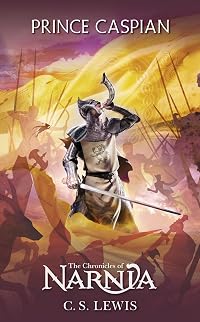
Prince Caspian
by C. S. Lewis
The Chronicles of Narnia-Chronological (4), The Chronicles of Narnia: Publication order (2)
On This Page
Description
Four children help Prince Caspian and his army of Talking Beasts to free Narnia from evil.Tags
Recommendations

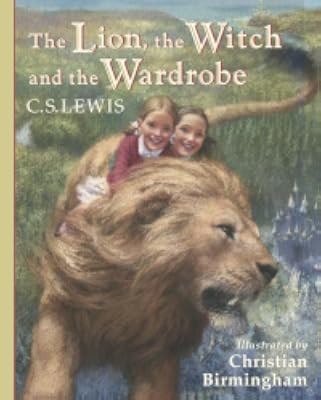
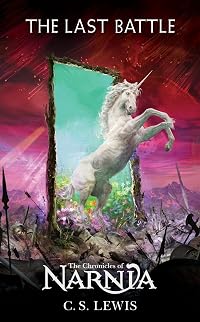
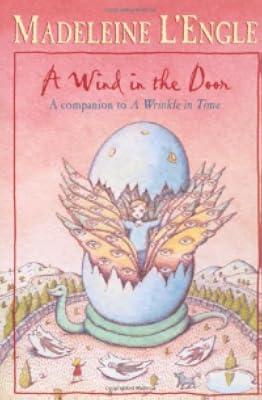
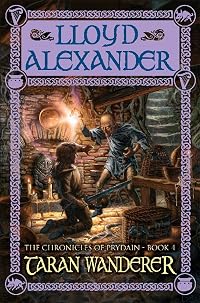

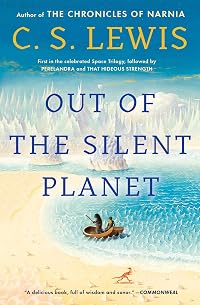
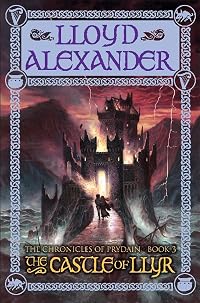
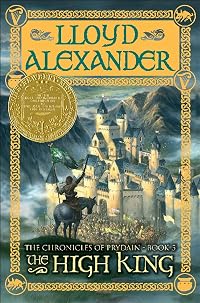
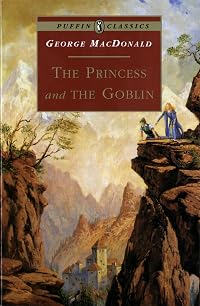
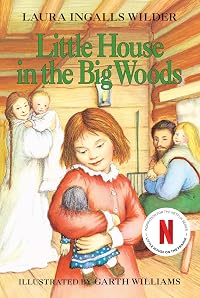
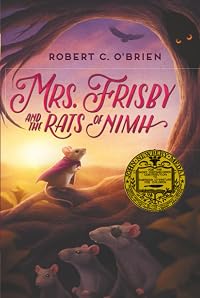
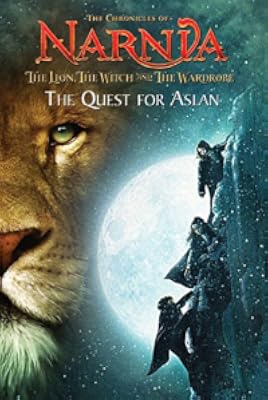
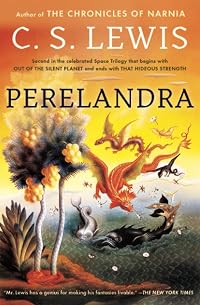


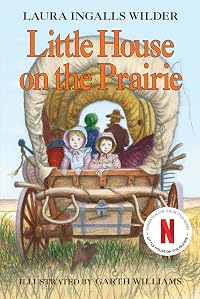
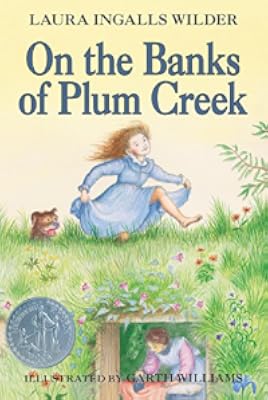
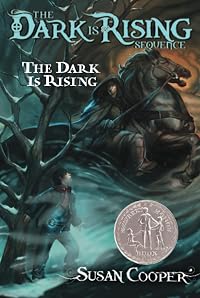
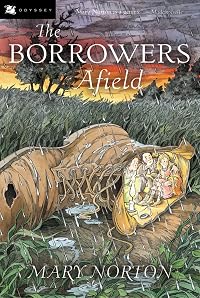


Member Recommendations

Member Reviews
For me, "Prince Caspian" isn't one of the highlights of the Narnia series. Although it continues the journey of the Pevensie children, it seems like relatively bog-standard fantasy fare, with new characters who I actually find don't enhance the story that much. "The Magician's Nephew" suggested there were so many worlds out there, and this - while not a bad story, by any means - doesn't take much advantage of Lewis' imagination, beyond a few funny incidents. Perhaps I'm just not interested in the more standard fantasy tropes that appear here.
Part two of my Great Narnia Reread. These books are interesting!
Caspian was never my favorite Narnia book as a child, and I can kinda see why. It's a fairly linear adventure story with a lot of tromping through the woods. Still, the opening rates as one of the most magical sequences in the series: the four Pevensie children finding themselves on a mysterious island and slowly arriving at the truth: they're exploring the ruins of their former castle.
If the first Narnia book is about redemption, Caspian is about restoration. The opening of Caspian's story parallels the Pevensies' in a pleasing way—as the children uncover the ruins of the past, Caspian gradually discovers that the Old Narnia is still very much alive. The rest of the book show more is pretty straightforward: the kids tromp across Narnia, there's a bit of a war, and the girls and Aslan team up with the forces of paganism to bring on a new age of libertarian anarchy. (There are MAENADS, y'all.) It's a nicely spun tale, and if it has a fault, it's that Miraz is a pretty boring villain and his defeat requires an eleventh-hour deus ex machina.
The gender stereotypes here are... not great at times. I was pretty appalled both by the scene where Peter walks into almost certain death with a quintessential, English public school, stiff upper lip, not even hugging his little brother goodbye, and Susan's overall role in the party as the Bitchy One. If I handed these books to a kid, I might want to followup with a conversation about gender roles in fiction.
But of course what I really want to talk about is Lucy and Aslan and theology. The long sequence where Aslan is visible only to Lucy is the reason I say these books are interesting.
Now, as a secular reader, if you take these chapters literally you will get nowhere—or rather, you will find yourself in the weeds, arguing about what it means to have faith in a God who seemingly withholds information, and that is nowhere anyone wants to be.
Instead, I invite the reader to approach this sequence as a parable about commitment to the truth. A while back it occurred to me that the famous quote about Lucy is actually a really good motto for the #MeToo movement. "You know she doesn't tell lies and it is obvious that she is not mad. For the moment then and unless any further evidence turns up, we must assume that she is telling the truth."
So yeah, I don't have much to say about lions who only appear if you believe hard enough (although this is a theme that Lewis explores more productively in Till We Have Faces). But if we stop worrying about Aslan's motivations and focus on Lucy, I think this becomes a really lovely parable about bravery and honoring the truth. Lucy knows something to be true, recognizes this knowledge is a call to action, and is afraid to do anything because her goddamn family won't believe her. I think this is a character arc we can all get behind.
What's more, read this way Lucy's siblings reactions become more legible—Edmund, who believes her but wants to follow the consensus of the group, Peter who listens to his head rather than his heart, and Susan, who knows in her heart that Lucy is telling the truth but just doesn't want to be inconvenienced.
I never in a million years thought I would stumble upon a close-reading of these chapters that redeems them, but there you go. #believeLucy show less
Caspian was never my favorite Narnia book as a child, and I can kinda see why. It's a fairly linear adventure story with a lot of tromping through the woods. Still, the opening rates as one of the most magical sequences in the series: the four Pevensie children finding themselves on a mysterious island and slowly arriving at the truth: they're exploring the ruins of their former castle.
If the first Narnia book is about redemption, Caspian is about restoration. The opening of Caspian's story parallels the Pevensies' in a pleasing way—as the children uncover the ruins of the past, Caspian gradually discovers that the Old Narnia is still very much alive. The rest of the book show more is pretty straightforward: the kids tromp across Narnia, there's a bit of a war, and the girls and Aslan team up with the forces of paganism to bring on a new age of libertarian anarchy. (There are MAENADS, y'all.) It's a nicely spun tale, and if it has a fault, it's that Miraz is a pretty boring villain and his defeat requires an eleventh-hour deus ex machina.
The gender stereotypes here are... not great at times. I was pretty appalled both by the scene where Peter walks into almost certain death with a quintessential, English public school, stiff upper lip, not even hugging his little brother goodbye, and Susan's overall role in the party as the Bitchy One. If I handed these books to a kid, I might want to followup with a conversation about gender roles in fiction.
But of course what I really want to talk about is Lucy and Aslan and theology. The long sequence where Aslan is visible only to Lucy is the reason I say these books are interesting.
Now, as a secular reader, if you take these chapters literally you will get nowhere—or rather, you will find yourself in the weeds, arguing about what it means to have faith in a God who seemingly withholds information, and that is nowhere anyone wants to be.
Instead, I invite the reader to approach this sequence as a parable about commitment to the truth. A while back it occurred to me that the famous quote about Lucy is actually a really good motto for the #MeToo movement. "You know she doesn't tell lies and it is obvious that she is not mad. For the moment then and unless any further evidence turns up, we must assume that she is telling the truth."
So yeah, I don't have much to say about lions who only appear if you believe hard enough (although this is a theme that Lewis explores more productively in Till We Have Faces). But if we stop worrying about Aslan's motivations and focus on Lucy, I think this becomes a really lovely parable about bravery and honoring the truth. Lucy knows something to be true, recognizes this knowledge is a call to action, and is afraid to do anything because her goddamn family won't believe her. I think this is a character arc we can all get behind.
What's more, read this way Lucy's siblings reactions become more legible—Edmund, who believes her but wants to follow the consensus of the group, Peter who listens to his head rather than his heart, and Susan, who knows in her heart that Lucy is telling the truth but just doesn't want to be inconvenienced.
I never in a million years thought I would stumble upon a close-reading of these chapters that redeems them, but there you go. #believeLucy show less
Peter, Susan, Edmund, and Lucy all get pulled back into Narnia when Prince Caspian uses Susan’s magic horn to call for aid. They discover that thousands of years have passed since they were last in Narnia and much has changed. Caspian is the rightful king, but his uncle has taken the throne and Caspian’s life is in danger. The children travel through wild terrain with a friendly dwarf to reach Caspian and his army in time to help turn the fate of the battle. Aslan also shows up just in time to help out, sort of, with, weirdly, Bacchus and his Maenads in tow.
I didn’t remember much about this entry in the series from when I was a kid. It’s not…great? Not a lot happens, there’s an overabundance of poorly-veiled references to show more the importance of blind faith in capital-G god, and what’s with Dionysus and his crew showing up for a revelry?! Very weird. show less
I didn’t remember much about this entry in the series from when I was a kid. It’s not…great? Not a lot happens, there’s an overabundance of poorly-veiled references to show more the importance of blind faith in capital-G god, and what’s with Dionysus and his crew showing up for a revelry?! Very weird. show less
I enjoyed this more this time around than I ever had before. Some really neat scenes, especially an early one where Lewis nicely evokes the feeling of being in a ruin and a sense of slowly realizing where you are. But his gender politics make me want to bite, and the older I get the more Aslan reads like a gentle dom than *sparkles* Jesus. Although... actually, never mind. I'm too tired too pick at that knot today.
A year after returning from Narnia, Peter, Susan, Edmund and Lucy are on the train platform ready to go away to boarding school when they're pulled away by a magical force - can they be back in Narnia? And if this is Narnia, why is it so very changed, with a castle in ruins and no sign of the Talking Beasts or walking trees?
I seem to have a theme lately of revisiting childhood favorites in my audiobooks. Prince Caspian is the second in the publishing order of the Chronicles of Narnia, and the fourth chronologically. The story is told in a somewhat odd way, as the children encounter a dwarf who brings them up to speed with who Prince Caspian is, and it takes them over half the book to even get to him. This also isn't my favorite of the show more audiobooks, as I'm sure Lynn Redgrave is a fine reader but her voice choices for Lucy and Nikabrik in particular do not match the voices of those characters in my head. I will always enjoy this story, however, for Trufflehunter and his faith and Reepicheep who remains the only mouse I will ever like. show less
I seem to have a theme lately of revisiting childhood favorites in my audiobooks. Prince Caspian is the second in the publishing order of the Chronicles of Narnia, and the fourth chronologically. The story is told in a somewhat odd way, as the children encounter a dwarf who brings them up to speed with who Prince Caspian is, and it takes them over half the book to even get to him. This also isn't my favorite of the show more audiobooks, as I'm sure Lynn Redgrave is a fine reader but her voice choices for Lucy and Nikabrik in particular do not match the voices of those characters in my head. I will always enjoy this story, however, for Trufflehunter and his faith and Reepicheep who remains the only mouse I will ever like. show less
I recently realized that I had never read the entire set of books in the Chronicles of Narnia. I read The Lion, the Witch, and the Wardrobe years ago, and recently tried The Horse and His Boy, which I understood could be read as a standalone (it was). I liked it enough to try another in the series.
This is the second book in the order of publication. The four Pevensie children are back for another adventure in Narnia. One year has passed back in England, but thousands of years have passed in Narnia. The rightful King (the titular Prince Caspian) is in danger and needs help to claim the crown from the currently reigning usurper.
I really enjoy these old-fashioned adventure stories in the form of a quest. It is well-paced, and full of show more predicaments, which create curiosity as to how the protagonists will get out of the fix. It is a children's story that can appeal to all ages. Near the end, there are a few very touching scenes. I got carried away with the flow and ended up fully enjoying it. show less
This is the second book in the order of publication. The four Pevensie children are back for another adventure in Narnia. One year has passed back in England, but thousands of years have passed in Narnia. The rightful King (the titular Prince Caspian) is in danger and needs help to claim the crown from the currently reigning usurper.
I really enjoy these old-fashioned adventure stories in the form of a quest. It is well-paced, and full of show more predicaments, which create curiosity as to how the protagonists will get out of the fix. It is a children's story that can appeal to all ages. Near the end, there are a few very touching scenes. I got carried away with the flow and ended up fully enjoying it. show less
A few years ago I started a Narnia reread which happens very slowly, but I'm getting there! Today I finished "Prince Caspian".
I absolutely loved "The Chronicles of Narnia" as a child and read most of those books many times. They were my introduction to fantasy and my favourite books before I started reading Tolkien and grew out of the Narnia stories.
I was really looking forward to this installment because I know that "Prince Caspian" was my favourite Narnia book as a child apart from "The Lion, the Witch and the Wardrobe". I am happy to say that it did not disappoint. I enjoyed it very much and I can see why I loved it so much back then.
The Pevensie children are back in Narnia because all that Narnia once stood for has been forbidden show more and the talking animals and other creatures are in hiding. Prince Caspian is their only hope, and the four children are called back to Narnia to support him.
Concerning the plot I remembered only the beginning, which is exciting and wonderful as well as a bit melancholic, and I enjoyed it very much this time, too. The story continues just as good and it has many elements I loved on this second reading: Old tales, a journey through the wilderness, friendship and bravery, fighting for the good, an atmosphere of something that is lost but still remembered. The language of this book is much more poetic than in the previous ones, and some passage are so beautiful that I had to read them several times. And this was something I discovered on this reread almost thirty years later: This novel is much more similar to Tolkien's writing than the other ones, so no wonder that I loved it so much. It has many of the features that I love about Tolkien, namely the ones I described above.
There are more similarities, such as the woods who move to fight the enemy, and the notion that fairytales are dismissed by adults although they contain so much truth.
Of course there are some aspects that are a bit problematic, such as the topics of gender roles or speciesism (why must humans rule Narnia when there are so many intelligent animals?). However, this did not take away from my enjoyment because there are so many things in the book that went straight to my heart. show less
I absolutely loved "The Chronicles of Narnia" as a child and read most of those books many times. They were my introduction to fantasy and my favourite books before I started reading Tolkien and grew out of the Narnia stories.
I was really looking forward to this installment because I know that "Prince Caspian" was my favourite Narnia book as a child apart from "The Lion, the Witch and the Wardrobe". I am happy to say that it did not disappoint. I enjoyed it very much and I can see why I loved it so much back then.
The Pevensie children are back in Narnia because all that Narnia once stood for has been forbidden show more and the talking animals and other creatures are in hiding. Prince Caspian is their only hope, and the four children are called back to Narnia to support him.
Concerning the plot I remembered only the beginning, which is exciting and wonderful as well as a bit melancholic, and I enjoyed it very much this time, too. The story continues just as good and it has many elements I loved on this second reading: Old tales, a journey through the wilderness, friendship and bravery, fighting for the good, an atmosphere of something that is lost but still remembered. The language of this book is much more poetic than in the previous ones, and some passage are so beautiful that I had to read them several times. And this was something I discovered on this reread almost thirty years later: This novel is much more similar to Tolkien's writing than the other ones, so no wonder that I loved it so much. It has many of the features that I love about Tolkien, namely the ones I described above.
There are more similarities, such as the woods who move to fight the enemy, and the notion that fairytales are dismissed by adults although they contain so much truth.
Of course there are some aspects that are a bit problematic, such as the topics of gender roles or speciesism (why must humans rule Narnia when there are so many intelligent animals?). However, this did not take away from my enjoyment because there are so many things in the book that went straight to my heart. show less
Members
- Recently Added By
Lists

Favorite Childhood Books
1,651 works; 515 members

Read the book and saw the movie
1,170 works; 195 members

Best Fantasy Novels
821 works; 361 members
1001 Children's Books You Must Read Before You Grow Up
774 works; 101 members

Books I've Read More Than Once
602 works; 49 members

Read the Book, Hated the Movie
30 works; 25 members
Favourite High Fantasy Books
113 works; 23 members

Best Young Adult
413 works; 102 members
NPRs Ultimate Backseat Bookshelf: 100 Must-Reads for kids 9-14
222 works; 30 members

1950s
340 works; 22 members
Mensa for Kids Excellence in Reading Award Program (Grades 4-6)
64 works; 9 members

20th Century Literature
1,161 works; 55 members

Elevenses
316 works; 88 members

Christianity Books You've Read
179 works; 19 members
Books with Noble Titles
179 works; 11 members

Childhood Favorites
427 works; 24 members

Works That Inspired Disney Movies
119 works; 13 members
Mind Expanding Books by hackerkid
581 works; 8 members
Movie Adaptations
111 works; 4 members

Books tagged favorites
390 works; 30 members
Speculative Fiction to Read
706 works; 32 members
Generation Joshua
115 works; 3 members
Travel from real to fantasy world -- children's/young adult fiction
125 works; 11 members

Books Read in 2023
5,638 works; 147 members

Read Aloud Revival
108 works; 4 members
Science Fiction and Fantasy
63 works; 4 members

School Made Us Read It
380 works; 196 members

Books Read in 2022
5,226 works; 112 members

um actually
76 works; 3 members

Books Read in 2016
4,666 works; 199 members

Recommended Reading : 600 Classics Reviewed, Editors of Salem Press, 2015
634 works; 6 members

Books We Loved As Children
603 works; 253 members

Read in 1999
62 works; 1 member
'Books You Can't Live Without: The Top 100', The Guardian, 2007
156 works; 7 members

Read in 2021
24 works; 1 member

Books Read in 2025
4,128 works; 98 members

Blue Pyramid 1,276 Best Books of All Time
1,248 works; 32 members

EEK! A Mouse ::: Best Children's Books
95 works; 13 members

Pageturners
40 works; 6 members

Witches and Wizards Oh My
135 works; 12 members
LOPC Children's Library Wishlist
62 works; 2 members
Puffin Books 70th anniversary handbook recommendations
537 works; 10 members

CCE 1000 Good Books List
1,033 works; 12 members

Books Read in 2014
2,344 works; 86 members
Honey For a Child's Heart
1,152 works; 25 members
Ambleside Books
459 works; 18 members

Books Read in 2013
1,630 works; 51 members
Nifty Fifties
129 works; 14 members

Unread books
1,063 works; 87 members
The Five Books That Represent Us
391 works; 149 members

Most Popular Young Adult Lit on LT
100 works; 4 members
Author Information

542+ Works 524,912 Members
C. S. (Clive Staples) Lewis, "Jack" to his intimates, was born on November 29, 1898 in Belfast, Ireland. His mother died when he was 10 years old and his lawyer father allowed Lewis and his brother Warren extensive freedom. The pair were extremely close and they took full advantage of this freedom, learning on their own and frequently enjoying show more games of make-believe. These early activities led to Lewis's lifelong attraction to fantasy and mythology, often reflected in his writing. He enjoyed writing about, and reading, literature of the past, publishing such works as the award-winning The Allegory of Love (1936), about the period of history known as the Middle Ages. Although at one time Lewis considered himself an atheist, he soon became fascinated with religion. He is probably best known for his books for young adults, such as his Chronicles of Narnia series. This fantasy series, as well as such works as The Screwtape Letters (a collection of letters written by the devil), is typical of the author's interest in mixing religion and mythology, evident in both his fictional works and nonfiction articles. Lewis served with the Somerset Light Infantry in World War I; for nearly 30 years he served as Fellow and tutor of Magdalen College at Oxford University. Later, he became Professor of Medieval and Renaissance English at Cambridge University. C.S. Lewis married late in life, in 1957, and his wife, writer Joy Davidman, died of cancer in 1960. He remained at Cambridge until his death on November 22, 1963. (Bowker Author Biography) show less
All Editions
Some Editions
Awards and Honors
Series


Work Relationships
Is contained in
The Complete Works: Fantasy & Sci-Fi Novels, Religious Studies, Poetry & Autobiography: Enriched edition. The Chronicles of Narnia, The Space Trilogy, The Screwtape Letters by C. S. Lewis (indirect)
The Lion, the Witch and the Wardrobe / Prince Caspian / The Voyage of the Dawn Treader by C. S. Lewis
The Last Battle; The Horse and His Boy; The Voyage of the Dawn Treader; Prince Caspian; The Silver Chair; The Magician's Nephew by C. S. Lewis
Has the adaptation
Is abridged in
Inspired
Has as a reference guide/companion
Has as a commentary on the text
Common Knowledge
- Canonical title
- Prince Caspian
- Original title
- Prince Caspian
- Alternate titles
- Prince Caspian; The chronicles of Narnia : Prince Caspian; 加彼恩王子; 凱斯賓王子
- Original publication date
- 1951
- People/Characters
- Aslan; Caspian X; Edmund Pevensie; Peter Pevensie; Lucy Pevensie; Susan Pevensie (show all 22); Reepicheep; Miraz; Doctor Cornelius; Trufflehunter; Jadis (Narnia); Trumpkin; Mr. Beaver; Queen Prunaprismia; Caspian IX; Nikabrik; Mrs. Beaver; Pattertwig; Glozelle; Sopespian; Glenstorm; Bacchus
- Important places
- Narnia; Aslan's How; Calormen; Cair Paravel; England, UK; Dancing Lawn (show all 10); Lantern Waste; Glasswater Creek; Great River; Ford of Beruna
- Related movies
- Prince Caspian and the Voyage of the Dawn Treader (1989 | IMDb); The Chronicles of Narnia: Prince Caspian (2008 | IMDb)
- Dedication
- To
Mary Clare Havard - First words
- Once there were four children whose names were Peter, Susan, Edmund, and Lucy, and it has been told in another book called The Lion, the Witch and the Wardrobe how they had a remarkable adventure.
- Quotations
- "You come of the Lord Adam and the Lady Eve," said Aslan. "And that is both honour enough to erect the head of the poorest beggar, and shame enough to bow the shoulders of the greatest emperor in earth."
- Last words
- (Click to show. Warning: May contain spoilers.)"Bother!" said Edmund, "I've left my new torch in Narnia."
- Original language
- English
- Canonical DDC/MDS
- 823.087661
- Disambiguation notice
- Please do NOT combine "Prince Caspian" with "The Chronicles of Narnia"
Unabridged. Please do NOT combine with any abridged editions.
Classifications
- Genres
- Fantasy, Fiction and Literature, Christian Fiction, Kids
- DDC/MDS
- 823.087661 — Literature & rhetoric English & Old English literatures English fiction By type Genre fiction Adventure fiction Speculative fiction Fantasy fiction High fantasy
- LCC
- PZ7 .L58474 .P — Language and Literature Fiction and juvenile belles lettres Fiction and juvenile belles lettres Juvenile belles lettres
- BISAC
Statistics
- Members
- 31,441
- Popularity
- 105
- Reviews
- 282
- Rating
- (3.86)
- Languages
- 34 — Afrikaans, Arabic, Bulgarian, Catalan, Chinese, Czech, Danish, Dutch, English, Estonian, Finnish, French, German, Greek, Hebrew, Hungarian, Indonesian, Italian, Japanese, Korean, Latvian, Malay, Norwegian (Bokmål), Norwegian, Farsi/Persian, Polish, Romanian, Russian, Serbian, Spanish, Swedish, Turkish, Welsh, Portuguese (Brazil)
- Media
- Paper, Audiobook, Ebook
- ISBNs
- 329
- UPCs
- 16
- ASINs
- 174