On This Page
Description
A tale set in Victorian London introduces the characters of a stage magician and detective and his silent sidekick, whose fiendish plot to re-create the apocalyptic prophecies of Samuel Taylor Coleridge threaten the British Empire.Tags
Recommendations

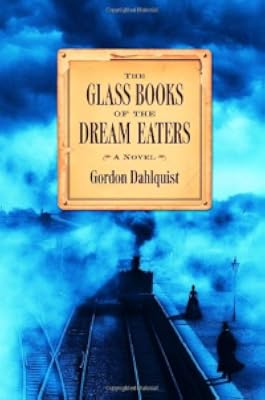
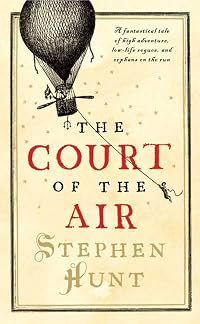
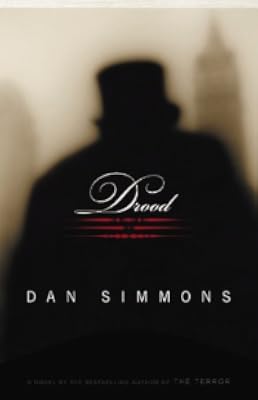
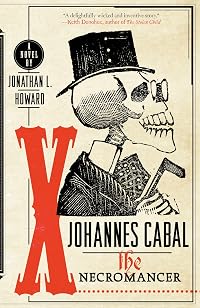







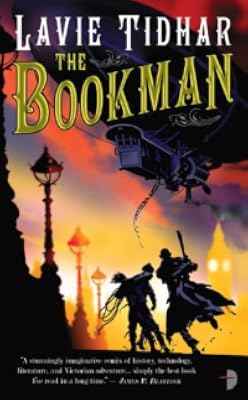
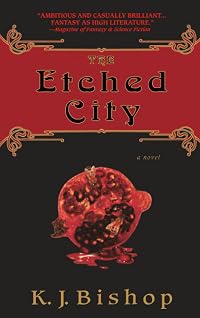
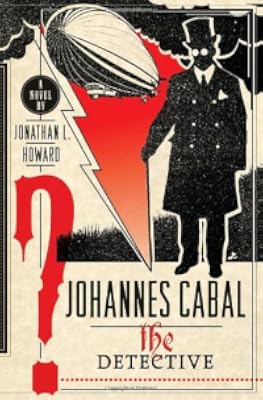
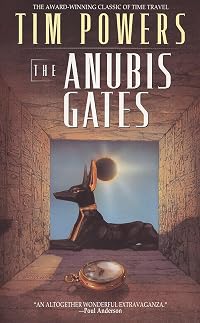

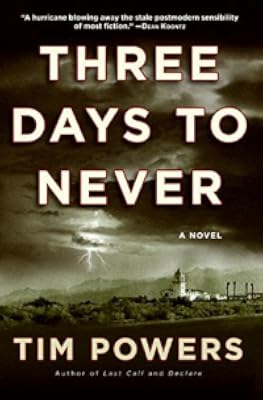

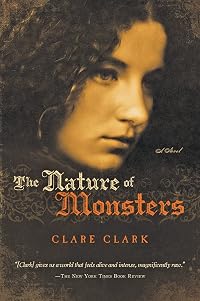
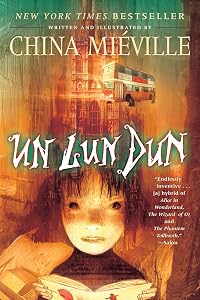

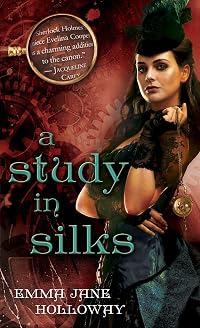
Member Recommendations


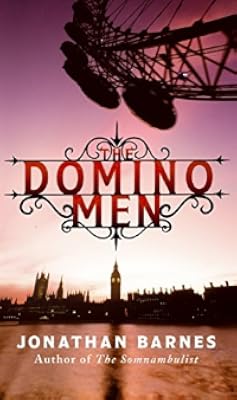
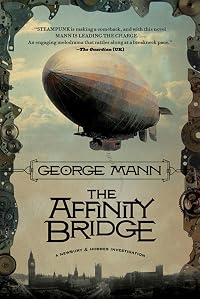
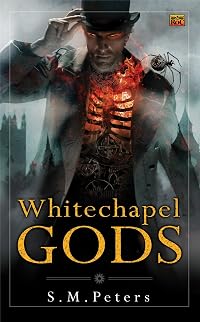
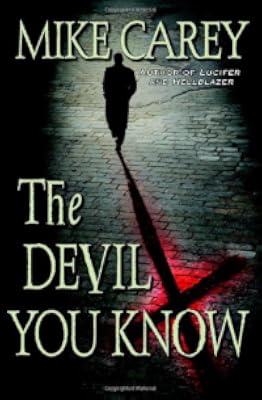
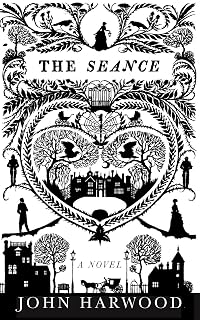
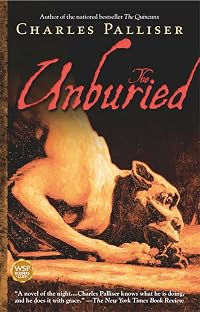
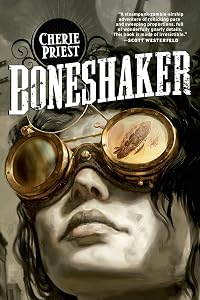
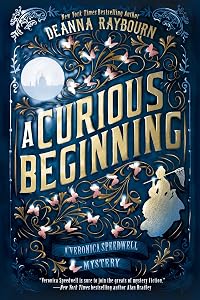
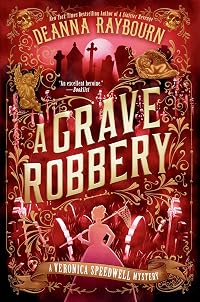
SomeGuyInVirginia Similar in tone and setting; both highly enjoyable.

SomeGuyInVirginia Similar in tone. Both are darkly comic detection novels with supernatural overtones and set in London. The entire Peculiar Crimes series qualifies as a recommendation.

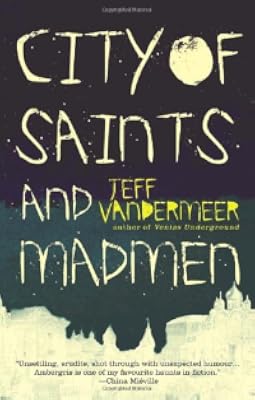
rbtanger Similar in atmosphere and incidental details; there are also several character overlaps, especially of the side-show sort.

silva_44 Cribb reminded me of the main character in Forever, who has been granted immortality, but can only stay in one city.
Member Reviews
Gosh I can't believe I actually finished this. So much potential just fell flat. Barnes tries too much and too little at the same time. I didn't care about any of the characters and the historical gimmicks weren't interesting enough. For instance, the character of Coleridge (minor spoiler, but I could not care less) is under-used and the nature of the title character is never answered--why the fuck is it called the Somnambulist?! It makes no sense. Is he some sort of golem? It feels like Barnes took a bunch of notes on "how to create a unique alternative world" and started to try to lay the groundwork in some overly subtle way for a follow-up novel in the Domino Men (which also falls flat, given this poor foundation). But where his show more world-building had the potential to be unique and interesting, he just glossed over it. In the meantime, his characters are boring and predictable and the plot is grand but kept on too short of a leash to flourish. I feel like Barnes tried too hard and couldn't keep track of his own pieces. The unreliable narrator was cliche and predictable.
It's been a long time since I've read a novel that was so good at reminding me it was a book, consciously knocking me out of its narrative grasp. It was *this* close to being a page turner, but it just ended up a wannabe. show less
It's been a long time since I've read a novel that was so good at reminding me it was a book, consciously knocking me out of its narrative grasp. It was *this* close to being a page turner, but it just ended up a wannabe. show less
If a novel or any other text begins with: "You will be highly disappointed with the quality of this work", then two things happen tend to happen. First of all you will most likely be disappointed with the quality of the work and second you will start to doubt the confidence of the author in his own writing skills. The intended effect 'the book is so amazing that adding this sentence will make it even more wondrous' will not happen since all the reader remembers is 'you will be highly disappointed'. The novel The Somnambulist does just this and more. As a reader you are immediately told that the narrator will tell a lie at least once in the coming chapters. Does this truly setup a novel well? Or is it a plot device intended to make sure show more the big plot twist was already announced and the author can go: see, told you so. Readers usually have no problem gauging the confidence and abilities of an author, we do not have to be explicitly told. Usually mechanisms like the ones discussed here are used by those who are not sure their intended effect will come over and they add insurance in case it doesn't. Why then is this author so unsure about this novel's effect? Surely he has plenty of knowledge and experience, he is after all an Oxford graduate, which we know by reading the back flap of the hardcover edition. A critical piece of information I'm sure.
We follow the adventures of a dubious protagonist by the name of Edward Moon who owns and runs an cabinet of curiosities theater in which he works as an illusionist together with a strange man known to the readers for most of the book as 'The Somnambulist'. Immediately in the beginning of the novel the author draws a parallel with Sherlock Holmes, since in the past Edward Moon, the main character, has solved many complicated criminal cases. Conan Doyle who wrote the Holmes novels understood readers very well, he wasn't unsure about his prose, something we can't say about Jonathan Barnes the author. Doyle used Dr. Watson as an instrument of narration. We saw the world through his eyes, which made the eccentric behavior of Holmes digestible, understandable and most of all entertaining. Edward Moon has the Somnambulist, who in a lot of ways plays the same role, except he doesn't speak. Perhaps a joke on Doyle by Barnes?
If we forgive this misplaced sense of literary humor, we are still left with some very bad character decisions, some major plot holes and a story that is so full of itself that it makes for some difficult reading at times. Holmes would frequently analyze a situation, clarify deep mysteries and most of the time baffle us with amazing feats of detection and deduction. Edward Moon does this just once and feebly at best. Moon later on seems to have lost all his deduction abilities to such extend that he doesn't even recognize his own sister who is sitting next to him in a disguise. Hard to believe for someone who used to be a celebrated sleuth. Any of this odd behavior can not be explained by a later major plot twist which I will not reveal here for those still interested in reading the book. Needless to say from reader's perspective after the twist, the behavior of Moon would still seem suspect to say the least. Even if we take into account that the narrator already told us he would lie. Why?
Three quarters through the book the perspective of the reader changes and we're now reading the story first person perspective through the eyes of Moon's nemesis. Think Moriarty, except less brilliant and not as interesting. If one wants to paint oneself a master of criminal achievements, wouldn't it make sense to make the enemy you just defeated the best there ever lived? Wouldn't you want to ensure that you did not portray your nemesis as an incompetent bungler? Instead, Moon is depicted as someone who bungles from one disaster into another. Through one adventure after another Moon follows a trail of hints and suggestions instead of clues and signs, a character trait that can not be explained by either Moon's nemesis' opinion or the fact that Moon has lost his powers of criminal deduction at his present age.
Besides the many strange decisions in storytelling, the author takes odd liberal allowances for tone of voice. I'm not by any means an expert in Victorian historical fiction, but I'm fairly certain the people living on the streets of 19th century London did not use words like 'prolly', which is better placed in good contemporary chick-lit.
Most reviews I've read state something like "I kept reading for some reason but didn't really like the book, but I could not explain why". I hope to have explained some of the uneasiness readers might have. The novel has some interesting descriptions of people and places, but not enough to give it a good rating. show less
We follow the adventures of a dubious protagonist by the name of Edward Moon who owns and runs an cabinet of curiosities theater in which he works as an illusionist together with a strange man known to the readers for most of the book as 'The Somnambulist'. Immediately in the beginning of the novel the author draws a parallel with Sherlock Holmes, since in the past Edward Moon, the main character, has solved many complicated criminal cases. Conan Doyle who wrote the Holmes novels understood readers very well, he wasn't unsure about his prose, something we can't say about Jonathan Barnes the author. Doyle used Dr. Watson as an instrument of narration. We saw the world through his eyes, which made the eccentric behavior of Holmes digestible, understandable and most of all entertaining. Edward Moon has the Somnambulist, who in a lot of ways plays the same role, except he doesn't speak. Perhaps a joke on Doyle by Barnes?
If we forgive this misplaced sense of literary humor, we are still left with some very bad character decisions, some major plot holes and a story that is so full of itself that it makes for some difficult reading at times. Holmes would frequently analyze a situation, clarify deep mysteries and most of the time baffle us with amazing feats of detection and deduction. Edward Moon does this just once and feebly at best. Moon later on seems to have lost all his deduction abilities to such extend that he doesn't even recognize his own sister who is sitting next to him in a disguise. Hard to believe for someone who used to be a celebrated sleuth. Any of this odd behavior can not be explained by a later major plot twist which I will not reveal here for those still interested in reading the book. Needless to say from reader's perspective after the twist, the behavior of Moon would still seem suspect to say the least. Even if we take into account that the narrator already told us he would lie. Why?
Three quarters through the book the perspective of the reader changes and we're now reading the story first person perspective through the eyes of Moon's nemesis. Think Moriarty, except less brilliant and not as interesting. If one wants to paint oneself a master of criminal achievements, wouldn't it make sense to make the enemy you just defeated the best there ever lived? Wouldn't you want to ensure that you did not portray your nemesis as an incompetent bungler? Instead, Moon is depicted as someone who bungles from one disaster into another. Through one adventure after another Moon follows a trail of hints and suggestions instead of clues and signs, a character trait that can not be explained by either Moon's nemesis' opinion or the fact that Moon has lost his powers of criminal deduction at his present age.
Besides the many strange decisions in storytelling, the author takes odd liberal allowances for tone of voice. I'm not by any means an expert in Victorian historical fiction, but I'm fairly certain the people living on the streets of 19th century London did not use words like 'prolly', which is better placed in good contemporary chick-lit.
Most reviews I've read state something like "I kept reading for some reason but didn't really like the book, but I could not explain why". I hope to have explained some of the uneasiness readers might have. The novel has some interesting descriptions of people and places, but not enough to give it a good rating. show less
I was most surprised when I began reading this novel and found myself hooked by the first page. I do not usually gravitate toward sci fi, but this book was most compelling. I loved the varied characters, trying to unravel the identity of the narrator, the descriptions of London, the man who lived his life backward, and many other interesting bits. I especially loved that Barnes used the names Skimpole and Dedlock, from Bleak House. I would have given it four stars, but the bloodbath at the end was a bit much.
I’ve been a reader all my life. I majored in English in college and grad school, and I’ve worked in bookstores since 1992, most of that as a buyer. I’m surrounded by books at home and work and I see new ones every day. It’s sometimes difficult to quantify why certain books speak to us; why we pick up this book, but not that one.
Other times, it’s not difficult at all:
Be warned. This book has no literary merit whatsoever. It is a lurid piece of nonsense, convoluted, implausible, peopled by unconvincing characters, written in drearily pedestrian prose, frequently ridiculous and willfully bizarre. Needless to say, I doubt you’ll believe a word of it.
I don’t know about you, but I’m in love.
With an opening like that, how can I show more not climb on board for the ride? Sure, I understand that this kind of narrator turns some people off (well, I know that; I don’t really understand it). But for me, it’s the sign of an author who wants to play--who wants me as the reader to take a more active role in the story, and I love that. It’s both clever and witty (and neatly kneecaps disgruntled reviewers: I told you it was implausible people, so no complaints!) and nicely sets the tone for the tale to come.
The story itself is everything the narrator promises (with the exception of pedestrian prose—I really liked the writing). You’ve got Edward Moon, stage magician and detective, and his silent partner in both endeavors, the Somnambulist, a giant of a man who never speaks and holds many secrets. You’ve got warm-hearted housekeepers, sybaritic layabouts, spiritualists, gung-ho police inspectors, and freakshow prostitutes. You’ve got grizzly murders, mysterious disappearances, secret societies, shadowy government organizations, the poetry of Samuel Taylor Coleridge, and the shadow of past mistakes.
It’s a generous, sprawling, maddeningly convoluted story. I just finished it, and I’m still not sure exactly what happened. I can’t wait to read it again and find out, though. show less
Other times, it’s not difficult at all:
Be warned. This book has no literary merit whatsoever. It is a lurid piece of nonsense, convoluted, implausible, peopled by unconvincing characters, written in drearily pedestrian prose, frequently ridiculous and willfully bizarre. Needless to say, I doubt you’ll believe a word of it.
I don’t know about you, but I’m in love.
With an opening like that, how can I show more not climb on board for the ride? Sure, I understand that this kind of narrator turns some people off (well, I know that; I don’t really understand it). But for me, it’s the sign of an author who wants to play--who wants me as the reader to take a more active role in the story, and I love that. It’s both clever and witty (and neatly kneecaps disgruntled reviewers: I told you it was implausible people, so no complaints!) and nicely sets the tone for the tale to come.
The story itself is everything the narrator promises (with the exception of pedestrian prose—I really liked the writing). You’ve got Edward Moon, stage magician and detective, and his silent partner in both endeavors, the Somnambulist, a giant of a man who never speaks and holds many secrets. You’ve got warm-hearted housekeepers, sybaritic layabouts, spiritualists, gung-ho police inspectors, and freakshow prostitutes. You’ve got grizzly murders, mysterious disappearances, secret societies, shadowy government organizations, the poetry of Samuel Taylor Coleridge, and the shadow of past mistakes.
It’s a generous, sprawling, maddeningly convoluted story. I just finished it, and I’m still not sure exactly what happened. I can’t wait to read it again and find out, though. show less
It's been a long time since I've read a book quite as strange as Jonathan Barnes' debut novel The Somnambulist (recently out from William Morrow). Filled with fiendishly odd characters, a whole mess of entirely unexplained subplots, unreliable narrators, shady conspiracies and a healthy dose of the neo-Gothic, this is a bizarre, not-entirely-satisfying volume that does - I think - exactly what it intends to do.
I found The Somnambulist demanded a close read just to keep all the various lines straight (and even then I don't think I quite managed it all the time). It held my attention very well, mainly because I had no idea what was coming next or whose perspective it was going to come from (or which long-dead English poet would suddenly show more appear and start rampaging, Hulk-like, through downtown London).
Incredibly weird, but puzzlingly fun.
http://philobiblos.blogspot.com/2008/03/book-review-somnambulist.html show less
I found The Somnambulist demanded a close read just to keep all the various lines straight (and even then I don't think I quite managed it all the time). It held my attention very well, mainly because I had no idea what was coming next or whose perspective it was going to come from (or which long-dead English poet would suddenly show more appear and start rampaging, Hulk-like, through downtown London).
Incredibly weird, but puzzlingly fun.
http://philobiblos.blogspot.com/2008/03/book-review-somnambulist.html show less
Jonathan Barnes' brilliant debut novel, The Somnambulist, chronicles the late Victorian-era adventures of a legendary magician-cum-detective Edward Moon and his mute, hulking, hairless sidekick, known only as the Somnambulist. The two investigate a series of bizarre murders, meet a cadre of eccentrics, and involve themselves in several strange incidents that culminate in a plot to destroy and remake London.
The unreliable, unnamed narrator, who frequently raves like a madman, issues a warning in the very first chapter: "This book has no literary merit whatsoever. It is a lurid piece of nonsense, convoluted, implausible, peopled by unconvincing characters, written in drearily pedestrian prose, frequently ridiculous and wilfully bizarre. show more Needless to say, I doubt you'll believe a word of it." The preamble is true but for the "pedestrian prose." Barnes crafts one of the finest first novels of the young century, creating an exciting, memorable book peopled with cultists, prostitutes, circus freaks, the undead, albinos, poets, time travelers, assassins, Lovecraftian creatures, and almost every Victorian-type nefarious nasty conceived. The title figure offers an enigmatic yet sympathetic figure who communicates through (poorly spelled) words scribbled on a small chalkboard, does not bleed or feel pain, and displays an intense, inexplicable loyalty to Moon. Truly surprising plot twists and red herrings abound. Through character actions, scene descriptions, and the mention of a scant few historical facts, Barnes successfully conjures the period without divulging dates. Until the final act when the narrator cleverly reveals himself, the author presents one of the finest occult thrillers ever. After veering dangerously close to the absurd, the story ultimately concludes with a lyrically obtuse ending that creates confusion rather than clarity.
Even with that flaw, the engaging ride of The Somnambulist offers enough thrills to distract from the ending. Or perhaps, just as Jonathan Barnes' narrator deceives in the narrative, this reviewer misdirects as well? Read The Somnambulist and decide for yourself.
This review originally appeared in The Austin Chronicle, February 1, 2008. show less
The unreliable, unnamed narrator, who frequently raves like a madman, issues a warning in the very first chapter: "This book has no literary merit whatsoever. It is a lurid piece of nonsense, convoluted, implausible, peopled by unconvincing characters, written in drearily pedestrian prose, frequently ridiculous and wilfully bizarre. show more Needless to say, I doubt you'll believe a word of it." The preamble is true but for the "pedestrian prose." Barnes crafts one of the finest first novels of the young century, creating an exciting, memorable book peopled with cultists, prostitutes, circus freaks, the undead, albinos, poets, time travelers, assassins, Lovecraftian creatures, and almost every Victorian-type nefarious nasty conceived. The title figure offers an enigmatic yet sympathetic figure who communicates through (poorly spelled) words scribbled on a small chalkboard, does not bleed or feel pain, and displays an intense, inexplicable loyalty to Moon. Truly surprising plot twists and red herrings abound. Through character actions, scene descriptions, and the mention of a scant few historical facts, Barnes successfully conjures the period without divulging dates. Until the final act when the narrator cleverly reveals himself, the author presents one of the finest occult thrillers ever. After veering dangerously close to the absurd, the story ultimately concludes with a lyrically obtuse ending that creates confusion rather than clarity.
Even with that flaw, the engaging ride of The Somnambulist offers enough thrills to distract from the ending. Or perhaps, just as Jonathan Barnes' narrator deceives in the narrative, this reviewer misdirects as well? Read The Somnambulist and decide for yourself.
This review originally appeared in The Austin Chronicle, February 1, 2008. show less
This is Jonathan Barnes’ first novel. Set in Victorian London, the story centers around a man named Edward Moon, a has-been conjurer. He has a mute side-kick named The Somnambulist. The mystery of the story is why two unrelated men have each fallen to their deaths.
In the course of the story we are introduced to a wide array of vivid characters, each with their own quirkiness. I will never forget some, such as the Prefects! :-)
I don’t understand why the book is titled “The Somnambulist”. It is only slightly about him. I’ve never read a book before that has had so many unique characters! It was intriguing to think that any or all of them could be the key to the original murders.
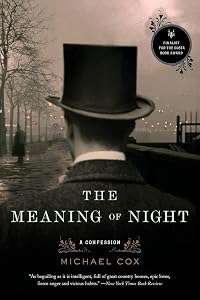
If you like 19th century London, mystery, strange show more characters, and intrigue, you will love this book. The story is dark. It is odd. It is compelling. I stayed up half the night finishing it! Although it didn’t surpass “The Meaning of Night” (my favorite book of 2006, now in paperback!), any book with murder, brainwashing, zombies, a traveling circus, a medium, actors, the heart of Chinatown, spooky tunnels, cemeteries, an underground lair, detectives, dreams, drugs, time travel, mice, prisoners, prostitutes, recluses, and mayhem has my vote! show less
In the course of the story we are introduced to a wide array of vivid characters, each with their own quirkiness. I will never forget some, such as the Prefects! :-)
I don’t understand why the book is titled “The Somnambulist”. It is only slightly about him. I’ve never read a book before that has had so many unique characters! It was intriguing to think that any or all of them could be the key to the original murders.
If you like 19th century London, mystery, strange show more characters, and intrigue, you will love this book. The story is dark. It is odd. It is compelling. I stayed up half the night finishing it! Although it didn’t surpass “The Meaning of Night” (my favorite book of 2006, now in paperback!), any book with murder, brainwashing, zombies, a traveling circus, a medium, actors, the heart of Chinatown, spooky tunnels, cemeteries, an underground lair, detectives, dreams, drugs, time travel, mice, prisoners, prostitutes, recluses, and mayhem has my vote! show less
Members
- Recently Added By
Lists

Gaslamp Fantasy
87 works; 15 members

seedy victorian novels
16 works; 4 members

Books discovered on LibraryThing
256 works; 36 members

Unshelved Book Clubs
579 works; 5 members

To Read (Prospector)
86 works; 1 member
Author Information

41+ Works 1,940 Members
Jonathan Barnes has a BSc in Biological Sciences from the University of Sussex. He has been writing since the age of 21 and under a pseudonym has published four novels. He cam across the Bates method in 1983 and, as a wearer of glasses himself, decided to investigate it from a biologist's viewpoint. He found it logical and consistent, and since show more practising it has been able to improve his eyesight and discard his glasses. (Bowker Author Biography) show less
Some Editions
Awards and Honors
Notable Lists
Series

Work Relationships
Has as a commentary on the text
Common Knowledge
- Canonical title
- The Somnambulist
- Original title
- The Somnambulist
- Original publication date
- 2007
- People/Characters
- Edward Moon; The Somnambulist; Mrs. Grossmith; Detective Inspector Merryweather; Thomas Cribb; Mr. Skimpole (show all 9); Mr. Dedlock; The Reverend Doctor Tan; Charlotte Moon
- Important places
- London, England, UK
- Dedication
- For my parents
- First words
- Be warned. This book has no literary merit whatsoever. It is a lurid piece of nonsense, convoluted, implausible, peopled by unconvincing characters, written in drearily pedestrian prose, frequently ridiculous and willfully ... (show all)bizarre.
- Last words
- (Click to show. Warning: May contain spoilers.)"Well, then," he says. "Where do we start?"
- Blurbers
- Bram, Christopher; Marshall, Michael; Morrow, James; VanderMeer, Jeff
Classifications
Statistics
- Members
- 1,378
- Popularity
- 17,252
- Reviews
- 127
- Rating
- (3.25)
- Languages
- English, German, Russian, Spanish
- Media
- Paper, Audiobook, Ebook
- ISBNs
- 17
- ASINs
- 7
