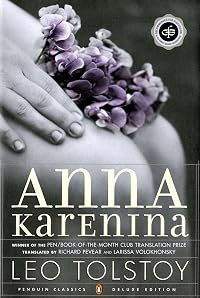
Anna Karenina
by Leo Tolstoy
There is 1 current discussion about this work.
On This Page
Description
In nineteenth-century Russia, the wife of an important government official loses her family and social status when she chooses the love of Count Vronsky over a passionless marriage.Tags
Recommendations
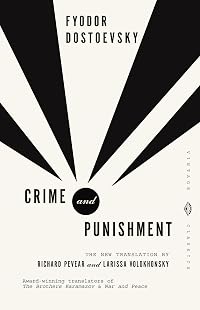
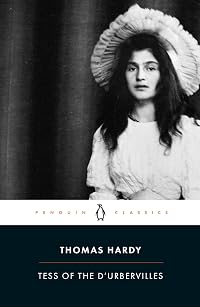
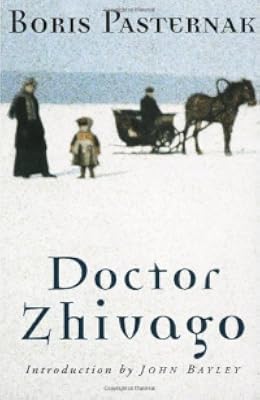
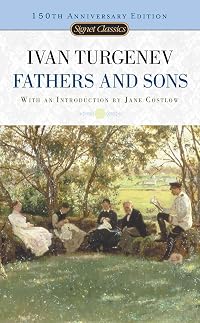
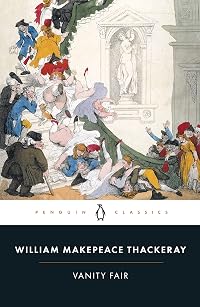
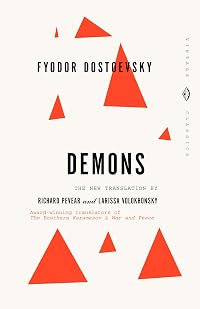
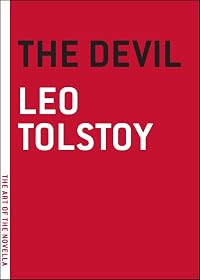

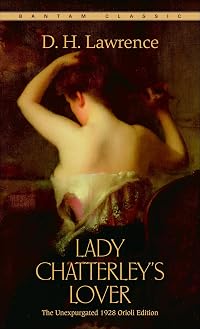

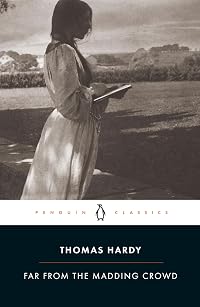
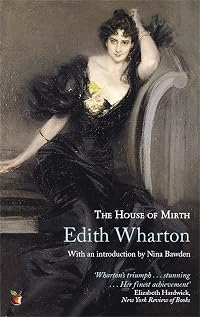
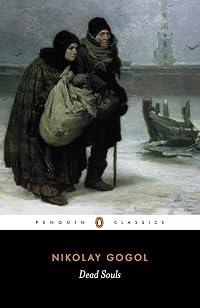
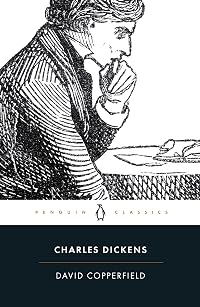


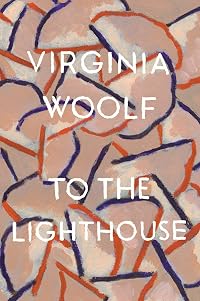

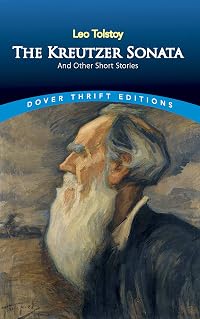
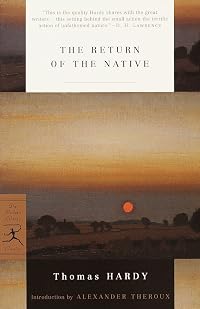


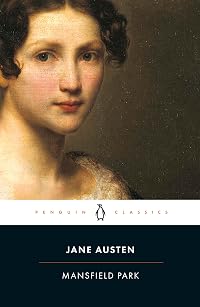

Member Recommendations
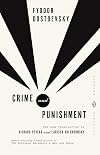
luzestrella when I got to the middle of the book I was shocked. It seens like the climax of all the main conclicts were already there. Why didn't the author cut the novel right there with that happy ending?
Unnusual for a ficcion novel indeep. But for that particular reason, for me it has it's charm.
The other half of the novel goes on describing what happened with the characters after they got what they wanted.
Also recommended by Booksloth
154
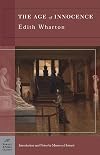
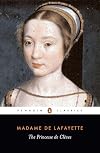
andejons Similar premises: married, upper class women fall in love with men of less than perfect moral standing. The outcomes are very different though.
50
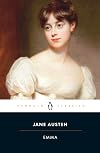
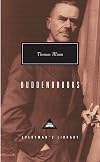
Henrik_Madsen To romaner af murstensstørrelse der analyserer og beskriver overklassefamiliernes komplicerede liv.
40
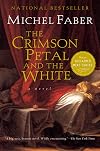
pingdjip Like Tolstoy, Faber goes under his characters' skin, ponders their social manoeuvering, and follows the pitfalls and triumphs of their lives. Difference: Faber is funny and sometimes provocative and teasing in a "postmodern" way.
41
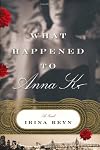
sparemethecensor Irina Reyn updates the classic _Anna Karenina_ to the Russian diaspora of New York City.
21



snarkhunting Both books build complex stories that delve into the nature of loyalty in relationships.

Member Reviews
Anna Karenina è il libro che avrei voluto aver scritto io, quello in cui ho trovato me, ogni parte di me, ogni lato del mio carattere e ogni sfumatura - evidente o meno - della mia anima. È un'opera monumentale, una di quelle di cui si ha paura anche solo sentendole nominare; eppure, di Anna Karenina, non bisogna aver paura. Del romanzo spaventa la mole immensa di più di mille pagine, ma null'altro. È una lettura scorrevole, avvincente sempre, mai noiosa, ricca di azione, movimenti e viaggi. La storia è in continuo mutamento, nulla è dato per scontato e le centinaia di personaggi presenti mantengono costantemente vivo e reale il tutto. È un romanzo ricco di temi, di spunti di riflessione, di domande e di tante - anche se non show more tutte - risposte.
Credo che tra me e Anna Karenina sia stato amore a prima vista, forse, intenso come la passione tra Vrònskij e Anna... forse. Da subito ho capito che era questo il libro giusto, quello che stavo aspettando da tutta una vita e che avevo paura di non trovare mai; ho compreso subito che lo avrei amato con tutta l'anima, che gli avrei dato tutta me stessa, e infatti così è stato. Perché il libro giusto esiste e io ho finalmente trovato il mio, che, insostituibile a qualunque altro, si è meritevolmente guadagnato un posto privilegiato nel mio cuore accanto a quei pochi altri libri che ho amato come ho amato questo.
In Anna Karenina c'è tutto quello che avevo bisogno di leggere, tutte le domande che mi pongo e che mi sono sempre posta; mi sono vista, ho visto me attraverso i suoi personaggi, ho sentito la mia voce attraverso la loro, ho ascoltato le mie parole, quelle dette e quelle che neanche ho mai immaginato avrei potuto dire, ascoltando le loro. Mi sono vista traditrice, tradita, amante, moglie, madre, mi sono vista messa da parte e messa al centro dell'attenzione, e mi sono vista in tutte le sfumature in cui ho sempre desiderato vedermi. Mi sono vista ricca e mi sono vista povera, malata e guarita, peccatrice e redenta. Ho visto me stessa in abiti non miei, quegli abiti che da tempo desidero fossero stati miei. Mi sono guardata dall'esterno e dall'interno e mi sono capita un po' di più, proprio come Lèvin ha capito alla fine il significato che la Fede ha per lui.
Anna Karenina mi ha trascinata in un mondo a me estraneo eppure che mi sembrava di conoscere da sempre. Catapultata nella Russia zarista ho vissuto per circa cinque settimane tra Mosca, Pietroburgo e la campagna circostante, perfino nella sudicia e triste stanza d'albergo in cui viveva Nikolàj, il fratello di Lèvin, riempendomi il cuore delle tre scampanellate che preannunciano la partenza di un treno, delle musiche dei balli, del parlottare degli uomini al circolo, dei nitriti dei cavalli alle corse, del pianto dei bambini... Ho sentito con le mie orecchie gli spari dei fucili dei cacciatori, l'abbaio dei cani da caccia, di Làska, soprattutto, la cagnolina di Lèvin talmente tanto personificata da parere un essere umano in tutto e per tutto, proprio come Frou Frou, la cavalla purosangue inglese di Vrònskij per la quale ho provato più pena e tenerezza che per Vrònskij stesso. Ho vissuto assieme a tutti loro e sono stata sempre presente in ogni dove, desiderando di non lasciarli mai, quei luoghi che ho tanto amato.
Protagoniste di Anna Karenina sono tre coppie che non potrebbero essere più diverse l'una dall'altra: Dolly e Stepàn Arkàd'ic, quella con cui inizia il romanzo e in crisi sin dalla prima pagina; Anna e Aleksèj Aleksàndrovic, che va di pari passo con quella formata da Anna e Vrònskij e che, infondo, è la maggior protagonista; e infine la mia favorita, quella che ha rubato e stregato il mio cuore, Kitty e Lèvin, i personaggi che più ho amato fra tutti. Sono loro, tutti loro, i personaggi che hanno spazio in ogni capitolo, in ogni singola pagina, di cui si seguono tutte le vicissitudini. Personaggi complessi, complicati e mai sono esistiti personaggi più umani e reali che con la parola 'personaggi' non hanno nulla a che fare. E intorno a loro una miriade di altri personaggi altrettanto umani e veri, vivi, di cui ho avvertito il respiro sul collo e lo sguardo addosso.
Mosca e Pietroburgo, anche grazie a loro, non mi sono mai sembrate più belle e vicine nonostante la distanza geografica che mi separa da loro.
A mano a mano che la lettura progrediva, io progredivo con lei e con lei mi evolvevo, con lei cambiavo e rinascevo, dal momento che a questa lettura io ho dato tutta me stessa e tutta la mia anima e tutto il mio cuore. Sapevo che l'avrei terminata e sapevo che non avrei mai sopportato separarmi da lei, dalle sue vicende e dai suoi personaggi che mi sono stati amici fedeli e sempre presenti; eppure non mi sono mai fermata, mai scoraggiata e sono andata avanti sempre con la stessa costanza e con la stessa dedizione con la quale, con una certa paura, l'avevo iniziata. E avevo iniziato la lettura per un solo motivo: mi stava chiamando. L'avrei altrimenti rimandata, e così ho fatto a inizio giugno, troppo spaventata dalla sua immensa mole, ma già allora sapevo che fuggirle mi era impossibile. Solo per quel motivo, per quel richiamo che sentivo in me, che mi attraversava da parte a parte, sapevo che non avrei mai potuto non amare Anna Karenina, perché il modo in cui la vedevo scrutarmi dalla libreria aveva già detto tutto quello che era necessario dire, e quando sfogliavo con timore le sue pagine ancora immacolate e oggi gialle, stropicciate, un po' strappate e solcate quasi tutte dai segni della mia matita mai stata più consumata, sapevo che era inutile rimandare ancora ció che era già stato deciso e che era predestinato dovesse accadere fra noi: io non avrei mai potuto non amare Anna Karenina, in cui sono racchiusi tutti i miei segreti e tutte le mie paure, in cui ho lasciato pezzi d'anima e pezzi di cuore che mai faranno ritorno.
Anna Karenina è il mio horcrux: in lei c'è parte della mia anima e finché lei vive, io vivró con lei. show less
Credo che tra me e Anna Karenina sia stato amore a prima vista, forse, intenso come la passione tra Vrònskij e Anna... forse. Da subito ho capito che era questo il libro giusto, quello che stavo aspettando da tutta una vita e che avevo paura di non trovare mai; ho compreso subito che lo avrei amato con tutta l'anima, che gli avrei dato tutta me stessa, e infatti così è stato. Perché il libro giusto esiste e io ho finalmente trovato il mio, che, insostituibile a qualunque altro, si è meritevolmente guadagnato un posto privilegiato nel mio cuore accanto a quei pochi altri libri che ho amato come ho amato questo.
In Anna Karenina c'è tutto quello che avevo bisogno di leggere, tutte le domande che mi pongo e che mi sono sempre posta; mi sono vista, ho visto me attraverso i suoi personaggi, ho sentito la mia voce attraverso la loro, ho ascoltato le mie parole, quelle dette e quelle che neanche ho mai immaginato avrei potuto dire, ascoltando le loro. Mi sono vista traditrice, tradita, amante, moglie, madre, mi sono vista messa da parte e messa al centro dell'attenzione, e mi sono vista in tutte le sfumature in cui ho sempre desiderato vedermi. Mi sono vista ricca e mi sono vista povera, malata e guarita, peccatrice e redenta. Ho visto me stessa in abiti non miei, quegli abiti che da tempo desidero fossero stati miei. Mi sono guardata dall'esterno e dall'interno e mi sono capita un po' di più, proprio come Lèvin ha capito alla fine il significato che la Fede ha per lui.
Anna Karenina mi ha trascinata in un mondo a me estraneo eppure che mi sembrava di conoscere da sempre. Catapultata nella Russia zarista ho vissuto per circa cinque settimane tra Mosca, Pietroburgo e la campagna circostante, perfino nella sudicia e triste stanza d'albergo in cui viveva Nikolàj, il fratello di Lèvin, riempendomi il cuore delle tre scampanellate che preannunciano la partenza di un treno, delle musiche dei balli, del parlottare degli uomini al circolo, dei nitriti dei cavalli alle corse, del pianto dei bambini... Ho sentito con le mie orecchie gli spari dei fucili dei cacciatori, l'abbaio dei cani da caccia, di Làska, soprattutto, la cagnolina di Lèvin talmente tanto personificata da parere un essere umano in tutto e per tutto, proprio come Frou Frou, la cavalla purosangue inglese di Vrònskij per la quale ho provato più pena e tenerezza che per Vrònskij stesso. Ho vissuto assieme a tutti loro e sono stata sempre presente in ogni dove, desiderando di non lasciarli mai, quei luoghi che ho tanto amato.
Protagoniste di Anna Karenina sono tre coppie che non potrebbero essere più diverse l'una dall'altra: Dolly e Stepàn Arkàd'ic, quella con cui inizia il romanzo e in crisi sin dalla prima pagina; Anna e Aleksèj Aleksàndrovic, che va di pari passo con quella formata da Anna e Vrònskij e che, infondo, è la maggior protagonista; e infine la mia favorita, quella che ha rubato e stregato il mio cuore, Kitty e Lèvin, i personaggi che più ho amato fra tutti. Sono loro, tutti loro, i personaggi che hanno spazio in ogni capitolo, in ogni singola pagina, di cui si seguono tutte le vicissitudini. Personaggi complessi, complicati e mai sono esistiti personaggi più umani e reali che con la parola 'personaggi' non hanno nulla a che fare. E intorno a loro una miriade di altri personaggi altrettanto umani e veri, vivi, di cui ho avvertito il respiro sul collo e lo sguardo addosso.
Mosca e Pietroburgo, anche grazie a loro, non mi sono mai sembrate più belle e vicine nonostante la distanza geografica che mi separa da loro.
A mano a mano che la lettura progrediva, io progredivo con lei e con lei mi evolvevo, con lei cambiavo e rinascevo, dal momento che a questa lettura io ho dato tutta me stessa e tutta la mia anima e tutto il mio cuore. Sapevo che l'avrei terminata e sapevo che non avrei mai sopportato separarmi da lei, dalle sue vicende e dai suoi personaggi che mi sono stati amici fedeli e sempre presenti; eppure non mi sono mai fermata, mai scoraggiata e sono andata avanti sempre con la stessa costanza e con la stessa dedizione con la quale, con una certa paura, l'avevo iniziata. E avevo iniziato la lettura per un solo motivo: mi stava chiamando. L'avrei altrimenti rimandata, e così ho fatto a inizio giugno, troppo spaventata dalla sua immensa mole, ma già allora sapevo che fuggirle mi era impossibile. Solo per quel motivo, per quel richiamo che sentivo in me, che mi attraversava da parte a parte, sapevo che non avrei mai potuto non amare Anna Karenina, perché il modo in cui la vedevo scrutarmi dalla libreria aveva già detto tutto quello che era necessario dire, e quando sfogliavo con timore le sue pagine ancora immacolate e oggi gialle, stropicciate, un po' strappate e solcate quasi tutte dai segni della mia matita mai stata più consumata, sapevo che era inutile rimandare ancora ció che era già stato deciso e che era predestinato dovesse accadere fra noi: io non avrei mai potuto non amare Anna Karenina, in cui sono racchiusi tutti i miei segreti e tutte le mie paure, in cui ho lasciato pezzi d'anima e pezzi di cuore che mai faranno ritorno.
Anna Karenina è il mio horcrux: in lei c'è parte della mia anima e finché lei vive, io vivró con lei. show less
This one was an unexpected delight for me. I was expecting a melodramatic romance and lots of “woe is me” bits. Instead, I found a novel that delved into personal happiness vs. social expectations, religion, and Russian culture.
The book is packed with interesting characters, only one of which is mentioned in the title. Anna might be the headliner, but she’s certainly not the only act. The book really parallels the lives and journeys of two characters, Anna and Levin. At the beginning of the book, Anna is optimistic. She travels to visit her family to help her brother put his marriage back together. By the end of the book, her life has been thrown upside down and she loses her faith.
Levin on the other hand is awkward and show more pessimistic. He’s in love but has no idea how to go about wooing the woman he’s interested in. Throughout the book, he finds solace in hard labor. Through his struggles and trials, he finds his faith. He learns the meaning of true love and understands the difference a good woman makes to his life. Both characters seem to do a complete 180 by the end of the novel.
There is so much more that I’m not even touching on. Tolstoy deals with the social customs at the time, the ease at which people can be welcomed or shunned from society, and the rights women didn’t have during that time period, etc. He makes the reader consider the difference between momentary bliss and the sometimes sedate, but long-lasting joy of family, but at the same time he never makes it feel like a preachy cautionary tale.
If you’re thinking about trying Tolstoy I would highly recommend starting here. There are fewer major characters than there are in War and Peace and the plot is easier to follow.
**Rereading update**
When I first read this I was not married and had no children. Rereading it after adding those life experiences to my worldview certainly changes some things. I can’t imagine Anna’s pain at the thought of leaving her child. I was also surprised to find myself reminded of Austen’s Persuasion in Levin and Kitty’s sections. The parallels are striking and I love seeing how the couple mature separately before coming together. Levin learns to deal with his prideful nature and Kitty reprioritizes what’s truly important to her.
“But that’s the aim of civilization: to make everything an enjoyment.” – Stepan Arkadyich
Stepan’s approach to life is reckless. He wants only to satisfy every immediate pleasure. Levin, on the other hand, strives to work hard and serve others.
“All this was terribly vile, but for Levin it seemed by no means as vile as it might have seemed to those who did not know Nikolai Levin, did not know his whole story, did not know his heart.”
We all see our family and friends through the lens of knowing their hearts and can make excuses for their shortcomings. If we could give others the benefit of the doubt in our judgment of them, the world would be a gentler place.
“Spring is the time for plans and projects. And, going out to the yard, Levin, like a tree in spring, not yet knowing where and how its young shoots and branches, still confined in swollen buds, will grow, did not himself know very well.”
“‘How I wish I knew others as I know myself,’ Anna said seriously and pensively. ‘Am I worse than others or better? Worse, I think.’”
“You may or may not like my way of life, it makes absolutely no difference to me: you must respect me if you want to know me.”
“I’ve always loved you, and when you love someone, you love the whole person, as they are, and not as you’d like them to be.” show less
The book is packed with interesting characters, only one of which is mentioned in the title. Anna might be the headliner, but she’s certainly not the only act. The book really parallels the lives and journeys of two characters, Anna and Levin. At the beginning of the book, Anna is optimistic. She travels to visit her family to help her brother put his marriage back together. By the end of the book, her life has been thrown upside down and she loses her faith.
Levin on the other hand is awkward and show more pessimistic. He’s in love but has no idea how to go about wooing the woman he’s interested in. Throughout the book, he finds solace in hard labor. Through his struggles and trials, he finds his faith. He learns the meaning of true love and understands the difference a good woman makes to his life. Both characters seem to do a complete 180 by the end of the novel.
There is so much more that I’m not even touching on. Tolstoy deals with the social customs at the time, the ease at which people can be welcomed or shunned from society, and the rights women didn’t have during that time period, etc. He makes the reader consider the difference between momentary bliss and the sometimes sedate, but long-lasting joy of family, but at the same time he never makes it feel like a preachy cautionary tale.
If you’re thinking about trying Tolstoy I would highly recommend starting here. There are fewer major characters than there are in War and Peace and the plot is easier to follow.
**Rereading update**
When I first read this I was not married and had no children. Rereading it after adding those life experiences to my worldview certainly changes some things. I can’t imagine Anna’s pain at the thought of leaving her child. I was also surprised to find myself reminded of Austen’s Persuasion in Levin and Kitty’s sections. The parallels are striking and I love seeing how the couple mature separately before coming together. Levin learns to deal with his prideful nature and Kitty reprioritizes what’s truly important to her.
“But that’s the aim of civilization: to make everything an enjoyment.” – Stepan Arkadyich
Stepan’s approach to life is reckless. He wants only to satisfy every immediate pleasure. Levin, on the other hand, strives to work hard and serve others.
“All this was terribly vile, but for Levin it seemed by no means as vile as it might have seemed to those who did not know Nikolai Levin, did not know his whole story, did not know his heart.”
We all see our family and friends through the lens of knowing their hearts and can make excuses for their shortcomings. If we could give others the benefit of the doubt in our judgment of them, the world would be a gentler place.
“Spring is the time for plans and projects. And, going out to the yard, Levin, like a tree in spring, not yet knowing where and how its young shoots and branches, still confined in swollen buds, will grow, did not himself know very well.”
“‘How I wish I knew others as I know myself,’ Anna said seriously and pensively. ‘Am I worse than others or better? Worse, I think.’”
“You may or may not like my way of life, it makes absolutely no difference to me: you must respect me if you want to know me.”
“I’ve always loved you, and when you love someone, you love the whole person, as they are, and not as you’d like them to be.” show less
** spoiler alert ** We all know Tolstoy could write. His prose is beautiful, giving you glimpses into the minds and feelings of his characters and creating settings that feel real and tangible. The narrative builds in an engaging and entertaining way with progressions that make sense and seem realistic, even at our historical remove.
That being said: my goodness, this book was unwieldy. I blazed through the first half and then slowly dragged my way through the rest. Excellent writing only carries me so far, particularly when I find it so difficult to connect with any of the characters in a serious way. Levin was endlessly irritating and self-important. Anna is an immensely sympathetic character, her internal monologue is one of the most show more realistic representations of severe depression I’ve ever read. That being said, I find it hard not to feel Vronsky and Anna are the architects of their own destruction. I guess that’s the point, but I still struggled with them both.
I hated the decision to continue the book after Anna’s death. I couldn’t help but feel the emotional impact of her death was lost by refocusing on Levin. Those final chapters feel superfluous and disruptive to the symmetry of the story. Frankly, it seems a disservice to Anna. To me, the book is her narrative and closing it out with her last thoughts would have been a more appropriate conclusion to the story that bears her name. show less
That being said: my goodness, this book was unwieldy. I blazed through the first half and then slowly dragged my way through the rest. Excellent writing only carries me so far, particularly when I find it so difficult to connect with any of the characters in a serious way. Levin was endlessly irritating and self-important. Anna is an immensely sympathetic character, her internal monologue is one of the most show more realistic representations of severe depression I’ve ever read. That being said, I find it hard not to feel Vronsky and Anna are the architects of their own destruction. I guess that’s the point, but I still struggled with them both.
I hated the decision to continue the book after Anna’s death. I couldn’t help but feel the emotional impact of her death was lost by refocusing on Levin. Those final chapters feel superfluous and disruptive to the symmetry of the story. Frankly, it seems a disservice to Anna. To me, the book is her narrative and closing it out with her last thoughts would have been a more appropriate conclusion to the story that bears her name. show less
Because I seldom give a well known and widely read book such as Anna Karenina as derogatory a review as this, please allow me to begin with a couple of disclaimers. 1. I do not fancy myself as any sort of expert in Russian literature (although I like Solzhenitsyn, endure Dostoyesky, and can even stomach Kafka). 2. A translator always stands between me and any Russian-language author so any critique I may offer of a Russian-language book is really a critique of what an often-anonymous translator has shown me of that book. 3. As Edmund Wilson noted, no two people ever read the same book, and I am not so egotistical as to think that my reaction should be even vaguely related to that of any other reader.
Speaking of translators, the version show more of Anna Karenina that I read was published by Easton Press in 1975 from a translation by Constance Garnett with corrections made by Bernard Guilbert Guerney and with previously censored chapters translated by Gustavus Spett for an edition first issued in 1933. I am making an assumption that these translators are of some reliability since they are identified by name, something not always to be found in a translated book.
Why did I read Anna Karenina? At 935 pages, it is a rather ponderous tome. First, as noted above, I have generally enjoyed works by other Russian authors and felt that I should add something by Tolstoy to the collection. Second, I was aware that Anna Karenina has been read (and rated highly) by thousands of other readers, has been the subject of academic study, and has been explicated by multiple literary critics, so anyone who fancies himself at all literate should have at least a passing acquaintance with the book. Third, the book has taken up space in my house in one bookshelf or another for the past 16 years and I felt it high time that I actually read it.
To recount one of my reactions, let us begin with the title. Why name a book that deals with several main characters and even more secondary “walk-ons” after only one character, one that neither begins the saga nor lasts until the end? Despite the plethora of protagonists that populate this story and despite the fact that we could do an exhaustive psychological workup on each one of them, Anna Karenina reads like a modern American soap opera on daytime television. As the World Turns, Days of Our Lives, Modern Romances, Love Is a Many Splendored Thing, One Life To Live, Where the Heart Is and any number of similar titles would have fit the book perfectly.
Another difficulty I had while reading Anna Karenina was keeping my indignation under control. I really do not think of myself as a severe moralist, but the parade of philandering husbands, denigrated women, wavering fidelities, abandoned children, and social stratifications became annoyingly tiresome after a few hundred pages.
As one nears the culmination of this somewhat sordid tale, most of the characters simply disappear or are summarily dispensed with. We read of no reactions whatsoever to the death of the title character, the narrative resuming two months after her suicide. Vronski, primarily instrumental in Anna's downfall and death, is shuffled off stage by having him volunteer to go fight the Turks, and we never see him again once the train carries him out of sight. About Alexei Alexandrovich Karenin, Anna's cuckolded husband, we read nothing at all. I received the distinct impression that the author had tired of the story and was intent on bringing it to an end – and just forget about a denouement.
Anna Karenina also shatters the literary quality of unity. After 890 pages of reading about “the perils of Pauline,” the reader is suddenly and mercilessly plunged into Levin's existentialist angst about why he is alive and what he is supposed to be doing, not to mention the fact that his eventual death makes it all meaningless anyway.
In sum, I found Anna Karenina an almost interminable soap opera with an ending that had little relation to the story that had preceded it. There are books that I have eagerly read more than once—Moby Dick is one—but Anna Karenina is not among them.
For those seeking more expert literary criticisms and analyses of the book than mine, I recommend two articles to be found at the following sites:
theguardian.com/books/2012/aug/31/rereading-anna-karenina-james-meek
commentarymagazine.com/articles/the-moral-urgency-of-anna-karenina show less
Speaking of translators, the version show more of Anna Karenina that I read was published by Easton Press in 1975 from a translation by Constance Garnett with corrections made by Bernard Guilbert Guerney and with previously censored chapters translated by Gustavus Spett for an edition first issued in 1933. I am making an assumption that these translators are of some reliability since they are identified by name, something not always to be found in a translated book.
Why did I read Anna Karenina? At 935 pages, it is a rather ponderous tome. First, as noted above, I have generally enjoyed works by other Russian authors and felt that I should add something by Tolstoy to the collection. Second, I was aware that Anna Karenina has been read (and rated highly) by thousands of other readers, has been the subject of academic study, and has been explicated by multiple literary critics, so anyone who fancies himself at all literate should have at least a passing acquaintance with the book. Third, the book has taken up space in my house in one bookshelf or another for the past 16 years and I felt it high time that I actually read it.
To recount one of my reactions, let us begin with the title. Why name a book that deals with several main characters and even more secondary “walk-ons” after only one character, one that neither begins the saga nor lasts until the end? Despite the plethora of protagonists that populate this story and despite the fact that we could do an exhaustive psychological workup on each one of them, Anna Karenina reads like a modern American soap opera on daytime television. As the World Turns, Days of Our Lives, Modern Romances, Love Is a Many Splendored Thing, One Life To Live, Where the Heart Is and any number of similar titles would have fit the book perfectly.
Another difficulty I had while reading Anna Karenina was keeping my indignation under control. I really do not think of myself as a severe moralist, but the parade of philandering husbands, denigrated women, wavering fidelities, abandoned children, and social stratifications became annoyingly tiresome after a few hundred pages.
As one nears the culmination of this somewhat sordid tale, most of the characters simply disappear or are summarily dispensed with. We read of no reactions whatsoever to the death of the title character, the narrative resuming two months after her suicide. Vronski, primarily instrumental in Anna's downfall and death, is shuffled off stage by having him volunteer to go fight the Turks, and we never see him again once the train carries him out of sight. About Alexei Alexandrovich Karenin, Anna's cuckolded husband, we read nothing at all. I received the distinct impression that the author had tired of the story and was intent on bringing it to an end – and just forget about a denouement.
Anna Karenina also shatters the literary quality of unity. After 890 pages of reading about “the perils of Pauline,” the reader is suddenly and mercilessly plunged into Levin's existentialist angst about why he is alive and what he is supposed to be doing, not to mention the fact that his eventual death makes it all meaningless anyway.
In sum, I found Anna Karenina an almost interminable soap opera with an ending that had little relation to the story that had preceded it. There are books that I have eagerly read more than once—Moby Dick is one—but Anna Karenina is not among them.
For those seeking more expert literary criticisms and analyses of the book than mine, I recommend two articles to be found at the following sites:
theguardian.com/books/2012/aug/31/rereading-anna-karenina-james-meek
commentarymagazine.com/articles/the-moral-urgency-of-anna-karenina show less
Tolstoy's writing is amazing - he reveals his characters souls. Everyone is flawed. Some find happiness, while others find disaster.
I did find the book terribly long. Even then, I found it hard to skip over Tolstoy's elegant musings.
It's interesting that Levin struggles with decisions in his life. He searches for meaning in life and finally "finds God", but realizes that he is still the same man - it doesn't change him. He can now live for a higher purpose and strive to the best he can be.
Kitty already knows this, of of course. She gets her strength not only from her faith but her role as a faithful wife and mother.
Vronsky and Anna's lives are an inevitable train wreck. It's a powerful metaphor that extends from the beginning of show more their relationship to the end - her death. I am particularly disappointed in Anna's relationship with her children, although that may be a reflection of the time in which they lived. She does become very self-centered and shallow.
The theme of death is prevalent. Most characters think of death and suicide but find a way out of the murky shadows while Anna succumbs.
Secondary characters are interesting. Stiva, while shallow, is a breath of fresh air. He's a bad husband, but a good friend. Karenin is a lost soul. He "finds God" too, but it doesn't bring meaning to his life - he just hides from it. Nikola's life and death surely have a deep impact on Levin and Kitty.
There is a lot of politics, religion, and society in this book that reflects the time in which it is set - some good history here but it does contribute to the long read.
The best book I've ever read? Maybe, but I hope not! Soo many more to go... show less
I did find the book terribly long. Even then, I found it hard to skip over Tolstoy's elegant musings.
It's interesting that Levin struggles with decisions in his life. He searches for meaning in life and finally "finds God", but realizes that he is still the same man - it doesn't change him. He can now live for a higher purpose and strive to the best he can be.
Kitty already knows this, of of course. She gets her strength not only from her faith but her role as a faithful wife and mother.
Vronsky and Anna's lives are an inevitable train wreck. It's a powerful metaphor that extends from the beginning of show more their relationship to the end - her death. I am particularly disappointed in Anna's relationship with her children, although that may be a reflection of the time in which they lived. She does become very self-centered and shallow.
The theme of death is prevalent. Most characters think of death and suicide but find a way out of the murky shadows while Anna succumbs.
Secondary characters are interesting. Stiva, while shallow, is a breath of fresh air. He's a bad husband, but a good friend. Karenin is a lost soul. He "finds God" too, but it doesn't bring meaning to his life - he just hides from it. Nikola's life and death surely have a deep impact on Levin and Kitty.
There is a lot of politics, religion, and society in this book that reflects the time in which it is set - some good history here but it does contribute to the long read.
The best book I've ever read? Maybe, but I hope not! Soo many more to go... show less
This is the first classic that I've read this year that is getting added to my all-time favorites. This book does it for me, and I think it is because I have learned so much about the psychology of so many groups of people. I learned how the rich justify being rich, how the poor justify being poor, how cheaters justify their infidelity, how men justify their work passions, among so many others.
The characters in this story don't choose sides between good and evil, with the exception of two characters. The namesake character Anna Karenina is the embodiment of self-absorbed, arrogant, and uncaring evil. She ruins another life every time she does something, and she knows this. To counter this, Konstantin Levin, despite being a wealthy show more landowner, shows the good that can come from high society. He is devoted to his wife and child, to his work, and to his workers.
The landscape is breathtaking, and every single location that is explored has its importance. Within the cities of Moscow and Petersburg, the bustle of the people that seems to avoid the highest of society shows how these people lived as opposed to the rest of the Russian people. The constant balls and concerts and galleries that the rich are expected to enjoy is in stark contrast to the poverty of the "muzhik" (peasant). I can see why communism was allowed to explode in a place like this. The country in this story shows an unfiltered beauty that can come from toil and diligent work, while exploring how the high society exploit their land in any and every way. Hunting is a common affair, walking hundreds of acres is a break from the affairs that fill the household, and passions of the landowner are able to be explored. The class divide is stark, but due to Levin's character, is not something that is unbearably cruel.
This book taught me more than most college courses I have taken. From writing technique, to psychology, to religion, to love, this book sets out to teach right and wrong. And it does just that. show less
The characters in this story don't choose sides between good and evil, with the exception of two characters. The namesake character Anna Karenina is the embodiment of self-absorbed, arrogant, and uncaring evil. She ruins another life every time she does something, and she knows this. To counter this, Konstantin Levin, despite being a wealthy show more landowner, shows the good that can come from high society. He is devoted to his wife and child, to his work, and to his workers.
The landscape is breathtaking, and every single location that is explored has its importance. Within the cities of Moscow and Petersburg, the bustle of the people that seems to avoid the highest of society shows how these people lived as opposed to the rest of the Russian people. The constant balls and concerts and galleries that the rich are expected to enjoy is in stark contrast to the poverty of the "muzhik" (peasant). I can see why communism was allowed to explode in a place like this. The country in this story shows an unfiltered beauty that can come from toil and diligent work, while exploring how the high society exploit their land in any and every way. Hunting is a common affair, walking hundreds of acres is a break from the affairs that fill the household, and passions of the landowner are able to be explored. The class divide is stark, but due to Levin's character, is not something that is unbearably cruel.
This book taught me more than most college courses I have taken. From writing technique, to psychology, to religion, to love, this book sets out to teach right and wrong. And it does just that. show less
Thirty years ago I met a young woman in an unhappy marriage who told me this was the best book she ever read. So about 15 years ago, I tried to read it. I really, really did. I got through about one-fourth of this voluminous novel about the adulterous affair of a pampered member of the aristocracy who falls for a younger aristocrat.
I desperately wanted to like it. A classic! It's Leo Tolstoy! It's counted as one of the greatest works of literature ever! Fyodor Dostoyevsky, who penned the fabulous Crime and Punishment, declared Anna Karenina to be "flawless as a work of art"! What better recommendation could a novel have?
But I couldn't get through any more than 25 percent of it -- and that was a slog. I hated Anna. I hated her show more ineffectual husband, Alexei Alexandrovich. I hated Count Vronsky. I hated Princess Kitty. I hated Kitty's entire superficial family. I hated the ascetic Levin. Really, if you read Anna Karenina, the Russian Revolution makes total sense! Early in the novel a railway worker falls into the path of a moving train and is killed. A horrible human tragedy in which we're moved to compassion? Nah! To Anna, it's merely the sign of upcoming bad luck for the members of her privileged set. You see, it's all about us!
I wanted to shout at these people, "What's wrong with you? Don't you realize you live in Czarist Russia? Are parties and dances and clothes all that you have to think about? Really? That's the worst problem that you have? You're obsessing about dance partners and the supply of good-looking army officers? Haven't you noticed these serfs all around you? Starvation, misery, homelessness, freezing to death. Might not that be a little more important?" I was ready to join the Bolshevik revolutionaries, sing "The Internationale," and overthrow these insufferable parasites myself!
The superficiality of these people will make you want to grab a torch and pitchfork of your own and join the Bolsheviks. show less
I desperately wanted to like it. A classic! It's Leo Tolstoy! It's counted as one of the greatest works of literature ever! Fyodor Dostoyevsky, who penned the fabulous Crime and Punishment, declared Anna Karenina to be "flawless as a work of art"! What better recommendation could a novel have?
But I couldn't get through any more than 25 percent of it -- and that was a slog. I hated Anna. I hated her show more ineffectual husband, Alexei Alexandrovich. I hated Count Vronsky. I hated Princess Kitty. I hated Kitty's entire superficial family. I hated the ascetic Levin. Really, if you read Anna Karenina, the Russian Revolution makes total sense! Early in the novel a railway worker falls into the path of a moving train and is killed. A horrible human tragedy in which we're moved to compassion? Nah! To Anna, it's merely the sign of upcoming bad luck for the members of her privileged set. You see, it's all about us!
I wanted to shout at these people, "What's wrong with you? Don't you realize you live in Czarist Russia? Are parties and dances and clothes all that you have to think about? Really? That's the worst problem that you have? You're obsessing about dance partners and the supply of good-looking army officers? Haven't you noticed these serfs all around you? Starvation, misery, homelessness, freezing to death. Might not that be a little more important?" I was ready to join the Bolshevik revolutionaries, sing "The Internationale," and overthrow these insufferable parasites myself!
The superficiality of these people will make you want to grab a torch and pitchfork of your own and join the Bolsheviks. show less
Members
- Recently Added By
Published Reviews
ThingScore 100
De nieuwe vertaling van Anna Karenina leest als een trein, dankzij allerlei knappe vondsten van vertaler Hans Boland.
added by Jozefus
Lists

1001 Books You Must Read Before You Die
1,448 works; 1,134 members

The Guardian's 1000 Novels Everyone Must Read
1,005 works; 547 members

Classics you know you should have read but probably haven't
421 works; 408 members

Recommend the 20 best books you've read in the last five years
2,168 works; 602 members

Read the book and saw the movie
1,170 works; 192 members
BBC Big Read
191 works; 46 members

Favourite 19th century fiction
257 works; 60 members

Russian Literature
184 works; 35 members

The Top Ten: Writers Pick Their Favorite Books
240 works; 31 members

Favorite Long Books
330 works; 41 members

Newsweek's Top 100 Books: The Meta-List
100 works; 18 members

Oprah's Book Club (original and 2.0)
91 works; 21 members
Favourite Books
1,819 works; 316 members

Female Protagonist
1,056 works; 57 members

Best Love Stories
107 works; 14 members
Philip Ward's Lifetime Reading Plan
592 works; 22 members
Literature About Social Class
134 works; 19 members

The Guardian's 100 greatest novels of all time
100 works; 16 members

Unread books
1,063 works; 87 members

Best Feminist Literature
188 works; 26 members

Best Psychological Fiction
81 works; 16 members

19th Century
190 works; 16 members
Books I've Read More Than Once
602 works; 49 members

Books Featured on Gilmore Girls
307 works; 21 members
Out of Copyright
244 works; 14 members
BBC Big Read
100 works; 10 members

Best family sagas
244 works; 34 members
Historical Fiction
889 works; 91 members
LibraryThingers' 1001 Books You Must Read Before You Die
442 works; 30 members

Western World's Greatest Books - Project Gutenberg
295 works; 15 members

A Novel Cure
742 works; 23 members
Best First Lines
133 works; 8 members

1,001 BYMRBYD Concensus
723 works; 27 members
The Well-Educated Mind Reading Challenge
75 works; 7 members
Anti-heroines in fiction
59 works; 9 members
Five star books
1,755 works; 108 members
Newark Public Library's 1904 List of a Thousand of the Best Novels
95 works; 5 members
How to Read a Book's Recommended Reading List
309 works; 10 members
Love Triangles in Literature
108 works; 15 members
Literature About Women and Girls
394 works; 39 members

Rory Gilmore Book Club
193 works; 5 members
Fiction with Women's Names in the Title
378 works; 15 members

Mind Expanding Books by hackerkid
581 works; 8 members
Daria Morgendorffer's Bookshelf
70 works; 5 members
Mensa for Kids Excellence in Reading Award Program (Grades 9-12)
116 works; 5 members

Books You Read During High School (For School)
301 works; 52 members
Fake Top 100 Fiction
81 works; 4 members

Dysfunctional Families
133 works; 7 members
Lamont's Hundred Best Novels (1947)
100 works; 4 members
Realism
9 works; 1 member
Jordan B. Peterson's Recommended Books
104 works; 5 members

Authors from Russia
8 works; 1 member

Books set in Moscow
16 works; 1 member
Bibliography for How to be a Heroine
148 works; 12 members

Books set in Saint Petersburg
16 works; 1 member

Russian Literature Sequence
28 works; 1 member
Books on my Kindle
162 works; 3 members

Well-Educated Mind
150 works; 3 members

Books Read in 2022
5,166 works; 112 members

Classic Fiction I Want to Read Before I Die
6 works; 1 member
Literature About Adultery
69 works; 10 members

Plan to Read Books
75 works; 1 member

Books Read in 2017
4,249 works; 129 members

Books Read in 2020
4,379 works; 124 members

Blackwell's Five Foot Bookshelf
72 works; 4 members
Books We Love to Reread
688 works; 296 members
Our Favorite Comfort Reads
334 works; 200 members

Books We Resisted Reading
178 works; 110 members
'Books You Can't Live Without: The Top 100', The Guardian, 2007
156 works; 7 members

100 knjiga
100 works; 1 member

Recommended Reading : 600 Classics Reviewed, Editors of Salem Press, 2015
634 works; 6 members

The 150 Greatest Novels of All Time
150 works; 6 members

Top Five Books of 2024
795 works; 264 members
My Favorite Russian Novels
37 works; 2 members

2025 Reading List
51 works; 2 members

Favorite Books in Translation
320 works; 133 members

ebooks_TBR_Kindle
600 works; 1 member

DigitalDreamDoor top 300
300 works; 4 members
Books We Want To Read Again For The First Time
384 works; 160 members

Books About Girls
219 works; 17 members

The "A" List
67 works; 8 members

Watched the Movie, Probably Won't Read the Book
185 works; 34 members

el
1,139 works; 1 member
.
396 works; 1 member
Must Read as Soon As Possible
5 works; 1 member
Very Long Novels
15 works; 1 member
Books talked about in Pamela Dean's Tam Lin
74 works; 1 member
School Made Us Read It
380 works; 196 members
The Complete Rory Gilmore Reading List
506 works; 5 members

Every Book Mentioned in Fun Home
3 works; 1 member
Gilmore Girls Complete Reading List
30 works; 1 member
sotiris' favourites circa january 2023
43 works; 2 members

Five Star Novels
20 works; 2 members

Trinity College Booklist (1951): Class Nine, Foreign Literatures
161 works; 3 members

All Things Russia
459 works; 11 members
Read
28 works; 1 member

The Joe Rogan Experience Library
254 works; 3 members

Tagged 19th Century
104 works; 7 members

Allie's List of Books I Want To Read
93 works; 1 member
Favourite Love Stories
53 works; 1 member

Bibliografia essenziale
86 works; 2 members
Mensa for Kids Excellence in Reading Award Program (Grades 9-12)
116 works; 3 members

Honey For a Child's Heart
1,152 works; 25 members

Rebel Women Reading List
25 works; 2 members

Evan's Reading List 2021
16 works; 1 member

Greatest Books, allegedly
484 works; 9 members
Favorite Romance Fiction
247 works; 115 members
Rory Gilmore Challenge 1-100
27 works; 1 member

Books Referenced by Izetbegovic's Islam Between East and West
233 works; 2 members

sad girl books
51 works; 3 members
books featured on the book struggles twt
97 works; 2 members

AP Lit
363 works; 6 members
Mustich's 1000 Books to Read Before You Die: A Life Changing List
1,001 works; 19 members
Books With Our Favorite First Lines
168 works; 104 members
Rory Gilmore Reading Challenge
34 works; 2 members
Books We'd Want on a Desert Island
203 works; 131 members

readingList
38 works; 1 member

NPRs audience picks: 100 best beach reads
105 works; 12 members

W. S. Maugham's Reading Suggestions for Spiritual Enrichment: Continental
19 works; 3 members
Talk Discussions
Current Discussions
Anna Karenina LE in Folio Society Devotees (January 29)
Past Discussions
Anna Karenina in George Macy devotees (February 2023)
Anna Karenina Group Read 2013 in 75 Books Challenge for 2013 (July 2014)
Anna Karenina Group Read 2013- Part 2 in 75 Books Challenge for 2013 (April 2013)
***Group Read: Anna Karenina (SPOILERS) in 75 Books Challenge for 2010 (September 2010)
***Group Read: Anna Karenina (Spoiler Free) in 75 Books Challenge for 2010 (August 2010)
Anna Karenina - eromsted in Review Discussions (December 2009)
Group Read: Anna Karenina in 75 Books Challenge for 2009 (November 2009)
Anna Karenina in Someone explain it to me... (May 2008)
Author Information

Count Lev Nikolayevich Tolstoy was born on September 9, 1828 in Russia. He is usually referred to as Leo Tolstoy. He was a Russian author who is regarded as one of the greatest authors of all time. Leo Tolstoy is best known for his novels War and Peace (1869) and Anna Karenina (1877). Tolstoy's fiction includes dozens of short stories and several show more novellas such as The Death of Ivan Ilyich, Family Happiness, and Hadji Murad. He also wrote plays and numerous philosophical essays. Tolstoy had a profound moral crisis and spiritual awakening in the 1870's which he outlined in his work, A Confession. His literal interpretation of the ethical teachings of Jesus, centering on the Sermon on the Mount, caused him to become a fervent Christian anarchist and pacifist. His ideas of nonviolent resistance which he shared in his works The Kingdom of God is Within You, had a profund impact on figures such as Mohandas Gandhi and Martin Luther King, Jr. On September 23, 1862 Tolstoy married Sophia Andreevna Behrs. She was the daughter of a court physician. They had 13 children, eight of whom survived childhood. Their early married life allowed Tolstoy much freedom to compose War and Peace and Anna Karenina with his wife acting as his secretary and proofreader. The Tolstoy family left Russia in the aftermath of the Russian Revolution and the subsequent establishment of the Soviet Union. Leo Tolstoy's relatives and descendants moved to Sweden, Germany, the United Kingdom, France and the United States. Tolstoy died of pneumonia at Astapovo train station, after a day's rail journey south on November 20, 1910 at the age of 82. (Bowker Author Biography) Count Leo Tolstoy was born in 1828 on the family estate of Yasnaya Polyana in the Tula province. He married in 1862 & was the father of 13 children. Tolstoy managed the estate of Yasnaya Polyana & ran its peasant schools, while writing his great novels, "War & Peace" (1869) & "Anna Karenina" (1877). He died in 1910. (Publisher Provided) show less
Some Editions
Awards and Honors
Awards
Distinctions
Notable Lists
BBC's Big Read (54)
Torchlight List (#144)
Daniel S. Burt's Novel 100 (013 – 13)
Hungarian Big Read (76)
Series
Belongs to Publisher Series
Goldmanns gelbe Taschenbücher (692 / 693 / 694)
Penguin Clothbound Classics (2013)
Oneworld Classics (39)
I grandi della letteratura [Fabbri] (66-67-68)
Perpetua reeks (73)
Airmont Classics (125)
A tot vent (231)
Rainbow pocketboeken (205)
insel taschenbuch (308)
Everyman's Library (612-613)
Penguin Classics (L041)
Gallimard, Folio (38/39)
Work Relationships
Is contained in
I capolavori (Anna Karenina - Guerra e pace - La morte di Ivan Il'ič- Resurrezione - La sonata a Kreutzer e altri racconti) (Italian Edition) by Lev Tolstoj
90 Masterpieces You Must Read (Vol.1): Novels, Poetry, Plays, Short Stories, Essays, Psychology & Philosophy by Various
Contains
Has the adaptation
Is abridged in
Is parodied in
Inspired
Has as a study
Has as a commentary on the text
Has as a student's study guide
Common Knowledge
- Canonical title
- Anna Karenina
- Original title
- Анна Каренина
- Alternate titles
- Anna Karenin
- Original publication date
- 1873-1877
- People/Characters
- Anna Karenina (Anna Arkadyevna Karenina); Alexei Alexandrovich Karenin; Count Alexei Kirillovich Vronsky; Sergius Ivanich Koznyshev; Prince Stepan Arkadyevitch Oblonsky; Princess Darya Alexandrovna Oblonskaya (show all 46); Countess Vronskaya; Prince Stepan Arkadyevitch Oblonsky ('Stiva'); Konstantin "Kostya" Dmitrievich; Princess Darya Alexandrovna Oblonskaya ('Dolly'); Nikolai Dmitrievich; Konstantin Dmitrievitch Levin ('Kostya'); Princess Ekaterina Alexandrovna Shtcherbatskaya; Nikolai Levin; Princess Elizaveta Ksaverievna; Princess Ekaterina Alexandrovna Shtcherbatskaya ('Kitty'); Countess Lidia Ivanovna; Sergei Alexeyitch Karenin ('Seryozha'); Frou-Frou (Vronsky's steeplechase horse); Sergei Alexeyitch Karenin; Princess Elizaveta ('Betsy'); Anna ('Annie'); Varenka (Mademoiselle Varenka); Madame Stahl; Agafea Mihalovna; Nikolay Ivanovitch Sviazhsky; Korney Vassilevitch; Vassily Lukitch; Mayra Efimovna; Prince Yashvin; Tushkevitch; Princess Varvara; Grisha; Masha; Prince Alexander; Vassenka Veslovsky; Annushka; Katerina Pavlovna; Sviazhsky; Nevyedovsky; Professor Katavasov; Metrov; Natalia; Lvov Arseny; Jules Landau, alias Count Bezzubov; Princess Sorokina
- Important places
- Moscow, Russia; St. Petersburg, Russia; Serbia
- Related movies
- Anna Karenina (1935 | Clarence Brown | IMDb); Anna Karenina (1948 | IMDb); Anna Karenina (1967 | Aleksandr Zarkhi | IMDb); Anna Karenina (1977 | TV mini-series | IMDb); Anna Karenina (1997 | Bernard Rose | IMDb); Anna Karenina (2000 | TV mini-series | David Blair | IMDb) (show all 9); Anna Karenina (2012 | IMDb); Anna Karenina (2013 | TV mini-series | IMDb); Anna Karenina (2017 | IMDb)
- Epigraph
- Vengeance is mine; I will repay. ~ Deuteronomy 32:35
- First words
- Happy families are all alike; every unhappy family is unhappy in its own way. (C. Garnett, 1946) and (J. Carmichael, 1960)
All happy families resemble one another, but each unhappy family is unhappy in its own way.
All happy families resemble one another, every unhappy family is unhappy after its own fashion. (N. H. Dole, 1886)
All happy families are alike; each unhappy family is unhappy in its own way. (Pevear, Volokhonsky, 2000) - Quotations
- "Respect was invented to cover the empty place where love should be." [Anna, p744 (2000)]
All happy families are alike; each unhappy family is unhappy in its own way.
"He has long ceased loving me. And where love stops, hatred begins." [Anna, p763 (2000)]
Every minute of Alexei Alexandrovich's life was occupied and scheduled. And in order to have time to do what he had to do each day, he held to the strictest punctuality. 'Without haste and without rest' was his motto. [p109 (... (show all)2000)]
Every man, knowing to the smallest detail all the complexity of the conditions surrounding him, involuntarily assumes that the complexity of these conditions and the difficulty of comprehending them are only his personal, acc... (show all)idental peculiarity, and never thinks that others are surrounded by the same complexity as he is. [p302 (2000)]
Vronsky meanwhile, despite the full realization of what he had desired for so long, was not fully happy. He soon felt that the realization of his desire had given him only a grain of the mountain of happiness he had expected.... (show all) It showed him the the eternal error people make in imagining that happiness is the realization of desires. [...] He soon felt arise in his soul a desire for desires, an anguish. [p465 (2000)]
He [Levin] was happy, but, having entered upon family life, he saw at every step that it was not what he had imagined. [p479 (2000)]
There are no conditions to which a person cannot grow accustomed, especially if he sees that everyone around him lives in the same way. [p706 (2000)]
"If you look for perfection, you will never be satisfied. And it's true, as papa says, ---- that when we were brought up there was one extreme --- we were kept in the basement, while our parents lived in the best rooms; now i... (show all)ts just the other way --- the parent are in the wash-house, while the children are in the best rooms. Parents now are not expected to live at all, but to exist altogether for their children." [Natalia; p618)
“Vronsky’s life was particularly happy in that he had a code of principles, which defined with unfailing certitude what he ought and what he ought not to do. This code of principles covered only a very small circle of con... (show all)tingencies, but then the principles were never doubtful and Vronsky, as he never went outside that circle, had never had a moment’s hesitation about doing what he ought to do. These principles laid down as invariable rules: that on must pay a card debt, but one need not pay a tailor; that one must never tell a lie to a man, but one may to a woman; that one must never cheat anyone, but one may cheat a husband; that one must never pardon an insult, but one may give one, and so on. These principles were possibly not reasonable and not good, but they were of unfailing certainty, and so long as he adhered to them, Vronsky felt that his heart was at peace and he could hold his head up.”
But I'm glad you'll see me as I am. Above all, I wouldn't want people to think that I want to prove anything. I don't want to prove anything, I just want to live; to cause no evil to anyone but myself. I have that right, have... (show all)n't I?
It's a vicious circle. Women are deprived of rights because of their lack of education, and their lack of education comes from having no rights. We mustn't forget that the subjection of women is so great and so old that we of... (show all)ten refuse to comprehend the abyss that separates them from us. - Last words
- (Click to show. Warning: May contain spoilers.)I'll go on not understanding with my reason why I pray, and go on praying--but from now on my life, my whole life, no matter what happens to me, every second of it, is not only not meaningless as it was before, but it has the incontestable meaning of the goodness I have the power to put into it! (J. Carmichael, 1960)
(Click to show. Warning: May contain spoilers.)I shall continue to pray without being able to explain to myself why, but my inward life has conquered its liberty. It will no longer be at the mercy of circumstances ; and my whole life, every moment of my life, will be, not meaningless as before, but full of deep meaning, which I shall have the power to impress on every action. (N. H. Dole, 1886) - Blurbers
- Emerson, Caryl; Finke, Michael; Wood, James
- Original language
- Russian
- Disambiguation notice
- This is the work for the complete Anna Karenina. Please do not combine with any of the works representing the individual volumes (see combination rules regarding part/whole issues for details), or with abridged version... (show all)s. Thank you.
Please keep the Norton Critical Edition un-combined with the rest of them – it is significantly different with thorough explanatory annotations, essays by other authors, and reviews by other authors. Thank you.
According to WorldCat, the ISBN 1566193001 is a Barnes & Noble publication. This work is currently sporting a Penguin cover, and several users have titled it as a Norton Critical Edition.
>>>ratty data
Classifications
- Genres
- Fiction and Literature, General Fiction
- DDC/MDS
- 891.733 — Literature & rhetoric Literatures of other languages East Indo-European and Celtic literatures Russian and East Slavic languages Russian fiction 1800–1917
- LCC
- PG3366 .A6 — Language and Literature Slavic languages and literatures. Baltic languages. Albanian language Slavic. Baltic. Albanian Russian literature Individual authors and works 1800-1870 Tolstoi
- BISAC
Statistics
- Members
- 44,083
- Popularity
- 59
- Reviews
- 699
- Rating
- (4.15)
- Languages
- 38 — Albanian, Arabic, Armenian, Bulgarian, Catalan, Chinese, Czech, Danish, Dutch, English, Estonian, Finnish, French, German, Greek, Hebrew, Hindi, Hungarian, Italian, Korean, Lithuanian, Malayalam, Norwegian (Nynorsk), Norwegian (Bokmål), Norwegian, Farsi/Persian, Polish, Romanian, Russian, Serbian, Croatian, Slovenian, Spanish, Swedish, Turkish, Ukrainian, Portuguese (Portugal), Portuguese (Brazil)
- Media
- Paper, Audiobook, Ebook
- ISBNs
- 1,007
- UPCs
- 8
- ASINs
- 576