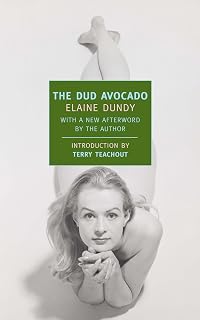
The Dud Avocado
by Elaine Dundy
On This Page
Description
A smart, funny classic about a young and beautiful American woman who moves to Paris determined to live life to the fullest.The Dud Avocado follows the romantic and comedic adventures of a young American who heads overseas to conquer Paris in the late 1950s. Edith Wharton and Henry James wrote about the American girl abroad, but it was Elaine Dundy’s Sally Jay Gorce who told us what she was really thinking. Charming, sexy, and hilarious, The Dud Avocado gained instant cult status show more when it was first published and it remains a timeless portrait of a woman hell-bent on living.
“I had to tell someone how much I enjoyed The Dud Avocado. It made me laugh, scream, and guffaw (which, incidentally, is a great name for a law firm).” –Groucho Marx
"[The Dud Avocado] is one of the best novels about growing up fast..." -The Guardian. show less
Tags
Recommendations



















Member Recommendations


Member Reviews
"Last night was one of THOSE evenings. I wouldn't know what to call it. Eventful in an uneventful way. Boring; but interesting. Nothing much happening on the surface and everybody seething and stewing underneath---changing character all over the place." Page 180
I don't think I've read another novel where the protagonist came roaring off the page like Sally Jay Gorce does in this book. A twenty year old American girl who is spending the year (1958) in Paris, she is so fresh, so dynamic, so filled with energy that I couldn't help cheer her on as she faced one disaster after another. Lots of books have been written about Americans abroad but this one is the one that will stand out for me. All the characterizations are great but Sally Jay show more will stay with me for sure. Wild and wonderful.Enhanced by the terrific Backlisted podcast. show less
I don't think I've read another novel where the protagonist came roaring off the page like Sally Jay Gorce does in this book. A twenty year old American girl who is spending the year (1958) in Paris, she is so fresh, so dynamic, so filled with energy that I couldn't help cheer her on as she faced one disaster after another. Lots of books have been written about Americans abroad but this one is the one that will stand out for me. All the characterizations are great but Sally Jay show more will stay with me for sure. Wild and wonderful.Enhanced by the terrific Backlisted podcast. show less
The book jacket promises “the romantic and comedic adventures of a young American who heads overseas to conquer Paris in the last 1950s. [Other authors] wrote about the American girl abroad, but it was Dundy’s Sally Jay Gorce who told us what she was really thinking. Charming, sexy, and hilarious…”
That’ll teach me to believe a book jacket or publisher’s blurb.
In fairness, I think the whole concept would be considered romantic and comedic in the late 1950s (originally published in 1958). But I don’t think it really translates well today, when readers have been entertained by Sex and the City and the reality TV (and internet) escapades of Paris Hilton and the Kardashians. It’s not bold enough, or shocking enough, or show more entertaining enough.
Sally is an ingenue, and somewhat naïve, but she is full of life and eager to experience all of it. Bankrolled by a wealthy uncle, she has two years of freedom in Paris to do whatever she wants and she rushes headlong into whatever strikes her fancy – mistress to an Italian diplomat, acting in a play, posing for photographers, playing an extra in a movie, drinking champagne and dancing the flamenco. She seems never to have the right outfit for the occasion, but that doesn’t stop her. She stumbled from one mess to another, but manages always to land on her feet. She falls in love with one wrong man after another, but escapes unscathed (and apparently not learning her lesson very quickly, either).
There are some scenes where Dundy really captures my attention – the way she describes a perfect cocktail, or the guests at a dinner party, for example – but I was bored with most of it. Sally has no real purpose and I just didn’t care what happened to her or her “friends.” show less
That’ll teach me to believe a book jacket or publisher’s blurb.
In fairness, I think the whole concept would be considered romantic and comedic in the late 1950s (originally published in 1958). But I don’t think it really translates well today, when readers have been entertained by Sex and the City and the reality TV (and internet) escapades of Paris Hilton and the Kardashians. It’s not bold enough, or shocking enough, or show more entertaining enough.
Sally is an ingenue, and somewhat naïve, but she is full of life and eager to experience all of it. Bankrolled by a wealthy uncle, she has two years of freedom in Paris to do whatever she wants and she rushes headlong into whatever strikes her fancy – mistress to an Italian diplomat, acting in a play, posing for photographers, playing an extra in a movie, drinking champagne and dancing the flamenco. She seems never to have the right outfit for the occasion, but that doesn’t stop her. She stumbled from one mess to another, but manages always to land on her feet. She falls in love with one wrong man after another, but escapes unscathed (and apparently not learning her lesson very quickly, either).
There are some scenes where Dundy really captures my attention – the way she describes a perfect cocktail, or the guests at a dinner party, for example – but I was bored with most of it. Sally has no real purpose and I just didn’t care what happened to her or her “friends.” show less
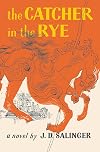
Zop zop! This novel just sings with its own triumphant off-key warble. Sally Jay Gorce could be the big sister of Holden Caulfield. She's just as funny and impulsive, but her wanderlust has brought her to more grown-up European adventures.
Paris is a glitzy ordeal swallowed whole. From the giddy, liquor-saturated highs, to the morose, self-incriminating lows, she tries out decadence (first of the old-guard variety and then of the bohemian); she consorts with artists and takes lovers; she poses nude, loses her passport, and dyes her hair pink. The wry wisdom of this intrepid, surprisingly vulnerable American woman slices through with arrogance and naivete. Amazingly, it doesn't matter a bit that the voice is from the 1950s. The emotional show more honesty, sexual bravado, and unflagging energy of Sally Jay Gorce stamp her experiences with a seamless and vibrant modernity. show less
Paris is a glitzy ordeal swallowed whole. From the giddy, liquor-saturated highs, to the morose, self-incriminating lows, she tries out decadence (first of the old-guard variety and then of the bohemian); she consorts with artists and takes lovers; she poses nude, loses her passport, and dyes her hair pink. The wry wisdom of this intrepid, surprisingly vulnerable American woman slices through with arrogance and naivete. Amazingly, it doesn't matter a bit that the voice is from the 1950s. The emotional show more honesty, sexual bravado, and unflagging energy of Sally Jay Gorce stamp her experiences with a seamless and vibrant modernity. show less
I am a complete sucker for a beautifully bound book. How could I resist a Virago Modern Classic with such a gorgeous hardback cover? I felt rather retro and special reading this small sized book, set mainly in 1950s Paris. Sally Jay Gorce (what a wonderful name) has struck a deal with her rich uncle – to be financially supported for two years while she sees the world and, oh, does she see it!
Sally Jay comes across as rather empty-headed at first as her days revolve around men, drinking, dancing and sex. There’s a little acting in there too at first. As Sally Jay’s relationships become more tangled, things start to get a bit more interesting. I would suggest persevering through Part One, as the pace and themes pick up greatly in show more the latter parts.
Sally Jay’s talent for losing things and getting entangled with a strange lot come to the fore later in the book. It’s at this time that you realise you’re no longer reading a tale about a silly young girl entertaining herself in Paris, but a girl who is getting into something more sinister. It was this part I enjoyed the most, as Sally Jay has to use her mettle to escape without putting her foot in it any further!
The ending is somewhat surprising (random characters disappear and reappear all the time in The Dud Avocado) but surprisingly, traditional. Sally Jay prides herself on being avant-garde – no better seen than in the conversations with the vapid Judy – why did she settle? I’ll leave you to read that in Sally Jay’s own words.
The title of The Dud Avocado refers to Sally Jay herself – she realises that sometimes she makes silly choices, but she’s kind of mysterious and exotic, like an avocado seemed back then. This is part of what makes Sally Jay such a likeable character despite all the scrapes she finds herself in! Her self-depreciating humour often made me smile.
Funny and wry, a lot of the observations Dundy makes are still relevant today. I loved the part about the types of tourists! It’s fun and frothy on the surface, but much darker towards the end. I was pleasantly surprised to read how modern the book felt.
http://samstillreading.wordpress.com show less
Sally Jay comes across as rather empty-headed at first as her days revolve around men, drinking, dancing and sex. There’s a little acting in there too at first. As Sally Jay’s relationships become more tangled, things start to get a bit more interesting. I would suggest persevering through Part One, as the pace and themes pick up greatly in show more the latter parts.
Sally Jay’s talent for losing things and getting entangled with a strange lot come to the fore later in the book. It’s at this time that you realise you’re no longer reading a tale about a silly young girl entertaining herself in Paris, but a girl who is getting into something more sinister. It was this part I enjoyed the most, as Sally Jay has to use her mettle to escape without putting her foot in it any further!
The ending is somewhat surprising (random characters disappear and reappear all the time in The Dud Avocado) but surprisingly, traditional. Sally Jay prides herself on being avant-garde – no better seen than in the conversations with the vapid Judy – why did she settle? I’ll leave you to read that in Sally Jay’s own words.
The title of The Dud Avocado refers to Sally Jay herself – she realises that sometimes she makes silly choices, but she’s kind of mysterious and exotic, like an avocado seemed back then. This is part of what makes Sally Jay such a likeable character despite all the scrapes she finds herself in! Her self-depreciating humour often made me smile.
Funny and wry, a lot of the observations Dundy makes are still relevant today. I loved the part about the types of tourists! It’s fun and frothy on the surface, but much darker towards the end. I was pleasantly surprised to read how modern the book felt.
http://samstillreading.wordpress.com show less
The Dud Avocado follows the adventures of one Sally Jay Gorce, an aspiring young American actress as she tries her best to live in the Paris of the late 1950s. In some ways, it's a shockingly modern book for those of us who are used to thinking of the 50s as being a very repressed and conservative decade, while in others it is most definitely antiquated. The dialogue in particular seems particularly odd; the idiosyncracies of American speech at that time are so unusual that it, at times, makes the novel seem strangely like a pastiche for all that it is a contemporary work. The humour and charm of the book, therefore, lies mostly not in the dialogue, but in the narrative of the finely drawn protagonist, Sally Jay. Any such subtlety or show more charm is sadly lacking in the other characters, though, and the prose is not really good enough to make up for their shortcomings. A nice example of its era, but not something I think I'll be coming back to. show less
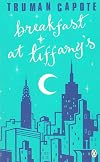
I had mixed feelings about this book. There are some wonderful elements to it, and it is very funny in a wry, disarming way. Dundy does a fabulous job of creating a voice and a fully-realized character who comes to life for the reader (I picture Sally Jay looking like Shirley MacLaine in Irma la Douce and acting like a bad-tempered version of Audrey Hepburn's Holly Golightly--and that should give you some idea of how dated the book feels sometimes). There are some moments of classic slapstick, like Teddy's dinner party, and some more understated, subtle pieces of humor as well.
However, the tone doesn't quite match the darkness that comes out later in the book. I was expecting a light romp--and it is, until about three quarters of the show more way through. But out of the blue comes a sort of mystery that was really unexpected and kind of ruined things for me. Just to say, you actually have to pay closer attention to the plot points and characters in this book than it seems from the outset. You know from the beginning that Sally Jay is being set up for some kind of fall/life lesson--her naïveté is just too much to sustain. But boy, when it hits, it seems totally incongruous with the light, party-party, chit-chatty, happy-go-lucky tone of the previous 200 pages.
So, mixed feelings. Not quite the fluffy romp you might expect from other reviews and cover blurbs but definitely worth the reissue. show less
However, the tone doesn't quite match the darkness that comes out later in the book. I was expecting a light romp--and it is, until about three quarters of the show more way through. But out of the blue comes a sort of mystery that was really unexpected and kind of ruined things for me. Just to say, you actually have to pay closer attention to the plot points and characters in this book than it seems from the outset. You know from the beginning that Sally Jay is being set up for some kind of fall/life lesson--her naïveté is just too much to sustain. But boy, when it hits, it seems totally incongruous with the light, party-party, chit-chatty, happy-go-lucky tone of the previous 200 pages.
So, mixed feelings. Not quite the fluffy romp you might expect from other reviews and cover blurbs but definitely worth the reissue. show less
Young Sally Jay Gorce is spending two, wild, carefree years in Paris at her uncle’s expense. Sally Jay is spoiled, self-absorbed, oversexed, and not a little stupid. While in Paris, Sally Jay knowingly dabbles in acting and unknowingly dabbles in prostitution. Ultimately disillusioned with France, Sally Jay returns to the U.S. to settle for life as a library shelver before predictably getting married.
This is one of those books I thought I was never going to finish—I resorted to constantly flipping ahead just to see how many more pages I had to endure just to get to the next chapter.
There are a few entertaining zingers and some humorous observations sprinkled erratically throughout the book, but—for the most part—it is just show more tedious and annoying.
Sally Jay spends all of her time making nasty, snarky comments about everyone she meets, while men incessantly point out what is wrong with her as they attempt (most successfully) to get in her pants.
Sally Jay is so clueless and gullible she never actually realizes what is really going on around her until it gets spelled out for her. She is also nauseatingly predictable. Combine Sally Jay’s idiocy with all of the male chauvinism (women automatically do all the cooking and cleaning up for the pompously helpless menfolk!) and all you have is an agonizingly dull reading experience that drags on and on and never seems to end.
If that sounds like your cup of tea, go for it! Personally, I rue the day the misleading, offbeat title ever caught my eye. show less
This is one of those books I thought I was never going to finish—I resorted to constantly flipping ahead just to see how many more pages I had to endure just to get to the next chapter.
There are a few entertaining zingers and some humorous observations sprinkled erratically throughout the book, but—for the most part—it is just show more tedious and annoying.
Sally Jay spends all of her time making nasty, snarky comments about everyone she meets, while men incessantly point out what is wrong with her as they attempt (most successfully) to get in her pants.
Sally Jay is so clueless and gullible she never actually realizes what is really going on around her until it gets spelled out for her. She is also nauseatingly predictable. Combine Sally Jay’s idiocy with all of the male chauvinism (women automatically do all the cooking and cleaning up for the pompously helpless menfolk!) and all you have is an agonizingly dull reading experience that drags on and on and never seems to end.
If that sounds like your cup of tea, go for it! Personally, I rue the day the misleading, offbeat title ever caught my eye. show less
Members
- Recently Added By
Lists

20th Century Literature
1,161 works; 55 members

Backlisted
109 works; 9 members

Paris, City of Lights
103 works; 17 members

A Novel Cure
742 works; 23 members

Bookstore Deep Diving
10 works; 1 member

1001 Books You Must Read Before You Die
1,448 works; 1,137 members
Author Information

8+ Works 2,057 Members
Writer Elaine Dundy was born in New York City in 1921. She studied acting at Sweet Briar College in Virginia. After graduating, she moved to Europe and lived in Paris and later London. She married legendary critic Kenneth Tynan in 1951 and they divorced in 1964. She worked as an actress with only moderate success and Tynan suggested she try show more writing a novel. The end result was The Dud Avocado published in 1958. She wrote two more novels and a couple of plays before focusing on biography in 1980. Her other works include Finch, Bloody Finch; Elvis and Gladys; Ferriday, Louisiana; and Life Itself! She died because of a heart attack on May 1, 2008. (Bowker Author Biography) show less
Some Editions
Awards and Honors
Distinctions
Series
Belongs to Publisher Series
Work Relationships
Is abridged in
Common Knowledge
- Canonical title
- The Dud Avocado
- Original title
- The Dud Avocado
- Original publication date
- 1958
- People/Characters
- Sally Jay Gorce; Larry Keevil; Judy Galache; Jim Breit; Teddy Alfredo Ourselli Visconti; the Contessa (show all 7); Sawyer Baxter
- Important places
- Paris, France; Hôtel Ritz, Paris, France; Côte d'Argent, Nouvelle-Aquitaine, France
- Epigraph
- "I want you to meet Miss Gorce, she's in the embalming game."
- James Thurber (Men, Women and Dogs) - First words
- It was a hot, peaceful, optimistic sort of day in September.
- Quotations
- And this was odd because two Americans re-encountering each other after a certain time in a foreign land are supposed to clamber up their nearest lampposts and wait tremblingly for it all to blow over. Especially me. I'd ma... (show all)de a vow when I got over here never to speak to anyone I'd ever known before. Yet here we were, two Americans who hadn't really seen each other for years; here was someone from "home" who knew me when, if you like, and, instead of shambling back into the bushes like a startled rhino, I was absolutely thrilled at the whole idea.
I began floating down those Elysian Fields three inches off the ground, as easily as a Cocteau character floats through Hell.
Whereas I was hell-bent for living, she was content, at least for the time being, to leave all that to others. Just as long as she could hear all about it. She really was funny about this. Folded every which way on ... (show all)the floor, looking like Bambi - all eyes and legs and no chin - she would listen for ages and ages with rapt attention to absolutely any drivel that you happened to be talking. It was unbelievable
(People really do say You Americans, by the way.)
There was quite a large group around him that evening; many of the Hard Core and, to get really technical - all the Inner Hard Core.
That was another thing about the Hard Core, though maybe not the nicest. They went all out for satire. They not only suffered fools, they suffered them gladly. And I mean they sought them out; they tracked them down. Only... (show all) they had to be really big ones.
There's plenty to be said for the theory that giving money to a beggar only encourages poverty; certainly without the small donations that I and others felt obliged to contribute from time to time, the epic battle of Blair ve... (show all)rsus No Visible Means of Support would have ended long ago.
I could see that he didn't love any of them, that he didn't even particular like them; he - I don't know what he them'd.
I mean I simply don't know what to do about a Nude Show. I just can't seem to behave naturally in front of them. The thing is, I don't get much of a charge out of them in the first place, so any act I put on is bound to be ... (show all)a phony. But I still haven't discovered what you're supposed to do. I mean if you stare straight ahead with a bright smile pasted on your face you're being a prig, and if you look at it critically and say "They're really not so hot are they?" you're being jealous, and if you fling yourself into it and say "Oh, golly, doesn't she have a lovely body" someone looks at you very peculiarly and says "Hmm. You like her do you? That's very interesting," and if you just relax and look bored, you've committed the greatest crime of all
A rowdy bunch on the whole, they were most of them so violently individualistic as to be practically interchangeable. (p. 31)
I was merely a disinterested spectator at the Banquet of Life. (p. 38-9) - Last words
- (Click to show. Warning: May contain spoilers.)It's zymotic.
- Original language
- English
Classifications
Statistics
- Members
- 1,611
- Popularity
- 14,146
- Reviews
- 46
- Rating
- (3.47)
- Languages
- 5 — Dutch, English, Finnish, German, Spanish
- Media
- Paper, Ebook
- ISBNs
- 17
- ASINs
- 23