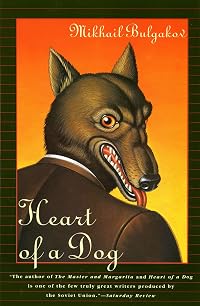
Heart of a Dog
by Mikhail Bulgakov
There are 2 current discussions about this work.
On This Page
Description
When a respected surgeon decides to transplant human body parts into a stray dog, he creates a monster - drunken, profligate, aggressive and selfish. It seems the worst aspects of the donor have been transplanted as well. As his previously well-regulated home descends into riotous chaos, the doctor realises he will have to try to reverse the operation; but the dog isn't so keen... Wild, uproarious and deliriously comic, Bulgakov's short novel is at once a comment on the problems of 1920s show more Russia and a lasting satire on human nature. show lessTags
Recommendations

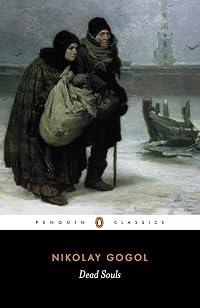
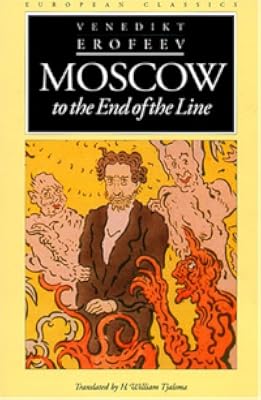

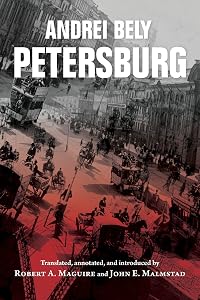
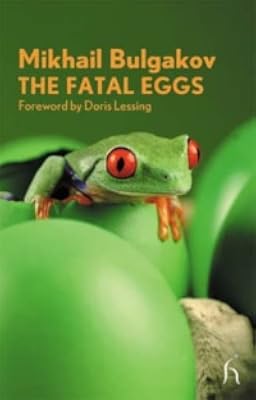
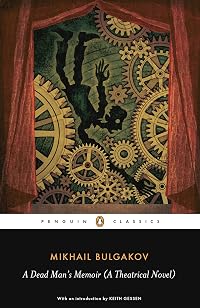
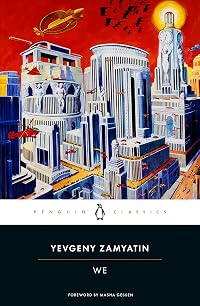
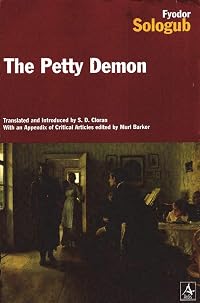
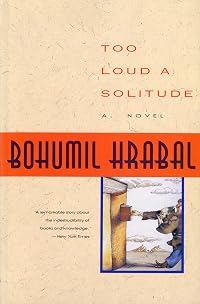
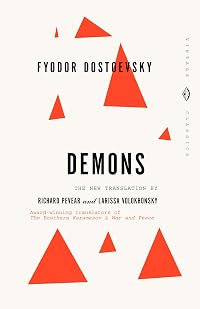

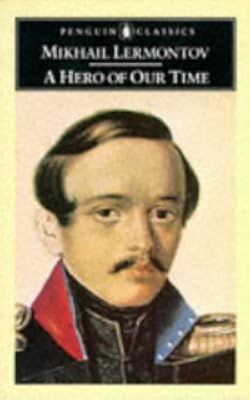
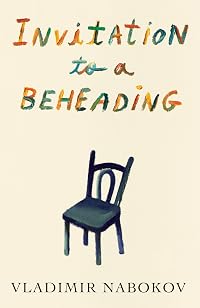

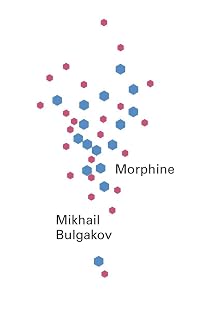
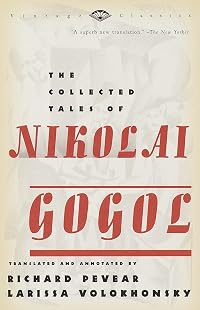

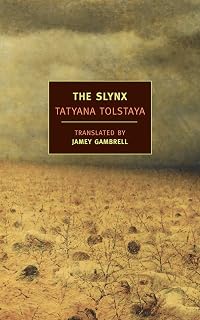

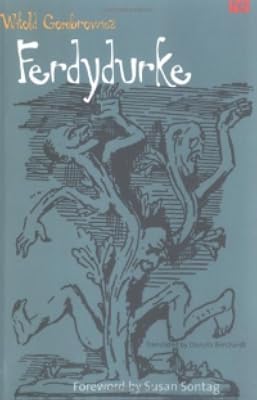
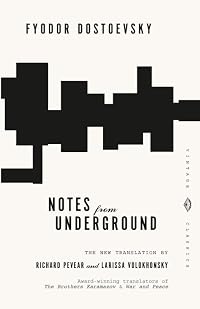
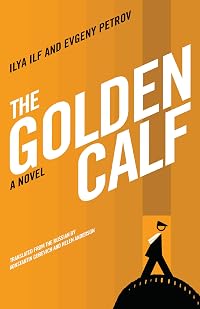
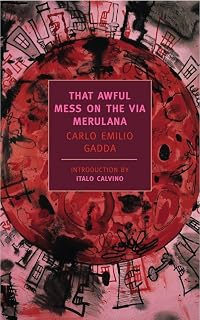




Member Recommendations

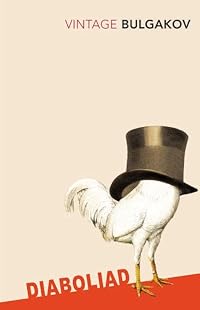
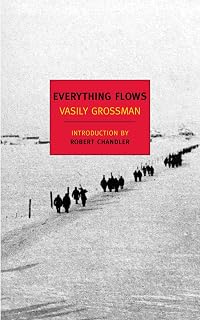
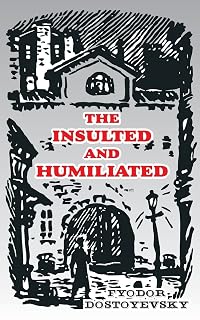
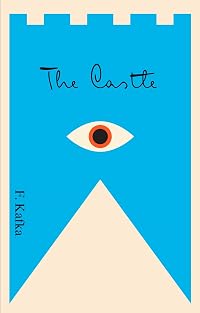
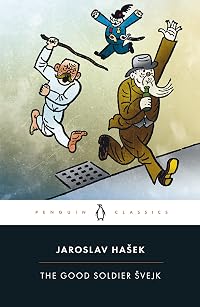
Bookwomble Both feature dogs endowed with human intelligence, though they seem to inhabit different ends of the moral spectrum.
Member Reviews
It is not even reasonable to expect me to pass this book on the library shelves. First of all, it's by the author of The Master and Margarita, which I loved. Second, it's published by my darling Melville House Press. I very nearly purchased it during my last spree on their website. (Actually, I can't be certain that I didn't, as that last purchase is still sitting, unwrapped, on my kitchen table. Don't ask. I have issues.)
Heart of a Dog is a Frankenstein-type story set in early post-Soviet revolution Russia, in a doctor's home office that seems to be the last island of aristocratic life surrounded by a rising sea of comrade proletariat. In this story, the doctor's monster is a stray dog, rescued from the street to the lap of luxury show more before being implanted with human glands in an experimental surgery -- resulting in his shocking transformation to a vulgar, impulsive, vodka-swilling man.
I couldn't help feeling for every one of the characters in this book (at least at times), even when some of them were behaving very badly. Delightful, clever, and fun. Highly recommended. show less
Heart of a Dog is a Frankenstein-type story set in early post-Soviet revolution Russia, in a doctor's home office that seems to be the last island of aristocratic life surrounded by a rising sea of comrade proletariat. In this story, the doctor's monster is a stray dog, rescued from the street to the lap of luxury show more before being implanted with human glands in an experimental surgery -- resulting in his shocking transformation to a vulgar, impulsive, vodka-swilling man.
I couldn't help feeling for every one of the characters in this book (at least at times), even when some of them were behaving very badly. Delightful, clever, and fun. Highly recommended. show less
Very weird. Very metaphorical. Very “Animal Farm” but also not at all. Philip Philipovitch is terrible for taking away the dog’s agency and making him human but also terrible for then reversing the experiment. The dog was happy as a dog and happy as a man, but his morals as a man made him a terrible person we’re supposed to dislike while we are more likely to sympathize with the dog. Considering it’s historical context in Stalin-era Russia, the book’s satire is especially biting.
A satirical, sometimes hysterical, take on Soviet life in general, and medical experimentation in particular, in 1925 Moscow.
Professor Preobrazhensky has been implanting monkey glands into aging clients who seek "rejuvenation", but his aims go beyond improving the sex lives of middle-aged Party officials or their unhappy wives. We are meant to think he’s bent on improving the whole human race with his radical techniques. When he rescues a starving, injured street dog and treats him to the good life, we are privy to brief glimpses of things from the dog Sharik's point of view. Ultimately, Sharik becomes the subject of a very ambitious experiment, in which human testicles and a human pituitary gland are implanted in the dog. The result show more is beyond anything even the Professor might have expected: a dog slowly but indubitably turning into a man---a very unpleasant man with characteristics of the arrogant, crass and hedonistic drunkard he "inherited" these traits from. (Allusions to Stalin may be inferred or implied.) We get a lot of the bureaucratic folderol and idiocy of low level Party wannabes, and a side-splitting cat-chasing episode which brings about total chaos in the form of broken crockery, ruptured plumbing and way too much attention drawn to the Professor and his "monster", who disappears only to return as one of those Party functionaries himself, with a job and a title and a license to kill…cats. A heated discussion between the Professor and his assistant ensues---WHAT is to be done? The creature is insufferable, and now he’s officially entitled to occupancy of a nice chunk of the Professor’s hard-fought-for 7-room flat. Well, if this is your sort of romp, you’ll have to read it to learn how it all comes out. It won’t take over-long, and you’ll probably figure it out for yourself. show less
Professor Preobrazhensky has been implanting monkey glands into aging clients who seek "rejuvenation", but his aims go beyond improving the sex lives of middle-aged Party officials or their unhappy wives. We are meant to think he’s bent on improving the whole human race with his radical techniques. When he rescues a starving, injured street dog and treats him to the good life, we are privy to brief glimpses of things from the dog Sharik's point of view. Ultimately, Sharik becomes the subject of a very ambitious experiment, in which human testicles and a human pituitary gland are implanted in the dog. The result show more is beyond anything even the Professor might have expected: a dog slowly but indubitably turning into a man---a very unpleasant man with characteristics of the arrogant, crass and hedonistic drunkard he "inherited" these traits from. (Allusions to Stalin may be inferred or implied.) We get a lot of the bureaucratic folderol and idiocy of low level Party wannabes, and a side-splitting cat-chasing episode which brings about total chaos in the form of broken crockery, ruptured plumbing and way too much attention drawn to the Professor and his "monster", who disappears only to return as one of those Party functionaries himself, with a job and a title and a license to kill…cats. A heated discussion between the Professor and his assistant ensues---WHAT is to be done? The creature is insufferable, and now he’s officially entitled to occupancy of a nice chunk of the Professor’s hard-fought-for 7-room flat. Well, if this is your sort of romp, you’ll have to read it to learn how it all comes out. It won’t take over-long, and you’ll probably figure it out for yourself. show less
Rating: 4*of five
The Publisher Says: A new edition of Bulgakov’s fantastical precursor to The Master and Margarita, part of Melville House’s reissue of the Bulgakov backlist in Michael Glenny’s celebrated translations.
A key work of early modernism, this is the superbly comic story of a Soviet scientist and a scroungy Moscow mongrel named Sharik. Attempting a medical first, the scientist transplants the glands of a petty criminal into the dog and, with that, turns a distinctly worryingly human animal loose on the city. The new, lecherous, vulgar, Engels-spouting Sharik soon finds his niche in governmental bureaucracy as the official in charge of purging the city of cats.
A Frankenstein fable that’s as funny as it is terrifying, show more The Heart of a Dog has also been read as a fierce parable of the Russian Revolution. It was rejected for publication by the censors in 1925, and circulated in samizdat for years until Michael Glenny translated it into English in 1968—long before it was allowed to be officially published in the Soviet Union. That happened only in 1987, although till this day the book remains one of Mikhail Bulgakov’s most controversial novels in his native country.
My Review: Anyone who's ever read The Master and Margarita already knows that Bulgakov is a rebel, an anarchist, and damn good and funny with it. His thoughts were, based on the novels I've read, contrarian in the extreme as well as profoundly sensitive to practical concerns:
And the simple truth about revolution that probably contributed heavily to the book's suppression in the Soviet era:
He saw the terror around him, saw the results, and distilled a response into a short phrase. That's writing that's a joy to read.
But we can't leave revolutionary-era Moscow without hearing from the eponymous heart-haver. Early in the book, we're told the sad tale of an unwanted dog whose people-savvy beats that of most of the humans I've ever met:
All hail Michael Glenny, of blessed memory since dying in 1990. Without him, Bulgakov's banned and suppressed works might remain out of the English-speaker's reach. show less
The Publisher Says: A new edition of Bulgakov’s fantastical precursor to The Master and Margarita, part of Melville House’s reissue of the Bulgakov backlist in Michael Glenny’s celebrated translations.
A key work of early modernism, this is the superbly comic story of a Soviet scientist and a scroungy Moscow mongrel named Sharik. Attempting a medical first, the scientist transplants the glands of a petty criminal into the dog and, with that, turns a distinctly worryingly human animal loose on the city. The new, lecherous, vulgar, Engels-spouting Sharik soon finds his niche in governmental bureaucracy as the official in charge of purging the city of cats.
A Frankenstein fable that’s as funny as it is terrifying, show more The Heart of a Dog has also been read as a fierce parable of the Russian Revolution. It was rejected for publication by the censors in 1925, and circulated in samizdat for years until Michael Glenny translated it into English in 1968—long before it was allowed to be officially published in the Soviet Union. That happened only in 1987, although till this day the book remains one of Mikhail Bulgakov’s most controversial novels in his native country.
My Review: Anyone who's ever read The Master and Margarita already knows that Bulgakov is a rebel, an anarchist, and damn good and funny with it. His thoughts were, based on the novels I've read, contrarian in the extreme as well as profoundly sensitive to practical concerns:
“The rule apparently is – once a social revolution takes place there’s no need to stoke the boiler. But I ask you: why, when this whole business started, should everybody suddenly start clumping up and down the marble staircase in dirty galoshes and felt boots? Why must we now keep our galoshes under lock and key? And put a soldier on guard over them to prevent them from being stolen? Why has the carpet been removed from the front staircase? Did Marx forbid people to keep their staircases carpeted? Did Karl Marx say anywhere that the front door of No. 2 Kalabukhov House in Prechistenka Street must be boarded up so that people have to go round and come in by the back door? What good does it do anybody? Why can’t the proletarians leave their galoshes downstairs instead of dirtying the staircase?’
‘But the proletarians don’t have any galoshes, Philip Philipovich,’ stammered the doctor.”
And the simple truth about revolution that probably contributed heavily to the book's suppression in the Soviet era:
“People who think you can use terror are quite wrong. No, no, terror is useless, whatever its colour – white, red or even brown! Terror completely paralyses the nervous system.”
He saw the terror around him, saw the results, and distilled a response into a short phrase. That's writing that's a joy to read.
But we can't leave revolutionary-era Moscow without hearing from the eponymous heart-haver. Early in the book, we're told the sad tale of an unwanted dog whose people-savvy beats that of most of the humans I've ever met:
Eyes mean a lot. Like a barometer. They tell you everything-they tell you who has a heart of stone, who would poke the toe of his boot in your ribs as soon as look at you-and who’s afraid of you. The cowards – they’re the ones whose ankles I like to snap at. If they’re scared, I go for them. Serve them right..grrr..bow-wow…”
All hail Michael Glenny, of blessed memory since dying in 1990. Without him, Bulgakov's banned and suppressed works might remain out of the English-speaker's reach. show less
A strange tale about a starving Moscow street dog metamorphized into something resembling a human, at least in the essential respects of human biology. Unruly to begin with, the dog soon develops into a creature displaying an amplified capacity for uncouth and selfish behaviors. This, we are led to believe, is the result of the human glands that were sewn into him having, which were taken from a drunkard. But a question asked here (and there are many interpretations of this work) is: would the dog have been different if the glands had been taken from a 'Spinoza' level human being?
Despite the professor’s best efforts to cultivate him into a decent Bourgoise citizen, the former dog takes on the ethics of a working class Proletarian, show more fueled by Bolshevik ideals, seemingly bound by no aesthetic, and basically intent on survival in a bureaucracy-driven world. All of this provides fuel for interpretations of this work as a satire of Bolshevism, set against the old-world order and affectations of the Bourgeoisie. "They're dogs, anyway," the book seems to cry. If that be the case, then perhaps the Bourgeoisie are all cats. . . whom the transformed creature continued to hate savagely.
While the dilemma of the professor's household in dealing with his creation is comical and revealing, this reader confesses to having no dog in the hunt. . . Fun and gracefully short. show less
Despite the professor’s best efforts to cultivate him into a decent Bourgoise citizen, the former dog takes on the ethics of a working class Proletarian, show more fueled by Bolshevik ideals, seemingly bound by no aesthetic, and basically intent on survival in a bureaucracy-driven world. All of this provides fuel for interpretations of this work as a satire of Bolshevism, set against the old-world order and affectations of the Bourgeoisie. "They're dogs, anyway," the book seems to cry. If that be the case, then perhaps the Bourgeoisie are all cats. . . whom the transformed creature continued to hate savagely.
While the dilemma of the professor's household in dealing with his creation is comical and revealing, this reader confesses to having no dog in the hunt. . . Fun and gracefully short. show less
Quick, vicious, funny. At times strange to enjoy a piece of satire without agreeing with the views being defended. Granted, part of that was the foolishness of the protagonists, and I will continue to wonder exactly how much of that was intentional. Obviously not my favorite for genre, time, or viewpoint, but fascinating in context.
It'd be fun to compare this to Kafka's Metamorphosis! Prague vs. Moscow. Bulgakov's book is riotous satire. Probably most of it went flying right by me. But for a picture of Soviet urban life in 1925, this book is fresh and vivid. Perhaps the fact that the antagonist was a transformed dog gave Bulgakov license to express bold criticism that otherwise would have been too dangerous.
Grand fun and great political satire, whatever the logic behind it!
Grand fun and great political satire, whatever the logic behind it!
Members
- Recently Added By
Lists

Russian Literature
184 works; 35 members

Best of World Literature
437 works; 52 members

Best Science Fiction Novels
816 works; 426 members

20th Century Literature
1,161 works; 55 members

Weird and Weirder Fiction
270 works; 35 members

Best Science Fiction Originally Published in a Language Other Than English
449 works; 34 members

Top Five Books of 2014
1,064 works; 397 members

Favorite Animal Fiction
359 works; 156 members

Blue Pyramid 1,276 Best Books of All Time
1,248 works; 32 members

Short and Sweet
246 works; 24 members

1920s
141 works; 6 members

Books set in Moscow
16 works; 1 member

Books Read in 2015
3,299 works; 126 members

satirical
8 works; 1 member

Animals in the Title
498 works; 11 members

Recommended Literary Books
111 works; 1 member
books featured on the book struggles twt
97 works; 2 members

science fiction
17 works; 1 member
Talk Discussions
Current Discussions
2nd edn Finalist discussion: Heart of a Dog #1 in Consensus Press (October 2025)
2nd edn Finalist discussion: Heart of a Dog #2 in Consensus Press (October 2025)
Past Discussions
Best Bulgakov Translation? in Fans of Russian authors (March 2015)
Author Information

369+ Works 35,263 Members
Mikhail Afanasevich Bulgakov was a Russian playwright, novelist, and short-story writer best known for his use of humor and satire. He was born in Kiev, Ukraine, on May 15, 1891, and graduated from the Medical School of Kiev University in 1916. He served as a field doctor during World War I. Bulgakov's association with the Moscow Art Theater began show more in 1926 with the production of his play The Days of the Turbins, which was based on his novel The White Guard. His work was popular, but since it ridiculed the Soviet establishment, was frequently censored. His satiric novel The Heart of a Dog was not published openly in the U.S.S.R. until 1987. Bulgakov's plays including Pushkin and Moliere dealt with artistic freedom. His last novel, The Master and Margarita, was not published until 1966-67 and in censored form. Bulgakov died in Moscow on March 10, 1940. (Bowker Author Biography) A practicing physician like Anton Chekhov, Mikhail Afanasevich Bulgakov became a popular writer and playwright in the comparatively easier political climate of the Soviet Union during the 1920s. The civil war and its internecine horrors became one of his major themes as did the new Soviet society. His early prose is often satiric, with strong elements of the fantastic and grotesque, but it also contains the themes of guilt and personal responsibility that become so crucial in his later work. Bulgakov wrote a number of important plays that provoked bitter attacks in the press, and he was shut out of the theater and literature in 1929. Only a direct appeal to Stalin allowed Bulgakov to resume a professional career. Even then, however, some publishing houses and theaters rejected some of his important works, such as the novel Life of Monsieur de Moliere (1933). Bulgakov's masterpiece written over a number of years and only published decades after his death is the novel Master and Margarita (1966-67). Combining two principal plot lines-Satan's visit to contemporary Moscow and the trial and execution of Jesus in biblical Judaea-the work may be read on many levels, from the purely satiric to the allegorical. It has been acclaimed as one of the most important achievements of twentieth-century Russian fiction. Today, Bulgakov is celebrated for both his plays and his novels. Several of his plays are public favorites and standard fare in Russian theaters. Bulgakov died in Moscow on March 10, 1940. (Bowker Author Biography) show less
Some Editions
Awards and Honors
Series
Belongs to Publisher Series
Centopaginemillelire (22)
Newton Compton Live (23)
Harvill (24)
Grote ABC (133)
Volk und Welt Spektrum (237)
Salamanderpockets (382)
Gallimard, Folio (309)
Work Relationships
Is contained in
Has the adaptation
Common Knowledge
- Canonical title*
- Cuore di cane
- Original title
- Собачье сердце
- Alternate titles
- A Dog's Heart; The Heart of a Dog
- Original publication date
- 1968 (English) (English); 1987 (Russian) (Russian); 1925
- People/Characters
- Filip Filippovich Preobrazhensky; Ivan Arnoldovich Bromenthal; Zina; Darya Petrovna; Poligraf Poligrafovich Sharikov; Schwonder
- Important places
- Oekraïne; Ukraine; USSR
- Related movies
- Cuore di cane (1976 | IMDb); Sobachye serdtse (1988 | IMDb)
- First words
- Whoo-oo-oo-oo-hooh-hoo-oo! Oh, look at me, I am perishing in this gateway.
- Last words
- (Click to show. Warning: May contain spoilers.)"Toward the sacred banks of the Nile..."
- Blurbers
- Frayn, Michael; Battersby, Eileen; Jones, Nigel
- Original language
- Russian
*Some information comes from Common Knowledge in other languages. Click "Edit" for more information.
Classifications
- Genres
- Fiction and Literature, General Fiction, Science Fiction
- DDC/MDS
- 891.7342 — Literature & rhetoric Literatures of other languages East Indo-European and Celtic literatures Russian and East Slavic languages Russian fiction USSR 1917–1991 Early 20th century 1917–1945
- LCC
- PG3476 .B78 .S613 — Language and Literature Slavic languages and literatures. Baltic languages. Albanian language Slavic. Baltic. Albanian Russian literature Individual authors and works 1917-1960
- BISAC
Statistics
- Members
- 3,782
- Popularity
- 4,235
- Reviews
- 77
- Rating
- (3.91)
- Languages
- 22 — Catalan, Chinese, Czech, Danish, Dutch, English, Estonian, French, German, Hebrew, Hungarian, Icelandic, Italian, Japanese, Lithuanian, Norwegian (Bokmål), Polish, Portuguese, Romanian, Russian, Spanish, Turkish
- Media
- Paper, Audiobook, Ebook
- ISBNs
- 147
- ASINs
- 53