
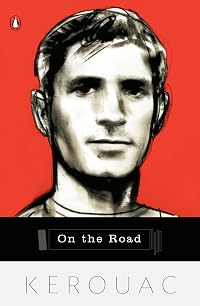
On the Road
by Jack Kerouac 
On This Page
Description
Follows the counterculture escapades of members of the Beat generation as they seek pleasure and meaning while traveling coast to coast. As he travels across 1950s America, aspiring writer Sal Paradise chronicles his escapades with the charismatic Dean Moriarty. Sal admires Dean's passion for experiencing as much as possible of life and his wild flights of poetic fancy.Tags
Recommendations



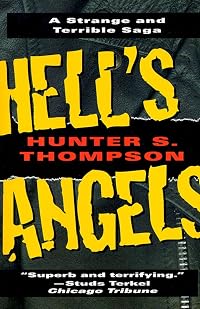
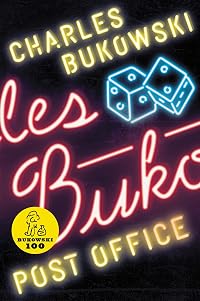
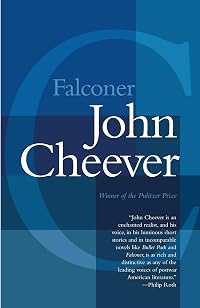
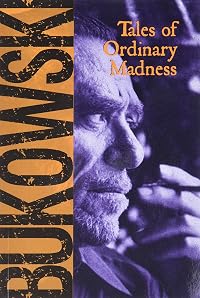
Member Recommendations
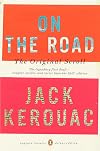
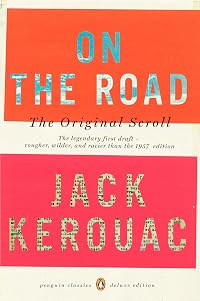
tootstorm If you still have the choice, do not pick up the originally-published edition and instead go for the Original Scroll. This should be on its way to replacing just plain ol' On the Road as the primo Kerouac (and even Beat) text for the adventurous romantics to become enamored with. More rhythm, more life, more of that depressing truth that filled Kerouac's subsequent work. It's a much stronger book.
82
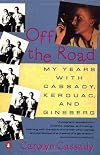
Jannes Interesting behind-the-scenes look, and also something of an counterpoint to the tendency of over-romanticizing Jack and the gang that we, or at least I, are sometimes guiltily of.
If you're a Beat-geek you can't really ignore this one.
30


by gbill
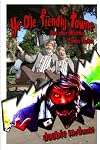
Ye Ole Fiendly Towne and Other Whittier Zombie Haikus: Whittier is suddenly scoured with zombies! And just where is Doobie McDonald during these mayhaps...BAY-beh!? by Doobie McDonald
privycouncilpress A road trip film symbolizing the mindtrip your soul will have while reading 'Ye Ole Fiendly Towne and Other Whittier Zombie Haikus"
010
Member Reviews
Everyone tells you On the Road is about freedom. About breaking free from the suffocating conformity of 1950s America, about finding yourself on the open highway, about the ecstatic possibility of movement and experience. Jack Kerouac typed it in three weeks on a continuous scroll of paper in 1951, fueled by benzedrine and jazz rhythms, and when it was finally published in 1957, it became the bible of the Beat Generation.
People still clutch it like a sacred text, still talk about how it changed their lives, still plan cross-country trips because Dean Moriarty made reckless driving look like spiritual enlightenment. But read it now, actually read it, and something else emerges: a chronicle of emotional vampirism disguised as adventure, show more a celebration of selfishness mistaken for liberation, and a narrator so enchanted by his own immaturity that he mistakes chaos for profundity.
Sal Paradise worships Dean Moriarty from the first page, and that worship blinds him to what Dean actually is, a con artist with good cheekbones and the ability to talk fast enough that people don't notice he's stealing from them. Dean abandons pregnant wives, ditches friends when they're sick, steals cars, bounces checks, leaves destruction in his wake, and Sal treats all of it like performance art.
The novel wants you to see Dean as a holy fool, a madman-saint who's too pure for conventional morality. But strip away Sal's breathless narration and what you're looking at is a narcissist who uses people until they're empty and then moves on to the next source of food and money and admiration. The freedom everyone celebrates is just the freedom of someone who refuses to be responsible for anything, including the human wreckage he creates.
The women in this novel don't exist as people. They're ports of call, bodies to sleep with, sources of money or shelter or maternal comfort. Sal and Dean blow through girlfriends and wives like they're going through tanks of gas.
When Dean abandons his second wife Camille, who's just given birth to his child to go joyriding with Sal, Kerouac writes it like a scene of liberation. The baby crying in the background is just ambient noise, not a human being Dean's abandoning. Marylou gets passed between the men like shared property. The Mexican prostitutes are exotic scenery.
Every woman exists only in relation to what she can provide the men, and the moment she wants something back: commitment, honesty, basic decency, she becomes a drag on the adventure, a reminder of obligations that must be escaped.
The prose style gets praised as spontaneous and jazz-like, but spontaneity isn't the same as good writing. Kerouac's run-on sentences pile up observations without discrimination, everything matters equally, which means nothing actually matters. He describes crossing Nebraska with the same breathless intensity he describes having intimacy or listening to bebop or eating apple pie.
The lack of editing isn't authentic, it's lazy. It's a writer refusing to make choices about what's important, hiding behind the claim that the unfiltered consciousness is more real than crafted art. The result reads like someone who won't shut up at a party, who thinks every thought that passes through their head is worth sharing at length.
If you read against Sal's adoration, the book reveals how boring and repetitive this lifestyle is. They drive across the country. They run out of money. Someone's aunt or girlfriend wires them cash. They drive back. They get jobs they quit within weeks. They talk about everything being "IT" the ineffable experience that jazz and speed and movement are supposedly reaching toward, but they never define what IT is because IT is nothing.
It's the emptiness at the center of all this motion. Dean keeps moving because stopping would mean facing what he is, and what he is turns out to be a hollow man who's convinced himself and everyone around him that the hollowness is actually enlightenment.
The racial politics are even worse than the gender politics. Sal and Dean fetishize Black culture: jazz musicians, poverty, what they imagine as authentic suffering. They want to be Black because they think Black Americans have access to some raw, real experience that suburban white kids lack.
"I wished I were a Negro," Sal says at one point, in one of the novel's most cringe-inducing passages. He wants the culture without the oppression, the music without the systematic racism that created it. The entire Beat fascination with "primitivism" is just colonialism in bohemian clothing, white guys slumming it in Black neighborhoods, treating real people's lives as material for their spiritual tourism, then going back to being white whenever it's convenient.
The book's treated as a rebellion against conformity, but what's it actually rebelling toward? Dean and Sal aren't building anything, aren't fighting for anything, aren't creating any alternative to the suburban nightmare they're fleeing. They're just consuming: experiences, people, places, drugs, intimacy, without producing anything except more need for the next consumption. It's not a revolution. It's arrested development. These are men in their late twenties acting like teenagers and calling it enlightenment because they've read some Spengler and can name-drop Proust while stealing cars.
The ending tries for tragedy. Dean, aging and broken, abandoned by everyone he abandoned first, showing up sick and needing help, and Sal finally seeing him clearly. Except Sal still doesn't quite see it. He's still romanticizing, still finding profundity in Dean's degradation.
The novel can't fully commit to recognizing that this whole glorious adventure was actually just waste, wasted time, wasted relationships, wasted potential. Kerouac keeps trying to find meaning in meaninglessness, to make the refusal to grow up look like spiritual seeking.
Here's what On the Road actually offers: permission. Permission to be selfish and call it freedom. Permission to hurt people and call it honesty. Permission to refuse responsibility and call it rebellion. Permission to treat life like a resource to be extracted rather than something to be built or shared or given to.
For young people, particularly young men, who feel trapped by expectations, who want to believe they're special enough that normal rules don't apply, this is intoxicating. It tells them their self-absorption is actually self-discovery, their cruelty is actually courage.
The tragedy is that there's a real critique buried in here somewhere. 1950s conformity was suffocating. Suburban life was often soul-deadening. The pressure to marry young and get a company job and buy a house and never question anything was genuinely oppressive. But Kerouac's answer: reject all of it, keep moving, refuse to commit to anything or anyone, isn't liberation. It's just the opposite trap. You can waste your life in a gray flannel suit or you can waste it driving in circles across America, but either way you end up at the same destination: old, alone, and wondering what it was all for.
On the Road celebrates the second kind of waste and calls it freedom, and generations of readers have believed the marketing. But scratch the surface of all that ecstatic movement and what you find isn't enlightenment. It's just someone running from themselves and calling it a journey. (anonymous FB post) show less
People still clutch it like a sacred text, still talk about how it changed their lives, still plan cross-country trips because Dean Moriarty made reckless driving look like spiritual enlightenment. But read it now, actually read it, and something else emerges: a chronicle of emotional vampirism disguised as adventure, show more a celebration of selfishness mistaken for liberation, and a narrator so enchanted by his own immaturity that he mistakes chaos for profundity.
Sal Paradise worships Dean Moriarty from the first page, and that worship blinds him to what Dean actually is, a con artist with good cheekbones and the ability to talk fast enough that people don't notice he's stealing from them. Dean abandons pregnant wives, ditches friends when they're sick, steals cars, bounces checks, leaves destruction in his wake, and Sal treats all of it like performance art.
The novel wants you to see Dean as a holy fool, a madman-saint who's too pure for conventional morality. But strip away Sal's breathless narration and what you're looking at is a narcissist who uses people until they're empty and then moves on to the next source of food and money and admiration. The freedom everyone celebrates is just the freedom of someone who refuses to be responsible for anything, including the human wreckage he creates.
The women in this novel don't exist as people. They're ports of call, bodies to sleep with, sources of money or shelter or maternal comfort. Sal and Dean blow through girlfriends and wives like they're going through tanks of gas.
When Dean abandons his second wife Camille, who's just given birth to his child to go joyriding with Sal, Kerouac writes it like a scene of liberation. The baby crying in the background is just ambient noise, not a human being Dean's abandoning. Marylou gets passed between the men like shared property. The Mexican prostitutes are exotic scenery.
Every woman exists only in relation to what she can provide the men, and the moment she wants something back: commitment, honesty, basic decency, she becomes a drag on the adventure, a reminder of obligations that must be escaped.
The prose style gets praised as spontaneous and jazz-like, but spontaneity isn't the same as good writing. Kerouac's run-on sentences pile up observations without discrimination, everything matters equally, which means nothing actually matters. He describes crossing Nebraska with the same breathless intensity he describes having intimacy or listening to bebop or eating apple pie.
The lack of editing isn't authentic, it's lazy. It's a writer refusing to make choices about what's important, hiding behind the claim that the unfiltered consciousness is more real than crafted art. The result reads like someone who won't shut up at a party, who thinks every thought that passes through their head is worth sharing at length.
If you read against Sal's adoration, the book reveals how boring and repetitive this lifestyle is. They drive across the country. They run out of money. Someone's aunt or girlfriend wires them cash. They drive back. They get jobs they quit within weeks. They talk about everything being "IT" the ineffable experience that jazz and speed and movement are supposedly reaching toward, but they never define what IT is because IT is nothing.
It's the emptiness at the center of all this motion. Dean keeps moving because stopping would mean facing what he is, and what he is turns out to be a hollow man who's convinced himself and everyone around him that the hollowness is actually enlightenment.
The racial politics are even worse than the gender politics. Sal and Dean fetishize Black culture: jazz musicians, poverty, what they imagine as authentic suffering. They want to be Black because they think Black Americans have access to some raw, real experience that suburban white kids lack.
"I wished I were a Negro," Sal says at one point, in one of the novel's most cringe-inducing passages. He wants the culture without the oppression, the music without the systematic racism that created it. The entire Beat fascination with "primitivism" is just colonialism in bohemian clothing, white guys slumming it in Black neighborhoods, treating real people's lives as material for their spiritual tourism, then going back to being white whenever it's convenient.
The book's treated as a rebellion against conformity, but what's it actually rebelling toward? Dean and Sal aren't building anything, aren't fighting for anything, aren't creating any alternative to the suburban nightmare they're fleeing. They're just consuming: experiences, people, places, drugs, intimacy, without producing anything except more need for the next consumption. It's not a revolution. It's arrested development. These are men in their late twenties acting like teenagers and calling it enlightenment because they've read some Spengler and can name-drop Proust while stealing cars.
The ending tries for tragedy. Dean, aging and broken, abandoned by everyone he abandoned first, showing up sick and needing help, and Sal finally seeing him clearly. Except Sal still doesn't quite see it. He's still romanticizing, still finding profundity in Dean's degradation.
The novel can't fully commit to recognizing that this whole glorious adventure was actually just waste, wasted time, wasted relationships, wasted potential. Kerouac keeps trying to find meaning in meaninglessness, to make the refusal to grow up look like spiritual seeking.
Here's what On the Road actually offers: permission. Permission to be selfish and call it freedom. Permission to hurt people and call it honesty. Permission to refuse responsibility and call it rebellion. Permission to treat life like a resource to be extracted rather than something to be built or shared or given to.
For young people, particularly young men, who feel trapped by expectations, who want to believe they're special enough that normal rules don't apply, this is intoxicating. It tells them their self-absorption is actually self-discovery, their cruelty is actually courage.
The tragedy is that there's a real critique buried in here somewhere. 1950s conformity was suffocating. Suburban life was often soul-deadening. The pressure to marry young and get a company job and buy a house and never question anything was genuinely oppressive. But Kerouac's answer: reject all of it, keep moving, refuse to commit to anything or anyone, isn't liberation. It's just the opposite trap. You can waste your life in a gray flannel suit or you can waste it driving in circles across America, but either way you end up at the same destination: old, alone, and wondering what it was all for.
On the Road celebrates the second kind of waste and calls it freedom, and generations of readers have believed the marketing. But scratch the surface of all that ecstatic movement and what you find isn't enlightenment. It's just someone running from themselves and calling it a journey. (anonymous FB post) show less
You know that one person that everybody seems to know, who has a partner who is utter scum - a complete loser - and yet they follow them around like a lost dog, and seems to believe every word from their mouth to be some profound revelation.
And that same person also has a propensity for telling stories about their colleagues, who you've never met and couldn't give a s**t about. And the 'anecdotes' are rambling and tedious, they lack a punchline or a conclusion - they are a self-indulgence of the speaker rather than a 'gift' or act of sharing with the conversational partner. And then' is a constant conjunction, eliminating full stops or commas. They are filled with an endless cycle of inane drama; drunken nights, drugs, cheating, show more illegitimate children, general antisocial c***ery - all told with a breathless self-contentment, as if to be whipped up in such events is evidence of this friend's edgy importance.
And you listen to this person drone on, your contempt for them growing every moment, along with your resentment that they are imposing on your time, your thoughts, your emotional energy.
Yeah, you know that kind of person? Well, it'd be interesting to see how the thread spools out from the 'moment of cultural revolution' that On The Road supposedly represents, to the normalisation of that kind of person, that kind of way of being, that kind of way of communicating and sharing.
Ginsberg said the Beats were about gaining access to the free things that society had restricted; bodies and ideas. But if these are the bodies and ideas left to be accessed... Or at least, if this is the way those bodies and ideas are to be engaged with... That's a truly tragic thing.
I should be clear: this criticism is not a condemnation of the morality of the acts presented in On The Road, or the idea of living outside of the narrow confines of the societally acceptable. The acts themselves are neither inherently profound, meaningful or moral, nor otherwise. Instead, it's the superficial, self-indulgent, unconsidered manner in which the characters engage with them, but perhaps even more the superficial, self-indulgent, unconsidered way in which the author writes them. Kerouac was supposedly pursuing deliberate form emulating impressionism and guided by the tenants of the 'Essentials of Spontaneous Prose', but in reality what emerged is indistinguishable from mindless, vacuous see-it-say-it-reporting. Capote was right, except that in saying it's just typing would indicate it was somehow innocuous, whereas this is genuinely anger-inducing and contemptuous. show less
And that same person also has a propensity for telling stories about their colleagues, who you've never met and couldn't give a s**t about. And the 'anecdotes' are rambling and tedious, they lack a punchline or a conclusion - they are a self-indulgence of the speaker rather than a 'gift' or act of sharing with the conversational partner. And then' is a constant conjunction, eliminating full stops or commas. They are filled with an endless cycle of inane drama; drunken nights, drugs, cheating, show more illegitimate children, general antisocial c***ery - all told with a breathless self-contentment, as if to be whipped up in such events is evidence of this friend's edgy importance.
And you listen to this person drone on, your contempt for them growing every moment, along with your resentment that they are imposing on your time, your thoughts, your emotional energy.
Yeah, you know that kind of person? Well, it'd be interesting to see how the thread spools out from the 'moment of cultural revolution' that On The Road supposedly represents, to the normalisation of that kind of person, that kind of way of being, that kind of way of communicating and sharing.
Ginsberg said the Beats were about gaining access to the free things that society had restricted; bodies and ideas. But if these are the bodies and ideas left to be accessed... Or at least, if this is the way those bodies and ideas are to be engaged with... That's a truly tragic thing.
I should be clear: this criticism is not a condemnation of the morality of the acts presented in On The Road, or the idea of living outside of the narrow confines of the societally acceptable. The acts themselves are neither inherently profound, meaningful or moral, nor otherwise. Instead, it's the superficial, self-indulgent, unconsidered manner in which the characters engage with them, but perhaps even more the superficial, self-indulgent, unconsidered way in which the author writes them. Kerouac was supposedly pursuing deliberate form emulating impressionism and guided by the tenants of the 'Essentials of Spontaneous Prose', but in reality what emerged is indistinguishable from mindless, vacuous see-it-say-it-reporting. Capote was right, except that in saying it's just typing would indicate it was somehow innocuous, whereas this is genuinely anger-inducing and contemptuous. show less
"This can't go on all the time - all this franticness and jumping around. We've got to go someplace, find something."
Jack Kerouac's second novel On the Road was completed in 1951 following a lengthy process of compositional development. Published in 1957, it is considered definitive of the Beat Generation. It is written in an eccentric and wandering style that the author himself thought similar to the directly observational creative process of impressionist painters. He aimed to provide the reader with a pure portrayal of reality by neglecting the conventional methods of editing and revising, but rather emphasizing the raw passion of spontaneous living. The articulation and arrangement are intentionally non-formal, leading some critics show more to take it less seriously, but Kerouac wanted to contextualize the experiences with raw spirit and urgency of the moment. Kerouac writes with the spontaneous fluidity of bop-style jazz.
The book tells the story of Kerouac's (named Sal Paradise in the book, for which he serves as narrator) experiences with Neal Cassady ("Dean Moriarty") and other acquaintances (including Allen Ginsberg as "Carlo Marx" and William Burroughs as "Old Bull Lee") driving and hitchhiking back and forth across the United States and into Mexico. It is a romantic perspective of freedom on the open road, a life lived driving, riding, waiting, starving, drinking, dancing at jazz clubs, getting high, making sexual conquests, and hopelessly dreaming, a relentless individual search for meaning and connection in a capitalist America that valued conformism and was highly suspicious of social outlaws. For all its sensualism, this quest for purpose, faith, and connection is almost spiritual. It is a rejection of social conformity and mainstream culture in favor of a more profound experience ("IT"), or at least something more exciting than fitting in and being normal. Kerouac's language and style may be casual, but he manages to give an epic quality to the adventures, giving the events a deep sense of personal value for the participants.
The relationships between the (predominately male) characters is essentially reduced to elements of control, personal advantages, and various ideas of masculine self-discovery. The young men are trying to figure out how to mature in relation to their desires. Sal is looking for purpose and direction as he follows the seemingly inexhaustible Dean, all the while never finding fulfillment in the wild endeavors. With each adventure be becomes less excited and more reflective and self-aware. He begins to understand the limits of the open road's promise of total freedom, and considers himself in the context of what he desires out of life and what is expected of him. He wants to be a full man, not an eternal restless teenager like Dean, but struggles with what it means and how it will effect his friendship with Dean, who is the manifestation of all his chaotic urges. In the end, On the Road is a sad story of shattered dreams and fruitless endeavors. What makes it timeless is its depiction of deep loyal companionship and the eternal search for meaning. show less
Jack Kerouac's second novel On the Road was completed in 1951 following a lengthy process of compositional development. Published in 1957, it is considered definitive of the Beat Generation. It is written in an eccentric and wandering style that the author himself thought similar to the directly observational creative process of impressionist painters. He aimed to provide the reader with a pure portrayal of reality by neglecting the conventional methods of editing and revising, but rather emphasizing the raw passion of spontaneous living. The articulation and arrangement are intentionally non-formal, leading some critics show more to take it less seriously, but Kerouac wanted to contextualize the experiences with raw spirit and urgency of the moment. Kerouac writes with the spontaneous fluidity of bop-style jazz.
The book tells the story of Kerouac's (named Sal Paradise in the book, for which he serves as narrator) experiences with Neal Cassady ("Dean Moriarty") and other acquaintances (including Allen Ginsberg as "Carlo Marx" and William Burroughs as "Old Bull Lee") driving and hitchhiking back and forth across the United States and into Mexico. It is a romantic perspective of freedom on the open road, a life lived driving, riding, waiting, starving, drinking, dancing at jazz clubs, getting high, making sexual conquests, and hopelessly dreaming, a relentless individual search for meaning and connection in a capitalist America that valued conformism and was highly suspicious of social outlaws. For all its sensualism, this quest for purpose, faith, and connection is almost spiritual. It is a rejection of social conformity and mainstream culture in favor of a more profound experience ("IT"), or at least something more exciting than fitting in and being normal. Kerouac's language and style may be casual, but he manages to give an epic quality to the adventures, giving the events a deep sense of personal value for the participants.
The relationships between the (predominately male) characters is essentially reduced to elements of control, personal advantages, and various ideas of masculine self-discovery. The young men are trying to figure out how to mature in relation to their desires. Sal is looking for purpose and direction as he follows the seemingly inexhaustible Dean, all the while never finding fulfillment in the wild endeavors. With each adventure be becomes less excited and more reflective and self-aware. He begins to understand the limits of the open road's promise of total freedom, and considers himself in the context of what he desires out of life and what is expected of him. He wants to be a full man, not an eternal restless teenager like Dean, but struggles with what it means and how it will effect his friendship with Dean, who is the manifestation of all his chaotic urges. In the end, On the Road is a sad story of shattered dreams and fruitless endeavors. What makes it timeless is its depiction of deep loyal companionship and the eternal search for meaning. show less
This could have been so much better.
I hated, hated the Dean character. Whenever he was out of the picture, things settled down, the writing sparkled, the story captivated me. Then he's back, and everything gets stupid again; and once again I have to slog through paragraph after paragraph, page after page, of him banging two girls at once and saying "Oh yass" and running around in a circle and smoking "tea" and oh what a party it was and listening to bop and having only two dollars left.
Sample paragraph with Dean around:
"He giggled maniacally and didn't care; he rubbed his fly, stuck is finger in Marylou's dress, slurped up her knee, frothed at the mouth, and said, 'Darling, you know and I know that everything is straight between us at show more last beyond the furthest abstract definition in metaphysical terms or any terms you want to specify or sweetly impose or harken back...' and so on, and zoom went the car and we were off again for California."
Sample paragraph without Dean:
"I took the Washington bus; wasted some time there wandering around; went out of my way to see the Blue Ridge; heard the bird of Shenandoah and visited Stonewall Jackson's grave; at dusk stood expectorating in the Kanawha River and walked the hillbilly night of Charleston, West Virginia; ad midnight Ashland, Kentucky, and a lonely girl under the marquee of a closed-up show. The dark and mysterious Ohio, and Cincinnati at dawn. Then Indiana fields again, and St. Louis as ever in its great valley clouds of afternoon. The muddy cobbles and the Montana logs, the broken steamboats, the ancient signs, the grass and the ropes by the river. The endless poem. by night Missouri, Kansas fields, Kansas night-cows in the secret wides, cracerkbox towns with a sea for the end of every street; dawn in Abilene. East Kansas grasses become West Kansas rangelands that climb up to the hill of the Western night." show less
I hated, hated the Dean character. Whenever he was out of the picture, things settled down, the writing sparkled, the story captivated me. Then he's back, and everything gets stupid again; and once again I have to slog through paragraph after paragraph, page after page, of him banging two girls at once and saying "Oh yass" and running around in a circle and smoking "tea" and oh what a party it was and listening to bop and having only two dollars left.
Sample paragraph with Dean around:
"He giggled maniacally and didn't care; he rubbed his fly, stuck is finger in Marylou's dress, slurped up her knee, frothed at the mouth, and said, 'Darling, you know and I know that everything is straight between us at show more last beyond the furthest abstract definition in metaphysical terms or any terms you want to specify or sweetly impose or harken back...' and so on, and zoom went the car and we were off again for California."
Sample paragraph without Dean:
"I took the Washington bus; wasted some time there wandering around; went out of my way to see the Blue Ridge; heard the bird of Shenandoah and visited Stonewall Jackson's grave; at dusk stood expectorating in the Kanawha River and walked the hillbilly night of Charleston, West Virginia; ad midnight Ashland, Kentucky, and a lonely girl under the marquee of a closed-up show. The dark and mysterious Ohio, and Cincinnati at dawn. Then Indiana fields again, and St. Louis as ever in its great valley clouds of afternoon. The muddy cobbles and the Montana logs, the broken steamboats, the ancient signs, the grass and the ropes by the river. The endless poem. by night Missouri, Kansas fields, Kansas night-cows in the secret wides, cracerkbox towns with a sea for the end of every street; dawn in Abilene. East Kansas grasses become West Kansas rangelands that climb up to the hill of the Western night." show less
I should hate this novel.
It's essentially plotless, more a stream of consciousness dialogue of observations, generally issued in a drug-induced/sexually aroused/adrenaline-fueled state of mind. There's no real character arcs, and there's not really a likeable character in the pile...
...and yet.
There's something about this novel, the pulsating rhythm of its prose, it's incandescent observations of people and places from an earlier, less jaded, more hopeful age, that simply captures me and drags me in.
I should hate this novel, but goddamn...I love it.
It's essentially plotless, more a stream of consciousness dialogue of observations, generally issued in a drug-induced/sexually aroused/adrenaline-fueled state of mind. There's no real character arcs, and there's not really a likeable character in the pile...
...and yet.
There's something about this novel, the pulsating rhythm of its prose, it's incandescent observations of people and places from an earlier, less jaded, more hopeful age, that simply captures me and drags me in.
I should hate this novel, but goddamn...I love it.
Summary: Kerouac's classic account of Sal and Dean's travels across America, laced with jazz, elicit drugs, sexual encounters, and jazz clubs, and the searching for "IT" that defined the "Beat Generation."
September 5, 2017 marked the 60th anniversary of the publication of On the Road. Penguin Classics has reissued it as part of its Penguin Orange Collection of twelve influential American classics. This was one of those books I grew up with. I was a child during the Beat Generation and came of age in the Hippie Generation that followed it. But I never read the book. Recently, perhaps drawn by Penguin's cool re-packaging of this book, I finally picked it up and read it. I came to the end of the book thinking that I really hadn't missed show more anything by not having read it sooner. Perhaps I might have had a different take back in my teens, or twenties--but then we'll never know, will we?
The plot is basically a narrative of several road trips back and forth across America, and into Mexico. The two main characters are Sal Paradise (the narrator) and Dean Moriarty, thinly disguised representations of Kerouac, and his friend Neal Cassady, who took similar, real-life journeys. Other characters are inspired by "Beat Generation" friends such as Allen Ginsberg ("Carlo Marx"). The story consists of journeys across the country, often at high speeds if Dean is driving, punctuated by stops in various cities, most notably Denver, for some reason, filled with heavy drinking, illicit drugs, sex with whomever is willing, children by several women, and brushes with the law. Visits to jazz clubs in New Orleans and elsewhere seems to be the ultimate expression of their quest for "IT" which is never defined but perhaps approached during a jazz set. One of the noteworthy passages is this description of listening to George Shearing:
"The drummer, Denzil Best, sat motionless except for his wrists snapping the brushes. And Shearing began to rock; a smile broke over his ecstatic face; he began to rock in the piano seat, back and forth, slowly at first, then the beat went up, and he began rocking fast, his left foot jumped up with every beat, his neck began to rock crookedly, he brought his face down to the keys, he pushed his hair back, his combed hair dissolved, he began to sweat. The music picked up. The bass player hunched over and socked it in, faster and faster, it seemed faster and faster, that's all. Shearing began to play his chords; they rolled out of the piano in great rich showers, you'd think the man wouldn't have time to line them up. They rolled and rolled like the sea. Folks yelled for him to 'Go!' Dean was sweating; the sweat poured down his collar. 'There he is! That's him! Old God! Old God Shearing! Yes! Yes! Yes!" And Shearing was conscious of the madman behind him, he could hear every one of Dean's gasps and imprecations, he could sense it though he couldn't see. 'That's right!' Dean said. 'Yes!' Shearing smiled; he rocked. Shearing rose from the piano, dripping with sweat; these were his great 1949 days before he became cool and commercial. When he was gone Dean pointed to the empty piano seat. 'God's empty chair, he said."
This gives you a sense of the writing style one finds throughout the book. It feels breathless and frenetic. Kerouac supposedly was trying to use an improvisational style of writing that was not unlike jazz improvisation. The work was typed on a scroll consisting of tracing paper sheets cut to size and taped together into a 120 foot scroll. The book was typed out single space without paragraph breaks, and later edited to its present form. That, perhaps, helps explain the feel of the book.
The work is clearly an important artifact of cultural history, chronicling the Beat Generation rebellion against standard values and material aspirations, it's embrace of transgressive sexuality, and the quest for the transcendent through music and mind-altering drugs. It also captures something of the American love affair with the road--a fast car, an open road, a cross-country journey. Coming on the heels of World War II, it describes one response to the horrors of that war, and perhaps all our wars that have followed. In some way, the book seems to me to articulate the alternate American Dream to the one of affluence in suburbia, a playing out of the Dionysian versus Appolonian dichotomy.
I'm struck by the fact that the principle characters are men, who seem like boys living an extended adolescence--living off others, refusing responsibility for their sexuality, for the damage they leave, and depending upon women to fill the gaps they leave while indulging in their relentless pursuit of IT on the road (which mostly seems to be drunkenness and sex). It took us until the 1990's and Thelma and Louise to see two women pursuing the same kind of journey, with a glorious, or very bad end, depending on how you look at it.
Besides the fact that there is so little of the actual grandeur of the country they crisscrossed, what most troubles me is "the road not taken" by Sal and Dean. So often, their path is portrayed as the courageous protest against conventional, materialistic values. But I watched my parents, and others of their generation, Kerouac's generation, choose a life shaped by their religious commitments, one shaped by faith in God that faced life's tragedies and mysteries and one shaped by love of the "until death do us part" kind that translated into the hard and rewarding work of really learning to live with another fractious human being and to raise children to responsible adulthood. They enjoyed the good things of life as gift and not quest, and as meant to be shared with others rather than to be indulged in to excess. Their presence helped neighborhoods, workplaces, and civic organizations flourish.
Perhaps for some, going "on the road" ends up being a kind of pilgrimage that leads to insight and forms character. Far too often, though, it seems to me that those who emulated Sal and Dean simply ended up as alcoholics, or potheads no longer able to put two thoughts together. Often they have left a trail of wrecked lives behind them, and exist on the charity of others. Other than the portrayals of a golden age of jazz, and understanding a "cultural moment," I found little to inspire me, or provoke thought, and certainly not a life I could commend. show less
September 5, 2017 marked the 60th anniversary of the publication of On the Road. Penguin Classics has reissued it as part of its Penguin Orange Collection of twelve influential American classics. This was one of those books I grew up with. I was a child during the Beat Generation and came of age in the Hippie Generation that followed it. But I never read the book. Recently, perhaps drawn by Penguin's cool re-packaging of this book, I finally picked it up and read it. I came to the end of the book thinking that I really hadn't missed show more anything by not having read it sooner. Perhaps I might have had a different take back in my teens, or twenties--but then we'll never know, will we?
The plot is basically a narrative of several road trips back and forth across America, and into Mexico. The two main characters are Sal Paradise (the narrator) and Dean Moriarty, thinly disguised representations of Kerouac, and his friend Neal Cassady, who took similar, real-life journeys. Other characters are inspired by "Beat Generation" friends such as Allen Ginsberg ("Carlo Marx"). The story consists of journeys across the country, often at high speeds if Dean is driving, punctuated by stops in various cities, most notably Denver, for some reason, filled with heavy drinking, illicit drugs, sex with whomever is willing, children by several women, and brushes with the law. Visits to jazz clubs in New Orleans and elsewhere seems to be the ultimate expression of their quest for "IT" which is never defined but perhaps approached during a jazz set. One of the noteworthy passages is this description of listening to George Shearing:
"The drummer, Denzil Best, sat motionless except for his wrists snapping the brushes. And Shearing began to rock; a smile broke over his ecstatic face; he began to rock in the piano seat, back and forth, slowly at first, then the beat went up, and he began rocking fast, his left foot jumped up with every beat, his neck began to rock crookedly, he brought his face down to the keys, he pushed his hair back, his combed hair dissolved, he began to sweat. The music picked up. The bass player hunched over and socked it in, faster and faster, it seemed faster and faster, that's all. Shearing began to play his chords; they rolled out of the piano in great rich showers, you'd think the man wouldn't have time to line them up. They rolled and rolled like the sea. Folks yelled for him to 'Go!' Dean was sweating; the sweat poured down his collar. 'There he is! That's him! Old God! Old God Shearing! Yes! Yes! Yes!" And Shearing was conscious of the madman behind him, he could hear every one of Dean's gasps and imprecations, he could sense it though he couldn't see. 'That's right!' Dean said. 'Yes!' Shearing smiled; he rocked. Shearing rose from the piano, dripping with sweat; these were his great 1949 days before he became cool and commercial. When he was gone Dean pointed to the empty piano seat. 'God's empty chair, he said."
This gives you a sense of the writing style one finds throughout the book. It feels breathless and frenetic. Kerouac supposedly was trying to use an improvisational style of writing that was not unlike jazz improvisation. The work was typed on a scroll consisting of tracing paper sheets cut to size and taped together into a 120 foot scroll. The book was typed out single space without paragraph breaks, and later edited to its present form. That, perhaps, helps explain the feel of the book.
The work is clearly an important artifact of cultural history, chronicling the Beat Generation rebellion against standard values and material aspirations, it's embrace of transgressive sexuality, and the quest for the transcendent through music and mind-altering drugs. It also captures something of the American love affair with the road--a fast car, an open road, a cross-country journey. Coming on the heels of World War II, it describes one response to the horrors of that war, and perhaps all our wars that have followed. In some way, the book seems to me to articulate the alternate American Dream to the one of affluence in suburbia, a playing out of the Dionysian versus Appolonian dichotomy.
I'm struck by the fact that the principle characters are men, who seem like boys living an extended adolescence--living off others, refusing responsibility for their sexuality, for the damage they leave, and depending upon women to fill the gaps they leave while indulging in their relentless pursuit of IT on the road (which mostly seems to be drunkenness and sex). It took us until the 1990's and Thelma and Louise to see two women pursuing the same kind of journey, with a glorious, or very bad end, depending on how you look at it.
Besides the fact that there is so little of the actual grandeur of the country they crisscrossed, what most troubles me is "the road not taken" by Sal and Dean. So often, their path is portrayed as the courageous protest against conventional, materialistic values. But I watched my parents, and others of their generation, Kerouac's generation, choose a life shaped by their religious commitments, one shaped by faith in God that faced life's tragedies and mysteries and one shaped by love of the "until death do us part" kind that translated into the hard and rewarding work of really learning to live with another fractious human being and to raise children to responsible adulthood. They enjoyed the good things of life as gift and not quest, and as meant to be shared with others rather than to be indulged in to excess. Their presence helped neighborhoods, workplaces, and civic organizations flourish.
Perhaps for some, going "on the road" ends up being a kind of pilgrimage that leads to insight and forms character. Far too often, though, it seems to me that those who emulated Sal and Dean simply ended up as alcoholics, or potheads no longer able to put two thoughts together. Often they have left a trail of wrecked lives behind them, and exist on the charity of others. Other than the portrayals of a golden age of jazz, and understanding a "cultural moment," I found little to inspire me, or provoke thought, and certainly not a life I could commend. show less
Though beautifully written, I found the content of this drifter's tale by turns boring and disturbing. The lyrical, almost stream of consciousness writing becomes sometimes tedious and I often found my mind wandering.
Sal Paradise is a likable character, but the way he blithely partakes of drugs, alcohol, and most disturbingly, underage prostitutes, tended to put me off him. I like the idea that every filthy, drug-addled hobo is secretly a poetic mystic who loves the world and all things in it, but the reality is far more bleak. In the end, Sal's life is sad and ultimately pathetic. I can understand his desire to shirk all responsibilities and set off on daily adventures, but this is hardly the behavior of a grown man.
It is, however, a show more powerful insight into the psyche of today's modern man who is lazy, underachieving, and positively phobic of responsibility. I just don't think such a lifestyle should be glorified. show less
Sal Paradise is a likable character, but the way he blithely partakes of drugs, alcohol, and most disturbingly, underage prostitutes, tended to put me off him. I like the idea that every filthy, drug-addled hobo is secretly a poetic mystic who loves the world and all things in it, but the reality is far more bleak. In the end, Sal's life is sad and ultimately pathetic. I can understand his desire to shirk all responsibilities and set off on daily adventures, but this is hardly the behavior of a grown man.
It is, however, a show more powerful insight into the psyche of today's modern man who is lazy, underachieving, and positively phobic of responsibility. I just don't think such a lifestyle should be glorified. show less
Members
- Recently Added By
Published Reviews
ThingScore 100
The wonder of Kerouac’s muscular, free-form, imagistic language still astonishes. He remains an essential American mythologiser – one caught up in that backstreet world of bohemian life, before it was transformed by the harsh social Darwinism of capitalism. The title of his one towering achievement became a turn of phrase that went global, and his name became an adjective. That strikes me show more as not a bad legacy for a boy from the mean streets of post-industrial New England. A hundred years after his birth, we still want to live that Kerouacian vision of life as one long cool stretch of highway. show less
added by rybie2
Lists

1001 Books You Must Read Before You Die
1,448 works; 1,131 members

The Guardian's 1000 Novels Everyone Must Read
1,005 works; 547 members

Classics you know you should have read but probably haven't
421 works; 407 members

Radcliffe's 100 Best Novel of the 20th Century
100 works; 32 members

Unread books
1,063 works; 87 members
David Bowie's Top 100
97 works; 23 members
BBC Big Read
191 works; 46 members
Le Monde - Les 100 livres du siècle
121 works; 25 members

Great American Novels
158 works; 42 members

Newsweek's Top 100 Books: The Meta-List
100 works; 18 members

Best Books About Journeys and Quests
117 works; 30 members
Larry McCaffery's 20th Century Greatest Hits: 100 English-Language Books
103 works; 12 members
New York Public Library's Books of the Century
120 works; 19 members
20th Century Literature
1,161 works; 54 members

1950s
340 works; 22 members

100 books to read in a lifetime
102 works; 37 members

Top Five Books of 2013
1,562 works; 715 members
New York Public Library's Books of the Century - All
170 works; 14 members

The Guardian's 100 greatest novels of all time
100 works; 16 members
Favourite Books
1,817 works; 311 members
Favorite Coming of Age Novels.
164 works; 51 members
Time Magazine's "All-Time 100"
113 works; 15 members
Picaresque Novels
22 works; 9 members
Best Friendship Stories
205 works; 16 members

Books I've Read More Than Once
602 works; 49 members
The American Experience
173 works; 18 members

Canon de la narrativa universal del siglo XX
254 works; 6 members
Stream of Consciousness
87 works; 8 members
Folio Society
831 works; 53 members

Books Featured on Gilmore Girls
307 works; 21 members

Top Five Books of 2014
1,064 works; 398 members

Top Five Books of 2015
811 works; 240 members
Time's All-Time 100 Novels
100 works; 27 members
Fiction For Men
142 works; 11 members
BBC Big Read
100 works; 10 members
Best of American Literature
146 works; 9 members
The Greatest Books
99 works; 5 members
David Bowie's List of Top 100 Books
94 works; 6 members

Writers as Characters in Fiction
120 works; 19 members

The Guardian's 100 Best Novels Written in English
105 works; 13 members
1,001 BYMRBYD Concensus
723 works; 27 members
Books read by Charlie in "The Perks of Being a Wallflower"
12 works; 2 members

Rory Gilmore Book Club
193 works; 5 members

Existentialism
90 works; 11 members

A Novel Cure
742 works; 23 members

100 books that changed the world
31 works; 2 members
TML 200 Best Books 1950-1999
202 works; 10 members

Amanda's Guaranteed Books
110 works; 5 members

Books Read in 2015
3,299 works; 129 members

Catalog
41 works; 2 members

Independent Reading Suggestions
69 works; 3 members

Books Read in 2017
4,249 works; 130 members

100
56 works; 1 member
Overdue Podcast
805 works; 9 members

I Can't Finish This Book
189 works; 22 members

Books Read in 2022
5,166 works; 114 members

Books I want to read
25 works; 3 members

Nifty Fifties
129 works; 14 members
American Lit for Eng 11 Research Project
368 works; 6 members
'Books You Can't Live Without: The Top 100', The Guardian, 2007
156 works; 7 members
recommended
8 works; 1 member

autobiographies, biographies & memoirs
56 works; 1 member

Recommended Reading : 600 Classics Reviewed, Editors of Salem Press, 2015
634 works; 6 members
BitLife
212 works; 4 members

Books You Couldn't Finish
202 works; 32 members

Retrospective of 20th- and 21st-century literature
154 works; 1 member
Canon de la narrativa universal del s. XX (cicutadry)
499 works; 3 members

Gen X Library
245 works; 4 members
Books in Riverdale
123 works; 3 members
The Atlantic's The Great American Novel
136 works; 12 members

Books That Changed Our Perspective
423 works; 168 members
DigitalDreamDoor top 300
300 works; 4 members
The Complete Rory Gilmore Reading List
506 works; 5 members
David Bowie’s Top 100 Favourite Reads
100 works; 3 members
Books We Want To Read Again For The First Time
384 works; 160 members
.
396 works; 1 member
Modern Library's 100 Best Novels
100 works; 2 members

Best Travel Writing - Non-Fiction
110 works; 6 members

The Modern Library (The Two Hundred Best Novels....
202 works; 1 member

living room bookshelf
150 works; 1 member

Beat
64 works; 1 member

Florida
366 works; 3 members

Penguin Random House
458 works; 4 members

Translingualism
191 works; 4 members
Puffin Books 70th anniversary handbook recommendations
537 works; 10 members

Best books I read in 2013
152 works; 3 members

Read
293 works; 4 members

Works Referenced in The League of Extraordinary Gentlemen
122 works; 6 members

Biggest Disappointments
606 works; 168 members
100 Biographies and Memoirs to Read in a (Single) Lifetime
98 works; 12 members
Read
28 works; 1 member

Books
85 works; 1 member

Books Read in 2021
5,361 works; 113 members
My Favourite Books
86 works; 5 members

The Art of Manliness' 100+ Books Every Man Should Read
108 works; 2 members

Best Road Trip Books
13 works; 1 member

Greatest Books, allegedly
484 works; 9 members

Mustich's 1000 Books to Read Before You Die: A Life Changing List
1,001 works; 18 members

Books Read in 1998
14 works; 1 member

Tagged by Tim or Meh!
91 works; 9 members

1960s
281 works; 16 members
New England Books
101 works; 10 members

You Couldn't Pay Me to Read That (Take 2)
203 works; 82 members
Author Information

213+ Works 68,482 Members
Jack Kerouac was born in Lowell, Massachusetts, in 1922. His first novel, The Town and the City, was published in 1950. He considered all of his "true story novels," including On the Road, to be chapters of "one vast book," his autobiographical Legend of Duluoz. He died in St. Petersburg, Florida, in 1969 at the age of forty-seven. (Publisher show more Provided) show less
Jack Kerouac has a Legacy Library. Legacy libraries are the personal libraries of famous readers, entered by LibraryThing members from the Legacy Libraries group.
Some Editions
Awards and Honors
Awards
Distinctions
Notable Lists
BBC's Big Read (90)
The Great American Novels (1957)
Daniel S. Burt's Novel 100 (091 – 91)
Bulgarian Big Read (93)
Series
Belongs to Publisher Series
Helikon Zsebkönyvek (96)
I miti [Mondadori] (19)
Penguin Audiobooks (PEN 37)
Compactos Anagrama (10)
Bibliotheca stylorum (2003)
Colecção Mil Folhas (42)
L&PM Pocket (358)
Penguin Modern Classics (3192)
rororo (1035)
Gallimard, Folio (766)
Work Relationships
Is contained in
Has the adaptation
Is abridged in
Is an expanded version of
Inspired
Has as a study
Has as a commentary on the text
Has as a student's study guide
Common Knowledge
- Canonical title*
- Sulla strada
- Original title
- On the Road
- Alternate titles*
- På drift
- Original publication date
- 1957
- People/Characters
- Dean Moriarty; Sal Paradise; William Burroughs (Old Bull Lee); Carlo Marx; Ed Dunkel; Marylou (show all 9); Camille; Remi Boncoeur; Terry
- Important places
- New York, New York, USA; San Francisco, California, USA; Denver, Colorado, USA; Mexico; Longmont, Colorado, USA; USA
- Important events
- Beat Generation
- Related movies
- On the Road (2011 | IMDb)
- First words
- I first met Dean not long after my wife and I split up.
- Quotations
- ". . . and I shambled after as I've been doing all my life after people who interest me, because the only people for me are the mad ones, the ones who are mad to live, mad to talk, mad to be saved, desirous of everything at t... (show all)he same time, the ones who never yawn or say a commonplace thing, but burn, burn, burn like fabulous yellow roman candles exploding like spiders across the stars and in the middle you see the blue centerlight pop and everybody goes 'Awww!'"
In the window I smelled all the food of San Francisco. There were seafood places out there where the buns were hot, and the baskets were good enough to eat too; where the menus themselves were soft with foody esculence... (show all) as though dipped in hot broths roasted dry and good enough to eat too. Just show me the bluefish spangle on a seafood menu, and I'd eat it; let me smell the butter and lobster claws. There were places where hamburgers sizzled on grills and the coffee was only a nickel. And oh, that pan fried chow mein flavored air that blew into my room from Chinatown, vying with the spaghetti sauces of North Beach, the soft-shell crab of Fisherman's Wharf- nay, the ribs of Fillmore turning on spits! Throw in the Market street chili beans, red-hot, and french-fried potatoes of the Embarcadero wino night, and steamed clams from Sausalito across the bay, and that's ah-dream of San Francisco. Add fog, hunger making, raw fog, and the throb of neons in the soft night, the clack of high heeled beauties, white doves in a Chinese grocery window.
Great beautiful clouds floated overhead, valley clouds that made you feel the vastness of old tumbledown holy America from mouth to mouth and tip to tip.
'You have absolutely no regard for anybody but yourself and your damned kicks. All you think about is what's hanging between your legs and how much money or fun you can get out of people and then you just throw them aside. No... (show all)t only that but you're silly about it. It never occurs to you that life is serious and there are people trying to make something decent out of it instead of just goofing all the time.'
Every one of these things I said was a knife at myself. Everything I had ever secretly held against my brother was coming out: how ugly I was and what filth I was discovering in the depths of my own impure psychologies. - Last words
- (Click to show. Warning: May contain spoilers.)So in America when the sun goes down and I sit on the old broken-down river pier watching the long, long skies over New Jersey and sense all that raw land that rolls in one unbelievable huge bulge over to the West Coast, and all that road going, all the people dreaming in the immensity of it, and in Iowa I know by now the children must be crying in the land where they let the children cry, and tonight the stars'll be out, and don't you know that God is Pooh Bear? the evening star must be drooping and shedding her sparkler dims on the prairie, which is just before the coming of complete night that blesses the earth, darkens all rivers, cups the peaks and folds the final shore in, and nobody, nobody knows what's going to happen to anybody besides the forlorn rags of growing old, I think of Dean Moriarty, I even think of Old Dean Moriarty the father we never found, I think of Dean Moriarty.
- Blurbers
- Burroughs, William
- Original language
- English
- Disambiguation notice
- Do not combine with On the Road: The Original Scroll
*Some information comes from Common Knowledge in other languages. Click "Edit" for more information.
Classifications
Statistics
- Members
- 30,650
- Popularity
- 111
- Reviews
- 424
- Rating
- (3.62)
- Languages
- 29 — Catalan, Chinese, Czech, Danish, Dutch, English, Estonian, Finnish, French, German, Greek, Hungarian, Italian, Japanese, Korean, Latvian, Lithuanian, Norwegian (Bokmål), Polish, Romanian, Russian, Serbian, Croatian, Slovak, Slovenian, Spanish, Swedish, Turkish, Portuguese (Brazil)
- Media
- Paper, Audiobook, Ebook
- ISBNs
- 269
- UPCs
- 1
- ASINs
- 129