
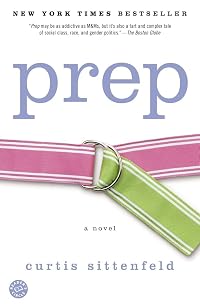
Prep
by Curtis Sittenfeld
On This Page
Description
An insightful, achingly funny coming-of-age story as well as a brilliant dissection of class, race, and gender in a hothouse of adolescent angst and ambition.Lee Fiora is an intelligent, observant fourteen-year-old when her father drops her off in front of her dorm at the prestigious Ault School in Massachusetts. She leaves her animated, affectionate family in South Bend, Indiana, at least in part because of the boarding schoolâ??s glossy brochure, in which boys in sweaters chat in front show more of old brick buildings, girls in kilts hold lacrosse sticks on pristinely mown athletic fields, and everyone sings hymns in chapel.
As Lee soon learns, Ault is a cloistered world of jaded, attractive teenagers who spend summers on Nantucket and speak in their own clever shorthand. Both intimidated and fascinated by her classmates, Lee becomes a shrewd observer ofâ??and, ultimately, a participant inâ??their rituals and mores. As a scholarship student, she constantly feels like an outsider and is both drawn to and repelled by other loners. By the time sheâ??s a senior, Lee has created a hard-won place for herself at Ault. But when her behavior takes a self-destructive and highly public turn, her carefully crafted identity within the community is shattered.
Ultimately, Leeâ??s experiencesâ??complicated relationships with teachers; intense friendships with other girls; an all-consuming preoccupation with a classmate who is less than a boyfriend and more than a crush; conflicts with her parents, from whom Lee feels increasingly distantâ??coalesce into a singular portrait of the painful and thrilling adolescence universal to us all.
BONUS: This edition includes an excerpt from Curtis Sittenfeld's Sisterland.
Praise for Prep
â??Curtis Sittenfeld is a young writer with a crazy amount of talent. Her sharp and economical prose reminds us of Joan Didion and Tobias Wolff. Like them, she has a sly and potent wit, which cuts unexpectedlyâ??but oftenâ??through the placid surface of her prose. Her voice is strong and clear, her moral compass steady; Iâ??d believe anything she told me.â?â??Dave Eggers, author of A Heartbreaking Work of Staggering Genius
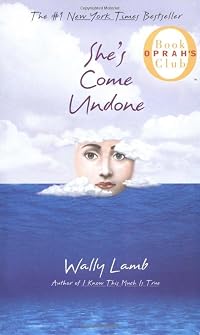
â??Prepâ??s every sentence rings true. Sittenfeld is a rising star.â?â??Wally Lamb, author of Sheâ??s Come Undone show less
Tags
Recommendations















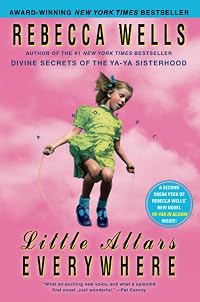

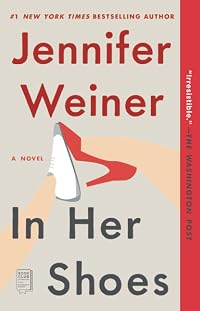

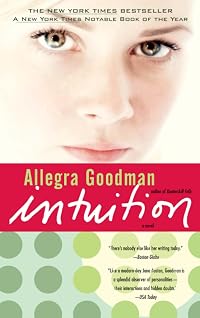
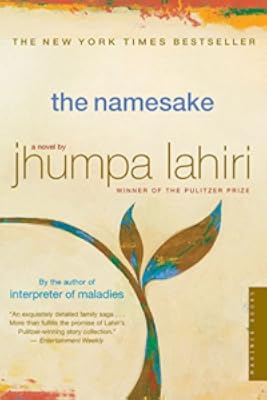
Member Recommendations


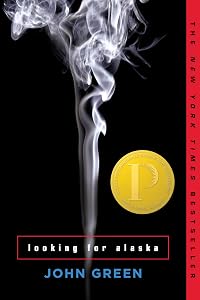
Moo by Jane Smiley
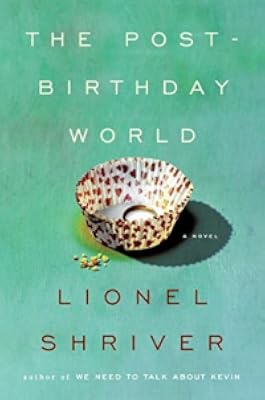
sweetbug Moo is also a coming of age novel, but it is set in a Midwestern college town at an ag school (hence the title). More humor and less drama than Prep, but a similar feel.
by kirsty

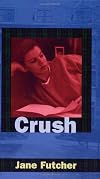
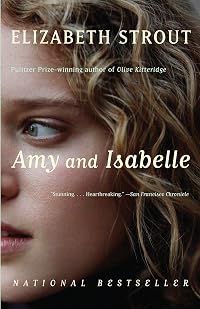
veritas Prep is a far more sophisticated novel in a lot of ways, but Crush evokes a very similar feeling.
by eenerd
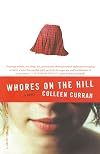
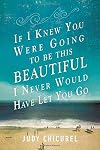
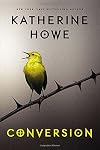
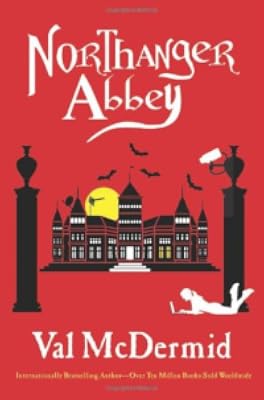
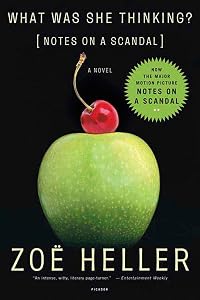
BookshelfMonstrosity Although Prep is realistic fiction written for adults and Conversion is a YA mashup of suspense and historical fiction, both books detail the complex social interactions of elite Northeastern prep schools with intense, sometimes gut-wrenching, precision.
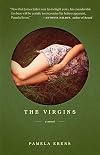
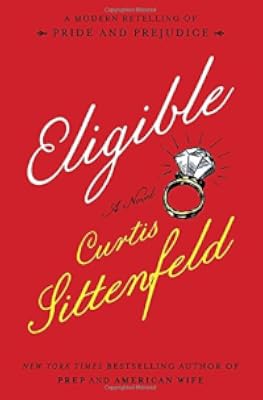
susanbooks Very different books, but they reminded me of each other
Member Reviews
4.25 stars. i really love her writing here and am impressed that this is her first book. (and excited. i'm looking forward to the rest of her work now.) everything is handled so deftly - except perhaps the ending, which i thought felt uncertain. but the rest of the book is excellent. she touches on quite a bit, actually, while not seeming to. issues of class, race, gender are all woven into the story well. they aren't *the* story or the main thing at all, but they're all a part of it, they inform the rest. the main part - the coming-of age part - is uncomfortably real and true. i think many, many women will recognize themselves in so much of lee's high school thoughts and insecurities. if at any time the voice of the main character felt show more a bit old, well, she was telling it from more than 10 years later, looking back, and so that made sense.
her writing is insightful and beautiful and i'm so excited to have found a new (to me) author of this caliber, and that i found her late and don't have to wait for more of her books to come out.
"I always worried someone would notice me, and then when no one did, I felt lonely."
"...I felt a plunging sadness that entirely eclipsed the suspicion and irritation I felt toward Dede. But the sadness was too large for me to understand, and then it passed."
"We stood there for so long without speaking that I thought we might not speak at all. But that kind of silence would happen only in a movie; in real life, it's so hard not to clutter the significant moments by talking."
"...I wished that I had never come to Ault, or that I'd been born a different person, or that at the very least I could lose consciousness immediately but not in a way that would be disruptive, not, say, by fainting and collapsing to the ground - more like by simply vanishing."
"I tried making conversation with Rufina Sanchez, who'd been recruited to Ault from a public school in San Diego and who was so pretty that I'd have been intimidated to talk to her if she were white..."
"In the scene before Ophelia drowns herself, Melodie and Jesse kissed, and I felt jealous of them, of how, because of their parts in the play, they'd had to become comfortable kissing so publicly, how during the weeks of rehearsal they'd had that kiss to count on. Every day, they'd known they would touch another person, and it didn't depend on anything external; it didn't matter what they did or didn't do."
on her parents:
"I hated them because they thought I was the same as they were, because if they were right, it would mean I'd failed myself, and because if they were wrong, it would mean I had betrayed them." show less
her writing is insightful and beautiful and i'm so excited to have found a new (to me) author of this caliber, and that i found her late and don't have to wait for more of her books to come out.
"I always worried someone would notice me, and then when no one did, I felt lonely."
"...I felt a plunging sadness that entirely eclipsed the suspicion and irritation I felt toward Dede. But the sadness was too large for me to understand, and then it passed."
"We stood there for so long without speaking that I thought we might not speak at all. But that kind of silence would happen only in a movie; in real life, it's so hard not to clutter the significant moments by talking."
"...I wished that I had never come to Ault, or that I'd been born a different person, or that at the very least I could lose consciousness immediately but not in a way that would be disruptive, not, say, by fainting and collapsing to the ground - more like by simply vanishing."
"I tried making conversation with Rufina Sanchez, who'd been recruited to Ault from a public school in San Diego and who was so pretty that I'd have been intimidated to talk to her if she were white..."
"In the scene before Ophelia drowns herself, Melodie and Jesse kissed, and I felt jealous of them, of how, because of their parts in the play, they'd had to become comfortable kissing so publicly, how during the weeks of rehearsal they'd had that kiss to count on. Every day, they'd known they would touch another person, and it didn't depend on anything external; it didn't matter what they did or didn't do."
on her parents:
"I hated them because they thought I was the same as they were, because if they were right, it would mean I'd failed myself, and because if they were wrong, it would mean I had betrayed them." show less
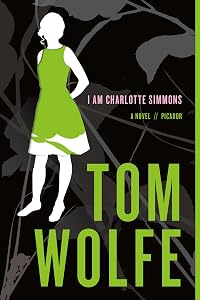
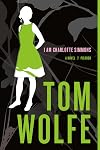
(15) Oh my goodness - I loved this. This woman is one of the best American writers in my opinion. Granted, her subject matter maybe only appeals to a narrow audience (educated white women of a certain age) but she is so good at what she does do. I am very late to the party reading this book - it describes a middle-class mid-Western girl who goes to a prestigious boarding school in the North East on scholarship and exquisitely narrates the neurosis that ensues. It very much reminded me of Wolf's "I am Charlotte Simmons," which I loved and also of the memoir "Notes on a Silencing," which I read recently about St. Paul's. Lee is both the most tortured adolescent imaginable yet, a 'everywoman' that we can all relate to.
She depicted the show more anguish of the extreme self-consciousness of adolescence to a T. This idea that you are alone and unnoticed and everyone else moves through life so effortlessly. This concept of caring and obsessing so much, yet having to pretend you don't care. Anticipating and imaging potential awkward moments so intensely that fear of embarrassment is your guiding principle. I feel such a palpable empathy for adolescent girls even as I write.
I think this subject matter - I mean crushes, notes in class, details of adolescents sex, gossip - on the surface is pretty low brow. But I could not stop reading. I just adored Lee and all of her flaws, I will say, I am not sure the Lee we had come to know though would have given that interview in the end. It felt incongruent with the girl I knew - counting for the half star off.
I think I have read all or most of Sittenfeld's novels and they have all been similarly engaging and well-written - albeit limited in scope and appeal. 'Prep' despite being her debut, perhaps is her best. Bravo! show less
She depicted the show more anguish of the extreme self-consciousness of adolescence to a T. This idea that you are alone and unnoticed and everyone else moves through life so effortlessly. This concept of caring and obsessing so much, yet having to pretend you don't care. Anticipating and imaging potential awkward moments so intensely that fear of embarrassment is your guiding principle. I feel such a palpable empathy for adolescent girls even as I write.
I think this subject matter - I mean crushes, notes in class, details of adolescents sex, gossip - on the surface is pretty low brow. But I could not stop reading. I just adored Lee and all of her flaws, I will say, I am not sure the Lee we had come to know though would have given that interview in the end. It felt incongruent with the girl I knew - counting for the half star off.
I think I have read all or most of Sittenfeld's novels and they have all been similarly engaging and well-written - albeit limited in scope and appeal. 'Prep' despite being her debut, perhaps is her best. Bravo! show less
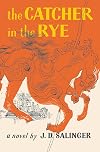
Rarely have I disliked a novel with such violence. I think the main reason for this was disappointment. I often read books that I know I'm going to hate (e.g. anything by Stephenie Meyer or Emily Giffin), and I know I'm going to hate them because their themes get my back up. Sometimes it's good to hate. With 'Prep' though, I was expecting to fall in love. Give me teenagers at boarding school, especially when the main character is the outsider, and I'm won over. 'Friendly fire', 'Harry Potter', 'The catcher in the rye' are just a few of the books that have a special place in my heart thanks to their treatment of the 'teen in institutionalised education' theme.
So I read the blurb at the back of 'Prep' and thought, 'I'm going to love show more this, or at the very least enjoy it'. Sadly it wasn't to be. A hundred pages in I realised I was not enjoying that book at all and that on the contrary it was infuriating me. I kept going, hoping it would get better but it just got worse. When I finally finished it I would happily have ripped it in two, except I don't do that to books. Blame it on my librarian training.
What do I pin the blame on? Or where do I start? I don't know, probably with Lee herself. It takes magnificent skill from a writer to make you follow an unlikeable narrator/main character with interest. Daphne du Maurier does a superb job of it 'My cousin Rachel', and Alan Hollinghurst truly impressed me with Nick in 'The line of beauty'. Although not a narrator, Nick is the perspective we have to go with in that novel, and I think his example is relevant here as like Lee he is the odd one out trying (and failing) to carve his place in a social class way above his own. Well, clearly Curtis Sittenfeld is no Hollinghurst, not even a little bit. A little bit would have been better than what she gave us with Lee.
Lee has nothing to say, yet she manages to fill more than 400 pages with thorough explorations of her uninteresting navel. NOTHING ELSE HAPPENS. She is cold, selfish, unappreciative, self-obsessed, SO FUCKING SHALLOW. There is literaly nothing to her. She might go unnoticed but what is there to notice? All she talks about is herself and how others affect her/how she appears to others, it's her her her all the time. If at least there were a few interesting observations, descriptions of what she likes... But it seems all she can talk about is nothing, a whole lot of nothing. I was hoping that at some point there would be some mention of what she's studying and how she finds her subjects, how she sees her life evolving from school, but the only thing she seems to care about is how she looks to others, what they think of her and how she can be popular. She is such a nasty jealous person as well, horrible to her family and to the friends who inexplicably stick with her... I found it exhausting and infuriating. The only moment I felt any satisfaction was when her father slapped her.
The style sank this sorry mess even further in my opinion. A good writer would have made the reader see Lee exactly for what she is but still want to read about her. If anything Sittenfeld's style seriously put me off. Any attempts at depth fell flat - for example the bit where Lee is reprimanded by her English teacher for not showing enough passion and she thinks to herself that she feels everything too intensely. Well, sorry Curtis but none of that intensity actually reached the page. Lee's existential musings never sounded genuine or insightful, just self-involved, petty and narrow. The succession of cliches sometimes made my jaw hang open in disbelief. The one that stays with me is the bit about Sin-Jun being an obvious lesbian because she has short hair and ear piercings. Seriously? We're still there, are we? Sorry, I thought this was the 21st century. My mistake. There were plenty more cliches too, it wasn't an isolated incident. There's no excuse for that when you're trying to be all literary and deep. Speaking of, the literary devices in there were so heavy and clunky I cringed. The amount of 'in fact' used to no effect, the endless questions of 'am I like this?', 'is this that?', 'why this?' became so tiresome I wanted to scream, the fact that every single time there seemed to be something happening the narrative cut to another pointless anecdote or flashback or musing frustrated me no end...
The best thing about this book? It ended. I won't be reading any of Curtis Sittenfeld's other novels.
(cross-posted to Goodreads) show less
So I read the blurb at the back of 'Prep' and thought, 'I'm going to love show more this, or at the very least enjoy it'. Sadly it wasn't to be. A hundred pages in I realised I was not enjoying that book at all and that on the contrary it was infuriating me. I kept going, hoping it would get better but it just got worse. When I finally finished it I would happily have ripped it in two, except I don't do that to books. Blame it on my librarian training.
What do I pin the blame on? Or where do I start? I don't know, probably with Lee herself. It takes magnificent skill from a writer to make you follow an unlikeable narrator/main character with interest. Daphne du Maurier does a superb job of it 'My cousin Rachel', and Alan Hollinghurst truly impressed me with Nick in 'The line of beauty'. Although not a narrator, Nick is the perspective we have to go with in that novel, and I think his example is relevant here as like Lee he is the odd one out trying (and failing) to carve his place in a social class way above his own. Well, clearly Curtis Sittenfeld is no Hollinghurst, not even a little bit. A little bit would have been better than what she gave us with Lee.
Lee has nothing to say, yet she manages to fill more than 400 pages with thorough explorations of her uninteresting navel. NOTHING ELSE HAPPENS. She is cold, selfish, unappreciative, self-obsessed, SO FUCKING SHALLOW. There is literaly nothing to her. She might go unnoticed but what is there to notice? All she talks about is herself and how others affect her/how she appears to others, it's her her her all the time. If at least there were a few interesting observations, descriptions of what she likes... But it seems all she can talk about is nothing, a whole lot of nothing. I was hoping that at some point there would be some mention of what she's studying and how she finds her subjects, how she sees her life evolving from school, but the only thing she seems to care about is how she looks to others, what they think of her and how she can be popular. She is such a nasty jealous person as well, horrible to her family and to the friends who inexplicably stick with her... I found it exhausting and infuriating. The only moment I felt any satisfaction was when her father slapped her.
The style sank this sorry mess even further in my opinion. A good writer would have made the reader see Lee exactly for what she is but still want to read about her. If anything Sittenfeld's style seriously put me off. Any attempts at depth fell flat - for example the bit where Lee is reprimanded by her English teacher for not showing enough passion and she thinks to herself that she feels everything too intensely. Well, sorry Curtis but none of that intensity actually reached the page. Lee's existential musings never sounded genuine or insightful, just self-involved, petty and narrow. The succession of cliches sometimes made my jaw hang open in disbelief. The one that stays with me is the bit about Sin-Jun being an obvious lesbian because she has short hair and ear piercings. Seriously? We're still there, are we? Sorry, I thought this was the 21st century. My mistake. There were plenty more cliches too, it wasn't an isolated incident. There's no excuse for that when you're trying to be all literary and deep. Speaking of, the literary devices in there were so heavy and clunky I cringed. The amount of 'in fact' used to no effect, the endless questions of 'am I like this?', 'is this that?', 'why this?' became so tiresome I wanted to scream, the fact that every single time there seemed to be something happening the narrative cut to another pointless anecdote or flashback or musing frustrated me no end...
The best thing about this book? It ended. I won't be reading any of Curtis Sittenfeld's other novels.
(cross-posted to Goodreads) show less
Such a guilty pleasure and I think it's really more like 4 stars, but what the hell.... let's do the Cinco. I have been obsessed with boarding schools since I was a kid. I used to sneak upstairs to watch The Facts of Life before dinner and at that time I loved school so much that to imagine a place where you LIVED at the SCHOOL was a dream come true. Not to mention having roommates and wearing a uniform were also secret fantasies of mine...
Add to that all of the fantastic movies about boarding schools (The Prime of Miss Jean Brodie, The Children's Hour, Dead Poets Society, School Ties, Class -with Rob Lowe) that I used to watch on repeat and mix it in with a healthy dose of my being an overly-sensitive, intelligent Midwestern child and show more you have a recipe for my 5-star rating.
I WAS/AM Lee Fiora, minus the boarding school. She is highly observant, insecure, always wanting for something more and unsure of how she fits in with her family. This book put me right back into my childhood and thank God 20 years have passed, because I can finally read about it and feel like I've come out on the other side.
The writing is good! Curtis Sittenfeld is one of my favorite authors; she doesn't always hit the mark but she did with this one. I gobbled it up and relived all the awkward and wonderful moments but after finishing it, I confess it felt good to be a middle-aged person again. That's something I don't say too often. show less
Add to that all of the fantastic movies about boarding schools (The Prime of Miss Jean Brodie, The Children's Hour, Dead Poets Society, School Ties, Class -with Rob Lowe) that I used to watch on repeat and mix it in with a healthy dose of my being an overly-sensitive, intelligent Midwestern child and show more you have a recipe for my 5-star rating.
I WAS/AM Lee Fiora, minus the boarding school. She is highly observant, insecure, always wanting for something more and unsure of how she fits in with her family. This book put me right back into my childhood and thank God 20 years have passed, because I can finally read about it and feel like I've come out on the other side.
The writing is good! Curtis Sittenfeld is one of my favorite authors; she doesn't always hit the mark but she did with this one. I gobbled it up and relived all the awkward and wonderful moments but after finishing it, I confess it felt good to be a middle-aged person again. That's something I don't say too often. show less
Prep plays on Fitzgerald's theme of mid-western Americans moving East only to find they are incapable of existing there. When faced with these cold, harsh, eastern socialites and their vastly different moral codes and social circles, Lee turns into a shell of her thriving, mid-western self. The problem, however, is that Lee is no likeable, sympathetic Gatsby. In fact, to use Fitzgerald's words, she "represent[s] everything for which I have an unaffected scorn." She moans and drones in the style of Holden Caufield, and like Holden, needs a good, swift kick to the head. Maybe they can get married and have tremendously boring, whiney children; just remind me not to read that book.
In Prep, Curtis Sittenfeld uses the setting of a preparatory boarding school in New England to magnify and dissect the peculiar compression chamber of adolescence. To bring this experience into even more relief, her protagonist, Lee Fiora, is a stunningly clueless girl from the mid-west. Lee struggles throughout the story with connecting and belonging. She has a desperate desire to do both, but a virtually pathological inability to do either. She is constantly on a threshold of humiliation and her hyper-vigilance to avoid this makes the book both compelling and excruciating. Her extreme caution to connect in only the circumscribed ways that might translate into belonging creates a tension that essentially incapacitates her.
Sittenfeld show more nails the social tone deafness of the outsider for whom the moving parts of the world are entirely opaque. But she also captures how one solid friendship can make this general estrangement bearable. Where she may go too far is with the length and extent of Lee's ultimate humiliations. One thing that Sittenfeld does not do is make her main character sympathetic: the reader is not so much rooting for Lee as just plain annoyed at her persistent and impenetrable obtuseness. Lee shows halting signs of developing self awareness, but we have only her rueful musing 10 years later to indicate that somehow, eventually, it does get better. show less
Sittenfeld show more nails the social tone deafness of the outsider for whom the moving parts of the world are entirely opaque. But she also captures how one solid friendship can make this general estrangement bearable. Where she may go too far is with the length and extent of Lee's ultimate humiliations. One thing that Sittenfeld does not do is make her main character sympathetic: the reader is not so much rooting for Lee as just plain annoyed at her persistent and impenetrable obtuseness. Lee shows halting signs of developing self awareness, but we have only her rueful musing 10 years later to indicate that somehow, eventually, it does get better. show less
When I was a child I used to page through books at the library looking for narrators or heroines I thought were similar to me and was distressed that I never found them quite shy enough or fat enough or sufficiently self-loathing. Now I'm glad I didn't. Lee Fiora might be that narrator I was looking for--plain, unremarkable, silent, friendless--but if I had identified with her as a kid, I don't know whether I would have grown up.
In Prep, our heroine, a middle-class girl from Indiana, goes to an elite New England boarding school called Ault and faces the iniquities of high school--the clueless teachers, the super-hard algebra homework, the girls with long blonde hair, the cool kids, and the cool boy who fucks her in the middle of the show more night but doesn't talk to her during the day. At this school, the cool kids are cool and rich, and even most of the uncool kids are rich, and the minorities are rich, and Lee is, like, the only middle class person there. And she's not cool. She has a really bad time.
On one level it is just a gloomy story about a high-school girl, but Lee is such an unusual narrator that the book is unsettling in the way of nightmare dystopias and psychological thrillers. Lee narrates the story with a flat affect and simple language. There are several ways to experience this. Sometimes it seems like bad writing, sometimes a precise imitation of a real teenager, and sometimes the low, out of touch thoughts of a depressive adolescent on the way to psychopathic adulthood.
The novel is Lee's inner world, but only while she is at Ault. She herself suggests that she is a different person while there and that this other person disappears as soon as she leaves the campus to fly home. And though we get to know her thoughts and feelings very well, there are two details Sittenfeld leaves out: what she looks like and what she ends up doing after college.
While I was reading this I thought it must be a book meant for young adults. the flat tone, the uncomplicated language.
reflecting on it, though, I think this is a devastating story about a nobody. It could have been written by a russian. (but not Tolstoy because there's no redemption and not Dostoevsky because there is no morality)
Is ault, perhaps, hell? is martha her virgil?
is cross her beatrice/or paulo/or is she psyche and he eros?
she leaves her home and goes into an alternate reality
she wants to be a different person. she wants to exceed her station in life.
but unlike a greek tragedy, which would have her dying a poetically fitting death, she is just really unhappy
Her roommate says it. The most frustrating thing about Lee is she doesn't do anything to change her situation. I totally understand this. I was the same way. I have been and am the same way so often. But it's heartbreaking to see it in someone else. (and one so young! a la gigi)
Teachers tell her she's a value to the school. But why?? she never tells you anything good about herself. So you sort of have to believe that there are good things, hidden somewhere. Maybe she is lying when she says she never talks to anybody? Maybe she's a great teammate (they all have to play sports--every season--a sign that the place really may be hell). Maybe she's a joy in history class?
this is what it's like to be unremarkable....
as an adult she still sounds depressed. One of my favorite passages. at the basketball games
'sure maybe there are margaritas and no curfew. but there are also puffy white bagels under the fluorescent lights at the office...and blah blah blah" show less
In Prep, our heroine, a middle-class girl from Indiana, goes to an elite New England boarding school called Ault and faces the iniquities of high school--the clueless teachers, the super-hard algebra homework, the girls with long blonde hair, the cool kids, and the cool boy who fucks her in the middle of the show more night but doesn't talk to her during the day. At this school, the cool kids are cool and rich, and even most of the uncool kids are rich, and the minorities are rich, and Lee is, like, the only middle class person there. And she's not cool. She has a really bad time.
On one level it is just a gloomy story about a high-school girl, but Lee is such an unusual narrator that the book is unsettling in the way of nightmare dystopias and psychological thrillers. Lee narrates the story with a flat affect and simple language. There are several ways to experience this. Sometimes it seems like bad writing, sometimes a precise imitation of a real teenager, and sometimes the low, out of touch thoughts of a depressive adolescent on the way to psychopathic adulthood.
The novel is Lee's inner world, but only while she is at Ault. She herself suggests that she is a different person while there and that this other person disappears as soon as she leaves the campus to fly home. And though we get to know her thoughts and feelings very well, there are two details Sittenfeld leaves out: what she looks like and what she ends up doing after college.
While I was reading this I thought it must be a book meant for young adults. the flat tone, the uncomplicated language.
reflecting on it, though, I think this is a devastating story about a nobody. It could have been written by a russian. (but not Tolstoy because there's no redemption and not Dostoevsky because there is no morality)
Is ault, perhaps, hell? is martha her virgil?
is cross her beatrice/or paulo/or is she psyche and he eros?
she leaves her home and goes into an alternate reality
she wants to be a different person. she wants to exceed her station in life.
but unlike a greek tragedy, which would have her dying a poetically fitting death, she is just really unhappy
Her roommate says it. The most frustrating thing about Lee is she doesn't do anything to change her situation. I totally understand this. I was the same way. I have been and am the same way so often. But it's heartbreaking to see it in someone else. (and one so young! a la gigi)
Teachers tell her she's a value to the school. But why?? she never tells you anything good about herself. So you sort of have to believe that there are good things, hidden somewhere. Maybe she is lying when she says she never talks to anybody? Maybe she's a great teammate (they all have to play sports--every season--a sign that the place really may be hell). Maybe she's a joy in history class?
this is what it's like to be unremarkable....
as an adult she still sounds depressed. One of my favorite passages. at the basketball games
'sure maybe there are margaritas and no curfew. but there are also puffy white bagels under the fluorescent lights at the office...and blah blah blah" show less
Members
- Recently Added By
Lists

Best Books Set in Boarding Schools
160 works; 57 members

Best Campus Novels
99 works; 18 members

Best School Stories
219 works; 22 members

Adult Books for YA Readers
194 works; 6 members

Academia in Fiction
158 works; 23 members
Main Character is aged 10-19
361 works; 6 members

Books Read in 2016
4,666 works; 197 members

KayStJ's to-read list
1,616 works; 11 members

to get
244 works; 2 members

Penguin Random House
458 works; 4 members

Books Read in 2018
4,360 works; 110 members

BBC World Book Club
265 works; 5 members
Author Information

23+ Works 17,859 Members
Elizabeth Curtis Sittenfeld was born August 23, 1975 in Cincinnati, Ohio. She is an American writer. Her titles include: Prep, the tale of a Massachusetts prep school; The Man of My Dreams, a coming-of-age novel and an examination of romantic love; and American Wife, a fictional story loosely based on the life of First Lady Laura Bush. Sittenfeld show more attended Vassar College in Poughkeepsie, New York, before transferring to Stanford University in Palo Alto, California. At Stanford, she studied Creative Writing. At the time, she was also chosen as one of Glamour magazine's College Women of the Year. She earned an MFA from the Iowa Writers' Workshop at the University of Iowa. In 2018 she made the bestseller list with her title, You Think It, I'll Say It. (Bowker Author Biography) show less
Some Editions
Awards and Honors
Awards
Distinctions
Notable Lists
Work Relationships
Is contained in
Common Knowledge
- Canonical title
- Prep
- Original title
- Prep
- Original publication date
- 2005-01-11
- People/Characters
- Lee Fiora; Cross Sugarman; Aspeth Montgomery; Martha Porter; Dede Schwartz; Gates Medkowski (show all 10); Conchita Maxwell; Sin-Jun Kim; Darden Pittard; Terry Fiora
- Important places
- Boston, Massachusetts, USA; South Bend, Indiana, USA; USA; Indiana, USA; Massachusetts, USA
- Dedication
- For my parents, Paul and Betsy Sittenfeld;
my sisters, Tiernan and Josephine;
and my brother, P.G. - First words
- I think that everything, or at least the part of everything that happened to me, started with the Roman architecture mix-up.
- Last words
- (Click to show. Warning: May contain spoilers.)The sharpness of that knowledge went away almost as soon as I'd boarded the T, but it has returned over the years, and even now sometimes--I am older, and my life is very different--I can feel again how amazed I was that morning.
- Publisher's editor
- Boudreaux, Lee
- Blurbers
- Eggers, Dave; Lamb, Wally; Egan, Jennifer; Nissen, Thisbe; Davis, Jill A.; Klam, Matthew (show all 7); Perrotta, Tom
- Original language
- English
Classifications
Statistics
- Members
- 5,416
- Popularity
- 2,474
- Reviews
- 163
- Rating
- (3.54)
- Languages
- 14 — Chinese, Danish, Dutch, English, Finnish, French, German, Italian, Norwegian (Bokmål), Norwegian, Polish, Romanian, Spanish, Swedish
- Media
- Paper, Audiobook, Ebook
- ISBNs
- 46
- ASINs
- 9