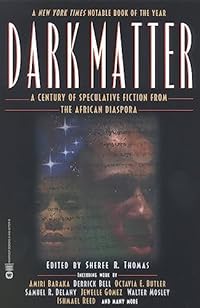
Dark Matter: A Century of Speculative Fiction from the African Diaspora
by Sheree R. Thomas (Editor)
Dark Matter Anthologies (1)
On This Page
Description
An anthology of African American fantasy, science fiction, and speculative fiction features some forty short stories by Octavia E. Butler, Samuel R. Delany, Tananarive Due, Walter Mosley, Ishmael Reed, Steven Barnes, and others.Tags
Recommendations
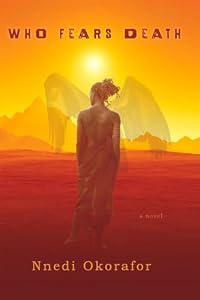
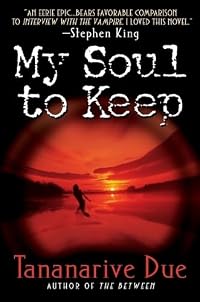
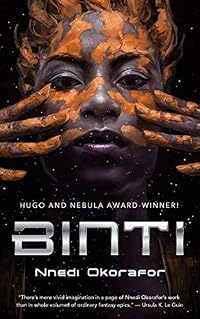
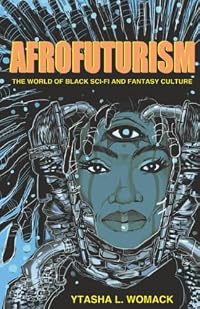
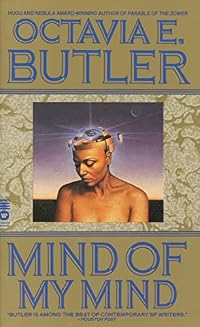



Member Recommendations

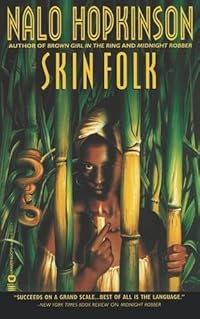
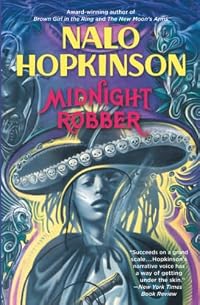
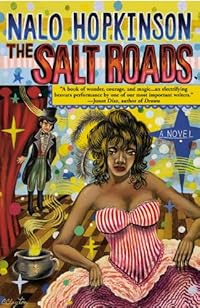
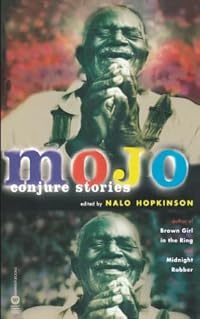
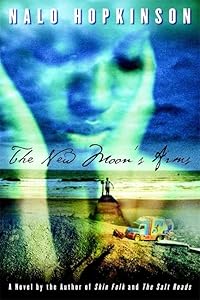
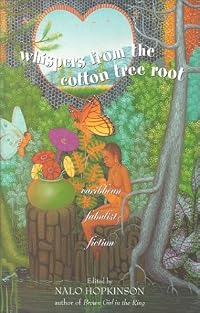
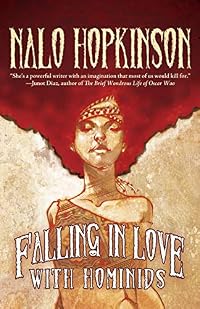
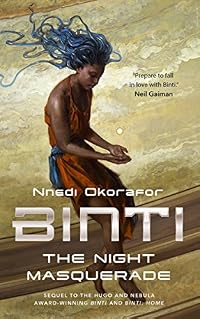
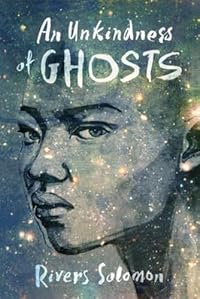
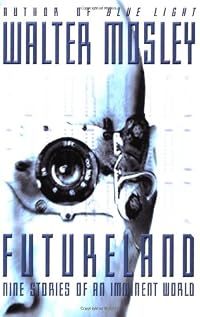
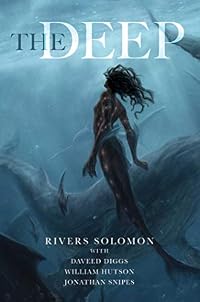
ryvre Short story compilation by Nalo Hopkinson. Many deal with issues of race, gender, and sexuality.
Member Reviews
Sheree Renee Thomas's Dark Matters was invigorating to read. I felt energized by the quick pace and heady rhythm of the selections. The anthology is full of African Diasporic speculative fiction and, as someone who had mostly avoided sci-fi, fantasy or horror most of my reading life, I was dismayed to find out what I had been missing.
There are some masterpieces within these pages. Octavia Butler's The Evening and the Morning and the Night is seductively brutal in its depiction of a fictional ailment brought on by the cancer vaccine. And, Nalo Hopkins's prose bubbles like simmering gravy in her vampiric obeah tale Greedy Choke Puppy and the frenetic and edgy Ganger (Ball Lightening). The former more traditional horror fare but the show more latter was pure speculative fiction as a couple fight for their lives against an energized sex suit come to life whose prime directive involves provoking, and then draining, orgasmic energy.
Charles R. Saunders' Gimmile's Song is another selection that will move the reader to seek out more SF and specifically more Saunders. This encounter between an African warrior and a stranger she encounters whilst fending off a couple of highwaymen is magical and Saunders later fleshes this warrior out in his novel Dossouye.
Some of the selections were less than satisfying. Some, like W.E.B. DuBois's excerpt from The Comet, and Derrick Bell's The Space Traders read like traditional science fiction and are good while also being thoughtful. Some read like George Clinton P-Funk album liners. And others I still don't understand. But as a non-SF reader, I was impressed enough to want to start my own journey through more such SF anthologies. show less
There are some masterpieces within these pages. Octavia Butler's The Evening and the Morning and the Night is seductively brutal in its depiction of a fictional ailment brought on by the cancer vaccine. And, Nalo Hopkins's prose bubbles like simmering gravy in her vampiric obeah tale Greedy Choke Puppy and the frenetic and edgy Ganger (Ball Lightening). The former more traditional horror fare but the show more latter was pure speculative fiction as a couple fight for their lives against an energized sex suit come to life whose prime directive involves provoking, and then draining, orgasmic energy.
Charles R. Saunders' Gimmile's Song is another selection that will move the reader to seek out more SF and specifically more Saunders. This encounter between an African warrior and a stranger she encounters whilst fending off a couple of highwaymen is magical and Saunders later fleshes this warrior out in his novel Dossouye.
Some of the selections were less than satisfying. Some, like W.E.B. DuBois's excerpt from The Comet, and Derrick Bell's The Space Traders read like traditional science fiction and are good while also being thoughtful. Some read like George Clinton P-Funk album liners. And others I still don't understand. But as a non-SF reader, I was impressed enough to want to start my own journey through more such SF anthologies. show less
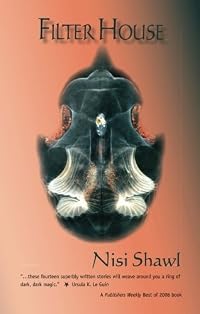
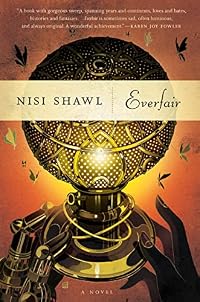
[b:Dark Matter: A Century of Speculative Fiction from the African Diaspora|510342|Dark Matter A Century of Speculative Fiction from the African Diaspora|Sheree Renée Thomas|https://i.gr-assets.com/images/S/compressed.photo.goodreads.com/books/1344265438l/510342._SY75_.jpg|498352] is an adeptly selected collection that's more than the sum of its parts. It contains speculative African-American fiction written between 1887 and 2000 and five essays by well-known black sci-fi writers reflecting upon the genre. The stories include supernatural, fantasy, sci-fi, fable, and apocalyptic elements. Although a couple are joyful in style, there are no utopias and many are tragic and chilling. Settings range from historical to futuristic, yet all show more the stories implicitly or explicitly reflect thoughtfully upon race and racism at the time when they were written. There are a number of horrifying thought experiments: what if aliens offered to trade advanced technologies for the entire black population of the USA? What if robots were built to replace black people? What if ethnicities were strictly segregated in the name of cultural preservation? All the stories were new to me, although I knew some of the writers from their novels: [a:Octavia E. Butler|29535|Octavia E. Butler|https://images.gr-assets.com/authors/1242244143p2/29535.jpg], [a:Samuel R. Delany|49111|Samuel R. Delany|https://images.gr-assets.com/authors/1516722468p2/49111.jpg], [a:Nisi Shawl|806782|Nisi Shawl|https://images.gr-assets.com/authors/1411718332p2/806782.jpg], [a:Jewelle Gomez|21295116|Jewelle Gomez|https://s.gr-assets.com/assets/nophoto/user/u_50x66-632230dc9882b4352d753eedf9396530.png], and [a:Nalo Hopkinson|27528|Nalo Hopkinson|https://images.gr-assets.com/authors/1361387199p2/27528.jpg].
It's very difficult to assemble a multi-author short story collection that feels fully coherent to read, so that the stories together compose a dialogue. Nearly all such collections have at least one story that seems out of place or of lower quality. None do in this collection - the editing by Sheree R. Thomas is really impressive. The inclusion of essays at the end is also an excellent choice, as this contextualises the writers' experience. It would be interesting to discover what has and hasn't changed in the 22 years since. I hope that more black speculative writers are getting published, but have no doubt that the genre is still overwhelmingly white.
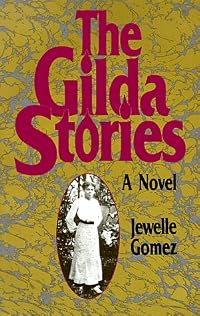
Although the stories all fit together very well, there are four that I found particularly memorable. The first is Octavia Butler's 'The Evening and the Morning and the Night' as the medical world-building is so clever and deft. Steven Barnes' 'The Woman in the Wall' is the most haunting story in the book, set in a prison camp with very little in the way of fantastical elements. 'Chicago 1927' is wonderfully atmospheric and reminded me of how much I enjoyed [b:The Gilda Stories|1063142|The Gilda Stories|Jewelle L. Gómez|https://i.gr-assets.com/images/S/compressed.photo.goodreads.com/books/1387702004l/1063142._SY75_.jpg|1049755]. Finally, 'The Space Traders' by Derrick Bell is mercilessly laconic in its depiction of white America's willingness to sell black Americans straight back into slavery. Although [b:Dark Matter: A Century of Speculative Fiction from the African Diaspora|510342|Dark Matter A Century of Speculative Fiction from the African Diaspora|Sheree Renée Thomas|https://i.gr-assets.com/images/S/compressed.photo.goodreads.com/books/1344265438l/510342._SY75_.jpg|498352] is often bleak to read, it's insightful, multifaceted, and very rewarding. The title refers to a hidden history of speculative fiction, which it elucidates in compelling polyphonic style. show less
It's very difficult to assemble a multi-author short story collection that feels fully coherent to read, so that the stories together compose a dialogue. Nearly all such collections have at least one story that seems out of place or of lower quality. None do in this collection - the editing by Sheree R. Thomas is really impressive. The inclusion of essays at the end is also an excellent choice, as this contextualises the writers' experience. It would be interesting to discover what has and hasn't changed in the 22 years since. I hope that more black speculative writers are getting published, but have no doubt that the genre is still overwhelmingly white.
Although the stories all fit together very well, there are four that I found particularly memorable. The first is Octavia Butler's 'The Evening and the Morning and the Night' as the medical world-building is so clever and deft. Steven Barnes' 'The Woman in the Wall' is the most haunting story in the book, set in a prison camp with very little in the way of fantastical elements. 'Chicago 1927' is wonderfully atmospheric and reminded me of how much I enjoyed [b:The Gilda Stories|1063142|The Gilda Stories|Jewelle L. Gómez|https://i.gr-assets.com/images/S/compressed.photo.goodreads.com/books/1387702004l/1063142._SY75_.jpg|1049755]. Finally, 'The Space Traders' by Derrick Bell is mercilessly laconic in its depiction of white America's willingness to sell black Americans straight back into slavery. Although [b:Dark Matter: A Century of Speculative Fiction from the African Diaspora|510342|Dark Matter A Century of Speculative Fiction from the African Diaspora|Sheree Renée Thomas|https://i.gr-assets.com/images/S/compressed.photo.goodreads.com/books/1344265438l/510342._SY75_.jpg|498352] is often bleak to read, it's insightful, multifaceted, and very rewarding. The title refers to a hidden history of speculative fiction, which it elucidates in compelling polyphonic style. show less
I finally got my hands on the first Dark Matter! As far as I can see, there are only two in this series? I hope there continues to be more, because it’s a very interesting series and a great way to be introduced to black writers’ styles and to black writers in general, especially those in the sci-fi/fantasy scene.
Dark Matter is a collection of over thirty fiction and nonfiction works related to science fiction and fantasy, all by african American authors. The creation of these works range from when it was published (the 2000s) to back in the late 1900s.
Content warnings (for individual stories, so you can skip any if you need to):
Sister Lilith
- rape
- strange & obnoxious upholding of stereotypical “masculinity” and show more “femininity” (aka the man: “ooh feel my muscles”)
Chicago 1927
- rape
Tasting Songs
- rape used as a comparison
- domestic and child abuse mention
Can You Wear My Eyes
- sexual abuse mention
Like Daughter
- rape
- incest
- child and domestic abuse
Rhythm Travel
- racial slurs (n slur)
Buddy Bolden
- rape
- slavery
- sexual assault
Aye, and Gomorrah …
- ableist slurs (r slur)
- necrophilia
- saying not having sexual desires = you’re a child and have no capacity to love
Ginger (Ball Lightning)
- ableism (“schizo” as an adjective)
The Becoming
- pedophilia (met her lover before she was even 18, and he’s 10yrs older than her)
- note on the above:and he wanted and waited for her! It’s for a “purpose” but still nasty.
-drugging and mutilation
The Goopherd Grapevine
- lots of racial slurs
The Evening and the Morning and the Night
- lots of gruesome self harm
Gimile’s Songs
- RAPE, but treated as romantic ??
Future Christmas
- fatphobia
- Inuit slurs
Like the second work of the series, every work is written well and shows off extremely talented, important, and popular black authors of sci-fi and fantasy, from Samuel R. Delany to Octavia E. Butler and then to voices more recently showing their strength, like Tananarive Due. It’s also great for introducing readers to writers they haven’t heard of - or haven’t heard much of yet, especially because some of these works are excerpts from already published books. While reading, I’ve been making notes of which authors I’d like to take a look at next.
All in all, I liked this collection less than the second installment, perhaps because the nature of the stories (heavier, more content that triggered me, made me need to take a break, etc.), or perhaps simply because they weren’t to my taste. But they weren’t any lower in quality; it’s just a personal preference kind of thing.
Though it is a rather long and large read, if you’re seriously interested in expanding the diversity of your reading experience - and supporting black authors and diversity in general, give this a try. It might be hard to find, but it’s worth it. The talent here is outstanding. show less
Dark Matter is a collection of over thirty fiction and nonfiction works related to science fiction and fantasy, all by african American authors. The creation of these works range from when it was published (the 2000s) to back in the late 1900s.
Content warnings (for individual stories, so you can skip any if you need to):
Sister Lilith
- rape
- strange & obnoxious upholding of stereotypical “masculinity” and show more “femininity” (aka the man: “ooh feel my muscles”)
Chicago 1927
- rape
Tasting Songs
- rape used as a comparison
- domestic and child abuse mention
Can You Wear My Eyes
- sexual abuse mention
Like Daughter
- rape
- incest
- child and domestic abuse
Rhythm Travel
- racial slurs (n slur)
Buddy Bolden
- rape
- slavery
- sexual assault
Aye, and Gomorrah …
- ableist slurs (r slur)
- necrophilia
- saying not having sexual desires = you’re a child and have no capacity to love
Ginger (Ball Lightning)
- ableism (“schizo” as an adjective)
The Becoming
- pedophilia (met her lover before she was even 18, and he’s 10yrs older than her)
- note on the above:
-drugging and mutilation
The Goopherd Grapevine
- lots of racial slurs
The Evening and the Morning and the Night
- lots of gruesome self harm
Gimile’s Songs
- RAPE, but treated as romantic ??
Future Christmas
- fatphobia
- Inuit slurs
Like the second work of the series, every work is written well and shows off extremely talented, important, and popular black authors of sci-fi and fantasy, from Samuel R. Delany to Octavia E. Butler and then to voices more recently showing their strength, like Tananarive Due. It’s also great for introducing readers to writers they haven’t heard of - or haven’t heard much of yet, especially because some of these works are excerpts from already published books. While reading, I’ve been making notes of which authors I’d like to take a look at next.
All in all, I liked this collection less than the second installment, perhaps because the nature of the stories (heavier, more content that triggered me, made me need to take a break, etc.), or perhaps simply because they weren’t to my taste. But they weren’t any lower in quality; it’s just a personal preference kind of thing.
Though it is a rather long and large read, if you’re seriously interested in expanding the diversity of your reading experience - and supporting black authors and diversity in general, give this a try. It might be hard to find, but it’s worth it. The talent here is outstanding. show less
I will preface my ruminations on this book with some long, rambling personal commentary. Please indulge me.
In the last year or so I have started exploring more of the online communities, LibraryThing being only one venue. I have also been reading more and more blogs, beginning with friends' and branching out to group blogs devoted to various social topics, particularly questions of racism and, to a lesser degree, sexism.
In other words, I've been educating myself, which is a very embarrassing admission--to be middle-aged and still pretty clueless--and an obvious sign of my fairly privileged position in society, for all that I was on welfare as a child and spent my formative years in very diverse neighborhoods, unlike my high school years show more and beyond, which have proven to be quite, quite segregated in retrospect. On the other hand, when I was younger, I prided myself on my flexibility and my ability to get along with other people, which meant that I tended to put the most favorable interpretation on events and people, always bending over to give the benefit of the doubt.
Now that I am older, I feel crankier, more set in my ways, more opinionated, and much less willing to "go along to get along." I am perhaps not as wonderful a companion, because I feel compelled to challenge people's assumptions and various stupidities, even in fairly casual conversation, rather than letting these small things pass. Perhaps this is the result of reflecting on incidents in my own past for a good decade or so, putting together so many small, subtle things, as well as some great big ones, and realizing "no, this person wasn't young and stupid, he was just an asshole," as well as finally really getting comments made by older women when I was still quite young and truly believed there were no real gender differences.
Also, my background is in science, so I have little academic exposure to these social issues and the scholarly discourse about them. That has been just as fascinating as the topic itself. The other fascinating aspect is that many of these blogs overlap into the science fiction and comic book fan communities. Now I have read science fiction and fantasy my whole life, and comic books sporadically, but I have never been part of any fan community, though many of my friends have. So it has been just as amazing to see these new perspectives from a completely different angle about the literature that I am most connected to, and not just the writing itself, but the community--from online publications to author chats and more. I have followed parts of the RaceFail and MammothFail discussions, which overlap a great deal. I have read and enjoyed the works of some of the authors involved in these, so it is certainly interesting to see interpersonal communication from them. It's all been quite educational on so many levels.
So that is one key piece of background information. The other is that I fell away from exploring fantasy and science fiction for a great many years. After devouring endless novels in my youth, I grew sick of the sheer repetition and lack of originality. I was hungry for something that wasn't medieval northern European with magic or essentially modern American in spaceships. I wanted aliens that were alien, not just guys with prosthetic foreheads (sure, the vast majority of hypothetical life out there must be about our size, with bilateral symmetry, vocal communications, etc.), and something other than people riding around on horses in oak forests meeting with elves on so many other worlds. Why not make further north hotter for change? Come on people, how hard is it to change such a simple assumption. I can't say that I was more than vaguely aware that there were no minorities in most of the stories, or gay people for that matter. But I certainly noticed on the rare occasions when they were present, because in addition, the author usually started with a different set of assumptions or cultural models that also helped the novel stand out, and I wanted more of it.
But it never occurred to me to seek out minority authors. Frankly, I didn't spend much time thinking about the authors. I didn't figure out that Octavia Butler and Samuel Delaney were African American until very recently, again with the embarrassment. Neither have I read any of their works, though I recognize that they are big names. I haven't read many other luminaries either until pretty recently, thanks to my Hugo quest and the gifts of friends outraged by my ignorance. This is also true of non-American authors--once again, I am ignorant and lazy and should read more beyond my borders.
So I was delighted when I stumbled across Dark Matter: A Century of Speculative Fiction From the African Diaspora at the university bookstore discount table. Somebody did the work for me--a whole smorgasboard of African-American authors spanning a hundred years. Like any anthology, it included a range of quality, tone, style, voice, and general flavor. Some I liked a great deal, some I felt an immediate connection with, others I found strange, confusing, disturbing, or otherwise uncomfortable. The book consists of an footnoted introduction by the editor, Sheree R. Thomas, 29 short stories (3 being excerpts from novels), and 5 essays. Authors whose names I recognized: W.E.B. DuBois, Samuel R. Delaney, Octavia E. Butler, Nisi Shawl (but only from reading blogs concurrently with this book), and Steven Barnes. Contributors new to me: Linda Addison, Amiri Baraka, Derrick Bell, Charles W. Chesnutt, Henry Dumas, Robert Fleming, Jewelle Gomez, Akua Lezli Hope, Nalo Hopkinson, Honoree Fanonne Jeffers, Anthony Joseph, Tony Medina, Paul D. Miller, Walter Mosley, Ama Patterson, Ishmael Reed, Leone Ross, Kalamu Ya Salaam, Kiini Ibura Salaam, Charles R. Saunders, George S. Schuyler, Evie Shockley, Darryl A. Smith, and Sheree R. Thomas.
The book was definitely worth the read. I'll be keeping it on my shelves and looking up some of the authors for additional works. And it was successful enough to spawn at least a couple of sequels, as thematic anthologies often do.
Not surprisingly, the stories I found most engaging were narrated by women, because, while I could not necessarily connect with these women of color through personal experiences of racism, I certainly share many of the observations and feelings of being a woman in a sexist society. There are some (many) things that (straight) men just don't think about. And the women in these stories were so warm and real and strong: Lilith, Adam's first wife in "Sister Lilith," Gilda in "Chicago 1927," the nameless narrator in "Can You Wear My Eyes," Dossouye in "Gimmile's Songs," Granny in "Greedy Choke Puppy," I could go on.
Also not surprisingly, more stories had a dystopian tone rather than optimistic, which is to be expected in meditations upon racism, however speculative the medium. Standing out in this direction are "Black No More," "The Space Traders," "The Pretended," Future Christmas," and "Tasting Songs."
Other stories explored more general science fiction and other speculative themes, whose protagonists happened to not be white. I won't continue listing titles though. Go read the book.
The authors drew upon American, African, Caribbean, South American, and probably still other cultures for their inspiration, historical and modern and mythical, creating a vibrant storytelling palette without any sense of repetitiveness. And the science fiction involved some fascinating ideas.
So I mostly liked it, just like other anthologies by multiple authors I have read. And as I said, I will continue to rectify my reading lacunae, following the excellent leads provided in this book.
ETA grammar, punctuation, spelling fixes (blush) show less
In the last year or so I have started exploring more of the online communities, LibraryThing being only one venue. I have also been reading more and more blogs, beginning with friends' and branching out to group blogs devoted to various social topics, particularly questions of racism and, to a lesser degree, sexism.
In other words, I've been educating myself, which is a very embarrassing admission--to be middle-aged and still pretty clueless--and an obvious sign of my fairly privileged position in society, for all that I was on welfare as a child and spent my formative years in very diverse neighborhoods, unlike my high school years show more and beyond, which have proven to be quite, quite segregated in retrospect. On the other hand, when I was younger, I prided myself on my flexibility and my ability to get along with other people, which meant that I tended to put the most favorable interpretation on events and people, always bending over to give the benefit of the doubt.
Now that I am older, I feel crankier, more set in my ways, more opinionated, and much less willing to "go along to get along." I am perhaps not as wonderful a companion, because I feel compelled to challenge people's assumptions and various stupidities, even in fairly casual conversation, rather than letting these small things pass. Perhaps this is the result of reflecting on incidents in my own past for a good decade or so, putting together so many small, subtle things, as well as some great big ones, and realizing "no, this person wasn't young and stupid, he was just an asshole," as well as finally really getting comments made by older women when I was still quite young and truly believed there were no real gender differences.
Also, my background is in science, so I have little academic exposure to these social issues and the scholarly discourse about them. That has been just as fascinating as the topic itself. The other fascinating aspect is that many of these blogs overlap into the science fiction and comic book fan communities. Now I have read science fiction and fantasy my whole life, and comic books sporadically, but I have never been part of any fan community, though many of my friends have. So it has been just as amazing to see these new perspectives from a completely different angle about the literature that I am most connected to, and not just the writing itself, but the community--from online publications to author chats and more. I have followed parts of the RaceFail and MammothFail discussions, which overlap a great deal. I have read and enjoyed the works of some of the authors involved in these, so it is certainly interesting to see interpersonal communication from them. It's all been quite educational on so many levels.
So that is one key piece of background information. The other is that I fell away from exploring fantasy and science fiction for a great many years. After devouring endless novels in my youth, I grew sick of the sheer repetition and lack of originality. I was hungry for something that wasn't medieval northern European with magic or essentially modern American in spaceships. I wanted aliens that were alien, not just guys with prosthetic foreheads (sure, the vast majority of hypothetical life out there must be about our size, with bilateral symmetry, vocal communications, etc.), and something other than people riding around on horses in oak forests meeting with elves on so many other worlds. Why not make further north hotter for change? Come on people, how hard is it to change such a simple assumption. I can't say that I was more than vaguely aware that there were no minorities in most of the stories, or gay people for that matter. But I certainly noticed on the rare occasions when they were present, because in addition, the author usually started with a different set of assumptions or cultural models that also helped the novel stand out, and I wanted more of it.
But it never occurred to me to seek out minority authors. Frankly, I didn't spend much time thinking about the authors. I didn't figure out that Octavia Butler and Samuel Delaney were African American until very recently, again with the embarrassment. Neither have I read any of their works, though I recognize that they are big names. I haven't read many other luminaries either until pretty recently, thanks to my Hugo quest and the gifts of friends outraged by my ignorance. This is also true of non-American authors--once again, I am ignorant and lazy and should read more beyond my borders.
So I was delighted when I stumbled across Dark Matter: A Century of Speculative Fiction From the African Diaspora at the university bookstore discount table. Somebody did the work for me--a whole smorgasboard of African-American authors spanning a hundred years. Like any anthology, it included a range of quality, tone, style, voice, and general flavor. Some I liked a great deal, some I felt an immediate connection with, others I found strange, confusing, disturbing, or otherwise uncomfortable. The book consists of an footnoted introduction by the editor, Sheree R. Thomas, 29 short stories (3 being excerpts from novels), and 5 essays. Authors whose names I recognized: W.E.B. DuBois, Samuel R. Delaney, Octavia E. Butler, Nisi Shawl (but only from reading blogs concurrently with this book), and Steven Barnes. Contributors new to me: Linda Addison, Amiri Baraka, Derrick Bell, Charles W. Chesnutt, Henry Dumas, Robert Fleming, Jewelle Gomez, Akua Lezli Hope, Nalo Hopkinson, Honoree Fanonne Jeffers, Anthony Joseph, Tony Medina, Paul D. Miller, Walter Mosley, Ama Patterson, Ishmael Reed, Leone Ross, Kalamu Ya Salaam, Kiini Ibura Salaam, Charles R. Saunders, George S. Schuyler, Evie Shockley, Darryl A. Smith, and Sheree R. Thomas.
The book was definitely worth the read. I'll be keeping it on my shelves and looking up some of the authors for additional works. And it was successful enough to spawn at least a couple of sequels, as thematic anthologies often do.
Not surprisingly, the stories I found most engaging were narrated by women, because, while I could not necessarily connect with these women of color through personal experiences of racism, I certainly share many of the observations and feelings of being a woman in a sexist society. There are some (many) things that (straight) men just don't think about. And the women in these stories were so warm and real and strong: Lilith, Adam's first wife in "Sister Lilith," Gilda in "Chicago 1927," the nameless narrator in "Can You Wear My Eyes," Dossouye in "Gimmile's Songs," Granny in "Greedy Choke Puppy," I could go on.
Also not surprisingly, more stories had a dystopian tone rather than optimistic, which is to be expected in meditations upon racism, however speculative the medium. Standing out in this direction are "Black No More," "The Space Traders," "The Pretended," Future Christmas," and "Tasting Songs."
Other stories explored more general science fiction and other speculative themes, whose protagonists happened to not be white. I won't continue listing titles though. Go read the book.
The authors drew upon American, African, Caribbean, South American, and probably still other cultures for their inspiration, historical and modern and mythical, creating a vibrant storytelling palette without any sense of repetitiveness. And the science fiction involved some fascinating ideas.
So I mostly liked it, just like other anthologies by multiple authors I have read. And as I said, I will continue to rectify my reading lacunae, following the excellent leads provided in this book.
ETA grammar, punctuation, spelling fixes (blush) show less
Afirst anthology of speculative fiction by black writers: 25 stories, 3 novel excerpts, and 5 essays, the oldest piece an 1887 tale of a bewitched vineyard, the majority from this year. Included are a couple of acknowledged classics: Samuel R. Delany’s “Aye, and Gomorrah,” about the effects on sexual behavior caused by astronauts who are themselves asexual; and Octavia E. Butler’s wrenching masterpiece, “The Evening and the Morning and the Night,” about a genetic disease whose victims helplessly mutilate themselves. In an excerpt from the 1931 novel Black No More, George S. Schuyler wonders what would happen if black people simply and easily became white. Derrick Bell imagines alien visitors whose only desire is to depart show more with all America’s blacks. In W.E.B. Du Bois’s 1920 tale, a comet kills everyone in New York except a poor black man and a rich white woman. Other topics encompass: Adam and Eve, vampires, music, modern folk tales, astral traveling, VR, multigenerational starships, female warriors, an American woman caught in the gears of an African civil war, the Ark, Santa, alien contact, UFOs, alien abduction, and robots. The essays are equally fascinating. Delany examines racism and science fiction—it’s largely unconscious but present, he reports. Walter Mosley predicts an imminent explosion of new, black SF writers. Charles R. Saunders becomes generally unhinged about Mike Resnick’s African fables. Paul D. Miller explores music and black identity. And Octavia E. Butler wonders how much reality is too much.
Read. Enjoy. Ponder.
-Kirkus Review show less
Read. Enjoy. Ponder.
-Kirkus Review show less
It’s a great book, worth the wait. The one wish I could have for it is that Samuel Delany, Octavia Butler and Charles Saunders wrote new stories for this volume. What each of them, plus Walter Mosely did write were new essays. Of the 29 short stories many are remarkable.
I particularly liked Tananarive Due’s (Steven Barnes’ wife) story “Like Daughter” about a clone child created by a mother with a horrible childhood. Nalo Hopkinson’s “Ganger (Ball Lightning)” is a very erotic, scary, wonderful piece about a sex toy that goes crazy and nearly kills a couple. “The Woman in the Wall” by Steven Barnes takes place in an unnamed African country where the president has just been killed and an American couple and their show more daughter are sent to a truly frightening refugee camp. show less
I particularly liked Tananarive Due’s (Steven Barnes’ wife) story “Like Daughter” about a clone child created by a mother with a horrible childhood. Nalo Hopkinson’s “Ganger (Ball Lightning)” is a very erotic, scary, wonderful piece about a sex toy that goes crazy and nearly kills a couple. “The Woman in the Wall” by Steven Barnes takes place in an unnamed African country where the president has just been killed and an American couple and their show more daughter are sent to a truly frightening refugee camp. show less
I did not read the whole book! I was introduced to several authors when I read Afrofuturism by Ytasha Womack that I wanted to read, and most of them were in this collection. It's a very vast collection with a diverse spread of writers, really enjoyed what I read.
Members
- Recently Added By
Lists

Recommend the 20 best books you've read in the last five years
2,168 works; 606 members

Diversity in Fantasy and Science Fiction
219 works; 32 members

Recommended Speculative Fiction by Women and People of Color
298 works; 45 members

Black Authors
381 works; 28 members
LGBTQ+ Speculative Fiction
819 works; 50 members

Black Women Writing Speculative Fiction
6 works; 1 member

Books Read in 2021
5,361 works; 113 members
Author Information

Sheree R. Thomas edits the literary journal Anansi: Fiction of the African Diaspora and has contributed to national publications including the Washington Post, Black Issues Book Review, and QBR: The Black Book Review.
All Editions
Awards and Honors
Awards
Distinctions
Series

Work Relationships
Contains
Common Knowledge
- Canonical title
- Dark Matter: A Century of Speculative Fiction from the African Diaspora
- Original publication date
- 2000
- Dedication
- For the Generations
Jada and Jacqueline - First words
- Early one morning in a fictitious Southern town, the residents are frightened by what they cannot see. (Introduction: Looking for the Invisible)
- Blurbers
- Johnson, Charles
- Canonical DDC/MDS
- 813/.087609896073
- Canonical LCC
- PS648.S3 D37 2000
Classifications
Statistics
- Members
- 596
- Popularity
- 49,033
- Reviews
- 11
- Rating
- (4.20)
- Languages
- English
- Media
- Paper, Ebook
- ISBNs
- 4
- ASINs
- 1