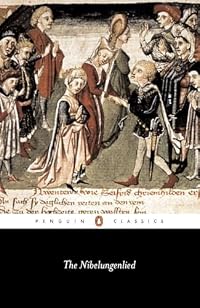
Nibelungenlied
by Anonymous
On This Page
Description
No poem in German literature is so well known and studied in Germany and Europe as the 800-year-old Das Nibelungenlied. In the English-speaking world, however, the poem has remained little known, languishing without an adequate translation. This wonderful new translation by eminent translator Burton Raffel brings the epic poem to life in English for the first time, rendering it in verse that does full justice to the original High Middle German. His translation underscores the formal aspects show more of the poem and preserves its haunting beauty. Often called the German lliad, Das Nibelungenlied is a heroic epic both national in character and sweeping in scope. The poem moves inexorably from romance through tragedy to holocaust. It portrays the existential struggles and downfall of an entire people, the Burgundians, in a military conflict with the Huns and their king. In his foreword to the book, Michael Dirda observes that the story "could be easily updated to describe the downfall of a Mafia crime family, something like The Godfather, with swords." The tremendous appeal of Das Nibelungenlied throughout the nineteenth and twentieth centuries is reflected in such works as Richard Wagner's opera tetralogy Der Ring des Nibelungen, Fritz Lang's two-part film Die Nibelungen, and, more recently, J. R. R. Tolkien's The Lord of the Rings. show lessTags
Recommendations

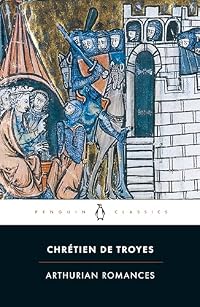

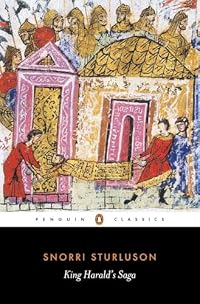
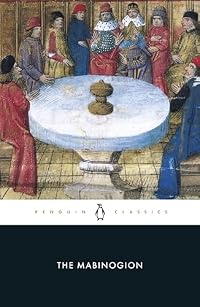
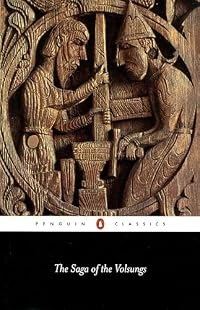





Member Recommendations
andejons Much of the story of Nibelungenlied is also told in the poetic Edda, but in considerably shorter form but with some extra material. There are also many points that differ.
140
ed.pendragon The German High Medieval version of the tale that Tolkien renders into English.
60
Member Reviews
On the plus side, the pervasive misogyny reminded me why I'm a feminist and the pervasive violence reminded me why I'm not a fan of troglodyte politics. Also, the explanatory footnotes were really helpful in understanding the culture, even though the translation was a bit awkward at times (which may have been due to the source material, but I was hoping for something a bit more lyrically written).
On the negative side, I really hated reading it. None of the characters were particularly sympathetic. Siegfried was an ass and I wanted him dead even before he raped Brunhild. Kriemhild had potential, but I never understood her selfish/selfless devotion to Siegfried (because he was an ass). At first, Brunhild was kind of awesome in a Xena show more Warrior Princess sort of way, but after she was tricked/forced into marriage with Gunther she became surprisingly malicious. I still found her to be an interesting protagonist, but then she completely disappeared in the second half. I actually kind of liked Hagen in the first part, probably because he was conspiring against Siegfried (who was an ass), but in the second part where we're supposed to recognize Hagen's heroic qualities, he seemed like a completely horrible person.
Which all probably just goes to show how much the idea of heroism and morality has changed over the past millennium, so I'm glad I read this in the sense that I learned a lot. However, I can't ever see myself reading it again or recommending to anyone (unless they're really into gender studies or medieval history). show less
On the negative side, I really hated reading it. None of the characters were particularly sympathetic. Siegfried was an ass and I wanted him dead even before he raped Brunhild. Kriemhild had potential, but I never understood her selfish/selfless devotion to Siegfried (because he was an ass). At first, Brunhild was kind of awesome in a Xena show more Warrior Princess sort of way, but after she was tricked/forced into marriage with Gunther she became surprisingly malicious. I still found her to be an interesting protagonist, but then she completely disappeared in the second half. I actually kind of liked Hagen in the first part, probably because he was conspiring against Siegfried (who was an ass), but in the second part where we're supposed to recognize Hagen's heroic qualities, he seemed like a completely horrible person.
Which all probably just goes to show how much the idea of heroism and morality has changed over the past millennium, so I'm glad I read this in the sense that I learned a lot. However, I can't ever see myself reading it again or recommending to anyone (unless they're really into gender studies or medieval history). show less
Il Nibelungenlied (Canto dei Nibelunghi) è un capolavoro. Non amo dare giudizi trancianti, solitamente, ma veramente pochi scritti hanno saputo regalarmi una così ampia gamma di emozioni come questo poema medievale.
Ci sono tutti gli ingredienti di un grande classico: la poesia, l'amore, la magia, il coraggio, la tragedia.
I Nibelunghi però è prima di essere un immenso poema cavalleresco è soprattutto un raffinato "romanzo" psicologico. I personaggi non sono semplici macchiette che si muovono come marionette su un palcoscenico dal fondale dipinto. Questo poema vive! Sin dal primo verso ha la capacità di catturarti in un altro mondo, le terre germaniche antiche, dove la violenza e l'onore sono i fili conduttori dell'esistenza. show more Proprio l'onore che verrà macchiato dalla famiglia di Crimilde, che lungamente mediterà vendetta fino al tragico (e grandiosamente fatalista) epilogo.
La sensibilità che ne emerge è forse lontana dalla nostra o da quella più familiare dei poemi omerici. Grattando sotto la superficie però è impossibile non notare le comunanze, più che le discrepanze.
Le quartine sono di un linguaggio così vivido e sciolto che pare di assistere alla proiezione di un capolavoro cinematografico, che si svolge tutto nella nostra mente, evocato dal poeta anonimo.
Il Nibelungelied è anche il punto di arrivo di una lunga tradizione orale e scritta che vede i suoi fondamenti nelle società nordiche alto-medievali. Non stupirà infatti ai lettori di altre versioni (tra cui l'Edda di Snorri Sturluson) la comunanza di personaggi e situazioni. Come punto di arrivo quindi, può essere il punto di partenza per scoprire tutta una letteratura da noi poco diffusa, ma non meno meritoria della tradizione greco-latina che monopolizza gli studi dell'obbligo. show less
Ci sono tutti gli ingredienti di un grande classico: la poesia, l'amore, la magia, il coraggio, la tragedia.
I Nibelunghi però è prima di essere un immenso poema cavalleresco è soprattutto un raffinato "romanzo" psicologico. I personaggi non sono semplici macchiette che si muovono come marionette su un palcoscenico dal fondale dipinto. Questo poema vive! Sin dal primo verso ha la capacità di catturarti in un altro mondo, le terre germaniche antiche, dove la violenza e l'onore sono i fili conduttori dell'esistenza. show more Proprio l'onore che verrà macchiato dalla famiglia di Crimilde, che lungamente mediterà vendetta fino al tragico (e grandiosamente fatalista) epilogo.
La sensibilità che ne emerge è forse lontana dalla nostra o da quella più familiare dei poemi omerici. Grattando sotto la superficie però è impossibile non notare le comunanze, più che le discrepanze.
Le quartine sono di un linguaggio così vivido e sciolto che pare di assistere alla proiezione di un capolavoro cinematografico, che si svolge tutto nella nostra mente, evocato dal poeta anonimo.
Il Nibelungelied è anche il punto di arrivo di una lunga tradizione orale e scritta che vede i suoi fondamenti nelle società nordiche alto-medievali. Non stupirà infatti ai lettori di altre versioni (tra cui l'Edda di Snorri Sturluson) la comunanza di personaggi e situazioni. Come punto di arrivo quindi, può essere il punto di partenza per scoprire tutta una letteratura da noi poco diffusa, ma non meno meritoria della tradizione greco-latina che monopolizza gli studi dell'obbligo. show less
Il Nibelungenlied (Canto dei Nibelunghi) è un capolavoro. Non amo dare giudizi trancianti, solitamente, ma veramente pochi scritti hanno saputo regalarmi una così ampia gamma di emozioni come questo poema medievale.
Ci sono tutti gli ingredienti di un grande classico: la poesia, l'amore, la magia, il coraggio, la tragedia.
I Nibelunghi però è prima di essere un immenso poema cavalleresco è soprattutto un raffinato "romanzo" psicologico. I personaggi non sono semplici macchiette che si muovono come marionette su un palcoscenico dal fondale dipinto. Questo poema vive! Sin dal primo verso ha la capacità di catturarti in un altro mondo, le terre germaniche antiche, dove la violenza e l'onore sono i fili conduttori dell'esistenza. show more Proprio l'onore che verrà macchiato dalla famiglia di Crimilde, che lungamente mediterà vendetta fino al tragico (e grandiosamente fatalista) epilogo.
La sensibilità che ne emerge è forse lontana dalla nostra o da quella più familiare dei poemi omerici. Grattando sotto la superficie però è impossibile non notare le comunanze, più che le discrepanze.
Le quartine sono di un linguaggio così vivido e sciolto che pare di assistere alla proiezione di un capolavoro cinematografico, che si svolge tutto nella nostra mente, evocato dal poeta anonimo.
Il Nibelungelied è anche il punto di arrivo di una lunga tradizione orale e scritta che vede i suoi fondamenti nelle società nordiche alto-medievali. Non stupirà infatti ai lettori di altre versioni (tra cui l'Edda di Snorri Sturluson) la comunanza di personaggi e situazioni. Come punto di arrivo quindi, può essere il punto di partenza per scoprire tutta una letteratura da noi poco diffusa, ma non meno meritoria della tradizione greco-latina che monopolizza gli studi dell'obbligo. show less
Ci sono tutti gli ingredienti di un grande classico: la poesia, l'amore, la magia, il coraggio, la tragedia.
I Nibelunghi però è prima di essere un immenso poema cavalleresco è soprattutto un raffinato "romanzo" psicologico. I personaggi non sono semplici macchiette che si muovono come marionette su un palcoscenico dal fondale dipinto. Questo poema vive! Sin dal primo verso ha la capacità di catturarti in un altro mondo, le terre germaniche antiche, dove la violenza e l'onore sono i fili conduttori dell'esistenza. show more Proprio l'onore che verrà macchiato dalla famiglia di Crimilde, che lungamente mediterà vendetta fino al tragico (e grandiosamente fatalista) epilogo.
La sensibilità che ne emerge è forse lontana dalla nostra o da quella più familiare dei poemi omerici. Grattando sotto la superficie però è impossibile non notare le comunanze, più che le discrepanze.
Le quartine sono di un linguaggio così vivido e sciolto che pare di assistere alla proiezione di un capolavoro cinematografico, che si svolge tutto nella nostra mente, evocato dal poeta anonimo.
Il Nibelungelied è anche il punto di arrivo di una lunga tradizione orale e scritta che vede i suoi fondamenti nelle società nordiche alto-medievali. Non stupirà infatti ai lettori di altre versioni (tra cui l'Edda di Snorri Sturluson) la comunanza di personaggi e situazioni. Come punto di arrivo quindi, può essere il punto di partenza per scoprire tutta una letteratura da noi poco diffusa, ma non meno meritoria della tradizione greco-latina che monopolizza gli studi dell'obbligo. show less
This is the version in English you should read as a narrative. I have another translation "translated into Rhymed English Verse in the Metre of the Original" by George Henry Needler, which I use for short quotes. Arthur Hatto has a fine hand, leaving an air of bardic strangeness in his prose translation. Most people have read a gloss of Wagner's Ring or the Volsung Saga which is an Icelandic redaction of this material, but neither of these is the long-time hit. The balance of the story is different, and I recommend this translation. No one should pass up Stephen Grundy's masterly modern re-work either! But do read this one!
The original hardly bares any comparison to the Wagner Ring Cycle; it still has its own rustic charm, if by charm you mean more death than a typical Shakespearean tragedy.
None of the characters are very honorable and most seem to be driven by a certain brazen vindictiveness; the few points where bloodshed could have been avoided are abandoned almost as if driven on by an inevitable fate of doom.
An interesting historical read, but not one that will be in my top ten Medieval literature list.
None of the characters are very honorable and most seem to be driven by a certain brazen vindictiveness; the few points where bloodshed could have been avoided are abandoned almost as if driven on by an inevitable fate of doom.
An interesting historical read, but not one that will be in my top ten Medieval literature list.
The Nibelungenlied was one of many epics assigned for my World Literature class. It is a German war epic thought to be written in the 13th century although its author is unknown. I haven't read any other translations of this epic poem but A.T. Hatto's prose translation kept me interested throughout the entire story with a good balance of dialogue and action. This story of rivalry and love contains many twists and turns, none of which I want to mention for fear of giving away too much, but I will say it is a story that will surprise you with each new page. What I found particularly helpful with this Penguins Classics edition is The Glossary of Characters' Names located in the back of book.
A surprisingly readable English translation of the Niebelungen stories that became the basis for Wagner's Rung-cycle. What impressed me most was that all of the characters seem to spend half of their time changing clothes.
Members
- Recently Added By
Lists

Favourite Medieval Books
49 works; 17 members

Harold Bloom - The Western Canon: A. The Theocratic Age
97 works; 13 members

In Our Time books
4,934 works; 2 members

Favourite Books
1,817 works; 308 members

Book Titles Mentioned In Newberry Medal And Honor Books
884 works; 3 members

Greatest Books, allegedly
484 works; 9 members

Western Canon
206 works; 2 members

How to Read a Book's Recommended Reading List
309 works; 10 members

Leseliste
21 works; 1 member

Literary Works Read in College
316 works; 15 members
Narrative verse for pleasure
75 works; 8 members

1001 Books You Must Read Before You Die
1,448 works; 1,132 members

The Nibelungs
32 works; 1 member

100 Books to Read in a Lifetime (That Are Older Than 200 Years)
415 works; 175 members

Folklore, Legends, Fables and Fairy Tales
22 works; 9 members

Books Set in Germany
74 works; 11 members

Lovecraft's 'Supernatural Horror in Literature' Reading List
216 works; 8 members

German Literature
514 works; 55 members

Epic Fiction
42 works; 12 members

Lectuurlijst
63 works; 1 member
Talk Discussions
Past Discussions
The Nibelungenlied - LIMITED EDITIONS CLUB 1960 in Fine Press Forum (September 2023)
Author Information
3 Works 3,401 Members
Some Editions
Awards and Honors
Series
Belongs to Publisher Series
Letras Universales (210)
Work Relationships
Is contained in
Contains
Is retold in
Is abridged in
Is replied to in
Inspired
Has as a reference guide/companion
Common Knowledge
- Canonical title
- Nibelungenlied
- Original title
- Das Nibelungenlied
- Original publication date
- c. 1200
- People/Characters
- Kriemhilde; Siegfried; Theodoric the Great (as Ditrich von Bern); Attila the Hun (as Etzel)
- Important places*
- Worms, Rheinland-Pfalz, Deutschland
- Related movies
- Die Nibelungen: Siegfried (1924 | IMDb); Die Nibelungen: Kriemhilds Rache (1924 | IMDb); Die Nibelungen (1967 | IMDb); Die Nibelungen (2002 | IMDb); The Sword of Xanten (2004)
- First words
- In old tales they tell us many wonders of heroes and of high courage, of glad feasting, of weeping and of mourning; and herein ye shall read of the marvellous deeds and of the strife of brave men. (Armour trans.)
We have b... (show all)een told in ancient tales many marvels of famous heroes, of mighty toil, joys, and high festivities, of weeping and wailing, and the fighting of bold warriors - of such things you can now hear wonders unending! (Hatto trans.) - Last words
- (Click to show. Warning: May contain spoilers.)This is the fall of the Nibelungs. (Armour trans.)
The story ends here: such was the Nibelungs' Last Stand. (Hatto trans.) - Original language*
- mittelhochdeutsch
*Some information comes from Common Knowledge in other languages. Click "Edit" for more information.
Classifications
- Genres
- Poetry, Fiction and Literature
- DDC/MDS
- 808 — Literature & rhetoric Literature, rhetoric & criticism Rhetoric and collections of literary texts from more than two literatures
- LCC
- PT1579 .A3 .A6 — Language and Literature German, Dutch and Scandinavian literatures German literature Individual authors or works Middle High German, ca. 1050-1450/1500
- BISAC
Statistics
- Members
- 3,328
- Popularity
- 5,062
- Reviews
- 32
- Rating
- (3.80)
- Languages
- 14 — Catalan, Czech, Dutch, English, Finnish, French, German, German (Middle High), German (Old High), Italian, Portuguese, Russian, Spanish, Swedish
- Media
- Paper, Audiobook, Ebook
- ISBNs
- 119
- UPCs
- 1
- ASINs
- 73
