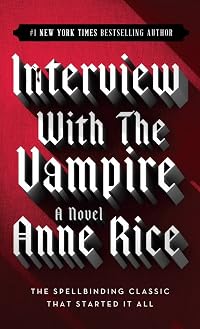
On This Page
Description
A vampire recounts his tragic two-century life, marked by an endless thirst for human blood.Tags
Recommendations
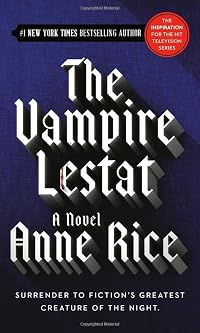
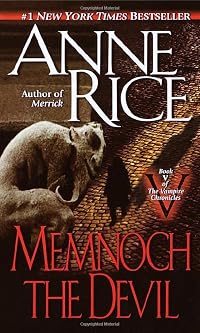
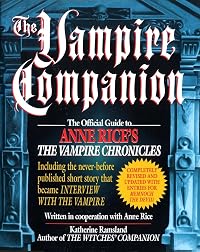
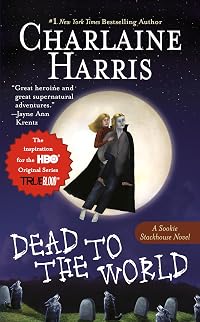
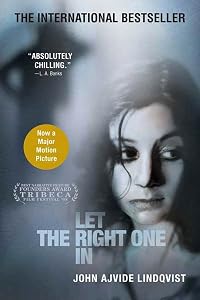
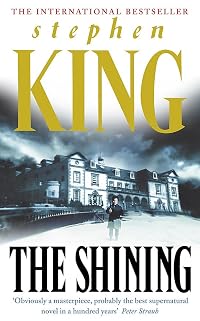
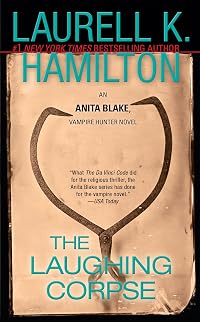
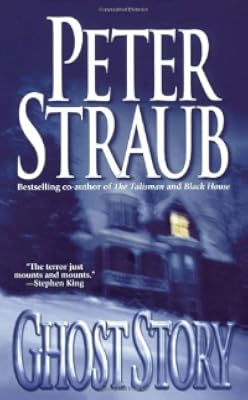
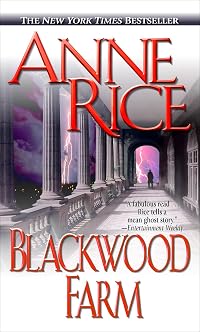
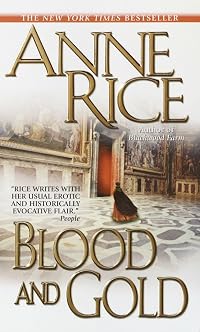
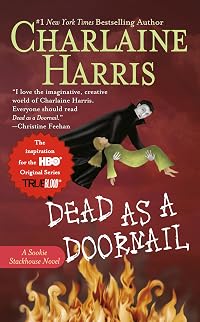
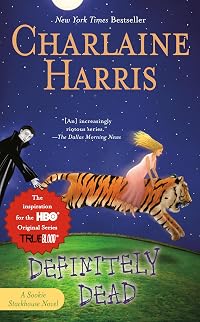
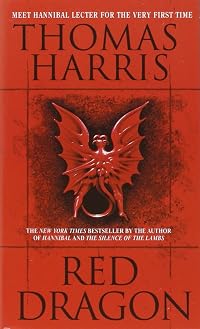
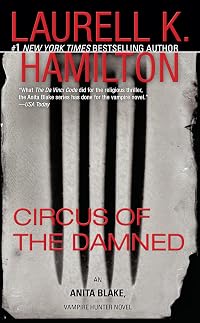
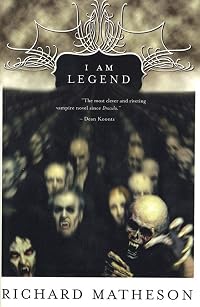

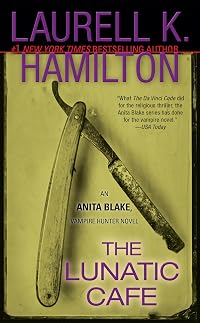
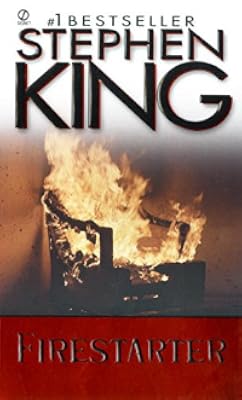
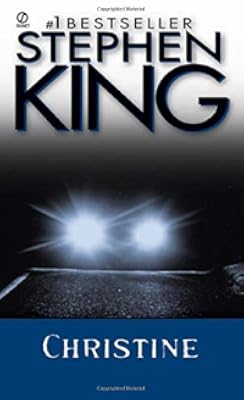
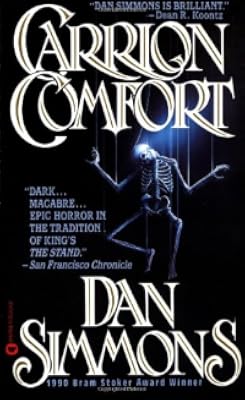
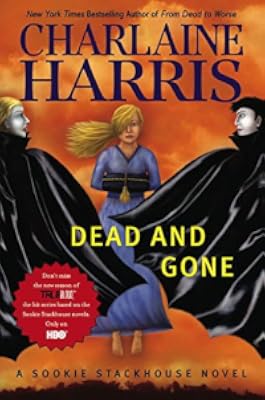
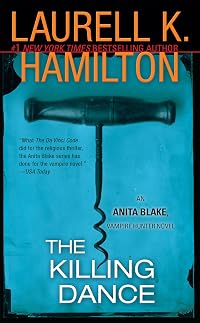
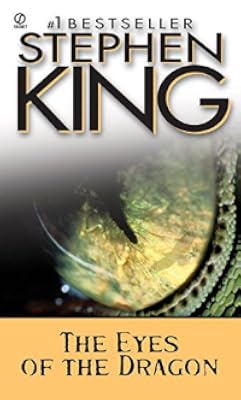
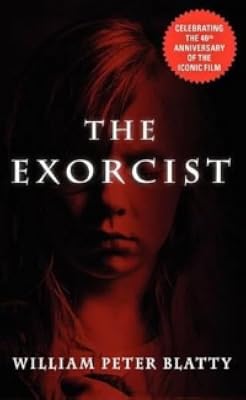
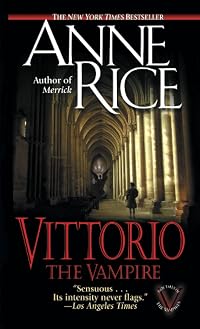
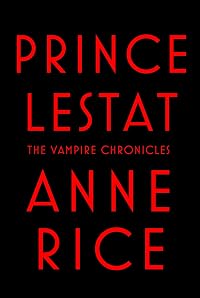
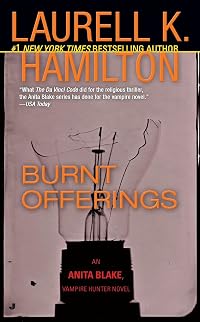
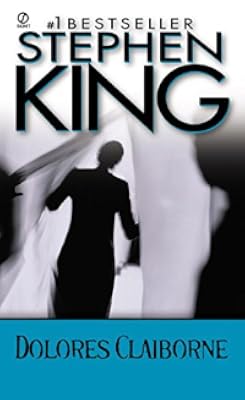

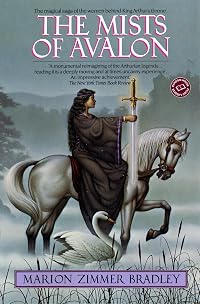
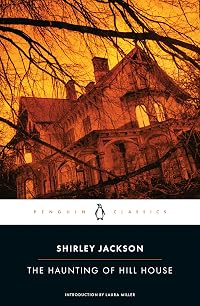
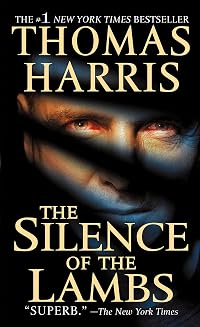
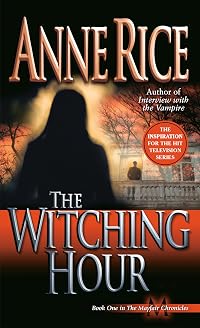
Member Recommendations


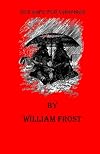
LostVampire Thomas Watson becomes a vampire during the Civil War. The YA fantasy fiction novel NOT SAFE FOR VAMPIRES is a good read. It is only 128 pages, but it is not light reading, You really have to follow the beginning - once you understand the style of writing (there are flashback scenes) you will really enjoy the journey. The story is filled with history. For example, Africatown and the Clotilde ship are a real part of history (I googled it). Also, the character Captain Thomas Watson was really a soldier for the Union Army. I believe you will enjoy this book and add it to your library as well.
05

Member Reviews
Interview with the Vampire strikes a fascinating balance in its main character. At times sympathetic and at others monstrous, I both dreaded his next atrocity and hoped for his redemption. I liked him enough to continue reading, while also disliking him enough to experience the horror of the deaths he caused. I wanted him to die. I wanted him to live. Truly, I found there was no simple way to feel about him, just as there seemed to be no simple answers to the questions he explored throughout.
The strength of the book is in this rich complexity, and also in its beautiful use of language. Take, for example, this first description of Louis, which appears shortly after the opening sentences I quoted above:
"The vampire was utterly white and show more smooth, as if he were sculpted from bleached bone, and his face was as seemingly inanimate as a statue, except for two brilliant green eyes that looked down at the boy intently like flames in a skull. But then the vampire smiled almost wistfully, and the smooth white substance of his face moved with the infinitely flexible but minimal lines of a cartoon."
There are whole passages I savored every bit of, sentences that carried emotion so powerfully that I was left in awe. Truly, this is great writing.
For a book originally published in the seventies, it also does a great job with its female characters and deals respectfully with minor characters of color. Louis, who grew up in antebellum Louisiana, does not quite admit to the full horrors of slavery, but the discerning reader chalks this up as yet another aspect of his villainy. For the purpose of the narrative, Louis does depict them as fully human and doesn't shy away from describing their intelligence and heroism when it comes into play. In the later part of the book, there are also characters who appear to be gay. It's a bit unclear whether they were intended to be seen as "good", but it's easy for a modern reader to judge them only according to their involvement with the whole vampire thing. There's never anything explicitly held against them as a result of their orientation.
Content warnings, however, should be observed for a small amount of sexual content and what could be considered incredibly disturbing death scenes. The author definitely wants the reader to be disturbed and horrified by these events, and it's best to be prepared.
All in all, I found this book to be emotional and thought-provoking. I wouldn't say it's for the faint of heart, but if you want to dive into the mind of a supernatural killer and explore the implications of immortality, you'll definitely find something to love here. I'm incredibly impressed by its quality from beginning to end. If this is the type of book for you, I can't recommend it more highly. show less
The strength of the book is in this rich complexity, and also in its beautiful use of language. Take, for example, this first description of Louis, which appears shortly after the opening sentences I quoted above:
"The vampire was utterly white and show more smooth, as if he were sculpted from bleached bone, and his face was as seemingly inanimate as a statue, except for two brilliant green eyes that looked down at the boy intently like flames in a skull. But then the vampire smiled almost wistfully, and the smooth white substance of his face moved with the infinitely flexible but minimal lines of a cartoon."
There are whole passages I savored every bit of, sentences that carried emotion so powerfully that I was left in awe. Truly, this is great writing.
For a book originally published in the seventies, it also does a great job with its female characters and deals respectfully with minor characters of color. Louis, who grew up in antebellum Louisiana, does not quite admit to the full horrors of slavery, but the discerning reader chalks this up as yet another aspect of his villainy. For the purpose of the narrative, Louis does depict them as fully human and doesn't shy away from describing their intelligence and heroism when it comes into play. In the later part of the book, there are also characters who appear to be gay. It's a bit unclear whether they were intended to be seen as "good", but it's easy for a modern reader to judge them only according to their involvement with the whole vampire thing. There's never anything explicitly held against them as a result of their orientation.
Content warnings, however, should be observed for a small amount of sexual content and what could be considered incredibly disturbing death scenes. The author definitely wants the reader to be disturbed and horrified by these events, and it's best to be prepared.
All in all, I found this book to be emotional and thought-provoking. I wouldn't say it's for the faint of heart, but if you want to dive into the mind of a supernatural killer and explore the implications of immortality, you'll definitely find something to love here. I'm incredibly impressed by its quality from beginning to end. If this is the type of book for you, I can't recommend it more highly. show less
Being a vampire for him meant revenge. Revenge against life itself. Every time he took a life it was revenge. It was no wonder, then, that he appreciated nothing. The nuances of vampire existence weren’t even available to him because he was focused with a maniacal vengeance upon the mortal life he’d left. Consumed with hatred, he looked back. Consumed with envy, nothing pleased him unless he could take it from others; and once having it, he grew cold and dissatisfied, not loving the thing for itself; and so he went after something else.
I’ll be fully honest here and say I read this after watching the AMC series. I know they changed a lot of things, so I don’t think I can judge this book in any way.
Things I loved about the series show more were Louis struggling with humanity, race and queerness was integral to the story. The tragedy of Claudia as the black woman who is brought into the world to be part of her parents'/men's story. The insanity of unreliable narrators that is slowly unwound because Louis is the one telling the story. The interviewer as old man who calls bullshit on everything being said. The monstrousness of vampirism and Armand's history as victim of colonialism.
None of these things hit as hard in book form, where Louis is a plantation owner who kills his slaves with no remorse.
However, another thing I liked about the series was Louis, Lestat and Claudia’s family dynamic. And those were definitely favourite parts of the book.
The author created an extremely dysfunctional family and I love them both in print and on screen. Louis, Lestat, Claudia and Armand are terrible together in any formation, but being apart is even worse. It's a toxic codependency that was very entertaining.
Over all I guess I’m too 2022 to fully love this book from the 70s, but I definitely see why this is such an iconic piece of fiction. show less
I’ll be fully honest here and say I read this after watching the AMC series. I know they changed a lot of things, so I don’t think I can judge this book in any way.
Things I loved about the series show more were Louis struggling with humanity, race and queerness was integral to the story. The tragedy of Claudia as the black woman who is brought into the world to be part of her parents'/men's story. The insanity of unreliable narrators that is slowly unwound because Louis is the one telling the story. The interviewer as old man who calls bullshit on everything being said. The monstrousness of vampirism and Armand's history as victim of colonialism.
None of these things hit as hard in book form, where Louis is a plantation owner who kills his slaves with no remorse.
However, another thing I liked about the series was Louis, Lestat and Claudia’s family dynamic. And those were definitely favourite parts of the book.
The author created an extremely dysfunctional family and I love them both in print and on screen. Louis, Lestat, Claudia and Armand are terrible together in any formation, but being apart is even worse. It's a toxic codependency that was very entertaining.
Over all I guess I’m too 2022 to fully love this book from the 70s, but I definitely see why this is such an iconic piece of fiction. show less
It’s probably been almost 20 years since I last read Interview with the Vampire (ca. early high school), but it was pretty fun delving back into this series after so long. One thing hasn’t changed though: I still can’t stand how whiny Louis is! His character is an interesting exploration of the vampire narrative, though, since unlike most vampires who revel in their supernatural life Louis is conflicted about having to hurt people (he doesn’t seem to quite understand not killing to feed), is unable to reconcile not being human anymore (even though he wasn’t a particularly happy human), and has challenges forming lasting relationships with people. Some of this is directly related to the human condition, of which Louis seems to show more think he has none but which is readily apparent to everyone else that he has in abundance, and it is simply the length of his existence which makes these themes come to the forefront. What made me most intrigued throughout the story this time around was the historicity of the narrative; we cover Louis’ story for almost 200 years, bringing him from the 1700s to the relatively modern era, and we see the world change around him. Unlike Lestat, who is revealed to be a lot less adaptive in some of the final passages in the book, Louis has been able to accept modern technology, and while he may not revel in it he has still sought out a journalist to tell his story to in a sort of psych-appointment interview. We’re left with a rather strange ending, with Louis ending his story abruptly and without a lot of insight into his own character (except what the reader takes away), but as the journalist rewinds the tape to recall the run-down New Orleans house where Lestat is hiding out from the modern world we know that the story of these vampires has not reached a real conclusion. show less
Neli aastat ei olnud ma inimverd maitsnud, neli aastat ei olnud ma inimest tõeliselt tundnud, ning kuulsin, kuidas tema süda peksis sellises hirmsas rütmis, ja milline süda – mitte täiskasvanud mehe või looma oma, vaid kiire, visa lapsesüda, mis peksis üha kiiremini ja kõvemini, keeldudes suremast, peksis nagu väike rusikas, mis peksab vastu ust, kisendades:
«Ma ei sure, ma ei sure, ma ei või surra, ma ei või surra...»
Tõusin jalule, hambad vist ikka tema kaelas kinni, tema süda kiirendamas minu südamelööke, ilma et lakanuks löömast; rammus veri voolas minu jaoks liiga kiiresti, tuba pöörles...
«Ma ei sure, ma ei sure, ma ei või surra, ma ei või surra...»
Tõusin jalule, hambad vist ikka tema kaelas kinni, tema süda kiirendamas minu südamelööke, ilma et lakanuks löömast; rammus veri voolas minu jaoks liiga kiiresti, tuba pöörles...
I genuinely enjoyed this one more than I expected to. Going in, I had only vague knowledge of the author as being noted for her anti-fanfiction stance, and I knew there was a movie, though I still have not seen it. There were some moments where the author may have had a slightly heavy hand, and the flowery language, while lovely, was sometimes oddly placed, interrupting otherwise okay pacing. It wasn't a page-turner for me, but it was thought provoking in an enjoyable way. I'm not explaining well why I liked this one so much. Maybe it's that it feels almost as if it should come with a content warning for existential dread? If I'm in the right mindset, that can really appeal. There is also some truly delightful melodrama, which isn't show more always to my taste, but I found worked with the decidedly fraught lives of vampires. I read the ending as extremely cynical and quasi-defeatist, which I quite liked, considering the tale we had just been told. If the ending is in anyway supposed to be hopeful or even a clumsy cliffhanger, that would kind of ruin it for me. The boy obviously travels to find Lestat, with greed and envy in his heart and no concern for the horror of vampirism as described to him in great detail, and, upon his arrival, Lestat is nowhere to be found, long dead and leaving no trace. Presumably, the boy becomes consumed by his quest to live forever and in so doing, ruins his own life. At least, that's what should happen. I suppose I'll have to read the next few books to find out. show less
El que haya leído este libro podrá comprenderme cuando diga lo difícil que resulta hacer una reseña del mismo, no solo porque es tarea imposible hacerle justicia, si no porque además resulta complicado poner en unas cuantas palabras todo lo que representa esta historia.
Una historia que resulta de una complejidad apabullante, compleja en su forma, en su estilo, en las relaciones que ahí se presentan, en sentimientos, ha sido una total montaña rusa para mí esta lectura.
Narrativamente hablando, el libro está escrito con una pulcritud maravillosa, con una prosa y una magia en las palabras digna de alabarse, el ritmo sin embargo lo voy a poner en esa montaña rusa que es resultado de todo lo demás, tiene partes impresionantes, show more partes lentisimas, partes algo pesadas, nunca se pierde la genialidad de la prosa y la narrativa, pero es un libro difícil de encuadrar en el sentido literario de la expresión.
Es brillante la manera en que Rice maneja la sensualidad, la sexualidad, el erótismo, el amor, las pasiones, no hay una sola escena explicita de sexo y sin embargo hay tanto ahí, tan fuerte, tan crudo y tan retorcido que por supuesto es un libro que si se hubiera escrito en esta época estaría llena de escenas de sexo explícito, Anne Rice no lo ha necesitado para hacer de este libro uno de “solo adultos”, hay cosas tan fuertes y retorcidas que resultan incluso repulsivas.
Sin embargo y a pesar de lo que he dicho, me ha dado la impresión de que estos vampiros una vez convertidos pierden el sentido de género, no son hombres, no son mujeres, son seres asexuados y carentes de visión con respecto a lo que significa ser hombre o mujer, sus pasiones, sus amores, su sensualidad va más allá de eso y me ha resultado fascinante.
Otra cosa que me ha impresionado es que por un lado presenta a los vampiros, como carentes de cualquier remordimiento, sin embargo también tiene esta visión romántica que tanto se ha puesto de moda en los vampiros, que son buenos, que pueden tener el sentido muy definido del bien y del mal y que tienen remordimientos, por supuesto, como he dicho este libro es una montaña rusa, mientras por un lado presenta esto, por el otro imposible darnos cuenta que eso pasa a segundo término, los vampiros que nos presenta Rice solo viven para y por ellos y su sentido de “humanidad” se pierde gracias a su naturaleza, se vuelven egoístas y por mucho son superiores a los seres humanos, por supuesto, los humanos no son más que alimento.
Sin embargo Rice respeta la naturaleza de los vampiros, viven de noche, mueren con el sol, se alimentan de sangre, no son seres realmente malos, pero tampoco son buenos, como he dicho no lo son con la raza humana al menos y sin embargo son vulnerables, algo que, al menos cuando se escribió esta serie, no era común en el personaje del vampiro.
Louis es el protagonista de esta historia, es quien nos va narrando su historia, su paso hacia la vida vampírica, su relación con Lestat, esos sentimientos de odio pero a la vez de necesidad que siente hacia Lestat, esa relación tan tóxica que tienen uno y el otro.
Uno puede realmente odiar a Lestat en este momento, sentir una rabia tremenda hacia sus acciones tan viles, tan bajas, darse cuenta de la manipulación que hace con Louis, la manera en que Claudia entra a sus vidas y las razones que tiene Lestat para incluirla en su pequeña “familia”.
Sin embargo en mi montaña rusa terminé por sentir una enorme lástima por Lestat, terminé queriendo y odiando a Louis, me parece que si tuviera que explicarlo diria que si Lestat no hubiera tenido tanto miedo si no hubiera sido un ser tan solitario que equivocó su manera de proceder, el miedo lo lleva a manipular y manejar mal las situaciones y eso sólo pudo tener el resultado que tiene al final, sin embargo y no creo equivocarme, Lestat tiene mucho por decir todavía en esta larga, larga historia
Louis en este punto me parecía un personaje realmente patético, cuando al principio sentí empatía e incluso me parecía un personaje atrayente llegó un momento en que lo odie por su falta de caracter, pero por supuesto nuestra buena Rice, no iba a dejar de jugar conmigo como lectora como lo hizo con sus propios personajes.
Así pues, tengo sentimientos encontrados con todos y cada uno de los personajes, siento repulsión, odio, cariño, ternura y al mismo tiempo me repelen sus diferentes personalidades, ha sido muy complejo lidiar con tanto, no puedo encasillarlos, simplemente ni son totalmente buenos, ni son totalmente malos, no puedo odiarlos, pero al mismo tiempo lo hago, me dan pena pero al mismo tiempo creo que se merecen lo que les ha sucedido… complejo, ya les digo. show less
Una historia que resulta de una complejidad apabullante, compleja en su forma, en su estilo, en las relaciones que ahí se presentan, en sentimientos, ha sido una total montaña rusa para mí esta lectura.
Narrativamente hablando, el libro está escrito con una pulcritud maravillosa, con una prosa y una magia en las palabras digna de alabarse, el ritmo sin embargo lo voy a poner en esa montaña rusa que es resultado de todo lo demás, tiene partes impresionantes, show more partes lentisimas, partes algo pesadas, nunca se pierde la genialidad de la prosa y la narrativa, pero es un libro difícil de encuadrar en el sentido literario de la expresión.
Es brillante la manera en que Rice maneja la sensualidad, la sexualidad, el erótismo, el amor, las pasiones, no hay una sola escena explicita de sexo y sin embargo hay tanto ahí, tan fuerte, tan crudo y tan retorcido que por supuesto es un libro que si se hubiera escrito en esta época estaría llena de escenas de sexo explícito, Anne Rice no lo ha necesitado para hacer de este libro uno de “solo adultos”, hay cosas tan fuertes y retorcidas que resultan incluso repulsivas.
Sin embargo y a pesar de lo que he dicho, me ha dado la impresión de que estos vampiros una vez convertidos pierden el sentido de género, no son hombres, no son mujeres, son seres asexuados y carentes de visión con respecto a lo que significa ser hombre o mujer, sus pasiones, sus amores, su sensualidad va más allá de eso y me ha resultado fascinante.
Otra cosa que me ha impresionado es que por un lado presenta a los vampiros, como carentes de cualquier remordimiento, sin embargo también tiene esta visión romántica que tanto se ha puesto de moda en los vampiros, que son buenos, que pueden tener el sentido muy definido del bien y del mal y que tienen remordimientos, por supuesto, como he dicho este libro es una montaña rusa, mientras por un lado presenta esto, por el otro imposible darnos cuenta que eso pasa a segundo término, los vampiros que nos presenta Rice solo viven para y por ellos y su sentido de “humanidad” se pierde gracias a su naturaleza, se vuelven egoístas y por mucho son superiores a los seres humanos, por supuesto, los humanos no son más que alimento.
Sin embargo Rice respeta la naturaleza de los vampiros, viven de noche, mueren con el sol, se alimentan de sangre, no son seres realmente malos, pero tampoco son buenos, como he dicho no lo son con la raza humana al menos y sin embargo son vulnerables, algo que, al menos cuando se escribió esta serie, no era común en el personaje del vampiro.
Louis es el protagonista de esta historia, es quien nos va narrando su historia, su paso hacia la vida vampírica, su relación con Lestat, esos sentimientos de odio pero a la vez de necesidad que siente hacia Lestat, esa relación tan tóxica que tienen uno y el otro.
Uno puede realmente odiar a Lestat en este momento, sentir una rabia tremenda hacia sus acciones tan viles, tan bajas, darse cuenta de la manipulación que hace con Louis, la manera en que Claudia entra a sus vidas y las razones que tiene Lestat para incluirla en su pequeña “familia”.
Sin embargo en mi montaña rusa terminé por sentir una enorme lástima por Lestat, terminé queriendo y odiando a Louis, me parece que si tuviera que explicarlo diria que si Lestat no hubiera tenido tanto miedo si no hubiera sido un ser tan solitario que equivocó su manera de proceder, el miedo lo lleva a manipular y manejar mal las situaciones y eso sólo pudo tener el resultado que tiene al final, sin embargo y no creo equivocarme, Lestat tiene mucho por decir todavía en esta larga, larga historia
Louis en este punto me parecía un personaje realmente patético, cuando al principio sentí empatía e incluso me parecía un personaje atrayente llegó un momento en que lo odie por su falta de caracter, pero por supuesto nuestra buena Rice, no iba a dejar de jugar conmigo como lectora como lo hizo con sus propios personajes.
Así pues, tengo sentimientos encontrados con todos y cada uno de los personajes, siento repulsión, odio, cariño, ternura y al mismo tiempo me repelen sus diferentes personalidades, ha sido muy complejo lidiar con tanto, no puedo encasillarlos, simplemente ni son totalmente buenos, ni son totalmente malos, no puedo odiarlos, pero al mismo tiempo lo hago, me dan pena pero al mismo tiempo creo que se merecen lo que les ha sucedido… complejo, ya les digo. show less
If I pick up one of Rice’s early Vampire Chronicles, I inevitably read it all the way through. It’s been many years since I read Interview though. Even now I can remember the first time I read it. Completely absorbed me. I remember my contempt and growing hatred for Lestat. His arrogance and petty cruelty made me nearly as angry as they did Claudia and Louis. Rice’s use of language was unlike any other I had read up to that point. I suppose her prose is a bit purple, maybe a silver shade of lavender, but it is gorgeous and rich, too. Her ability to place you on the very spot is uncanny. By the time I finished it the first time, I had a romantic notion of wishing it to be true; vampires among us, living lives of quiet show more desperation.
From this vantage-point, however, it is hard to read the tale with that fresh perspective. I know Lestat through and through now. His exploits and motivations are ingrained on my memory and knowing his backstory makes me understand him more and sympathize with Claudia and Louis less.
They do deserve some sympathy though. It’s obvious now that Lestat was both using them to mark time as per Marius’s request, and experimenting with them; pushing the boundaries he so loved to push. He also needed to forget Gabrielle, Nicholas and Armand.
His silence about his origins and motives, as well as his silence about his and Louis’s newly formed species is needlessly cruel. So much could have been avoided if he just unbelted with some info. And he had plenty after having searched for and found Marius, not to mention his time with Armand. But, giving so much of his power away would have made Lestat unbearably vulnerable in his eyes, so he kept silent.
The creation of Claudia was just him pushing the boundaries. I think in the next book he says he did it merely to see what would happen. A spur of the moment dare in the face of all that was vampire proper. When he wasn’t immediately struck dead or lit out after by other vampires, he got bored with it. Then when she came to hate him, it was already too late. I don’t blame Claudia her hatred. And Louis was no help. He was just overwhelmed and doing the best he could.
One aspect that never struck me before was Armand’s longing for Louis and how terrible it would have been for Louis to know that he was a second choice. If Armand couldn’t have Lestat as acolyte and companion, he would take Louis. Also, I bet that Armand saw a lot of Nicholas in Louis and hoped that he could save this second of Lestat’s “children”. In the end, I think he did. The pain of Claudia’s death would have eaten Louis alive.
But instead of Louis’s decline, we get that of Lestat. The first time I read it, I was mystified as to why he would ensconce himself away in a moldering mansion living off of the blood of alley cats. I didn’t know the desperate self-loathing he lived with that drove him to these fits of unworthiness. Not long after Louis leaves him and his new acolyte as well, I know that Lestat goes into the earth a second time.
If only the rest of the series were as good as Interview and Lestat. show less
From this vantage-point, however, it is hard to read the tale with that fresh perspective. I know Lestat through and through now. His exploits and motivations are ingrained on my memory and knowing his backstory makes me understand him more and sympathize with Claudia and Louis less.
They do deserve some sympathy though. It’s obvious now that Lestat was both using them to mark time as per Marius’s request, and experimenting with them; pushing the boundaries he so loved to push. He also needed to forget Gabrielle, Nicholas and Armand.
His silence about his origins and motives, as well as his silence about his and Louis’s newly formed species is needlessly cruel. So much could have been avoided if he just unbelted with some info. And he had plenty after having searched for and found Marius, not to mention his time with Armand. But, giving so much of his power away would have made Lestat unbearably vulnerable in his eyes, so he kept silent.
The creation of Claudia was just him pushing the boundaries. I think in the next book he says he did it merely to see what would happen. A spur of the moment dare in the face of all that was vampire proper. When he wasn’t immediately struck dead or lit out after by other vampires, he got bored with it. Then when she came to hate him, it was already too late. I don’t blame Claudia her hatred. And Louis was no help. He was just overwhelmed and doing the best he could.
One aspect that never struck me before was Armand’s longing for Louis and how terrible it would have been for Louis to know that he was a second choice. If Armand couldn’t have Lestat as acolyte and companion, he would take Louis. Also, I bet that Armand saw a lot of Nicholas in Louis and hoped that he could save this second of Lestat’s “children”. In the end, I think he did. The pain of Claudia’s death would have eaten Louis alive.
But instead of Louis’s decline, we get that of Lestat. The first time I read it, I was mystified as to why he would ensconce himself away in a moldering mansion living off of the blood of alley cats. I didn’t know the desperate self-loathing he lived with that drove him to these fits of unworthiness. Not long after Louis leaves him and his new acolyte as well, I know that Lestat goes into the earth a second time.
If only the rest of the series were as good as Interview and Lestat. show less
Members
- Recently Added By
Published Reviews
ThingScore 25
The author's seriousness is honest, I think, but misplaced; perhaps a bit more Grand Guignol elegance was called for father than incessant philosophizing. Immersed in the book's fetid, morbid atmosphere - like being in a hothouse full of decaying funeral lilies - one longs to get out in the garden.
added by Shortride
Lists

1001 Books You Must Read Before You Die
1,448 works; 1,137 members

Read the book and saw the movie
1,170 works; 192 members

Best Fantasy Novels
821 works; 361 members
501 Must-Read Books
529 works; 72 members

Best Horror Books
281 works; 85 members

Bloody Good Vampire Books
394 works; 28 members
Scary Stories for the Season
160 works; 94 members
Best Gothic Fiction
110 works; 31 members

Southern Fiction
212 works; 52 members

Magic Realism
371 works; 52 members

Unreliable Narrators
170 works; 43 members

Female Author
1,234 works; 65 members

Survey of Classic Fantastic Fiction
36 works; 9 members

20th Century Literature
1,161 works; 55 members

Amazon's 100 Science Fiction & Fantasy Books to Read in a Lifetime
87 works; 23 members

1970s
657 works; 23 members

Mythical Monsters of the World
199 works; 79 members

The Best Vampires, Werebeasts, Witches Books
192 works; 12 members
Nightmare Magazine's Top 100 Horror Books
100 works; 7 members

Best LGBT Fiction
144 works; 25 members

Top Five Books of 2014
1,064 works; 398 members

Stephen King's 'Danse Macabre' reading list
111 works; 25 members

75 Books Challenge Halloween Read "Official" Selections
71 works; 7 members

Best Antiheroes and Antiheroines
119 works; 7 members
TML 200 Best Books 1950-1999
202 works; 10 members
Top Five Books of 2016
795 works; 228 members

Books Set in Louisiana
29 works; 8 members
Introduction to Fantasy and Science Fiction (Proposed Reading List)
28 works; 6 members

NPRs audience picks: 100 best beach reads
105 works; 12 members

Movie Adaptations
111 works; 4 members
1,001 BYMRBYD Concensus
723 works; 27 members
Paste's 50 Best Horror Novels of All time
50 works; 6 members

To Read - Horror
137 works; 14 members
1970s Horror
28 works; 8 members

New Orleans
13 works; 4 members

Books Read in 2016
4,666 works; 199 members
Recommended Horror and Dark Fiction by Women
81 works; 13 members

Nightmare Magazine's Top 100 Horror Books
7 works; 1 member
BingoDOG - Books With Mythical Creatures
57 works; 16 members

Female Horror Author
35 works; 2 members
Speculative Fiction to Read
706 works; 32 members

Kayla
11 works; 1 member
Overdue Podcast
808 works; 9 members

SHOULD Read Books!
354 works; 9 members
First Novels
373 works; 17 members

hideous creatures
18 works; 3 members

Literature which inspired Pop songs
85 works; 9 members

Recommended Speculative Fiction by Women and People of Color
298 works; 45 members

Books Read in 2022
5,226 works; 112 members
LGBTQ+ Speculative Fiction
821 works; 51 members

Best Horror Mega-List
342 works; 6 members
Reedsydiscovery 100 Best Horror Books of All Time
100 works; 5 members

100 Hemskaste
81 works; 1 member
American Lit for Eng 11 Research Project
368 works; 6 members

Books We Want To Read Again For The First Time
384 works; 160 members

The Modern Library (The Two Hundred Best Novels....
202 works; 1 member
Books We Love to Reread
695 works; 298 members

Eerie eTales
192 works; 3 members

Sinister AudioTales
65 works; 1 member
Best Vampire & Werewolf Fiction
221 works; 146 members

Top Five Books of 2024
795 works; 264 members

Horror (Owned TBR)
60 works; 1 member

Books We Resisted Reading
178 works; 113 members

Gen X Library
245 works; 4 members

Retrospective of 20th- and 21st-century literature
154 works; 1 member
BlackDog's Complete Paperbacks From Hell List
639 works; 3 members

el
1,139 works; 1 member

Books We Loved As Children
610 works; 254 members
Stephen King's Danse Macabre Full Appendix List
110 works; 2 members

Top Five Books of 2025
954 works; 304 members
Horror: Creature Features
70 works; 9 members
Books I Read Before The Invention Of The Internet.
144 works; 1 member
Guilty Pleasures
223 works; 87 members

Read in 2008
32 works; 1 member
Books We Couldn't Put Down
443 works; 197 members

Horror: Page & Screen
27 works; 3 members
Books With Monster Words in the Title
7 works; 3 members
Kate & Cheyanne's Horror Extravaganza
144 works; 6 members
BitLife
212 works; 4 members

Read in 2014
334 works; 11 members

BingoDOG - Genre Benders
74 works; 14 members

Books Bought & Received as Gifts in 2014
81 works; 1 member

Beginner's Guide to Southern Gothic
22 works; 4 members

Swinging Seventies
255 works; 18 members
You Couldn't Pay Me to Read That
25 works; 8 members

Vampires: A Biteography
85 works; 5 members

Luetut kirjat
74 works; 1 member
Books for 2020 Book Club
53 works; 3 members
The Worst Bestsellers Podcast
296 works; 5 members

al.vick-series
381 works; 2 members

Paperbacks from Hell
382 works; 9 members

Jones & Newman: Best Horror Books Further Recommended Reading
577 works; 4 members

Recommended Fantasy Books
77 works; 5 members

Mustich's 1000 Books to Read Before You Die: A Life Changing List
1,001 works; 20 members
Books With the Most Memorable Titles
478 works; 158 members
Wish List
37 works; 1 member

Books Read in 2008
336 works; 8 members
Vampire Chronicles - Anne Rice
13 works; 1 member

Books Read in 1991
7 works; 1 member
Survey of Science Fiction and Fantasy
101 works; 13 members

Unread books
1,063 works; 87 members

Best Historical Fiction
620 works; 261 members
Talk Discussions
Past Discussions
Interview with the Vampire by Anne Rice - BOOKS ILLUSTRATED 2025 in Fine Press Forum (May 2025)
Anne Rice - Interview with the Vampire in Folio Society Devotees (November 2022)
Author Information

Anne Rice was born Howard Allen O'Brien on October 4, 1941 in New Orleans, Louisiana. She received a bachelor's degree in political science in 1964 and master's degree in English and creative writing in 1972 from San Francisco State University. She published her first short story in 1965 called October 4, 1948. Her first book, Interview with the show more Vampire, was published in 1976. It was made into a film starring Brad Pitt, Kirsten Dunst, and Tom Cruise in 1994. She wrote various series in the same genre including the rest of the Vampire Chronicles, the Mayfair Witches books, and The Wolf Gift Chronicles. Her novel, Feast of All Saints, became a Showtime mini-series in 2001. Her other works include Cry to Heaven, Servant of the Bones, and Violin. In 1998, Rice returned to the Catholic Church and for some time only wrote for Christ or about Christ. These works include Christ the Lord: Out of Egypt, Christ the Lord: The Road to Cana, and Called Out of Darkness. Anne Rice died on December 11, 2021 at the age of 80. (Bowker Author Biography) show less
Some Editions
Awards and Honors
Series

Belongs to Publisher Series
Work Relationships
Is contained in
10 Anne Rice Books: Interview with the Vampire, The Feast of All Saints, Tale of the Body Thief, Lasher, Taltos, Servant by Anne Rice
9 Book Collection of Anne Rice: The Queen of the Damned, The Tale of the Body Thief, Interview With The Vampire, Memnoch by Anne Rice
Interview with the Vampire / The Vampire Lestat / The Queen of the Damned / The Tale of the Body Thief / Memnoch the Devil by Anne Rice
Collector's Set (5-Paperback Books): Taltos, The Tale Of The Body Thief, Queen Of The Damned, The Vampire Lestat, Interview With The Vampire by Anne Rice
Exit to Eden / Feast of All Saints / Interview With the Vampire / Lasher / Merrick / The Mummy / Pandora / Queen of the Damned / Servant of the Bones / The Tale of the Body Thief / The Vampire Lestat / Vittorio the Vampire / The Witching Hour by Anne Rice
Vittorio the Vampire / The Vampire Lestat / Interview With the Vampire / The Vampire Armand / Queen of the Damned / Merrick / The Witching Hour / Blood Canticle / The Mummy / Memnoch the Devil / Taltos by Anne Rice
Interview With the Vampire / The Vampire Lestat / The Queen of the Damned / The Tale of the Body Thief / Memnoch the Devil / The Vampire Armand by Anne Rice
Interview With the Vampire / The Vampire Lestat / The Queen of the Damned / The Tale of the Body Thief by Anne Rice
Set of 8 Vampire Chronicles by Anne Rice~Interview With The Vampire/The Witching Hour/The Queen of the Damned/Merrick/The Vampire Lestat/Vittorio the Vampire/Taltos Lives of the Mayfair Witches/Violin by Anne Rice
Interview With the Vampire / The Vampire Lestat / Queen of the Damned / The Tale of the Body Thief / Memnoch the Devil / The Vampire Armand / Merrick by Anne Rice
The Complete Vampire Chronicles: The Tale of the Body Thief, the Queen of the Damned, the Vampire Lestat, Interview With the Vampire by Anne Rice
Is retold in
Has the adaptation
Is abridged in
Common Knowledge
- Canonical title*
- Entrevista con el vampiro
- Original title
- Interview with the Vampire
- Alternate titles*
- Interview met de duivel; De vampier vertelt
- Original publication date
- 1976-05-05
- People/Characters
- Lestat de Lioncourt; Louis de Pointe du Lac; Claudia; Armand; Santiago; Madeleine (show all 8); Daniel Molloy; Paul de Pointe du Lac
- Important places
- New Orleans, Louisiana, USA; Paris, France; San Francisco, California, USA; Théâtre des Vampires
- Important events
- 1791
- Related movies
- Interview with the Vampire: The Vampire Chronicles (1994 | IMDb); Anne Rice's Interview with the Vampire (2022 | IMDb)
- Dedication
- For Stan Rice, Carole Malkin,
and Alice O'Brien Borchardt - First words
- "I see..." said the vampire thoughtfully, and slowly he walked across the room towards the window.
- Quotations
- I never knew what life was until it ran in a red gush over my lips, my hands!
- Last words
- (Click to show. Warning: May contain spoilers.)And then, stuffing the notebook quickly in his pocket, he gathered the tapes into his brief case, along with the small recorder, and hurried down the long hallway and down the stairs to the street, where in front of the corner bar his car was parked.
- Blurbers
- Niffenegger, Audrey
- Original language
- English
- Canonical DDC/MDS
- 813.087381
- Canonical LCC
- PS3568.I265
- Disambiguation notice
- This is for the book by Anne Rice. Do not combine with graphic novels.
*Some information comes from Common Knowledge in other languages. Click "Edit" for more information.
Classifications
- Genres
- Horror, Fiction and Literature, Fantasy, General Fiction
- DDC/MDS
- 813.087381 — Literature & rhetoric American literature in English American fiction in English By type Genre fiction Adventure fiction Horror fiction; Ghost fiction Horror fiction Vampires and the undead
- LCC
- PS3568 .I265 — Language and Literature American literature American literature Individual authors 1961-
- BISAC
Statistics
- Members
- 25,593
- Popularity
- 182
- Reviews
- 362
- Rating
- (3.82)
- Languages
- 27 — Catalan, Chinese, Czech, Danish, Dutch, English, Estonian, Finnish, French, German, Hungarian, Indonesian, Italian, Lithuanian, Multiple languages, Norwegian (Bokmål), Norwegian, Polish, Romanian, Russian, Serbian, Slovenian, Spanish, Swedish, Turkish, Portuguese (Portugal), Portuguese (Brazil)
- Media
- Paper, Audiobook, Ebook
- ISBNs
- 156
- UPCs
- 5
- ASINs
- 81