
Blankets
by Craig Thompson
On This Page
Description
Loosely based on the author's life, chronicling his journey from childhood to adulthood, exploring the people, experiences, and beliefs that he encountered along the way.Tags
Recommendations




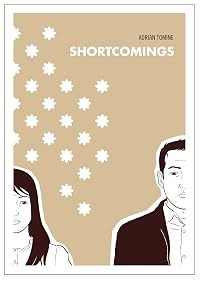
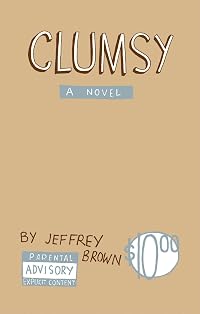
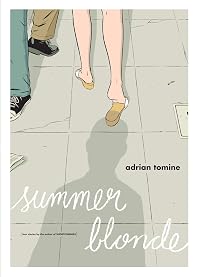
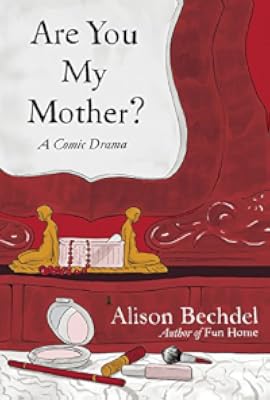
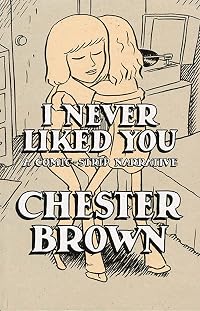

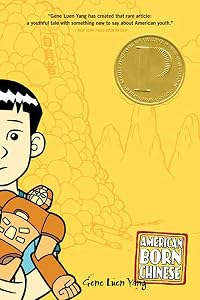


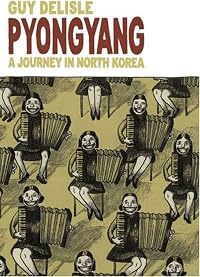
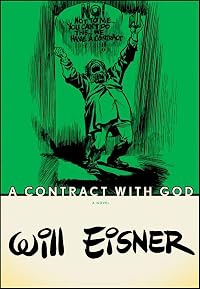

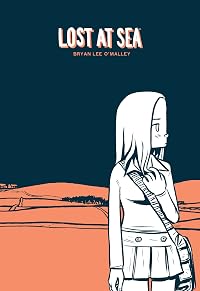

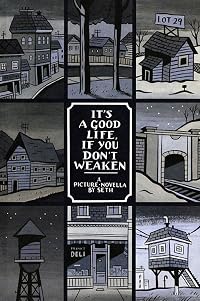

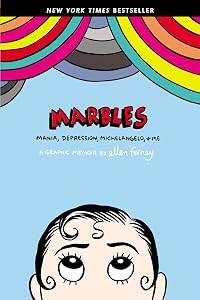
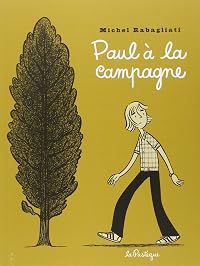
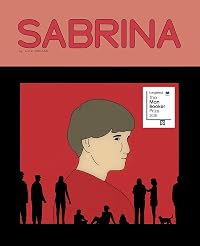
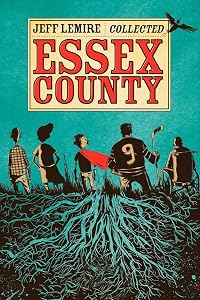
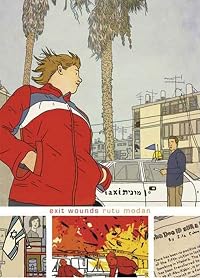

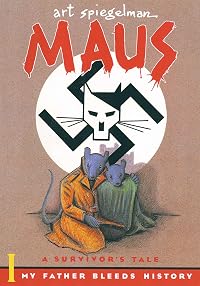

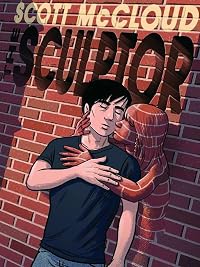
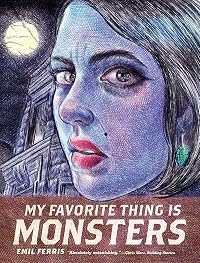
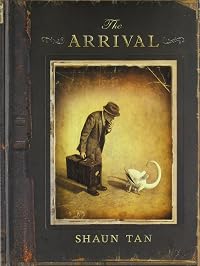



Member Recommendations
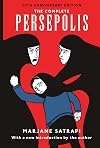
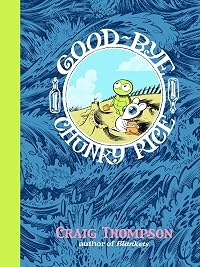
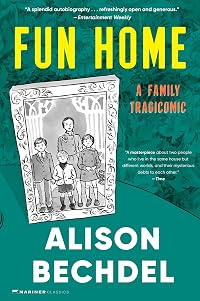
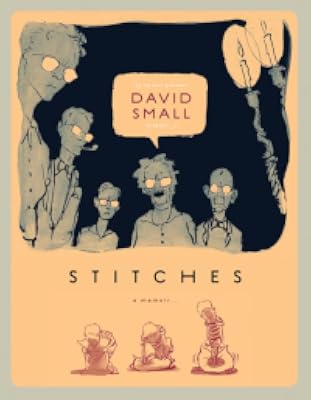
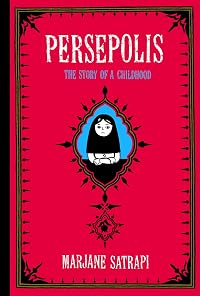
Hibou8 Two very good graphic novels that deal with coming of age.
100
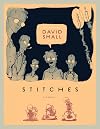

Percevan Both comic books are about coming of age and a boy's relationship to Christianity. They are both thought-provoking, but in different ways.
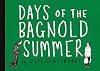

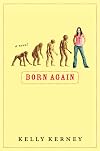
Percevan Both books deal with coming of age of after rigid fundamentalist christian upbringing, but in different formats: a girl's thought provoking fictional story in a novel (Born again) and a beautiful graphic novel with the autobiographical story of a boy (Blankets).

MarcusH While The Underdogs is not a graphic novel, Markus Zusak does create a series of somewhat autobiographical coming of age tales similar to the story told in Blankets. Zusak's prose is poetic and creates images through words as Thompson creates actual images.


Member Reviews
http://andalittlewine.blogspot.com/2012/03/blankets-by-craig-thompson-book-12-of...
After I finished Craig Thompson's Habibi at the end of February, I was left really wanting to re-read his memoir/ "illustrated novel" Blankets. This took a little doing, because I love Blankets. I have bought the book multiple times, and multiple times I have given my copy away to friends, imploring them to fall in love with it, too.
In Understanding Comics, Scott McCloud argues that ones of the choices the artists must make is his level of photo-realism. Most artists could, if they chose, fill their novels with precisely unique faces and bodies, making each page a photograph. But the human mind sees faces everywhere (that is why our emoticons work :-p show more ).
In Blankets, Thompson chooses to skirt a fine line, drawing his characters a little on the ambiguous side; they are clearly human, but who are they precisely? His character, thin-limbed, long faced and large nosed, could be him, judging by his photo on the back cover. But it could be a drawing of me, too. And that's where the magic begins.
From here
After Craig (the character, to distinguish from Thompson the author) and his girlfriend Raina spend a virginal if sexually-charged night together, Craig utters a small prayer, accompanied by the sleep tossed images of a beautiful girl who we know is Raina, but could very well be any girl; in the simple black and white illustrations I defy anyone to conclusively name her hair color:
Pressed against her
I can hear ETERNITY--
hollow, lonely spaces and
creents that churn
ceaselessly,
And the fallen snow
welcomes the falling
snow with a
whispered "HUSH."
What I love about Blankets is how unassuming it is. There are lessons here: hard, painful, familiar lessons about growing up, about faith and parents, about the limits of authority and the limits of our ability to change the world- while Craig is endlessly unresolved about where his life should lead, Raina has already taken on the challenges of motherhood, stepping in with her sister's baby while the sister and husband indulge their materialistic side (they are, in fact, trying to distract themselves from the fact that their marriage will soon fall apart if they don't address their problems head on). But Thompson doesn't beat us over the head with any of those lessons.
Instead, he unfolds this love story, and in unfolding it he gives us glimpses into the traumas that have happened and are continuing to happen to both Craig and Raina. They are doomed but don't know it, and when the inevitable comes, it comes with an honest softness the opposite of the dramatic climax we expect from literature. show less
After I finished Craig Thompson's Habibi at the end of February, I was left really wanting to re-read his memoir/ "illustrated novel" Blankets. This took a little doing, because I love Blankets. I have bought the book multiple times, and multiple times I have given my copy away to friends, imploring them to fall in love with it, too.
In Understanding Comics, Scott McCloud argues that ones of the choices the artists must make is his level of photo-realism. Most artists could, if they chose, fill their novels with precisely unique faces and bodies, making each page a photograph. But the human mind sees faces everywhere (that is why our emoticons work :-p show more ).
In Blankets, Thompson chooses to skirt a fine line, drawing his characters a little on the ambiguous side; they are clearly human, but who are they precisely? His character, thin-limbed, long faced and large nosed, could be him, judging by his photo on the back cover. But it could be a drawing of me, too. And that's where the magic begins.
From here
After Craig (the character, to distinguish from Thompson the author) and his girlfriend Raina spend a virginal if sexually-charged night together, Craig utters a small prayer, accompanied by the sleep tossed images of a beautiful girl who we know is Raina, but could very well be any girl; in the simple black and white illustrations I defy anyone to conclusively name her hair color:
Pressed against her
I can hear ETERNITY--
hollow, lonely spaces and
creents that churn
ceaselessly,
And the fallen snow
welcomes the falling
snow with a
whispered "HUSH."
What I love about Blankets is how unassuming it is. There are lessons here: hard, painful, familiar lessons about growing up, about faith and parents, about the limits of authority and the limits of our ability to change the world- while Craig is endlessly unresolved about where his life should lead, Raina has already taken on the challenges of motherhood, stepping in with her sister's baby while the sister and husband indulge their materialistic side (they are, in fact, trying to distract themselves from the fact that their marriage will soon fall apart if they don't address their problems head on). But Thompson doesn't beat us over the head with any of those lessons.
Instead, he unfolds this love story, and in unfolding it he gives us glimpses into the traumas that have happened and are continuing to happen to both Craig and Raina. They are doomed but don't know it, and when the inevitable comes, it comes with an honest softness the opposite of the dramatic climax we expect from literature. show less
I fell in love with Craig Thompson's Habibi (2011) when I read it over a year ago, and I can't believe I waited this long to check out Blankets. this is a gorgeous work of art that's full of imagination and youthful pathos. It's also the publication that put Thompson on the map as a graphic novelist, winning him fans, critical acclaim and accolades along the way. Right from the beginning you can see that Thompson is a gifted artist and storyteller. In his own words (from an interview): "I was reacting against all of the over-the-top, explosive action genre—I guess alternative comics have been doing that, for a while. But I also didn't want to do anything cynical and nihilistic, which is the standard for a lot of alternative show more comics."
Blankets is autobiographical, the author's own spiritual journey from teenager to adult in the wintry upper Midwest. Reading it—or better yet, experiencing it—is like being present in a shared dream, floating along from one moment to the next. By the book's end I was so inspired that I wanted to drop everything and go write my own story as a graphic novel. That is the power of this book. show less
Blankets is autobiographical, the author's own spiritual journey from teenager to adult in the wintry upper Midwest. Reading it—or better yet, experiencing it—is like being present in a shared dream, floating along from one moment to the next. By the book's end I was so inspired that I wanted to drop everything and go write my own story as a graphic novel. That is the power of this book. show less
Blankets was banned in all Utah public K-12 schools in August, 2024. I feel so strongly about intellectual freedom that I'm going to share some very personal insights. Warning: tough topics ahead.
'Not everything that is faced can be changed, but nothing can be changed until it is faced.'
- James Baldwin, As Much Truth As One Can Bear
Growing up male, straight, white, middle-class, and as a member of Utah's predominant faith, I had many privileges. But during my late teen years in the late 1990s, conflict erupted in my home, where I was the oldest of five kids. Amidst a miasma of mental illness, grief, abuse, and distrust, I often clashed with my parents about religion and values. Not everything about my life was awful, and I found solace show more in music, girlfriends, and libraries, but the toxic environment was bad enough that it eventually led to me being a homeless, nearly friendless, suicidal school dropout within six months of turning eighteen.
Unbeknownst to me, around that same time, a young artist named Craig Thompson was processing his painful rural midwest adolescence into a new graphic novel. As he was finishing the book, I was beginning to heal after marrying my smart, patient, and strong partner, Amy. I got my first library job, we started having kids, and I went back to school. Blankets was published in 2003, earning acclaim and a bunch of awards and I read it in 2012, after it was recommended by my good friend, Shawn.
Seeing something like my own experience portrayed in such a beautiful and moving way between the covers of a book was at first overwhelming and then profoundly comforting. I was reminded of the positive potency of creative expression, and visual storytelling in particular. I learned that Thompson went through a lot and yet survived to make a constructive contribution to society. Most importantly, I understood that I was not alone in my experiences, and that fact gave me power and empathy. I wish Blankets had been available for me to read as a teenager.
Of course, the story of my teen years is not unique. Perhaps you experienced something similar. From everything I know, teens in my community are experiencing it right now. But without Blankets and other such stories on their high school library's shelves, that same source of power and empathy isn't available to those teens unless they somehow know to seek it elsewhere (I hope they find this review and then find Blankets another way).
Life-long learning and exploring the reality of our world are core values for me. Truthfully, that's what led me to non-fiction librarianship and Humanism. I'm upset that some people are seeking to infantilise anyone who's not an adult by banning books that include human experiences that make them personally uncomfortable. In my opinion, restricting professional educators and librarians to presenting an overly sanitised/idealised/ultimately untruthful view of life and then hoping minors will be prepared on their high school graduation day or their eighteenth birthday to handle the real adult world is a foolhardy plan. All kids should have the opportunity to access developmentally-appropriate literature/news/art/research/instruction/conversations that can, step by step, help them place their experiences into context and prepare them for the future. No system will ever be perfect, but I believe this is a noble goal to try for. That's one of the main reasons we have public schools and public libraries.
It's been twelve years and Blankets is still yielding power and empathy to me and many others. Let's #UniteAgainstBookBans and #LetUtahRead.
- September, 2024 show less
'Not everything that is faced can be changed, but nothing can be changed until it is faced.'
- James Baldwin, As Much Truth As One Can Bear
Growing up male, straight, white, middle-class, and as a member of Utah's predominant faith, I had many privileges. But during my late teen years in the late 1990s, conflict erupted in my home, where I was the oldest of five kids. Amidst a miasma of mental illness, grief, abuse, and distrust, I often clashed with my parents about religion and values. Not everything about my life was awful, and I found solace show more in music, girlfriends, and libraries, but the toxic environment was bad enough that it eventually led to me being a homeless, nearly friendless, suicidal school dropout within six months of turning eighteen.
Unbeknownst to me, around that same time, a young artist named Craig Thompson was processing his painful rural midwest adolescence into a new graphic novel. As he was finishing the book, I was beginning to heal after marrying my smart, patient, and strong partner, Amy. I got my first library job, we started having kids, and I went back to school. Blankets was published in 2003, earning acclaim and a bunch of awards and I read it in 2012, after it was recommended by my good friend, Shawn.
Seeing something like my own experience portrayed in such a beautiful and moving way between the covers of a book was at first overwhelming and then profoundly comforting. I was reminded of the positive potency of creative expression, and visual storytelling in particular. I learned that Thompson went through a lot and yet survived to make a constructive contribution to society. Most importantly, I understood that I was not alone in my experiences, and that fact gave me power and empathy. I wish Blankets had been available for me to read as a teenager.
Of course, the story of my teen years is not unique. Perhaps you experienced something similar. From everything I know, teens in my community are experiencing it right now. But without Blankets and other such stories on their high school library's shelves, that same source of power and empathy isn't available to those teens unless they somehow know to seek it elsewhere (I hope they find this review and then find Blankets another way).
Life-long learning and exploring the reality of our world are core values for me. Truthfully, that's what led me to non-fiction librarianship and Humanism. I'm upset that some people are seeking to infantilise anyone who's not an adult by banning books that include human experiences that make them personally uncomfortable. In my opinion, restricting professional educators and librarians to presenting an overly sanitised/idealised/ultimately untruthful view of life and then hoping minors will be prepared on their high school graduation day or their eighteenth birthday to handle the real adult world is a foolhardy plan. All kids should have the opportunity to access developmentally-appropriate literature/news/art/research/instruction/conversations that can, step by step, help them place their experiences into context and prepare them for the future. No system will ever be perfect, but I believe this is a noble goal to try for. That's one of the main reasons we have public schools and public libraries.
It's been twelve years and Blankets is still yielding power and empathy to me and many others. Let's #UniteAgainstBookBans and #LetUtahRead.
- September, 2024 show less
I had been eyeing this book for the past three years every time I went to the bookstore. With its alluring cover and excellent illustrations, it was hard to resist. But it looked so bulky and I had so many other graphic novels sitting at home waiting to be read. Finally this past November, I picked it up in its new hardcover format. I plowed through nearly 600 pages in one sitting. Being raised in a fundamentalist Christian household, I found many of the conflicts that Craig faced growing up to run parallel to my own childhood. While I was reading this, I would suddenly find myself staring at the ceiling thinking through a strange memory sparked by a new chapter in Blankets. Like the author, I was too curious about scripture show more interpretations and translations for my own good. Once given the chance to explore those deep questions in college as a religious studies minor, I too became quite skeptical of dogmatic faith and the mentality of evangelism. Thompson's portrayal of his journey was subtle but serious and meaningful. The romantic storyline is also quite real and sad as is his depiction of sibling relationships, especially in that type of household. His art style plays very well into the story and I spent a good deal of time just pondering a lot of the religious symbolism incorporated into many of the full page drawings. I highly recommend this for anyone seeking an 80's/90's coming of age story set in a truly unique American setting (the evangelical Midwest). Like any good graphic novel, the illustrations are essential to the story telling. show less
Blankets has always been a favorite of mine. The artwork is mesmerizing and striking. It speaks to you, Thompson pairs literary and visual art to tell the memories of his childhood, his first love, his struggle with religion - to find himself. This work I would not recommend to my students simply because I know this book and another of Thompson's novels was challenged for being inappropriate, despite being appropriate for many who are searching for who they are. Diversity wise, you don't hear much about how one doubted his faith since childhood. I didn't grow up in a very strict Christian denomination home, I was raised to be a relaxed Catholic and now I feel I am more spiritual than a part of any religion. Regardless, this book show more deserves to be read by those who struggle with their identity, whether it is with religion, a talent, their past - what have you. show less
A beautiful and poignant meditation upon the hurts of childhood and the angst of adolescence. At the center of the narrative, the author recounts the strange legacy of cruelty and judgment that comes as part and parcel of a Christian upbringing. He recounts episodes of abuse, bullying, and rejection that formed him since his youth. He also dwells upon the powerful impression his first love had upon his development.
Themes of family and belonging factor strongly into the story as well. The author's complex relationship with his brother who went through so many of the same traumas makes up a bulk of the story. At bottom, this is a novel about relationships: with family, with lovers, and with God. The author's own journey of faith shapes show more him, even as he eventually leaves it behind.
The artwork throughout is beautiful and moving. A triumph of empathetic expression. It was a true joy to experience. show less
Themes of family and belonging factor strongly into the story as well. The author's complex relationship with his brother who went through so many of the same traumas makes up a bulk of the story. At bottom, this is a novel about relationships: with family, with lovers, and with God. The author's own journey of faith shapes show more him, even as he eventually leaves it behind.
The artwork throughout is beautiful and moving. A triumph of empathetic expression. It was a true joy to experience. show less
This is about the size of a young telephone directory, but, rather disconcertingly, it only took me an afternoon to work through it. I feel rather sorry for all the trees that got ground up to make that 1.5 kg pile of paper...
In the space of about 600 pages, Thompson tells us about his childhood and adolescence in an Evangelical family in a small town in a snowy part of the American Midwest, about sharing a room with his little brother, being bullied at school, falling in love, being discouraged from pursuing his passion for drawing, and struggling with magnificent religious Doubts of the George Eliot variety (believing or not-believing eventually turns out to revolve around a fine distinction of Hebrew conjunctions, if I understood it show more right).
The pictures are lovely, funny and clever, and Thompson uses them in non-obvious, non-linear ways to tell his story, but after a while I found it all a little bit too cloyingly whimsical and sentimental in that very American-coming-of-age way, where you can be nostalgic for family cosiness and small-towns and snowy days and the music of twenty years ago at the same time as complaining about how it was all oppressing you and preventing you from expressing your true self.
Autobiographical stories also often have the problem that things that would be important threads in a constructed work of fiction don't resolve themselves, simply because they pass outside the narrator's knowledge at a certain point. That happens in life, we do lose track of people who have been important to us, but in a book like this it's very disconcerting when a whole large area of the plot is just closed off with one phone-call (even if that does get justified later on with a bit of footprints-in-the-snow imagery). And especially when the characters in that area of the plot were so much more interesting than the ones in the narrator's own family...
It seems to be difficult for any kind of modern coming-of-age story to present loss of religious faith as anything more complicated than a disagreement about rules of (sexual-) behaviour with dim and narrow-minded parents and pastors. Thompson tries, and he shows his narrator having a real struggle letting go of the Sunday-school/New Testament image of Christ he's grown up with, but in the end it once again seems to come down to the people around him being too narrow-minded to leave him with any alternative to a complete rejection of them. Surely there must be more to it than that?
I'm obviously not the target audience for this sort of book: I grew up in a quite different time and place and with a different set of adolescent problems to worry about. It didn't really work for me, but there's no obvious reason why it should have, and it obviously has been a very relevant and helpful book for a lot of other people in different situations. show less
In the space of about 600 pages, Thompson tells us about his childhood and adolescence in an Evangelical family in a small town in a snowy part of the American Midwest, about sharing a room with his little brother, being bullied at school, falling in love, being discouraged from pursuing his passion for drawing, and struggling with magnificent religious Doubts of the George Eliot variety (believing or not-believing eventually turns out to revolve around a fine distinction of Hebrew conjunctions, if I understood it show more right).
The pictures are lovely, funny and clever, and Thompson uses them in non-obvious, non-linear ways to tell his story, but after a while I found it all a little bit too cloyingly whimsical and sentimental in that very American-coming-of-age way, where you can be nostalgic for family cosiness and small-towns and snowy days and the music of twenty years ago at the same time as complaining about how it was all oppressing you and preventing you from expressing your true self.
Autobiographical stories also often have the problem that things that would be important threads in a constructed work of fiction don't resolve themselves, simply because they pass outside the narrator's knowledge at a certain point. That happens in life, we do lose track of people who have been important to us, but in a book like this it's very disconcerting when a whole large area of the plot is just closed off with one phone-call (even if that does get justified later on with a bit of footprints-in-the-snow imagery). And especially when the characters in that area of the plot were so much more interesting than the ones in the narrator's own family...
It seems to be difficult for any kind of modern coming-of-age story to present loss of religious faith as anything more complicated than a disagreement about rules of (sexual-) behaviour with dim and narrow-minded parents and pastors. Thompson tries, and he shows his narrator having a real struggle letting go of the Sunday-school/New Testament image of Christ he's grown up with, but in the end it once again seems to come down to the people around him being too narrow-minded to leave him with any alternative to a complete rejection of them. Surely there must be more to it than that?
I'm obviously not the target audience for this sort of book: I grew up in a quite different time and place and with a different set of adolescent problems to worry about. It didn't really work for me, but there's no obvious reason why it should have, and it obviously has been a very relevant and helpful book for a lot of other people in different situations. show less
Members
- Recently Added By
Published Reviews
ThingScore 95
Blankets is an attempt to rejuvenate such well-trod themes as social isolation, religious guilt, and first love; the vitality of which has become too frequently obscured by countless hackneyed dramas and endless clichés. Toward the very end of this “illustrated novel,” Craig notes, while walking in snow, how “satisfying it is to leave a mark on a blank surface.” In Blankets, Thompson show more does just this: through daring leaps of visual storytelling, he makes wonderfully fresh marks upon a surface long worn blank. show less
added by stephmo
In telling his story, which includes beautifully rendered memories of the small brutalities that parents inflict upon their children and siblings upon each other, Thompson describes the ecstasy and ache of obsession (with a lover, with God) and is unafraid to suggest the ways that obsession can consume itself and evaporate.
added by stephmo
...credit writer-artist Craig Thompson, 27, for infusing his bittersweet tale of childhood psyche bruising, junior Christian angst, and adolescent first love with a lyricism so engaging, the pages fly right by.
added by stephmo
Lists

Recommended Comics / Graphic Novels
595 works; 122 members

Best Stand-Alone Graphic Novels
107 works; 19 members

Best Love Stories
107 works; 14 members

On the pile
20 works; 1 member

Not the NYT list of top 100 21st century books
100 works; 6 members

Reading Glasses Podcast
410 works; 3 members

Books Read in 2012
816 works; 34 members
Best Graphic Novel Nonfiction
199 works; 101 members
Five star books
1,755 works; 108 members

Main Character is aged 10-19
361 works; 6 members

Banned or Challenged Books
400 works; 38 members

Florida's Book Bans and Challenges
311 works; 4 members

FAB 2022
16 works; 1 member

READ IN 2022
206 works; 2 members

Bullies
44 works; 2 members

Books Read in 2005
174 works; 7 members
Adult Books for YA Readers
194 works; 6 members

Read These Too
458 works; 9 members

Books Read in 2013
1,630 works; 51 members

Books Set in Wisconsin
25 works; 7 members

2000s (the decade, not the century)
184 works; 11 members

Books We Discovered On LibraryThing
530 works; 130 members
Author Information

35+ Works 10,656 Members
Some Editions
Awards and Honors
Awards
Distinctions
Notable Lists
Common Knowledge
- Canonical title
- Blankets
- Original title
- Blankets
- Original publication date
- 2003-07-23
- People/Characters
- Craig Thompson; Phil Thompson; Raina; Julie; Dave; Sarah (show all 8); Jack A. Thompson (father of Craig Thompson); Mary Jane Thompson (mother of Craig Thompson)
- Important places
- Wisconsin, USA; Michigan, USA; Marathon, Wisconsin, USA; Marathon County, Wisconsin, USA
- Dedication
- For my family, with love
- First words
- When we were young, my little brother Phil and I shared the same bed.
- Last words
- (Click to show. Warning: May contain spoilers.)How satisfying it is to leave a mark on a blank surface. To make a map of my movement -- no matter how temporary.
- Blurbers
- Feiffer, Jules; Gaiman, Neil; Bendis, Brian Michael
- Original language
- English
Classifications
- Genres
- Graphic Novels & Comics, Teen
- DDC/MDS
- 741.5973 — Arts & recreation Drawing & decorative arts Drawing Comic books, graphic novels, fotonovelas, cartoons, caricatures, comic strips History, geographic treatment, biography North American United States (General)
- LCC
- PN6727 .T48 .B58 — Language and Literature Literature (General) Literature (General) Collections of general literature Comic books, strips, etc.
- BISAC
Statistics
- Members
- 5,723
- Popularity
- 2,292
- Reviews
- 257
- Rating
- (4.07)
- Languages
- 15 — Catalan, Czech, Danish, Dutch, English, French, German, Greek, Italian, Norwegian (Bokmål), Polish, Serbian, Spanish, Turkish, Portuguese (Brazil)
- Media
- Paper, Ebook
- ISBNs
- 45
- ASINs
- 8