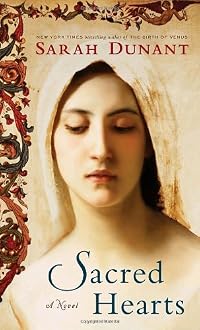
Sacred Hearts
by Sarah Dunant
On This Page
Description
The year is 1570, and in the convent of Santa Caterina, in the Italian city of Ferrara, noblewomen find space to pursue their lives under God's protection. But any community, however smoothly run, suffers tremors when it takes in someone by force. And the arrival of Santa Caterina's new novice sets in motion a chain of events that will shake the convent to its core.Tags
Recommendations













Member Recommendations
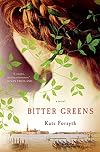
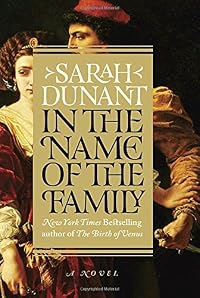
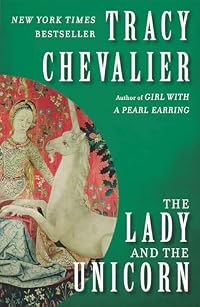
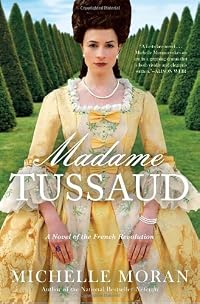
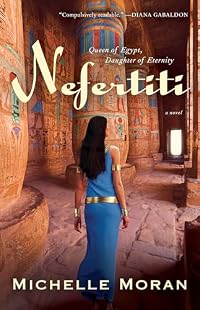
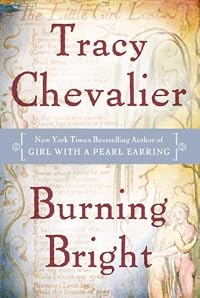
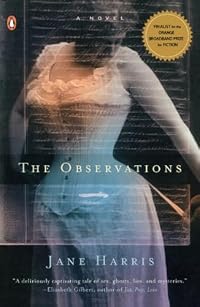
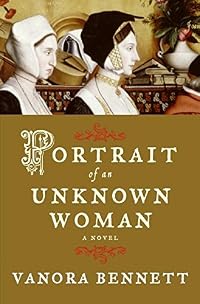
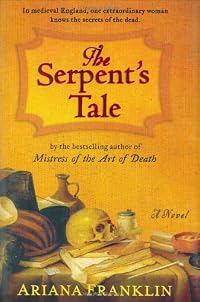
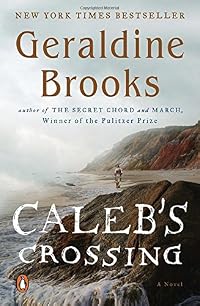
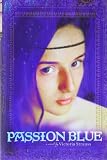
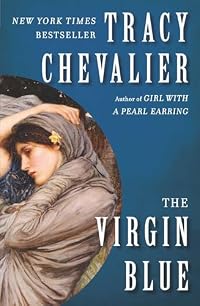
charl08 Similar theme Italy, forced entry to a convent and women's battle for independence.
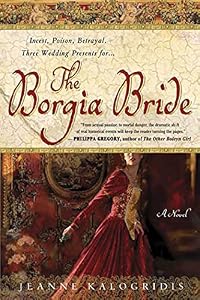
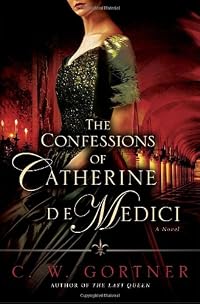
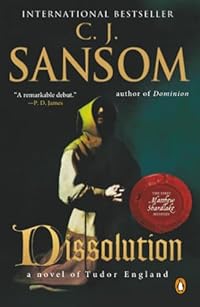
BookshelfMonstrosity Banished to convents for their scandalous behavior, the headstrong heroines of these historical novels bond with wise older nuns, who sympathize with the young women in their charge due to their own storied pasts.
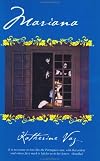
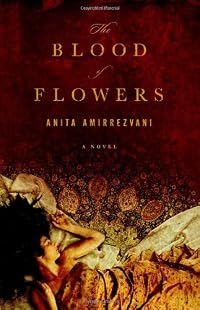
Sakerfalcon Another historical tale of a woman who enters a convent against her will. Mariana is set in Portugal, and is based on possible historical fact.

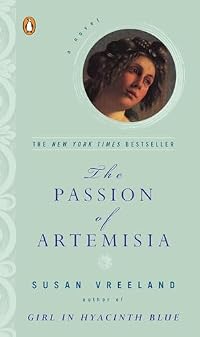
saratoga99 Another example of once wealthy families without sufficent dowries who sent daughters to convents.
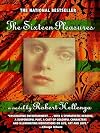
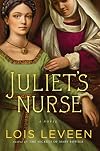
BookshelfMonstrosity Star-crossed romance lies at the heart of both these novels set in Renaissance Italy: Sacret Hearts' convent-bound heroine yearns for her paramour; Juliet's Nurse, based on Shakespearean tragedy, examines love and loss through the eyes of the Capulets' faithful servant.
Member Reviews
What an absolutely satisfying, wonderful book. I can never get enough of Sarah Dunant, and Sacred Hearts, her third novel set in Renaissance Italy makes me wish I could read it again for the first time.
Sacred Hearts takes the reader completely into a time when women’s lives were absolutely ruled by men – fathers and husbands on the one hand, and the prevailing rulers on the other. Young girls, particularly in the noble class, had no say in their futures. Their lives could either be lived in the home of their husband or in a convent.
Dunant’s two major characters, Serafina and Zuana, both come to convent life unwillingly. Serafina is placed in the convent as punishment because she loves someone other than the man her father picks show more as her husband, while Zuana entered it years earlier after the death of her father, a learned man who, in teaching his daughter all he knows, renders her too “smart” therefore unmarriageable. How the women deal with their new lives is also very different from each other.
Nevertheless, we soon come to realize that even within the walls of the convent, though governed by the Abbess, the nuns are still subject to the dictates of Rome and that men are still in control and make the decisions about what they can and cannot do, and how much access they are to be allowed to the outside world.
Against this powerful theme, Dunant places the equally powerful themes of love, duty and sisterhood. It is in the clash and balance of these that the novel finds its denouement.
The elegant, tightly crafted plot wound around excellent historical detail and the perfect capacity of the author to show, not tell, allows the reader to feel completely immersed in the life of these women, without feeling swamped by wordy descriptions. Additionally, we are able to feel something for each of the varying characters that Dunant draws for us – their emotions and motivations are strong and we can find in them our own.
I'm certain that Sacred Hearts will appeal to anyone with a love of good historical fiction, as well as to those readers who love well-written characters. show less
Sacred Hearts takes the reader completely into a time when women’s lives were absolutely ruled by men – fathers and husbands on the one hand, and the prevailing rulers on the other. Young girls, particularly in the noble class, had no say in their futures. Their lives could either be lived in the home of their husband or in a convent.
Dunant’s two major characters, Serafina and Zuana, both come to convent life unwillingly. Serafina is placed in the convent as punishment because she loves someone other than the man her father picks show more as her husband, while Zuana entered it years earlier after the death of her father, a learned man who, in teaching his daughter all he knows, renders her too “smart” therefore unmarriageable. How the women deal with their new lives is also very different from each other.
Nevertheless, we soon come to realize that even within the walls of the convent, though governed by the Abbess, the nuns are still subject to the dictates of Rome and that men are still in control and make the decisions about what they can and cannot do, and how much access they are to be allowed to the outside world.
Against this powerful theme, Dunant places the equally powerful themes of love, duty and sisterhood. It is in the clash and balance of these that the novel finds its denouement.
The elegant, tightly crafted plot wound around excellent historical detail and the perfect capacity of the author to show, not tell, allows the reader to feel completely immersed in the life of these women, without feeling swamped by wordy descriptions. Additionally, we are able to feel something for each of the varying characters that Dunant draws for us – their emotions and motivations are strong and we can find in them our own.
I'm certain that Sacred Hearts will appeal to anyone with a love of good historical fiction, as well as to those readers who love well-written characters. show less
Serafina, the new novice and unwilling bride of Christ has the voice of an angel and seems to be God’s gift to the Convent of Santa Caterina. But she is locked up behind the walls and separated from her one true love because her parents cannot afford to dower more than one daughter. Similar fates are shared by other young aristocratic Italian women of the mid-1500’s as costly marriage contracts leave few options for the bride’s female siblings. When the parental purse runs dry the phrase “get thee to a nunnery,” takes on a sinister meaning and Serafina becomes a sacrificial offering to the Catholic Church.
Sarah Dunant’s latest work of historical fiction provides a glimpse behind convent walls where women of God play show more political games as readily as they pray. Power figures in the cloister include a sister who may be a saint, the abbess leading her flock for God’s glory, the fundamentalist novice mistress, and the vocally gifted Serafina. The most interesting character by far is Sister Zuana (her father was a famous physician - she has hidden his books to use for reference – some books that perhaps include heresy) the nun tasked with caring for the sick.
When Serafina assists in the infirmary Sister Zuana learns more about the novice’s tragic but all too familiar story. The older nun has a crisis of conscious as she begins to understand and care for the younger sister.
Serafina, the heavenly songbird exposes tears and divisions within the walls of the religious community. While her voice brings acclaim beyond the walls of the convent it is outside these same walls that changes within the Catholic Church threaten the sisters of Santa Caterina and their established way of life.
Rich in both historical context and plot SACRED HEARTS offers readers a glimpse behind convent walls and into women’s hearts as some walk their freely chosen path with God while others are sacrificial Brides of Christ. Birth into Italian aristocracy during the 1500’s mandated a marital dowry. If the price for more than one daughter became prohibitive, families merely sent the other daughter(s) to the Church. Christ’s bride price was much less expensive to the familial purse. Dunant’s book is a thought provoking study in the choices families make about their children; the strength, blindness, fragility and healing power of faith; and the complexity found in female relationships. show less
Sarah Dunant’s latest work of historical fiction provides a glimpse behind convent walls where women of God play show more political games as readily as they pray. Power figures in the cloister include a sister who may be a saint, the abbess leading her flock for God’s glory, the fundamentalist novice mistress, and the vocally gifted Serafina. The most interesting character by far is Sister Zuana (her father was a famous physician - she has hidden his books to use for reference – some books that perhaps include heresy) the nun tasked with caring for the sick.
When Serafina assists in the infirmary Sister Zuana learns more about the novice’s tragic but all too familiar story. The older nun has a crisis of conscious as she begins to understand and care for the younger sister.
Serafina, the heavenly songbird exposes tears and divisions within the walls of the religious community. While her voice brings acclaim beyond the walls of the convent it is outside these same walls that changes within the Catholic Church threaten the sisters of Santa Caterina and their established way of life.
Rich in both historical context and plot SACRED HEARTS offers readers a glimpse behind convent walls and into women’s hearts as some walk their freely chosen path with God while others are sacrificial Brides of Christ. Birth into Italian aristocracy during the 1500’s mandated a marital dowry. If the price for more than one daughter became prohibitive, families merely sent the other daughter(s) to the Church. Christ’s bride price was much less expensive to the familial purse. Dunant’s book is a thought provoking study in the choices families make about their children; the strength, blindness, fragility and healing power of faith; and the complexity found in female relationships. show less
 This review was written for LibraryThing Early Reviewers.
Serifina is a young girl who has just unwillingly taken her vows to become a novice in the convent of Santa Caterina. Her family, not able to afford the dowry price for both of their daughters, has decided to marry off the younger, and in turn, giveSerfina over to the service of God. From the moment she steps into the convent, she exhibits extreme rebelliousness and anger the likes of which the nuns at Santa Caterina have never seen. WhenSuora Zuana is charged with her care, the dispensary mistress becomes fascinated and disturbed by the girl's furious fervor and vows to make her transition as easy for her as possible. Very soonSerfina begins to calm down, and while the other nuns are grateful and complacent with this change, Zuana show more becomes suspicious of the rapid change in Serifina's attitude. She is sure there is much more than acceptance and obedience behind the new behavior of the novice. But the secret thatSerifina is keeping is a dangerous one, not only for herself, but for the entire convent. Santa Caterina is going through it's own growing pains as well. The Abbess, MadonnaChaira must constantly balance her sacred duties to her flock with her courting of the outside benefactors that keep the convent solvent as well as quelling the growing tide of sisters who wish to thwart her rule and ultimately replace her. The novel, both intoxicating and lush, peeks behind the convent walls to give a bird's eye view of the daily lives of the women of God, exposing the jealousies, power struggles and alliances that reflect Santa Caterina as an incredibly complex microcosm of Renaissance society.
This was a fabulous read. There was so much feeling in the story and characters that the pages seemed to be brimming with life. In exacting detail, Dunant was able to convey the loneliness and singularity of what a nun's life must be like while also portraying the fierce obedience to tradition and religion that made these women so strong and devout. The atmosphere of the plot was entirely believable, and at times it felt almost claustrophobic to be among these women who shared every aspect of their life with one another, never straying from the convents enclosures. I have long been interested in the aspects, practical and otherwise, of life in a nunnery, and I really feel that the author was able to beautifully convey what life for these women must be like. I was particularly drawn to the depictions of the convent hierarchy and the daily power struggles that went on between the Abbess and the other sisters. There was a deep exploration of the power of various convent factions and the delicacy of governing women from all backgrounds in life.
Serifina's trials were both ensnaring and dramatic, and although I didn't much care for her as a person, I came to understand her motivations and actions, and felt sympathy for her, despite herunlikablity. There was an element in Serifina that I never felt to be fully trustworthy, and even when she was acting in her natural capacity, I felt guarded about believing her motivations. But I liked that. I liked that she was so morally gray at times, and that her behavior was something that one could never calculate. Despite her disagreeableness, there was something about her that made me cheer for her unflagging spirit.
I had a good deal of affinity for Zuana. As the dispensary mistress, she was in charge of all the nursing and medicine making of the convent, and I really liked that Dunant included so much of the earthiness and practicalities of healing in the book. There were some great sections about the procuring of specific herbs and plants for medical use that I felt were very representative of their time, and I would have to say that anytime Zuana was in the dispensary, I was glued to the page. I found Dunant's discussions of ailments and their remidies to be one of the most exemplary aspects of this particular book.
One of the things that I found remarkable about this book were some of the moral choices that the nuns made. Until reading this book, I had believed that a life given to the service of God would be free of the compunction to be self-serving or to have ulterior motives, which is truly not the case. For it wasn't onlySerifina that was hiding in moral grayness. Each nun had her own battles with integrity and ethics, and often they made surprising choices that they felt to be directed by the Almighty, when that was really not the case at all. The story also included a fair a bit about church reform, specifically, the changes that threatened to totally seclude the nuns from outside society, which was a point in history that I was not very familiar with. The pressure that was eventually put on the convents was not only sad, but I feel, unnecessary.
The only gripe I had with the book was the conclusion. I felt that what had been building up through the pages was bound to be a bit more exciting and surprising, but in the end, I felt a bit let down by the book's resolution. It didn't feel entirely believable to me, and that bothered me because until that point the book seemed very realistic and authentic. It was not a terrible ending, and it was fitting, but I felt that it could have been done a little differently.
If you have not yet read a book by Sarah Dunant and wish to, this is the book to read. I have read all of her previous works, and have to say that this one is the best, hands down. This story had just the right amount of drama and a great undercurrent of passion, and I was loathe to read the last page and have it all end for me. There are few books that I move to my permanent collection, but this is definitely one of them. If you are looking for an engrossing read that will keep you thinking and entertained late into the night, you will probably love this book. In particular, those who are fascinated with convent life will really get a lot from it. A great read and highly recommended. show less
This was a fabulous read. There was so much feeling in the story and characters that the pages seemed to be brimming with life. In exacting detail, Dunant was able to convey the loneliness and singularity of what a nun's life must be like while also portraying the fierce obedience to tradition and religion that made these women so strong and devout. The atmosphere of the plot was entirely believable, and at times it felt almost claustrophobic to be among these women who shared every aspect of their life with one another, never straying from the convents enclosures. I have long been interested in the aspects, practical and otherwise, of life in a nunnery, and I really feel that the author was able to beautifully convey what life for these women must be like. I was particularly drawn to the depictions of the convent hierarchy and the daily power struggles that went on between the Abbess and the other sisters. There was a deep exploration of the power of various convent factions and the delicacy of governing women from all backgrounds in life.
Serifina's trials were both ensnaring and dramatic, and although I didn't much care for her as a person, I came to understand her motivations and actions, and felt sympathy for her, despite herunlikablity. There was an element in Serifina that I never felt to be fully trustworthy, and even when she was acting in her natural capacity, I felt guarded about believing her motivations. But I liked that. I liked that she was so morally gray at times, and that her behavior was something that one could never calculate. Despite her disagreeableness, there was something about her that made me cheer for her unflagging spirit.
I had a good deal of affinity for Zuana. As the dispensary mistress, she was in charge of all the nursing and medicine making of the convent, and I really liked that Dunant included so much of the earthiness and practicalities of healing in the book. There were some great sections about the procuring of specific herbs and plants for medical use that I felt were very representative of their time, and I would have to say that anytime Zuana was in the dispensary, I was glued to the page. I found Dunant's discussions of ailments and their remidies to be one of the most exemplary aspects of this particular book.
One of the things that I found remarkable about this book were some of the moral choices that the nuns made. Until reading this book, I had believed that a life given to the service of God would be free of the compunction to be self-serving or to have ulterior motives, which is truly not the case. For it wasn't onlySerifina that was hiding in moral grayness. Each nun had her own battles with integrity and ethics, and often they made surprising choices that they felt to be directed by the Almighty, when that was really not the case at all. The story also included a fair a bit about church reform, specifically, the changes that threatened to totally seclude the nuns from outside society, which was a point in history that I was not very familiar with. The pressure that was eventually put on the convents was not only sad, but I feel, unnecessary.
The only gripe I had with the book was the conclusion. I felt that what had been building up through the pages was bound to be a bit more exciting and surprising, but in the end, I felt a bit let down by the book's resolution. It didn't feel entirely believable to me, and that bothered me because until that point the book seemed very realistic and authentic. It was not a terrible ending, and it was fitting, but I felt that it could have been done a little differently.
If you have not yet read a book by Sarah Dunant and wish to, this is the book to read. I have read all of her previous works, and have to say that this one is the best, hands down. This story had just the right amount of drama and a great undercurrent of passion, and I was loathe to read the last page and have it all end for me. There are few books that I move to my permanent collection, but this is definitely one of them. If you are looking for an engrossing read that will keep you thinking and entertained late into the night, you will probably love this book. In particular, those who are fascinated with convent life will really get a lot from it. A great read and highly recommended. show less
This review was written for LibraryThing Early Reviewers.Summary: In Renaissance Italy, there were only three things a woman could be: wife, whore, or nun, and the condition in which a girl found herself was almost entirely dependent on her family's fortunes. In many noble families, only one dowry could be afforded, so any younger daughters were shuttled off to live lives of piety and deprivation in the convents, regardless of their wishes or aptitudes. When the convent of Santa Caterina in Ferrarra accepts one such girl, Serafina, she is rebellious and desperate to escape - the young musician she loves has promised to follow her and wait for her to be freed. The abbess assigns the dispensary mistress, Zuana, to calm the girl's rages, and as Zuana recognizes something of herself in the show more spirited young woman, a tentative friendship between the two begins to develop. But all is not settled, for it is a time of upheaval - forces both inside and outside the convent walls are seeking reform in the form of further restrictions, and a re-dedication of the lives of the nuns to God - and Serafina's arrival will set off a chain of events that will wind up shaking Santa Caterina to its foundations.
Review: This book was a bit of a slow start for me - not uninteresting, but setting up the world of Santa Caterina and the nuns that inhabit it takes some time, and the plot seems almost secondary for the first hundred pages or so. I spent most of that time sympathizing with Zuana and Serafina in turns, unable to decide if I most wanted Serafina to make good her escape and live happily ever after with her young man, or if I wanted her to settle down and find her happiness within the convent. Of course, I should have realized that either of these endings would have been too facile and not particularly satisfying, and that the plot, once it got going, had enough curveballs to throw at me to make the eventual resolution much more layered, and complex, and altogether more interesting - enough that I read the last 2/3s of the book (some 250 pages) in one afternoon.
Layered is a good word to describe the book in general - there are layers of story, and layers of emotion, and layers of plot, and layers of faith and politics. It was utterly fascinating to sift through the currents running through every scene, to let yourself fall into this small world where a few women hold all the power, set inside a larger context in which women hold absolutely no power. Durant's storytelling is absolutely transporting, carrying you into each character's position in turn, and making you take a hard look at yourself, and what you would do in each character's circumstances. The writing, when taken by itself, is strange - almost entirely in the present tense (which is not my favorite), and jumpy in tone as it shifts from one character to another - but for me it totally worked, becoming so lyrical that it faded into the background, while drawing me even further into the world of Santa Caterina. 4.5 out of 5 stars.
Recommendation: Historical fiction fans will definitely want to check this one out; it gives a vivid and utterly absorbing look into the inside of a world that I had not encountered before. show less
Review: This book was a bit of a slow start for me - not uninteresting, but setting up the world of Santa Caterina and the nuns that inhabit it takes some time, and the plot seems almost secondary for the first hundred pages or so. I spent most of that time sympathizing with Zuana and Serafina in turns, unable to decide if I most wanted Serafina to make good her escape and live happily ever after with her young man, or if I wanted her to settle down and find her happiness within the convent. Of course, I should have realized that either of these endings would have been too facile and not particularly satisfying, and that the plot, once it got going, had enough curveballs to throw at me to make the eventual resolution much more layered, and complex, and altogether more interesting - enough that I read the last 2/3s of the book (some 250 pages) in one afternoon.
Layered is a good word to describe the book in general - there are layers of story, and layers of emotion, and layers of plot, and layers of faith and politics. It was utterly fascinating to sift through the currents running through every scene, to let yourself fall into this small world where a few women hold all the power, set inside a larger context in which women hold absolutely no power. Durant's storytelling is absolutely transporting, carrying you into each character's position in turn, and making you take a hard look at yourself, and what you would do in each character's circumstances. The writing, when taken by itself, is strange - almost entirely in the present tense (which is not my favorite), and jumpy in tone as it shifts from one character to another - but for me it totally worked, becoming so lyrical that it faded into the background, while drawing me even further into the world of Santa Caterina. 4.5 out of 5 stars.
Recommendation: Historical fiction fans will definitely want to check this one out; it gives a vivid and utterly absorbing look into the inside of a world that I had not encountered before. show less
A well-researched piece of historical fiction. Unless you are cold stone hearted, this work will definitely have an emotional impact. I’m not sure how men will receive it, but most 21st century women will finish the book, take a deep breath, exhale slowly, and send prayers or thoughts to whatever supreme deity is in their lives with thanks that they did not have to live through anything like this.
The story line is fairly straightforward: In 16th century Italy, the bride price (or dowry) for women had gotten so high that families could only afford to marry off one daughter. The rest were consigned to convents –along with whatever endowment the family could give to the abbess to take care of the unfortunate girl for the rest of her show more life.
Some women welcomed this life—especially if the alternative was to marry some man not to her liking—others were literally dragged (drugged?) into the convents totally against their wills. Sacred Hearts is the story of Isabetta, a young girl who wanted to marry her music teacher, but who was instead dispatched to the convent of Santa Catarina. The Abbess is keen to have her since she reputedly has an angelic voice, and the convent choir’s performances for the towns people and the surrounding countryside bring much needed patronage and money for the Abbey.
Once inside, we meet the stern, uber rule enforcing novice mistress, Umiliana; the wise, crafty, and holy abbess Madonna Chiara; the dispensary mistress Zuana, and several anorexic (in those days they were called holy mystics) ancient dying sisters fasting and waiting to meet Christ.
Isabetta, renamed Serafina, immediately sets the convent on end by such loud screaming her first night that Chiara sends Zuana to calm her down. Zuana herself had come to the convent reluctantly 16 years prior. The daughter of a prominent widowed doctor, who taught her everything he know about medicine and herbs, she was not considered marriage material (no man would want a woman so smart!) and with no large dowry or estate, she was sent to the abbey to live. Seeing much of herself in the young novice, Zuana befriends Serafina, (having to drug her first to calm her down) and convinces the abbess to assign Serafina to work in the herb garden and dispensary with her.
At this point, the plot twists begin. The book is to be published next week, and I urge you to get a copy. This is a superbly written story of young love, betrayal, mistreatment of women, women bonding with other women, and the horrible, horrible treatment of women by the Italian society of the day. While it is the story of the helplessness of women on the one hand, I must point out (with as little spoiler as possible) that it is also the story of the courageousness, talent, and cunning of women who solve problems themselves.
It would make a wonderful book discussion group read. show less
The story line is fairly straightforward: In 16th century Italy, the bride price (or dowry) for women had gotten so high that families could only afford to marry off one daughter. The rest were consigned to convents –along with whatever endowment the family could give to the abbess to take care of the unfortunate girl for the rest of her show more life.
Some women welcomed this life—especially if the alternative was to marry some man not to her liking—others were literally dragged (drugged?) into the convents totally against their wills. Sacred Hearts is the story of Isabetta, a young girl who wanted to marry her music teacher, but who was instead dispatched to the convent of Santa Catarina. The Abbess is keen to have her since she reputedly has an angelic voice, and the convent choir’s performances for the towns people and the surrounding countryside bring much needed patronage and money for the Abbey.
Once inside, we meet the stern, uber rule enforcing novice mistress, Umiliana; the wise, crafty, and holy abbess Madonna Chiara; the dispensary mistress Zuana, and several anorexic (in those days they were called holy mystics) ancient dying sisters fasting and waiting to meet Christ.
Isabetta, renamed Serafina, immediately sets the convent on end by such loud screaming her first night that Chiara sends Zuana to calm her down. Zuana herself had come to the convent reluctantly 16 years prior. The daughter of a prominent widowed doctor, who taught her everything he know about medicine and herbs, she was not considered marriage material (no man would want a woman so smart!) and with no large dowry or estate, she was sent to the abbey to live. Seeing much of herself in the young novice, Zuana befriends Serafina, (having to drug her first to calm her down) and convinces the abbess to assign Serafina to work in the herb garden and dispensary with her.
At this point, the plot twists begin. The book is to be published next week, and I urge you to get a copy. This is a superbly written story of young love, betrayal, mistreatment of women, women bonding with other women, and the horrible, horrible treatment of women by the Italian society of the day. While it is the story of the helplessness of women on the one hand, I must point out (with as little spoiler as possible) that it is also the story of the courageousness, talent, and cunning of women who solve problems themselves.
It would make a wonderful book discussion group read. show less
We’ve come a long way, baby. It may be clichéd, but Sacred Hearts shows the reader the strides women have made in the world. I remain utterly horrified at the fact that so many women were forced into the convents. When your options are to marry the man your father tells you to marry, submit to his whims and caprices, abuse and philandering, I imagine the convent was the best choice for some. Still, that doesn’t make it fundamentally right. Everyone deserves the chance to choose their life.
The story revolves around Serafina, who had the temerity to fall in love with a man who was not her father’s choice for marriage. Rather than let her live her life as a pauper, as she chose, he opts to lock her away in Santa Caterina for the show more rest of her life. Her reaction at such treatment and at her incarceration is easily explainable, if not completely understandable. It evokes an immediate emotional, visceral response in the reader that continues throughout her experiences and adjustments to life in the convent.
It also revolves around Suora Zuana. Her story is a bit more complicated, as she was the only child of a brilliant doctor who taught her almost everything he knew. Upon his sudden death and with a dearth of close relatives, her only option was the convent since no one wanted a young, educated woman as a wife. Serafina may have been forced into the convent by family members, but Zuana was forced into that life through a severe lack of options for women. Neither one went willingly. They both struggle(d) to adapt to the lifestyle. While helping Serafina through her rebellion, Zuana recalls her own struggles and rebellious spirit and discovers that she wasn’t able to bury it as deeply as she once believed.
In addition, Ms. Dunant introduces the reader to convent life in 16th century Italy. Given women’s current freedoms of religion and speech and all other manners of freedom, the lifestyle is particularly horrifying. Rigid and hypocritical, stultifying and limiting, but all done in the name of God - it again is an area that makes the reader want to get down on her knees to say a prayer of thanks that women have come so far from this unenlightened time period.
Whatever problems one may have with the time period and the lifestyle presented, Sacred Hearts is very much a feminist novel. Serafina and Zuana must navigate a world in which everything is stacked against them. These two women, their struggles, triumphs and defeats make for a fascinating and heart-wrenching story. The reader is taken on an emotional roller coaster through their travails, made all the more profound by comparisons with current societal norms and female standing in society. In fact, the reader cannot help but compare the life for Serafina and Zuana with her own life. However, therein lies the attraction because it is only in understanding the past where women can appreciate current successes and focus on the next hurdle to overcome. It also helps the reader appreciate all women who were forced into such situations, admire their strength, courage and willpower to not just live but thrive in a society that was so harsh for women.
I loved this book. I found it extremely thought-provoking, so much so that I’ve carried the book with me since finishing in order to be able to flip through the pages and reread certain passages again. I waffled between horror at the lifestyle, situations, and societal norms of the time and utter admiration for the women who were able to beat the odds and thrive in such an anti-female society. The amateur historian in me appreciates the depths of research Ms. Dunant reached and the detail of convent life, music, pharmacology and other aspects of society that she brings to life. For through Ms. Dunant, Serafina, Zuana and all the other sisters are alive. Their Sacred Hearts live on and are dedicated to all the women who remain oppressed and shut away from life.
Thank you to Random House for the opportunity to review this ARC! show less
The story revolves around Serafina, who had the temerity to fall in love with a man who was not her father’s choice for marriage. Rather than let her live her life as a pauper, as she chose, he opts to lock her away in Santa Caterina for the show more rest of her life. Her reaction at such treatment and at her incarceration is easily explainable, if not completely understandable. It evokes an immediate emotional, visceral response in the reader that continues throughout her experiences and adjustments to life in the convent.
It also revolves around Suora Zuana. Her story is a bit more complicated, as she was the only child of a brilliant doctor who taught her almost everything he knew. Upon his sudden death and with a dearth of close relatives, her only option was the convent since no one wanted a young, educated woman as a wife. Serafina may have been forced into the convent by family members, but Zuana was forced into that life through a severe lack of options for women. Neither one went willingly. They both struggle(d) to adapt to the lifestyle. While helping Serafina through her rebellion, Zuana recalls her own struggles and rebellious spirit and discovers that she wasn’t able to bury it as deeply as she once believed.
In addition, Ms. Dunant introduces the reader to convent life in 16th century Italy. Given women’s current freedoms of religion and speech and all other manners of freedom, the lifestyle is particularly horrifying. Rigid and hypocritical, stultifying and limiting, but all done in the name of God - it again is an area that makes the reader want to get down on her knees to say a prayer of thanks that women have come so far from this unenlightened time period.
Whatever problems one may have with the time period and the lifestyle presented, Sacred Hearts is very much a feminist novel. Serafina and Zuana must navigate a world in which everything is stacked against them. These two women, their struggles, triumphs and defeats make for a fascinating and heart-wrenching story. The reader is taken on an emotional roller coaster through their travails, made all the more profound by comparisons with current societal norms and female standing in society. In fact, the reader cannot help but compare the life for Serafina and Zuana with her own life. However, therein lies the attraction because it is only in understanding the past where women can appreciate current successes and focus on the next hurdle to overcome. It also helps the reader appreciate all women who were forced into such situations, admire their strength, courage and willpower to not just live but thrive in a society that was so harsh for women.
I loved this book. I found it extremely thought-provoking, so much so that I’ve carried the book with me since finishing in order to be able to flip through the pages and reread certain passages again. I waffled between horror at the lifestyle, situations, and societal norms of the time and utter admiration for the women who were able to beat the odds and thrive in such an anti-female society. The amateur historian in me appreciates the depths of research Ms. Dunant reached and the detail of convent life, music, pharmacology and other aspects of society that she brings to life. For through Ms. Dunant, Serafina, Zuana and all the other sisters are alive. Their Sacred Hearts live on and are dedicated to all the women who remain oppressed and shut away from life.
Thank you to Random House for the opportunity to review this ARC! show less
Sacred Hearts – Sarah Dunant
Audio version by Rosalyn Landor
4 stars
A surprising amount of intrigue and drama can take place inside the walls of a 16th century Italian convent. The convent of Santa Caterina in Ferrara is hive of activity. The emotional outbursts of the newest novice disturb the convent’s peace,while the religious and political repercussions of the counter reformation threaten convent traditions from within and without. As the dispensary mistress, Suora Zuana is charged with the responsibility for Novice Serafina’s health and emotional well-being. The Abbess, Madonna Chiara has the responsibility for maintaining the convent’s reputation and the delicate balance conventional life.
I would not make a very good nun. show more Like Serafina, I’d find it impossible to view the convent as anything other than a prison. Sarah Dunant does a very good job of presenting another perspective. The historical detail of this book is very rich. Although it is set entirely within the convent walls, Dunant gives a clear picture of Italian life outside the enclosure. The lives of women are constrained outside the convent as well as inside. Madonna Chiara is engaged in a subtle fight for those freedoms still allowed within the convent walls. She will not allow one unhappy novice to interfere with the convent’s viability. Suara Zuana takes a physician’s view and places the well-being of her patient above other considerations. The resolution of the conflict made me smile; unlikely, but satisfying. show less
Audio version by Rosalyn Landor
4 stars
A surprising amount of intrigue and drama can take place inside the walls of a 16th century Italian convent. The convent of Santa Caterina in Ferrara is hive of activity. The emotional outbursts of the newest novice disturb the convent’s peace,while the religious and political repercussions of the counter reformation threaten convent traditions from within and without. As the dispensary mistress, Suora Zuana is charged with the responsibility for Novice Serafina’s health and emotional well-being. The Abbess, Madonna Chiara has the responsibility for maintaining the convent’s reputation and the delicate balance conventional life.
I would not make a very good nun. show more Like Serafina, I’d find it impossible to view the convent as anything other than a prison. Sarah Dunant does a very good job of presenting another perspective. The historical detail of this book is very rich. Although it is set entirely within the convent walls, Dunant gives a clear picture of Italian life outside the enclosure. The lives of women are constrained outside the convent as well as inside. Madonna Chiara is engaged in a subtle fight for those freedoms still allowed within the convent walls. She will not allow one unhappy novice to interfere with the convent’s viability. Suara Zuana takes a physician’s view and places the well-being of her patient above other considerations. The resolution of the conflict made me smile; unlikely, but satisfying. show less
Members
- Recently Added By
Lists

Best Historical Fiction
620 works; 261 members

Historical Fiction
889 works; 91 members

Books featuring monks and/or nuns
166 works; 33 members

Historical Fiction Lovers
88 works; 4 members

Authors from England
147 works; 4 members

CONVENTional novels
19 works; 1 member

Walter Scott Prize Winners and Shortlist
66 works; 6 members
Author Information

15+ Works 14,549 Members
She began her career writing mysteries, but with her last book, TRANSGRESSIONS (ReganBooks/HarperCollins), graduated to more ambitious, cutting-edge psychological thrillers. Three of her six books, including TRANSGRESSIONS, have been shortlisted for Britain's prestigious Edgar equivalent, the Golden Dagger award, and her third novel, FATLANDS, won show more the Silver Dagger. As a journalist and critic she has worked extensively in print, radio and television, where for many years she hosted her own show on BBC2. She has also edited two books of essays. Dunant lives in London with her family. (Publisher Provided) Sarah Dunant was born Linda Dunant in London, England on August 8, 1950. She read history at Newnham College, Cambridge. Before becoming a full-time author, she worked in theatre, radio and television. Her works include The Birth of Venus, In the Company of the Courtesan, Sacred Hearts, Snow Storms in a Hot Climate, Transgressions, Mapping the Edge, and Blood and Beauty. She is also the author of A Hannah Wolfe Crime Novel series. (Bowker Author Biography) show less
Some Editions
Awards and Honors
Series
Belongs to Publisher Series
Common Knowledge
- Canonical title
- Sacred Hearts
- Original title
- Sacred Hearts
- Original publication date
- 2009
- People/Characters
- Novice Serafina; Suora Zuana; Madonna Chiara; Suora Umiliana
- Important places
- Ferrara, Emilia-Romagna, Italy; Santa Caterina, Ferrara, Emilia-Romagna, Italy; Italy
- Important events
- Decrees of the Council of Trent (1563)
- First words
- Before the screaming starts, the night silence of the convent is already alive with its own particular sounds.
- Last words
- (Click to show. Warning: May contain spoilers.)She closes her eyes and sleeps. And the convent sleeps silently around her.
- Publisher's editor*
- Neri Pozza
- Blurbers
- Leon, Donna; Craig, Amanda
- Original language*
- Inglese
*Some information comes from Common Knowledge in other languages. Click "Edit" for more information.
Classifications
Statistics
- Members
- 1,720
- Popularity
- 12,814
- Reviews
- 131
- Rating
- (3.83)
- Languages
- 7 — Dutch, English, French, German, Italian, Portuguese, Spanish
- Media
- Paper, Audiobook, Ebook
- ISBNs
- 35
- ASINs
- 9
