
Gaël Faye
Author of Small Country
About the Author
Image credit: Gaël Faye, 2013
Works by Gaël Faye
Petit pays 1 copy
Petit pays 1 copy
Jacaranda: A Novel 1 copy
Lundi Méchant 1 copy
Petit pays 1 copy
Mala zemlja 1 copy
Tagged
Common Knowledge
- Birthdate
- 1982
- Gender
- male
- Occupations
- writer
Rap artist - Awards and honors
- Prix du roman Fnac (2016)
Prix Goncourt des Lycéens (2016) - Nationality
- Rwanda
France - Birthplace
- Bujumbura, Burundi
- Places of residence
- London, UK
Yvelines, France
Members
Reviews
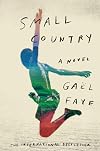
What an unsensational yet powerful way to tell a story of the Rwandan holocaust - through the eyes of an 11 year old boy, as remembered by his 33 year old self. This isn't an unrelieved horror of a story - on the contrary, Gaby lives as happy and privileged a life as any middle or upper middle class kid. But through his eyes, the reader gradually comes to see the lasting effects of colonialism on Burundian and Rwandan society, and the hate that sparks and smolders under the currents of daily show more life, ready to erupt like a volcano. I didn't expect to finish this book in a day, but once I was about half way through, I couldn't stop. This is a book that puts the lie to the belief that 'it can't happen here', regardless of where you live. show less
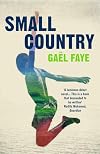
This short novel starts in France in 2016, where Gabriel is an office worker, anaesthetising himself from his past with alcohol.
The story is all reminisce from 1992 of an initially idyllic childhood in the French expatriate community in Bujumbura, Burundi, telling the adventures of his group of five friends, aged about 10, as they go swimming or stealing mangoes from neighbourhood trees and selling them to buy cigarettes.
Gabriel and his younger sister, Ana, are the children of a French show more expatriate father working as a construction engineer and a Rwandan refugee mother.
In 1993 Rwanda descends into a bloody civil war between the Hutu and Tutsi tribes, although the position is more complicated than this. Just before this, Gabriel, Ana and his mother have visited Rwanda for a family wedding, meeting with Gabriel’s cousins, who it is agreed will flee to Burundi as they anticipate the civil war.
The story briefly describes the consequences of the Rwandan civil war for Gabriel’s family and the drift of Burundi into its own civil war.
Although the civil war is devastating, Gabriel is initially able to distance himself by not meeting with his friends and instead losing himself in the world of books to which he is introduced by an elderly neighbour. However, the civil war impacts forcefully on his life before he is evacuated to France, as a French national.
A grim narrative arc with little light after the initial setting of the scene, I was disappointed by this book, as I was insufficiently emotionally invested in Gabriel, perhaps because of his distant method of recalling his story. show less
The story is all reminisce from 1992 of an initially idyllic childhood in the French expatriate community in Bujumbura, Burundi, telling the adventures of his group of five friends, aged about 10, as they go swimming or stealing mangoes from neighbourhood trees and selling them to buy cigarettes.
Gabriel and his younger sister, Ana, are the children of a French show more expatriate father working as a construction engineer and a Rwandan refugee mother.
In 1993 Rwanda descends into a bloody civil war between the Hutu and Tutsi tribes, although the position is more complicated than this. Just before this, Gabriel, Ana and his mother have visited Rwanda for a family wedding, meeting with Gabriel’s cousins, who it is agreed will flee to Burundi as they anticipate the civil war.
The story briefly describes the consequences of the Rwandan civil war for Gabriel’s family and the drift of Burundi into its own civil war.
Although the civil war is devastating, Gabriel is initially able to distance himself by not meeting with his friends and instead losing himself in the world of books to which he is introduced by an elderly neighbour. However, the civil war impacts forcefully on his life before he is evacuated to France, as a French national.
A grim narrative arc with little light after the initial setting of the scene, I was disappointed by this book, as I was insufficiently emotionally invested in Gabriel, perhaps because of his distant method of recalling his story. show less
Genocide is an oil slick: those who don't drown in it are polluted for life
Small Country by author Gael Faye is a beautifully written but heart-breaking story about coming of age during the Rwandan genocide in the 1990s. The story is narrated by Gabriel (Gabe) starting when he is 10 years old, the son of a French father and a Rwandan mother and is divided almost evenly between life before and after genocide. In the first half of the book, Gabe and his friends live a seemingly safe middle show more class existence in Burundi having fun and getting into mischief just like children everywhere. Although many of them are from Rwanda or have family there, the civil war is just a distant rumour, one that does not really touch them.
Then an election brings a new leader to the country and the war doesn't seem so far away. When Gabe and his mother attend a family wedding in Rwanda, they are shocked to see how conditions have deteriorated as tensions rise between the Tutsis and the Hutus. As they leave, a relative asks them to take in family members when they can safely leave the country, a promise they can only hope to keep. But it is not long before the Civil War spills over into Burundi bringing with it the constant threat of death even in their once safe neighbourhood from roving gangs who murder in daylight seemingly with impunity while people who were close friends just short weeks ago slaughter one another, and foreign observers stand by refusing to offer any aid and evacuating only French nationals. Gabe's attempts first to grasp this new and horrible reality and to finally understand fully that his life and the lives of everyone he loves are changed forever even should they survive brings a heartwrenching poignancy to the tale.
It is this juxtaposition of 'before' exemplified by Gabe's idyllic childhood and 'after' when his innocence is so completely shattered by the realities of the genocide that make Small Country both a powerful portrait and indictment of the genocide and the foreign observers who stood by and did nothing as well as a heartbreaking reminder that no one, not even the survivors years later, ever really escapes the ravages of war.
Thanks to Netgalley and Crown Publishing for the opportunity to read this book in exchange for an honest review show less
Small Country by author Gael Faye is a beautifully written but heart-breaking story about coming of age during the Rwandan genocide in the 1990s. The story is narrated by Gabriel (Gabe) starting when he is 10 years old, the son of a French father and a Rwandan mother and is divided almost evenly between life before and after genocide. In the first half of the book, Gabe and his friends live a seemingly safe middle show more class existence in Burundi having fun and getting into mischief just like children everywhere. Although many of them are from Rwanda or have family there, the civil war is just a distant rumour, one that does not really touch them.
Then an election brings a new leader to the country and the war doesn't seem so far away. When Gabe and his mother attend a family wedding in Rwanda, they are shocked to see how conditions have deteriorated as tensions rise between the Tutsis and the Hutus. As they leave, a relative asks them to take in family members when they can safely leave the country, a promise they can only hope to keep. But it is not long before the Civil War spills over into Burundi bringing with it the constant threat of death even in their once safe neighbourhood from roving gangs who murder in daylight seemingly with impunity while people who were close friends just short weeks ago slaughter one another, and foreign observers stand by refusing to offer any aid and evacuating only French nationals. Gabe's attempts first to grasp this new and horrible reality and to finally understand fully that his life and the lives of everyone he loves are changed forever even should they survive brings a heartwrenching poignancy to the tale.
It is this juxtaposition of 'before' exemplified by Gabe's idyllic childhood and 'after' when his innocence is so completely shattered by the realities of the genocide that make Small Country both a powerful portrait and indictment of the genocide and the foreign observers who stood by and did nothing as well as a heartbreaking reminder that no one, not even the survivors years later, ever really escapes the ravages of war.
Thanks to Netgalley and Crown Publishing for the opportunity to read this book in exchange for an honest review show less
A boy growing up in Burundi comes to recognize the horror of war and hate--but he never understands it.
Gaby is around 10 at the start of the story, his sister a few years younger. His mother is a Tutsi from Rwanda, she fled during the previous Rwandan war. His father is French. His neighborhood consists of other mixed children, an elderly Greek woman, a slightly older boy who is cruel, and servants who come from more dangerous neighborhoods.
After the latest Rwandan conflict, her mother goes show more looking for her siblings and their children, some of whom were to stay in Burundi in just a few months. When she finally returns, she is a ghost of herself. As the war spreads into Burundi, Gaby starts seeing the atrocities, but desperately wants to stay a child. His friends ("friends") won't let him. His father gets he and his sister seats to France, but stays himself. Gaby does not return until he is an adult.
The author was also born in Burundi to a French father and Rwandan mother, but (per the bio) his entire family fled to France, where he still lives. I am very curious how much of this story is autofiction, how much is simply informed by what he saw and experienced, and how much is fiction. show less
Gaby is around 10 at the start of the story, his sister a few years younger. His mother is a Tutsi from Rwanda, she fled during the previous Rwandan war. His father is French. His neighborhood consists of other mixed children, an elderly Greek woman, a slightly older boy who is cruel, and servants who come from more dangerous neighborhoods.
After the latest Rwandan conflict, her mother goes show more looking for her siblings and their children, some of whom were to stay in Burundi in just a few months. When she finally returns, she is a ghost of herself. As the war spreads into Burundi, Gaby starts seeing the atrocities, but desperately wants to stay a child. His friends ("friends") won't let him. His father gets he and his sister seats to France, but stays himself. Gaby does not return until he is an adult.
The author was also born in Burundi to a French father and Rwandan mother, but (per the bio) his entire family fled to France, where he still lives. I am very curious how much of this story is autofiction, how much is simply informed by what he saw and experienced, and how much is fiction. show less
Lists
Awards


You May Also Like


Associated Authors
Statistics
- Works
- 13
- Members
- 820
- Popularity
- #31,113
- Rating
- 4.1
- Reviews
- 41
- ISBNs
- 50
- Languages
- 15
- Favorited
- 1