
Wu Ming
Author of Q
About the Author
Disambiguation Notice:
also known as Luther Blissett
Image credit: Wu Ming Foundation
Works by Wu Ming
La Q di Qomplotto. QAnon e dintorni. Come le fantasie di complotto difendono il sistema (2021) 34 copies
Q comme Qomplot: Comment les fantasmes de complot défendent le système (French Edition) (2022) 2 copies
Q: Rönesans Dönemine Dair Son Zamanların En Etkileyici Tarihi Romanı. -The New Republic (2015) 1 copy
Green Apocalypse 1 copy
BLUE 1 copy
Vangelo nichilista 1 copy
The old new thing 1 copy
Tabloid Inferno 1 copy
Associated Works
I'm With the Bears: Short Stories from a Damaged Planet (2011) — Contributor — 107 copies, 4 reviews
The Homecoming of Beorhtnoth Beorhthelm's Son (1953) — Translator, some editions — 38 copies, 2 reviews
Tagged
Common Knowledge
- Canonical name
- Wu Ming
- Legal name
- Wu Ming Foundation
- Other names
- Blissett, Luther
- Birthdate
- 2000
- Gender
- n/a
- Relationships
- Bui, Roberto (Wu Ming 1)
Cattabriga, Giovanni (Wu Ming 2)
Di Meo, Luca (Wu Ming 3)
Guglielmi, Federico (Wu Ming 4)
Pedrini, Riccardo (Wu Ming 5) - Short biography
- Wu Ming (extended name: Wu Ming Foundation) is a pseudonym for a group of Italian authors formed in 2000 from a subset of the Luther Blissett community in Bologna.
- Nationality
- Italy
- Map Location
- Italy
- Disambiguation notice
- also known as Luther Blissett
Members
Reviews
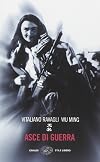
Il libro è veramente molto interessante e racconta una pagina della storia moderna di cui conoscevo veramente poco. All'inizio ho trovato complicato seguirlo, per via dei continui salti tra un presente piuttosto recente (anni 2000), gli ultimi anni della seconda guerra mondiale, e gli avvenimenti della guerra in Indocina negli anni '50-'70.
Ma una volta inquadrate le diverse storie (tutte legate da un personaggio straordinario che è anche coautore del libro), la narrazione è molto show more piacevole e ricca di contenuti.
Ho particolarmente apprezzato la posizione forte e senza mezze misure che gli autori prendono nel descrivere i partigiani da un lato e il fascismo dall'altro. Inoltre, ho trovato molto ben illustrato il disagio sociale di chi ha subito la guerra come bambino e le difficoltà enormi incontrate poi nell'integrarsi in una società che, con eccessiva fretta, ha voluto dimenticare, rimarginare forzatamente ferite ancora scoperte. Da qui poi le bellissime pagine dei sentieri dell'odio, dove il ragazzo ormai uomo deve trovare un modo per liberare anni di paura e rabbia, trovando la strada per la guerra del Laos e del Vietnam, tra la giungla, nelle fine dei partigiani a difesa dei proprio diritti.
Davvero un ottimo libro. Grazie ai WU MING e grazie a Vitaliano Ravagli per aiutarci a non dimenticare. show less
Ma una volta inquadrate le diverse storie (tutte legate da un personaggio straordinario che è anche coautore del libro), la narrazione è molto show more piacevole e ricca di contenuti.
Ho particolarmente apprezzato la posizione forte e senza mezze misure che gli autori prendono nel descrivere i partigiani da un lato e il fascismo dall'altro. Inoltre, ho trovato molto ben illustrato il disagio sociale di chi ha subito la guerra come bambino e le difficoltà enormi incontrate poi nell'integrarsi in una società che, con eccessiva fretta, ha voluto dimenticare, rimarginare forzatamente ferite ancora scoperte. Da qui poi le bellissime pagine dei sentieri dell'odio, dove il ragazzo ormai uomo deve trovare un modo per liberare anni di paura e rabbia, trovando la strada per la guerra del Laos e del Vietnam, tra la giungla, nelle fine dei partigiani a difesa dei proprio diritti.
Davvero un ottimo libro. Grazie ai WU MING e grazie a Vitaliano Ravagli per aiutarci a non dimenticare. show less
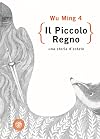
La descrizione di questo romanzo mi ha intrigato subito e non sono stata delusa. Si è definito romanzo per ragazzi, ma secondo me potrebbe piacere a qualsiasi età, anzi, che forse il tono nostalgico e cupo potrebbe essere più adatto a un pubblico adulto. Wu Ming 4 ci trascina negli angoli bui dell'infanza, ricordandoci nella premessa che "Quello che ci spaventa da bambini, ci spaventa per sempre". C'è un po' di magia, fantasmi, ma toccando sempre il limite della credibilità e facendo show more dubitare al bambino in tutti noi di cos'era vero e cosa no.
Veramente un bel romanzo, ben scritto, che mi fa venire voglia di conoscere meglio l'opera di questo autore. show less
Veramente un bel romanzo, ben scritto, che mi fa venire voglia di conoscere meglio l'opera di questo autore. show less
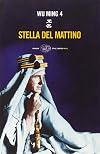
La ragion di stato toglie i poeti dalle università e li manda a combattere. Alcuni di loro tornano, feriti nel corpo e ancora di più nello spirito.
Li chiama reduci e sono rottami, e più brillano di eroismo più sono distrutti nell'intimo.
Le storie di tre di loro si intrecciano qui, con tre diverse ambiguità.
Solo uno di loro si salverà veramente, trasfigurando l'orrore con la creazione di un mondo e di un linguaggio completamente nuovi.
L'astro più luminoso, il giovanetto elfico forzato show more oltre i propri limiti umani, finirà in modo grottesco, osannato ma non pianto.
Sullo sfondo l'inizio del casino medioorientale così come noi lo conosciamo, e così come noi lo abbiamo creato.
"Una buona storia è capace di scaldarti il cuore e avvicinarti a qualcosa di vero, talmente forte che si potrebbe persino scambiare per Dio". show less
Li chiama reduci e sono rottami, e più brillano di eroismo più sono distrutti nell'intimo.
Le storie di tre di loro si intrecciano qui, con tre diverse ambiguità.
Solo uno di loro si salverà veramente, trasfigurando l'orrore con la creazione di un mondo e di un linguaggio completamente nuovi.
L'astro più luminoso, il giovanetto elfico forzato show more oltre i propri limiti umani, finirà in modo grottesco, osannato ma non pianto.
Sullo sfondo l'inizio del casino medioorientale così come noi lo conosciamo, e così come noi lo abbiamo creato.
"Una buona storia è capace di scaldarti il cuore e avvicinarti a qualcosa di vero, talmente forte che si potrebbe persino scambiare per Dio". show less
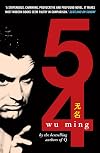
Spring, 1954. Stalin is dead, the cold war is starting to take the shape it would hold for a generation to come, Joe McCarthy is kicking commie ass and taking names, the French are in trouble in Indochina, and in the free territory of Trieste between Italy and Slovenia the big boys are trying to wrap up the last of the unresolved border disputes following WWII. Of course, to do this, it helps if they have Tito on their side. And so the MI6 call in Tito's favourite movie star to convince show more him... yes, it's Cary Grant, secret agent. Meanwhile, Lucky Luciano and his gang are setting up the world's heroin trade, a young Triestean is searching for his father who disappeared into Yugoslavia during the partisan years, a poor American TV set gets stolen and keeps changing owners, and a bunch of old Italians sit around at their local bar solving the world's problems over an espresso.
If this all sounds both confusing and insane, that's because it is... sorry, I meant to say, that's because it is the plot of a very ambitious 550-page novel condensed into a few sentences. Wu Ming, AKA Luther Blissett, the collective pseudonym of no less than five Italian writers, have managed something quite impressive here: it's a novel that almost manages to balance a... I mean several political thriller plots with a wild sense of humour, an underlying metaphor of the beginning US domination of the Western world both in terms of military and culture (if slightly hamfisted - there's an American TV set full of heroin, ferchrissakes, talk about your Trojan horse), a lament for/satire of the failure of democratic socialism in the post-fascist age, an attempt to sketch the outlines of a "post-war" half-century which would start with 20 years of war in Vietnam and end in Iraq and Afghanistan, plus a just all-around entertaining riff on spy and war novels. Basically, they're trying to write V, The Odyssey, Casino Royale, Underworld, Pereira Declares and The Godfather all at once. And have fun with all of them.
And the thing is, they almost manage to keep it together, anchor it just enough in reality and history to make even the more madcap parts believable. Obviously, it sprawls. With five writers working together, you have five people wanting their favourite bits in, so it gets overwritten; and with a bunch of storylines stretching out from Mexico to Dien Bien Phu and from Hollywood to Dubrovnik, with literally dozens of protagonists, they end up working just a little too hard to tie them all together. But damnit, it's flawed, but it works. For one thing, because they keep coming back to their characters and building the plot from them rather than the other way around. Even Cary Grant isn't in it as the movie star, he's in it as the struggling 50-year-old soon-to-be-has-been who's never reconciled himself with the working-class lad Archie Leach who wanted to be an actor, a living embodiment of both class, cultural and personal conflicts. You laugh at them, yes, but you smile with them and wince for them too. For another, it's so much fun that like political or philosophical ideals, it just makes you want to believe in it even when you know it's not practically feasible. In the end, of course, nothing here changes history in any big way (the last scene notwithstanding). Most of the time, individuals - even dozens of individuals working in separate storylines - don't change the world at large. Some of them die, some of them run away, some just stay at home and do their job, and the world marches on towards what we have today. But damnit, it's entertaining. It captures a world on the cusp of something, that wants to go in several different directions, but for reasons that become painfully clear end up going in a direction very few of them actually want to go. Takes out the warmth, leaves in the fire. show less
If this all sounds both confusing and insane, that's because it is... sorry, I meant to say, that's because it is the plot of a very ambitious 550-page novel condensed into a few sentences. Wu Ming, AKA Luther Blissett, the collective pseudonym of no less than five Italian writers, have managed something quite impressive here: it's a novel that almost manages to balance a... I mean several political thriller plots with a wild sense of humour, an underlying metaphor of the beginning US domination of the Western world both in terms of military and culture (if slightly hamfisted - there's an American TV set full of heroin, ferchrissakes, talk about your Trojan horse), a lament for/satire of the failure of democratic socialism in the post-fascist age, an attempt to sketch the outlines of a "post-war" half-century which would start with 20 years of war in Vietnam and end in Iraq and Afghanistan, plus a just all-around entertaining riff on spy and war novels. Basically, they're trying to write V, The Odyssey, Casino Royale, Underworld, Pereira Declares and The Godfather all at once. And have fun with all of them.
And the thing is, they almost manage to keep it together, anchor it just enough in reality and history to make even the more madcap parts believable. Obviously, it sprawls. With five writers working together, you have five people wanting their favourite bits in, so it gets overwritten; and with a bunch of storylines stretching out from Mexico to Dien Bien Phu and from Hollywood to Dubrovnik, with literally dozens of protagonists, they end up working just a little too hard to tie them all together. But damnit, it's flawed, but it works. For one thing, because they keep coming back to their characters and building the plot from them rather than the other way around. Even Cary Grant isn't in it as the movie star, he's in it as the struggling 50-year-old soon-to-be-has-been who's never reconciled himself with the working-class lad Archie Leach who wanted to be an actor, a living embodiment of both class, cultural and personal conflicts. You laugh at them, yes, but you smile with them and wince for them too. For another, it's so much fun that like political or philosophical ideals, it just makes you want to believe in it even when you know it's not practically feasible. In the end, of course, nothing here changes history in any big way (the last scene notwithstanding). Most of the time, individuals - even dozens of individuals working in separate storylines - don't change the world at large. Some of them die, some of them run away, some just stay at home and do their job, and the world marches on towards what we have today. But damnit, it's entertaining. It captures a world on the cusp of something, that wants to go in several different directions, but for reasons that become painfully clear end up going in a direction very few of them actually want to go. Takes out the warmth, leaves in the fire. show less
Lists
Awards


You May Also Like


Associated Authors
Statistics
- Works
- 88
- Also by
- 5
- Members
- 4,564
- Popularity
- #5,509
- Rating
- 3.8
- Reviews
- 120
- ISBNs
- 197
- Languages
- 16
- Favorited
- 13
