
Elisa Albert
Author of After Birth
About the Author
Elisa Albert teaches creative writing at Columbia University.
Image credit: Author Elisa Albert at the 2015 Texas Book Festival. By Larry D. Moore, CC BY-SA 4.0, https://commons.wikimedia.org/w/index.php?curid=44311652
Works by Elisa Albert
Freud's Blind Spot: 23 Original Essays on Cherished, Estranged, Lost, Hurtful, Hopeful, Complicated Siblings (2010) — Editor; Introduction — 19 copies
The Wellness Letters 1 copy
Associated Works
Promised Lands: New Jewish American Fiction on Longing and Belonging (2010) — Contributor — 13 copies
Tagged
Common Knowledge
- Birthdate
- 1978
- Gender
- female
- Education
- Columbia University
- Occupations
- author
- Organizations
- Columbia University
- Nationality
- USA
- Places of residence
- Los Angeles, California, USA
New York State, USA - Associated Place (for map)
- USA
Members
Reviews
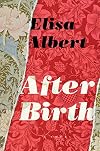
Biting, witty, heart-wrenching, raw, honest, edgy. I loved this book. I'm not even a mother, but I could understand all of the feelings expressed by the narrator. I could feel how jarring it was for her (and probably for lots of women) to transition from an inherently-selfish existence to one that requires complete selflessness. Some describe this book as being about post-partum depression. I would hesitate to slap that label on it. I think it's just a book about new motherhood. It's about show more aspects of new motherhood that often aren't expressed because women are embarrassed or ashamed or convinced they are completely alone in their thoughts and feelings. It's so nuanced and rich, it reads like non-fiction. Here are two passages to test whether or not you can handle this book:
"Sometimes I’m with the baby and I think: you’re my heart and my soul, and I would die for you. Other times I think: tiny moron, leave me the f$#k alone so I can slit my wrists in the bath and die in peace.”
“The baby toddles over, hides behind my legs. He’s an awesome baby, a swell little guy. Still a baby, though, of which even the best are oppressive fascist bastard dictator narcissists.”
See what I mean? Elisa Albert doesn't hold any punches, and I'm appreciative of that. The only reason I don't give this 5 stars is that the second half of the book kind of meandered a bit for my liking. Overall, though, a great, great read. show less
"Sometimes I’m with the baby and I think: you’re my heart and my soul, and I would die for you. Other times I think: tiny moron, leave me the f$#k alone so I can slit my wrists in the bath and die in peace.”
“The baby toddles over, hides behind my legs. He’s an awesome baby, a swell little guy. Still a baby, though, of which even the best are oppressive fascist bastard dictator narcissists.”
See what I mean? Elisa Albert doesn't hold any punches, and I'm appreciative of that. The only reason I don't give this 5 stars is that the second half of the book kind of meandered a bit for my liking. Overall, though, a great, great read. show less
"Erica lives in the city working wholeheartedly at the kind of fashion rag you read if your highest aspiration is Best Dressed at cosmetology school." WOW. WOW.
WOW. If you have not given birth, read this. If you have given birth, read this. If you are a human of this place and time, read this. If you are a man, by all means, plunge in. Even though there's a lot about breastfeeding. Even though there are some very rough and raunchy parts and naughty bits. Ari and her husband Paul left NYC to show more buy an old Victorian in one of those upstate towns that hasn't become Brooklyn # 2 yet. Ari has a terrible birth experience (of which one of her friends says, "Now that would be a great name for a band") and an even worse post partum depression. An only child, she has no family except for the vague spectre of her horrible dead mother, who withholds approval even from beyond the grave. Paul does his very best - he's a great husband and dad - but what Ari needs is the empathy and understanding of other women. Mina, a former Riot Grrrl who is older and very pregnant, sublets a house in town, and they savage, salvage, and save each other.
The writing is blisteringly sad, funny, and inappropriate. Here's an example: "He's an awesome baby, a swell little guy. Still a baby, though, of which even the best are oppressive fascist bastard dictator narcissists." So, if you appreciate the fine qualities of that line, read this book. I'm buying it, which is my tribute, and I'm heading for Elisa Albert's back catalogue as fast as my fingers will carry me. show less
WOW. If you have not given birth, read this. If you have given birth, read this. If you are a human of this place and time, read this. If you are a man, by all means, plunge in. Even though there's a lot about breastfeeding. Even though there are some very rough and raunchy parts and naughty bits. Ari and her husband Paul left NYC to show more buy an old Victorian in one of those upstate towns that hasn't become Brooklyn # 2 yet. Ari has a terrible birth experience (of which one of her friends says, "Now that would be a great name for a band") and an even worse post partum depression. An only child, she has no family except for the vague spectre of her horrible dead mother, who withholds approval even from beyond the grave. Paul does his very best - he's a great husband and dad - but what Ari needs is the empathy and understanding of other women. Mina, a former Riot Grrrl who is older and very pregnant, sublets a house in town, and they savage, salvage, and save each other.
The writing is blisteringly sad, funny, and inappropriate. Here's an example: "He's an awesome baby, a swell little guy. Still a baby, though, of which even the best are oppressive fascist bastard dictator narcissists." So, if you appreciate the fine qualities of that line, read this book. I'm buying it, which is my tribute, and I'm heading for Elisa Albert's back catalogue as fast as my fingers will carry me. show less
Be forewarned! This book contains irreverant responses to things typically Jewish. Don't read it if you are easily offended. What this book does extremely well, however, is take someone's pain and superimpose it on a Jewish situation, thereby making very poignant statements in the way each situation is played out. Superficially funny, but deeply sad, these stories are unique and thought-provoking reads.
When I first started this collection of stories, I didn't think I'd like them. As I read show more through them, though, they began to grow on me. I have to say that, by the time I finished this book, I had to admit I found the stories very entertaining. "Etta or Bessie or Dora or Rose" was the most powerful, but my two personal favorites were "When You Say You're A Jew" and "So Long" because they echoed my personal experiences. I will certainly recommend this book to others. show less
When I first started this collection of stories, I didn't think I'd like them. As I read show more through them, though, they began to grow on me. I have to say that, by the time I finished this book, I had to admit I found the stories very entertaining. "Etta or Bessie or Dora or Rose" was the most powerful, but my two personal favorites were "When You Say You're A Jew" and "So Long" because they echoed my personal experiences. I will certainly recommend this book to others. show less
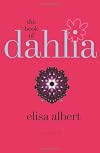
I was attracted to The Book of Dahlia after I finished reading this author’s debut book of short stories. Her unique voice is loud and clear. It becomes even more defined in this novel about a twenty-nine-year old Jewish girl who has just been diagnosed with a brain tumor.
You say you don’t want to read a depressing book? Well, you’ll have to forget about the main topic and read into this story. It’s been a rather tough life all along for Dahlia so her diagnosis of a terminal illness show more is not that overpowering in the long run of things. Brought to the United States as a child, Dahlia had been born of an Israeli mother and an American father. Her dad, an ineffective father but caring person, is her main caretaker because her older brother goes off to college to become a rabbi and her mother travels abroad to do charitable work. Dahlia is left pretty much alone. She is a survivor, though. Her psyche has all sorts of defenses against the blows that life deals her.
This is a tough story to read if you dwell on the dysfunctional nature of Dahlia’s family and her illness. It’s a super treat, however, if you listen to Dahlia as she recounts her family’s story. She’s a strong female character and a fighter. I liked the flaws within her character as well. It made her seem real.
There was something about reading Dahlia’s story that drove me to read this book quickly and thoroughly. I’d say it’s Elisa Albert’s style of writing. Sharp and incisive, it just goes barrelling forward. Additionally, I loved the transliterated Hebrew words (not all of them translated) that were sprinkled throughout the story. I felt as if I were an insider, understanding them all. I’d say this book might not be for everyone, but I was enthralled by the quality of the story-telling and eagerly await the next powerful novel by Elisa Albert. show less
You say you don’t want to read a depressing book? Well, you’ll have to forget about the main topic and read into this story. It’s been a rather tough life all along for Dahlia so her diagnosis of a terminal illness show more is not that overpowering in the long run of things. Brought to the United States as a child, Dahlia had been born of an Israeli mother and an American father. Her dad, an ineffective father but caring person, is her main caretaker because her older brother goes off to college to become a rabbi and her mother travels abroad to do charitable work. Dahlia is left pretty much alone. She is a survivor, though. Her psyche has all sorts of defenses against the blows that life deals her.
This is a tough story to read if you dwell on the dysfunctional nature of Dahlia’s family and her illness. It’s a super treat, however, if you listen to Dahlia as she recounts her family’s story. She’s a strong female character and a fighter. I liked the flaws within her character as well. It made her seem real.
There was something about reading Dahlia’s story that drove me to read this book quickly and thoroughly. I’d say it’s Elisa Albert’s style of writing. Sharp and incisive, it just goes barrelling forward. Additionally, I loved the transliterated Hebrew words (not all of them translated) that were sprinkled throughout the story. I felt as if I were an insider, understanding them all. I’d say this book might not be for everyone, but I was enthralled by the quality of the story-telling and eagerly await the next powerful novel by Elisa Albert. show less
Lists
Awards


You May Also Like


Associated Authors
Statistics
- Works
- 7
- Also by
- 5
- Members
- 641
- Popularity
- #39,338
- Rating
- 3.6
- Reviews
- 22
- ISBNs
- 40
- Languages
- 2
